
消费者权益保护

Search documents
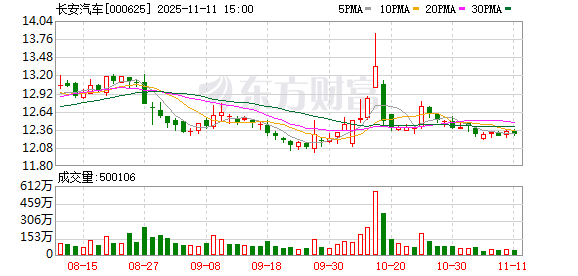
通过“中间商”购车无法提车?阿维塔深蓝发布紧急声明
Zheng Quan Ri Bao· 2025-11-11 10:08
Core Viewpoint - Changan Automobile's subsidiaries, Avita and Deep Blue, issued urgent statements regarding consumer complaints about vehicle delivery issues through unauthorized intermediaries, highlighting the lack of cooperation with these intermediaries and the initiation of police investigations [2][4]. Group 1: Company Response - Avita and Deep Blue confirmed that the involved intermediaries have no official partnership with them, and their actions have severely harmed consumer rights and the companies' reputations [4]. - Changan Automobile announced the establishment of a 1 million yuan reward fund for reporting false information to protect brand reputation and consumer rights [4]. Group 2: Market Implications - The incident has raised consumer concerns about the safety of car purchasing channels and exposed regulatory gaps in the rapidly growing electric vehicle market [3]. - Various sales models exist in the market, including official direct sales, authorized dealers, mixed models, and third-party platforms, with unauthorized intermediaries posing significant risks [3]. Group 3: Consumer Guidance - Consumers are advised to purchase vehicles only through authorized sales channels and verify the credentials of dealers to avoid unauthorized intermediaries [5]. - Key contract terms should be clearly stated, and consumers should retain all purchase-related documents to safeguard their rights [6].


杜绝二选一、大数据杀熟!市场监管总局发“双十一”合规提示
Sou Hu Cai Jing· 2025-11-10 14:24
Core Points - The State Administration for Market Regulation has issued a compliance notice to major e-commerce platforms to regulate promotional activities during the "Double Eleven" shopping festival, aiming to maintain order in online transactions and protect consumer rights [2][3] - The notice emphasizes the prohibition of illegal practices such as "choose one from two" and "big data killing familiarity," and mandates clear and transparent promotional rules [2][3] - It also highlights the need for strict management of live marketing, advertising content, and timely resolution of consumer disputes [3] Regulatory Compliance - E-commerce platforms must ensure the authenticity of operator information and comply with relevant laws and regulations, including algorithm compliance management [2] - Promotional activities must be transparent, detailing conditions for discounts, coupons, pre-sales, and price guarantees, along with return and modification processes [2] - Price behaviors must respect merchants' autonomy, prohibiting unreasonable restrictions on pricing and false discount claims [2] Live Marketing and Advertising - Platforms are required to strengthen the review of operators' qualifications and product information in live marketing, ensuring the quality of live-streamed products and preventing the sale of counterfeit goods [3] - Advertising content must be legally registered and audited, particularly in sensitive areas like medical beauty and health products, with a focus on removing illegal advertisements [3] Consumer Rights Protection - The notice mandates adherence to consumer rights regulations, including the seven-day no-reason return policy and product warranty obligations [3] - It encourages consumers to be rational in their purchases and to report illegal activities to market regulation authorities to protect their rights [3]

“我记住你地址了,你给我等着……”大连女子深夜接到跨省恐吓电话
Huan Qiu Wang· 2025-11-10 05:46
Core Points - A consumer, Liu, experienced threats after questioning the authenticity of imported "infant DHA" products purchased from an e-commerce platform [1][5][12] - The products had suspicious packaging and lacked traceability information, raising concerns about their legitimacy [2][4] - The e-commerce platform failed to provide adequate support and resolution, leading to further distress for the consumer [7][9][10] Group 1: Product Authenticity Concerns - Liu purchased six bottles of imported "infant DHA" from an e-commerce platform, attracted by large discounts [2] - Upon receiving the products, Liu noticed unusual packaging and unclear printing, prompting her to verify the authenticity [2][4] - The domestic agent confirmed that the products were not authorized for sale on the platform Liu used, raising red flags about the legitimacy of the purchase [4] Group 2: Threatening Behavior - After raising concerns with the e-commerce platform, Liu received a threatening phone call from an unknown number, indicating potential retaliation [5][11] - The caller warned Liu against escalating the situation, which heightened her fear and concern for her safety [5][11] Group 3: E-commerce Platform's Response - The e-commerce platform's customer service was criticized for its lack of effective communication and support, leading to further complications for Liu [7][10] - Despite multiple attempts to resolve the issue, the platform only offered refunds and shopping vouchers, which Liu deemed insufficient [8][9] - The platform's failure to address the core issues of product authenticity and the threatening behavior faced by Liu has raised questions about its accountability [9][10][12] Group 4: Legal Implications - Legal experts indicated that the seller's actions may violate consumer rights and that the threatening behavior could breach public security laws [11] - Consumers have the right to demand proof of product authenticity, and failure to provide such proof could result in legal consequences for the seller [11]

遥望科技与朵薇双双入选“2025消费责任对话”创新案例,以数智化与透明化重塑消费信任
Jiang Nan Shi Bao· 2025-11-05 09:30
Core Insights - The event "2025 Consumer Responsibility Dialogue" was held in Chengdu, focusing on enhancing consumer confidence and service quality in the new consumption landscape [1] - Yaowang Technology and Hangzhou Lingyue Technology presented innovative service cases that emphasize quality and consumer trust [1][2] - The company has established a "100 Million Quality Assurance Fund" to enhance after-sales service and has been recognized for its consumer rights protection initiatives [2] Group 1: Company Initiatives - Yaowang Technology has developed the "Yaowang Cloud AIOS" to standardize live streaming processes, ensuring product quality and minimizing human error [2] - The "Yaowang Cloud Quality Management Chain" was recognized as a typical case in the China Quality (Chengdu) Conference, highlighting its innovative approach in the live e-commerce sector [2] - The company is leveraging AI to improve customer service efficiency and enhance overall consumer experience [4] Group 2: Brand Development - The brand "Domyway Duowei," co-created by Yaowang Technology and celebrity Huang Zitao, focuses on transparent manufacturing of sanitary products, aiming to build consumer trust [4][5] - Duowei employs a consumer-centric product co-creation model, having distributed over 400,000 trial packages and iterated on more than 60 versions before launch [4] - The brand has established a customer service system centered on rapid response and proactive care, achieving a 99.88% positive feedback rate [7] Group 3: Social Responsibility - Duowei has initiated social welfare programs, including the "Flower Young" plan, to support students in rural areas and promote women's health education [7] - The company emphasizes a philosophy of "business for good," extending consumer rights protection into social welfare initiatives [7][8] - Yaowang Technology's practices are redefining consumer rights protection in the live e-commerce era, focusing on trust, responsibility, and warmth [8]


消费金融公司应加快迈向高质量发展
Zhong Guo Jing Ji Wang· 2025-11-04 14:17
Core Viewpoint - The revision of the "Management Measures for Consumer Finance Companies" in 2024 aims to strengthen the professional positioning of consumer credit functions, enhance consumer rights protection, and support the recovery and expansion of consumption for high-quality development [1][3]. Regulatory Environment - Recent regulatory policies, particularly the new directive to reduce borrowers' comprehensive financing costs, will impact the business models and pricing strategies of consumer finance companies in the short term, but are expected to promote high-quality development in the long term [1][2]. - The "Loan Facilitation New Regulations" issued by the National Financial Supervision Administration in April 2025, effective from October 1, emphasizes compliance and risk control in the internet loan facilitation business [1][2]. Industry Challenges - Small and medium-sized consumer finance companies that overly rely on loan facilitation face significant pressure due to regulatory changes [2]. - Many consumer finance companies lack independent customer acquisition and risk control capabilities, leading to high financing costs for borrowers [2][5]. Development Strategies - Consumer finance companies should focus on enhancing technology investment and team building to improve core competencies in customer acquisition and risk control [2][3]. - Companies are encouraged to seek differentiated competition by focusing on specific consumer scenarios or target customer groups, leveraging shareholder resources and technological advancements [3][4]. Risk Management and Operational Efficiency - Companies must adopt precise risk pricing and refined operational capabilities, utilizing big data and AI for better customer profiling and differentiated pricing [4]. - There is a need to optimize business models and cost structures by reducing reliance on guarantee and credit enhancement models, transitioning to a model where core risk control is self-managed [4][6]. Compliance and Consumer Protection - Compliance management is becoming essential for survival, requiring integration into all business processes and establishing comprehensive compliance review mechanisms [5]. - Strengthening consumer rights protection and reducing customer complaints are critical, necessitating a robust governance framework that includes consumer rights in daily operations [5][6]. Future Outlook - The consumer finance sector is expected to maintain good development potential, with policies guiding companies towards high-quality growth and responsible consumer finance practices [3][6].
商业体检:莫让乱象损害信任
Xin Hua Wang· 2025-11-03 00:29
Core Insights - The article highlights the growing demand for health check-ups in China, driven by increased health awareness among residents, but also points out significant issues within the commercial health check industry, including induced consumption, over-testing, misdiagnosis, and inadequate after-sales service [1] Group 1: Induced Consumption and Over-Testing - Some commercial health check institutions create health anxiety and mislead consumers into adding unnecessary tests, leading to inflated costs [2][3] - Consumers report being pressured into additional tests during appointments, often resulting in significant increases in total expenses, sometimes exceeding 3000 yuan for tests that were not initially needed [2] - High-priced tests, such as genetic screenings, are promoted despite their limited value for the general population, leading to unnecessary financial burdens [4] Group 2: Misdiagnosis and Trust Issues - There are numerous complaints regarding misdiagnosis and missed diagnoses in commercial health check institutions, which erodes consumer trust [5][6] - Specific cases illustrate the severity of misdiagnosis, such as a missed kidney cyst that could have had dire consequences if not caught later [5] - Legal cases have emerged where institutions were held accountable for diagnostic errors, indicating a potential for increased scrutiny and liability in the industry [5][6] Group 3: Quality of Service and Regulatory Compliance - Many commercial health check institutions lack qualified medical personnel and fail to meet regulatory standards, leading to subpar service and report interpretation [7][8] - The interpretation of health check reports is often superficial, failing to provide meaningful insights into individual health conditions, which diminishes the overall effectiveness of the service [8] - Experts suggest that commercial health check institutions should adopt stricter operational standards and enhance their professional capabilities to improve accuracy and reduce risks of misdiagnosis [9][10] Group 4: Recommendations for Improvement - Experts recommend that commercial health check institutions enhance their service quality by adopting best practices from public hospitals, including rigorous staff qualifications and a structured review process for test results [11] - There is a call for improved regulatory frameworks to ensure compliance and protect consumer rights, including clearer guidelines on the responsibilities of health check institutions [10][11] - Establishing a robust quality assurance system that integrates technology, personnel, processes, and management is essential for minimizing diagnostic errors and enhancing service reliability [10]
宝宝巴士跳转低俗广告,青少年应用需具备刚性底线|消费舆警指数
2 1 Shi Ji Jing Ji Bao Dao· 2025-10-30 11:12
Core Viewpoint - The article discusses the importance of consumer trust and brand management in the face of public relations crises, highlighting recent incidents involving DJI and BabyBus that reflect broader industry challenges in maintaining consumer confidence and addressing operational shortcomings [1][4][6]. Group 1: DJI Incident - On October 7, media reported on DJI's price drop, leading to consumer discussions about returns and rights protection, which trended on social media [2][4]. - DJI officially launched a promotional campaign on October 9, with price reductions up to 1,500 yuan, causing backlash from consumers who felt "betrayed" by the pricing strategy [2][4]. - DJI's customer service stated that only a 7-day price protection policy applies, which has led to dissatisfaction among consumers who purchased products before the price drop [4][5]. - The incident highlights a disparity in consumer rights treatment between online and offline purchases, raising concerns about brand trust and consumer experience [5]. Group 2: BabyBus Incident - BabyBus faced backlash for displaying inappropriate third-party ads on its children's app, which sparked significant public concern [6][7]. - The company acknowledged the issue, attributing it to third-party ad placements and promising to enhance their ad review processes [6][7]. - BabyBus's response included an apology and a commitment to remove problematic ads and improve their advertising mechanisms to protect children's interests [6][7]. - The incident underscores the need for stricter content regulations in children's digital products and the importance of prioritizing child safety over commercial interests [7].
工行南通分行营业部用心服务多维度筑牢消费者权益保护屏障
Jiang Nan Shi Bao· 2025-10-27 07:38
Core Viewpoint - The Industrial and Commercial Bank of China (ICBC) Nantong Branch is enhancing consumer rights protection and improving customer financial service experience through a comprehensive approach focusing on financial knowledge promotion, service optimization, and risk prevention [1][2]. Group 1: Financial Knowledge Promotion - The branch is conducting targeted educational campaigns tailored to different customer demographics, such as elderly clients and youth, to raise awareness about financial fraud prevention and personal information protection [1]. - Initiatives include setting up consumer protection information corners in branches, distributing brochures, and utilizing online platforms like WeChat and Douyin to disseminate consumer protection tips [1]. Group 2: Service Process Optimization - A dedicated "Consumer Rights Protection Window" has been established to address customer inquiries, complaints, and suggestions in a one-stop manner, ensuring efficient service delivery [2]. - The branch is improving communication during financial transactions by using clear language to explain risks and responsibilities, thereby eliminating ambiguous marketing practices [2]. - Special services are provided for clients with mobility issues, including home visits for account activation and password resets, ensuring accessibility [2]. Group 3: Risk Prevention and Dispute Resolution - A mechanism for risk prevention and dispute resolution has been implemented, focusing on proactive measures, real-time handling, and post-resolution analysis [2]. - Staff training is regularly conducted to enhance customer-centric service awareness and minimize service errors [2]. - A rapid response team for consumer disputes has been established, ensuring that customer issues are addressed within 24 hours and solutions provided within three working days [2].

一篇教会你如何高效投诉:从准备到落地的全流程指南
Xin Lang Cai Jing· 2025-10-25 06:17
Core Viewpoint - The article provides a structured approach to consumer complaints, emphasizing a "Five-Step Precision Complaint Method" to effectively protect consumer rights and ensure that every demand is taken seriously [1] Group 1: Steps for Effective Complaints - Step 1: Precisely identify the issue and clarify the type of complaint, such as contract breach, product quality, false advertising, or price fraud [2] - Step 2: Establish a solid evidence chain, including purchase proof, problem verification, communication records, and promotional comparisons [3][4] - Step 3: Choose efficient channels based on the severity of the issue, ranging from direct negotiation with the merchant to administrative complaints and legal action [5][6][7] Group 2: Communication and Follow-Up - Step 4: Communicate effectively to enhance the success rate of complaints by being assertive yet rational, stating clear demands, and utilizing multiple channels if necessary [8] - Step 5: Follow up and provide feedback to ensure closure, including tracking progress, escalating overdue cases, and confirming resolution outcomes [9] Group 3: Consumer Protection Tips - Avoid pitfalls such as "private settlements" and protect personal information during the complaint process [9] - Maintain reasonable demands to prevent excessive claims that lack justification [9] Conclusion - The essence of effective complaints lies in the combination of evidence, appropriate channels, and strategic communication, contributing to a fairer and more transparent consumer environment [9]
件件有落实、事事有回应 中国人寿财险云南省分公司全力保护消费者权益
Zhong Guo Jin Rong Xin Xi Wang· 2025-10-24 07:35
Core Viewpoint - The company emphasizes its commitment to consumer rights protection and financial education, aiming to provide warm and secure financial services to the public [1][2][3] Group 1: Financial Education Initiatives - The company has conducted 314 financial education activities, reaching approximately 15.99 million consumers by September 30 [1] - Activities include themes like "Heart Defense Against Fraud" and financial education in various community settings, targeting vulnerable groups [1] Group 2: Consumer Protection and Service Optimization - The company has organized 344 warm claim activities, 96 sunshine mediations, and 97 community care events in the first three quarters of the year [2] - A comprehensive consumer protection management system has been established, leading to a 33.36% decrease in total complaints year-on-year [2] Group 3: Professional Talent Development - The company has implemented a multi-dimensional training system for consumer protection, with over 10,000 participants in various training sessions by the third quarter of 2025 [2] - The focus is on enhancing service capabilities across different levels and roles within the organization [2] Group 4: Future Plans - The company aims to build a proactive, standardized, and intelligent consumer protection management system to enhance the quality of financial services [3]
