世界模型

Search documents
AI"教父"放狠话,大语言模型走不通
阿尔法工场研究院· 2026-01-05 00:03
Core Viewpoint - The article discusses Yann LeCun's departure from Meta and his views on AI, particularly criticizing large language models (LLMs) and advocating for a new approach to AI development through a "world model" architecture [8][10][21]. Group 1: LeCun's Departure from Meta - Yann LeCun, a prominent AI scientist, is leaving Meta after over a decade to focus on a new startup that aims to develop advanced AI technologies [9][10]. - His departure was accelerated by the news of his new venture, which has garnered attention from figures like French President Macron [12][13]. - LeCun will serve as the executive chairman of the new company, allowing him to maintain his research focus [14]. Group 2: Critique of Large Language Models - LeCun argues that LLMs are fundamentally limited and cannot achieve superhuman intelligence, as they are constrained by language [21][22]. - He proposes a new architecture called V-JEPA, which utilizes video and spatial data to understand the physical world, moving beyond the limitations of language [23][24]. - This approach aims to create what he terms "Advanced Machine Intelligence" (AMI), which can plan, reason, and have persistent memory [25]. Group 3: Impact of ChatGPT on Meta - The emergence of ChatGPT disrupted Meta's AI strategy, prompting the company to accelerate the development of its own LLM, Llama [72][73]. - Meta's leadership restructured the organization to focus on generative AI, but this led to communication issues and a lack of innovative output [80][81]. - LeCun noted that the performance of subsequent Llama models was disappointing, leading to a loss of confidence from CEO Mark Zuckerberg [82][84]. Group 4: Future Directions in AI - LeCun believes that the next phase of AI development will involve establishing new labs focused on foundational research, similar to successful models from other AI leaders [101]. - He emphasizes the importance of understanding physical world dynamics in AI models, which could lead to better predictive capabilities [102]. - LeCun anticipates that within 12 months, a "baby version" of his new technology could be realized, with larger-scale versions to follow in the coming years [104].


独家对话前华为天才少年李元庆:首款规模化具身智能产品中国造!多机异构是未来方向
Xin Lang Cai Jing· 2026-01-04 12:25
Core Insights - The article discusses the recent appointment of Li Yuanqing, a former Huawei executive, to LeXiang Technology, where he will focus on innovation strategy and core technology development in the field of embodied intelligence [2][36] - Li emphasizes the importance of landing and data in the embodied intelligence sector, aiming to create a functional product for home users [3][38] - The article highlights significant advancements in robotics, particularly in stability and reliability, indicating a shift from demonstration to market-ready products [5][41] Group 1: Industry Trends - The investment trend in the robotics sector is driven by the maturity of technology and market expectations, with many companies successfully securing funding [5][40] - The linkage between primary and secondary markets is evident, as listed companies signal their entry into the robotics field to manage market value and create new growth avenues [6][41] - The Chinese market's strong policy orientation facilitates rapid interaction between primary and secondary markets, enhancing investment in robotics [6][41] Group 2: Technological Advancements - Key breakthroughs in robotics include improved stability and reliability, with robots now capable of performing complex movements without falling [5][42] - The development of LocoFormer technology allows for advanced local motion control, while AnyTracker enables robots to replicate human movements accurately [8][43] - The success rate for simple tasks has increased to 100%, indicating a significant leap in the practical application of AI in robotics [10][44] Group 3: Future Directions - Li advocates for a multi-machine heterogeneous approach as the future direction of embodied intelligence, suggesting that the first widely adopted product will likely emerge from China [2][37][38] - The focus on creating a home-based functional product reflects the need for enhanced information systems within domestic environments [23][38] - The article discusses the potential for new business models, such as Robot as a Service (RaaS), which could transform how robotics are utilized in various sectors [29][30]

独家对话前华为天才少年李元庆:首款规模化具身智能产品中国造!多机异构是未来方向
AI前线· 2026-01-04 10:23
Core Insights - The article discusses the recent appointment of Li Yuanqing, a former Huawei executive, to LeXiang Technology, where he will focus on innovation strategy and core technology development in the field of embodied intelligence [2][3] - Li emphasizes the importance of practical application and data in the development of embodied intelligence, predicting that the first widely adopted product in this field may emerge from China [3][24] Group 1: Industry Trends - There is a significant increase in investment in embodied intelligence from both tech giants and startups, driven by the maturity of technology and market expectations [6][7] - The current trend in the robotics sector is characterized by a strong linkage between primary and secondary markets, with listed companies signaling their entry into humanoid robotics to enhance their market value [6][7] - The stability and reliability of robots have improved significantly from 2024 to 2025, transitioning from mere demonstrations to market-ready products [8][9] Group 2: Technological Advancements - Key breakthroughs in embodied intelligence include the LocoFormer technology for local motion control and AnyTracker applications that allow robots to replicate human movements accurately [9][10] - Robots are now capable of completing simple tasks with a 100% success rate, a significant improvement from previous years [10][11] - The evolution of the technology stack for embodied intelligence is marked by advancements in local motion control and the integration of visual language navigation strategies [11][12] Group 3: Challenges and Opportunities - Major challenges for the large-scale application of embodied intelligence include high costs of core components and unclear product definitions in various scenarios [22][23] - The industry faces difficulties in integrating hardware and software technologies, leading to a lack of clarity in technical routes and supply chain adaptations [23][24] - The article suggests that the future of embodied intelligence may lie in a multi-robot collaboration model rather than a single universal intelligent agent [27][28] Group 4: Strategic Directions - Li's team aims to develop a functional product for home users, treating each household as a factory to enhance information and automation [25][26] - The company plans to leverage advanced spatial perception technology to build an information system for homes, integrating automation and intelligent interaction [26][24] - The article highlights the potential for new business models such as Robot as a Service (RaaS) and rental models to optimize the utilization of robotic systems [29][30]

李飞飞踢馆游戏圈:Unity们,该退场了
3 6 Ke· 2026-01-04 09:35
Core Viewpoint - The gaming industry, valued at $190 billion, is facing a crisis as development costs for AAA titles soar, leading to burnout among developers. AI innovations, particularly through Li Feifei's "world model," are set to revolutionize game development by significantly increasing efficiency and reducing costs [1][20]. Group 1: Industry Challenges - The development of high-profile games like MiHoYo's "Genshin Impact" and "GTA 6" has become increasingly burdensome, with annual operational costs exceeding $200 million and lengthy development cycles [1]. - AAA game development costs can reach billions, creating a stagnation in creativity and innovation within the industry [1][20]. Group 2: AI Innovations - Li Feifei's World Labs is introducing a "world model" that enables AI to understand and reconstruct 3D physical spaces, drastically improving development speed by four times [3][4]. - AI-generated complex 3D environments can be created with minimal input, allowing developers to focus on creativity rather than technical constraints [6][11]. Group 3: Future of Game Development - The traditional game engines, reliant on complex coding and predefined rules, are being replaced by AI systems that understand physical interactions intuitively [9][12]. - As AI tools mature, the barriers to game development will lower, enabling more individuals to create personalized gaming experiences without extensive technical knowledge [15][17]. Group 4: Emotional and Creative Implications - The democratization of game creation through AI could lead to a resurgence of creativity, allowing developers to focus on enjoyment and exploration rather than technical limitations [21][22]. - Concerns exist regarding the potential for low-quality content flooding the market as the cost of creating virtual worlds approaches zero, raising questions about the future of artistic integrity in gaming [20].
LeCun曝Meta作弊刷榜,田渊栋:我没想到这个结局
量子位· 2026-01-04 05:21
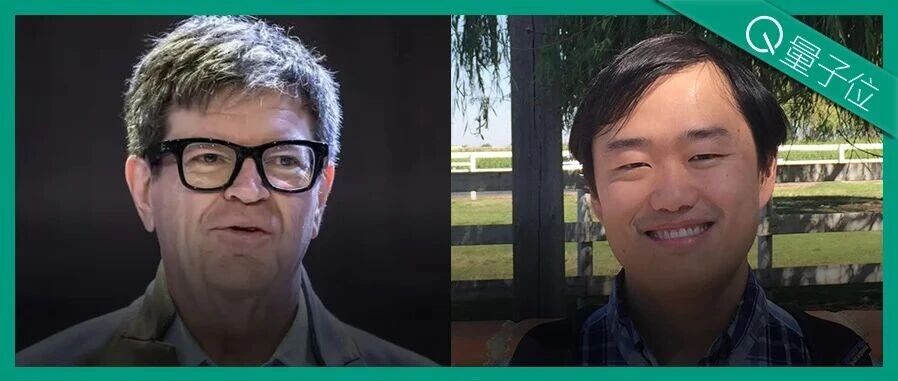
Core Viewpoint - The article discusses the fallout from the release of Meta's Llama 4, highlighting internal conflicts and the departure of key figures like LeCun and Tian Yuandong, who are now pursuing entrepreneurial ventures due to dissatisfaction with Meta's direction in AI development [1][3][22]. Group 1: Llama 4 and Internal Conflicts - Llama 4 faced significant criticism and allegations of cheating in benchmark tests, leading to a loss of confidence from Meta's leadership [1][10]. - The release of DeepSeek, a competing AI model, pressured Meta to accelerate its AI investments, resulting in internal turmoil and a shift in team dynamics [4][6]. - The communication breakdown within the team was exacerbated by differing priorities, with LeCun's team wanting to innovate while leadership preferred proven technologies [7][8]. Group 2: Departures and New Ventures - LeCun and Tian Yuandong both announced their intentions to start new companies after leaving Meta, with LeCun focusing on world models and Tian Yuandong on new AI initiatives [27][33]. - LeCun's new venture, Advanced Machine Intelligence (AMI), aims to explore advanced machine intelligence through open-source projects, while he will serve as the executive chairman [27][30]. - Tian Yuandong expressed a desire to co-found a startup, indicating a trend among former Meta employees to seek new opportunities outside the company [33]. Group 3: Future Directions in AI - LeCun's focus on the V-JEPA architecture aims to enhance AI's understanding of the physical world through video and spatial data, with expectations for significant progress within 12 months [32]. - The article emphasizes the need for AI to move beyond language limitations, as highlighted by LeCun's critique of the current focus on large language models [25][26].
空间智能是未来10年AI发展的新前沿
Guan Cha Zhe Wang· 2026-01-04 01:34
Core Insights - The article discusses the evolution and significance of spatial intelligence in artificial intelligence (AI), emphasizing its potential to reshape creativity, embodied intelligence, and societal progress. It highlights the limitations of current AI technologies, particularly in understanding and interacting with the physical world, and proposes the development of "world models" to bridge this gap [1][2][3]. Group 1: Spatial Intelligence and AI Development - Spatial intelligence is a fundamental aspect of human cognition that influences how individuals interact with the physical world, from everyday tasks to complex problem-solving [7][8]. - Current AI technologies, particularly large language models (LLMs), have made significant advancements but still lack the spatial reasoning and understanding necessary for real-world applications [12][13]. - The development of AI with spatial intelligence is seen as the next frontier, requiring new generative models that can understand, reason, and interact with both virtual and real environments [14][19]. Group 2: World Models and Their Capabilities - World models are defined as generative models that possess three key capabilities: generative, multimodal, and interactive [14][16][17]. - These models must be able to generate consistent simulations of the world, process various forms of input, and predict the next state based on actions taken [14][16][17]. - The creation of effective world models is essential for advancing AI's spatial intelligence and enabling applications across various fields, including robotics, creative industries, and scientific research [19][30]. Group 3: Applications and Future Directions - The potential applications of spatial intelligence in AI span multiple domains, including creativity, robotics, and healthcare, with the aim of enhancing human capabilities rather than replacing them [22][31][32]. - In creative fields, tools like the Marble platform are being developed to empower creators by allowing them to build immersive and interactive environments without the constraints of traditional design processes [24][25]. - In healthcare, spatial intelligence can transform processes from drug discovery to patient monitoring, enhancing the quality of care while maintaining human connections [32][33].

为什么蔚来会押注世界模型?
自动驾驶之心· 2026-01-04 01:04
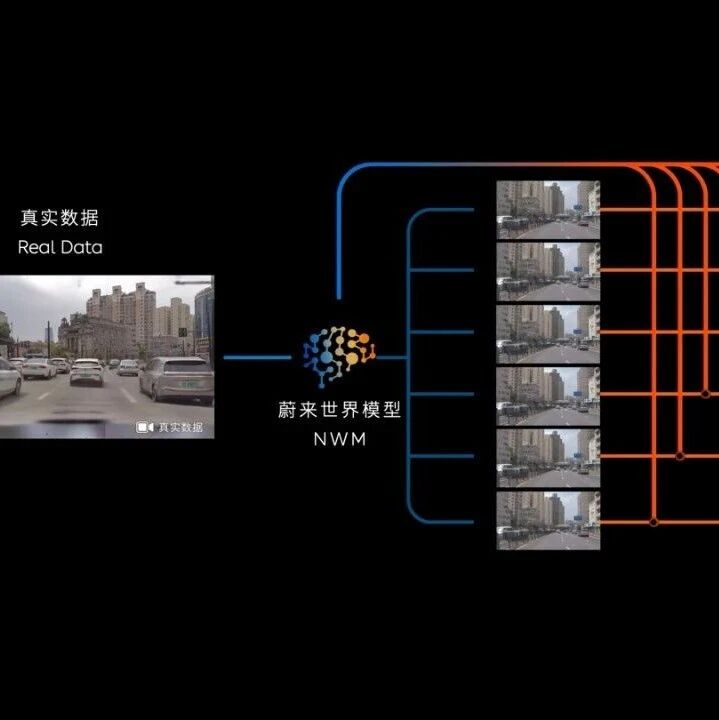
Core Insights - NIO's NWM 2.0 launch has reportedly shown promising results, with expectations for the world model to deliver surprises in intelligent driving [1] - The concept of the world model is crucial for understanding spatiotemporal cognition, which is essential for autonomous driving systems [1] Group 1: World Model Concept - The world model focuses on high-bandwidth cognitive systems that directly utilize video data rather than converting it into language, addressing the limitations of language models in modeling real-world spatiotemporal dynamics [1] - The world model encompasses two levels of cognition: spatiotemporal understanding and conceptual understanding, with the former being critical for autonomous driving applications [1] Group 2: Industry Applications and Challenges - Various companies are building their own cloud and vehicle-based world models using open-source algorithms for data generation and closed-loop simulation [1] - The definition of a world model remains ambiguous, leading to confusion among newcomers in the field, who often struggle to grasp the concept and its applications [1] Group 3: Course Overview - A course is being offered to help individuals understand the world model in autonomous driving, covering topics from foundational principles to practical applications [6][11] - The course includes multiple chapters focusing on the history, background knowledge, and various streams of world models, including pure simulation and generative models [6][7][8] Group 4: Technical Foundations - The course will cover essential technical concepts such as Transformer architecture, BEV perception, and occupancy networks, which are critical for understanding world models [12][14] - Participants are expected to have a foundational knowledge of autonomous driving modules and relevant programming skills to fully benefit from the course [14]
超越DriveVLA-W0!DriveLaW:世界模型表征一统生成与规划(华科&小米)
自动驾驶之心· 2026-01-04 01:04
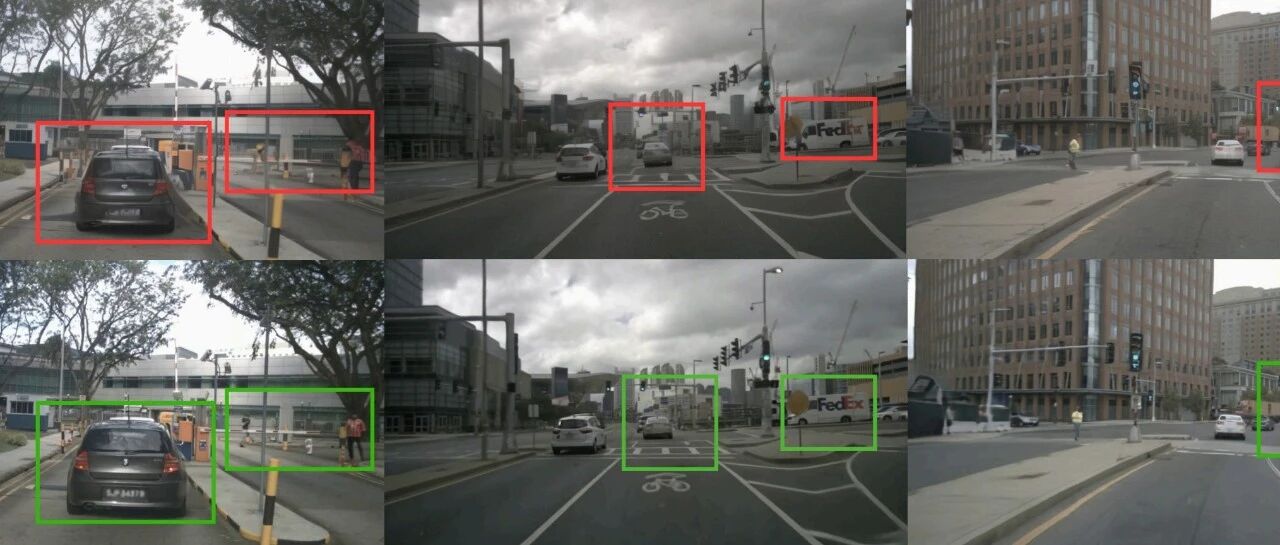
Core Viewpoint - The article discusses the advancements in autonomous driving technology, particularly focusing on the integration of world models to enhance system robustness and generalization in long-tail scenarios. It introduces DriveLaW, a unified world model that combines video generation and trajectory planning to address existing challenges in autonomous driving systems [2][5][43]. Group 1: Advancements in Autonomous Driving - Recent breakthroughs in perception and planning technologies have significantly improved autonomous driving capabilities [2]. - Existing systems still struggle with long-tail scenarios, limiting closed-loop driving performance [2]. - A surge of research is exploring world models to predict future driving scenarios, enhancing system robustness and generalization [2][3]. Group 2: World Model Applications - World models are being applied in various ways, including synthesizing data for rare scenarios, simulating environments for policy learning, and providing future visual predictions as supervisory signals [3]. - Current world models often lack tight coupling with decision-making processes, leading to indirect contributions to planning [3]. Group 3: DriveLaW Overview - DriveLaW is introduced as an end-to-end world model that innovatively shifts from parallel to chain structures in generation and planning [5]. - It leverages latent features from large-scale video generation models to enhance planning capabilities, ensuring consistency between generated visuals and planned trajectories [5][10]. - The model consists of two main components: DriveLaW-Video for video generation and DriveLaW-Act for trajectory planning [10]. Group 4: Performance Metrics - DriveLaW achieved a FID score of 4.6 and an FVD score of 81.3, surpassing previous world model approaches in video generation quality [35]. - In the NAVSIM benchmark, DriveLaW reached a PDMS score of 89.1 without any reinforcement learning fine-tuning, demonstrating its effectiveness in closed-loop planning [36]. Group 5: Training Strategy - A three-stage training strategy is employed to balance high-fidelity video synthesis and stable trajectory generation [34]. - The first stage focuses on learning robust motion patterns at reduced spatial resolutions, while the second stage enhances visual quality at higher resolutions [34]. - The final stage conditions the trajectory planner on the latent features from the video generator, effectively coupling generation and planning [34].
LeCun在Meta还有论文:JEPA物理规划的「终极指南」
机器之心· 2026-01-03 04:13
编辑|Panda 长期以来,AI 领域一直怀揣着一个宏大的梦想:创造出能够像人类一样直观理解物理世界,并在从未见过的任务和环境中游刃有余的智能体。 传统的强化学习方法往往比较笨拙,需要通过无数次的试错和海量的样本才能学到一点皮毛,这在奖励信号稀疏的现实环境中简直是灾难。 为了打破这一僵局,研究者们提出了「 世界模型 」这一概念,即让智能体在脑海中构建一个物理模拟器,通过预测未来状态来进行演练。 近年来,虽然能够生成精美像素画面的生成式模型层出不穷,但对于物理规划而言,沉溺于无关紧要的细节(如背景烟雾的流动)往往是低效的。真正的挑战在 于,如何在错综复杂的原始视觉输入中提取抽象精髓。 这便引出了本研究的主角: JEPA-WM(联合嵌入预测世界模型) 。 从名字也能看出来,这个模型与 Yann LeCun 的 JEPA(联合嵌入预测架构) 紧密相关。事实上也确实如此,并且 Yann LeCun 本人也是该论文的作者之一。更有 意思的是,在这篇论文中,Yann LeCun 的所属机构为 Meta FAIR。不知道这是不是他在 Meta 的最后一篇论文? | Adrien Bardes | | --- | | Met ...

蔡鑫莹:在数据浪潮与实像悬浮间构筑长沙创新高地 | 代表委员风采
Xin Lang Cai Jing· 2026-01-01 23:53
稿源:长沙晚报 2026-01-02 07:19 蔡鑫莹,市政协委员、湖南云畅网络科技有限公司董事长,市政协委员、湖南云畅网络科技有限公司董事长 长沙晚报全媒体记者 蒋志斌 在长沙奔腾不息的创新脉搏中,蔡鑫莹始终是一位独特的"双面"观察者与建设者。作为市政协委员与网络科技 公司的掌舵人,他一面深耕于数字经济的产业实践,感知技术最细微的脉动;一面立于参政议政的广阔平台, 为长沙建设全球研发中心城市建言献策。 蔡鑫莹的建言始终散发着浓厚的"未来感"与"落地性"。当人工智能的浪潮初显澎湃之势时,他的目光已越过喧 嚣,牢牢锁定其赖以成长的基石——数据要素。通过深入产业腹地的扎实调研,他率先系统提出:"长沙不仅要 参与人工智能的应用竞赛,更应抢占其'上游燃料'的供给端。我们丰富的应用场景、高素质的人才储备和已具 雏形的数据标注产业,正是打造高质量'数据燃料'基地的独特优势。"这一洞见并非停留在纸面,其核心思路与 省市后续聚焦数据要素与具身智能发展的产业规划高度契合,更在实践中推动了相关产业集聚区的萌芽与发 展。 蔡鑫莹的视野并不局限于单一技术赛道。在科技与文化的十字路口,他致力发现融合创新的璀璨光芒。今年, 他将思考锚 ...