夜经济

Search documents
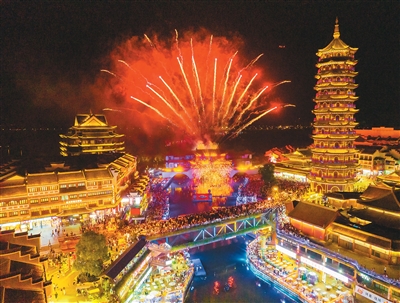
光影为媒 点亮上海繁荣信心 第二届上海国际光影节下月起举办 力争带动消费超42亿元
Jie Fang Ri Bao· 2025-08-26 01:47
Core Insights - The second Shanghai International Light Festival aims to attract 17.5 million participants and generate over 4.2 billion yuan in consumption from September 19 to October 18 [1] - The festival will feature a main venue in the Xuhui Riverside area and 16 sub-venues, with the theme "Light Up Shanghai" to showcase urban vitality and culture [1][2] Event Highlights - The opening ceremony will include a lighting ceremony with international representatives observing the latest achievements in light art and technology [2] - Various sub-venues will feature upgraded light installations and performances, including immersive modern dance shows and enhanced water features [3][4] Community Engagement - The festival will introduce six community-focused activities, including light shows and landmark lighting events, to encourage public participation [4] - A "Panorama Light Map 2.0" will be launched to help visitors explore light installations and night scenery across the city [4] Economic Impact - The first festival attracted over 16.2 million visitors and generated more than 3.8 billion yuan in consumption, becoming the largest public light art event in China [5] - The second festival is expected to stimulate various sectors, including tourism and commerce, through innovative "light + consumption" scenarios [5][6] Collaborative Initiatives - Over 20 major commercial districts will collaborate with the festival to create "light markets" and promotional activities with brands like Lululemon and L'Oréal [6] - Partnerships with travel companies will offer themed tours and experiences, enhancing the festival's appeal to both locals and tourists [6] Global Contributions - The festival will invite global artists and creators to contribute ideas, potentially leading to permanent light art installations in key urban areas [6]
赴场秋日之约 老地方 新玩法
He Nan Ri Bao· 2025-08-25 23:31
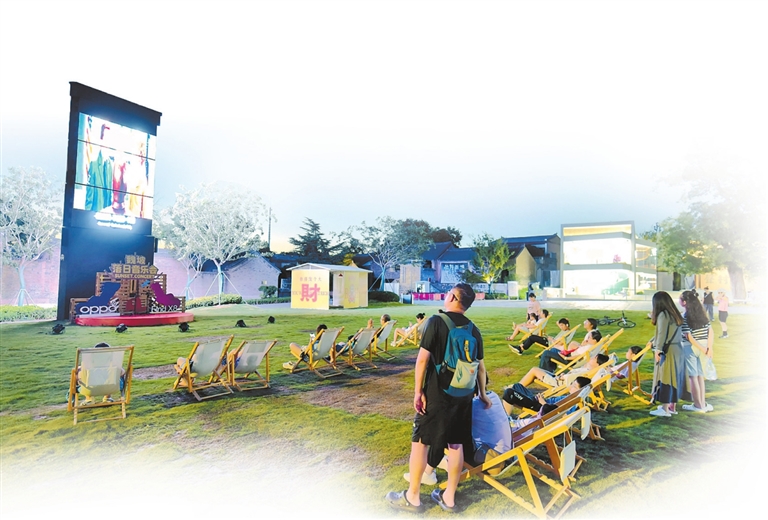
Core Insights - The transformation of old factories in Henan into cultural and creative spaces reflects a shift in consumer preferences from mere sightseeing to immersive experiences [1][2][4] - The success of these projects is attributed to innovative operational models that combine day and night economies, enhancing the cultural and social fabric of urban areas [2][6] Group 1: Transformation of Old Factories - A number of old factories in Henan are being repurposed into vibrant cultural spaces, shedding their industrial past to become attractive urban landmarks [2] - The Zhengzhou Mijie Cultural Park, formerly a research institute, now features a blend of art exhibitions and dining options, quickly becoming a popular cultural hub [2][3] - The design philosophy of projects like the Luoyang Weipo New Sequence emphasizes contemporary relevance while respecting historical context, creating multifaceted social and cultural environments [2][4] Group 2: Economic Impact - The Luoyang Weipo street saw a 300% increase in foot traffic during the coffee festival, with nearby accommodations achieving over 90% occupancy [3] - The night economy is thriving, with areas like the Luoyang Sui-Tang Palace District reporting over 90% of nighttime business coming from cultural and tourism activities [6] - Events such as live music and creative markets are drawing significant crowds, contributing to a vibrant nighttime atmosphere across various transformed factory sites [6]

夏日经济新活力系列报道 文旅市场热闹非凡 暑期消费乘“热”而上
Ren Min Wang· 2025-08-25 06:17
Core Insights - The summer of 2023 has seen a significant increase in cultural and tourism consumption across various regions, driven by innovative consumption scenarios and diverse tourism offerings [1][2][3] - The emergence of new tourism formats has led to differentiated and diverse travel experiences, contributing to economic growth and enhancing the overall quality of tourism [2][3] Group 1: Tourism Trends - The demand for cool summer tourism experiences has surged, with many regions introducing new cooling methods in tourism projects, such as water mist escalators and ice-themed attractions [2] - The trend of "traveling with sports events" has gained popularity, with local governments offering incentives to attract tourists during sporting events, leading to increased visitor numbers and spending [3] Group 2: Economic Impact - The tourism sector's expansion has resulted in a significant increase in employment opportunities and infrastructure development in rural areas, thereby broadening income channels for local populations [2] - Specific examples include the Zhengzhou film town, which saw daily visitor numbers exceed 10,000 and a 30% increase in revenue due to themed night activities [1] Group 3: Technological Integration - The integration of technology in the cultural and tourism industry has led to the creation of immersive experiences, such as VR projects that allow visitors to engage with historical scenes [3] - The use of mixed reality and other advanced technologies in attractions has enhanced visitor engagement and satisfaction [3] Group 4: Challenges and Opportunities - The cultural and tourism industry faces challenges such as seasonal imbalances and varying levels of experiential offerings across regions [3] - To achieve sustainable growth, the industry must explore diverse tourism avenues, analyze consumer preferences, and leverage technology for enhanced visitor experiences [3]
一号门前
Ren Min Ri Bao· 2025-08-24 22:40
Core Insights - The article highlights the emergence of a vibrant night market in the Jinxiucheng community, driven by local entrepreneurship and government support for night economy initiatives [2][4]. Group 1: Night Market Development - The night market features a variety of food stalls including hot pot, skewers, and local specialties, indicating a diverse culinary offering that attracts a significant number of visitors [2][3]. - The local government has implemented measures to support the night economy, such as an "exemption list" and ten new initiatives aimed at promoting night markets [2][4]. Group 2: Community Engagement - The night market has become a social hub, with local residents and students from neighboring institutions participating actively, enhancing community interaction [4][5]. - The live streaming initiative "Ba Ye Ao Chuan" showcases local vendors and their stories, fostering a sense of community and increasing engagement with the audience [3][5]. Group 3: Economic Impact - The night market has positively impacted local entrepreneurs, with many vendors being recent graduates or returnees from coastal areas, indicating a trend of local entrepreneurship [2][3]. - The popularity of the night market has led to increased foot traffic and business for local vendors, contributing to the overall economic vitality of the area [4][5].
携起手爱苏州 唱响仲夏夜 金鸡湖景区客流同比增13.09%
Su Zhou Ri Bao· 2025-08-24 00:31
Group 1 - The "Right Bank Midsummer Night" event successfully attracted a large audience, featuring popular music performances that created a vibrant atmosphere and engaged the crowd [1] - The event has contributed to the enhancement of the night economy around Jinji Lake, with innovative models that integrate cultural tourism, space operation, and business synergy [1] - On the event day, sales at various stalls reached 5 to 8 times the usual daily revenue, indicating a significant boost in consumer spending [1] Group 2 - Surrounding areas like Times Square and Moonlight Wharf have launched various events that significantly increased overall foot traffic and boosted sales for local night economy brands by over 20% [2] - Jinji Lake received 2.876 million visitors last month, reflecting a year-on-year increase of 13.09% [2] - Future developments, including the Suzhou Contemporary Art Museum and Central Plaza, are expected to further enhance the Right Bank area as a hub for business, tourism, and entertainment, promoting a comprehensive consumer experience [2]
“桃源不夜坊”夜市开市,平谷夜生活“热”起来
Bei Jing Ri Bao Ke Hu Duan· 2025-08-23 06:14
Core Viewpoint - The "Taoyuan Night Market" in Daxingzhuang Town, Pinggu District, has successfully launched, becoming a vibrant hub for food, entertainment, and culture, contributing to the growth of the night economy in the region [1][4][14]. Group 1: Night Market Features - The night market features four main areas: food, cultural creativity, music, and amusement, providing a comprehensive night-time experience for visitors [4][10]. - Over 35 vendors offer more than 60 types of specialty foods, with popular items like a 1-meter-long lamb skewer and various regional delicacies attracting large crowds [6][10]. - The market includes a cultural creativity area and a non-heritage experience zone, which are popular among families and young people, featuring traditional crafts and performances [6][10]. Group 2: Entertainment and Atmosphere - The music area is particularly popular, with four hours of continuous performances each night, featuring various genres that engage the audience [6][10]. - The market creates a balance between lively activities and relaxation spaces, such as extended hours for "Zhouji Coffee," allowing visitors to enjoy a moment of calm amidst the excitement [10][15]. Group 3: Economic Impact and Future Plans - The night market is part of a broader trend of "night economy" development, revitalizing nighttime consumer activity in Daxingzhuang Town [14][15]. - Future plans include enhancing the night market's offerings by optimizing layout, improving service quality, and introducing more local specialties and interactive projects for children [14][15].
【甲秀评】夜经济激发消费新活力
Sou Hu Cai Jing· 2025-08-23 05:46
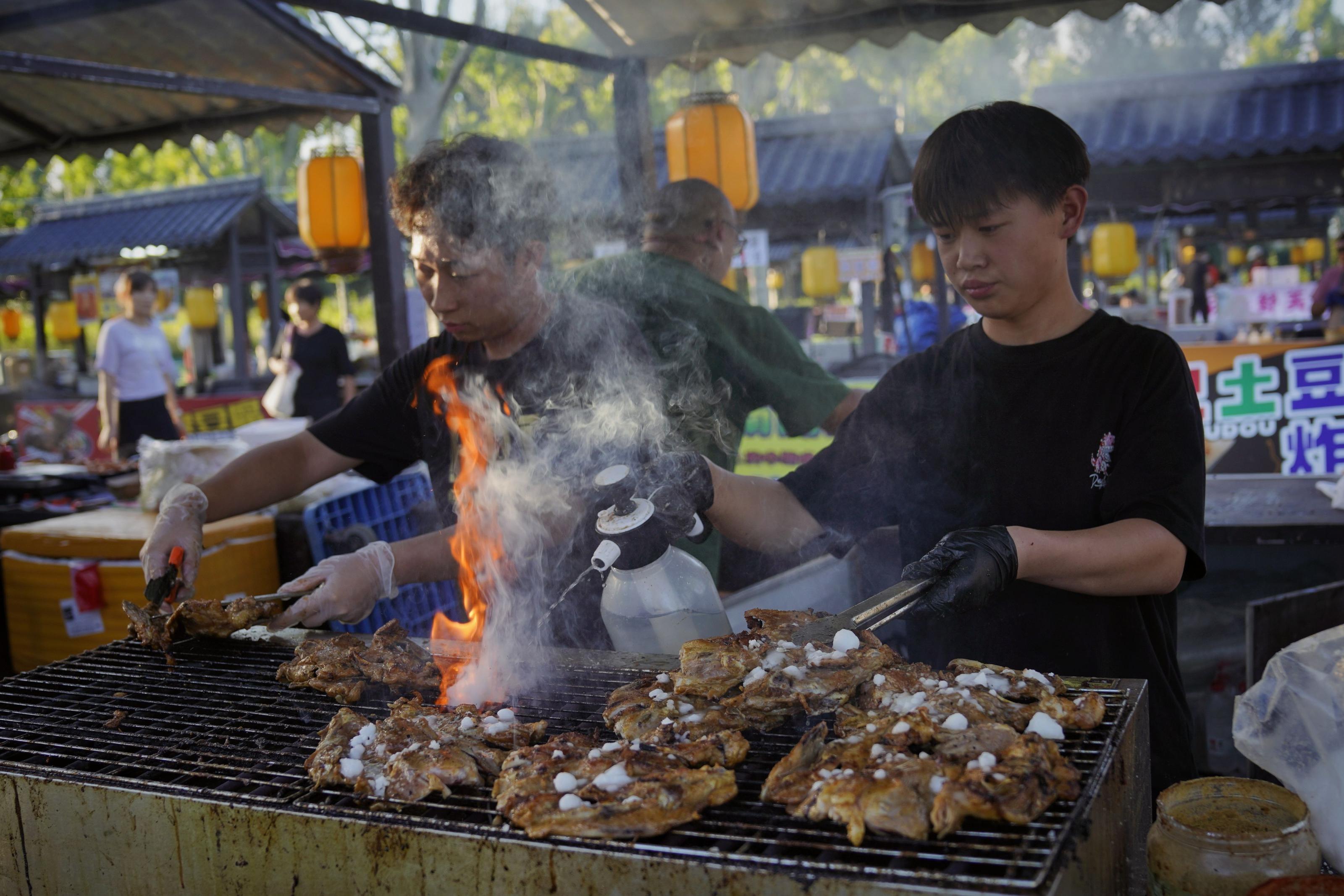
Core Viewpoint - The news highlights the vibrant night economy in Guiyang, showcasing its potential to stimulate consumer spending and enhance the overall consumption landscape during the summer season [3][4]. Group 1: Night Economy Development - Guiyang's night economy is characterized by bustling night markets and various entertainment options, attracting both local residents and tourists [3]. - The summer season, marked by school holidays and family outings, creates a favorable environment for the night economy, serving as a crucial driver for consumer spending [3]. - The city has successfully tapped into the night economy by catering to diverse consumer needs, transforming potential demand into actual spending [4]. Group 2: Consumer Experience and Offerings - The success of the night economy is attributed to understanding consumer preferences for dining, entertainment, and emotional experiences, rather than merely replicating events or light shows [4]. - Guiyang's strategy includes enhancing the night experience through offerings like specialty coffee, craft beer, fine dining, and cultural heritage activities, collectively referred to as the "Four Exquisites" [4]. - Innovative marketing strategies, such as night-time consumption postcards that offer rewards for visiting various locations, are suggested to enhance consumer engagement and enjoyment [4]. Group 3: Economic Implications - The night economy is seen as a vital component in unlocking new consumption potential, contributing to the overall economic vitality of the region [3][4]. - By effectively capturing consumer needs and providing tailored experiences, the night economy can create a positive feedback loop that encourages further spending and exploration [4].
夜经济释放新活力
Jing Ji Ri Bao· 2025-08-23 00:42
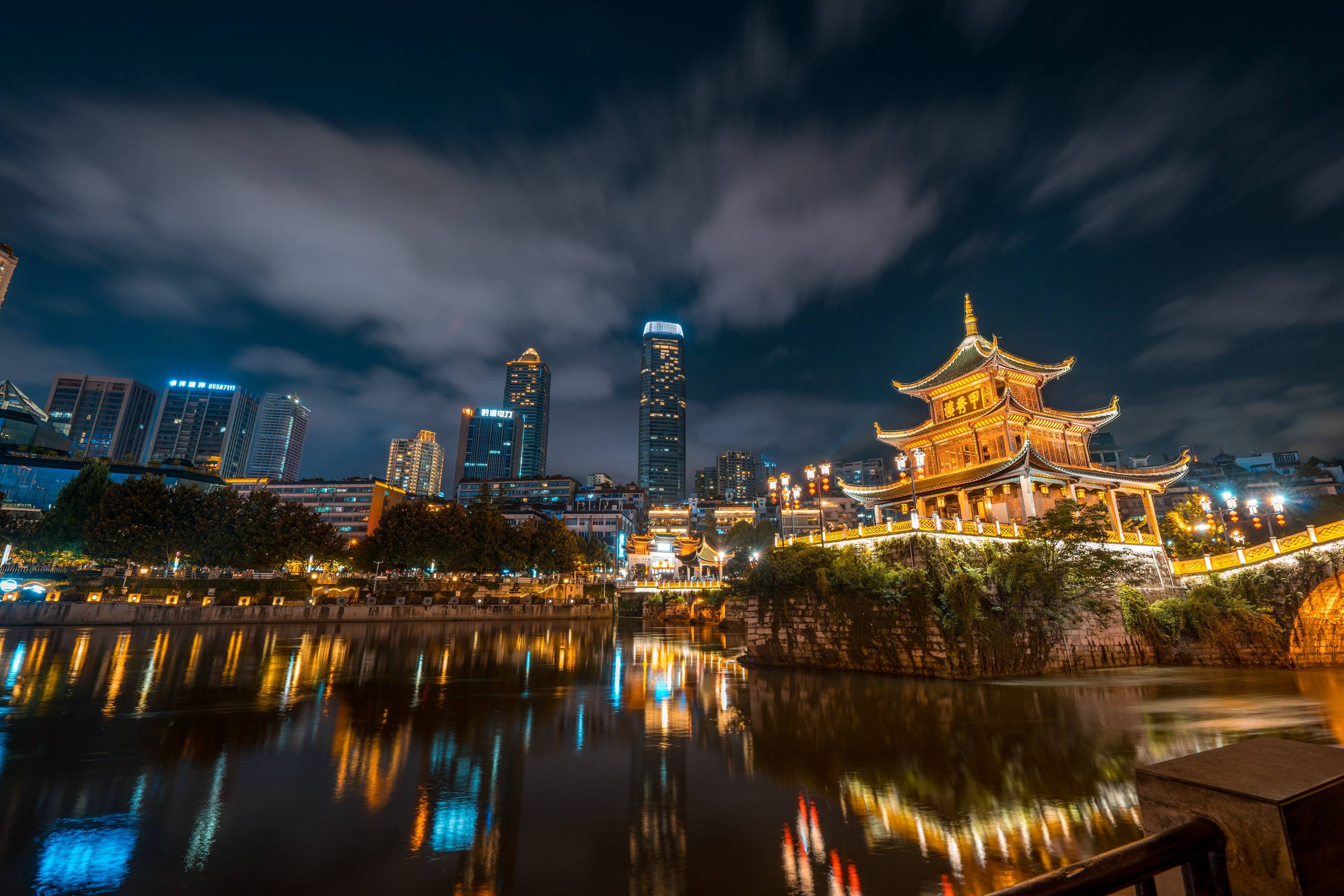
Core Insights - The "Midsummer Cihu Night" theme event in Cicheng has successfully integrated culture, tourism, and consumption, establishing a new benchmark for nighttime economy [1][2] - Since the launch of the event, Cicheng has received over 360,000 visitors, marking a 145% increase compared to the same period last year [1] Group 1: Event Overview - The event runs from July 11 to August 31, every Friday to Sunday evening, targeting the high temperatures of summer days to attract visitors [2] - The event features various nighttime activities designed to provide refreshing experiences for tourists, enhancing the appeal of the ancient city [2][3] Group 2: Economic Impact - The food market has become a major attraction, with nearly 100 stalls drawing large crowds, significantly boosting local businesses [4] - Local eateries reported a substantial increase in customer flow and revenue, with some establishments experiencing up to 90% of their weekly revenue during weekends [4] Group 3: Cultural Engagement - The event emphasizes cultural heritage, with activities designed to engage families and children, fostering a connection to traditional culture [5][6] - Educational experiences are offered, allowing children to learn about traditional crafts and cultural practices, enhancing their understanding of heritage [7] Group 4: Collaborative Initiatives - Cicheng has implemented policies to stimulate tourism, including partnerships with local events such as concerts, which attract additional visitors [8] - The integration of sports events with local tourism initiatives has created a unique atmosphere, enhancing the overall visitor experience [8] Group 5: Accommodation and Services - Local accommodations have tailored their services to align with the "Midsummer Cihu Night" theme, offering unique experiences that have led to increased occupancy rates [9] - The focus on quality service and innovative activities in the hospitality sector has resulted in a notable rise in bookings, with some properties experiencing high demand [9]
看夜色下的消费力:各地围绕夜间消费创造经济增长点
Ren Min Ri Bao· 2025-08-22 23:47
Core Insights - The "night economy" is emerging as a new hallmark of urban vitality, with various cities showcasing vibrant night markets, scenic spots, and bustling commercial areas as consumer potential unfolds [1][3] Group 1: Night Economy Trends - Approximately 60% of domestic residents' consumption occurs at night, with large shopping malls seeing over 50% of their daily revenue generated between 6 PM and 10 PM [3] - Nighttime tourism spending is projected to reach around 1.91 trillion yuan in 2024, indicating a significant increase in demand for night tourism [3] Group 2: Local Initiatives and Events - Cities are actively creating consumption growth points through events such as concerts and sports, with initiatives like "ticket root economy" in Beijing encouraging spending in nearby businesses during events [4] - The Shanghai Night Life Festival, running from June to September 2025, features a variety of activities that highlight the city's vibrant 24-hour culture [4] Group 3: Technological Integration - Cities like Kaifeng are integrating digital technologies into their night economy, enhancing experiences through interactive performances and digital engagement [6][7] - Innovations such as AR landscapes in Taiyuan and smart tourism ecosystems in Wuhan are being developed to improve consumer experiences and operational efficiency [7]
看,夜色下的消费力(锐财经)
Ren Min Ri Bao Hai Wai Ban· 2025-08-22 22:14
Core Viewpoint - The development of "night economy" is becoming a new hallmark of urban vitality, with diverse consumption scenarios emerging at night, including night markets, cultural experiences, and entertainment options [2][4]. Group 1: Night Economy Growth - Approximately 60% of domestic residents' consumption occurs at night, with large shopping malls seeing over 50% of their daily revenue generated between 6 PM and 10 PM [4]. - Nighttime tourism spending is projected to reach approximately 1.91 trillion yuan in 2024, indicating a significant increase in demand for night tourism [4]. Group 2: Local Initiatives and Events - Various cities are actively promoting night consumption through events such as concerts and sports, with Beijing implementing "ticket root economy" to encourage spending in nearby businesses during events [5]. - In Shanghai, the 2025 Shanghai Night Life Festival features a carnival showcasing diverse activities, enhancing the city's vibrant night culture [5]. Group 3: Technological Integration - Cities like Kaifeng are integrating digital technologies into their night economy, enhancing visitor experiences through interactive performances and smart tourism solutions [7][8]. - The use of AR technology in places like Taiyuan and Wuhan is aimed at improving consumer engagement and driving offline spending [8].