扬州炒饭

Search documents
江苏扬州:年货遇上非遗,点燃新春“烟火气”
Xin Lang Cai Jing· 2026-02-07 13:33
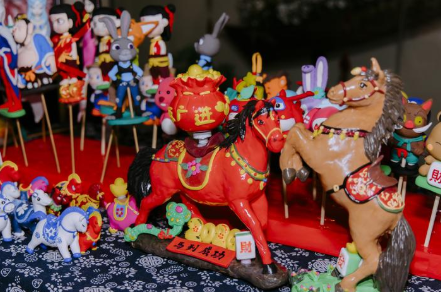
Core Viewpoint - The "Intangible Cultural Heritage New Year Goods Carnival" in Yangzhou showcases traditional crafts and local delicacies, promoting cultural heritage while providing a festive atmosphere for the community [1][3][5]. Group 1: Event Overview - The carnival features various intangible cultural heritage items, including woodblock printing, paper-cutting, sugar painting, and local foods, running for three days at the Yangzhou New City Wuyue Plaza [1]. - The event aims to immerse visitors in the cultural essence of the New Year, offering hands-on experiences and opportunities to purchase traditional goods [1][5]. Group 2: Cultural Significance - The carnival emphasizes the "Year of the Horse" theme, with various horse-themed crafts appealing to different age groups, including decorative items and toys [1][3]. - Local artisans showcase their skills, creating items that resonate with cultural significance and nostalgia, enhancing the festive spirit [3][5]. Group 3: Interactive Experiences - Attendees can engage in interactive activities, such as printing their own "Fortune Horse" images and participating in paper-cutting workshops, fostering a deeper connection to the crafts [3][5]. - The food tasting area features traditional dishes, allowing visitors to experience the flavors of local cuisine while enjoying the carnival atmosphere [5]. Group 4: Community Engagement and Benefits - The event offers practical benefits, including the distribution of 20,000 yuan in consumer vouchers, encouraging local spending and making cultural goods more accessible [6][8]. - Interactive quiz activities provide additional incentives for participation, enhancing community engagement and promoting awareness of local traditions [8]. Group 5: Strategic Focus - The carnival reflects a shift towards deeper community involvement and the integration of intangible cultural heritage into daily life, aiming to strengthen emotional connections with local traditions [8]. - The event's location in a commercial complex highlights a strategic move to blend cultural heritage with modern consumer experiences, promoting tourism and local culture [8].

特色年集“特味儿”十足 “文化+消费”跨界融合为假日市场添“新”意
Yang Shi Wang· 2026-01-23 04:35
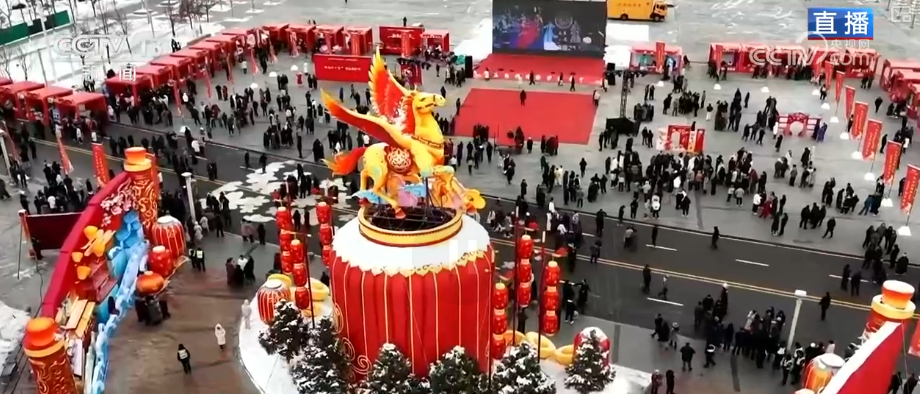
Core Viewpoint - The article highlights a vibrant cultural market in Yining, Xinjiang, showcasing over 160 booths with nearly a thousand unique items, promoting deep integration of culture and consumption [1]. Group 1: Cultural Exchange - The market features diverse ethnic specialties from Xinjiang and intangible cultural heritage projects and delicacies from 13 cities in Jiangsu Province, illustrating a blend of northern and southern cultural elements [6]. - The event serves as a platform for cultural exchange between Jiangsu and Xinjiang, demonstrating mutual appreciation and development despite being over 4,000 kilometers apart [21]. Group 2: Unique Products - Notable products include a traditional Kazakh hat adorned with owl feathers symbolizing bravery and purity [8]. - The market showcases exquisite products like essential oil soaps made from lavender, roses, and various fruits, reflecting the region's reputation as a land of flowers and fruits [10]. - Innovative food items such as "Nang bowls," which are edible bowls made from traditional bread, are gaining popularity [12]. Group 3: Culinary Delights - The market offers a variety of local foods, including Xinjiang dried fruits, organic grains, and Jiangsu specialties like tangyuan and duck blood vermicelli soup, providing a feast for both the eyes and the palate [24]. Group 4: Lantern Festival - A significant feature of the market is the integration of the famous Qinhuai Lantern Festival from Jiangsu, with over 200 types of lanterns created by artisans, enhancing the experience of visiting the market during the day and enjoying the lantern display at night [29].
30多个名额的课300多人“抢” 劳动课咋悄悄成了大学顶流
Zhong Guo Qing Nian Bao· 2026-01-03 23:16
Core Viewpoint - The increasing popularity of hands-on labor education courses, such as cooking classes, in universities reflects a shift towards practical skills and experiential learning among students [1][2][5] Group 1: Labor Education Implementation - Since 2020, labor education has become a mandatory part of university education in China, requiring students to complete at least 24 hours of practical learning [1] - Various practical courses are offered, including cooking, plumbing, and woodworking, indicating a diverse approach to labor education [1][5] Group 2: Student Engagement and Experience - Cooking classes have become highly sought after, with a selection probability of only 10% for popular courses like cooking, highlighting their demand among students [1][2] - Students report a sense of achievement and enjoyment from hands-on cooking experiences, which also serve practical purposes like preparing meals [2][3] - The labor education courses provide a break from academic pressures, allowing students to engage in tangible activities that yield immediate results [3][5] Group 3: Broader Impact of Labor Education - Labor education fosters a deeper understanding of the value of work and practical skills, helping students connect with their roots and appreciate the effort behind everyday tasks [3][5] - The trend of incorporating labor education into university curricula is seen as a way to prepare students for real-life challenges and instill a sense of responsibility and creativity [5]
美食撬动文旅、舌尖带动脚尖 多视角解锁早餐经济背后城市温度与发展动能
Yang Shi Wang· 2025-12-05 05:18
Core Insights - Yangzhou breakfast tea, known for its cultural significance and leisurely lifestyle, serves as a cultural landmark in Jiangnan [3][17] - The early tea culture in Yangzhou has evolved from a local social gathering to a significant aspect of tourism, enhancing the city's cultural identity [22][27] Group 1: Cultural Significance - Yangzhou breakfast tea embodies the essence of local culture, showcasing exquisite culinary craftsmanship and a deep-rooted artisan spirit [18][20] - The tradition of breakfast tea has historical roots in the bustling salt trade during the Ming and Qing dynasties, which fostered a vibrant tea culture [22] - Breakfast tea is not merely a meal but a social activity, where people engage in conversation and cultural exchanges, highlighting its role in the community [24] Group 2: Economic Impact - The popularity of Yangzhou breakfast tea has led to increased foot traffic in tea houses, with many establishments experiencing full bookings and long queues [29][31] - The integration of breakfast tea into tourism packages has elevated it to a cultural experience, driving demand for local culinary offerings [31][32] - The local government has been promoting Yangzhou as a "World Food Capital," organizing events like the "Breakfast Tea Culture Week" to enhance tourism and local economy [36] Group 3: Product Development - The breakfast tea culture has inspired the creation of various cultural and creative products, such as themed merchandise that reflects local culinary art [34] - The demand for takeaway options has surged, with tourists wanting to bring a taste of Yangzhou back home, further stimulating the local economy [32]
华东地区消费活力强劲
Jing Ji Ri Bao· 2025-09-08 00:01
Group 1 - The core viewpoint highlights the strong resilience and potential of the consumption market in the East China region, driven by unique resource endowments, innovative development models, and vibrant consumer activity [1][2] - East China boasts rich tourism resources, with four main attractions for consumers: beautiful natural scenery, abundant specialty foods, convenient transportation, and deep cultural heritage [1] - The top three cities attracting consumers in East China are Hangzhou, Shanghai, and Xiamen, while popular small city destinations include Jingdezhen, Weihai, and Huangshan [1] Group 2 - Specialty products and unique foods from East China are widely favored by consumers nationwide, with significant growth in search volumes for intangible cultural heritage products like Shoushan stone carvings and Wuhu iron paintings, all showing over 100% year-on-year growth [1] - The second quarter of the year saw strong consumer vitality in East China, with Jiangsu, Shanghai, Shandong, and Zhejiang ranking among the top ten in national purchasing power [2] - The cities of Shanghai, Suzhou, Hangzhou, Nanjing, and Hefei recorded the highest consumption amounts, while cities like Wuhu and Xuancheng showed particularly significant year-on-year growth in consumption [2]
一号门前
Ren Min Ri Bao· 2025-08-24 22:40
Core Insights - The article highlights the emergence of a vibrant night market in the Jinxiucheng community, driven by local entrepreneurship and government support for night economy initiatives [2][4]. Group 1: Night Market Development - The night market features a variety of food stalls including hot pot, skewers, and local specialties, indicating a diverse culinary offering that attracts a significant number of visitors [2][3]. - The local government has implemented measures to support the night economy, such as an "exemption list" and ten new initiatives aimed at promoting night markets [2][4]. Group 2: Community Engagement - The night market has become a social hub, with local residents and students from neighboring institutions participating actively, enhancing community interaction [4][5]. - The live streaming initiative "Ba Ye Ao Chuan" showcases local vendors and their stories, fostering a sense of community and increasing engagement with the audience [3][5]. Group 3: Economic Impact - The night market has positively impacted local entrepreneurs, with many vendors being recent graduates or returnees from coastal areas, indicating a trend of local entrepreneurship [2][3]. - The popularity of the night market has led to increased foot traffic and business for local vendors, contributing to the overall economic vitality of the area [4][5].
被“苏超”带火的“草根”小店
Zhong Guo Qing Nian Bao· 2025-07-13 23:25
Core Insights - The Jiangsu Province Urban Football League ("Su Chao") has gained significant attention, attracting both local small businesses and well-known brands as sponsors [2][3] - Local small shops, often lacking formal branding, have emerged as unexpected sponsors, benefiting from increased visibility and customer traffic due to their association with the league [2][4] Group 1: Sponsorship Dynamics - Small businesses like street-side barbecue shops and local eateries have become sponsors alongside major brands like KFC and JD.com, showcasing a unique blend of grassroots and corporate sponsorship [2][3] - The sponsorship fees for these small businesses are relatively affordable, allowing them to secure advertising space that was previously dominated by larger brands [2][7] - The number of sponsors has increased significantly, from single digits at the league's inception to nearly 30, covering various sectors including food, finance, and technology [7][8] Group 2: Business Impact - Local businesses have reported a surge in customer traffic and sales following their sponsorship involvement, with some experiencing a doubling of business [4][8] - For instance, "Dongha Northeast Street Barbecue" saw a dramatic increase in customers, leading to long wait times and the need for additional seating [4][6] - "He Xiaolei Fresh Marinated Goods" also reported a 30% increase in takeout orders after becoming a sponsor, highlighting the positive impact of the league on local businesses [5][6] Group 3: Community Engagement - Local shop owners are actively engaging with their communities, often giving back through free food offerings during events, which enhances their brand image and community ties [8][9] - The league has fostered a sense of community and local pride, with shop owners expressing gratitude for the opportunities provided by their involvement in the league [6][10] - The sponsorships have allowed small businesses to gain exposure in a way that resonates with local consumers, creating a shared experience around the sport [10][11]
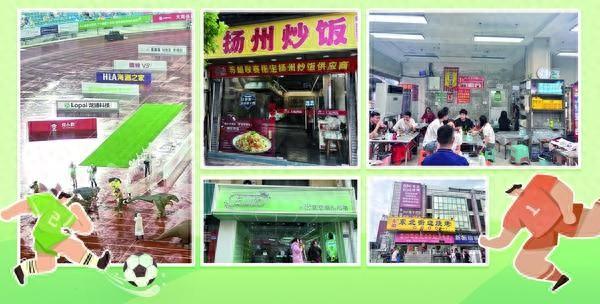
“苏超”燃动“场外经济”,扬州文旅消费热力续航
Jiang Nan Shi Bao· 2025-07-09 23:01
Core Insights - The event of the "Suo Chao" football match in Yangzhou has significantly boosted local tourism and cultural activities, attracting visitors and enhancing the city's cultural offerings [1][2][3] Group 1: Tourism and Cultural Activities - Yangzhou's tourism department launched a "big gift package" offering free entry to state-owned scenic spots during the weekends of the "Suo Chao" matches, which has sparked interest among tourists from neighboring cities [1][2] - The "Suo Chao" matches have led to a surge in visitor numbers at major attractions, with the Slender West Lake receiving 71,678 free visitors during the first match weekend [2] - Various cultural activities, such as immersive performances and night markets, have been organized to cater to the dual demand of football fans for both sports and leisure experiences [3][4] Group 2: Economic Impact and Consumer Engagement - The local economy has seen a boost with restaurants and shops offering special promotions for match attendees, including free meals and discounts, which have attracted both local and out-of-town visitors [4] - The search volume for leisure activities in Yangzhou has increased significantly, with a reported 40% year-on-year growth in online orders for leisure services since the "Suo Chao" events began [4] - The partnership with Meituan for sponsorship indicates a positive outlook on Yangzhou's leisure market, with a notable increase in demand for local services among visitors [4]
创新供给繁荣餐饮消费
Jing Ji Ri Bao· 2025-07-06 21:43
Core Viewpoint - The article emphasizes the importance of enhancing consumer rights protection mechanisms and regulating market competition in the restaurant industry, while also highlighting the need for innovation in products and services to strengthen core competitiveness [1][4]. Group 1: Market Trends and Performance - The ongoing "Su Super" events have significantly boosted local cuisine, with notable increases in sales, such as a 58% rise in orders for saltwater duck during a match between Nanjing and Wuxi [1]. - National restaurant revenue is projected to reach 5.5 trillion yuan in 2024, accounting for over 11% of total retail sales, with more than 10 million operating entities in the sector [2]. - From January to May this year, national restaurant revenue increased by 5% year-on-year, with revenue from large-scale units rising by 4.5% [2]. Group 2: Policy and Consumer Behavior - The positive trend in restaurant consumption is attributed to effective policy measures, such as the "Special Action Plan to Boost Consumption," which encourages the integration of various consumption formats [2]. - Local initiatives, like Jiangsu's "ticket + dining" packages and Beijing's "Lets Beijing: Night Capital 2.0" activities, have created new consumer experiences and stimulated market growth [2]. Group 3: Innovation and Competition - The shift in consumer demand towards experiential and diverse dining options is driving restaurants to innovate and create new consumption scenarios [3]. - Restaurants are increasingly focusing on enhancing consumer experiences, such as offering cultural experiences alongside dining, which not only boosts consumer enthusiasm but also positions dining as a cultural experience [3]. - To thrive, restaurants must innovate their offerings and improve operational efficiency through digital upgrades and service quality, addressing challenges like supply chain fluctuations and rising costs [4].
盐水鸭和小龙虾之战?苏超比赛“升级”美食比拼
Zhong Guo Qing Nian Bao· 2025-06-13 15:46
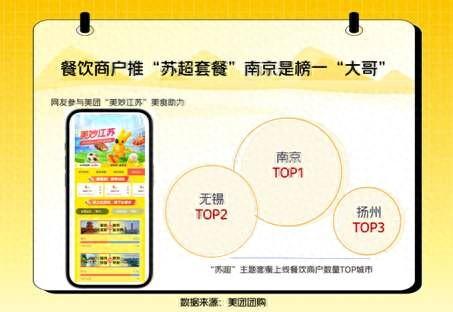
Group 1 - The "Su Super" football league in Jiangsu is driving a significant increase in local food sales and consumption, with a competitive atmosphere emerging among cities [1][3] - Online food orders in Jiangsu have remained strong post-Duanwu Festival, with Meituan reporting that the province ranks second nationally in online dining orders, and Nanjing leading the province [3][4] - Specific food items have seen dramatic increases in demand, such as a 74% surge in searches for "salted duck" following a match victory, and a 58% increase in group purchase orders [3][4] Group 2 - The "Su Super" themed dining packages on Meituan have experienced a week-on-week order volume increase of over 400%, with searches for "watching football restaurants" rising nearly threefold [4] - Restaurants are capitalizing on the "Su Super" effect by offering special promotions and themed menus, such as the "I cheer for Su Super with Yangzhou fried rice" package priced at 88 yuan [3][4] - Local eateries are enhancing the match-day experience with live streaming and exclusive discounts for fans, creating a vibrant atmosphere around the events [4]