
市场竞争

Search documents
沃尔沃汽车:需求仍受到宏观经济环境、关税相关不确定性以及更激烈的竞争的影响。
news flash· 2025-07-17 05:09
Core Viewpoint - Volvo Cars is facing challenges in demand due to macroeconomic conditions, uncertainties related to tariffs, and increased competition [1] Group 1 - The macroeconomic environment is impacting consumer demand for Volvo vehicles [1] - Tariff-related uncertainties are contributing to the challenges faced by the company [1] - Competition in the automotive industry has intensified, further affecting Volvo's market position [1]
广菲克之死(二)
Hu Xiu· 2025-07-16 13:26
Core Viewpoint - The decline of JEEP's sales is attributed to quality issues, market pressure, and a failure to adapt to the Chinese market dynamics, leading to a loss of competitive edge against mainstream competitors [2][3][4][6][11]. Group 1: Quality Issues and Market Pressure - JEEP's sales began to decline significantly after the quality issues with the JEEP Cherokee emerged in 2018, which led to high inventory levels and dealer reluctance to continue sales [2][3]. - The quality problem, particularly oil leaks, became a major setback for JEEP, exacerbated by internal conflicts and a lack of effective resolution strategies [3][4]. - The overwhelming market pressure from competitors and the inability to address these quality issues contributed to a negative perception of the brand [3][4][10]. Group 2: Market Dynamics and Strategic Misalignment - JEEP's heavy reliance on the North American market, which accounted for over 75% of its global sales, limited its responsiveness to the rapidly evolving Chinese market [4][6]. - The brand's product planning was primarily driven by North American preferences, neglecting the specific demands of Chinese consumers, which led to a disconnect in market strategy [4][6][11]. - As mainstream competitors like Volkswagen and Toyota began to dominate the SUV market in China, JEEP struggled to maintain its position, resulting in a vicious cycle of declining sales and reduced influence [6][7][11]. Group 3: Brand Positioning and Consumer Perception - JEEP's attempt to reposition itself in the market by lowering its brand image to appeal to mainstream consumers backfired, as it failed to resonate with the target audience [9][10]. - The brand's historical image as a high-end, off-road vehicle was undermined by its efforts to cater to a broader market, leading to confusion among consumers about its identity [9][11]. - Despite attempts to reclaim its identity with marketing slogans, JEEP's brand equity diminished as it lost its unique selling propositions in a crowded SUV market [11][12]. Group 4: Lessons Learned - The case of JEEP highlights the importance of tailored product strategies that align with local market dynamics rather than relying on historical brand strength [12][14]. - A successful brand must maintain its core values and adapt to changing consumer perceptions, rather than attempting to redefine itself in ways that may alienate its existing customer base [12][15]. - The experience of JEEP serves as a cautionary tale for international brands in rapidly evolving markets, emphasizing the need for agility and responsiveness to consumer needs [12][15].
卫龙CEO和CFO接连请辞,刘氏家族收权能否破局?
Sou Hu Cai Jing· 2025-07-14 08:00
Group 1 - The CEO and CFO of Weilong have resigned within four months, with CFO Peng Hongzhi's resignation effective from August 31, 2025, and Yu Feng appointed as the new CFO [1][4] - Peng Hongzhi has been with Weilong for 15 years, with a total compensation of approximately 18.22 million RMB for 2024, including salary, bonuses, and other benefits [2][3] - The stock price of Weilong dropped nearly 13% following the announcement of the management changes, closing at 12.62 HKD per share, with a total market capitalization of 30.681 billion HKD [4] Group 2 - The management changes reflect a consolidation of family control within the company, as the chairman and vice-chairman are brothers, and other key executives are also family members [7] - Since 2020, Weilong's revenue and annual profit have been on the rise, with 2024 revenue exceeding 6 billion RMB and annual profit surpassing 1 billion RMB, although challenges remain [7][8] - The revenue from seasoned flour products, a core product, decreased from 52.3% of total revenue in 2023 to 42.6% in 2024, while vegetable products increased from 43.5% to 53.8% [8][9] Group 3 - The flagship product, konjac snacks, has gained popularity but faces intense competition from other brands, leading to a saturated market [10] - A recent quality issue regarding the konjac product went viral, prompting the company to apologize and commit to improving quality control [10] - The return of the founding family to key positions may ensure strategic direction but raises concerns about corporate governance and transparency [11]

一财社论:外卖大战硝烟四起,市场竞争要规范更要包容
Di Yi Cai Jing· 2025-07-07 13:17
Group 1 - The core viewpoint emphasizes the need to protect and embrace normal market competition while combating "involution" and eliminating policies that distort market incentives [1][4] - The ongoing battle in the food delivery sector, particularly between Taobao and Meituan, highlights a competitive landscape where platforms are engaging in aggressive subsidy strategies, benefiting consumers and enhancing the value of digital assets [2][3] - The market is witnessing a systematic upgrade in consumption transactions, with platforms leveraging their diverse profit channels and operational models to support competitive subsidies [2][3] Group 2 - Recent cases compiled by the market regulatory authority illustrate the characteristics of "involution" in competition, which involves illegal and unfair practices that harm market order [3][4] - Effective protection of normal market competition requires clear definitions and standards for intervention against "involution," ensuring that regulatory actions do not interfere with legitimate competition [3][4] - The regulatory framework must establish mechanisms for correction and compensation to enhance the cost of regulatory capture and prevent exploitative enforcement practices [4]

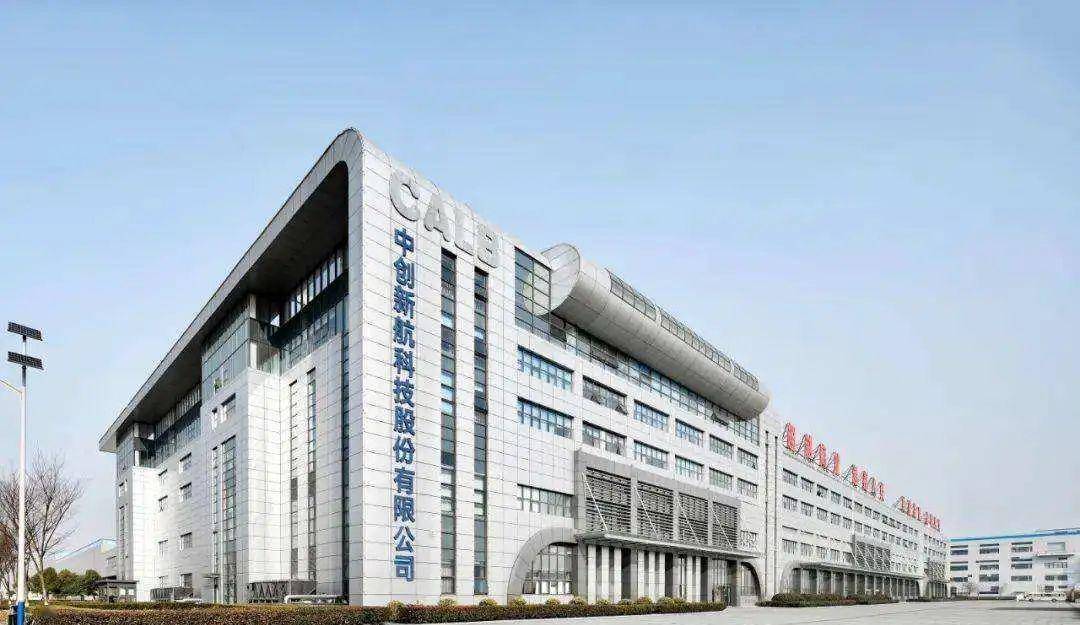
动力电池双雄争霸:宁德时代与中创新航引领中国新能源产业崛起
Sou Hu Cai Jing· 2025-07-05 02:17
Core Insights - The competition between CATL and Zhongchuang Innovation is a significant battle for technological dominance and market position in the global power battery industry [1][7] - CATL holds a 36.8% global market share, while Zhongchuang Innovation has rapidly risen from ninth in 2018 to third in 2021, aiming to enter the top four global suppliers by 2024 [1][2] Patent Disputes - The patent battle is central to the competition, with CATL initiating a lawsuit in July 2021 against Zhongchuang Innovation for infringing five patents, seeking 647 million yuan in damages [2] - Zhongchuang Innovation successfully invalidated some of CATL's patents, leading to a counter-suit in October 2024, claiming infringement of four patents and seeking 1.007 billion yuan in damages [2] Product and Market Strategies - Zhongchuang Innovation shifted its product focus from lithium iron phosphate to high-voltage ternary lithium batteries to align with market demands [4] - The company has successfully penetrated the passenger vehicle market and attracted key clients like GAC Aion, significantly increasing its market share [4] - Zhongchuang Innovation adopted a pricing strategy below CATL's average battery prices, which contributed to its rapid market expansion and improved profitability, with a gross margin of 15.6% in the first half of 2024, up 6 percentage points year-on-year [4] CATL's Response - CATL remains proactive, investing 13.07 billion yuan in R&D in the first three quarters of 2024 to maintain its technological edge [4] - The company has also engaged in multiple lawsuits to protect its intellectual property against various competitors, showcasing its strong IP strategy [4] Market Dynamics - Despite CATL's profit growth, its revenue has declined year-on-year, and it faces pressure on production capacity utilization [5] - In contrast, Zhongchuang Innovation has reported strong performance in the passenger vehicle market and made strides in energy storage and marine electrification, securing international orders [5] Industry Implications - The rivalry between CATL and Zhongchuang Innovation reflects the overall rise of China's power battery industry, driving technological advancements, cost reductions, and expanding application scenarios [7] - Their competition contributes to China's strong position in the global green energy revolution, enhancing the country's influence in the battery market [7]


永太科技及控股子公司对广州天赐高新材料提起诉讼 法院已立案受理
Quan Jing Wang· 2025-07-03 14:39
Core Viewpoint - The ongoing legal disputes between Yongtai Technology and Guangzhou Tinci involve allegations of defamation and infringement of trade secrets, highlighting the intense competition in the electrolyte materials sector driven by the volatile new energy vehicle market [1][2][3] Group 1: Legal Actions - Yongtai Technology and its subsidiary have filed civil lawsuits against Guangzhou Tinci for defamation, claiming damages amounting to 57.5193 million yuan [1] - Guangzhou Tinci has countered by filing a lawsuit against Yongtai, demanding the destruction of production line equipment and compensation of 887.1 million yuan, alleging that Yongtai used its trade secrets [2] Group 2: Market Context - Both companies operate in the electrolyte materials market, producing lithium hexafluorophosphate, and are in direct competition due to similar business scopes [1] - The electrolyte materials sector has seen increased competition due to significant fluctuations in the new energy vehicle market in recent years [1] Group 3: Company Positioning - Yongtai Technology emphasizes its commitment to independent innovation and adherence to intellectual property laws, asserting that all its production processes and core technologies are self-developed [3] - The company expresses its intention to take all necessary legal actions to protect its reputation against false information and malicious defamation [3]

先进制造基金二度减持何氏眼科,历史计划未实施引何种猜想?
Sou Hu Cai Jing· 2025-07-03 08:00
Core Viewpoint - The company, He Shi Eye Hospital, is facing significant challenges, including a substantial decline in stock price and ongoing shareholder reduction pressures, amid a competitive landscape in the ophthalmology industry [1][3][7]. Company Summary - He Shi Eye Hospital's major shareholder, Advanced Manufacturing Industry Investment Fund, plans to reduce its holdings by up to 3.1061 million shares, representing 2% of the total share capital, marking the second attempt for a similar reduction [3]. - The company's stock price has dropped over 60% from its historical peak, closing at 21.82 yuan per share as of July 2, 2025 [1][3]. - Since its establishment in 1995, He Shi Eye Hospital has expanded from a small clinic to a group-based ophthalmology service provider, currently operating 127 service institutions as of the end of 2024 [6]. Financial Performance - In 2022, He Shi Eye Hospital reported a revenue of 9.55 billion yuan, a slight decrease of 0.74% year-on-year, with a net profit of 0.33 billion yuan, down 61.55% [7]. - The financial situation worsened in 2024, with revenue declining by 7.56% to 10.96 billion yuan and a net loss of 0.2739 billion yuan, marking a 143.11% year-on-year decline [7][8]. - Compared to competitors like Aier Eye Hospital, which maintained a revenue growth rate of around 20%, He Shi Eye Hospital has experienced negative growth since its IPO [7][9]. Industry Context - The ophthalmology market in China is undergoing significant changes, with the number of private eye hospitals increasing from 890 to 1,609 between 2019 and 2023, reflecting a compound annual growth rate of 15.4% [9]. - He Shi Eye Hospital's main business segments, including cataract, optical, and refractive services, have all faced revenue declines due to increased competition from larger players [9][10]. - The industry is also impacted by policy changes, such as the reform of medical insurance payment methods and centralized procurement of medical supplies, which have reduced procurement costs by 60% but also compressed profit margins [10].

宁高宁:企业家没资格躺平,公平市场竞争环境下没道理说人家卷
Sou Hu Cai Jing· 2025-06-27 06:23
Group 1 - The core viewpoint emphasizes the importance of maintaining a slightly optimistic mindset (around 20%) in the face of economic cycles and market changes, as this increases the probability of success [1] - The speaker highlights that entrepreneurs have a responsibility and mission, and should not adopt a passive or pessimistic attitude, as optimism is about finding methods and creating future opportunities [1] - The concept of "competition" is discussed, where the speaker argues that competition is fundamental to market economy and should not be viewed negatively; rather, it drives industry upgrades and evolution [1] Group 2 - The speaker notes that China's opportunities often arise from fluctuations, citing the strong potential of China's economy, system, and population as key factors in overcoming challenges such as the European debt crisis and the COVID-19 pandemic [2]
星巴克否认完全出售中国业务
日经中文网· 2025-06-25 03:13
Core Viewpoint - Starbucks is exploring ways to maximize growth opportunities in the Chinese market, which is considered to have significant long-term potential, despite recent challenges from local competitors and economic slowdown [1][2]. Group 1: Market Position and Strategy - China is Starbucks' second-largest market after the United States, highlighting its importance to the company's global strategy [1][2]. - The company has denied reports of a complete sale of its Chinese operations but is considering selling parts of its business as it seeks the best path for growth [2]. Group 2: Competitive Landscape - Starbucks faces increasing competition from local brands such as Luckin Coffee and Mixue Ice Cream, which has intensified price competition in the market [2]. - In response to local competition, Starbucks implemented its first price reduction in China, lowering the average price of several drinks, including iced tea and Frappuccino, by approximately 5 yuan [2].

英国竞争和市场管理局(CMA)采取初步措施改善英国搜索服务的竞争。
news flash· 2025-06-24 05:07
Group 1 - The UK Competition and Markets Authority (CMA) has taken preliminary measures to enhance competition in the UK's search services market [1]