
绿色转型

Search documents
凝聚合力支撑企业绿色转型
Xin Lang Cai Jing· 2026-02-01 23:26
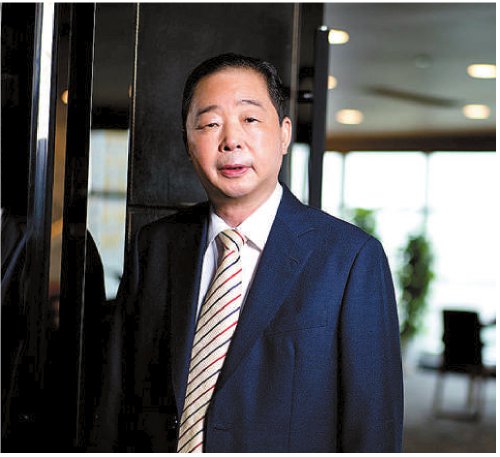
全国人大代表、德力西集团董事局主席 胡成中 2025年是"绿水青山就是金山银山"理念提出二十周年。二十载实践充分证明,这一理念是引领中国发展 方式深刻变革、建设人与自然和谐共生现代化的科学指引。2025年12月召开的中央经济工作会议也 将"坚持'双碳'引领,推动全面绿色转型"列为重点任务。 征性政策落实,切实将顶层设计的红利转化为驱动企业绿色创新、转型升级的普遍动能,为企业营造公 平透明、可预期的发展环境。 第二,在创新保护与市场秩序层面,建议构建对知识产权与公平竞争秩序的全方位保障格局。绿色转型 的核心驱动力在于技术创新。因此,我建议行政执法与司法机关深化协作,在节能环保关键技术、低碳 专利、商业秘密等领域加大保护力度,严厉打击侵权假冒行为;探索完善惩罚性赔偿制度,显著提高恶 意侵权成本,保障创新者的合法权益与回报预期。同时,应重点整治绿色认证造假、环保数据欺诈、不 正当竞争等扰乱市场秩序的行为,通过跨部门联动与信用惩戒,营造健康清朗的市场环境,让真正投入 创新、诚信经营的企业赢得市场、脱颖而出。 第三,在企业治理与健康发展层面,建议多方协同引导企业夯实内部管理根基,提升风险防范能力。检 察机关可联合相关部 ...

信托工具多元服务绿色转型
Xin Lang Cai Jing· 2026-02-01 22:23
Core Viewpoint - Green trust is becoming a core tool for activating green assets and empowering low-carbon transformation, supported by the flexible system and diverse services it offers [1] Group 1: Green Trust Development - The development of green trust is a necessary choice for the trust industry to return to its roots, reshape business logic, and find growth points [1] - The release of the top ten green trust cases by the China Trust Industry Association reflects the industry's active exploration and aims to inspire more capital and professional forces to participate in green development [1][3] Group 2: Case Examples - The ten cases include four asset service trusts, four asset management trusts, and two charitable trusts, showcasing the diverse roles that trust mechanisms can play in supporting green transition projects [2] - Specific examples include projects related to carbon capture, renewable energy, and biodiversity conservation, highlighting the comprehensive service capabilities of trusts in supporting green development [2][3] Group 3: Policy and Market Demand - The rapid development of green trust is driven by the continuous improvement of the policy system and market demand, with new guidelines clarifying classification and disclosure standards [3] - The guidelines address previous ambiguities in business definitions and operational standards, providing actionable norms for trust companies [3] Group 4: Opportunities for Trust Companies - Trust companies have significant opportunities to enhance their competitiveness by leveraging their unique functions in financing services, carbon finance, and family trusts [4] - They can explore various financing channels such as green trust loans, green asset securitization, and green equity investments to support the development of green industries [4]
拼出“开门红” 带动“五年红”
Xin Lang Cai Jing· 2026-02-01 18:18
百舸争流,奋楫者先;开局决战,志在必得。让我们以"抢抓机遇"的敏锐、"走在前列"的担当、"实干 争先"的作风,全力冲刺第一季度,坚决打赢开局战,以一份亮丽的"开门红"答卷,引领青海"十五 五"高质量发展航船乘风破浪、行稳致远,奋力谱写中国式现代化青海实践的新篇章新辉煌。 实现"开门红",关键在于以精准务实的举措将宏伟蓝图转化为年度实景。政府工作报告设定的年度目 标,如地区生产总值增长4.5%左右、确保三江清水东流、环境空气质量保持全国前列等,既是庄重承 诺,也是工作导向。完成这些目标,必须拿出"起步即冲刺"的状态,以"五个必须"为根本方法指引,在 巩固拓展优势、破除瓶颈制约、补强短板弱项上同时发力。具体而言,就是要纲举目张对标"六个聚 焦"的年度施工图,在绿色转型、扩大内需、创新驱动、改革攻坚、城乡协调、民生保障等每一个关键 环节都取得扎实进展。 好的开始是成功的一半,奋力夺取"开门红",其深远意义在于为赢得"五年红"积攒重要筹码。今年在生 态保护、产业培育、项目布局、改革开放、民生改善等方面打下什么样的基础,直接关系到未来几年发 展的势头与空间。一个高质量的"开门红",能够提振全省上下的精气神,凝聚起"乘势 ...
消费破局、制造业突围,全球经济动荡中,中国资产被不断重估
Sou Hu Cai Jing· 2026-02-01 03:50
Group 1 - The core logic of global capital reallocation has shifted, with a growing consensus that "the next China" is still China, as highlighted by Estee Lauder's CEO at the Davos Forum [1] - Morgan Stanley's report indicates that in 2025, the US dollar index depreciated by 10%, while foreign capital inflow into the Chinese stock market reached $50.6 billion, significantly surpassing the total of $11.4 billion for 2024 [2] - The geopolitical landscape in 2026 shows a stark contrast, with the East stabilizing as China engages in trade agreements and the West facing challenges such as tariff threats and leadership disputes [2] Group 2 - The "East stable, West shaky" situation is prompting a reevaluation of capital allocation strategies, as traditional safe-haven assets like the US dollar are losing appeal, while gold's share in global reserves has risen to about 25% [4] - Central banks are increasingly favoring gold, reflecting concerns over the erosion of trust in fiat currencies, with the share of the renminbi in bilateral trade settlements rising and offshore renminbi bond issuance hitting record highs [6] - China's economy is experiencing a dual-track development, with traditional sectors adjusting and new productivity rapidly growing, despite a 30% decline in housing prices [8][10] Group 3 - In 2026, macroeconomic policies are set to be "moderately expansive," focusing on targeted measures rather than broad stimulus, with a consumer spending stimulus of no less than 300 billion yuan [10] - The new energy vehicle sector has seen monthly sales surpassing 50% of total new car sales for the first time in October 2025, indicating a significant shift in the automotive market [12] - Investment focus is shifting towards AI and green transformation, with AI applications expected to accelerate commercialization in 2026, while China's strengths lie in effectively translating technology into productivity [14][16] Group 4 - The investment demand for achieving carbon peak and carbon neutrality is projected to exceed 2% of GDP, creating substantial investment opportunities, particularly in energy storage [18] - The aerospace sector is highlighted as a future competitive field, suggesting a need for investors to adopt a "barbell strategy" that balances high-growth stocks with stable dividend assets [18] - China's innovation clusters, particularly in Beijing, Shanghai, and the Guangdong-Hong Kong-Macau Greater Bay Area, are positioned to drive future economic growth, attracting capital that aligns with technological innovation and green transformation [20]

铆足干劲 乘势而上确保“十五五”开好局起好步——在省十四届人大四次会议闭幕时的讲话
Da Zhong Ri Bao· 2026-02-01 01:34
林 武 各位代表、同志们: 经过全体代表的共同努力,山东省第十四届人民代表大会第四次会议圆满完成各项议程,即将胜利 闭幕。大会期间,各位代表牢记使命、认真履职,积极建言献策,共商发展大计,展现出饱满的政治热 情和强烈的使命担当。会议审议批准了政府工作报告、"十五五"规划纲要和其他各项报告,顺利完成选 举任务。这次会议开得很成功,是一次高举旗帜、求真务实、凝心聚力、开拓奋进的大会。在此,我代 表大会主席团,向大家表示衷心感谢! 铆足干劲 乘势而上确保"十五五"开好局起好步 ——在省十四届人大四次会议闭幕时的讲话 (2026年1月31日) 地。要下好科技创新"先手棋"。坚持科技创新和产业创新深度融合,充分发挥重大创新平台作用,强化 高质量科技供给、企业创新主体地位和科技成果转化应用,加快布局一批新领域新赛道应用场景,抢占 未来发展制高点,让创新成为山东发展的强力引擎。要塑造绿色转型"新优势"。坚持"双碳"引领,以建 设美丽中国先行区为契机,协同推进降碳减污扩绿增长,加快核风光储等项目建设,持续打好蓝天、碧 水、净土保卫战,推动经济发展"高质量"和生态环境"高颜值"协同共进,让绿色成为齐鲁大地最亮丽的 名片。只要我 ...
新华社报道唐山丨“钢的城”变形记
Xin Lang Cai Jing· 2026-01-31 14:20
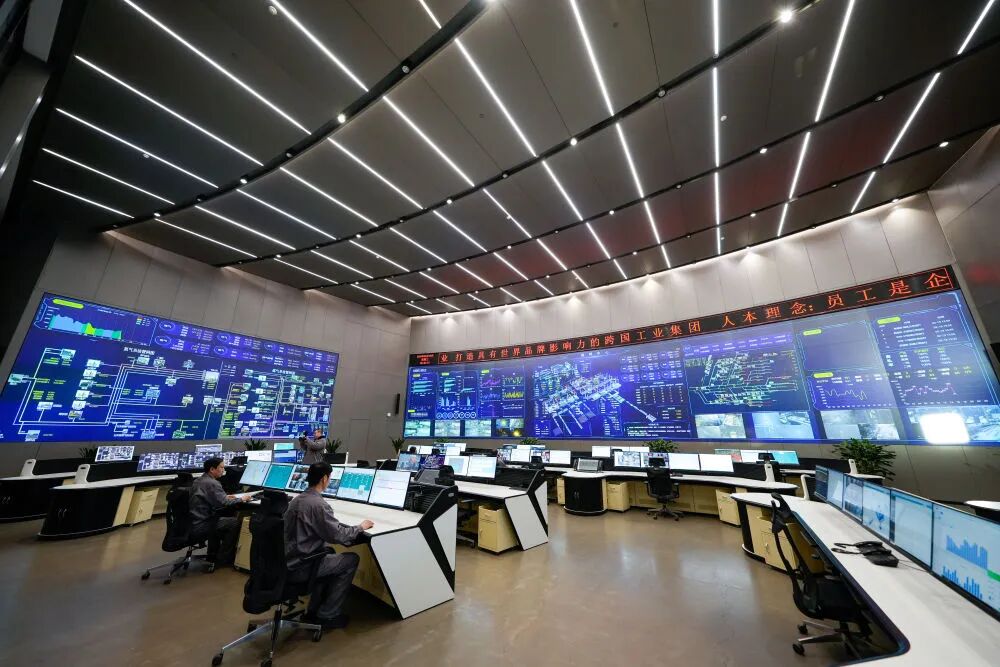
Core Viewpoint - Tangshan is undergoing a significant transformation from a coal-dependent and heavy industry-based economy to a greener and smarter industrial model, focusing on ecological change and high-end manufacturing [1][7]. Group 1: Industrial Transformation - The steel industry in Tangshan is shifting from traditional production to green, intelligent, and high-end manufacturing, with key players like Shougang Jingtang and Hebei Steel relocating to the Bohai Bay, creating a "coastal steel corridor" [1][3]. - The city is implementing ultra-low emission modifications for industrial enterprises, aiming to cultivate 80 national-level green factories and 195 provincial-level ones by the end of 2025 [1][6]. Group 2: Smart Manufacturing - The Hebei Steel Tangshan intelligent command center monitors over 4,000 production nodes in real-time, enhancing efficiency and reducing the need for manual intervention [2][4]. - A new electrical steel product developed by Shougang can reduce iron loss in electric motors for new energy vehicles by nearly 40%, significantly improving vehicle range [2][3]. Group 3: Emerging Industries - Tangshan is fostering strategic emerging industries such as robotics and lithium batteries, contributing to high-quality economic development [3][6]. - By the end of 2025, the number of robotics companies in Tangshan is expected to reach 286, with a projected revenue of 13.71 billion yuan, reflecting a year-on-year growth of 32.1% [6]. Group 4: Cultural and Ecological Development - The transformation has also led to the preservation and utilization of industrial heritage, turning historical sites into cultural assets, such as the creation of a national-level mining park and a cultural creative industry park [7][8]. - The HeTou Old Street, developed from a historical coal site, has become a popular cultural tourism destination, showcasing the city's rich history and attracting visitors since its opening in 2023 [8][9].
高端访谈 | 专访芬兰总理奥尔波:芬中关系面向未来 访华之旅成果喜人
Xin Hua She· 2026-01-31 02:15
Group 1 - The core viewpoint of the article emphasizes the positive outcomes of Finnish Prime Minister Orpo's visit to China, highlighting the potential for cooperation in clean energy and green transition between Finland and China [1][3] - Finland and China have a long-standing diplomatic relationship, having established ties in 1950, and their partnership has deepened under the guidance of their leaders [2] - Orpo's visit included discussions on sustainable development and climate change, with both countries possessing advanced technologies in clean energy, which can enhance bilateral trade and contribute to global climate efforts [3] Group 2 - During the visit, Finnish enterprises signed 11 cooperation agreements across various sectors, including machinery, forestry, innovation, clean energy, and food, indicating a strong interest in expanding opportunities in the Asian market [3] - The Finnish government signed cooperation documents with China in areas such as technology, housing, customs, tourism, trade, and energy, laying a solid foundation for future collaboration [3] - Orpo expressed optimism about the potential for cooperation in high-quality architectural design, reflecting Finland's reputation in this field [3]

锚定振兴大局 献智发展大计
Xin Lang Cai Jing· 2026-01-30 18:44
Core Insights - The Jilin Provincial Committee of the Chinese People's Political Consultative Conference (CPPCC) has submitted 36 proposals focusing on high-quality agricultural development, industrial growth, and energy development to support the revitalization of Jilin Province [1][2]. Agricultural Development - Jilin Province is a significant agricultural base in China, currently implementing a "billion-jin grain" capacity construction project, aiming for high-quality development in the oilseed industry and stabilizing corn prices by 2025 [2]. - The committee emphasizes the need for resource protection, infrastructure investment, and technology innovation to address challenges in agricultural development, proposing the establishment of special projects and collaborative research platforms [2][3]. Industrial Upgrading - The proposals highlight the importance of building a modern industrial system and supporting the transformation of traditional industries, particularly in the automotive and pharmaceutical sectors [4]. - Recommendations include enhancing the development of future industries, optimizing spatial layouts, and fostering innovation through cross-disciplinary collaboration [4][5]. Green Energy Transition - The Jilin Provincial Committee stresses the necessity of transitioning to a green and low-carbon energy system, particularly in the context of national energy security and the development of non-fossil energy sources [6][7]. - Specific proposals include launching a "Hydrogen Non-Chemical Application 'Icebreaking' Action Plan" and establishing a hydrogen heavy-duty truck industrial demonstration park to enhance the hydrogen energy sector [7].
以错位竞争谋协同共赢
Zhong Guo Jing Ying Bao· 2026-01-30 18:35
Core Viewpoint - China's industrial development is characterized by "innovation, elevation, and greening," focusing on differentiated development to overcome homogenization challenges and achieve high-quality growth through collaborative efforts [1][2][4]. Group 1: Innovation-Driven Development - The emphasis on differentiated industrial development is guided by local resource endowments and industrial foundations, leading to a focus on cutting-edge sectors such as artificial intelligence and quantum technology in eastern regions [1][2]. - New industries and products are rapidly emerging, with companies like Chengdu Kanopu advancing in industrial robotics, and the new energy vehicle sector maintaining its position as the world's largest for 11 consecutive years [2][3]. - The integration of innovation chains, industrial chains, and talent chains is crucial for industrial upgrades, with R&D investment intensity surpassing the OECD average for the first time [2][3]. Group 2: Collaborative Efforts in Industrial Upgrades - Regional collaboration enhances industrial development, with the Beijing-Tianjin-Hebei area and the Yangtze River Delta effectively linking industrial chains, fostering a collaborative ecosystem [3][4]. - Digital technologies, such as 5G and industrial internet platforms, facilitate rapid transformation and application of innovative results across regions, contributing to overall industrial advancement [3][4]. Group 3: Sustainable Development and Green Transformation - The "dual carbon" goals position green initiatives as a core component of industrial competitiveness, integrating ecological considerations into industrial strategies [3][4]. - Collaborative efforts in green transformation are evident, with advancements in flexible hydrogen production and digitalized microgrid operations, promoting large-scale adoption of energy-efficient technologies [4]. - The focus on green energy resources from western regions supports high-end manufacturing in the east, establishing green as a prominent identifier of China's industrial development [4].
专访芬兰总理奥尔波:芬中关系面向未来 访华之旅成果喜人
Xin Hua She· 2026-01-30 16:49
Group 1 - The core message of the visit emphasizes the potential for cooperation between Finland and China in clean energy and green transition, highlighting a future-oriented partnership [1][2] - During the visit, 11 cooperation agreements were signed between Finnish and Chinese enterprises, focusing on sectors such as machinery, forestry, innovation, clean energy, and food [2] - The Finnish government signed cooperation documents in various fields including technology, construction, customs, culture and tourism, trade, and energy, laying a solid foundation for future collaboration [2] Group 2 - Finland's Prime Minister expressed optimism about the potential for collaboration in high-quality architectural design, given Finland's reputation in this area [2] - The visit also included discussions on reducing trade barriers and tariffs to promote free trade between Europe and China, indicating a commitment to enhancing EU-China relations [2] - The Finnish Prime Minister's reflections on the modernization of Beijing and the cultural significance of historical sites like the Forbidden City underscore the importance of cultural exchange in bilateral relations [2]