
劳动力市场

Search documents
伦敦银再登51美元 理事沃勒“转向”主张降息
Jin Tou Wang· 2025-11-25 04:51
沃勒称,最新数据显示就业市场依然疲弱,但他补充称,12月会议后将发布大量延迟的经济报告,这可 能使1月的决策"略显棘手"。 他说:"如果通胀或就业突然出现反弹,或者经济开始起飞,那么这可能会引起人们的担忧。我仍然认 为,未来六到八周内劳动力市场不会出现好转。" 【最新伦敦银行情解析】 伦敦银短期内恢复上升趋势,但交易商需要清除11月13日高点52.46美元的关键阻力位。突破52.46美元 将暴露出10月中旬触及的54.46美元年度高点,随后是55.00美元的里程碑。 今日周二(11月25日)亚盘时段,伦敦银目前交投于51.42一线上方,今日开盘于51.37美元/盎司,截至发 稿,伦敦银暂报51.49美元/盎司,上涨0.28%,最高触及51.58美元/盎司,最低下探50.97美元/盎司,目 前来看,伦敦银盘内短线偏向看跌走势。 【要闻速递】 美联储理事沃勒表示,他主张在12月降息,不过美联储在明年1月收到大量经济数据后,很可能会采取 逐次会议的决策方式。 沃勒表示:"就我们的双重使命而言,我主要担心的是劳动力市场。所以我主张在下次会议上降息,到 了明年1月,你可能会看到更多按逐次会议决定的情况。" 期货合约显示 ...
美国旧金山联储主席戴利(2027年FOMC票委):支持12月降息。美联储能将通胀降至2%这一目标。就业市场是脆弱的,劳动力市
Sou Hu Cai Jing· 2025-11-24 20:25
美国旧金山联储主席戴利(2027年FOMC票委):支持12月降息。美联储能将通胀降至2%这一目标。 就业市场是脆弱的,劳动力市场突然恶化的可能性更大。官员们的意见分歧折射出对不确定性的看法。 (华尔街日报) ...
刚刚!金价,大逆转!美联储,降息大消息!
中国基金报· 2025-11-24 14:21
【导读】美联储理事沃勒:主张在12月降息 中国基金报记者 李智 11月24日,美联储理事沃勒主张在12月降息,现货黄金短线拉升。 美联储理事沃勒:主张在12月降息 11月24日,美联储理事克里斯托弗·沃勒(Christopher Waller)重申其观点,支持在12月降息。 沃勒表示,自美联储上次会议以来,现有数据显示变化不大,通胀并非大问题。"我担心的是劳动力市场,主张在12月降息。" 沃勒称,大多数私营部门数据显示就业市场疲软,没有迹象表明企业即将掀起招聘热潮,9月份就业数据可能会被下修。明年1月份将充满 挑战,大量数据将陆续公布,以判断是否需要再次降息,需要逐次进行评估。如果数据出现反弹,可以更加谨慎。 高盛预计美联储12月降息 11月24日,高盛最新预计,美联储将在12月的会议上实施连续第三次降息。 该行认为,通胀放缓以及劳动力市场降温,为政策制定者进一步放松货币政策提供了空间。"明年的风险倾向于进行更多次降息,因为核心 通胀方面的消息一直有利,而就业市场的恶化,可能难以通过我们预期的温和的周期性增长加速来遏制 。"高盛首席经济学家Jan Hatzius 在一份报告中表示。 高盛还预计,美联储2026 ...


美联储理事Waller:我担心的是劳动力市场,主张12月降息
美股IPO· 2025-11-24 13:42
沃勒指出,最新数据显示劳动力市场依然疲软,但他也提到,12月会议后将密集发布的延迟经济报告可能让1月的决定"更棘手"。 美联储理事、下一届联储主席热门候选人克里斯托弗·沃勒表示,他主张在12月降息,不过一旦明年1月收到大量经济数据后,美联储大概可以采取"逐 次会议"决定的方式。 "如果数据显示通胀或就业突然反弹,或者经济起飞,那可能会引起担忧,"他说,"我仍然认为劳动力市场在未来六到八周内不会明显好转。""就业增长 集中在两个领域不是一个好兆头。" 沃勒目前被特朗普政府列为明年接替杰罗姆·鲍威尔出任美联储主席的候选人之一。他表示,大约十天前与主持面试程序的美国财政部长斯科特·贝森特 举行了"愉快的会面"。 "我们聊得很投机,谈经济学、谈经济、谈金融市场,"沃勒说,"他们从不搞政治,只谈经济,这对我来说是一次非常愉快的交流。" 来源:华尔街见闻 当地时间周一,美联储理事沃勒在福克斯商业频道表示:"我的担忧主要是劳动力市场,这关系到我们的双重使命。因此我主张在下次会议上降息。到 了1月,你可能会看到更多采取逐次会议决定的方式。""关税通胀影响没那么大,会是一次性的。" 期货合约显示,投资者认为美联储在12月9-1 ...
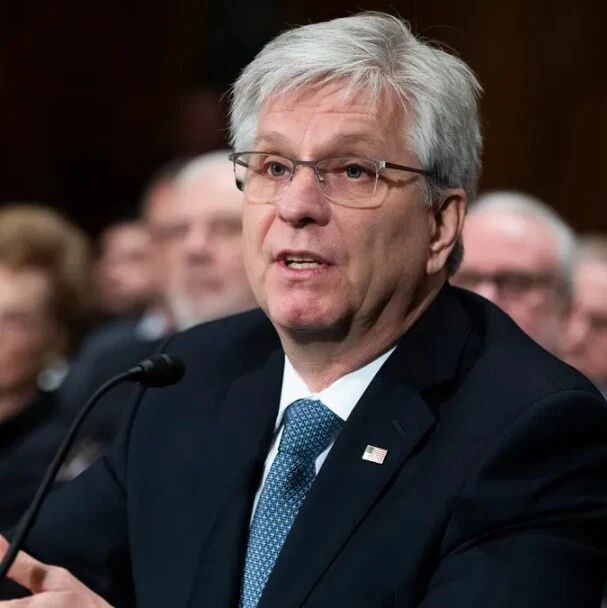
美联储理事Waller:我担心的是劳动力市场,我主张降息
Hua Er Jie Jian Wen· 2025-11-24 12:44
风险提示及免责条款 美联储理事Waller:我担心的是劳动力市场,我主张降息。 市场有风险,投资需谨慎。本文不构成个人投资建议,也未考虑到个别用户特殊的投资目标、财务状况或需要。用户应考虑本文中的任何 意见、观点或结论是否符合其特定状况。据此投资,责任自负。 ...
美联储年内“最后一降”仍成谜
Bei Jing Shang Bao· 2025-11-23 15:32
Core Viewpoint - The delay in the release of key economic data, including the Consumer Price Index (CPI) and employment reports, complicates the Federal Reserve's monetary policy decisions, leading to increased uncertainty regarding potential interest rate changes in December [1][3][4]. Group 1: Economic Data Delays - The U.S. Bureau of Labor Statistics (BLS) announced the cancellation of the October CPI report due to funding interruptions, which hindered data collection [3][4]. - The November CPI report, originally scheduled for December 10, will now be released on December 18, after the Federal Reserve's interest rate decision [1][3]. - The employment situation report's release has also been postponed from December 5 to December 16, further limiting the data available for the Fed's decision-making [4][6]. Group 2: Federal Reserve's Policy Dilemma - The Federal Reserve is facing a "data fog," making it challenging to formulate monetary policy effectively [3][6]. - There is a growing divide among Federal Open Market Committee (FOMC) members regarding the direction of interest rates, with some favoring a hold and others indicating a potential for rate cuts [6][8]. - Recent statements from key officials, such as Boston Fed President Susan Collins and New York Fed President John Williams, highlight differing views on inflation risks and labor market conditions, contributing to the uncertainty [6][7][8]. Group 3: Market Expectations - Market expectations for a rate cut in December have increased, with the probability rising from below 30% to over 60% following Williams' comments [1][6]. - The upcoming decision is anticipated to be one of the closest votes in recent years, with a near 50-50 chance of either maintaining rates or cutting them [1][8].

12月是否继续降息?柯林斯、洛根持谨慎态度 美联储“三把手”放鸽
智通财经网· 2025-11-21 15:12
威廉姆斯表示,关税对整体通胀贡献约为0.5至0.75个百分点,但尚未看到其引发二轮通胀效应。他预计 通胀要到2027年才能重新回到2%的目标水平,并认为财政政策将在明年为经济增长带来一定支撑,但 移民与关税政策可能带来相反的压力。 与柯林斯持相似谨慎态度的还有达拉斯联储主席洛根。她在瑞士苏黎世的一场活动中表示,如果没有明 确证据显示通胀将比预期更快下行,或劳动力市场降温更迅速,那么她"将很难支持"在12月再次降息。 洛根认为,在不确定性升高的环境下,贸然继续降息可能导致未来不得不重新加息,从而引发金融和经 济波动,因此暂停降息更能让决策者观察当前政策的实际限制效果。她还指出,金融市场的资产价格上 涨及信用利差收窄表明金融环境依然宽松,因此政策利率需要抵消这类来自金融条件的顺风。 洛根也谈到未来资产负债表操作,表示美联储可能在不久后恢复资产购买,以确保资金市场运作顺畅。 她强调,这类操作属于技术性举措,不会代表货币政策方向发生改变。 相比之下,美联储"三把手"、纽约联储主席威廉姆斯则释放出更鸽派的信号。他在智利发表讲话时表 示,随着劳动力市场出现更多下行风险、通胀上行压力减弱,他认为近期还有进一步降息的"空间" ...
刚刚!美联储,“救市”!
中国基金报· 2025-11-21 14:36
【导读】 纽约联储主席约翰·威廉姆斯表示,鉴于劳动力市场疲软,他认为美联储在短期内仍有再次降息的空间 中国基金报记者 泰勒 兄弟姐妹啊,全球资本市场风雨飘摇之际,美联储出手了。 纽约联储主席约翰·威廉姆斯表示,美联储有可能在12月再次降息。 这位具有重要影响力的决策者在智利发表讲话时称,相比通胀风险,他现在更担心劳动力市场面临的压力,这与联邦公开市场委员会 (FOMC)中一些偏鸽派成员的观点一致。 约翰·威廉姆斯被称为 美联储"三号人物"。作为纽约联储主席,他同时担任联邦公开市场委员会负责制定利率政策的副主席,拥有永久投票权,在美联 储决策中具有重要影响力。 他表示,贸易关税可能为当前通胀率贡献了约0.5到0.75个百分点,但他并不认为关税会引发第二轮或其他连锁的价格传导效应。 截至今年9月的12个月里,美国CPI同比上涨3%,这也让部分官员对通胀前景仍存忧虑。 威廉姆斯强调,美联储必须把通胀率重新拉回2%的目标,但在这个过程中也要尽量避免对劳动力市场造成更大伤害。 威廉姆斯表示: "展望未来,把通胀在可持续的基础上恢复到我们2%的长期目标是当务之急。同样重要的是,我们必须在实现这一目标的 同时,不给最大就业 ...

Fed Should Be Moving in 'Dovish Direction,' Miran Says
Youtube· 2025-11-21 14:35
Labor Market Insights - The recent labor market indicators suggest a dovish stance, with an increase in the unemployment rate and permanent layoffs, indicating the impact of restrictive Federal Reserve policies [1][2] - The unemployment rate is projected to potentially rise to 4.5% by December 16, which may influence the Fed's decision-making [11] Inflation Perspectives - Current inflation is reported to be around 3%, but much of this is viewed as a statistical artifact rather than a true reflection of supply-demand imbalances [2][6] - Market rents have been stable at about 1% for a couple of years, suggesting no significant supply-demand issues in the housing market [3][5] Monetary Policy Considerations - The Fed's monetary policy should be forward-looking, focusing on forecasts for the economy 12 to 18 months ahead rather than past data [8][10] - There is a call for a 25 basis point cut in interest rates to prevent economic harm, emphasizing the need for a balanced approach to monetary policy [15][16] Economic Growth Factors - Factors that may support GDP growth in the coming year include regulatory relaxations, which could enhance supply without creating demand excess [19][20] - The timing of regulatory changes and their impact on the economy is acknowledged as a critical consideration, with a distinction made between immediate fiscal measures and longer-term supply-side improvements [21][22] Financial Market Dynamics - The relationship between financial markets and monetary policy is complex, with a caution against conflating stock market performance with the need for job losses [30][34] - Housing remains a key area where financial conditions are still tight, indicating that the current economic environment is not excessively easy [32][33] Inequality and Employment - The Fed's mandate focuses on stabilizing employment and prices, rather than addressing broader social issues like inequality [36] - An increase in unemployment due to restrictive policies could disproportionately affect lower-income individuals, which is a concern for policymakers [37]

美联储官员柯林斯:通胀可能在一段时间内保持高位 当前利率“适宜”
Xin Hua Cai Jing· 2025-11-21 13:53
新华财经北京11月21日电美联储官员柯林斯表示,目前维持利率稳定是"适当的",因为通胀可能在一段 时间内保持高位。她补充称,劳动力市场似乎在降温,但降速并不快。柯林斯表示:"如果我看到劳动 力市场明显恶化的迹象,我会非常重视,这确实可能为近期进一步宽松提供理由,但我们尚未看到失业 率出现显著变化。"她还表示,美联储当前的政策设置"是在平衡劳动力市场方面的风险与持续存在的通 胀相关风险。" (文章来源:新华财经) ...