城市更新

Search documents
中国银河证券:建材业传统品类走弱 涨价主线引领修复
Zhi Tong Cai Jing· 2026-02-09 01:47
Group 1: Cement Industry - The cement industry is expected to see the effects of capacity reduction by 2026, improving the supply-demand balance and leading to a price recovery, which will gradually restore corporate profitability [1] - In January, the cement market faced seasonal weakness with reduced demand and price pressure, but inventory levels are gradually decreasing, and prices are expected to stabilize in the short term, with potential increases in March due to seasonal construction [1] Group 2: Glass Fiber - In January, the price of raw glass fiber remained stable, supported by some demand recovery and inventory adjustments, while electronic fiber prices increased due to strong demand and supply constraints [2] - The demand for high-end glass fiber products remains robust, and prices are expected to maintain an upward trend in the short term, despite potential temporary declines in traditional electronic fiber demand [2] Group 3: Consumer Building Materials - The retail sales of building and decoration materials decreased by 2.7% year-on-year in 2025, with a significant drop in December, but demand is expected to recover slightly due to urban renewal strategies and the push for high-quality green building materials [3] - Leading companies in the consumer building materials sector are implementing price increases, which, along with anti-competitive policies, may help restore profitability [3] Group 4: Float Glass - The float glass market is experiencing weakening demand, with speculative purchasing increasing, leading to a decline in prices and high overall inventory levels [4] - Short-term demand is expected to continue decreasing, and the price center is likely to shift downward due to ongoing supply-demand pressures [4]

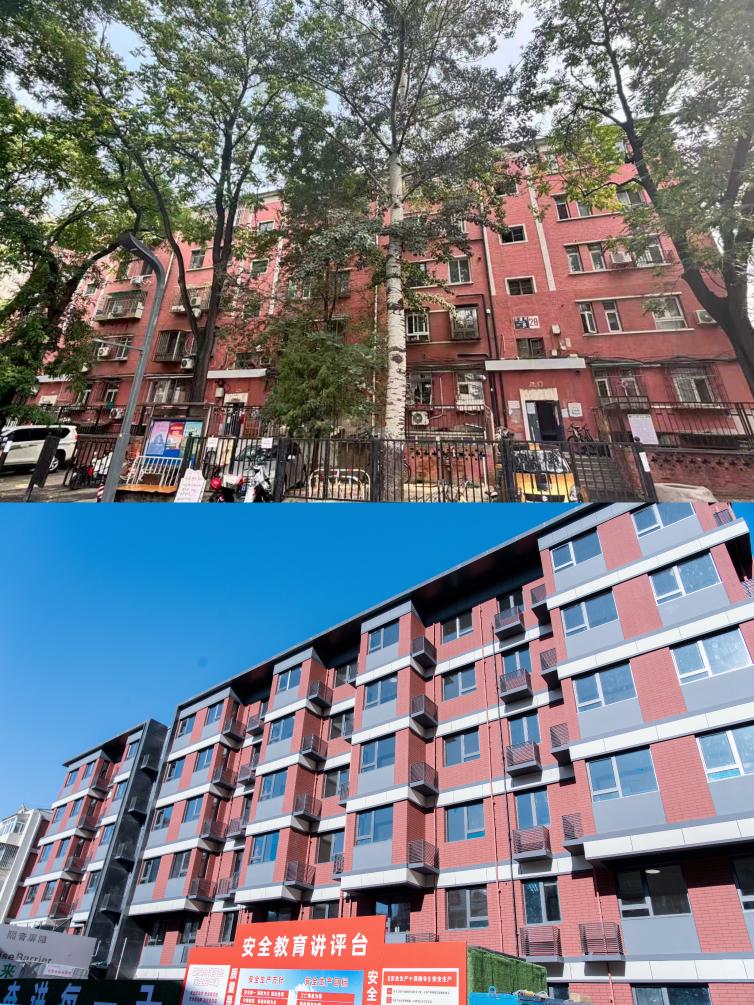
200天,老楼何以“重生”?
Xin Hua Wang· 2026-02-09 01:31
就在七个月前,她站在同样的位置,面对的还是一栋墙体剥落、管线锈蚀、已住了40多年的危旧老 楼。去年夏天,北京市西城区三里河一区28号楼全楼54户居民搬出,到今年2月新房钥匙递到手里,整个过 程,只用了200天。 近日,记者跟随刘桂兰见证了新房钥匙的交接。"真没想到这么快,比合同约定的提前了一年。"这位 74岁的老人难掩激动。 新华社北京2月8日电(记者赵旭、宋依黛)推开新家的门,走进客厅,刘桂兰愣了愣神。 来自街道、社区等参与主体的工作人员,组成了"居民工作组",挨家挨户上门讲解政策、收集诉求。 针对居民最关心的补偿细则、户型方案、周转时间,工作组反复沟通,光设计方案就出了45版,最终实现 居民100%签约仅用了77天。 "把账算在明处,把方案做到大家心坎里,人心就齐了。"一位工作组员说,居民腾房搬出后,只用一 天就完成了老楼拆除。 居民工作高效推进的同时,另一场"加速跑"同步进行。王勇介绍,通过服务前置、审批前置、全程网 办的模式,项目在24小时内,便完成了规划许可、土地划拨、施工许可、门楼牌号审批,实现"四证齐 发"。"这创下了核心区危旧楼改建'拿地即开工'的首例,审批效率比承诺时限提升近90%。"王勇说 ...

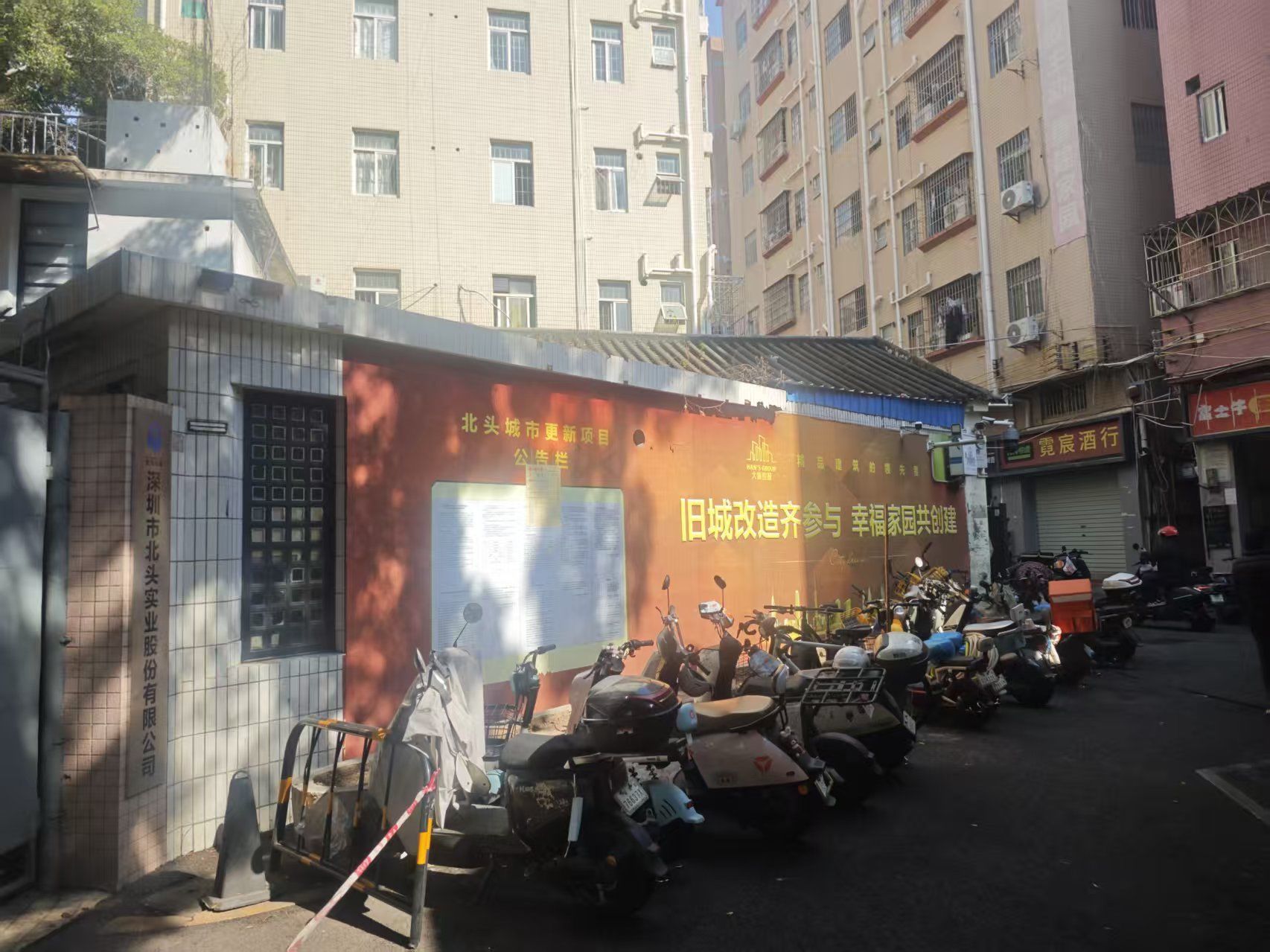
深圳南山中心区旧改“F4”终迎破局时刻
Mei Ri Jing Ji Xin Wen· 2026-02-09 01:03
Core Insights - The urban renewal project in Beitou Village, Shenzhen, has entered a critical phase after 18 years of delays, with the government announcing the start of administrative mediation for the first phase of the project [1][4][11] - The project is part of a broader urban renewal initiative in the Nanshan district, which includes other villages known as the "F4" [1][11] - The involvement of Dazhu Holdings Group, a major player in the laser industry, as the developer for the Beitou Village project highlights the trend of cross-industry investment in urban renewal [8][9] Summary by Sections Project Background - Beitou Village's urban renewal was first included in Shenzhen's annual urban renewal plan in 2008, with the special planning approval granted in 2011 [4] - The project faced significant delays due to complex property rights and difficulties in demolition negotiations, leading to a stagnation period of over a decade [4][5] Recent Developments - A turning point occurred in June 2024 when the revised planning for the Beitou Village redevelopment was approved, clearing obstacles for the project to restart [4][6] - The project is now in the administrative mediation phase, indicating government intervention to resolve final signing challenges [4][6] Challenges in Urban Renewal - The project has faced three main challenges: difficulties in demolition negotiations, the need for compensation adjustments due to declining property values, and financing issues amid a cautious market environment [5][6] - The current policy focus in Shenzhen is on "controlling inventory," with a significant number of urban renewal projects awaiting activation, particularly in the Nanshan core area [6] Developer Profile - Dazhu Holdings Group, known for its leadership in the laser industry, has been actively involved in real estate since 2008, leveraging its financial strength and local resources [9] - The company has developed multiple residential and commercial projects in Shenzhen, totaling over 5 million square meters [9] Market Implications - The breakthrough in Beitou Village is expected to influence the overall dynamics of the "F4" urban renewal projects, with some progressing faster than others [11] - The rising property values in the area, with nearby properties listed at nearly 100,000 yuan per square meter, underscore the potential for significant returns from urban renewal initiatives [11]
以“人民城市”理念,高质量推进城市更新
Xin Lang Cai Jing· 2026-02-08 17:27
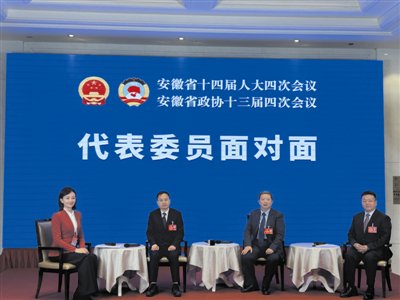
Group 1 - The Anhui Provincial Political Consultative Conference members discussed urban renewal, emphasizing the importance of enhancing urban functions, improving living standards, and stimulating urban vitality during the provincial two sessions [2] - Chen Gang highlighted six dimensions for urban renewal, including people-oriented approaches, systemic thinking, and the integration of historical and cultural elements [3][4] - Yao Benlun stressed the role of digitalization in driving high-quality urban development and proposed a comprehensive assessment of urban resources before initiating renewal projects [3][4] Group 2 - Han Rinchang focused on the ecological aspect of urban renewal, advocating for the use of native plants to reflect regional characteristics and enhance local agricultural opportunities [4][5] - He also suggested incorporating agricultural elements into urban renewal projects to improve community engagement and facilitate the integration of agricultural products into urban markets [5]
多地部署高质量推进城市更新
Zheng Quan Ri Bao· 2026-02-08 17:11
Core Viewpoint - Urban renewal is a key strategy for promoting high-quality urban development, transitioning from large-scale expansion to enhancing existing urban quality and efficiency [1][2][3] Group 1: Urban Renewal as a Strategic Action - Urban renewal is recognized as a comprehensive and systematic strategic action to accelerate urban energy transformation and stabilize investment while promoting consumption [2][3] - The Ministry of Housing and Urban-Rural Development emphasizes the importance of urban renewal tasks, including the renovation of old residential areas, streets, factories, and infrastructure, which will involve substantial direct investment [2][3] Group 2: Local Government Initiatives - Various local governments are actively promoting urban renewal as a crucial measure for high-quality development, aiming to meet citizens' needs for a better quality of life and to enhance urban capacity [3][4] - Specific initiatives include financial support for urban renewal projects, encouraging banks to provide favorable loan conditions, and exploring new models for the renovation of old and dangerous housing [4][5] Group 3: Future Directions and Focus Areas - By 2026, urban renewal efforts will focus on safety and urgent needs, such as the maintenance of staircases, elevators, and adaptations for the elderly and children [5][6] - The approach to urban renewal will diversify, including self-renovation and original demolition and reconstruction, while also creating new consumption scenarios to stimulate domestic demand and investment [5][6]
国泰海通·策略前瞻丨坚定信心,持股过节
国泰海通证券研究· 2026-02-08 14:56
Group 1 - The core viewpoint of the article emphasizes that despite recent volatility and panic selling in the Chinese stock market, it is a good opportunity to hold stocks through the holiday season, as the market is expected to stabilize and enter a spring rally [2][4] - The article highlights that the focus of domestic policy is shifting towards domestic demand, which is anticipated to boost the economic outlook and asset returns in China [4][5] - The article suggests that the recent emphasis from the Chinese government on stabilizing the capital market and the increase in stock buybacks by listed companies indicate a positive trend for the A-share market [4][5] Group 2 - The article discusses the significant decline in domestic demand over the past five years, with real estate investment down by 45%, sales area down by 50%, and housing prices down by 30%, which has negatively impacted consumer spending [5][15] - It notes that the Chinese government has prioritized domestic demand as a key economic task for the year, with various policy measures expected to be introduced to support this shift [5][15] - The article points out that the market's expectations and holdings in domestic demand-related sectors are currently at a low point, suggesting potential for recovery and growth in these areas [5][15] Group 3 - The article identifies emerging technology as a main investment theme, highlighting that competition between China and the US is shifting from trade to production efficiency [6][17] - It recommends sectors such as consumer services, food and beverage, and aviation for domestic demand, while also suggesting investments in internet, media, computing, robotics, and military technology for emerging tech [6][17] - The financial sector is noted as a stabilizing force in the market, with recommendations for brokerage firms, insurance, and banks due to the growing demand for wealth management [6][17] Group 4 - The article recommends several themes for investment, including commercial aerospace, robotics, urban renewal, and domestic consumption, indicating a broad range of opportunities across different sectors [6][31] - It highlights the potential for growth in the commercial aerospace industry, driven by advancements in space computing and satellite technology [31][32] - The robotics sector is expected to see significant developments, with new products being showcased and advancements in manufacturing capabilities [34][35] - Urban renewal projects are anticipated to receive increased investment, particularly in infrastructure and public space improvements [36][37] - The article emphasizes the importance of service consumption as a new economic engine, with various initiatives aimed at boosting this sector [39][40]

一周各地文物动态摘编(1.31-2.6)
Xin Lang Cai Jing· 2026-02-08 06:09
Group 1: National Cultural Heritage Initiatives - The National Cultural Heritage Administration held a meeting to discuss the 2025 research work, emphasizing the need to address major issues and propose actionable solutions to deep-rooted contradictions and structural shortcomings in cultural heritage work [1] - The meeting highlighted the importance of learning from grassroots experiences and ensuring that research outcomes are applied to various aspects of cultural heritage management, including planning, legal construction, resource surveys, and archaeological research [1] Group 2: Archaeological Discoveries and Events - The "2025 Chinese Archaeological New Achievements" forum announced six selected archaeological projects, showcasing significant findings from various regions, including prehistoric and historical sites [5] - Hubei Province revealed six major archaeological discoveries for 2025, including sites from different historical periods, which will be showcased in an exhibition [18] - Zhejiang Province announced ten major archaeological discoveries for 2025, highlighting the region's critical role in the origins and development of Chinese civilization [11] Group 3: Cultural Heritage Promotion and Education - The UNESCO "Silk Road Heritage" chair was inaugurated, aiming to protect Silk Road heritage and promote international research and cooperation through various academic activities [14] - The Jiangsu Province opened the Jin Tan Tumulus Archaeological Site Park, designed as an outdoor museum to educate the public about ancient burial customs and cultural heritage [9] Group 4: Regional Cultural Heritage Management - Inner Mongolia's cultural and tourism bureau emphasized the need for regulatory framework development and high-quality completion of the national cultural heritage census [7] - The Fujian Province issued implementation opinions for urban renewal, focusing on the protection and transmission of historical culture, including the fourth national cultural heritage census [16] - Qinghai Province's cultural and tourism bureau outlined plans for the "15th Five-Year" development strategy, focusing on enhancing public service levels and strengthening cultural heritage protection [26] Group 5: Revolutionary Heritage and Historical Sites - Hunan Province announced the fourth batch of revolutionary heritage sites, including 193 immovable cultural relics, with a significant portion related to war memorials and historical events [20] - A meeting on the protection of "Four Crossings of the Red River" revolutionary heritage was held, focusing on collaborative mechanisms for cross-regional heritage protection [22] Group 6: Archaeological Research and Findings - The Xinjiang archaeological team reported significant findings from the Bada M East Tomb, revealing well-preserved artifacts that provide insights into Tang dynasty burial customs and cultural exchanges along the Silk Road [28]
河南郑州:以人文经济学赋能城市更新
Xin Lang Cai Jing· 2026-02-08 04:03
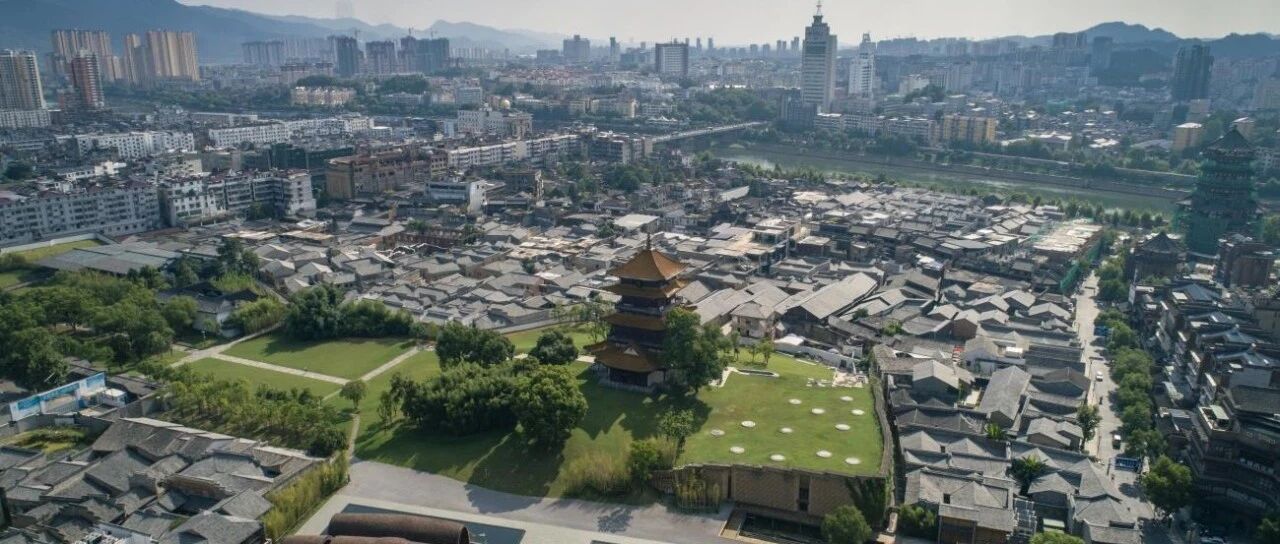
Core Insights - Zhengzhou is actively promoting urban renewal by integrating cultural and economic development, transforming old industrial sites and historical relics into vibrant urban spaces that reflect deep cultural heritage and a warm city atmosphere [1] Group 1: Urban Renewal Projects - The Moshijie Cultural and Creative Park, located in the old industrial area, has transformed the former site of the Zhengzhou Abrasives Research Institute into a lively space, creating approximately 2,200 jobs and over 120 new small businesses since its opening in October 2023 [2] - The "Zhengzhou Memory Oil Chemical Plant," a renovation of a Soviet-era facility, retains its industrial aesthetic while hosting over 190 shops and attracting daily foot traffic of more than 30,000 visitors, establishing itself as a national-level tourist destination [3] Group 2: Cultural Integration - The Heidu New Image Commercial Street, built on the site of the Shang Dynasty capital, features over 60 well-known dining and retail brands, with more than 40% being first-time entrants in Central China and Henan, effectively merging historical context with modern commercial activity [4] - The integration of historical culture into modern life not only stimulates new consumer dynamics but also fosters cultural identity and confidence among residents, as highlighted by the significant foot traffic of over 100,000 on the opening day of Heidu New Image [5] Group 3: Policy and Future Directions - Zhengzhou has implemented a series of initiatives, including the "Zhengzhou Urban Renewal Regulations" and the "Zhengzhou Urban Renewal Action Plan (2025-2027)," to create distinctive parks and establish a new path for urban renewal [6] - Successful urban renewal projects in Zhengzhou aim to achieve multiple goals, including historical preservation, improved livelihoods, economic growth, and cultural transmission, demonstrating a comprehensive approach to urban development [6] Group 4: Economic Impact - The Zhengzhou Memory 1952 Oil Chemical Plant has diversified its offerings to include cultural creativity, entertainment, and immersive experiences, attracting over 250,000 visitors during the 2026 New Year holiday and generating revenue exceeding 11 million yuan [6] - The city has announced 13 new urban renewal projects, with a total investment of 7.25 billion yuan, indicating a strong commitment to enhancing urban charm through the revival of cultural heritage [7]
废弃储煤场变社区服务综合体,回天龙泽邻里中心春节亮相
Xin Lang Cai Jing· 2026-02-08 04:02
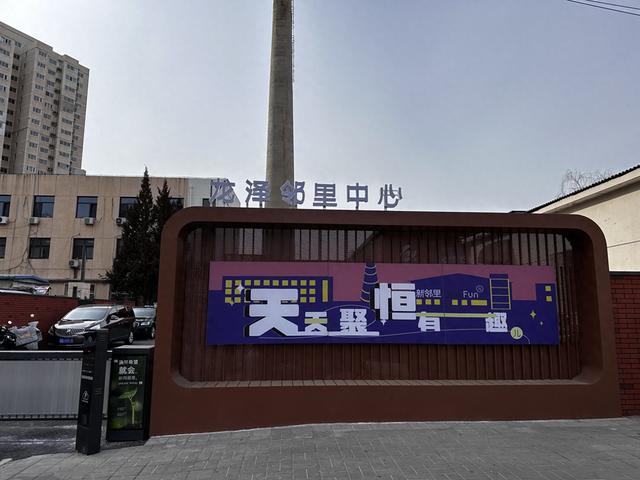
近日,位于昌平回天地区的龙泽邻里中心正加快项目收尾,即将于今年春节焕新亮相。这座邻里中心是 由废弃储煤场通过城市更新方式改造而成的社区服务综合体,包含便民食堂、生活超市、养老驿站、卫 生服务站、党群中心等多重功能,可满足周边4个小区、约1.9万居民日常生活、社交互动、文化体验等 民生需求。其中,超市、快剪、面包房已经试营业,便民食堂等将于节后陆续开业。 春节前夕,尽管邻里中心还没正式开业,已有不少热心居民提前过来打听开业时间。"这个项目我都盼 了好几年了,啥时候开门呀?"居民侯大姐问。每当听到这类问题,龙泽园街道龙泽苑社区党委书记伊 然总会笑着答:"很快了,您可以先进去瞅瞅!" 项目改造前为闲置储煤场。 走进这座全新的邻里中心,两层约1600平方米的空间内,设计了丰富的功能场景。西侧紧邻社区的生活 超市已率先试营业,货架上肉蛋果蔬、米面粮油十分齐全,为了春节供应稳定,老板特意提前进行了充 足备货,每天还拿出如鸡蛋等单品做特价促销,刚开业就得到了大伙的认可。 超市旁边是居民最为期待的便民食堂,目前正加紧安装设备,做开业前最后的准备。项目运营方、天恒 集团相关负责人张智跃介绍,食堂将面向全年龄段居民,提供助老惠民 ...
天津文旅多维绘就“海洋+”新图景
Xin Lang Cai Jing· 2026-02-07 22:52
Group 1 - Tianjin is leveraging its unique marine resources and cultural heritage to enhance its tourism experience, promoting a theme of "prospering by the sea" [1] - The Tianjin International Cruise Home Port is the most convenient maritime passenger transport channel in the Beijing-Tianjin-Hebei region, having received over 30 million inbound and outbound passengers since its opening in 2010 [4][5] - The port is expected to handle around 20 international cruise ships during the Spring Festival period, with over 30,000 passengers anticipated [6] Group 2 - The National Marine Museum of China features a 1:1 replica of the "Jiaolong" manned submersible, attracting increased visitor traffic during the winter vacation [3][7] - The newly opened "Future Ocean" exhibition hall spans 1,700 square meters and showcases immersive themes related to deep-sea exploration and marine energy development, utilizing cutting-edge technologies [8] - The museum aims to enhance public scientific literacy and promote marine culture, with an annual visitor count exceeding 3 million [8] Group 3 - The Tianmei Art District has undergone significant transformation, integrating art education with public access, and features various artistic installations that attract visitors [9] - The district's redevelopment project, initiated in 2023, collaborates with Tianjin Academy of Fine Arts to provide art training and workshops to the public [9] - During the Spring Festival, the district will host over 60 unique cultural activities, enhancing the integration of culture, commerce, and tourism [9]