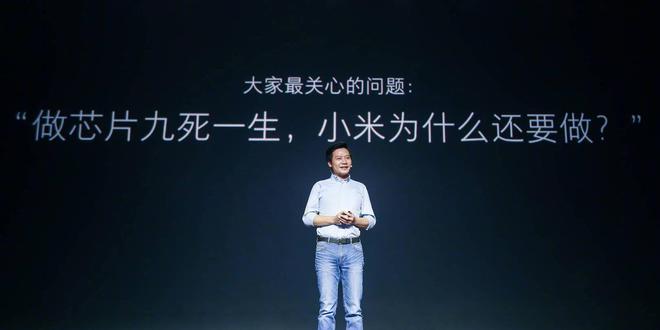
自研芯片

Search documents
刚刚,热搜爆了!雷军突然发声
Zhong Guo Ji Jin Bao· 2025-05-19 04:36
Core Insights - Lei Jun, the chairman of Xiaomi Group, announced the strategic product launch event scheduled for May 22, which will feature multiple significant products including the "Xiaomi Xuanjie O1" chip, Xiaomi 15S Pro, Xiaomi Pad 7 Ultra, and the first SUV "Xiaomi YU7" [3][5]. Group 1: Chip Development Journey - Xiaomi began its chip development journey in 2014, launching its first mobile chip "Surge S1" in 2017. However, due to various challenges, the company shifted focus to "small chips" before restarting its "big chip" business in 2021 [8][10]. - As of April 2023, Xiaomi has invested over 13.5 billion RMB in the Xuanjie project, with an expected investment of over 6 billion RMB this year. The R&D team has grown to over 2,500 members, placing Xiaomi among the top three in China's semiconductor design sector [8][12]. Group 2: Xuanjie O1 Chip Details - The "Xuanjie O1" chip, which is Xiaomi's first major self-developed chip, utilizes second-generation 3nm advanced technology and contains 19 billion transistors. This positions Xiaomi as one of the few global brands with core self-developed chips, alongside Apple, Samsung, and Huawei [8][12]. - The launch of the "Xuanjie O1" chip is seen as a critical milestone for Xiaomi, with plans for several products to feature this chip, not limited to smartphones [8][12]. Group 3: Future Aspirations - Xiaomi emphasizes that chips are a core area for breakthrough in hard technology, and the company seeks public patience and support as it continues to explore this path [8][12].



疑似小米玄戒O1芯片跑分曝光,深蓝CEO回应员工买车可离职,英伟达调整中国战略,安卓17或将带桌面模式,这就是今天的其他大新闻!
Sou Hu Cai Jing· 2025-05-18 16:30
Group 1 - Xiaomi's new device, identified as "Xiaomi 25042PN24C," reportedly features the self-developed O1 chip, achieving a single-core score of 2709 and a multi-core score of 8125, surpassing Qualcomm's Snapdragon 8 Gen 3 performance [3] - Deep Blue CEO, Deng Chenghao, suggested that employees could take a two-month leave after purchasing a specific vehicle model, which sparked public debate; he later clarified that the intention was not to encourage resignations but to address employees' concerns [5] - NVIDIA's CEO, Jensen Huang, announced a strategic shift regarding the Chinese market, stating that the company will not release further Hopper series chips due to U.S. government export restrictions [7] Group 2 - Android 17 is expected to introduce a desktop mode feature, similar to Samsung DeX, allowing for adjustable multi-tasking windows and seamless transitions between mobile and desktop interfaces [9]

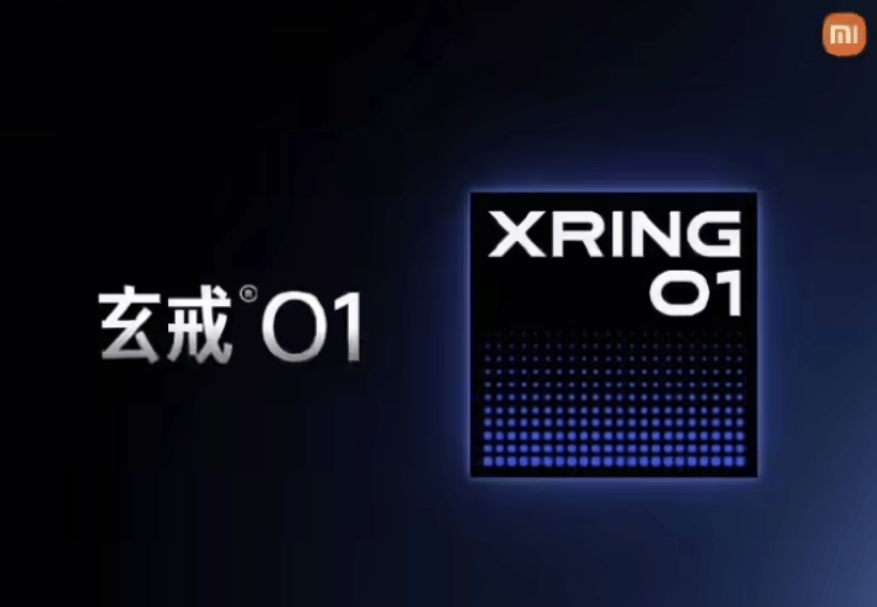
小米集团-W:小米蜕变时刻:自研首款手机SoC玄戒O1发布-20250518
Tianfeng Securities· 2025-05-18 10:45
Investment Rating - The report maintains a "Buy" rating for Xiaomi Group with a target price yet to be specified [3][11]. Core Insights - Xiaomi's release of its first self-developed mobile SoC, the Xuanjie O1, marks a significant milestone, positioning the company among the top global smartphone hardware manufacturers [1]. - The self-developed chip is expected to enhance Xiaomi's competitiveness in the high-end smartphone market, which remains a critical area for growth [2]. - The synergy between Xiaomi's self-developed chips, operating systems, and automotive business is anticipated to drive revenue growth and improve user experience [3]. Summary by Sections Company Overview - Xiaomi has invested in chip development since 2014, culminating in the launch of the Xuanjie O1 in May 2025, making it one of the two domestic manufacturers with self-developed chip capabilities [1]. Market Position - The self-developed SoC is seen as a strategic move to break into the high-end market segment (priced above 6000 RMB) and to establish a competitive edge through enhanced user experience and scale effects [2]. Financial Projections - The report forecasts Xiaomi's total revenue to reach 471.8 billion RMB in 2025 and 679.7 billion RMB in 2026, with net profits adjusted for shareholders expected to be 42.9 billion RMB and 85.5 billion RMB respectively [3].
消费类电子产品,到底需不需要“品牌信仰”
Sou Hu Cai Jing· 2025-05-18 10:15
Core Viewpoint - The article discusses the evolving relationship between consumers and brands, particularly focusing on Sony and its Xperia 1 Ⅶ smartphone, highlighting the gap between consumer expectations and the actual product offerings [6][12][13]. Group 1: Sony's Xperia 1 Ⅶ Analysis - Xperia 1 Ⅶ is not a poor product in the smartphone industry, featuring high-end specifications such as Snapdragon 8 Gen 1, up to 16GB RAM, and 512GB storage, along with unique camera capabilities [6][8]. - Despite its strengths, the Xperia 1 Ⅶ fails to meet consumer expectations, particularly in display resolution and audio technology, leading to disappointment among loyal users [10][12]. - The decision to exclude advanced audio technology like S-Master from the Xperia 1 Ⅶ is seen as a strategic move to protect Walkman sales, indicating a prioritization of commercial interests over consumer satisfaction [12][19]. Group 2: Consumer Expectations and Brand Faith - Consumer faith in a brand should be based on a rational understanding of its capabilities, rather than blind loyalty, leading to reasonable expectations for product quality [13][15]. - The article contrasts Sony's approach with Meizu's Note 16 series, which, despite deviating from traditional design, successfully meets market needs and attracts new customers [17][19]. - The concept of "fan economy" has shifted from supporting innovative brands to catering to less discerning consumers, which can dilute the integrity of brand loyalty and product quality [21][23]. Group 3: Emotional Value vs. Product Performance - Emotional value can influence purchasing decisions, but it cannot compensate for subpar product performance, as consumers will eventually notice discrepancies in quality [25][27]. - The expectation for self-developed chips in the industry reflects a desire for better performance and cost-effectiveness, indicating that consumers prioritize tangible benefits over brand loyalty [29].
小米集团-W(01810):小米蜕变时刻:自研首款手机SoC玄戒O1发布
Tianfeng Securities· 2025-05-18 08:33
Investment Rating - The report maintains a "Buy" rating for Xiaomi Group with a target price yet to be specified [3][11]. Core Insights - Xiaomi's release of its first self-developed mobile SoC, "Xuanjie O1," marks a significant milestone, positioning the company among the top global mobile hardware manufacturers [1]. - The self-developed chip is expected to enhance Xiaomi's competitiveness in the high-end smartphone market, which remains a critical area for growth [2]. - The synergy between Xiaomi's mobile, OS, and chip development is anticipated to drive innovation and improve user experience across its product lines [3]. Summary by Sections Company Overview - Xiaomi has invested in chip development since 2014, culminating in the launch of its first SoC in May 2025, making it one of the two domestic manufacturers with self-developed chip capabilities [1]. Market Positioning - The self-developed SoC is seen as a strategic move to break into the high-end smartphone segment, which is crucial for Xiaomi's growth [2]. - The report suggests that the self-developed chip will provide Xiaomi with a competitive edge through improved user experience and scale effects [2]. Financial Projections - The report forecasts Xiaomi's total revenue to reach 471.8 billion CNY in 2025 and 679.7 billion CNY in 2026, with net profit estimates of 42.9 billion CNY and 85.5 billion CNY respectively [3].
雷军回应小米SU7 燃爆事故 + 宣布自研芯片
程序员的那些事· 2025-05-17 14:28
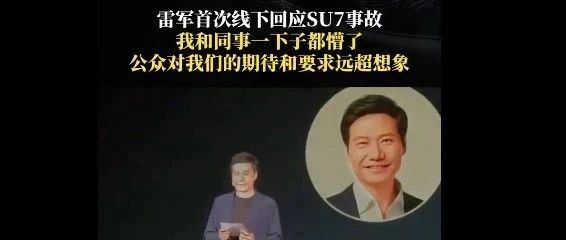
推荐阅读 点击标题可跳转 1、 小米决定:改名 2、 雷军:过去一个多月,是我创办小米以来最艰难的一段时间 3、 小米上热搜!被爆员工日均工时不低于 11.5 小时,网友吵翻了… "这场交通事故,让我们意识到,公众对我们的期待和要求远超了想象。" 雷军表示,自己此刻才真正的意识到,一直觉得小米是汽车行业的新人,是一家创业的公司 。但这一次的事 件让他深深理解,小米今天的规模、影响力、社会关注度都到了非常高的地方。 雷军表示,"社会和公众要求我们去承担一家真正的大公司行业领导者的责任。我们深刻的意识到,这是我 15 年的小米无可回避的责任。" - EOF - 5 月 15 日晚,雷军在小米价值观大赛后对所有小米员工发表演讲。 雷军在演讲中不仅宣布了自研芯片即将发布,同时也谈到了近期小米遭遇的舆论危机以及对小米公司未来发展 的展望。 雷军称,"三月底,一场突如其来的交通事故把这一切都击碎了。我们受到了狂风暴雨般的质疑、批评和指 责,我和同事们一样,一下子都懵了。一位熟悉汽车行业的朋友告诉我:造车,遭遇交通事故在所难免。谁也 没有想到,这一场事故的影响如此之大,对我们小米的打击也如此之大。" ...
小米“剧透”:采用自研芯片产品不只有手机!Civi 5 Pro由雷军发布
Zheng Quan Shi Bao Wang· 2025-05-17 14:23
Group 1 - The core product of Xiaomi, the "Xuanjie O1" chip, will not only be used in smartphones but also in other products [2] - The Xiaomi Civi 5 Pro has been upgraded from a trendy flagship to an all-around flagship, aiming to compete with the standard version of the iPhone [3] - The Xiaomi Civi 5 Pro features a 6.55-inch ultra-narrow visual four-edge screen, is only 7.45mm thick, and is powered by the Qualcomm Snapdragon 8s Gen4 [5] Group 2 - Xiaomi's automotive division addressed rumors regarding the deformation of the SU7's front bumper and the potential impact on sales, stating that the issue is due to installation inconsistencies [5] - The company offers free repair services for affected vehicles, ensuring customer support through official channels [5] - Xiaomi's CEO emphasized the company's responsibility as a leading player in the industry during a recent speech [5]
手机业务江山难守、汽车业务屡遭挑战,雷军将如何规划优先级?
Di Yi Cai Jing· 2025-05-16 10:14
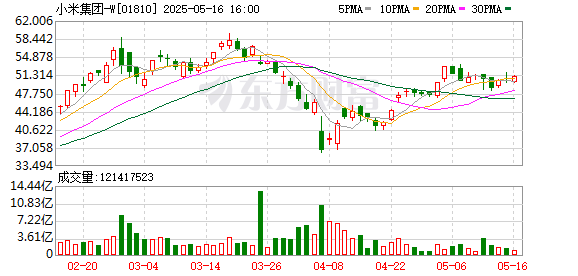
Core Viewpoint - Xiaomi's entry into the automotive market with the SU7 signifies a step forward, but the company faces significant challenges ahead, including public scrutiny over safety incidents and marketing claims [1][3][10] Group 1: Automotive Challenges - A recent traffic accident involving a Xiaomi vehicle has led to ongoing public criticism and scrutiny regarding the company's marketing practices, particularly concerning the carbon fiber hood of the SU7 Ultra [3][4] - The company issued an apology for misleading information regarding the hood's features, offering compensation that has not satisfied affected customers, leading to demands for refunds [3][4] - Xiaomi's automotive sales have reportedly declined for three consecutive weeks, indicating potential struggles in the competitive electric vehicle market [9] Group 2: Leadership and Strategic Focus - Founder Lei Jun has acknowledged the need for a balanced allocation of his attention between the smartphone and automotive sectors, as both face intense competition [1][9] - The company has committed to significant R&D investments, with over 100 billion yuan planned over five years, emphasizing the importance of technology in addressing public concerns [6][8] - Lei Jun's personal brand is closely tied to Xiaomi, and as competition intensifies, he may need to reconsider the extent of his involvement in various projects [2] Group 3: Market Performance - Xiaomi's stock price has fluctuated significantly, rising from a low of 15.36 HKD to a high of 59.45 HKD, but has recently faced volatility due to automotive issues [1] - In the smartphone market, Xiaomi has regained the top position in China with a 19% market share, driven by a 40% year-on-year increase in shipments [9] - However, international smartphone sales have declined by approximately 8.7%, reflecting challenges in overseas markets [9]
小米自研芯片Xring曝光
半导体芯闻· 2025-05-16 10:08
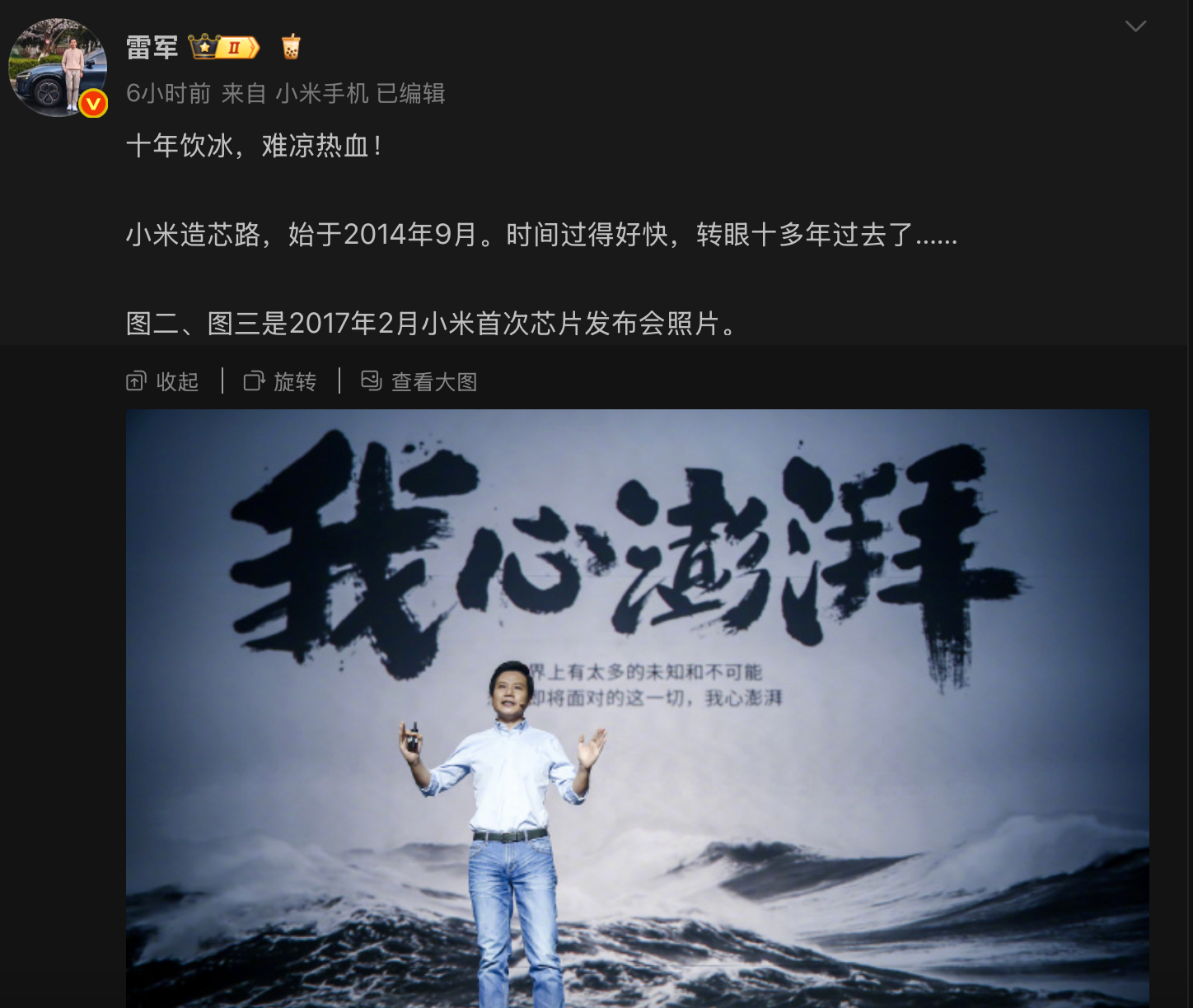
如果您希望可以时常见面,欢迎标星收藏哦~ 来源:内容来自 wccftech ,谢谢 。 小米定制SoC"Xring"的名称 在一个月前就被曝光,而该公司很快便正式发布了这款名为XRING 01的新芯片组。小米 首席执行官雷军在微博社交网络上发布了这一消息,但一如既往地没有透露规格等重要细节。值得庆幸的是,我们之 前已经深入报道过这些信息,现在我们将再次回顾,以便您了解未来小米智能手机将采用何种芯片。 此前有报道称,XRING 01 将采用台积电的 4nm 技术,但有传言称小米将推出 3nm 版本,并可能在未来实现量产 除了提到XRING 01将于本月晚些时候发布外,该微博帖子未分享其他任何有价值的信息。目前尚不清楚小米CEO是 想让观众保持悬念,还是另有其他原因。此前,我们曾报道XRING 01将采用台积电较老的4nm工艺进行量产,但与 骁龙8 Elite不同的是,这款自主研发的解决方案将基于ARM的当前一代CPU设计,其中最快的是主频为3.20GHz的 Cortex-X925。 采用上一代制造工艺可能意味着小米希望避免成本上涨,但我们去年提到,这家中国科技巨星已成功实现 3nm 芯片组 的流片,暗示可能会在 ...

小米自研手机SoC芯片浮出水面 雷军以“十年饮冰”总结造芯历程
Jing Ji Guan Cha Bao· 2025-05-16 07:34
Core Insights - Xiaomi has launched its second self-developed mobile SoC chip, named "Xuanjie O1," marking a significant milestone in its ten-year journey of chip development [2][5] - The new chip is expected to be unveiled in late May 2024 and is anticipated to utilize advanced manufacturing processes, potentially achieving performance levels comparable to leading competitors [3][4] Group 1: Chip Development Journey - Xiaomi's chip development began in October 2014 with the establishment of a subsidiary, Pinecone Electronics, leading to the production of its first SoC, the Surge S1, in 2017 [5] - The Surge S1 was manufactured using a 28nm process and featured an octa-core A53 architecture, but it faced challenges due to outdated technology and insufficient baseband capabilities [5] - Following the initial setbacks, Xiaomi continued to innovate with various chip series, including imaging chips, charging chips, and battery management chips, while also establishing Shanghai Xuanjie Technology Co., Ltd. in December 2021 [5][6] Group 2: Specifications and Expectations for Xuanjie O1 - Although specific details about the Xuanjie O1 chip are not yet disclosed, it is rumored to be based on a second-generation 4nm process and may feature an architecture that includes an Arm Cortex-X925 CPU and an Immortalis-G925 GPU [3] - The chip is expected to adopt an "Arm reference architecture AP + external 5G baseband" design, with potential configurations of 8-core or 10-core CPU clusters [3] - The Xuanjie O1 is likely to be integrated into Xiaomi's flagship model, the Xiaomi 15S Pro, which is set to celebrate the company's 15th anniversary [4]