具身智能

Search documents
你的模型真的会"举一反三"吗?RoboChallenge Table30 V2 正式发布,泛化时代开幕
机器人大讲堂· 2026-03-25 12:54
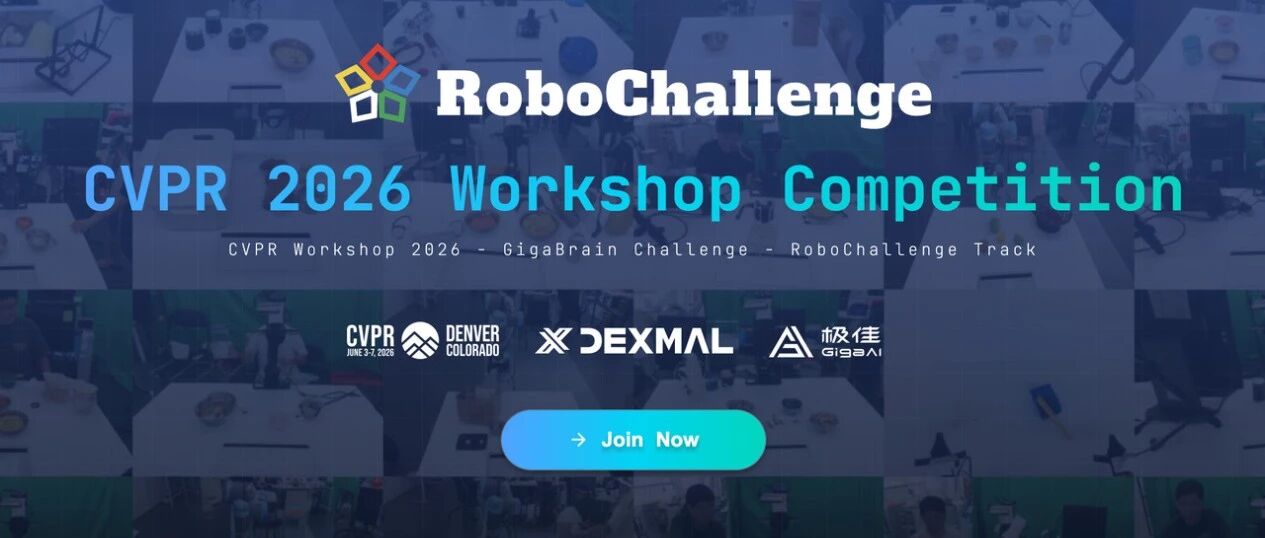
Core Insights - The article discusses the challenges faced by embodied intelligence models, particularly their failure to perform in real-world scenarios despite success in simulation environments [1][2] - It highlights the launch of RoboChallenge's Table30 V2, a new evaluation platform aimed at addressing the limitations of existing assessment frameworks by incorporating real-world task complexity and generalization capabilities [4][5] Evaluation Framework - Existing evaluation systems are criticized for being easily manipulated, leading to models that excel in controlled environments but fail in real-world applications [6][7] - Table30 V2 aims to break this barrier by introducing a comprehensive assessment that includes a wider range of tasks and real-world scenarios [7] Task Upgrades - The new platform expands the task set to 30, including 18 new complex tasks that challenge models in areas where they previously struggled, such as soft object manipulation and tool usage [9][11] - Tasks are designed to test models' real-time perception and adaptive control, pushing the limits of spatial reasoning and causal understanding [11][12] Evaluation Upgrades - Table30 V2 enforces a multi-task paradigm, requiring participants to submit a single model capable of general understanding, thus preventing task-specific optimizations [13][15] - The introduction of zero-shot testing requires models to handle unseen objects and environments, emphasizing the need for true generalization rather than memorization [15][16] System Upgrades - The platform has achieved a threefold increase in throughput compared to previous versions, allowing for faster testing and feedback cycles [16] - New metrics, such as Time to Complete, are introduced to align evaluation results with real-world deployment needs, emphasizing efficiency alongside success rates [16] Performance Data - The latest leaderboard shows that the best-performing model, DM0, has a success rate of 62%, while many models struggle with complex tasks, indicating a significant gap in understanding and execution capabilities [18][19] - The report reveals that while models can understand semantic instructions, their performance in fine manipulation tasks remains critically low, highlighting a disconnect between comprehension and execution [19] Industry Collaboration - RoboChallenge represents a collaborative effort among various organizations and institutions to standardize and normalize embodied intelligence evaluations [20] - The platform has attracted a diverse international user base, indicating a growing community focused on advancing embodied intelligence research [20] Upcoming Events - The preview of Table30 V2 will debut at the RoboChallenge CVPR 2026 Workshop, marking a significant event in the field of embodied intelligence [21][23] - Key dates include the competition registration deadline on April 25 and the final competition on May 15, 2026 [23]

稀土行业深度报告:供给蓄力需求破局
Dongguan Securities· 2026-03-25 12:46
Investment Rating - The report maintains a standard rating for the rare earth industry, indicating a cautious optimism regarding supply and demand dynamics [2]. Core Insights - The rare earth market is expected to see price recovery in 2026 due to improved supply-demand balance and stricter export controls, with light rare earth prices stabilizing and medium-heavy rare earth prices under pressure [3][12]. - China's rare earth production is projected to reach 270,000 tons in 2025, accounting for nearly 70% of global output, with a significant focus on optimizing supply-side reforms and reducing competition within the industry [19][21]. - Emerging sectors such as humanoid robots and low-altitude economy are anticipated to drive new demand for rare earth materials, further enhancing the industry's growth prospects [34][50]. Supply-Side Optimization - The supply of rare earths is tightening due to a slowdown in domestic quota growth and limited overseas increments, with China's production expected to remain dominant globally [19][20]. - The establishment of the China Rare Earth Group aims to consolidate the industry and enhance strategic control over the supply chain, marking 2026 as a critical year for resolving intra-industry competition [21][22]. - Global supply constraints are expected to persist, with domestic controls and overseas disruptions limiting significant increases in supply [23]. Demand Highlights - The demand for rare earth materials is steadily increasing in traditional industries and emerging sectors, including electric vehicles, wind power, and humanoid robots, which are set to open new growth avenues [34][50]. - Humanoid robots are projected to require approximately 3.5-4 kg of high-performance neodymium-iron-boron magnets per unit, surpassing the demand from electric vehicles [37]. - The electric vehicle sector is expected to continue driving demand for rare earth materials, with significant growth in production and sales anticipated in 2025 [51]. Investment Recommendations - The report suggests focusing on companies such as China Rare Earth (000831.SZ), Northern Rare Earth (600111.SH), Xiamen Tungsten (600549.SH), and Jinli Permanent Magnet (300748.SZ) as potential investment opportunities [3].


刘烈宏:以Token计费为基础的新型商业逻辑正在加速演进|金融与科技
清华金融评论· 2026-03-25 12:19
Core Viewpoint - The Chinese government emphasizes the importance of artificial intelligence (AI) development, aiming to integrate AI into various industries and enhance data resource utilization, with the AI industry expected to exceed 10 trillion yuan by the end of the 14th Five-Year Plan [4]. Group 1: AI Infrastructure Development - The "East Data West Computing" project optimizes data center construction by guiding computing demand from the east to the west, with a total computing power of 159 million PFlops expected by the end of 2025, where eight national hubs will account for over 80% of this capacity [6]. - The "Computing and Electricity Coordination" initiative aims to integrate computing infrastructure with the power system, promoting a sustainable cycle of resource allocation, with a target of 80% green electricity usage in new computing facilities by 2024 [7]. - The establishment of a national integrated computing network is underway, facilitating efficient scheduling and application of computing resources across the country, which is a key requirement for the 14th Five-Year Plan [8]. Group 2: AI Evolution and Economic Impact - AI is transitioning from dialogue to decision-making execution, with applications like OpenClaw driving explosive growth in large model applications, highlighting the need for robust data security measures [6][9]. - The integration of AI with various industries is crucial for transforming technological potential into developmental momentum, with high-quality industry-specific data sets becoming key to model effectiveness [9]. - The emergence of embodied intelligence is creating new demands for data, as AI integrates with robotics and sensors to perform complex tasks in specific industrial scenarios [9]. Group 3: Tokenization and New Business Models - Tokens are becoming a key unit of value in the AI era, facilitating the connection between technology supply and commercial demand, with daily token usage expected to rise from 100 billion to 100 trillion by the end of 2025 [10]. - The rapid increase in token usage indicates a developing market for high-quality data, establishing a positive cycle of data supply and value release [10]. Group 4: Data and AI Governance - The integration of AI into production and daily life raises concerns about data security and compliance, necessitating collaborative efforts among AI providers, users, and security maintainers to ensure comprehensive data safety solutions [11][12]. - The evolution of the data industry is marked by a shift from information services to a value-ecosystem stage, driven by AI's role in enhancing data utilization and market demand [12][13]. - AI's advancements are improving data processing efficiency and expanding the market for data elements, while also presenting new challenges for data security governance [14]. Group 5: Future Directions - The focus for 2026 is on data value release, with initiatives aimed at enhancing data quality and availability to support AI innovation across various sectors [15]. - The ongoing reforms in data rights and the establishment of new data circulation mechanisms are expected to mature the market for data elements, facilitating efficient data flow and privacy protection [14].

从清华天才到苏州厂长:他用“物理信仰”,敲开具身智能万亿赛道?
混沌学园· 2026-03-25 12:04
Core Viewpoint - The article emphasizes that embodied AI is at the forefront of global technological competition, aiming to integrate AI into the physical world, which is seen as a crucial step towards achieving Artificial General Intelligence (AGI) [2][6]. Group 1: Company Overview - Galaxea, founded by Gao Jiyang, has rapidly grown into a unicorn valued at over 10 billion yuan within just 28 months, showcasing a blend of scientific rigor and practical efficiency [2][4]. - Gao Jiyang's background includes a record-setting PhD graduation from the University of Southern California and significant experience in AI and autonomous driving, which informs his approach to embodied AI [4][5]. Group 2: Strategic Insights - Gao Jiyang believes that the mission of embodied AI is to reconstruct productivity on Earth and even explore beyond it, reflecting a deep understanding of the underlying laws of the physical world [7]. - The company focuses on a "one brain, multiple forms" strategy, prioritizing a versatile visual-language-action (VLA) model over the physical appearance of robots, which can adapt to various scenarios [10]. - Galaxea has shifted from pursuing bipedal humanoid robots to developing wheeled dual-arm robots (R1 series) for their stability, cost-effectiveness, and ability to quickly gather real-world data [10]. Group 3: Data and Innovation - Gao Jiyang recognizes that data from the physical world cannot be easily harvested like internet data, leading to the development of a new data collection process that allows for rapid iteration of the VLA model, keeping pace with global leaders [10].

“蔚小理零”首次集体盈利背后
创业邦· 2026-03-25 10:44
Core Viewpoint - The article discusses the evolving landscape of China's electric vehicle (EV) market, highlighting the competitive dynamics among new car manufacturers, particularly Li Auto, NIO, Xpeng, and Leap Motor, as they navigate challenges and opportunities in the industry from 2023 to 2026 [6][7]. Group 1: Market Dynamics - In 2025, the four new car manufacturers collectively achieved profitability for the first time, marking a significant turning point in their survival paths [8]. - The competition intensified as these companies not only vied for market share among themselves but also faced challenges from traditional automakers and new entrants like Huawei and Xiaomi [8][9]. - Leap Motor emerged as a surprising contender, achieving monthly sales exceeding 70,000 units, positioning itself among the top tier of manufacturers [7]. Group 2: Sales Performance - In 2025, Li Auto's total deliveries fell to 406,000 units, a decline of 18.8% year-on-year, missing its target of 700,000 units [10][12]. - NIO's sales reached 326,000 units, a year-on-year increase of 46.9%, driven by the success of the ES8 model [13]. - Xpeng's sales surged to 429,000 units, a 126% increase, largely attributed to the launch of the MONA M03 model [14]. Group 3: Financial Performance - Li Auto's net profit for the year dropped to 1.14 billion yuan, a decrease of 85.8%, primarily supported by 1.92 billion yuan in interest income [18]. - NIO achieved its first-ever positive net profit of 720 million yuan in the fourth quarter, despite a total annual loss of 14.94 billion yuan [19]. - Leap Motor reported a net profit of 540 million yuan, a significant turnaround from a loss of 2.82 billion yuan the previous year [19]. Group 4: Strategic Shifts - Li Auto and Xpeng are focusing on AI and advanced driving technologies, aiming to evolve from traditional car manufacturers to intelligent mobility companies [8][21]. - NIO and Leap Motor continue to concentrate on vehicle sales, with NIO planning to expand its SUV lineup to five models by 2026 [19][20]. - The competitive landscape is expected to become more challenging in 2026, particularly with the reduction of subsidies for low-end models, impacting sales strategies [15][20].



稀土行业深度报告:供给蓄力,需求破局
Dongguan Securities· 2026-03-25 10:40
Core Insights - The report emphasizes that the supply-demand optimization in the rare earth industry is expected to drive prices upward in 2026, with a notable increase in demand from sectors like humanoid robots and low-altitude economy [3][12][19]. - China's rare earth industry remains dominant globally, with a projected production of 270,000 tons in 2025, accounting for nearly 70% of global output [19][22]. - The report highlights the strategic importance of rare earth materials in traditional industries and emerging sectors, indicating a robust growth trajectory for demand [33][49]. Supply Side Optimization - The report notes a continuous tightening of supply due to a slowdown in domestic quota growth and limited overseas increments, with China's rare earth production expected to increase only marginally in 2024 [19][20]. - The establishment of the China Rare Earth Group has created a "South Heavy North Light" industry structure, enhancing industry concentration and control over the supply chain [20][21]. - The report identifies 2026 as a critical year for resolving intra-industry competition, which could strengthen strategic collaboration and control within the rare earth sector [21]. Demand Highlights - The demand for rare earth materials is steadily increasing in various sectors, including electric vehicles, wind power, and energy-efficient appliances, with humanoid robots and low-altitude economy sectors opening new growth avenues [33][49]. - The humanoid robot industry is projected to transition from experimental phases to commercial viability in 2026, significantly increasing the demand for rare earth magnetic materials [34][42]. - The report indicates that the automotive sector, particularly electric vehicles, remains the largest consumer of rare earth materials, with a notable increase in production and sales expected in 2025 [50][49]. Investment Recommendations - The report suggests monitoring companies such as China Rare Earth (000831.SZ), Northern Rare Earth (600111.SH), Xiamen Tungsten (600549.SH), and Jinli Permanent Magnet (300748.SZ) for potential investment opportunities [3].
雷赛智能(002979) - 投资者关系活动记录表(2026年3月25日)
2026-03-25 10:06
Group 1: Company Performance - The company achieved a revenue of 1.3 billion yuan in the first nine months of 2025, representing a year-on-year growth of 12.57% [3] - In Q3 2025, the single-quarter revenue reached 409 million yuan, with a year-on-year increase of 23.21% [3] - The net profit attributable to shareholders was 160 million yuan, up 11.01% year-on-year; after excluding share-based payment factors, the net profit was 189.1 million yuan, reflecting a growth of 20.86% [3] Group 2: Future Plans - For 2026, the company aims to focus on five external opportunities despite increasing competition and geopolitical risks [4] - Targeting high-end markets to replace imported brands - Deepening engagement in mid-to-low-end markets to assist clients in cost reduction - Expanding global market presence through multiple export pathways - Leveraging the potential of channel partners and major clients to broaden growth - Capitalizing on the booming fields of robotics and machine dogs to strengthen core advantages [4] Group 3: Robotics Sector Development - The company positions itself as a provider of core components and solutions in the robotics sector, focusing on high cost-performance and reliability [5] - Shanghai Leisai Robotics Technology Co., Ltd. achieved over 120,000 orders for frameless motors in 2025 [6] - Shenzhen Smart Drive Control Technology Co., Ltd. has rapidly developed various products, including the DH116 series dexterous hands and hollow cup motors, receiving positive market feedback [6] Group 4: PLC Product Expansion - The company has increased R&D investment in control products, creating a comprehensive PLC product matrix that includes small, medium, and large PLCs [7] - According to MIR's report, the company's small PLCs have the highest growth rate among all brands in the country [7] - The company plans to continue enhancing PLC R&D to improve system performance and reduce customer costs [7] Group 5: Financing Progress - The company is raising up to 1.144 billion yuan through a private placement of A-shares, with net proceeds allocated for R&D and industrialization of core components, information technology projects, and working capital [8][9] - The company has received acceptance from the Shenzhen Stock Exchange for its application to issue shares, pending further regulatory approvals [9]
「华舟魔」三强之一,加速迈向物理AI
雷峰网· 2026-03-25 10:05
Core Viewpoint - The article discusses the recent $100 million funding round for Qianzhou Zhihang, emphasizing its strategic shift towards physical AI and the development of advanced technologies in autonomous driving and general physical AI [2][3][4]. Group 1: Funding and Strategic Shift - Qianzhou Zhihang completed a Series D funding round of $100 million, with investors including leading domestic automotive manufacturers and various investment funds [2]. - The company plans to enhance its research in world models and reinforcement learning, which are crucial for advancing physical AI technologies [3][4]. Group 2: Importance of Physical AI - AI can be categorized into digital AI, which processes information, and physical AI, which interacts with the physical world. The latter is still in its early stages, particularly in autonomous driving [4][5]. - The CEO of Qianzhou Zhihang highlighted that autonomous driving is the best entry point for physical AI, with the potential for significant opportunities in the next 5-10 years [5][6]. Group 3: Technological Development - The company aims to leverage structured data from autonomous driving to develop a robust world model, which is essential for understanding physical interactions in complex environments [7][9]. - The integration of world models and reinforcement learning is seen as a solution to the challenges faced in the unpredictable physical world, allowing for proactive decision-making in autonomous systems [9][10]. Group 4: Market Position and Production Scale - Qianzhou Zhihang has achieved a production scale of over 1 million vehicles equipped with its autonomous driving system, positioning itself among the top players in China's intelligent driving sector [12][13]. - The company plans to expand its model offerings significantly by 2026, with a focus on urban navigation assistance (NOA) capabilities [13][14]. Group 5: Competitive Landscape - The competitive landscape includes major players like Huawei and Momenta, each adopting different strategies to penetrate the market. Qianzhou Zhihang focuses on maximizing the efficiency of single-chip solutions for urban NOA [16][17]. - The company aims to target the price segment of 100,000 to 200,000 yuan, which represents a significant portion of the Chinese new energy vehicle market [17][18]. Group 6: Technological Integration and Future Plans - Qianzhou Zhihang's approach emphasizes standardization and compatibility across different vehicle models, allowing for rapid adaptation and deployment of its technologies [20][21]. - The company plans to showcase its latest technological advancements at the Beijing Auto Show in April 2026, highlighting its transition from L2 to L4 autonomous driving and general physical AI [24].

2026年最疯狂IPO!杭州将诞生一批千万富豪
商业洞察· 2026-03-25 09:28
Core Viewpoint - Yushu Technology is on the verge of becoming the first humanoid robot company listed on the A-share market, marking a significant milestone in the robotics industry and showcasing the potential for wealth creation through advanced technology [2][36]. Group 1: Company Overview - Yushu Technology has submitted its IPO application to the Sci-Tech Innovation Board, aiming to capitalize on the growing demand for humanoid robots [2][36]. - Founded by Wang Xingxing, a post-90s entrepreneur, Yushu has been operational for 10 years and is now positioned to lead in the humanoid robot sector [7][36]. Group 2: Financial Performance - The company reported a revenue of 1.708 billion in 2025, a staggering increase of 335% compared to the previous year [12]. - Net profit for 2025 is projected to exceed 600 million, with a gross margin of 60.27% [11][12]. - The revenue from humanoid robots is expected to surpass that of quadruped robots, with over 5,500 units sold in 2025, contributing significantly to overall revenue [14][19]. Group 3: Market Position and Strategy - Yushu's strategy focuses on affordability, reducing the average price of humanoid robots from nearly 600,000 in 2023 to approximately 167,600 in the first three quarters of 2025, making them accessible to research institutions and businesses [19]. - The company benefits from favorable market conditions, including a global AI wave and supportive government policies for humanoid robots [16]. Group 4: Wealth Creation and Investment - Wang Xingxing holds over 23% of the company, and with an estimated valuation of 42 billion post-IPO, his net worth could exceed 10 billion [25]. - The shareholder list includes prominent investment firms such as Sequoia China and Meituan, indicating strong backing from the tech investment community [28][29]. - Yushu has an employee stock ownership plan, allowing core employees to share in the wealth generated from the IPO, potentially creating numerous millionaires in Hangzhou [30][31]. Group 5: Industry Impact - Yushu's IPO signifies a broader trend in China's robotics sector, demonstrating the country's capability in technology, product development, and commercialization [36]. - The success of Yushu is seen as a testament to the potential for substantial returns in the hard tech sector, contrasting with traditional investment avenues [34].

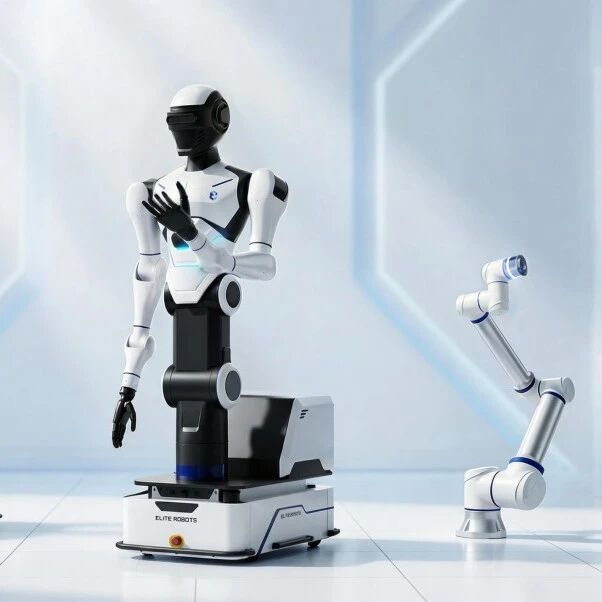
艾利特拿下6亿D+轮融资,凭什么?
机器人大讲堂· 2026-03-25 09:15
Core Viewpoint - The recent 600 million RMB D+ round financing for Elite Robot highlights the growing intersection between the robotics and AI industries, as traditional boundaries dissolve and capital flows into robotics from AI supply chain investors [1][3]. Group 1: Price War and Strategic Positioning - The Chinese robotics market has seen an intensifying price war over the past two years, yet Elite Robot has chosen to maintain a stable pricing strategy, focusing on value-based pricing [3]. - Elite Robot's customer base is strategically positioned in the AI supply chain, targeting high-reliability and intelligent manufacturing scenarios rather than competing in the low-cost general manufacturing market [5]. Group 2: One Brain, Multiple Forms Strategy - The core focus of the recent financing is Elite Robot's "one brain, multiple forms" strategy, which addresses the limitations of traditional industrial robots that require separate control systems for each type [6][8]. - The breakthrough in embodied intelligence technology allows for a unified brain to control various robot forms, enhancing flexibility and reducing development costs across different applications [8][11]. Group 3: Technical Innovations and Industrial Philosophy - Elite Robot's innovation lies in its proprietary "VLA+T" model architecture, which integrates real-time torque sensing into the visual-language-action framework, crucial for industrial applications [9][11]. - This approach emphasizes the importance of precise physical interactions in industrial settings, merging cognitive capabilities with execution to deliver industrial-grade embodied intelligence [11][12]. Group 4: Composite Robot Revolution - Composite robots serve as a key vehicle for the large-scale implementation of the "one brain, multiple forms" strategy, overcoming the challenges of integrating independent systems [13][15]. - The integration of control systems in composite robots has led to significant reductions in task response times and deployment cycles, enhancing market penetration [15][16]. Group 5: Data Flywheel and Competitive Moat - The ability to accumulate high-quality training data from operational robots is critical for advancing embodied intelligence models, creating a positive feedback loop that enhances model evolution [17][19]. - Elite Robot's deep involvement in the AI supply chain provides an optimal entry point for building this data flywheel, with diverse and high-density operational data from complex manufacturing scenarios [19][20]. Group 6: Globalization Strategy - Elite Robot's globalization strategy focuses on expanding alongside its global AI supply chain clients, entering key markets such as Europe, North America, and Southeast Asia [21][23]. - This approach not only reduces market entry costs but also aligns with the higher willingness to pay in high-end manufacturing markets compared to the domestic price-sensitive environment [23][24]. Conclusion and Future Outlook - The competitive landscape in robotics is shifting from hardware to intelligence, with companies that prioritize cognitive capabilities and data-driven strategies likely to gain long-term advantages [24][26]. - Elite Robot's comprehensive self-research capabilities and strategic focus on building a robust data-driven ecosystem position it favorably for future growth in the evolving robotics market [26][27].