绿色化

Search documents
李军:场景相融促进消费扩容
Jing Ji Ri Bao· 2025-12-30 00:32
Core Viewpoint - The article emphasizes the growth of consumer momentum in China driven by policies such as trade-in programs, highlighting the importance of expanding service consumption and creating new consumption scenarios through innovation and technology [1] Group 1: Current Trends in Consumption - China's consumption landscape is characterized by digitalization, integration, and greening, with technologies like 5G, AI, and VR enhancing the consumer experience [1] - The integration of various sectors is breaking down industry boundaries, leading to the emergence of cross-sector consumption scenarios such as "consumption + culture and tourism" and "consumption + health" [1] - The transition towards green consumption is becoming a significant trend, with rapid adoption of new energy vehicle charging scenarios and smart home energy management systems [1] Group 2: Advantages of Building Consumption Scenarios - China benefits from a massive market that drives consumer demand, exemplified by the live e-commerce market growing from less than 500 billion yuan in 2019 to 5.8 trillion yuan by 2024, a tenfold increase [2] - The digital infrastructure supports this growth, with China accounting for over 60% of global 5G base stations and a mobile payment penetration rate of 86%, facilitating scenarios like contactless payments [2] - Targeted policy initiatives, such as the "smart business district" pilot by the Ministry of Commerce, are fostering an innovative environment for consumption scenario development [2] Group 3: Challenges in Consumption Scenario Development - There are shortcomings in China's consumption scenario development, including an incomplete ecological collaboration mechanism and low cross-departmental data sharing, leading to prolonged conversion cycles from technology research to practical application [2] - Regional disparities exist, with first-tier cities dominating innovation while third and fourth-tier cities still rely on traditional consumption models, and rural areas face challenges like insufficient cold chain logistics [2] - The standard system is lagging, with high complaint rates regarding false advertising in live streaming and data security breaches, indicating a need for improved evaluation standards and service norms [2] Group 4: Recommendations for Enhancing Consumption Scenarios - Strengthening top-level design and policy support systems is essential, including establishing a national-level consumption scenario innovation fund to support new consumption themes [3] - Enhancing technological empowerment through the use of VR, AR, and AI to create immersive consumption experiences and building "consumption scenario innovation laboratories" to shorten the technology-to-application cycle [3] - Promoting cross-industry integration by developing "consumption + metaverse," "consumption + health," and "consumption + education" scenarios, and supporting the revitalization of traditional brands through technology [4]
中国制造迎来“三重跃迁”
Zheng Quan Ri Bao· 2025-12-29 17:11
Core Insights - The integration of artificial intelligence into China's manufacturing sector has evolved beyond basic automation, leading to significant transformations in smart manufacturing [1][2][3] Group 1: First Leap - The first leap is from "functional substitution" to "system reconstruction," where AI becomes the central nervous system of manufacturing, optimizing processes and participating in innovative design [1] - AI technologies are enabling autonomous perception, planning, and learning, transitioning production lines from rigid automation to flexible intelligence [1] Group 2: Second Leap - The second leap is from "data silos" to "network collaboration," addressing the bottlenecks caused by data barriers within enterprises and across supply chains [2] - The emergence of industrial internet platforms and reliable data spaces is facilitating seamless data flow, enhancing collaboration among enterprises [2] Group 3: Third Leap - The third leap is from "efficiency-first" to "effectiveness-balanced," where the integration of intelligence and sustainability is becoming a key trend [2] - Companies are increasingly focusing on energy resource optimization and carbon footprint management within their smart systems, moving towards a comprehensive effectiveness competition that includes quality and sustainability [2] Future Outlook - Looking ahead to 2026, a more intelligent, collaborative, and sustainable vision for China's manufacturing industry is becoming clearer [3]
李毅中:准确把握“高端化”,防止中低端产业盲目退出
Feng Huang Wang Cai Jing· 2025-12-29 06:13
Group 1 - The 10th China Manufacturing Power Conference was successfully held in Beijing, focusing on the theme "Entity as the Root, Moving Towards New Directions" and discussing the high-quality development path of China's manufacturing industry during the 14th and 15th Five-Year Plans [1] - The conference emphasized the importance of transitioning to a modern industrial system supported by advanced manufacturing, highlighting the need for intelligent, green, and integrated approaches in industrialization [3] - The concept of "integration" was introduced, stressing the blurring lines between secondary and tertiary industries, and the necessity for multi-modal integration paths to enhance the modern industrial system [3] Group 2 - The importance of accurately understanding the connotation of "high-end" was highlighted, with a focus on technological innovation to optimize industrial and product structures, while ensuring the stability of supply chains and employment [4] - The need to integrate into global value chains, supply chains, and industrial chains was emphasized, advocating for a balanced approach to high-end industry development without blindly eliminating mid-to-low-end industries [4] - The goal for the 15th Five-Year Plan period is to achieve qualitative improvements and reasonable quantitative growth in the economy, addressing diverse economic and social needs [4]

【干货】2025年煤矿机械产业链全景梳理及区域热力地图
Qian Zhan Wang· 2025-12-29 06:09
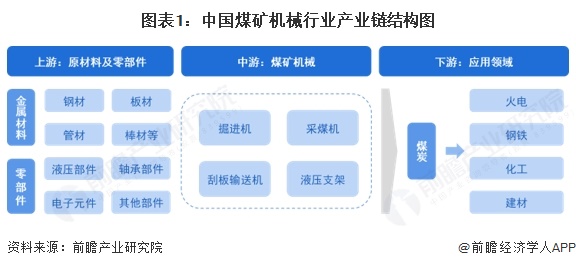
Core Insights - The coal mining machinery industry is experiencing a shift towards intelligent, green, and globalized operations, with major investments from leading companies and energy groups focusing on high-end equipment projects and technological collaborations [11]. Industry Overview - The coal mining machinery industry consists of three main segments: upstream (raw materials and components), midstream (manufacturing of coal mining equipment), and downstream (coal industry applications) [2][4]. - Upstream suppliers include companies like Benxi Steel and Hengli Hydraulic, while midstream manufacturers include Zhengzhou Coal Mining Machinery and SANY Heavy Industry [4][5]. - The downstream sector primarily consists of coal enterprises such as China Coal Energy and Datang Power [4][5]. Regional Distribution - Jiangsu Province is identified as the primary hub for coal mining machinery companies, with significant activity also in Shandong, Shaanxi, and Shanxi provinces [6]. - The coal mining machinery industry is well-established in Liaoning, Shanxi, and Beijing, covering all segments of the supply chain [9]. Investment Trends - Recent investments in the coal mining machinery sector focus on smart technology, green initiatives, and international expansion [11]. - Notable investments include: - In 2023, Shanxi Coal Machinery invested 2.1 billion yuan in a smart high-end coal machinery project, expected to generate an annual output value of 3 billion yuan [13]. - In 2023, Shaanxi Coal Group acquired Xuzhou Coal Mining Machinery for 1.8 billion yuan, increasing its market share in intelligent conveyor systems from 16% to 27% [13]. - In 2025, XCMG launched the world's first unmanned electric mining truck, aiming for zero-carbon operations [13].



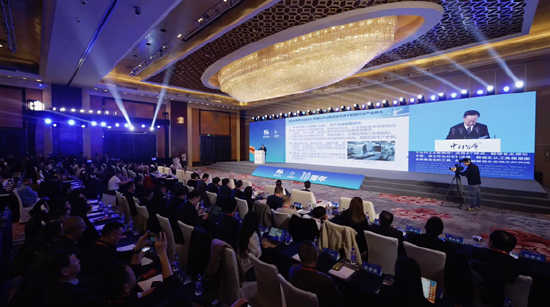
实体为根 向新而行丨第十届中国制造强国年会成功在京召开
Xin Lang Cai Jing· 2025-12-29 05:23
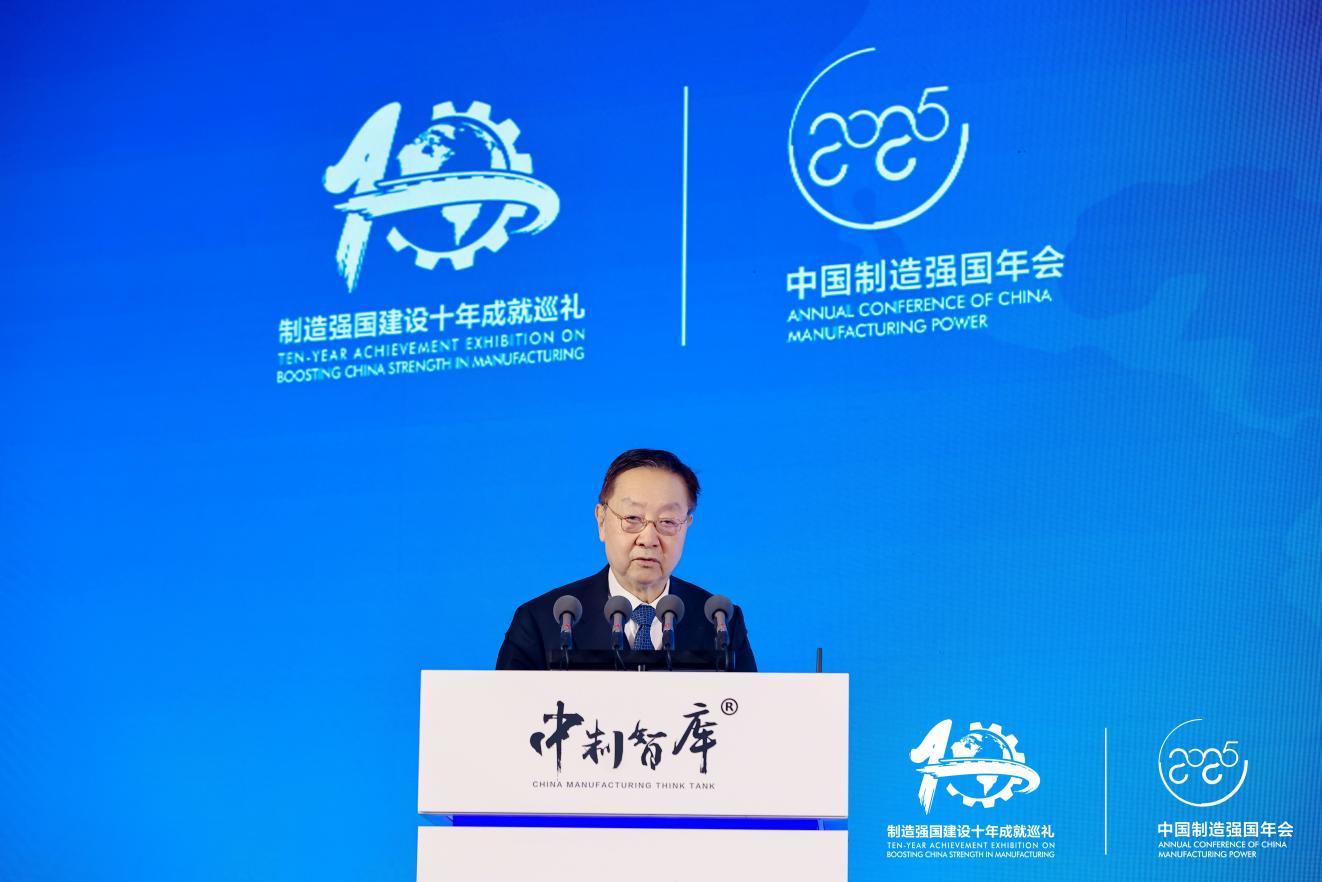
Core Viewpoint - The 10th China Manufacturing Power Conference emphasizes the importance of strengthening the foundation of the real economy and developing new quality productivity during the "14th Five-Year" and "15th Five-Year" planning periods, marking a critical juncture in the "China Manufacturing 2025" action plan [1][34]. Group 1: Authority and Themes - The conference gathered over 400 guests from government, industry, academia, and research to discuss the high-quality development path of China's manufacturing industry during the "15th Five-Year" period [1][34]. - The event was hosted by Dr. Xin Wang, a member of the "15th Five-Year" planning expert group from the Ministry of Industry and Information Technology [3][36]. - The conference adhered to a philosophy of high-end, professional, market-oriented, refined, and effective organization, aiming to consolidate manufacturing power and empower the real economy [4][37]. Group 2: Key Presentations - Minister Li Yizhong discussed the paths to new industrialization, emphasizing the need for "intelligent," "green," and "integrated" approaches to build a modern industrial system [6][39]. - Minister Su Bo highlighted that China has reached a manufacturing power development index of 128.85, indicating a shift from low-end to mid-high-end manufacturing, with a goal to reach a medium level among global manufacturing powers by 2035 [9][42]. - Minister Liu Lihua outlined four focus areas for the "15th Five-Year" period: solidifying industrial foundations, accelerating technological self-reliance, fostering new quality productivity, and formulating the next decade's manufacturing action plan [12][45]. Group 3: Innovations and Initiatives - Minister Cao Jianlin emphasized the importance of high-end equipment manufacturing as a key component of industrial strength, advocating for a collaborative approach to develop competitive high-end equipment industries [14][47]. - The conference introduced the "Innovation Development Index for Small and Medium Enterprises" to evaluate and support local industrial clusters, aiming to enhance their growth and innovation capabilities [21][54]. - The "Invisible Champion" program was launched to promote stories of successful manufacturing enterprises, aiming to instill national pride and foster a sense of patriotism among youth [28][61]. Group 4: Future Directions - The conference marked a decade of progress in China's manufacturing strategy, reflecting on achievements and setting the stage for future developments in the manufacturing sector [32][65]. - The ongoing transition from investment-driven to innovation-driven growth, and from a manufacturing power to a consumption power, is crucial for China's economic future [52][51].
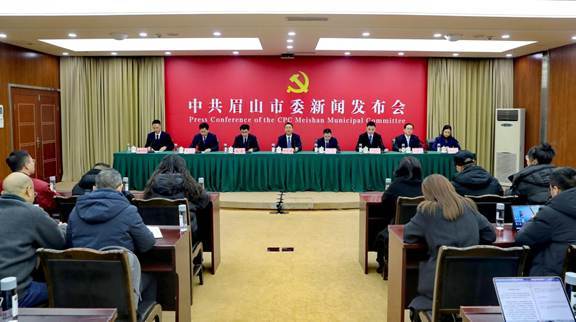
眉山新闻发布会:解码“十五五”制造业高端智能绿色发展新路径
Xin Lang Cai Jing· 2025-12-29 04:48
Core Viewpoint - The news conference highlighted the strategic planning of Meishan City for the development of its manufacturing industry, emphasizing the commitment to advancing industrial growth and high-quality development through technological innovation [5] Group 1: Manufacturing Development - During the 14th Five-Year Plan, Meishan implemented a "Manufacturing Strong City" strategy, achieving significant industrial growth, with an average annual growth rate ranking among the top in the province and a notable increase in GDP contribution [3] - The industrial structure has been optimized, with the new energy and new materials industry surpassing 100 billion yuan, establishing the world's largest single battery production base, and nurturing several advanced manufacturing clusters at national and provincial levels [3] - The city has built the first "Smart Transformation" promotion center in the province and established the world's first "lighthouse factory" in the photovoltaic battery sector, leading in green manufacturing system construction [3] Group 2: Future Development Plans - For the 15th Five-Year Plan, Meishan aims to enhance high-end, intelligent, and green manufacturing, focusing on new industrialization and developing new productive forces [4] - Key initiatives include strengthening the "1+3" industrial cluster led by new energy and new materials, integrating into the Chengdu-Chongqing economic circle, and accelerating the construction of national-level industrial clusters in lithium batteries and photovoltaics [4] - The city plans to establish a "1+N" pilot transformation system to promote the rapid conversion of cutting-edge technologies like solid-state batteries and perovskite batteries [4] Group 3: Smart and Green Manufacturing - Meishan will implement comprehensive "Smart Transformation" diagnostics, build advanced smart factories and digital workshops, and significantly increase the CNC rate of key processes in industrial enterprises [4] - The city will promote green manufacturing by constructing more green factories and parks, optimizing energy structures, and exploring green electricity supply models [4] - A recycling system for lithium battery materials will be established, promoting resource utilization of industrial waste and accelerating the development of a circular economy industrial park [4]
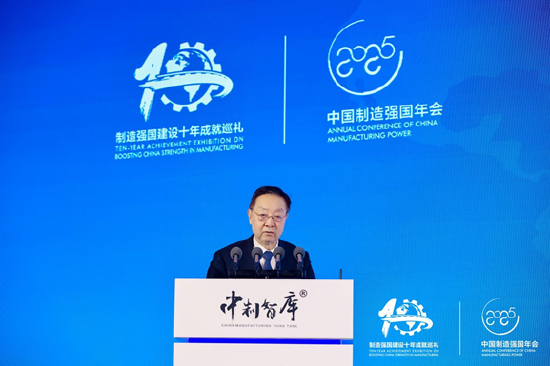
李毅中谈新型工业化实践路径:以“智能化、绿色化、融合化”构建现代化产业体系
Xin Lang Cai Jing· 2025-12-29 03:28
Core Viewpoint - The 10th China Manufacturing Power Conference emphasizes the theme "Entity as the Root, Moving Towards the New" and discusses the importance of advancing industrialization through smart, green, and integrated approaches [1][5]. Group 1: Smart Manufacturing - The concept of "smart manufacturing" involves advancing the application of artificial intelligence (AI) to drive technological breakthroughs and implement the "AI+" initiative, which empowers research and innovation as well as production transformation [3][7]. Group 2: Green Transformation - "Green transformation" focuses on strengthening low-carbon transitions to ensure that the industrial sector meets the carbon peak target by 2030 and steadily progresses towards carbon neutrality [3][7]. Group 3: Integrated Development - The term "integration" refers to the blurring boundaries between secondary and tertiary industries, as well as between manufacturing and services. It highlights the need for multi-modal integration paths, including the fusion of technology and industry, and deep collaboration between academia and industry [3][7]. Group 4: High-End Development - Understanding the connotation of "high-end" is crucial. It involves leveraging technological innovation to optimize and adjust industrial and product structures, phasing out outdated practices while enhancing quality and efficiency to move towards high-end manufacturing [4][8]. - The strategy includes integrating into global value chains, supply chains, and industrial chains, ensuring that the manufacturing sector adapts to global market practices while maintaining stability in the supply chain and employment [4][8].
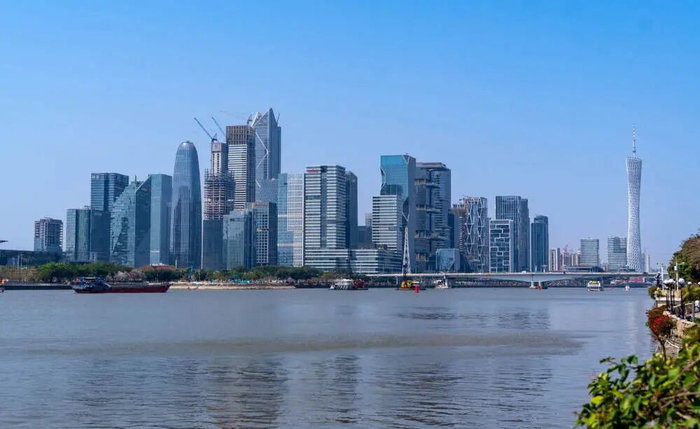
广东穿越周期的三大“超能力”
2 1 Shi Ji Jing Ji Bao Dao· 2025-12-28 15:46
Economic Overview - Guangdong is recognized as China's "economic leader," maintaining over 10% of the national GDP share for a long time, with a GDP that has surpassed 14 trillion yuan [1] - The province has consistently ranked first in GDP for 36 years and has crossed significant GDP milestones since 2019 [1] - Despite its economic size, Guangdong faces challenges in achieving high growth rates, especially compared to other provinces [1] Industrial Transformation - Traditional industries have historically driven Guangdong's rapid economic growth, with six out of ten strategic pillar industries being traditional, contributing over 70% to manufacturing value added [3] - The province is actively guiding enterprises to innovate and upgrade, as seen in the case of Monalisa Group's investments in the semiconductor sector [3][4] - Guangdong is promoting the transformation of manufacturing towards digitalization and sustainability, with over 300 "lighthouse" projects established to support this shift [4] Innovation and Technology - Guangdong is fostering a new production capacity by integrating technological and industrial innovation, with significant advancements in strategic emerging industries [5] - The establishment of companies like Yuexin Semiconductor has transformed the semiconductor landscape in the Guangdong-Hong Kong-Macau Greater Bay Area, addressing previous supply chain concerns [6] - The province has developed a dense ecosystem for AI chips, with a production capacity of 80,000 12-inch wafers per month [6][7] Competitive Advantages - Guangdong's unique advantages include a complete industrial chain, a large consumer market of 1.5 billion people, and diverse application scenarios that foster innovation [9][10] - The province's market contributes over 10% of the national retail sales, providing significant opportunities for businesses across various sectors [10] - The integration of smart technologies with traditional industries in Guangdong is creating new business models and applications, enhancing the region's attractiveness to global investors [11]
广西重塑关键金属产业版图 从“资源大区”迈向“产业强区”
Zhong Guo Xin Wen Wang· 2025-12-28 06:21
Core Viewpoint - The construction of the Nandan Key Metals High-Quality Development Comprehensive Experimental Zone in Guangxi is a significant step towards transforming the region's key metals industry, focusing on high-end, intelligent, green, large-scale, and park-based development [1][5]. Group 1: Industry Transformation - Guangxi is recognized as a key region for critical metals in China, holding significant reserves of nine critical metals, including tin, antimony, and rare earth elements [1][3]. - The region has historically faced challenges due to a fragmented industry structure and environmental pressures, which have hindered high-quality development [1][4]. - A comprehensive action plan has been initiated to address illegal mining and heavy metal pollution, aiming to consolidate mining rights and manage small, scattered enterprises [1][4]. Group 2: Strategic Initiatives - The Nandan Key Metals High-Quality Development Comprehensive Experimental Zone is designated as a pilot and demonstration area for industrial transformation in Guangxi [2]. - A total of 35 key projects related to nine critical metals and other non-ferrous metals have been signed and launched in Guangxi [2]. - The "Nine Chains and Three Clusters" industrial system aims to extend the industrial chains of critical metals and enhance high-value segments such as high-purity materials and advanced alloys [3]. Group 3: Innovation and Green Development - Plans to establish the Guangxi Key Metals Research Institute and high-level laboratories are underway to boost innovation capabilities [4]. - The region is promoting green mining and factory initiatives, focusing on clean production technologies and ecological restoration of historical tailings [4]. - The Nandan zone is prioritized as a key project, with efforts to shut down non-compliant enterprises and accelerate the integration of mining rights [4]. Group 4: Investment and Support - Local authorities are actively engaging with industry giants to attract investment and support for the key metals sector [4]. - Financial systems have introduced specific loans and subsidies to alleviate financing challenges for enterprises in the region [4]. - The overall goal is to transition from a resource-exporting model to a globally influential key metals industry and advanced manufacturing cluster [5].
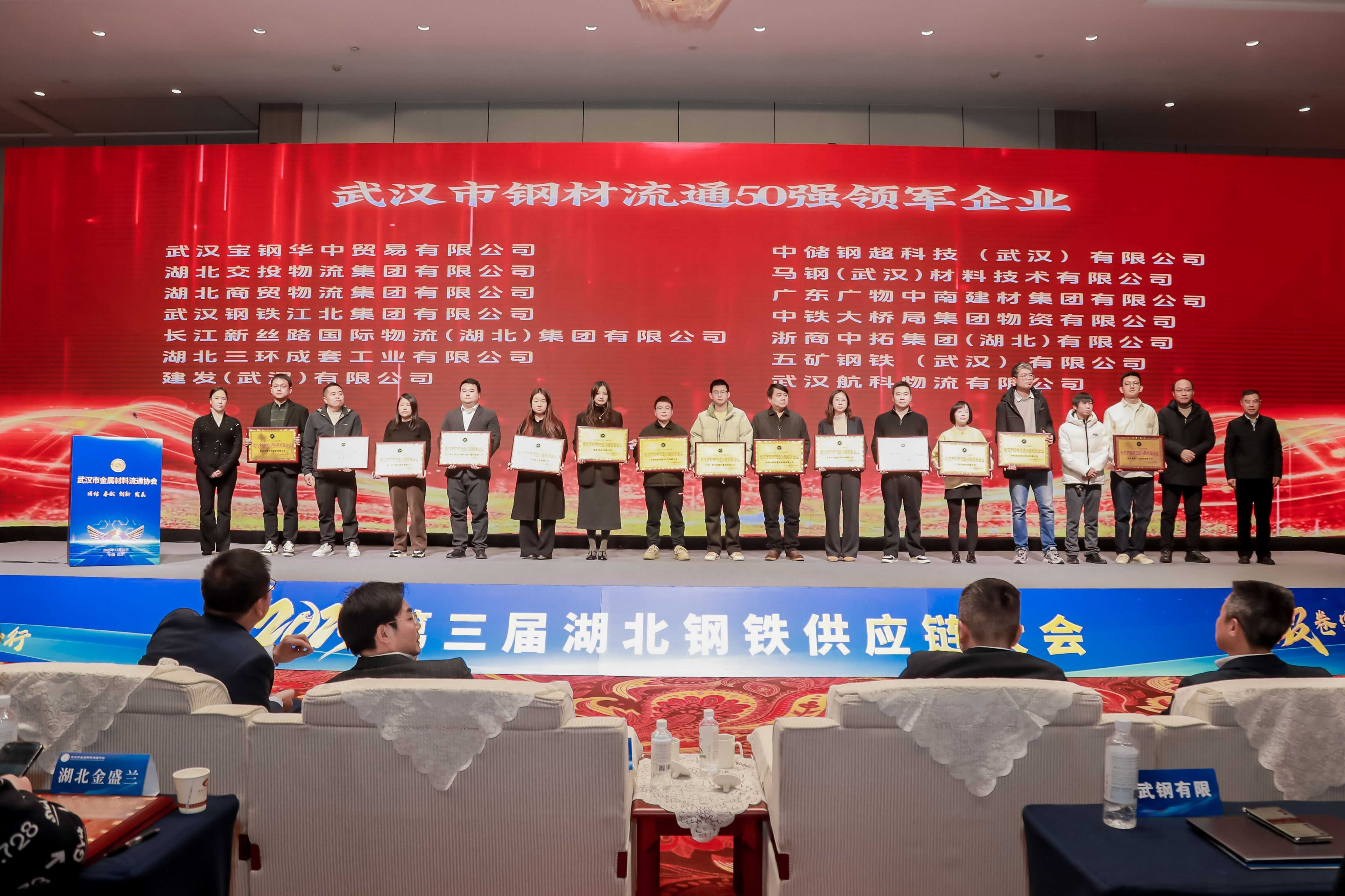
钢铁“硬脊梁”挺起武汉制造,武汉发布钢材流通50强榜单
Chang Jiang Ri Bao· 2025-12-26 07:01
Core Insights - The third Hubei Steel Supply Chain Conference was held in Wuhan on December 25, 2025, focusing on supply chain innovation and collaboration in the steel industry [1] - The conference highlighted the strategic opportunities and challenges presented by the 14th Five-Year Plan, emphasizing high-end, green, and intelligent development in the steel sector [5] Group 1: Industry Development - The 14th Five-Year Plan outlines a clear development blueprint for the steel industry, promoting green and low-carbon transformation [5] - Hubei province aims to transition from a "shipbuilding province" to a "strong shipbuilding province," with a target of exceeding 130 billion yuan in total industrial output value by 2027 [5] - The steel industry in Wuhan is recognized as a traditional pillar, with ongoing efforts to lead transformation through technological innovation [6] Group 2: Supply Chain and Collaboration - The Wuhan Metal Materials Circulation Association is the only association in Hubei's steel circulation industry, focusing on deep, strategic issues within the steel supply chain [6] - The conference introduced the "Wujin Association Youth Innovation Sharing Platform," aimed at fostering collaboration within the steel industry [6] - The emphasis on strengthening the steel industry chain and promoting high-end, intelligent, green, and efficient upgrades is a key focus for the Wuhan Economic and Information Technology Bureau [6] Group 3: Future Trends - Insights on cross-border e-commerce and innovative models for steel exports were shared by industry leaders, indicating a shift towards more integrated and collaborative approaches [5] - Historical data and trend predictions for the steel industry were discussed, forecasting developments leading into 2026 [5]