Robotaxi

Search documents
多家港股上市车企披露三季报 业绩会透露明年乐观市场期待
Zhong Guo Zheng Quan Bao· 2025-11-17 21:54
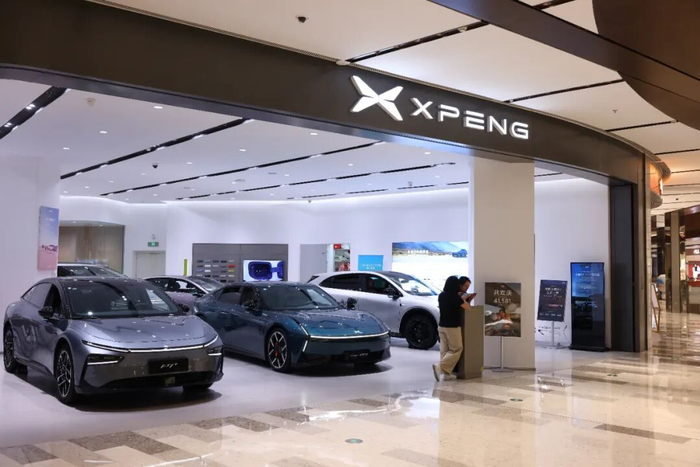
Core Insights - The automotive industry is entering a critical phase where strong profitability will be essential for survival, as indicated by the CEO of Geely Automobile [1] Group 1: Financial Performance - XPeng Motors reported a revenue of 20.38 billion yuan, a year-on-year increase of 101.8% and a quarter-on-quarter increase of 11.5%, with a net loss reduced to 380 million yuan [2] - Li Auto achieved a revenue of 19.45 billion yuan, a year-on-year increase of 97.3%, and a net profit of 150 million yuan, with a gross margin of 14.5% [2] - Geely Automobile's revenue reached 89.19 billion yuan, a year-on-year increase of 27%, with a net profit of 3.82 billion yuan, up 59%, and a sales volume of 761,000 vehicles, a 43% increase [3] Group 2: Market Outlook and Policy Response - The adjustment of the new energy vehicle purchase tax policy in 2026 is seen as a sign of market maturity, with companies expressing confidence in their ability to adapt [4] - Li Auto's VP stated that the overall sales in the Chinese automotive market are not expected to fluctuate significantly next year, emphasizing a shift towards fair competition without reliance on subsidies [4] Group 3: International Expansion - All three companies are accelerating their international expansion plans, with Geely expecting 45%-50% of its overseas sales to come from new energy vehicles by 2027 [5][6] - XPeng Motors reported a cumulative overseas delivery of 29,700 vehicles, a year-on-year increase of over 125%, and plans to launch three new models in overseas markets by 2026 [6] - Li Auto anticipates overseas sales to reach between 100,000 and 150,000 vehicles next year, indicating a strong focus on international markets [7]
多家港股上市车企披露三季报业绩会透露明年乐观市场期待
Zhong Guo Zheng Quan Bao· 2025-11-17 20:13
Core Insights - The automotive industry is entering a critical phase where strong profitability will be essential for survival, as indicated by the CEO of Geely Automobile [1] - All three companies—Xpeng Motors, Leap Motor, and Geely—expressed optimism about their ability to handle the upcoming reduction in new energy vehicle purchase tax incentives and are confident about market prospects [1] Performance Highlights - Xpeng Motors reported Q3 revenue of 20.38 billion yuan, a year-on-year increase of 101.8% and a quarter-on-quarter increase of 11.5%, with net losses narrowing to 380 million yuan [2] - Leap Motor achieved Q3 revenue of 19.45 billion yuan, a year-on-year increase of 97.3%, and a net profit of 150 million yuan, with a gross margin of 14.5% [2] - Geely's Q3 revenue reached 89.19 billion yuan, a year-on-year increase of 27%, with a net profit of 3.82 billion yuan, up 59% [2] Policy Adaptation - The adjustment of the purchase tax policy for new energy vehicles in 2026 is seen as a sign of the market maturing, with companies expected to adapt strategically [3] - Leap Motor's VP expressed confidence that the overall sales in the Chinese automotive market will not experience significant fluctuations next year [3] International Expansion - All three companies are accelerating their international market strategies, with Geely planning for 2026 to be its export year, expecting 45%-50% of overseas sales to be new energy vehicles by 2027 [4] - Xpeng Motors has seen a 125% year-on-year increase in overseas deliveries, with plans to launch three new models in international markets by 2026 [4] - Leap Motor has established a network of over 700 sales channels globally, with export sales exceeding 44,000 units from January to October this year [4]
开源晨会-20251117
KAIYUAN SECURITIES· 2025-11-17 14:43
Group 1: Macro Economic Insights - Construction activity is weakening, with the construction opening rate falling to historical lows, and industrial production remains at a historically high level [5][6] - Demand in the construction sector is weak, with low apparent demand for rebar and building materials, while automobile sales are also declining [5] - Recent weeks show a mixed performance in commodity prices, with black metals and coal prices recovering, while chemical products are experiencing a decline [6] Group 2: Industry Performance - The retail sales growth rate for October 2025 shows a year-on-year increase of 2.9%, but the growth rate continues to decline, particularly in the home appliance and automotive sectors [18][19] - The white liquor industry is in a bottoming phase, with structural recovery in demand during the holiday season, while the snack food sector shows resilience due to high-frequency demand [20] - In the poultry sector, chicken prices are supported by seasonal demand, while egg prices are declining, leading to accelerated culling of laying hens [22][23] Group 3: Company Updates - Li Min Co. (002734.SZ) has seen a price increase in its manganese-based products, and a strategic partnership with BASF has been established to enhance growth potential [37][38] - Bilibili (09626.HK) reported a significant increase in Q3 revenue, driven by advertising and new game launches, maintaining a "buy" rating [41][42] - Tencent Holdings (00700.HK) continues to experience high growth in revenue and net profit, with strong performance in both new and existing games, supported by AI applications [46][48] Group 4: Investment Opportunities - The 2025 private placement market is showing signs of recovery, with a significant increase in the number of new proposals and financing scale [10][12] - The Robotaxi industry is gaining traction, with companies like Xiaoma Zhixing and Wenyan Zhixing going public, indicating growth potential in the autonomous driving sector [31] - The outdoor camping and barbecue market is expected to thrive, with companies like Guoquan focusing on expanding their product offerings in this area [34]




小鹏Q3营收翻番,净亏损大幅收窄近80%,Q4交付、营收预计同比均增超30% | 财报见闻
Hua Er Jie Jian Wen· 2025-11-17 11:31
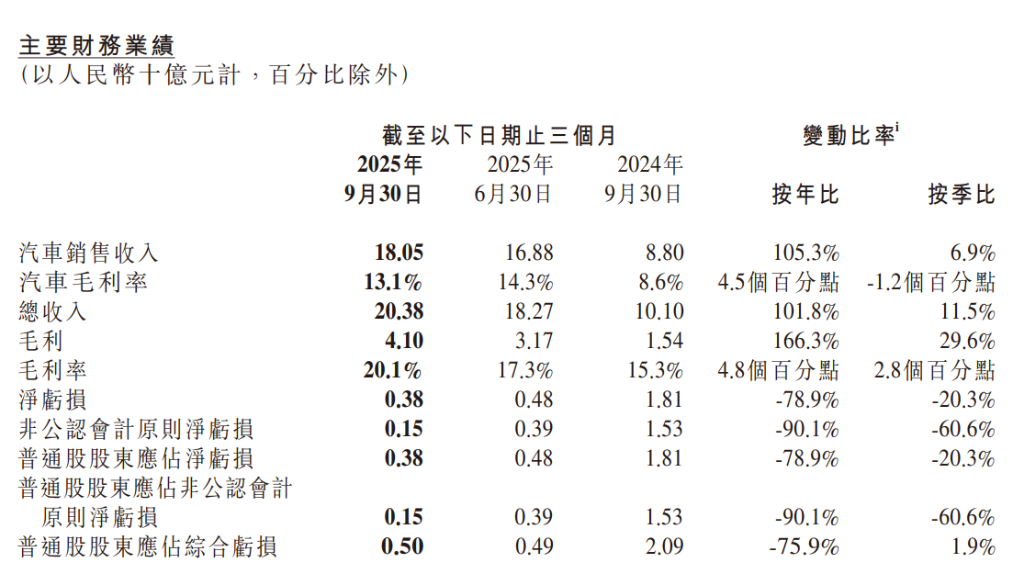
Core Viewpoint - Xiaopeng Motors achieved record highs in key performance indicators for Q3, with revenue doubling year-on-year, gross margin exceeding 20%, and net loss significantly narrowing by nearly 80%. The company anticipates over 30% growth in both deliveries and revenue for Q4 [1]. Financial Performance - Q3 total revenue reached 20.38 billion yuan, a year-on-year increase of 101.8% [2][3] - Automotive sales revenue was 18.05 billion yuan, up 105.3% year-on-year [2][3] - Gross margin surpassed 20.1%, an increase of 4.8 percentage points year-on-year [2][3] - Automotive gross margin stood at 13.1%, a quarter-on-quarter decline of 1.2 percentage points [2][3] - Non-GAAP net loss was 150 million yuan, a significant reduction of 90.1% year-on-year [2][3] - Cash reserves amounted to 48.33 billion yuan, an increase of 760 million yuan quarter-on-quarter [2]. Business Progress - Q3 delivery volume reached 116,007 units, a year-on-year surge of 149.3% [4] - Revenue from services and technology R&D was 2.33 billion yuan, with a gross margin of 74.6%, becoming a major support for overall gross margin [4] - The sales network expanded to 690 stores, with 2,676 charging stations (including 1,623 supercharging stations) [4] - Q4 delivery guidance is set at 125,000 to 132,000 units, representing a year-on-year growth of 36.6% to 44.3% [4]. Strategic Transformation - The company has clearly shifted its focus to becoming a "global embodied intelligence company," betting on physical AI, Robotaxi, and humanoid robots [4] - Q3 R&D expenditure was 2.43 billion yuan, a year-on-year increase of 48.7% and a quarter-on-quarter increase of 10.1% [4] - Sales and management expenses were 2.49 billion yuan, up 52.6% year-on-year, with the expense ratio remaining high [4].


Better Electric Vehicle (EV) Stock: Ford vs. Tesla
The Motley Fool· 2025-11-16 23:59
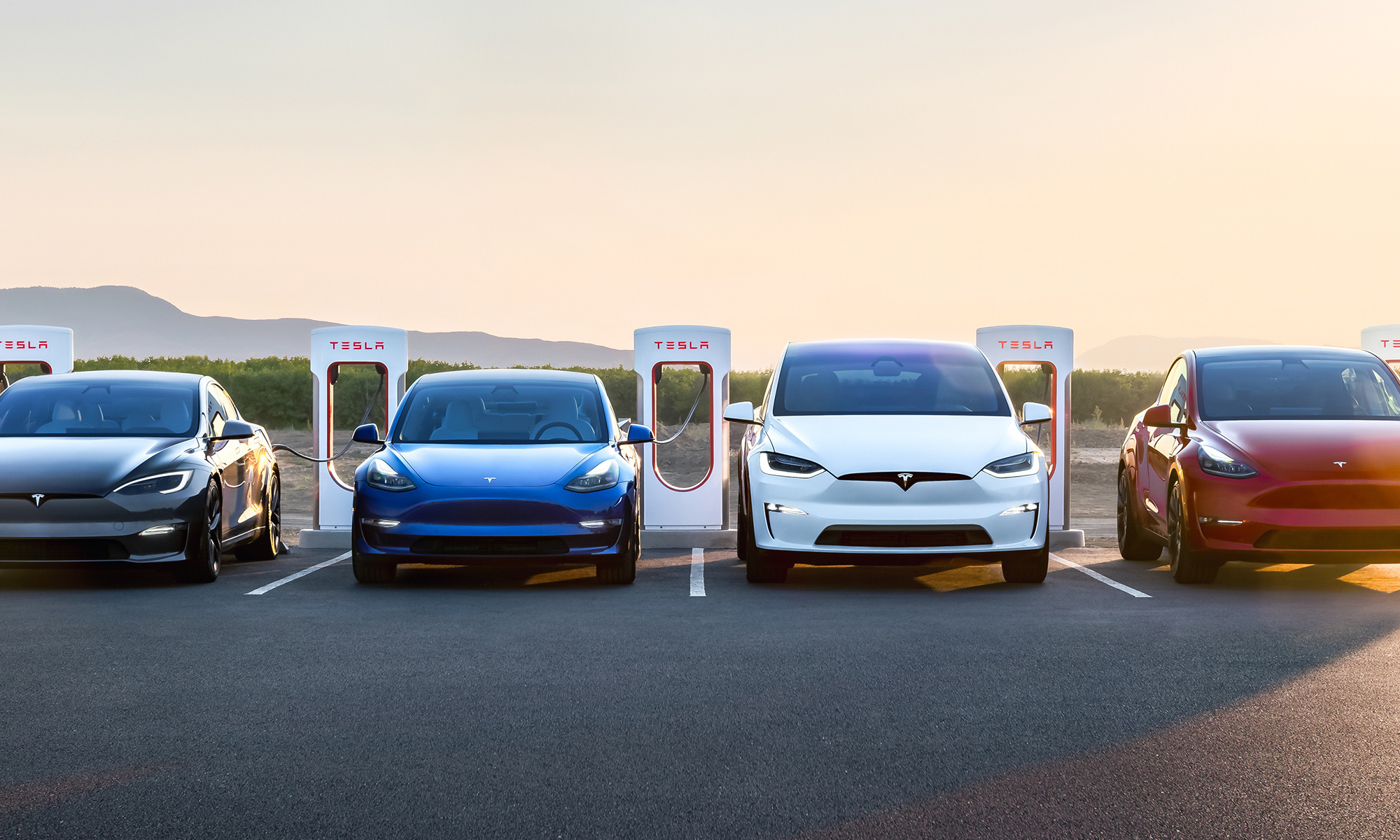
Core Viewpoint - The investment proposition for Ford and Tesla differs significantly, with Ford focusing on value and potential upside while Tesla is viewed as a growth stock with high expectations [1] Ford Motor Company - Ford's CEO Jim Farley has committed to investing $5 billion in a new universal EV platform, aiming to produce a $30,000 pickup truck by 2027 [2] - Ford's Model e segment reported a loss of $3.7 billion in the first nine months of 2025, contrasting with a profit of $7.4 billion from the Ford Pro segment, which focuses on commercial and government sales [4] - The F-150 Lightning, Ford's electric pickup, is underperforming with only 23,034 units sold, while Tesla's Cybertruck is projected to reach 250,000 units annually by 2025 [6][8] - Ford is heavily investing in EV production despite current losses, as it needs to remain relevant in the evolving auto market [8][9] Tesla - Tesla's sales declines in 2025 raise concerns, but the company's future growth is tied to its robotaxi business and the rollout of unsupervised full self-driving (FSD) technology [10] - Tesla maintains a strong market position, being profitable and cash-generative despite increased competition and regulatory challenges [12] - The development of FSD and the potential for existing Tesla vehicles to become robotaxis are seen as significant value drivers for the company [13] - Tesla plans to produce its dedicated robotaxi, the Cybercab, in volume by 2026 [13] Investment Comparison - Tesla's growth is organic and slower than expected, while Ford is reacting to market changes due to its struggles in the EV sector [16] - For investors willing to take on risk, Tesla is considered the better investment option compared to Ford, which faces challenges in gaining EV market share [15][16]


万马科技与百度阿波罗智能驾驶 “技术+市场”深度合作 打造无人驾驶商业化新方案
Quan Jing Wang· 2025-11-13 06:14
Core Viewpoint - The strategic partnership between Wanma Technology's subsidiary Youka Technology and Baidu's Apollo Intelligent Driving aims to leverage their respective strengths to enhance the Robotaxi ecosystem and expand their market presence globally [1][3]. Group 1: Strategic Cooperation - Youka Technology has signed a strategic cooperation agreement with Apollo Intelligent Driving to provide integrated high-level connected solutions, including cloud computing [1][2]. - The collaboration will focus on exploring the Robotaxi sector and developing a comprehensive "vehicle-road-cloud" integrated operational solution [1][4]. Group 2: Market Potential - The global Robotaxi market is projected to grow from $4.4 billion in 2025 to $188.9 billion by 2034, with a compound annual growth rate (CAGR) exceeding 50% [3]. - China is expected to become the largest market for Robotaxi, with a fleet size reaching 1.9 million vehicles by 2035, accounting for 25% of the global shared mobility vehicles [3]. Group 3: Technological Advancements - Youka Technology has achieved over 16 million connected vehicles, with more than 1 million connections overseas, utilizing advanced technologies such as 5G and AI [2]. - The partnership aims to enhance the reliability and responsiveness of Robotaxi services through improved network solutions [2][4]. Group 4: Industry Transformation - The collaboration signifies a shift from a single technology cooperation to a deep strategic binding of "global market + full-stack technology," which is expected to expand business boundaries and strengthen competitive advantages in the autonomous driving sector [3][4]. - The focus on key areas such as energy replenishment, intelligent computing, and smart cockpit development will drive the integrated development of the "vehicle-road-cloud" ecosystem [4]. Group 5: Future Outlook - The partnership represents a significant upgrade in Youka Technology's service capabilities and business model, moving towards a comprehensive "communication + positioning + computing + service" solution for Robotaxi [5]. - The ongoing collaboration is anticipated to reshape the company's valuation logic and open new growth opportunities in the intelligent mobility sector [4][5].


禾赛科技_2025 年三季度初步解读_运营利润与净利润超预期,上调 2025 年业绩指引;买入
2025-11-12 02:20
Summary of Hesai Group (HSAI/2525.HK) Conference Call Company Overview - **Company**: Hesai Group - **Ticker**: HSAI/2525.HK - **Industry**: LiDAR solutions provider, focusing on advanced driver assistance systems (ADAS), autonomous mobility, and robotics Key Financial Highlights - **3Q25 Results**: - Operating profit and net profit exceeded Goldman Sachs estimates by 125% and 200% respectively [1] - LiDAR shipment volume increased by 10% compared to estimates, with ADAS and Robotics volumes up by 8% and 22% respectively [1] - Market share in LiDAR increased to 41% in 3Q25 from 27% in 2Q25 [1] - Gross margin improved to 42.1%, up 1.4 percentage points from estimates, attributed to cost reductions and improved utilization [1] - Total operating expenses decreased by 15% compared to estimates, mainly due to lower R&D and administrative expenses [1] - Non-operating income of Rmb173 million primarily from a non-recurring gain on equity investment disposal [1] - Management raised 2025 full-year guidance for GAAP net income to Rmb350-450 million, up from Rmb200-350 million [1] Revenue and Profitability Metrics - **Revenue**: Rmb795 million, down 4% YoY but up 47% from the previous year [6] - **Gross Profit**: Rmb335 million, with a gross margin of 42.1% [6] - **Net Income (GAAP)**: Rmb256 million, representing a 327% increase YoY [6] - **EBIT Margin**: 9.7%, up 5.6 percentage points from estimates [6] - **Net Margin**: 36.2%, up 24.6 percentage points from estimates [6] Market Position and Growth Opportunities - **Market Share**: Hesai holds a 33% revenue market share in the global LiDAR market as of 2024 [7] - **Growth Drivers**: - Anticipated acceleration in the adoption of navigation on autopilot (NOA) in the China NEV market starting in 2025 [7] - New design wins from global OEMs with mass production expected to begin in 2026/2027 [9] - Significant share in the global robotaxi market, projected at 61% in 2024 [9] - Introduction of next-generation ATX products with a three-year product cycle starting in 2025 [9] Risks and Challenges - **Key Risks**: - Slower adoption of LiDAR technology [10] - Increased competition and pricing pressure [10] - Regulatory and policy risks [10] Investment Thesis - **Rating**: Buy - **Price Target**: US$36.0 for ADR and HK$281.0 for H share, implying an upside of 56% and 60% respectively [11] - **Valuation**: Currently trading at 30x 2026 P/E with expected earnings growth of over 100% in 2026 [9] Additional Insights - **Cash Position**: Ended 3Q25 with Rmb6.6 billion in net cash, significantly improved from Rmb2.1 billion in 2Q25 [5] - **Cash Conversion Cycle**: Increased to 148 days, with stable receivable days and shorter inventory days [5] - **Design Wins**: Secured 100% LiDAR adoption from top ADAS customers for all 2026 models [4] This summary encapsulates the key points from the conference call, highlighting Hesai Group's strong financial performance, market position, growth opportunities, and associated risks.

股价大涨近18%,这家车企在模仿特斯拉?
Di Yi Cai Jing· 2025-11-11 10:06
Core Viewpoint - Xiaopeng Motors has seen a significant increase in its stock price following its Technology Day, with a market capitalization of HKD 207.2 billion, surpassing competitors like Li Auto and NIO, sparking discussions about its value in the capital market [1] Group 1: Business Developments - Xiaopeng's Technology Day highlighted advancements in four key areas: robotics, Robotaxi, flying cars, and the second-generation VLA large model [1] - The new generation of the IRON robot is powered by three Turing AI chips, with a total computing power of 2250 TOPS, and features solid-state batteries for enhanced safety and lightweight design [2] - Xiaopeng aims to achieve mass production of high-end humanoid robots by the end of 2026, with initial applications in familiar commercial scenarios such as sales and guidance [4][5] Group 2: Market Position and Comparisons - Xiaopeng Motors is often compared to Tesla, but it still lags behind in key metrics such as sales, profitability, and market capitalization [1][6] - The company is focusing on technology and product development, with a strategy that includes both AI and robotics, while acknowledging that it has not yet received the same level of market recognition as Tesla [7] - In terms of sales, Xiaopeng delivered approximately 355,200 vehicles in the first ten months of the year, a 190% increase year-on-year, while Tesla's sales in China exceeded 600,000 units [7][8]
曹操出行Robotaxi全球首站落子阿布扎比,“三位一体”模式竞逐国际市场
华尔街见闻· 2025-11-11 10:03
Core Insights - 2025 is viewed as a critical year for the development of Robotaxi in China, with multiple autonomous driving companies focusing on Robotaxi going public and major industry players announcing their latest advancements [1] Group 1: Company Developments - Cao Cao Mobility, as the most important commercial vehicle for Geely's Robotaxi, announced on November 10 that it will advance its Robotaxi business in Abu Dhabi, marking the beginning of its global verification [2] - Abu Dhabi, as the capital of the UAE and a major economic and technological center in the Middle East, has become an important testing ground for global Robotaxi companies, validating Cao Cao Mobility's "three-in-one" business model (manufacturing + intelligent driving + operation) on a larger scale [4][5] - Cao Cao Mobility has transitioned from being a leading ride-hailing platform in China to an important player in the global smart mobility competition as it expands its Robotaxi business internationally [5] Group 2: Business Model - The "three-in-one" model aims to create a closed-loop for the entire Robotaxi chain, integrating vehicle manufacturing and service operation from the outset to tailor for autonomous driving scenarios [6] - Since 2022, Cao Cao Mobility has launched two customized models, "Maple Leaf 80V" and "Cao Cao 60," designed specifically for shared mobility, enhancing durability, comfort, and integrating smart cabin features [6] - The company has built a comprehensive vehicle service solution, including battery swap stations and maintenance points, making these customized vehicles the most cost-effective in the shared mobility sector [6][10] Group 3: Operational Capabilities - Cao Cao Mobility's operational capabilities are central to the success of its Robotaxi commercialization, leveraging ten years of experience in the ride-hailing market to balance quality service and sustainable platform development [8] - As of June 30, 2025, Cao Cao Mobility operates over 37,000 customized vehicles across 31 cities, making it the largest fleet of its kind in China, which serves as a testing ground for optimizing operational efficiency [9] - The company’s operational strength is further enhanced by its deep control over the customized vehicle ecosystem, which lays a solid foundation for the large-scale deployment of Robotaxi [9][12] Group 4: Strategic Collaborations - In July, Cao Cao Mobility partnered with a commercial aerospace company to enhance the safety of its Robotaxi fleet by integrating global satellite communication and high-precision positioning technologies [14] - The company is also exploring innovative financial tools to empower its Robotaxi strategy, including the integration of RWA and stablecoins to activate core assets and accelerate strategic deployment [14] - In September, a strategic collaboration was established with a low-altitude travel technology company to create a three-dimensional smart transportation network that integrates ground Robotaxi and eVTOL (electric vertical takeoff and landing) services [15] Group 5: Market Potential - Institutions like Dongwu Securities predict that the Robotaxi market could reach several hundred billion by 2030, indicating significant long-term profit potential [16] - With the partnership in Abu Dhabi, Cao Cao Mobility is set to embark on a global journey, showcasing its competitive potential on an international scale [16]
文远知行双重上市,会成为第一家赚钱的Robotaxi公司吗?
Sou Hu Cai Jing· 2025-11-11 06:46
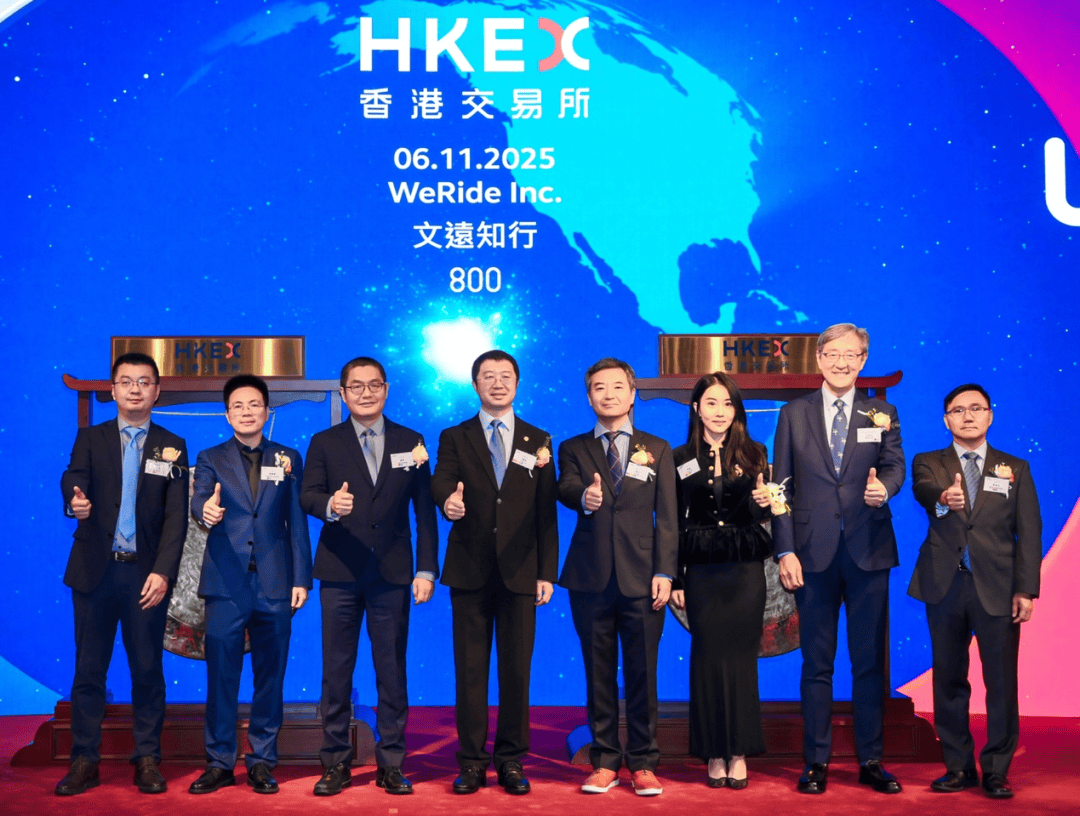
Core Viewpoint - WeRide, a leading global autonomous driving technology company, has successfully listed on the Hong Kong Stock Exchange, becoming the first Robotaxi stock in Hong Kong, following its NASDAQ listing in October 2024, marking a significant milestone in its global expansion [1][3]. Group 1: IPO and Market Reception - WeRide's public offering was oversubscribed by more than 70 times, with significant interest from long-term funds and hedge funds, indicating strong international capital confidence in the autonomous driving sector [3]. - The management team, including CEO Dr. Han Xu, has signed a voluntary lock-up agreement, committing not to sell shares for three years, reflecting confidence in the company's long-term strategy [3][13]. Group 2: Business Model and Strategic Partnerships - WeRide's business model focuses on a "light asset + revenue sharing" approach to scale its Robotaxi services [14]. - The company has secured significant investments from strategic partners, including Grab and Uber, enhancing its market position and operational capabilities [9][10]. Group 3: Global Expansion and Technological Leadership - WeRide operates in 11 countries and over 30 cities, holding autonomous driving licenses in seven countries, showcasing its competitive edge in the global market [16][17]. - The company has achieved significant milestones in the Middle East, including the launch of a fully autonomous Robotaxi service in Abu Dhabi, marking a new phase in its commercial operations [19]. Group 4: Market Potential and Future Outlook - The global Robotaxi service market is projected to reach $394 billion by the late 2030s, with significant profit margins compared to traditional ride-sharing platforms [22]. - WeRide is positioned to leverage its technological strengths and early market entry to capitalize on the anticipated growth in the Robotaxi sector, potentially becoming the first company to achieve profitability in this space [23].