
国产化替代

Search documents
上海电气与中广核集团深化能源产业合作
Sou Hu Cai Jing· 2025-12-31 11:43
Group 1 - The meeting between Shanghai Electric Group and China General Nuclear Power Group focused on consolidating cooperation, expanding collaboration areas, and enhancing innovation synergy [1][3] - Both companies acknowledged their long-standing strategic partnership and emphasized the importance of their collaboration in advancing China's clean energy sector [3] - The discussion highlighted the need to deepen traditional cooperation in nuclear energy while exploring practical collaboration in solar thermal, wind power, and green hydrogen and ammonia [3] Group 2 - Shanghai Electric aims to support China General Nuclear Power Group in areas such as nuclear safety, technological innovation, and domestic substitution [3] - The companies plan to focus on core technology breakthroughs and deep industrial integration to contribute to the national "dual carbon" strategy and the green transformation of the energy structure [3] - Key executives from both companies participated in the meeting, indicating a strong commitment to ongoing collaboration [4]




全国产化DCS系统首用于石化装置
Zhong Guo Hua Gong Bao· 2025-12-31 06:05
Core Viewpoint - The successful implementation of a 100% domestically produced Distributed Control System (DCS) at the Tianjin Nangang Ethylene Project marks a significant milestone for Sinopec, showcasing advancements in the localization of critical production technologies in the petrochemical industry [1] Group 1: Project Overview - The Tianjin Nangang Ethylene Project has a production capacity of 1.2 million tons per year and includes a key production unit, the POE device, which has now successfully integrated a fully domestically developed DCS [1] - The DCS system, developed by HoliSys, features complete autonomy from core hardware to software ecosystem, representing the first successful application of a 100% domestically produced DCS in petrochemical processes [1] Group 2: Technical Specifications - The control system consists of 10,126 total control points, 14 controllers, and 12 operation stations, ensuring comprehensive compatibility with existing Windows operating systems and foreign I/O cards [1] - The system enables data interconnectivity and communication with other domestic DCS systems, enhancing operational efficiency [1] Group 3: Industry Impact - The successful deployment of the DCS system is viewed as a pioneering effort by Sinopec, setting a practical benchmark for the entire petrochemical industry in advancing the localization of critical control systems [1] - The project is expected to serve as a reference model that can be replicated and promoted across the industry, contributing to the broader goal of reducing reliance on foreign technology [1]


科创板第二大IPO,A股存储芯片第一股来了
2 1 Shi Ji Jing Ji Bao Dao· 2025-12-31 02:27
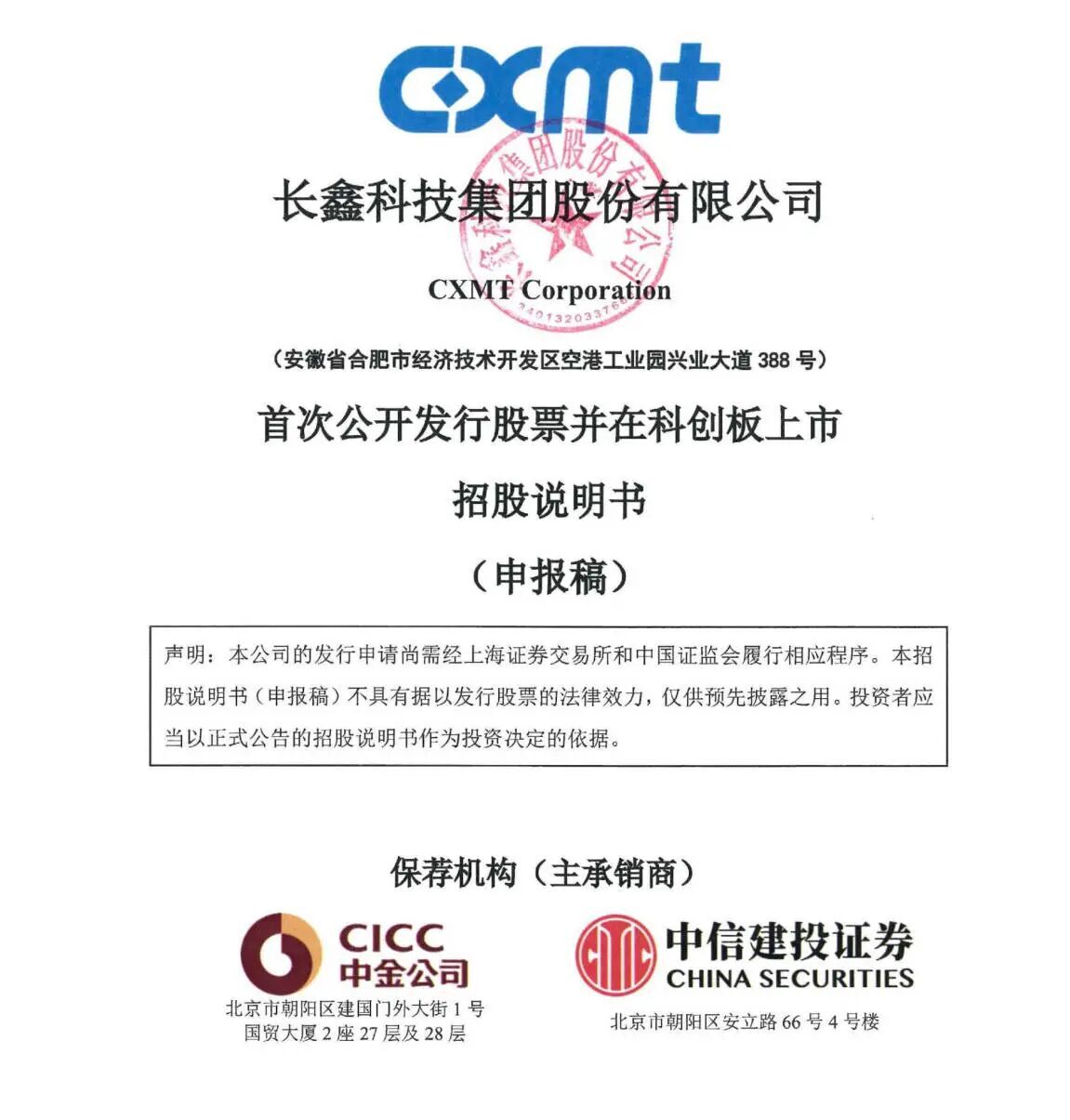
记者丨彭新 编辑丨骆一帆 国产DRAM(动态随机存取存储器)龙头长鑫科技IPO获受理。上海证券交易所网站于2025年12月30日披露,长鑫科技集团股份有限公司(下称"长鑫科 技")科创板IPO上市申请已经获得受理,将发行不超过106.22亿新股,拟募集资金295亿元,保荐机构为中金公司和中信建投证券,意味着这家中国最大的 DRAM设计制造企业距离上市走出关键一步。 值得注意的是,长鑫科技IPO是科创板首单获受理的"预先审阅"项目。在招股书获受理的同日,上交所同步披露了两轮预先审阅问询与回复,显示监管层已 先后于2025年11月5日及11月19日发出问询。 2025年6月18日,证监会发布《关于在科创板设置科创成长层增强制度包容性适应性的意见》,首次明确提出试点IPO预先审阅机制。该制度可保护信息与 技术安全,满足关键核心技术攻关企业诉求,减少上市"曝光"时间,避免过早披露敏感信息引发经营与竞争风险 。正式申报时同步披露预审问询回复,压 缩审核周期,提高申报文件质量。 (安徽省合肥市经济技术开发区空港工业园兴业大道 388 号) 首次公开发行股票并在科创板上市 招股说明书 从募资规模来看,长鑫存储IPO有望成为 ...
科创板第二大IPO,A股存储芯片第一股来了
21世纪经济报道· 2025-12-31 02:13
Core Viewpoint - Changxin Technology's IPO application has been accepted, marking a significant step towards its listing on the STAR Market, with plans to raise 29.5 billion yuan by issuing up to 10.622 billion new shares [1][6]. Group 1: IPO Details - Changxin Technology's IPO is the first "pre-review" project accepted on the STAR Market, indicating a new regulatory approach aimed at protecting sensitive information and reducing the time to market [1]. - The company aims to use the raised funds for various projects, including 13 billion yuan for its second-phase wafer manufacturing project and 9 billion yuan for next-generation DRAM technology research and development [6]. Group 2: Company Overview - Changxin Technology operates under an IDM (Integrated Device Manufacturer) model, combining chip design, manufacturing, packaging, testing, and sales, distinguishing it from fabless companies [6]. - The company has no controlling shareholder, with its largest shareholder holding 21.67% of the shares, and a diverse ownership structure that includes state-owned enterprises and industry funds [7]. Group 3: Product Development - The company has adopted a "jump generation R&D" strategy, successfully launching four generations of technology platforms since its establishment in 2016, with products covering DDR4 to DDR5 [7]. - Changxin's LPDDR5X product achieves a maximum speed of 10,667 Mbps, a 66% increase over the previous generation, and its first domestic DDR5 product reaches 8,000 Mbps [7]. Group 4: Market Position and Financial Performance - By 2024, Changxin Technology is projected to be the largest DRAM manufacturer in China and the fourth globally, with a market share of 3.97% as of Q2 2025 [9]. - The company's revenue has shown explosive growth, with figures of 8.287 billion yuan in 2022, 9.087 billion yuan in 2023, and an expected 24.178 billion yuan in 2024, reflecting a compound annual growth rate of 70.81% [10]. - Despite significant revenue growth, the company reported net losses of 8.328 billion yuan, 16.340 billion yuan, and 7.145 billion yuan from 2022 to 2024, primarily due to the downturn in the DRAM market [10]. Group 5: Future Outlook - Changxin Technology anticipates a turnaround in profitability, projecting revenues of 55 billion to 58 billion yuan in 2025, with a net profit of 2 billion to 3.5 billion yuan [11]. - The company expects to reach a breakeven point by 2026 or 2027, depending on market conditions and product pricing [11]. - The DRAM market is transitioning from DDR4 to DDR5 and HBM, with Changxin's IPO funds aimed at upgrading processes and expanding capacity to enhance competitiveness against global giants [14].

研判2025!中国给排水阀门行业发展历程、产业链、发展现状、重点企业及未来前景分析:在城镇化与基建推动下,给排水阀门行业持续发展[图]
Chan Ye Xin Xi Wang· 2025-12-31 01:58
Core Insights - The water supply and drainage valve industry plays a crucial role in China's infrastructure development, directly impacting the stability of fluid transport systems and water resource safety [1][10] - The market size of China's water supply and drainage valve industry is projected to reach 31.8 billion yuan in 2024, with a year-on-year growth of 6% [1][10] - The industry is expected to continue growing due to advancements in urbanization, industrial automation, and smart technology [1][10] Industry Overview - Water supply and drainage valves are essential for controlling flow and water levels in various applications, including domestic water supply, fire protection systems, and industrial water supply [3] - The industry has evolved from relying on foreign technology in the 1950s to achieving significant technological advancements and market competitiveness by the 21st century [4][3] Market Dynamics - The upstream of the valve industry includes raw materials such as cast iron, carbon steel, stainless steel, and various alloys, while the downstream applications encompass urban water supply systems, wastewater treatment, and fire protection systems [6] - The demand for valves is closely tied to investments in infrastructure, which are expected to maintain high growth rates [6] Key Statistics - In 2024, China's total water supply is expected to reach 5,928 billion cubic meters, with a year-on-year growth of 0.36% [8] - The number of wastewater treatment plants in China is projected to reach 15,259, reflecting a year-on-year increase of 4.37% [8] - The daily treatment capacity of urban wastewater is expected to be 24,407 million cubic meters, with a growth of 3.03% [8] Industry Trends - The future of the valve industry is leaning towards smart technology integration, enabling valves to become intelligent nodes within water management systems [11] - There is an anticipated increase in demand for large-diameter valves due to national water network projects and modern water treatment facilities [14] - The domestic production rate of high-performance valves is expected to rise, focusing on specialized applications such as seawater desalination and industrial wastewater treatment [15] Key Companies - Notable companies in the industry include Crown Dragon Energy Saving, Xinxing Ductile Iron Pipes, and Wuhan Dayu Valve Co., among others [2][11] - Crown Dragon Energy Saving specializes in water-saving valve products and has a significant market presence in water conservancy projects [11]




A股存储芯片第一股来了:拟募资295亿元,为首单预先审阅项目
2 1 Shi Ji Jing Ji Bao Dao· 2025-12-31 00:44
Core Viewpoint - Changxin Technology's IPO application has been accepted, marking a significant step towards its listing on the STAR Market, with plans to raise 29.5 billion yuan by issuing up to 10.622 billion new shares [1][4]. Group 1: IPO Details - Changxin Technology's IPO is the first "pre-review" project accepted on the STAR Market, indicating regulatory support for key technology firms [1]. - The company aims to use 13 billion yuan for its second-phase wafer manufacturing project, 9 billion yuan for next-generation DRAM technology R&D, and 7.5 billion yuan for upgrading production lines [4]. Group 2: Company Overview - Changxin Technology operates under an IDM model, integrating chip design, manufacturing, packaging, testing, and sales, and was founded in June 2016 [5]. - The company has a diverse shareholder structure, with no single controlling shareholder, and significant backing from state-owned enterprises and industry funds [5]. Group 3: Product Development - The company has adopted a "jump generation R&D" strategy, successfully launching four generations of technology platforms, including DDR4, LPDDR4X, DDR5, and LPDDR5/5X [6]. - Changxin's LPDDR5X product achieves a maximum speed of 10,667 Mbps, a 66% increase over the previous generation, while its first domestic DDR5 product reaches 8,000 Mbps [6]. Group 4: Market Position - According to Omdia, Changxin Technology is the largest DRAM manufacturer in China and the fourth globally, with a market share of 3.97% as of Q2 2025 [7]. - The company operates three 12-inch DRAM wafer fabs in Hefei and Beijing, with steadily increasing production capacity and utilization rates [7]. Group 5: Financial Performance - Changxin Technology's revenue has seen explosive growth, with figures of 8.287 billion yuan in 2022, 9.087 billion yuan in 2023, and projected 24.178 billion yuan in 2024, reflecting a compound annual growth rate of 70.81% [8]. - For the first nine months of 2025, revenue reached 32.084 billion yuan, a year-on-year increase of 97.79% [10]. Group 6: Future Outlook - The company anticipates turning a profit in 2025, with projected revenues between 55 billion and 58 billion yuan, and a net profit of 2 billion to 3.5 billion yuan [10]. - Changxin Technology expects to achieve profitability by 2026 or 2027, depending on market conditions and product pricing [10]. Group 7: Industry Context - The global DRAM market is transitioning from DDR4 to DDR5 and HBM, with Changxin's IPO funds aimed at upgrading processes and expanding capacity [12]. - The company is positioned to benefit from the increasing demand for AI computing power and the acceleration of domestic substitution in the semiconductor industry [12].
华为TaiShan 5280服务器国产化存储算力引擎热销
Xin Lang Cai Jing· 2025-12-30 11:04
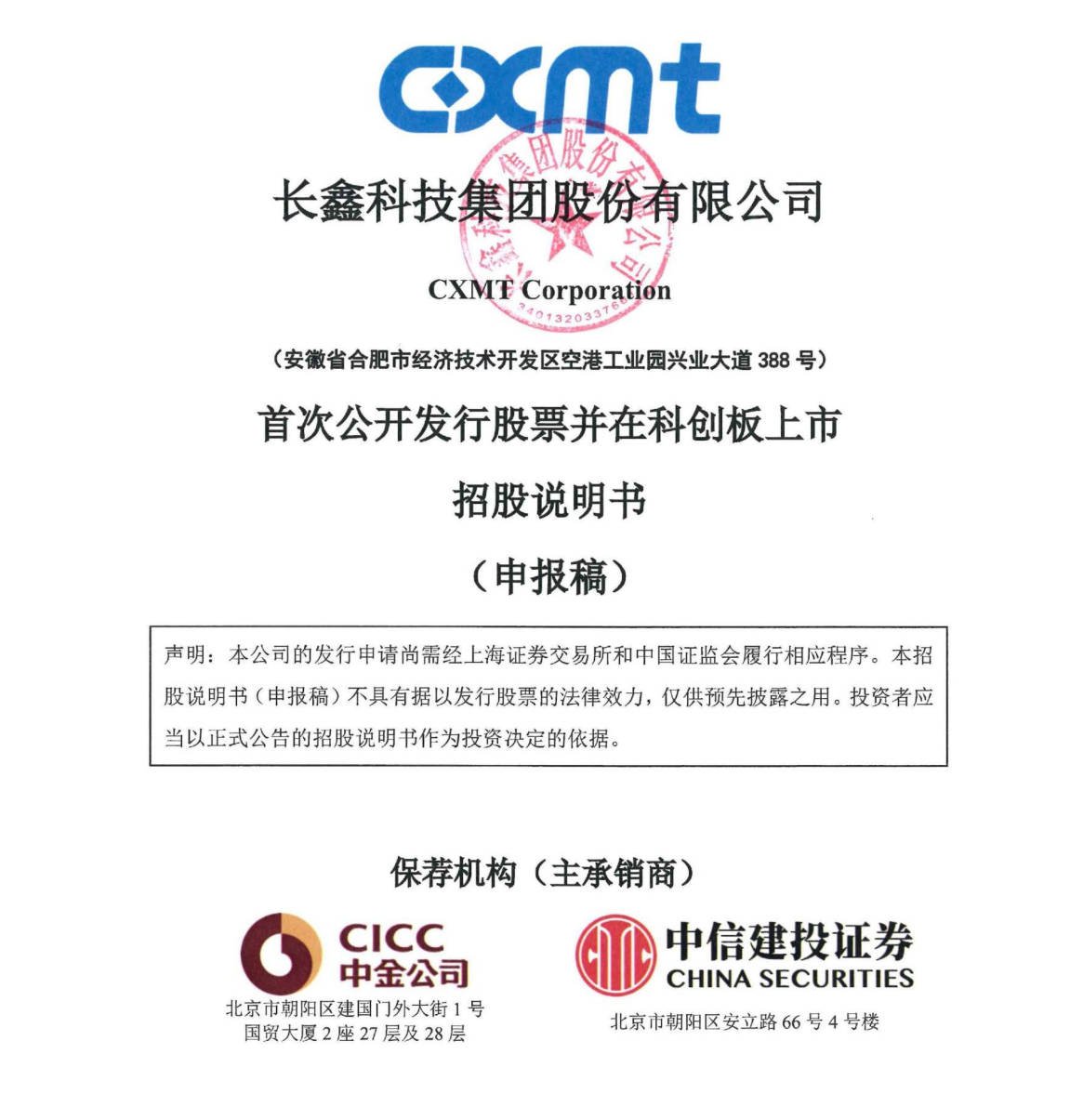
Core Insights - Huawei TaiShan 5280 is a 4U dual-socket rack server designed for large-scale data storage and high-concurrency processing, featuring Huawei's self-developed Kunpeng 920 processor [1][7] - The server is optimized for ARM architecture, supporting multi-core parallel computing and high-speed memory bandwidth, with flexible PCIe 4.0 expansion capabilities [1][7] - It integrates an iBMC intelligent management platform for remote monitoring, fault warning, and one-click operation and maintenance, significantly reducing management burdens in complex environments [1][7] Product Features - The server supports hot-swappable hard drives and has ample expansion slots for future upgrades, balancing high-density storage with upgrade needs [1][7] - It is widely deployed in distributed storage systems, big data analysis platforms, and private cloud infrastructures, particularly in industries with strict data security and autonomy requirements [4][9] - The server collaborates with Huawei's BoostKit software stack to optimize the performance of open-source frameworks like Ceph, Hadoop, and Spark, enhancing data read/write efficiency and task throughput [4][9] Market Position - In sectors such as finance, government, and energy, the Huawei TaiShan 5280 serves as a core node for domestic alternatives, supporting massive unstructured data storage, indexing, and real-time analysis [4][10] - Its low power consumption and high reliability design ensure stability during prolonged high-load operations, providing a solid and green infrastructure for digital transformation [4][10]
东方钽业(000962) - 000962东方钽业投资者关系管理信息20251230
2025-12-30 10:18
Group 1: Company Overview and Activities - The company, Ningxia Dongfang Tantalum Industry Co., Ltd., held investor activities on December 29 and 30, 2025, including site visits and meetings with various investment firms [2][3]. - Key personnel involved in the investor activities included the Chairman, Huang Zhixue, and the Deputy General Manager and Secretary of the Board, Qin Hongwu [2]. Group 2: Pricing and Market Dynamics - The company's product pricing is determined through a cost-plus model, considering market demand, inventory structure, customer orders, and resource endowments [4][6]. - There is a lag in the transmission of raw material price changes to finished product sales prices due to factors like pricing models and market competition [4]. Group 3: Future Development and Market Trends - The domestic demand for high-value products such as high-temperature alloys and semiconductor tantalum targets is gradually increasing, driven by the development of high-tech and new infrastructure industries [7]. - The company is focusing on technological upgrades and production capacity expansion to meet the growing domestic demand for high-purity niobium and tantalum products [7][10]. Group 4: Strategic Planning and Investment - The company plans to enhance its core business in tantalum and niobium, emphasizing technological innovation and lean management to achieve scale and quality [9]. - Recent changes in the tantalum and niobium industry necessitate the optimization of product structure and increased investment in new demand areas [10]. - The company is advancing its fundraising project to address outdated production equipment and insufficient capacity in response to market demands for high-temperature alloy products [10].

中国慢病疼痛医疗器械市场现状研究分析与发展前景预测报告
QYResearch· 2025-12-30 09:59
Core Viewpoint - The chronic pain medical device market in China is expected to grow significantly, driven by factors such as an aging population, increasing prevalence of chronic diseases, improved policy and insurance environments, and technological advancements [5][11]. Market Overview - The sales revenue of China's chronic pain medical device market is projected to reach $386.51 million in 2024 and $720 million by 2031, with a compound annual growth rate (CAGR) of 9.29% from 2025 to 2031 [5]. Industry Concentration and Competition - Major players in the Chinese market include Medtronic, Xiangyu Medical, Boston Scientific, Abbott, and OMRON, with the top three companies holding approximately 55.9% of the market share in 2024 [9]. Development Drivers - The market is primarily driven by three factors: 1. Aging population and high incidence of chronic diseases, leading to increased demand for pain management devices [11]. 2. Improved policies and insurance frameworks that facilitate multi-disciplinary management of pain [11]. 3. Technological advancements, including wearable devices and smart pain management solutions, enhancing personalized treatment options [11]. Challenges - The industry faces several challenges: 1. Fragmented market competition, with international brands dominating high-end segments while domestic companies focus on mid to low-end markets [11]. 2. High regulatory and clinical entry barriers, increasing pressure on small and medium enterprises [11]. 3. Incomplete payment systems, limiting the adoption of certain pain management devices in primary care and home settings [11]. 4. Insufficient awareness among patients and doctors regarding non-drug pain treatments, necessitating further market education [11]. Future Trends - The market is expected to trend towards smart and home-based solutions, with advancements in AI, big data, and IoT enabling remote monitoring and personalized treatment [12]. - The demand for portable and easy-to-use devices is rising, shifting the market focus from hospital-centric to a dual "hospital + home" model [12]. - Domestic innovation and international expansion are anticipated to be key trends, with policies supporting local manufacturers and new market opportunities emerging in regions like Southeast Asia and the Middle East [12]. Policy Framework - The Chinese government emphasizes the development of the medical device sector through various policies aimed at enhancing innovation and competitiveness [13][15]. - Key policies include the "Healthy China 2030" initiative and the "Made in China 2025" plan, which focus on improving the innovation capabilities of medical devices [13][15]. Supply Chain Analysis - The supply chain for chronic pain medical devices includes upstream raw material suppliers such as Nippon Steel and SABIC, and downstream markets comprising hospitals, home care, and rehabilitation centers [19][20]. - The hospital sector is the primary market for high-end devices, while the home care segment is rapidly growing, particularly for non-invasive devices like TENS units [20].
AI人工智能ETF(512930)涨超1.2%,机构称AI应用进入兑现期
Xin Lang Cai Jing· 2025-12-30 02:25
Group 1 - The core viewpoint of the news highlights the strong performance of the AI sector in China, with the Zhongzheng AI Theme Index rising by 1.29% and several key stocks, including Guangdian Yuntong and Chipone, showing significant gains [1][2] - The AI computing power supply in China is shifting from reliance on Nvidia to domestic suppliers like Huawei and Cambrian, indicating a move towards self-sufficiency [1] - The semiconductor sector is experiencing a structural market trend driven by AI demand, price increases across the industry chain, and the strengthening of domestic substitution logic [2] Group 2 - The top ten weighted stocks in the Zhongzheng AI Theme Index account for 63.92% of the index, indicating a concentrated investment in key players within the AI sector [3] - The AI Artificial Intelligence ETF closely tracks the Zhongzheng AI Theme Index, which includes 50 listed companies that provide foundational resources, technology, and application support for AI [2][4]


