线上线下融合

Search documents
单品牌狂揽200万,泊伊美汇“闺蜜节”打造零售IP新范本
FBeauty未来迹· 2025-06-11 10:36
Core Viewpoint - The vitality of physical beauty retail is driven by functional needs and value recognition, necessitating sincere and impactful marketing content that resonates with deeper consumer desires [2] Group 1: Event Overview - The 520 Girlfriend Festival, organized by Po Yi Mei Hui, has evolved into a unique IP that deeply integrates into consumer lifestyles and evokes strong emotional resonance over seven years [2] - The festival aims to create a special day for women to indulge themselves and strengthen friendships [4] Group 2: Themes and Marketing Strategy - Each year since 2019, the festival has featured a unique theme, with the 2024 theme being "Songs We Sang" [6] - The 2023 theme, "Rebirth of the Republic of China," pays tribute to the awakening of female consciousness during the Republic era, showcasing the unique female power of that time [7][8] - The event is structured into three phases: pre-heating, explosive launch, and implementation, focusing on immersive experiences around the theme [10] Group 3: Consumer Engagement - The festival includes storytelling elements that engage consumers, such as a narrative about starting a beauty department store in the Republic era [11] - Po Yi Mei Hui collaborates with over ten well-known brands to create limited edition gift boxes, integrating product features into the storytelling [11] - The stores are decorated in a Republic-era theme, offering free experiences of themed makeup and interactive photo spots to enhance consumer engagement [14][16] Group 4: Brand Participation and Impact - Over 40 brands participated in the festival, with 15 brands joining for the first time, highlighting Po Yi Mei Hui's strong retail brand appeal [24][25] - The festival significantly boosted sales for participating brands, with the main sponsor, Da Fu Yan, achieving sales of 2.4 million, a 53% increase year-on-year [28][29] Group 5: Strategic Insights - The festival exemplifies the strategic value of offline channels in enhancing consumer experience and trust, providing immediate satisfaction and market insights [33][34][37] - The collaboration between Po Yi Mei Hui and brands like Fu Er Jia demonstrates a successful model of building trust through experiential marketing [38] - The festival showcases the potential of beauty retail to transcend mere transactions, becoming a cultural and emotional connector within urban life [38]


“民营超市第一股”人人乐退市:传统商超大败退时代的缩影
Xin Lang Zheng Quan· 2025-06-10 02:12
Core Viewpoint - The article discusses the decline and impending delisting of *ST Renle (人人乐), once known as the "first private supermarket stock" in China, highlighting its financial struggles and the broader challenges facing the retail industry in China [1][2][7]. Company Overview - *ST Renle was founded in 1996 and initially thrived, achieving peak sales of 12.913 billion yuan in 2012 and operating nearly 150 stores [2]. - The company went public in 2010, marking its status as a significant player in the retail sector [2]. - However, it faced a turning point in 2012 when it reported its first loss post-IPO, leading to a prolonged period of financial difficulties [2][3]. Financial Performance - By 2024, *ST Renle's net assets had deteriorated to -4.04 billion yuan, triggering delisting warnings [1][3]. - The company's revenue plummeted by 49.86% year-on-year to 1.43 billion yuan in 2024, with a further decline of 77.81% to 129.4 million yuan in Q1 2025 [1][3]. - Despite attempts to sell assets and restructure, the company reported a loss exceeding 17 million yuan for the year [4]. Strategic Missteps - The company attempted various business models, including premium supermarkets and community fresh food stores, but was criticized for lacking a coherent strategy [4]. - Management instability, with three changes in leadership within six years, contributed to inconsistent strategic direction [5]. Industry Context - The retail sector in China is experiencing a significant downturn, with at least 782 supermarket closures in 2024, including major players like Yonghui Supermarket [7]. - In contrast, new retail formats such as Sam's Club and the phenomenon of Pang Donglai are thriving, indicating a shift in consumer preferences and market dynamics [7][8]. - The article emphasizes that the essence of retail lies in trust and value rather than mere scale and capital [8].

淘宝Vision今年将布局线下 正在酝酿未来旗舰项目
news flash· 2025-06-05 10:30
Core Insights - Taobao Vision plans to expand into offline retail this year, developing a flagship store project that integrates immersive online shopping experiences with offline business models [1] - The first concept store is currently in trial operation at Alibaba's headquarters, showcasing virtual test drives of the Xiaomi SU7 and smart home scenarios, available through an invitation-only experience [1] - Taobao's latest 3D AI digital human will debut, primarily used for e-commerce guidance, with its first project in collaboration with BERSHKA, marking the industry's first fully simulated human guide in an offline setting [1]

2025上半年商贸零售白皮书
新经销· 2025-06-04 00:45
Investment Rating - The report indicates a positive investment outlook for the retail industry, highlighting growth opportunities driven by consumer confidence and policy support [2][5][68]. Core Insights - The retail sector in China is experiencing a recovery, with total retail sales reaching 5.3 trillion yuan in the first half of 2025, a year-on-year increase of 6.8% [15][135]. - Online retail continues to grow rapidly, achieving 2.8 trillion yuan in sales, up 12.4% year-on-year, while offline retail shows signs of recovery, particularly in large supermarkets and convenience stores [15][135]. - Consumer confidence is rebounding as the pandemic situation improves, leading to increased demand for offline shopping [16][81]. - The report emphasizes the importance of quality and service in consumer purchasing decisions, with a notable shift towards high-quality products [32][87]. Market Overview - The retail industry is witnessing a stable growth trajectory, with essential consumer goods maintaining steady demand [40][41]. - Online retail is stabilizing, with major e-commerce platforms solidifying their market share [23][22]. - Offline retail is undergoing transformation, with traditional supermarkets adapting to new consumer preferences [27][22]. Key Market Trends - The integration of online and offline shopping experiences is becoming more prevalent, enhancing consumer engagement [26][27]. - There is a noticeable trend towards consumption upgrades, with consumers willing to pay more for high-quality and unique products [32][33]. - Emerging consumption scenarios, such as immersive experience stores, are gaining traction, providing unique shopping experiences [35][36]. Sales Performance by Category - Essential goods are showing robust growth, with food and beverage categories experiencing significant year-on-year increases [53][40]. - Optional categories are displaying varied performance, with home appliances and cosmetics showing strong growth, while petroleum products are declining [56][50]. Corporate Financial Analysis - The retail sector's revenue growth is uneven, with some segments like trade showing strong performance, while others like department stores are struggling [61][65]. - Profit margins are improving in certain areas, but challenges remain in sectors like supermarkets and commercial properties [63][65]. Policy Environment and Outlook - Government policies aimed at stimulating consumption, such as consumption vouchers and trade-in incentives, are expected to bolster consumer spending [70][76]. - The report anticipates that these policies will gradually restore consumer confidence and enhance market dynamics [81][84]. Investment Strategies and Recommendations - The report identifies four key investment themes: traditional supermarkets undergoing transformation, differentiated gold and jewelry brands, innovative domestic beauty brands, and medical aesthetics companies [90][95]. - Specific companies are highlighted for their strong market positions and innovative strategies, such as Laopu Gold in the jewelry sector and Proya in cosmetics [97][98][102]. Industry Dynamics and Case Studies - Notable corporate strategies include Proya's overseas acquisitions and Sam's Club's expansion plans, indicating a trend towards growth through diversification [107][108]. - Successful case studies illustrate how companies are leveraging technology to enhance customer engagement and operational efficiency [114][115]. Summary and Outlook - The retail industry is poised for growth in the latter half of 2025, supported by favorable policies and a recovering consumer base [143][146]. - However, challenges such as uncertain consumer recovery and intensified competition remain [148][149]. - Companies are encouraged to adapt to market changes and focus on consumer insights to drive growth [151][152].
2025卡牌行业市场深度分析:趋势、机遇与挑战
Sou Hu Cai Jing· 2025-05-31 16:33
Industry Overview - The card industry is a significant part of the broader entertainment product sector, integrating entertainment, collection, competition, and social interaction [3] - The market for collectible card games in China has surged from 700 million to 12.2 billion yuan from 2017 to 2022, increasing its share of the broader entertainment toy market from 2.3% to 17.7% [3] Market Trends - The introduction of global quality IPs like Pokémon and My Little Pony has energized the domestic card industry, while local companies are also developing original IPs to meet cultural demands [5] - Digital transformation is driving innovation in the card industry, with new formats like online tournaments and virtual card games enhancing consumer experiences [6] - The rise of e-commerce platforms has expanded sales opportunities for card products, while offline stores enhance consumer engagement through events [7] Secondary Market and Investment - The domestic secondary card market is becoming more regulated and mature, with platforms like Kato and Jihuan providing robust support for card circulation and value discovery [8] - As consumer awareness of the investment value of cards grows, the prices of rare cards are increasing, stimulating market demand [8] Policy Support - Government support for the cultural industry is creating a favorable environment for the card industry, with measures to protect intellectual property and regulate market order [9] Reports Overview - The first report analyzes the historical evolution and market drivers of the Chinese card industry, highlighting the growth driven by a large user base and the development of an IP matrix [10] - The second report provides a macro perspective on the card industry, detailing its origins, market comparisons across regions, and a comprehensive breakdown of the industry chain [12]

重生的TA|TikTok“拓荒者”变身义乌老板:“不追风口,我造风口!”
新浪财经· 2025-05-31 02:06
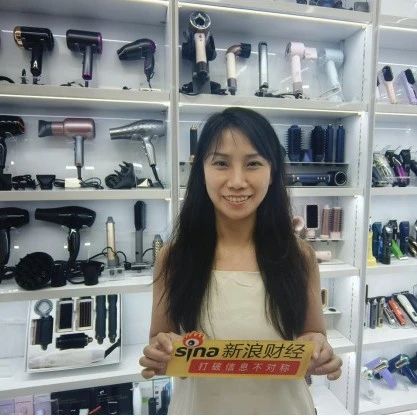
Core Viewpoint - The article highlights the adaptability and strategic foresight of Yang Shuxia, CEO of Zhejiang Zhongfa Import and Export Co., Ltd., in navigating the challenges of global trade and the evolving landscape of cross-border e-commerce, particularly focusing on emerging markets and innovative product offerings [2][4][6]. Group 1: Market Strategy - Yang Shuxia has diversified her business focus beyond North America to emerging markets in Asia, Africa, and Latin America, reducing sensitivity to fluctuations in any single market [4]. - In 2024, imports and exports from Yiwu to Belt and Road countries accounted for 61.8%, with orders from the Middle East, Latin America, and Africa increasing by 25% year-on-year [4]. - The global trade landscape is expected to undergo significant changes by 2025, with Yiwu serving as a resilient trade hub for over 75,000 shops and 200,000 merchants [4]. Group 2: Business Evolution - Yang Shuxia's entrepreneurial journey began with the creation of the Japanese wedding dress brand "TIGLILY," which achieved monthly sales exceeding 1 million and annual sales surpassing 10 million [7]. - The transition to cross-border e-commerce was marked by a strategic pivot to TikTok's cross-border business, where the company quickly became a leading seller after the platform's UK launch in 2021 [8][10]. - The challenges faced in the early stages of TikTok's cross-border e-commerce led to a reevaluation of the business model, emphasizing the need for adaptability in a volatile market [10][11]. Group 3: Product Focus and Innovation - In 2024, the company shifted its focus to personal care small appliances, recognizing the higher average transaction value and technological attributes of these products [13]. - Approximately 80% of customers now come from Asia, Africa, and Latin America, where Chinese electronic products are favored for their quality-to-price ratio [13]. - The company is leveraging AI and digital tools to enhance customer engagement and streamline operations, aiming to integrate online and offline sales channels [18][19]. Group 4: Future Outlook - The upcoming "Good Life Expo" aims to stimulate consumer activity and support quality brands, providing a platform for domestic companies to expand their market reach [21]. - The expo will feature a unique online-offline integration model, facilitating direct connections between quality product/service companies and domestic distribution channels [21].
2025年奢侈品行业网络营销监测报告
艾瑞咨询· 2025-05-31 01:51
Industry Trends - The personal luxury goods market in mainland China has shown fluctuations over the past decade but is overall on a growth trajectory, with expectations to become the largest luxury market globally by 2030, capturing 25% of the market share, surpassing the US and Europe [3][8] - Consumer preferences are shifting from "symbolic consumption" to "lifestyle and cultural resonance," emphasizing sustainable consumption and technology-driven experiential innovations as key trends [1][3] Advertising Investment Trends - In January-February 2025, the luxury goods industry's online advertising investment index experienced a mild year-on-year growth of 1.2%, reaching a near four-year peak during this period [8][11] - Advertising investments are closely linked to peak consumption periods, with significant increases noted in January, May, and September, aligning with holiday shopping spikes [8][11] Advertising Strategies - The advertising landscape is evolving, with a notable shift towards OTT platforms, while mobile remains the primary advertising terminal; video platforms account for 67.7% of the advertising investment [18][21] - Full-screen and video pre-roll ads are favored, making up over 80% of the advertising formats during the observed period [18][21] Creative Trends - Local celebrity endorsements are crucial for brands' audience expansion, with an increasing trend of collaboration with sports stars [21][24] - Seasonal marketing strategies focus on limited edition packaging and cultural symbols to enhance product appeal during peak sales periods like New Year and Valentine's Day [24][27] Market Dynamics - The luxury goods market is experiencing a shift in consumer demographics, with younger and more rational consumers prioritizing quality, culture, and personalized experiences over ostentatious consumption [2][33] - Brands must adopt differentiated marketing strategies based on user segmentation to effectively meet diverse consumer needs and maintain competitive advantages [2][33] Marketing Observations - The luxury goods industry faces the dual challenge of balancing short-term customer acquisition with long-term brand value, necessitating a focus on integrated online and offline marketing strategies [36][39] - Brands are encouraged to enhance consumer interaction through immersive experiences and technology-driven marketing solutions to foster deeper connections and drive sales [39][42]


商超渠道财报透视:靠即时零售突围线上,“调改”热词继续提效存量
Cai Jing Wang· 2025-05-30 09:21
Group 1 - Traditional supermarkets are increasingly adopting an "online + offline" model to enhance revenue and improve customer engagement through instant retail and social e-commerce [1][2] - High Xin Retail reported a significant turnaround in profitability for the fiscal year ending March 31, 2025, with a profit of 386 million and a revenue of 71.552 billion, despite a slight revenue decline of 1.4% [2] - The same-store sales for High Xin Retail grew from 0.3% in the first half of the fiscal year to 0.6% for the full year, driven by improved pricing competitiveness and product optimization [2] Group 2 - The online business of Da Run Fa covers over 20,000 SKUs, offering delivery services within 5 kilometers, with innovations like satellite warehouses to meet consumer demand [3] - Yonghui Supermarket reported online revenue of 14.6 billion, accounting for 21.7% of total revenue, with a gross margin improvement attributed to better product structure [4] - Red Flag Chain has increased collaboration with social e-commerce platforms, achieving over 1 billion in sales through frequent operations on platforms like Douyin [5] Group 3 - The supermarket industry is undergoing a transformation, with 48.9% of supermarkets reporting online sales growth, particularly in second and third-tier markets [5] - Experts suggest that instant retail is a key area for supermarkets to focus on, emphasizing the importance of product and brand integration [5][8] - The trend of closing underperforming stores is prevalent, with High Xin Retail closing 8 large stores and Yonghui closing 232 stores in 2024 [7][8] Group 4 - The restructuring of store formats is gaining momentum, with 86% of categories seeing positive growth post-restructuring, and fresh produce playing a crucial role in driving sales [9] - Yonghui plans to expand its restructuring efforts, targeting 150 stores by the end of July 2025, while other companies like Wumart are also focusing on store upgrades [10] - The industry is seeing a diversification of store formats, with companies like High Xin Retail and Wumart exploring new community store models to cater to local needs [11][12]


研判2025!中国轮滑鞋行业产业链、发展现状、竞争格局及发展趋势分析:在体育热潮的背景下,轮滑鞋行业发展速度加快[图]
Chan Ye Xin Xi Wang· 2025-05-30 01:43
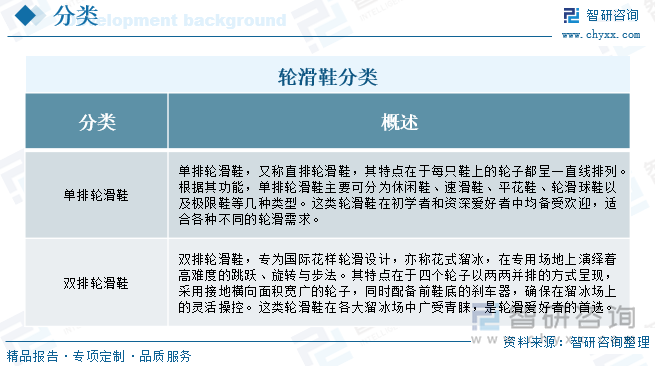
Core Insights - The roller skate industry is experiencing rapid growth due to changing lifestyles and increased interest in recreational sports, particularly among youth and adults [1][12] - The market size of the roller skate industry in China is projected to reach 7.73 billion yuan in 2024, reflecting a year-on-year increase of 5.31% [1][12] - Government support for the sports industry and the rise of e-commerce are contributing to the expansion of the roller skate market [1][12] Industry Overview - Roller skates, also known as inline skates, are categorized into two main types: inline skates and quad skates, each serving different purposes and user preferences [3][4] - Inline skates are popular among both beginners and experienced enthusiasts, while quad skates are primarily designed for artistic skating [3][4] Market Dynamics - The roller skate industry benefits from a favorable environment created by government policies aimed at promoting sports [1][12] - The increasing disposable income of consumers is driving demand for recreational and fitness-related products, including roller skates [8] Competitive Landscape - The market is characterized by a mix of established international brands and numerous domestic brands competing in the mid to low-end segments [16][17] - Key players in the industry include companies like Guangdong Maika Sports Co., Ltd., Guangzhou Montlay Sports Equipment Co., Ltd., and Decathlon (Shanghai) Sports Goods Co., Ltd. [16][17] Supply Chain - The upstream supply chain includes raw material suppliers and component manufacturers, which directly impact the quality and performance of roller skates [10] - The downstream applications of roller skates span recreational use, competitive sports, and professional training [10] Future Trends - The integration of smart technology into roller skates is anticipated, offering features like heart rate monitoring and activity tracking [20] - There is a growing emphasis on sustainability, with companies adopting eco-friendly materials and practices [21][22] - The industry is expected to see further integration of online and offline sales channels, enhancing consumer experience and market reach [23]
中国社科院财经战略研究院市场流通与消费研究室主任依绍华:线上线下融合加速 餐饮消费助力服务消费发展
Bei Jing Shang Bao· 2025-05-29 10:15
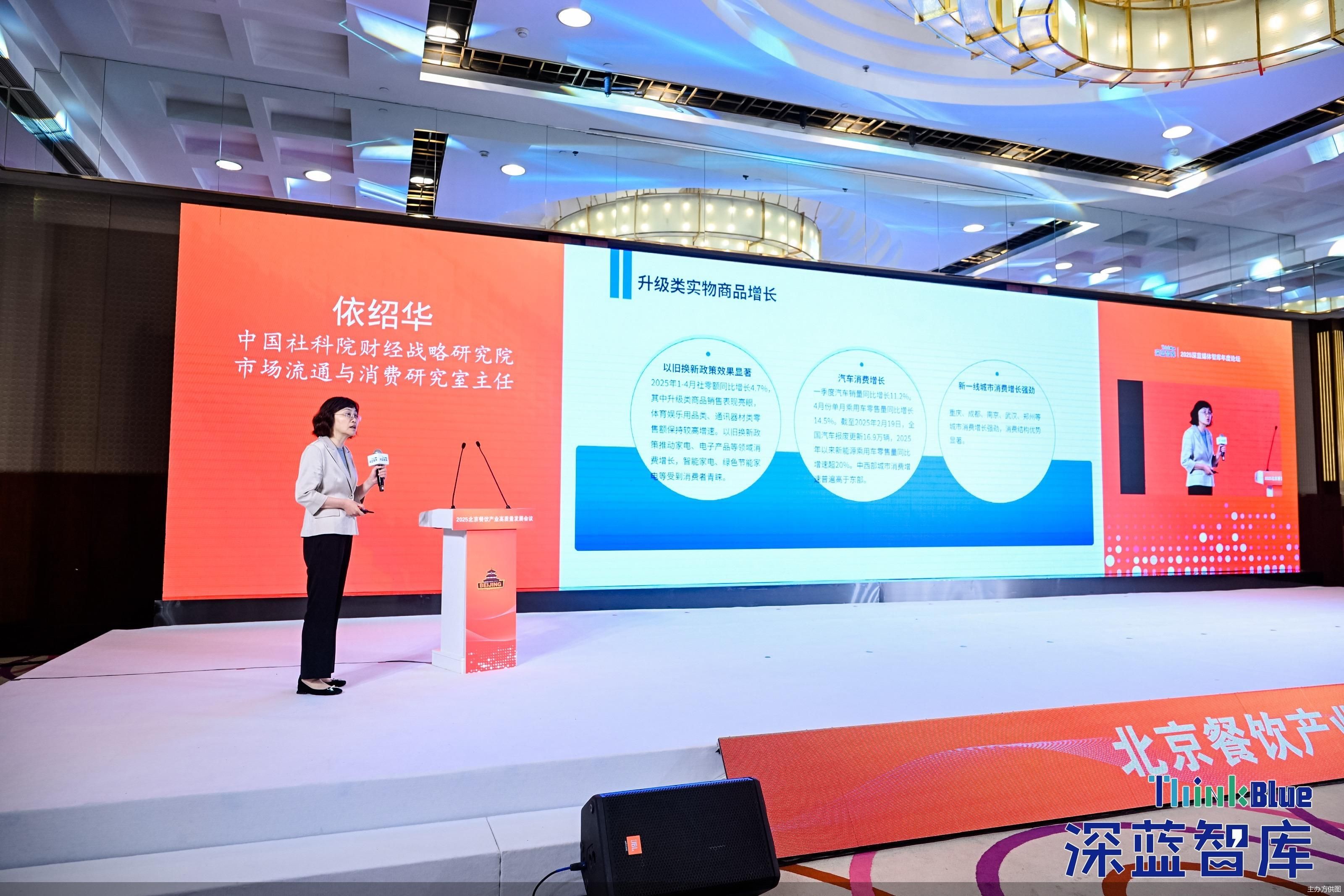
Core Viewpoint - The 2025 Beijing Conference on High-Quality Development of the Catering Industry emphasizes the importance of catering consumption as a key driver for domestic demand, highlighting the sector's robust growth and digital transformation efforts in Beijing [4][5]. Group 1: Catering Industry Growth - Service consumption in China is expanding, with catering consumption showing significant performance, becoming a crucial engine for domestic demand [4]. - From January to April, the national service retail sales increased by 5.1% year-on-year, with April's catering revenue growth reaching 5.2%, accelerating by 0.5 percentage points compared to the first quarter [4]. Group 2: Digital Transformation - Beijing's catering industry is experiencing notable digital transformation, with the "internet penetration rate" of key catering enterprises rising to 61.1% [4]. - New business models such as live streaming sales and instant retail are promoting deep integration of online and offline operations [4]. Group 3: Future Consumption Strategies - Recommendations for boosting future consumption include optimizing service supply through new technologies to enhance quality and experience [5]. - There is a call for deeper integration of business, culture, tourism, and sports to create diversified consumption scenarios [5]. - Strengthening county-level layouts and improving rural consumption infrastructure are suggested to activate the county market [5].