非遗传承

Search documents
大巴山漆艺工坊里的“特殊匠人”
Ren Min Ri Bao· 2025-12-10 22:30
Core Viewpoint - The article highlights the initiative in Chongqing's Chengkou County to integrate traditional lacquer art with employment opportunities for individuals with disabilities, showcasing the success of the "Forget Me Not" lacquer art space in training and employing special craftsmen [1] Group 1: Initiative Overview - In 2022, Chengkou launched the "Hundred Million Benefit for the Disabled" initiative aimed at creating a base that combines intangible cultural heritage with employment for disabled individuals [1] - The "Forget Me Not" lacquer art space employs artisans with hearing impairments, physical disabilities, or autism, emphasizing their role as "special craftsmen" [1] Group 2: Training and Employment - Professional lacquer art teachers from Fujian and Shandong were invited to provide targeted training for the artisans, enabling them to independently create lacquer paintings after three months of training [1] - Over the past three years, Chengkou has conducted lacquer art training, successfully training more than 40 special students, with 21 becoming "special craftsmen" employed at the workshop [1] Group 3: Impact and Expansion - The workshop model has been replicated in multiple towns within Chengkou, helping a total of 56 disabled individuals and their families achieve employment close to home [1]
广西烟火 | 指间芒竹编乾坤
Guang Xi Ri Bao· 2025-12-10 03:11
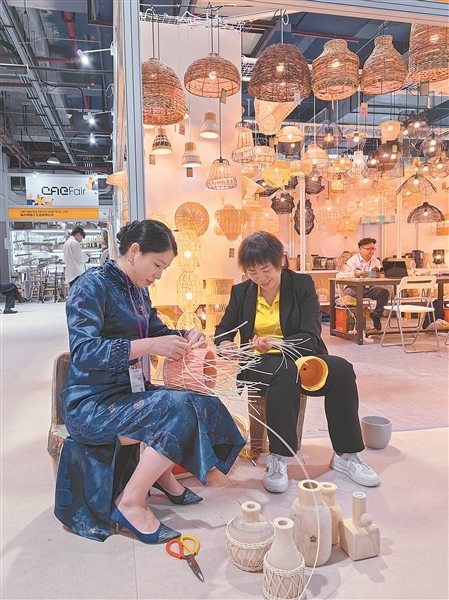
Core Insights - The article highlights the significance of the traditional bamboo weaving craft in Bo Bai County, which has evolved into a major industry with an annual output value exceeding 4 billion yuan, employing over 200,000 people [1][5]. Industry Overview - Bo Bai bamboo weaving craftsmanship dates back to the Song Dynasty and was recognized as a representative intangible cultural heritage project in 2014 [1]. - The industry has diversified its materials, now utilizing over 20 types including bamboo, wood, and various imported rattan, enhancing the color palette and design possibilities [2]. Company Development - Huang Lianjiang, a key figure in the industry, transitioned from a regular artisan to a business founder, emphasizing the importance of mastering various weaving techniques to create competitive products [4]. - The company has expanded its operations internationally, with products being exported to over 60 countries and regions, including a significant order from the luxury brand Dior worth 2 million yuan [4]. Cultural Significance - The bamboo weaving craft is not just a livelihood but a means of cultural transmission, connecting traditional techniques with modern aesthetics, and fostering a sense of belonging among the younger generation involved in the industry [6].

石头上雕出多彩生活
Ren Min Ri Bao· 2025-12-09 03:27
Core Viewpoint - The article highlights the artistry and cultural significance of Hui'an stone carving, particularly through the work of Li Yahua, a master of shadow carving, showcasing her journey from initial reluctance to becoming a celebrated artist [1][2][3]. Group 1: Artistic Journey - Li Yahua, born into a family of stone carvers, initially resisted learning the craft due to societal perceptions but eventually embraced it after gaining confidence from selling her first piece for approximately 5000 yuan [2][3]. - The technique of shadow carving involves intricate pointillism on black stone, developed from a method invented by a Qing dynasty craftsman, emphasizing the importance of precision and concentration in the craft [2][3]. Group 2: Innovation and Modernization - Li Yahua has innovated within the traditional art form by incorporating color into her shadow carvings, creating a new dimension in her work, such as the piece "Qindao Night Rhythm," which showcases vibrant colors and depth [6][7]. - The establishment of Huihe Stone Cultural Park has transformed the perception of stone carving from mere products to cultural experiences, promoting the art form to a broader audience [8][9]. Group 3: Education and Legacy - Li Yahua is committed to passing on her skills and knowledge, having established training programs and partnerships with educational institutions to cultivate new talent in shadow carving [9][10]. - Her son, Dai Yian, is also involved in the craft, focusing on integrating modern aesthetics into traditional shadow carving, thus ensuring the art form's relevance in contemporary markets [8][9].
为传统技艺镀上时代新彩
Ren Min Ri Bao Hai Wai Ban· 2025-12-09 01:12
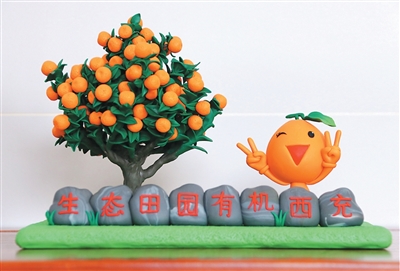
Core Insights - The article highlights the efforts of Wang Anbin, a representative inheritor of the intangible cultural heritage of Xichong clay sculpture, in promoting and innovating this traditional art form to keep it relevant in modern times [1][2][3] Group 1: Traditional Craftsmanship - Wang Anbin teaches visitors the intricate process of making clay sculptures, emphasizing the importance of each step in preserving the art's essence [1] - His works reflect traditional characteristics while incorporating modern aesthetics, serving as important carriers of local cultural heritage [1] Group 2: Innovation and Modernization - Wang Anbin's philosophy is to adapt intangible cultural heritage to contemporary trends, as seen in his clay sculptures that celebrate local sports and products [2] - He has developed a new non-firing material that addresses traditional clay sculpture issues such as fading and preservation, making the art more accessible for home decor and gifts [2] Group 3: Education and Community Engagement - Wang Anbin actively engages in educational initiatives, teaching young people about clay sculpture to ignite their interest in this art form [3] - Plans for the future include establishing research and learning bases, promoting the craft through new media, and enhancing cultural product development [3]
石头上雕出多彩生活(为梦想奔跑)
Ren Min Ri Bao· 2025-12-08 22:10
Core Viewpoint - The article highlights the journey and artistic evolution of Li Yahua, a master of Hui'an stone carving, emphasizing the blend of traditional craftsmanship with modern innovation in the field of stone sculpture [1][9]. Group 1: Artistic Background and Technique - Li Yahua, a representative inheritor of the national intangible cultural heritage of Hui'an stone carving, creates intricate shadow carvings from hard black stone, showcasing detailed figures and textures [1][3]. - The technique of shadow carving, a branch of Hui'an stone carving, involves using a heavy steel chisel to create varying depths and densities of points on the stone surface, resulting in different shades and effects [3][4]. - Li Yahua's early reluctance to pursue stone carving transformed into passion after receiving recognition for her work, which significantly boosted her confidence in her craft [5][6]. Group 2: Innovation and Modernization - As Li Yahua's skills matured, she began to incorporate color into her shadow carvings, experimenting with acrylic paints to enhance the visual appeal of her works [7][8]. - The piece "Qin Island Night Rhythm," a representative of her colored shadow carvings, exemplifies the depth and vibrancy achieved through this innovative approach [8]. - Li Yahua emphasizes the importance of balancing tradition with innovation, aiming to revitalize shadow carving for contemporary audiences [9]. Group 3: Cultural Promotion and Education - In 2008, Li Yahua established the Huihe Stone Cultural Park in Xiamen, transforming it into a national 4A tourist attraction that promotes stone culture and craftsmanship [10]. - The park serves as a venue for educational activities, allowing children to experience the unique charm of intangible cultural heritage [10][11]. - Li Yahua has also collaborated with Xiamen City Vocational College to create a master studio for stone carving, training students in the craft and producing a new generation of artisans [11][12].
【榆林】非遗传承中的“银发力量”
Shan Xi Ri Bao· 2025-12-08 00:25
Core Viewpoint - The article highlights the integration of elderly education with the transmission of local intangible cultural heritage (ICH) in Yulin City, promoting a "Silver Hair Action" that encourages elderly learners to engage in ICH activities and pass on traditional skills to younger generations [1][8]. Group 1: Non-Heritage Education Initiatives - Yulin City has established various elderly universities and activity centers as hubs for ICH transmission, allowing elderly learners to focus on promoting traditional culture through structured learning [1][2]. - The Yulin City Elderly University has over 180 students in its Shaanxi Yangge training program, with students participating in national performances [2]. - Local elderly universities have hired ICH representatives as dedicated teachers and developed tailored teaching materials to enhance the systematic teaching of ICH [2]. Group 2: Innovative Approaches to Cultural Transmission - The integration of ICH with modern elements, such as "ICH + tourism" and "ICH + creative products," has provided broader platforms for elderly learners to showcase their skills [5][6]. - Activities like the "When Paper-Cutting Meets Cultural Creation" event allow traditional crafts to be incorporated into everyday life, promoting ICH in a contemporary context [5]. - The performance of traditional arts, such as Jinju (a type of local opera), by elderly learners has become a cultural bridge between regions, enhancing community engagement [6]. Group 3: Intergenerational Knowledge Transfer - Elderly learners have transitioned from being mere students to active disseminators of ICH, teaching younger generations about local customs and performances [7]. - Programs like the Wu Fortress Water Boat performance training class have successfully engaged elderly learners in teaching local folklore to school students and community members [7]. - The participation of elderly learners in performances has gained national attention, showcasing local heritage on platforms like the Spring Festival Gala and CCTV [7].
四中全会精神在基层丨千年麻编工艺如何走俏国内外市场?
Xin Hua Wang· 2025-12-05 09:41
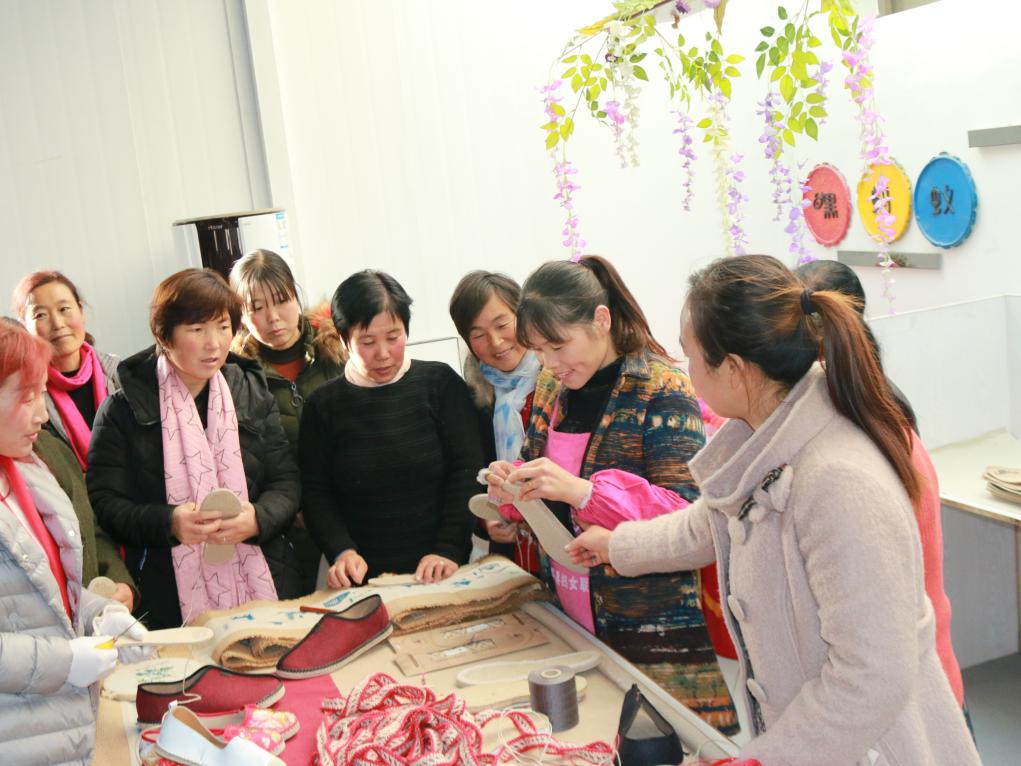
Core Insights - The article discusses the revival and commercialization of traditional hemp weaving craftsmanship in Gansu Province, China, particularly focusing on the production of hemp shoes that are gaining popularity in both domestic and international markets [1][3]. Group 1: Industry Development - The hemp shoe weaving technique has a history of over a thousand years in the Weihe River basin, and it was recognized as a representative project of intangible cultural heritage in Gansu Province in 2017 [3]. - The local government has been supportive of the hemp weaving industry, leading to the establishment of numerous local enterprises and small workshops, which have contributed to product upgrades and technological transformations [6][7]. Group 2: Company Initiatives - Gansu Yaluren Hemp Weaving Craft Products Development Co., Ltd. was founded by a local entrepreneur who integrated traditional techniques with modern designs, resulting in over 200 styles of hemp shoes and sales exceeding 200,000 pairs annually [3][4]. - The company has collaborated with renowned brands in the U.S., Italy, and Spain for large-scale orders, enhancing employment opportunities and increasing the international recognition of hemp weaving craftsmanship [4][6]. Group 3: Training and Employment - Since 2015, the company has trained over 10,000 individuals, with more than 3,000 being local women, thereby transforming them into skilled artisans capable of earning 2,000 to 3,000 yuan per month [6][7]. - The training programs have not only promoted the transmission of skills but also stimulated production, contributing to the local economy [4][6]. Group 4: Future Prospects - The hemp weaving industry in Gangu County is projected to reach an output value of 50 million yuan by 2024, with plans to further integrate cultural heritage training with industry and e-commerce training [7]. - The company is expanding its product range to include not just shoes but also clothing and home decor, thereby creating a comprehensive industrial chain from cultivation to sales [7].
文明之光映照容城 幸福画卷铺展万家 句容“十四五”谱写物质文明与精神文明协调发展新篇章
Zhen Jiang Ri Bao· 2025-12-03 18:56
Core Viewpoint - The city of Jurong has integrated the construction of spiritual civilization into its overall economic and social development, enhancing both material and spiritual quality of life for its residents, and achieving a high-quality development path characterized by a balance between urban aesthetics and cultural depth [1] Group 1: Enhancing Urban Environment - The transformation of the Juyuan River area from a neglected space into a vibrant "ten-mile flower corridor" has provided residents with a new recreational area, showcasing the city's commitment to environmental improvement [2] - The creation of 13 "pocket parks" and "pocket squares" has added over 20,000 square meters of green space, enhancing urban aesthetics and residents' happiness [2] - The city has addressed issues in aging residential areas by engaging residents through various forums to gather feedback, resulting in tailored improvement plans for 63 old residential communities, benefiting 8,344 households [2] Group 2: Community and Cultural Development - The renovation of public facilities, including restrooms and backstreet areas, has significantly improved local living conditions, contributing to a safer and more pleasant environment [3] - Jurong has recognized and celebrated local heroes, with numerous awards for individuals demonstrating bravery and moral excellence, fostering a culture of virtue and community pride [4] - The city has registered 112,000 volunteers and 740 volunteer teams, conducting 6,788 activities, which reflects a strong commitment to community service and civic engagement [5] Group 3: Cultural and Recreational Initiatives - Jurong has established a comprehensive public cultural service system, with over 100 library branches and a 100% coverage rate for town and village libraries, enhancing access to reading materials [6] - The city has organized over 2,700 cultural events and collaborated with professional art troupes for high-quality performances, attracting over 1.5 million viewers [6] - The integration of intangible cultural heritage with tourism and commerce has been actively pursued, showcasing local traditions and enhancing the city's cultural identity [7]
干货拉满!新会陈皮炮制技艺专题培训助力非遗活态传承
Nan Fang Nong Cun Bao· 2025-12-02 07:01
Core Viewpoint - The training program for the preservation of the Xinhui Chenpi intangible cultural heritage aims to enhance the sustainable development of heritage transmission and promote the brand and industry upgrade of Xinhui Chenpi [5][16][56]. Group 1: Training Program Overview - The training event for the Xinhui Chenpi intangible cultural heritage was successfully held, with over 110 participants [4][35]. - The program was organized by the Xinhui Chenpi Industry Association in collaboration with the Southern Rural Newspaper, under the guidance of the Cultural, Radio, Television, Tourism, and Sports Bureau of Jiangmen City [6][7]. Group 2: Cultural Significance and Challenges - Xinhui Chenpi has a history of nearly a thousand years and is recognized as one of the "Three Treasures of Guangdong," with global influence through overseas Chinese communities [19][20]. - The cultural transmission of Xinhui Chenpi currently focuses on superficial aspects such as culinary uses and collection value, lacking depth in cultural exploration and storytelling [23][25]. Group 3: Future Directions and Recommendations - The Xinhui Chenpi Industry Association plans to attract younger generations to strengthen and optimize the transmission team and to systematize protection efforts for a more vibrant heritage ecosystem [54][56]. - Recommendations include conducting field investigations to uncover stories related to Xinhui Chenpi, integrating local customs into storytelling, and training individuals to effectively communicate the cultural significance of Xinhui Chenpi [30][32].

古韵新声,快手达人高鹏用唢呐吹响黄土地上百态人生
Yang Guang Wang· 2025-11-27 10:25
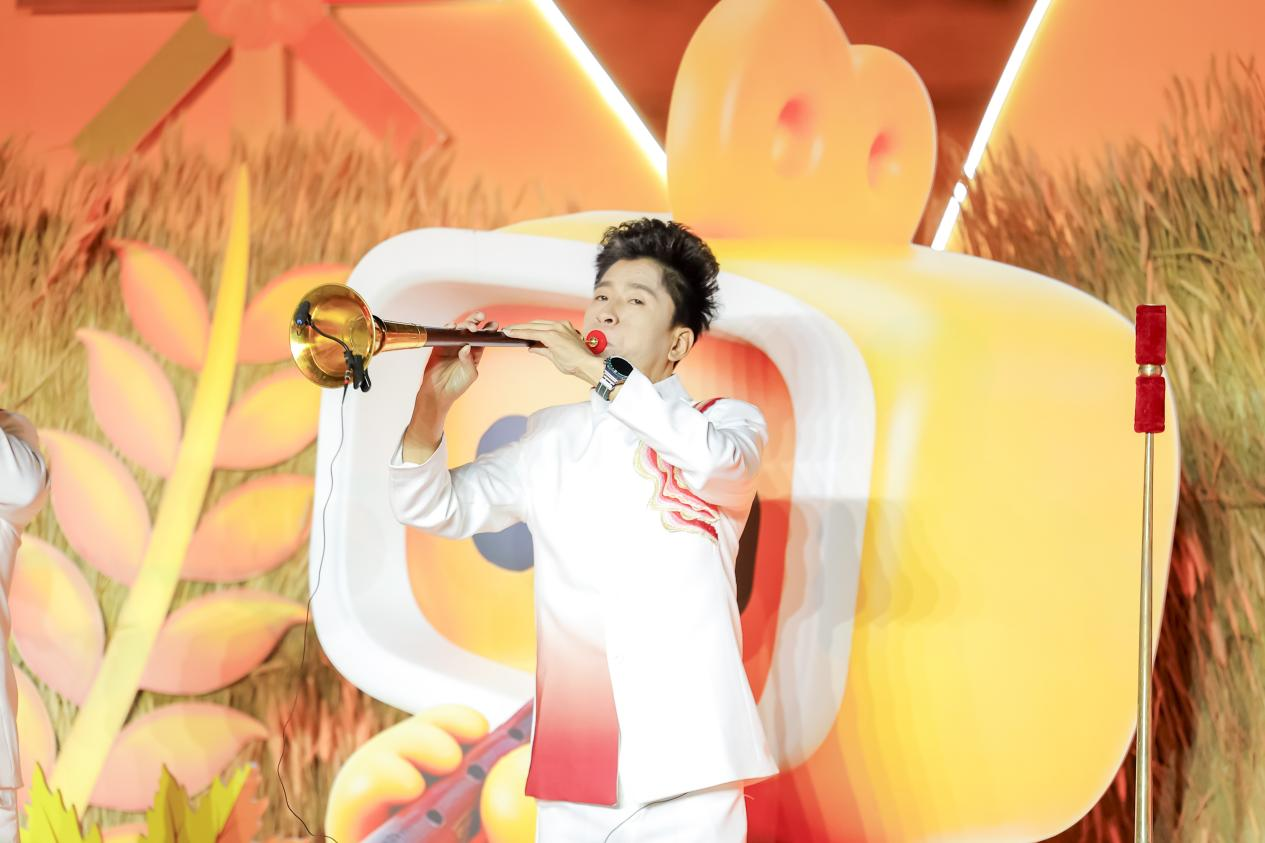
在陕北,唢呐的曲子是这方水土中不可或缺的一种关乎生命的韵律。代代相传的子洲唢呐在时光中走过,以陕北群山为坐标的音乐标记,同信天游、秧 歌、剪纸、民俗等具有陕北文化内涵的所有事物交织于一体,成为整个陕北民间文化最嘹亮、高亢的文化符号。高鹏的唢呐启蒙,正是扎根于这样深厚的文 化土壤中。 回忆起学艺时光,高鹏说:"最基础的就是拔长音,每天早上起来,一个音一个音地练。"辛苦吗?他笑了笑:"那时候就像玩一样,挺好玩的。"十六七 岁时,他在一场农村婚礼上完成了首次登台。"紧张是肯定的,"他坦言,"但舞台多了就习惯了。"这把唢呐,从父亲手中传到他手里,传递的不仅是技艺, 更是一份责任。 陕北的传统里,唢呐有着严格的规矩。"红事要选喜庆的曲子,白事吹哀怨的曲牌,连曲名都很讲究。"高鹏细数着这些祖辈传下的规矩。然而,时代在 变,唢呐也需要新的声音。 《黄土谣》和《沸腾的大理河》的出现带来了转机。这两首由作曲家张伦创作,高鹏父亲首吹的新式唢呐曲,打破了传统曲牌的固定模式。这两首曲子 在保留陕北唢呐传统框架的基础上,借鉴现代协奏曲和交响乐的创作手法,改变了陕北传统唢呐全程粗犷豪放的风格,运用细腻多变的气息指法,使旋律在 强弱对比中 ...