
开源模型

Search documents
从链博会看先进制造:多方共话产业链重构,黄仁勋热议物理AI
Bei Ke Cai Jing· 2025-07-17 15:32
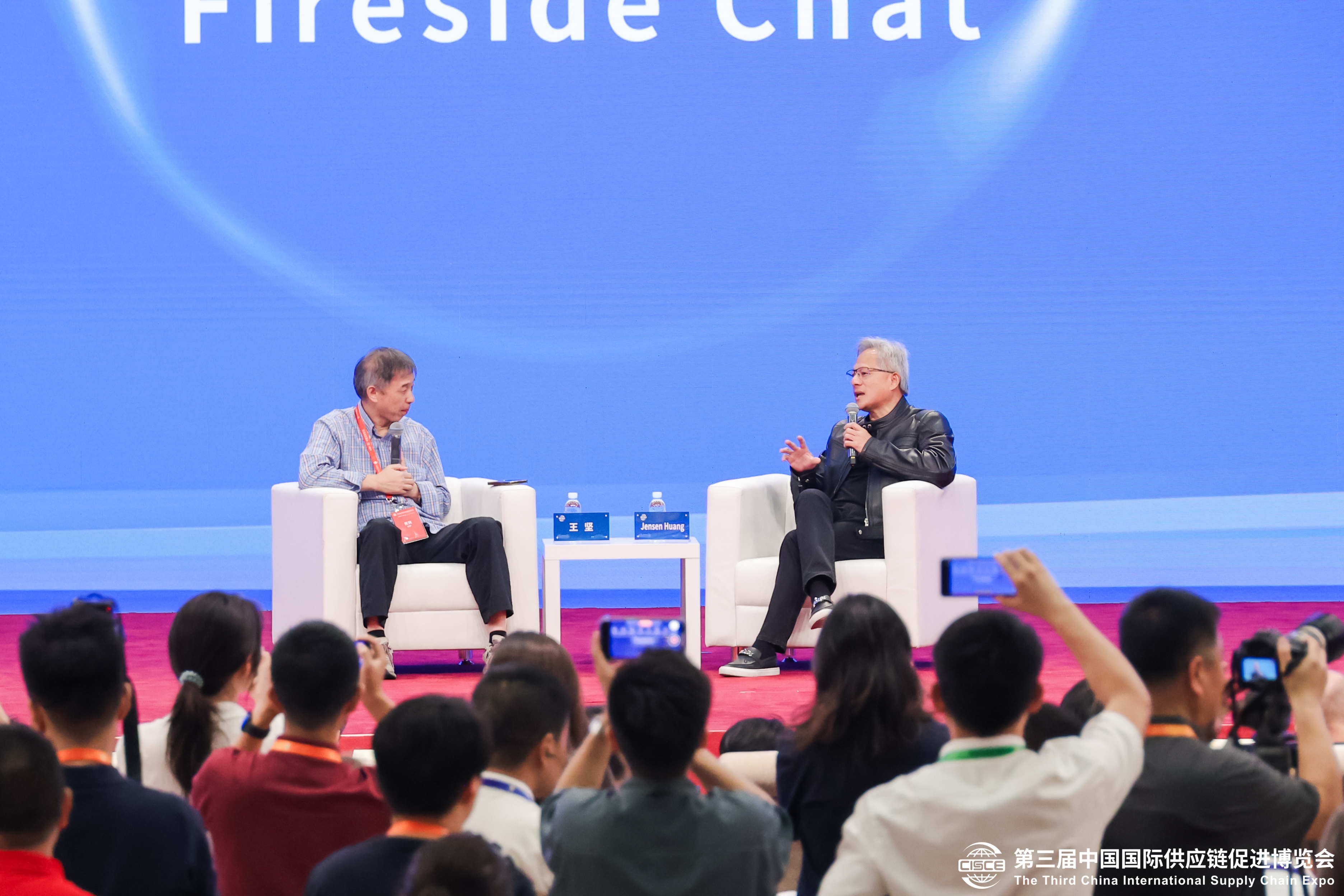
Core Viewpoint - The third China International Supply Chain Promotion Expo successfully held an advanced manufacturing theme event focusing on technological innovation leading to new quality productivity development, with representatives from various sectors discussing breakthroughs, industrial collaboration, and globalization trends [1][6]. Group 1: Industry Insights - The event featured over 110 domestic and foreign enterprises showcasing advanced manufacturing achievements, highlighting the importance of international cooperation in developing advanced manufacturing [6]. - Suggestions from industry leaders included supporting industrial innovation, empowering technology, and promoting green transformation to enhance international collaboration in green manufacturing [2][6]. - The mechanical industry is undergoing significant changes due to the restructuring of global supply chains, with a focus on digital transformation, collaborative ecosystems, and innovative global cooperation models [6][10]. Group 2: Technological Developments - NVIDIA's CEO Jensen Huang and Alibaba Cloud founder Wang Jian engaged in discussions about AI, covering its development history, future trends, and the foundational role of computing power [3][11]. - Huang emphasized the rapid advancements in AI, particularly in generative AI, which can understand and generate information, marking a significant evolution in the field [13]. - The importance of computing power as a foundational infrastructure for AI was highlighted, with Huang noting that AI's capabilities are supported by substantial computing resources [14]. Group 3: Future Directions - Huang discussed the potential of physical AI and the shift towards using composite chip technologies to enhance AI functionalities, indicating a transformative approach in the industry [15]. - The significance of open-source models in advancing AI development was underscored, suggesting that they provide a secure way to foster AI growth globally [15]. - Huang provided insights for the younger generation on engaging with AI, emphasizing the need for critical thinking and problem-solving skills, as well as the transformative potential of AI in various sectors [16][17].


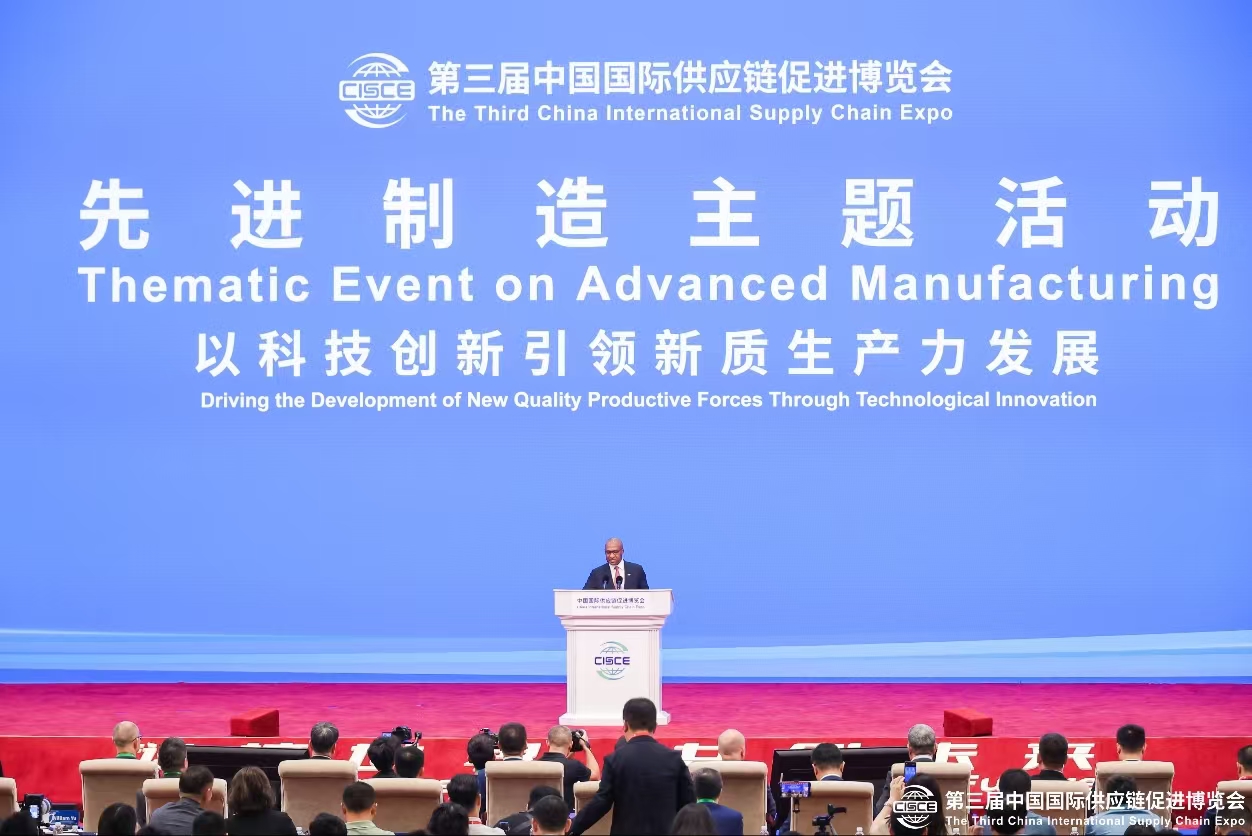
黄仁勋:有点嫉妒年轻一代
财联社· 2025-07-17 11:43
Core Viewpoint - The discussion between NVIDIA's CEO Jensen Huang and Alibaba Cloud's founder Wang Jian highlights the transformative potential of artificial intelligence (AI) and open-source models in enhancing human intelligence and driving innovation across various industries [1][2][5]. Group 1: AI Development and Trends - Huang predicts the next wave of AI development will focus on "physical AI," applying reasoning capabilities to robotics and physical machinery [1]. - The performance of AI computing has increased by 100,000 times over the past decade, laying the groundwork for massive data processing and efficient learning [2]. - Open-source models are reshaping the AI technology landscape, becoming a significant trend in the industry [9]. Group 2: Open Source and Collaboration - Open innovation has extended from research to engineering, allowing for the integration of global ecosystem resources and overcoming innovation limitations of individual companies or teams [3]. - China's strategic positioning in the open-source engineering field not only supports local ecosystem development but also contributes to the global ecosystem [4]. - Open-source models enable advanced multimodal reasoning capabilities that can be tailored for various industries, including healthcare and finance [4]. Group 3: AI's Impact on Science and Technology - AI is expected to have the most significant impact when applied to scientific discovery and technological innovation, potentially transforming how scientists conduct research [5]. - AI can enhance understanding in biology, enabling advancements in drug development and potentially extending human lifespan [5][6]. - The efficiency of AI in predicting complex physical processes surpasses traditional physical simulations, making it a core driver of scientific advancement [6]. Group 4: Future of Computing and AI - Huang emphasizes the importance of computational power as the foundation for AI advancements, indicating a shift from single silicon chips to multi-chip collaborations for enhanced functionality [10][11]. - The future of AI development will continue to rely on silicon technology, but with a focus on multi-chip systems and new technologies like CPO for improved connectivity [10][11]. - The next 20 years will see significant technological exploration, with a clear development path already outlined [11]. Group 5: Education and Engagement with AI - Huang advises the younger generation to engage with AI actively, emphasizing the importance of foundational knowledge in scientific reasoning and programming [12][13]. - The integration of AI into everyday life is expected to empower individuals across various demographics, making technology more accessible [13]. - The current generation of youth will grow up as "AI natives," benefiting from continuous interaction with AI throughout their lives [13].
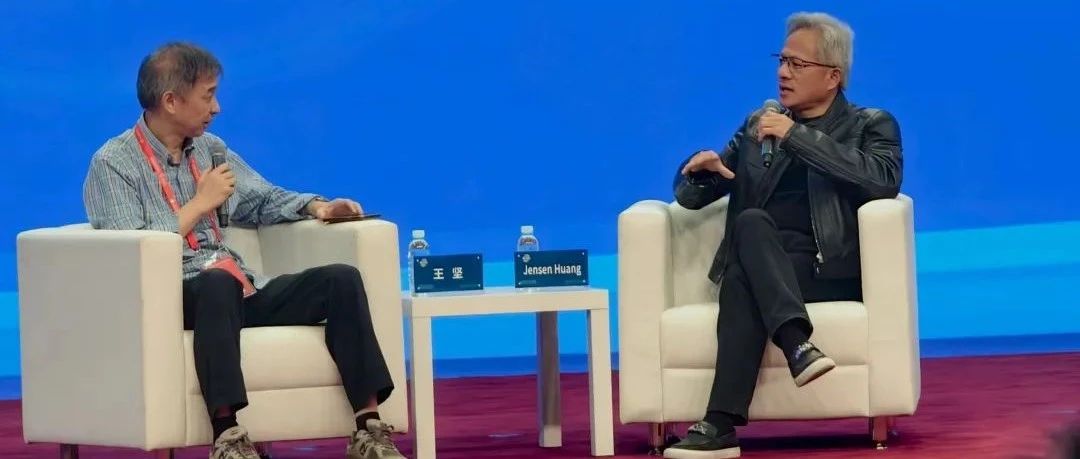
关于科技未来的炸裂预言!黄仁勋王坚大佬对谈,年轻人尤可关注
21世纪经济报道· 2025-07-17 07:56
Core Insights - The conversation between Huang Renxun and Wang Jian emphasizes the transition into the era of AI reasoning and the upcoming wave of physical AI, which integrates AI with the physical world [1][2][6] - Both leaders highlight the significance of computing power as the foundation of AI advancements, asserting that it is the driving force behind technological change [1][9] - The importance of open-source models in fostering innovation and collaboration in the AI field is underscored, with China being recognized as a leader in AI open-source research [2][10][11] Group 1: AI Evolution and Future Trends - Huang Renxun notes that the explosion of generative AI is just the beginning, with the next wave focusing on how AI can merge with physical reality, such as robotics and drug design [1][6] - The discussion reflects on the rapid advancements in AI capabilities, particularly in areas like image recognition, speech recognition, and language understanding, which have surpassed human abilities [6][7] - Wang Jian emphasizes that computing power is the core infrastructure that enables AI, suggesting that AI is a product of enhanced computational capabilities [9] Group 2: Open Source and Collaboration - Both leaders agree on the critical role of open-source in AI development, with Huang Renxun stating that China produces the most AI open-source papers globally [2][10] - Wang Jian mentions that models like DeepSeek and Kimi are pivotal in driving future AI advancements, showcasing the importance of collaborative efforts in the AI ecosystem [10][11] - The conversation highlights that open-source resources not only benefit China's AI landscape but also contribute to global AI development [11] Group 3: Empowering the Next Generation - Huang Renxun expresses admiration for the younger generation, who will grow up alongside AI, and encourages them to master fundamental principles and critical thinking skills [2][19] - The leaders discuss the necessity for young people to engage with AI technology actively, as it will empower them and enhance their capabilities [18][19] - Huang Renxun advises that understanding the principles of science and programming is essential for the youth, even as AI becomes more integrated into daily life [17][18]
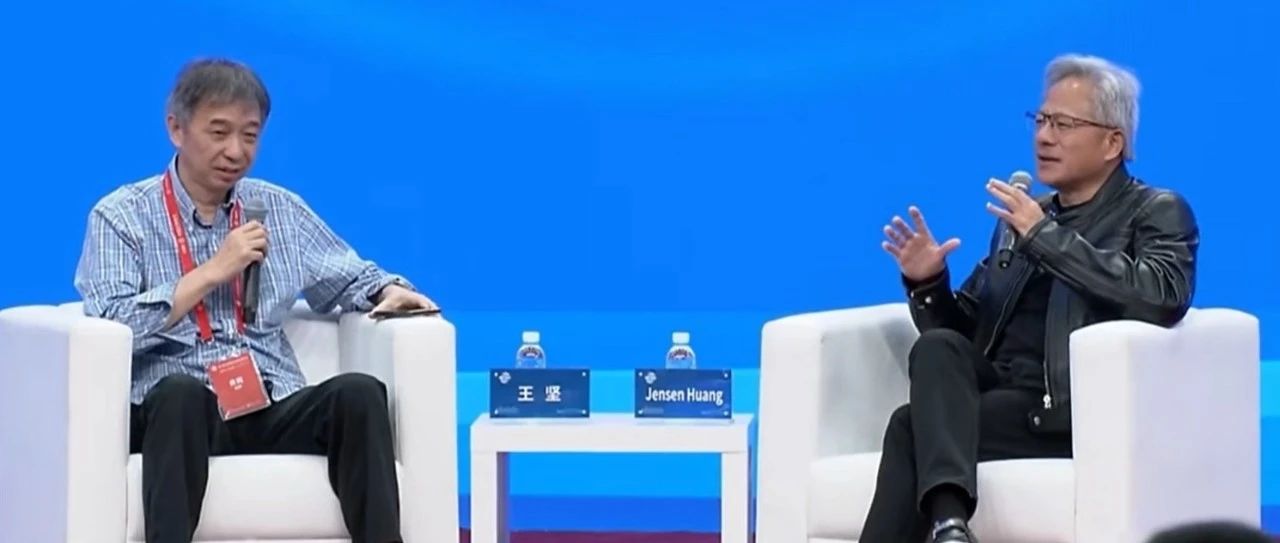
黄仁勋、王坚对谈全文:一场关于AI、算力与未来的炸裂“预言”
2 1 Shi Ji Jing Ji Bao Dao· 2025-07-17 06:07
Core Insights - The conversation between NVIDIA's CEO Jensen Huang and Alibaba Cloud's founder Wang Jian emphasized the evolution of AI and its future potential, particularly the integration of AI with physical reality, termed "physical AI" [2][3] - Both leaders highlighted the significance of computational power as the foundation for AI advancements, asserting that AI's progress is fundamentally tied to improvements in computational capabilities [6][9] Group 1: AI Evolution and Future - Huang noted that the current era is characterized by AI's ability to reason, surpassing human capabilities in image recognition, speech recognition, and language understanding [7][11] - The next wave of AI development is expected to focus on integrating AI with the physical world, including applications in robotics and drug design [2][7] - Wang emphasized that computational power is the core infrastructure driving AI advancements, suggesting that AI is a product of enhanced computational capabilities [9][11] Group 2: Importance of Open Source - Both Huang and Wang stressed the importance of open-source models in driving innovation within the AI sector, with China leading in the number of AI-related open-source papers [3][10] - They praised companies like Kimi and DeepSeek for their contributions to open-source AI, which facilitate global collaboration and innovation [3][10][12] Group 3: Empowering the Next Generation - Huang expressed admiration for the younger generation, who will grow up with AI as an integral part of their lives, and encouraged them to master foundational principles of science and programming [3][19] - The leaders discussed the need for young people to engage with AI actively, as it will empower them and enhance their capabilities in various fields [18][19]
黄仁勋对谈王坚,称“嫉妒年轻人”
第一财经· 2025-07-17 05:35
Core Viewpoint - The discussion between Huang Renxun and Wang Jian emphasizes the transformative impact of computing power on AI development, highlighting that computing power is the foundation for AI advancements and that AI has evolved significantly over the past decade, with future developments expected to integrate AI into the physical world. Group 1: AI and Computing Power - Wang Jian believes that computing power is the fundamental infrastructure that underpins AI, stating, "Computing power changes everything; AI is a result we see" [1] - Huang Renxun noted that AI has surpassed human capabilities in areas like computer vision and speech recognition since 2012, and the next wave of AI will focus on integrating AI capabilities into the physical world, such as robotics [2] - Huang Renxun highlighted the importance of open-source models in AI development, stating that the number of AI-related papers published by Chinese researchers is the highest globally [2] Group 2: Future of AI and Young People - Both leaders discussed the opportunities AI presents for young people, with Wang Jian expressing a sense of envy for the younger generation who will grow up as "natives" of AI technology [4] - Huang Renxun advised that while AI can solve many problems, it is essential for individuals to develop deep thinking skills to interact effectively with AI and critically assess its outputs [4] - Huang Renxun also mentioned that AI could promote equality across different demographics, emphasizing the need for everyone, including those less familiar with technology, to adopt AI [5] Group 3: Technological Advancements in AI - Huang Renxun discussed the future of semiconductor technology in AI, indicating a shift towards using multiple composite chips for advanced functionalities, which may require significant development over the next 5 to 10 years [4] - He also mentioned the potential of CPO (optical modules) to enhance connectivity in AI systems [4]

黄仁勋对谈王坚:赞DeepSeek写出A+论文,称“嫉妒年轻人”
Di Yi Cai Jing· 2025-07-17 04:41
Core Insights - The discussion between Huang Renxun and Wang Jian highlights the transformative impact of AI and computing power on the younger generation, who are seen as "natives" of artificial intelligence [1][6] - Wang Jian emphasizes that computing power is the foundational infrastructure for AI, which has evolved significantly over the past decade [4] - Huang Renxun notes that AI has surpassed human capabilities in various tasks, and the next wave of AI will integrate more with the physical world, such as robotics [4] AI and Computing Power - Wang Jian identifies computing power as the most exciting technological change, stating that it underpins the development of AI [4] - Huang Renxun reflects on the evolution of AI, mentioning that algorithms can now learn and predict outcomes from existing data, marking a shift from traditional coding methods [4] - The emergence of generative AI has enabled machines to understand and generate information across different formats, indicating a significant leap in AI capabilities [4] Open Source and Research - Huang Renxun highlights the recent shift towards open-source models in AI research, which has led to a surge in publications, particularly from Chinese researchers [5] - He praises the quality of AI-related papers, noting that open-source development ensures safety through global scrutiny [5] Future of AI and Chip Technology - Huang Renxun discusses the future of AI development, indicating a shift from traditional silicon-based chips to more advanced composite chips that can perform higher-level functions [5] - He mentions that there is still a significant amount of work to be done in this area, with a timeline of 5 to 10 years for further advancements [5] Opportunities for the Younger Generation - The conversation emphasizes the lifelong opportunities that AI presents, particularly for the younger generation, who are encouraged to engage with AI technology [5][6] - Huang Renxun advises that while AI can solve many problems, it is essential for individuals to develop critical thinking skills to interact effectively with AI [6] - He believes that AI will promote equality across different demographics, urging everyone to adopt AI technologies swiftly [6]

华人工程师被疯抢,世界第一AI创业公司,走进覆灭前夜
Tai Mei Ti A P P· 2025-07-15 04:54
Core Viewpoint - OpenAI remains the leading AI startup globally but faces intense pressure from tech giants and uncertainty from Chinese tech companies, making it challenging to replicate the success of ChatGPT [1][31]. Group 1: Talent Acquisition and Competition - Elon Musk's xAI company has a significant presence of Chinese engineers, with nearly half of its founding team being Chinese, highlighting the growing influence of Chinese talent in the AI sector [2][4][10]. - Meta's aggressive talent acquisition strategy includes offering substantial compensation packages, with reports of a $300 million total compensation plan for top AI talent, including a $100 million first-year salary [5][6][10]. - OpenAI has experienced a significant talent drain, with at least eight core researchers leaving for Meta, indicating a shift in the competitive landscape [11][14]. Group 2: Internal Management Issues at OpenAI - OpenAI has faced internal turmoil, including a boardroom coup that temporarily ousted CEO Sam Altman, leading to employee unrest and a mass resignation threat [18][19][20]. - The company has struggled with management challenges, as evidenced by the turnover of key leadership positions, with only three of the original 13 founders remaining [22]. - OpenAI's shift from a non-profit to a profit-driven entity has created tension between its original ideals and the demands of the competitive market [23][24]. Group 3: Market Dynamics and Challenges - The emergence of open-source models like DeepSeek has intensified competition, challenging OpenAI's previously held market advantages [25][26]. - OpenAI's financial strategies, including significant stock-based compensation, have raised concerns about sustainability and investor returns, as compensation exceeded annual revenue [30]. - The ongoing battle for talent among major tech firms, including Google and Chinese companies, poses a significant threat to OpenAI's future prospects [27][28][29].


杭州行感悟
小熊跑的快· 2025-07-13 08:26
Core Viewpoint - The article emphasizes the growing importance of Alibaba Cloud as a key highlight for Alibaba Group, especially in light of declining performance in its e-commerce segment, particularly Taobao [4][5]. Group 1: Alibaba's Current Challenges - Taobao's contribution to a service company’s revenue has decreased from over 85% four years ago to 50% currently, indicating a loss of market share to competitors like Douyin, Pinduoduo, and Xiaohongshu [4]. - Consumer dissatisfaction with Taobao's return policies and shipping fees has led to a decline in user engagement, with some families completely uninstalling the app [4]. Group 2: Alibaba Cloud's Potential - Alibaba Cloud is recognized as the only bright spot for Alibaba, attracting attention from capital markets due to its significant scale and capabilities [5]. - Alibaba Cloud ranks as the fourth largest globally and the largest in China, benefiting from economies of scale that allow it to offer competitive pricing for services like GPU leasing [6]. Group 3: AI and Cloud Adoption - The rise of AI is expected to drive a second wave of cloud adoption among enterprise customers, as many companies will seek cost-effective cloud computing solutions due to the increasing complexity of AI infrastructure [7]. - The low cloud adoption rate in China is attributed to concerns over data security and the affordability of traditional servers, but the demand for AI capabilities is likely to push more companies towards cloud solutions [6][7]. Group 4: Future Trends in AI and Cloud - The article suggests a shift towards open-source models combined with public cloud architectures, as companies become more cautious about using closed-source APIs, particularly in sensitive sectors like biotechnology [8]. - Major tech companies, including Google, are at a crossroads regarding their reliance on either open-source models or cloud services for revenue generation, indicating a broader industry trend [9]. Group 5: Alibaba Cloud's Strategy - Alibaba Cloud's internal structure promotes a straightforward approach to business development, allowing for efficient expansion while maintaining a balance between openness and conservatism compared to competitors like Tencent Cloud and Volcano [10]. - Confidence in Alibaba Cloud's future prospects remains strong, suggesting a belief in its ability to navigate the evolving market landscape [11].

Perplexity CEO:或将利用Kimi K2进行后训练
第一财经· 2025-07-13 07:50
Core Insights - Perplexity's CEO Aravind Srinivas announced the potential for further training using the Kimi K2 model due to its strong performance [1] - The K2 model, recently released by Moonlight Kimi, is a trillion-parameter open-source model that emphasizes coding capabilities and general agent task abilities [1] Company Developments - Perplexity has previously utilized the DeepSeek R1 model for training purposes, indicating a strategic approach to model development and enhancement [1] - The focus on the K2 model suggests a commitment to advancing AI search capabilities within the company [1]
Perplexity CEO表示将利用Kimi K2进行后训练
news flash· 2025-07-13 06:16
7月13日,获英伟达投资的美国知名AI搜索初创公司Perplexity CEO阿拉温德(Aravind Srinivas)在社交 媒体表示,基于Kimi K2模型的良好表现,将用K2进行后训练,此前DeepSeek R1也被Perplexity用于模 型训练。K2是月之暗面Kimi于本周五发布的一款万亿参数的开源模型,在多项测试中取得全球主流开 源模型的最好成绩。(全天候科技) ...