人工智能

Search documents
中国太保20260327
2026-03-30 05:15
Summary of China Pacific Insurance Conference Call Company Overview - **Company**: China Pacific Insurance (CPIC) - **Industry**: Insurance Key Points Business Performance and Strategy - CPIC's life insurance and bancassurance business executed the "stabilize value, optimize structure" strategy in 2026, achieving a nearly 40% year-on-year growth in new premium income, with the number of new premium issuance points reaching 11,000, an 11% increase year-on-year [2][5] - The group’s solvency significantly improved in 2025, primarily due to the life insurance segment's effective hedging against interest rate declines through reclassification of fixed-income assets [2][6] - The property insurance segment saw a profit growth rate of 34% in 2025, marking a historical high, while life insurance's net profit growth was moderate due to conservative accounting strategies, although operating profit grew by 6% driven by premium scale and interest spread [2][9] Investment Strategy - CPIC maintained a "barbell" investment strategy, with investment performance increasing by 47% year-on-year in 2025. The focus will shift towards increasing the equity proportion in the public market, emphasizing high-dividend quality companies alongside satellite strategies in technology and health [2][11] - The company plans to enhance its asset-liability management system and diversify its investment strategies to strengthen risk prevention [4][11] Health and Wellness Strategy - The "Big Health" strategy has been upgraded to "Big Health and Elderly Care," establishing a group-level organizational structure. Over the next five years, the company will quantify health insurance and elderly finance targets, focusing on light-asset models for institutional elderly care and covering over 70 cities for home care services [2][10] Future Outlook and Challenges - For 2026, CPIC aims to achieve breakthroughs in three areas: serving national development goals, cultivating new growth drivers, and advancing the "Big Health and Elderly Care," internationalization, and "AI+" strategies [4][8] - The company anticipates challenges from low interest rates affecting traditional profit models and increased competition shifting from new customer acquisition to existing customer retention [4][9] Operational Efficiency - The company has optimized its governance and risk control capabilities, maintaining a leading comprehensive risk rating in the industry. The MSCI ESG rating reached the highest AAA level, enhancing capital strength and international recognition [3][4] - The solvency ratio is expected to remain significantly above regulatory requirements, ensuring sustainable dividend distribution despite market fluctuations [5][6] Collaboration and Synergy - CPIC has developed a systematic collaborative development framework, enhancing synergy across its various business lines. The focus for 2026 will be on providing comprehensive insurance protection and services through strategic collaboration [12][13] Financial Performance - In 2025, the property insurance segment's profit growth was driven by both insurance and investment performance, achieving a historical high. The life insurance segment's conservative strategies impacted net profit growth, but long-term profitability remains strong [9][10] Conclusion - CPIC is positioned to leverage its strategic initiatives in health, technology, and international markets while navigating the challenges posed by economic conditions and industry competition. The focus on operational efficiency and collaborative synergies will be crucial for sustaining growth and enhancing shareholder value [4][8][12]

德才股份20260329
2026-03-30 05:15
Summary of the Conference Call for 德才股份 Company and Industry Overview - **Company**: 德才股份 (De Cai Co., Ltd.) - **Industry**: AI technology and entertainment, specifically focusing on AI computing power and AI animated dramas (漫剧) Key Points and Arguments Strategic Transition - The company has established AI computing power and AI animated dramas/Agents as its second growth curve, with an acceleration phase expected to begin in 2026, supported by additional investments to expand capacity [2][3] - The transition is a strategic decision made after years of consideration, driven by the need to find a growth avenue beyond the traditional construction and decoration industry [3] AI Animated Drama Business Logic - The use of multimodal large models has significantly reduced production cycles from months to days/hours, leading to exponential decreases in production costs [2][5] - The market for AI animated dramas is expanding rapidly, with daily consumption on platforms like 巨量引擎 increasing from under 1 million yuan in 2025 to 60-70 million yuan currently, indicating strong willingness to pay among the target demographic [2][6] Technological Applications - The subsidiary 奇想无限 (Qixiang Wuxian) has integrated the Vidu large model, improving productivity by approximately 50% and addressing production pain points with self-developed Agent tools [2][7] Computing Power Business - 德新智算 (De Xin Zhi Suan) is set to launch its first production line by the end of 2025, transitioning from hardware assembly to becoming a computing infrastructure service provider [2][12] - The company aims to provide value-added services beyond hardware assembly, including maintenance and optimization, to establish a stable growth point in the computing power sector [12] Competitive Advantages - The team has a background in 3D game development, providing an edge in visual quality and interactive storytelling compared to traditional film teams [2][8] - The company has established deep partnerships with top IP resources both domestically and internationally, enhancing its competitive position [8][10] Risks and Challenges - The industry faces challenges such as a shortage of quality computing power and increasing regulatory scrutiny on animated content, which may extend compliance review times [2][3] Additional Important Insights Investment Plans - The company plans to invest significantly in the AI animated drama and Agent sectors, with a two-phase investment strategy: an initial phase for team building and technology validation, followed by an acceleration phase in 2026 to capitalize on market opportunities [4][9] Market Validation - The rapid expansion of the live-action short drama market has validated the business model for AI animated dramas, which targets a younger audience with higher payment capabilities [5][6] Team Composition and Expertise - The team comprises members with expertise in AI technology, content creation, and mobile internet, ensuring a comprehensive approach to business development [8][10] - The company emphasizes the importance of integrating diverse talents to enhance its competitive edge in the rapidly evolving AI market [10][11] Future Outlook - The company is optimistic about the potential of AI animated dramas and Agent tools, with plans to explore applications in various sectors, including education and tourism, beyond the entertainment industry [9][10] Shareholder Actions - Recent shareholder reduction announcements are part of normal investment strategies and should not be over-interpreted, as they do not significantly impact the company's operations [13][14] Business Goals and Team Incentives - The company has set clear business goals in the AI sector and established incentive mechanisms to align the interests of the core team with the success of new business ventures [15]

大摩闭门会:科技硬件行业最新投资关注焦点:人工智能 vs 非人工智能 _纪要
2026-03-30 05:15
Summary of Key Points from Conference Call Records Industry Overview - The focus is on the technology hardware industry, particularly the smartphone market and AI-related technologies [1][2][3]. Key Insights and Arguments Smartphone Market Outlook - Global smartphone shipments are expected to decline by approximately 15% year-on-year in 2026 due to rising memory prices, similar to the downturn experienced post the 2022 Russia-Ukraine conflict [2][3]. - Apple's supply chain management and new foldable products are projected to increase its market share significantly, with a 12% year-on-year increase in component orders for the first half of 2026 [1][3][8]. - Android manufacturers, particularly those in the mid to low-end segments, are facing severe challenges due to increased memory costs, which can account for 30%-50% of the bill of materials for budget smartphones [3][4]. Company-Specific Insights - **Apple**: Expected to outperform the market due to its strong supply chain management and the introduction of new products. Key beneficiaries in Apple's supply chain include AAC (瑞声科技) and BYD Electronics, both of which derive over 60% of their revenue from Apple [4][8]. - **Xiaomi**: Anticipated to face declining margins in its smartphone business, potentially leading to losses. The company’s performance is expected to hinge on its AIoT and new energy vehicle (NEV) segments, which are projected to drive growth despite challenges in the smartphone sector [5][6][7]. - **Transsion Holdings**: Expected to struggle due to its low average selling price and high memory cost percentage, facing dual challenges of declining sales and potential losses [1][4]. Market Dynamics - The AI server connection technology is expected to evolve towards Co-Packaged Optics (CPO) by 2028, benefiting companies with diversified portfolios like Fabrinet and Chroma ATE [1][9]. - The optical module market is projected to triple in size by 2028, with traditional pluggable modules remaining competitive in certain scenarios despite the rise of CPO technology [1][12]. Additional Important Insights - The upcoming second quarter of 2026 is critical for Xiaomi, as it will reveal whether the positive momentum from AIoT and NEV can offset the declining margins in its smartphone business [6][7]. - The market sentiment towards optical modules has shifted positively, with traditional modules gaining attractiveness as the risks associated with CPO technology become clearer [12][13]. - The recent GTC and OFC conferences highlighted the coexistence of copper and optical connections, indicating a need for supply chain companies to diversify their product offerings [9][10]. Conclusion - The technology hardware industry, particularly the smartphone segment, is facing significant challenges due to rising costs and market dynamics. Companies like Apple are positioned to benefit, while others like Xiaomi and Transsion may struggle. The evolution of AI technologies and optical connections presents both opportunities and risks for investors in this sector [1][2][3][4][5][6][7][8][9][10][11][12][13].


AI背景下CPU涨价调研
2026-03-30 05:15
Summary of Conference Call on CPU Price Increase and Market Dynamics Company and Industry Overview - The conference call primarily discusses Intel's pricing strategy and market dynamics in the CPU industry, particularly in the context of AI demand and competition from AMD and ARM architectures [1][2][4]. Key Points and Arguments Price Increases - Intel has implemented two rounds of price increases, with new order prices rising approximately 20% compared to January, aiming for a cumulative increase of 30% by May 2026 [1][2][4]. - The second price increase was driven by a surge in demand for AI Agents, leading to panic buying among customers [2][4]. Market Demand and Growth Projections - Strong demand for server CPUs is expected in 2026, with Tencent's procurement projected to increase from 300,000 units to 1,000,000 units, contributing to a 60% growth in the commercial market in China [1][14]. - The consumer CPU market is anticipated to grow by over 20% in 2026, primarily driven by high-end laptops and gaming laptops, with AI applications potentially contributing to a 10% increase in demand [1][6][8]. Competitive Landscape - Intel's market share in the server segment is expected to decline from 70% to 50% due to increased competition from AMD, which offers better core counts and price-performance ratios [1][11][10]. - AMD's competitive edge is attributed to its ability to provide more cores at similar price points, making it attractive for new server builds [11]. Production and Supply Chain Dynamics - Intel's production capacity utilization has reached 95%, but actual delivery volumes in the consumer market have decreased by 3.8% year-on-year due to yield issues and prioritization of North American markets [1][19]. - There are no current plans for capacity expansion, as the company is focused on managing costs and has implemented longer delivery times to cope with demand [21][34]. Consumer Market Insights - Despite the anticipated growth in consumer CPU demand, recent sales data has not shown significant increases compared to previous periods, indicating a cautious market outlook [7][19]. - The demand for consumer CPUs is driven by the need for local AI computing capabilities, as users seek to reduce costs associated with cloud-based AI services [6][12]. Regional Market Differences - The growth rate of CPU demand in China is outpacing global trends, with Tencent's increased orders significantly impacting local market expectations [14][18]. - Alibaba's procurement is typically five times that of Tencent, indicating a substantial scale in the market [15]. Future Outlook - The overall expectation for CPU shipment growth in 2026 is between 24% to 26%, with a target price increase of 30% [12][4]. - The consumer market is projected to see a shift towards high-performance CPUs with integrated AI capabilities, reflecting changing user needs and technological advancements [29][30]. Other Important Insights - The AI server hardware configuration is shifting, with the CPU to GPU ratio improving from 1:12 to 1:8, and expectations for new servers to adopt a 1:4 configuration by the end of 2026 [3][28]. - The storage market is experiencing a quarterly growth rate of approximately 40%, despite fluctuations in pricing due to market dynamics [32][31]. - The impact of rising costs in the supply chain is expected to be passed on to consumers, particularly in the DIY market, which has seen a significant decline in sales [30][33]. This summary encapsulates the critical insights from the conference call, highlighting the strategic positioning of Intel within the competitive landscape and the anticipated market trends in the CPU industry.


数智化转型释放生产力!交通银行2025年科技赋能成效显现
Quan Jing Wang· 2026-03-30 05:02
Core Viewpoint - In 2025, Bank of Communications (601328) continues to advance its digital transformation strategy, showcasing significant results in various business areas through technology empowerment [1] Retail Business - The bank has optimized its mobile banking and online banking services, enhancing features such as intelligent customer service and remote video banking, which significantly improve customer experience [1] - Digital services are reshaping the connection between customers and the bank, providing convenient and efficient solutions [1] Corporate Business - In the corporate sector, the bank has improved the online and intelligent levels of supply chain finance and transaction banking, allowing corporate clients to complete the entire financing process online [1] - The time for funds to be credited has been reduced from "days" to "hours" [1] Risk Management - The bank employs big data and artificial intelligence to continuously upgrade its risk control models, establishing an intelligent risk control platform for early identification, warning, and resolution of risks [1] - In 2025, the non-performing loan ratio decreased to 1.28%, maintaining a downward trend for four consecutive years, attributed to precise risk control empowered by technology [1] Future Outlook - Looking ahead to 2026, the bank's management emphasizes the ongoing digital transformation and the deep integration of technology with business [1] - The bank aims to transition from "technology application" to "AI-native," striving to embed artificial intelligence into all aspects of business decision-making and operations, moving from "supporting" to "leading" technological capabilities [1]

群核科技已通过港交所聆讯,将成杭州六小龙第一股
Nan Fang Du Shi Bao· 2026-03-30 05:00
Core Viewpoint - The company, Qunhe Technology, is on the verge of becoming the first publicly listed company in the "Hangzhou Six Dragons" group, with its IPO process advancing after successfully passing the Hong Kong Stock Exchange hearing [2]. Group 1: Company Overview - Qunhe Technology is driven by artificial intelligence technology and specialized GPU clusters, offering a cloud platform for design and visualization [2]. - The main product, Cool Home (酷家乐), is a space design software that allows users to quickly design and render projects using 3D models, significantly reducing design cycles through cloud rendering technology [2]. Group 2: Business Model - The company operates on a subscription model, initially attracting users with a free version of its product, which leads to a significant number of users upgrading to paid subscriptions [3]. - As of December 31, 2025, Qunhe Technology had 463,600 customers, generating 795 million yuan in subscription revenue, with enterprise clients contributing 669 million yuan from 47,000 clients [3]. Group 3: Financial Performance - Qunhe Technology has shown steady revenue growth, with revenues of 663 million yuan, 755 million yuan, and 820 million yuan from 2023 to 2025, achieving profitability for the first time in 2025 with an adjusted profit of 57.127 million yuan [4]. - The company's AI-related vertical solutions have experienced rapid growth, particularly with the launch of the 3D AI design tool "Cool Home E-commerce Studio," which saw a 123% revenue increase in 2025 [4]. Group 4: Market Expansion - Currently, the majority of Qunhe Technology's revenue comes from the domestic market, with overseas market revenue accounting for less than 10% during the reporting period [5]. - Post-IPO, the company plans to focus on international expansion, enhancing existing products, launching new features, and increasing brand awareness through domestic sales and marketing activities [5].



告别打针吃药!顾臻团队Nature综述:智能小型化给药器械,迈向精准用药新时代
生物世界· 2026-03-30 04:20
Core Insights - The article discusses the challenges in clinical drug delivery, including poor patient adherence due to complex dosing regimens and the difficulty in maintaining drug stability over time [2][5] - Intelligent and miniaturized drug delivery devices (IMDDD) are emerging as a solution, integrating technologies from biotechnology, AI, electronics, and materials science to enhance drug delivery precision and patient compliance [2][5] Summary by Sections Overview of IMDDD - IMDDD represents a new generation of drug delivery technology, combining engineering innovations with medical needs, and is highlighted in a review paper published in Nature by researchers from Zhejiang University and MIT [3] - The development of IMDDD is driven by advancements in AI, 3D printing, materials science, and bioelectronics, allowing for precise control over drug delivery modes [5] Categories of IMDDD - IMDDD can be categorized into four main types based on integrated control modules: 1. Bioelectronic therapeutic devices that use electrical signals for drug release and physiological monitoring [7] 2. Physically triggered actuators responding to external stimuli [7] 3. Physicochemical response devices that detect and respond to internal physiological signals [7] 4. Living devices integrating biological agents for therapeutic purposes [7] AI Empowerment in IMDDD - AI enhances IMDDD design and manufacturing through three main approaches: 1. AI-driven closed-loop systems for dynamic drug delivery adjustments [21] 2. AI-assisted drug and device development for optimizing drug targets and materials [22] 3. AI-supported data processing for improved medical data analysis [22] Clinical Applications of IMDDD - IMDDD has potential applications in various fields, including: - Cancer treatment with localized drug delivery systems [25] - Diabetes management through wearable insulin patches and oral insulin capsules [25] - Vaccine delivery using painless microneedle patches [25] - Other treatments for cardiovascular diseases and wound management [25] Future Outlook and Challenges - The development of IMDDD faces challenges in effectiveness, reliability, safety, and production consistency [27][28][29][30] - Future directions include achieving more precise control through advanced algorithms, further miniaturization and integration of devices, and establishing comprehensive regulatory frameworks [30][32]

xAI创始团队“全灭”:最后一名联合创始人已离职
财联社· 2026-03-30 04:14
Core Insights - xAI, the artificial intelligence startup merged with SpaceX, has experienced significant personnel changes, losing all of its co-founders, including the last co-founder Ross Nordeen [1] - The departure of co-founders coincides with the merger of xAI and SpaceX, which was completed on February 2, 2023, with xAI valued at $250 billion and SpaceX at $1 trillion, marking the highest valuation merger in history [1][2] - Following the merger, xAI and the social platform X are now integrated under SpaceX, with plans for an IPO expected mid-year, potentially valuing SpaceX at $1.75 trillion [2] Group 1 - The founding team of xAI was initially regarded as a "dream team" in the AI sector, comprising 11 co-founders with notable backgrounds, including contributions to significant AI research [3] - Key figures included Jimmy Ba, Igor Babuschkin, and others with experience from Google and Microsoft, who helped position xAI among the top AI model developers globally [3] - Reports suggest that the departures are linked to Elon Musk's management style and a shift in xAI's values compared to its founding principles, alongside emerging entrepreneurial opportunities in the industry [3]

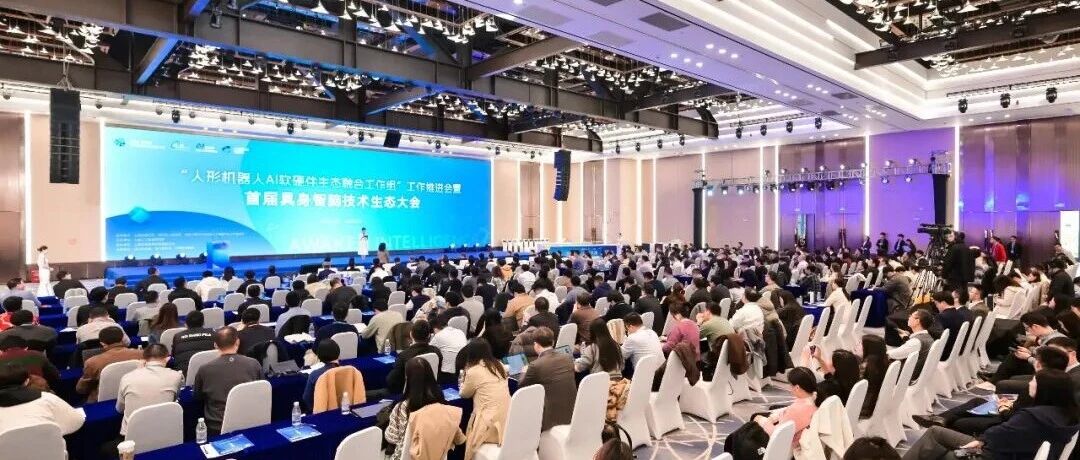
「人形机器人AI软硬件生态融合工作组」工作推进会暨首届具身智脑技术生态大会在沪举行
机器之心· 2026-03-30 04:10
Core Insights - The conference on humanoid robots and AI hardware-software ecosystem integration was held in Shanghai, emphasizing the importance of integrated circuits and AI in modern industrial systems and global value chains [1][3][20] Group 1: Event Overview - The event was organized by Shanghai Jiao Tong University and the Shanghai Minhang District Government, with participation from various industry leaders and academic figures [1][3] - Keynote speeches highlighted the role of integrated circuits and AI in fostering new productive forces and enhancing China's position in the global value chain [3][5] Group 2: Technological Developments - The launch of the domestically produced "ZhiNeng T" series of humanoid robots was announced, showcasing advancements in core technologies such as architecture, perception processing, motion control, and AI foundations [6][19] - The conference included discussions on the evolution from perceptual intelligence to cognitive intelligence, outlining the technological leap necessary for future developments [17][20] Group 3: Strategic Initiatives - Several milestone initiatives were launched, including the establishment of standards for AI hardware-software collaboration and a global ecosystem co-construction plan [10][11] - Strategic partnerships were formed to enhance collaboration within the ecosystem, focusing on integrating hardware and software for humanoid robots [13][15] Group 4: Industry Dialogue - A peak dialogue session addressed the transition of robots from being "body without brain" to "brain and body strong," discussing the industrialization path for this evolution [19] - Roundtable discussions focused on the integration of technology and supply chains, emphasizing the need for collaborative standards and ecosystem synergy [20]
异动盘点0330 | 电力股全线走低,威高股份绩后重挫逾15%;贵金属板块走强,Argan绩后暴涨37.91%
贝塔投资智库· 2026-03-30 04:00
Group 1: Stock Performance and Market Reactions - Power stocks declined across the board, with Huadian International down 5.86%, Longyuan Power down 3.62%, Huaneng International down 1.98%, and China Resources Power down 2.15% [1] - Shoucheng Holdings fell nearly 6% after reporting a revenue of HKD 1.437 billion for 2025, an increase of 18.24% year-on-year, and a proposed final dividend of HKD 0.0047 per share [1] - Meili Tianyuan Medical Health dropped over 11% post-earnings, with a year-to-date decline exceeding 30%, despite reporting a revenue of approximately CNY 3 billion, a 16.7% increase year-on-year [2] - Brilliance China experienced a drop of over 10%, reporting a revenue of CNY 1.182 billion for 2025, a 7.84% increase, but a net profit decline of 35.97% [2] - Photovoltaic stocks fell sharply, with Xinte Energy down 6.09% and Junda Co. down 5.04%, following the announcement of a 9% VAT export tax rebate cancellation on solar products [2] Group 2: Company Earnings and Financial Results - Muyuan Foods reported a revenue of CNY 144.145 billion for the year, a slight increase of 4.49%, but a net profit decline of 13.39% [3] - Yadea Holdings saw a rise of over 5% after announcing expected net profits of no less than CNY 2.9 billion for 2025, compared to CNY 1.27 billion in 2024 [3] - CRRC Corporation reported a revenue of CNY 273.063 billion for 2025, a 10.79% increase, but a net profit increase of only 6.40% [4] - Angelalign reported a total case count of 532,400 for 2025, a 48.1% increase, with revenue rising 37.8% to USD 370 million and net profit increasing 163% to USD 26.3 million [4] - Weigao Group's revenue was approximately CNY 13.389 billion, a 2.3% increase, but net profit fell by 22% [4] Group 3: Market Trends and Economic Indicators - Precious metals sector strengthened, with Coeur Mining up 5.94% and Pan American Silver up 4.13%, as gold prices surged over 3% to USD 4,538.25 per ounce [5] - Argan's stock surged 37.91% after reporting Q4 revenue of USD 262.1 million, exceeding market expectations [5] - Unity Software rose 13.54% after strong Q1 2026 financial performance expectations, with projected revenue between USD 505 million and USD 508 million [6] - AstraZeneca's stock increased by 2.74% following the approval of a new treatment for breast cancer in China [8] - Major U.S. indices opened lower, with the Nasdaq down 0.8%, as concerns about economic downturns increased due to geopolitical tensions [8]