
美国经济

Search documents
COMEX黄金保持回落 戴利认为美国经济仍然"稳健"
Jin Tou Wang· 2025-05-15 04:01
Group 1 - The San Francisco Fed President Daly observed significant economic performance disparities across different regions in the U.S., with Las Vegas concerned about reduced international tourism, while states like Utah and Alaska maintain robust economic activity [3] - The Federal Reserve appears to be in a "divided" state regarding the economic outlook, with Daly expressing optimism about the economy's strength and declining inflation, while Vice Chair Jefferson warns of declining confidence among businesses and households [3] - Jefferson highlighted that if Trump's tariff policies continue to escalate, it could hinder the decline in inflation and potentially lead to rising prices again, indicating increasing uncertainty within the Fed regarding future economic conditions [3] Group 2 - COMEX gold prices are currently trading at $3155.90 per ounce, reflecting a decline of 0.78%, with a daily high of $3195.60 and a low of $3150.90 [4] - The short-term resistance levels for COMEX gold are identified between $3358 and $3368, while support levels are noted between $3130 and $3140 [4]
美国经济:现状、挑战与未来展望
Sou Hu Cai Jing· 2025-05-14 15:16
Economic Growth - The US economy shows resilience with a 2.8% annualized GDP growth rate in Q3 2024, down from 3% in Q2, indicating stable expansion despite challenges [3] - Consumer spending, a key growth driver, is slowing due to high interest rates and cautious sentiment, while sectors like technology and healthcare are performing well [3] - Economic recovery is uneven across regions, with urban centers rebounding quickly while rural areas and small towns struggle due to insufficient investment and slow job creation [3] Inflation - Inflation remains a concern, with the Consumer Price Index (CPI) rising 2.6% over the past 12 months as of October 2024, up from 2.4% in September [5] - Energy prices are stabilizing, but housing and healthcare costs continue to pressure household budgets [5] - The Federal Reserve's aggressive interest rate hikes have somewhat curbed inflation, with the current benchmark rate at 4.50%-4.75%, but high rates are also suppressing business investment and consumer spending [5] Labor Market - The US labor market shows signs of cooling, with an unemployment rate of 4.1%, slightly above historical lows, while overall employment remains strong [7] - Wage growth is moderating, easing inflationary pressures, but certain sectors like technology and construction still see high wage increases [7] - Labor force participation remains below pre-pandemic levels, particularly among older workers and caregivers, with 8 million job vacancies and only 6.8 million unemployed [7] Consumer Behavior - Consumers are becoming more cautious in a high-interest-rate environment, with rising borrowing costs making large purchases less attainable [9] - Credit card debt has surpassed $1 trillion, and reduced savings and high prices are further eroding consumer confidence [9] - Retail performance is mixed, with consumers prioritizing essential goods and cutting back on discretionary spending, as seen in Target's underwhelming performance despite discount strategies [9] Housing Market - The US housing market faces challenges with high mortgage rates cooling demand, as 30-year fixed mortgage rates exceed 7% [12] - Although home prices are stabilizing, mortgage payments consume a larger share of disposable income compared to previous years, highlighting affordability issues [12] - The rental market remains stable with limited supply driving up rents, adding to household burdens, while policymakers focus on affordable housing reforms [12] Global Factors - Global economic conditions significantly impact the US economy, with geopolitical tensions disrupting supply chains and increasing costs for businesses [15] - Emerging markets present opportunities for US exports, particularly in high-tech and agricultural products, as companies seek to diversify risks [15] - However, rising trade protectionism and policy uncertainties pose challenges to US trade and investment [15]

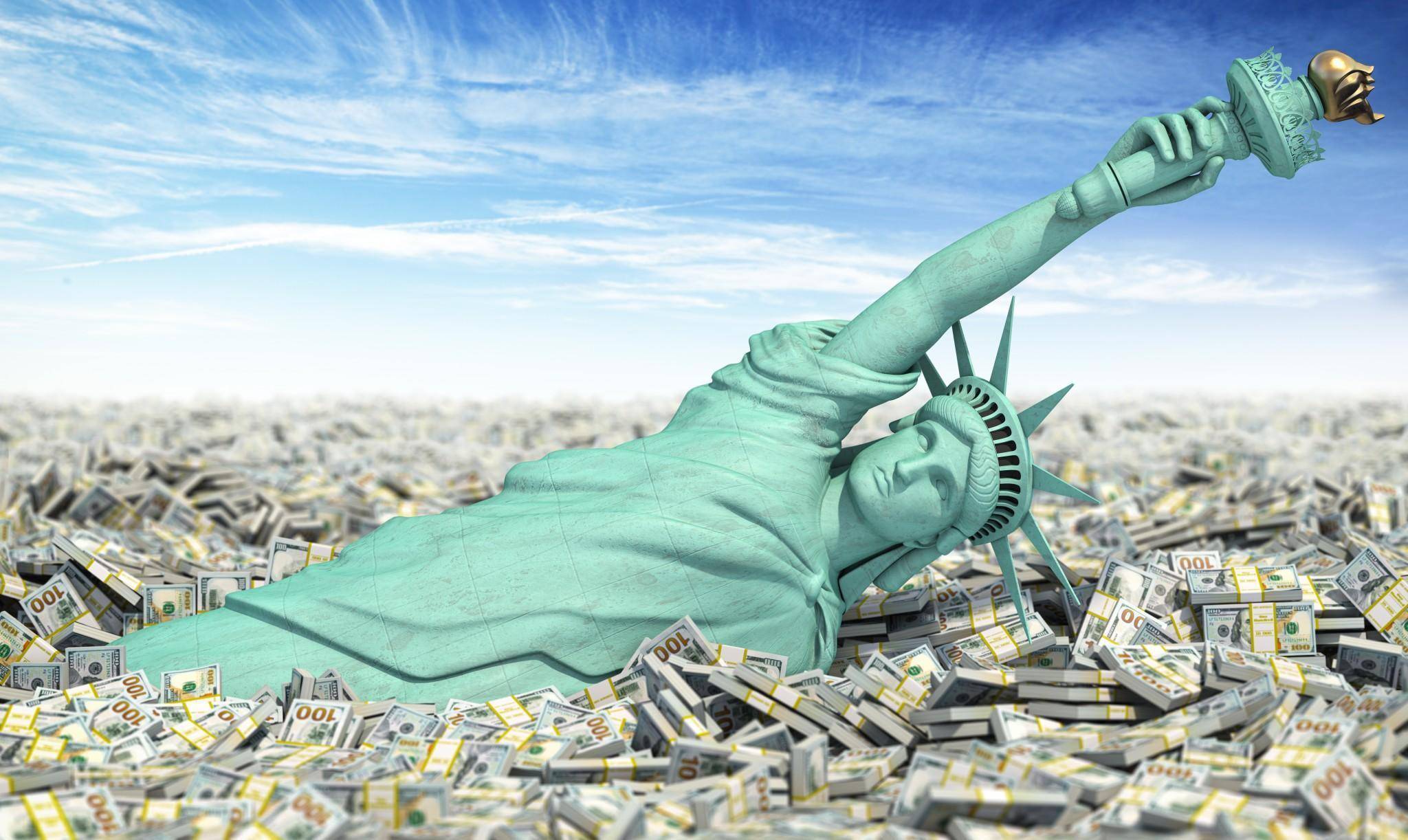
华桥汇利(中国)投资基金管理有限公司:虽然关税下调,但美国通胀压力仍未减轻!
Sou Hu Cai Jing· 2025-05-14 02:18
Core Viewpoint - The new tariff policy may continue to have profound impacts on the U.S. economy, potentially increasing inflation and slowing economic growth despite recent trade tensions easing [1][8]. Group 1: Tariff Policy Impacts - Tariffs act as a negative supply shock, leading to price increases and potentially reducing consumer demand, which could slow economic growth [3]. - The current tariff levels in the U.S. remain significantly higher than the average over the past few decades, indicating ongoing economic pressure even with temporary adjustments [1][8]. Group 2: Economic and Employment Effects - The negative effects of supply shocks from tariffs may not be fully offset by weakened demand, which could also hinder job market conditions, making it harder for job seekers [3]. - Many Americans are reassessing major life decisions, such as marriage, childbirth, and home buying, due to economic uncertainties, with about 60% indicating that the economic situation has impacted their life goals [5]. Group 3: Monetary Policy Stance - The Federal Reserve's decision to maintain the benchmark interest rate is deemed necessary due to ongoing inflation risks, with the monetary policy prepared to respond to future economic changes [5].
美国总统特朗普:(潜在的)税收法案有望推动美国经济腾飞。
news flash· 2025-05-13 15:44
Core Viewpoint - The potential tax reform is expected to significantly boost the U.S. economy [1] Group 1 - The tax reform proposed by President Trump is seen as a catalyst for economic growth in the United States [1]
分析师:4月CPI报告对美债市场来说是一份不错的报告
news flash· 2025-05-13 12:45
分析师:4月CPI报告对美债市场来说是一份不错的报告 金十数据5月13日讯,AmeriVet Securities美国利率交易和策略主管Gregory Faranello表示,总的来说,相 对于最近美债收益率的上升,这份CPI报告对债券市场来说是一份不错的报告,而且我们可能需要几个 月的时间才能对美国经济有一个更清晰的了解。交易前景仍然是美联储有降息空间,尽管短期内持谨慎 态度。 ...
张瑜:美国经济的上行or下行风险有哪些?——美国一季度GDP点评
一瑜中的· 2025-05-09 13:17
Core Viewpoint - The future downward and upward pressures on the U.S. economy's internal demand are identified, with downward pressures stemming from tariffs, wealth effect deterioration, and potential financial market contagion, while upward pressures are linked to private investment and Fed rate cuts [2][12]. Group 1: Tariffs as a Downward Uncertainty Source - Tariffs are the largest source of uncertainty for economic downturns, significantly impacting U.S. import demand and consequently global trade [4][14]. - The U.S. accounts for 16% of global imports (excluding intra-EU trade) and approximately one-third of global final consumption goods imports, indicating its critical role in global trade dynamics [4][14]. - A negative growth of over 5% in U.S. import growth could exert substantial pressure on the global economy, necessitating close monitoring of the impact of tariffs on U.S. imports [4][19]. Group 2: Consumer Spending Risks - The wealth effect of U.S. residents is highly sensitive to stock market performance, with a potential decline in consumer spending resilience if the stock market continues to fall [6][26]. - A 10.4% drop in the Nasdaq index in Q1 2024 could lead to a reduction in excess wealth by 27%-61%, with further declines potentially exacerbating this effect [6][26]. - The outlook for disposable cash flow is bleak, with a projected 4.5% year-on-year increase in wage income for 2025, slightly below 2024's 4.8% [7][30]. Group 3: Financial Market Risks - The U.S. financial market is currently facing multiple risks, including liquidity issues and high leverage, which could amplify market volatility and impact the economic fundamentals [8][36]. - Political uncertainties, such as tariffs, may further exacerbate financial market fluctuations, posing additional risks to economic growth [8][36]. Group 4: Private Investment as an Upward Risk - Following the Fed's rate cuts, real estate investment is expected to stabilize within 1-2 years, typically leading economic recovery [9][40]. - Major U.S. tech companies are increasing their capital expenditures, with a 19% upward revision in 2025 capital spending expectations compared to earlier forecasts [9][46].

美联储FOMC声明及主席鲍威尔新闻发布会要点总结:年内第三次维持利率决议不变 鲍威尔重申美联储无需急于降息
news flash· 2025-05-07 19:26
美联储FOMC声明及主席鲍威尔新闻发布会要点总结:年内第三次维持利率决议不变 鲍威尔重申美联 储无需急于降息 ②鲍威尔表示,美联储不需要急于调整利率。 ③鲍威尔表示,美联储的政策是适度限制的。 ④鲍威尔表示,特朗普要求降息的呼吁完全不影响美联储的工作。 ⑤被问及3月预期两次降息时,鲍威尔表示,现在不能做出预测,要等到6月份。 二、通胀方面 ①FOMC声明显示,委员会判断失业率和通胀上升的风险已经加剧。 ②FOMC声明显示,通胀仍然处于略高企水平。 ③鲍威尔表示,通胀已经大幅度下降。 ④鲍威尔表示,短期通胀预期有所上升,长期通胀预期与目标保持一致。 ⑤鲍威尔表示,美联储有义务稳定通胀预期。 ⑥鲍威尔表示,失业率上升和通胀上升的风险已经上升,但还没有出现在数据中。 三、美国经济 ①FOMC声明显示,美国经济前景不确定性进一步增加。 ②FOMC声明显示,经济活动继续以稳健的步伐扩张。 ③鲍威尔表示,经济处于稳健状态。 ④鲍威尔表示,贸易的异常波动使衡量GDP变得复杂。 ⑤鲍威尔表示,经济路径的不确定性极高,下行风险已增加。 ⑥鲍威尔表示,GDP数据的波动不会真正改变美联储的处境。 四、金融市场 ①FOMC声明显示, ...