资本运作

Search documents
国资“割肉”离场 民企拟溢价接盘中晟高科
Shang Hai Zheng Quan Bao· 2025-07-22 18:16
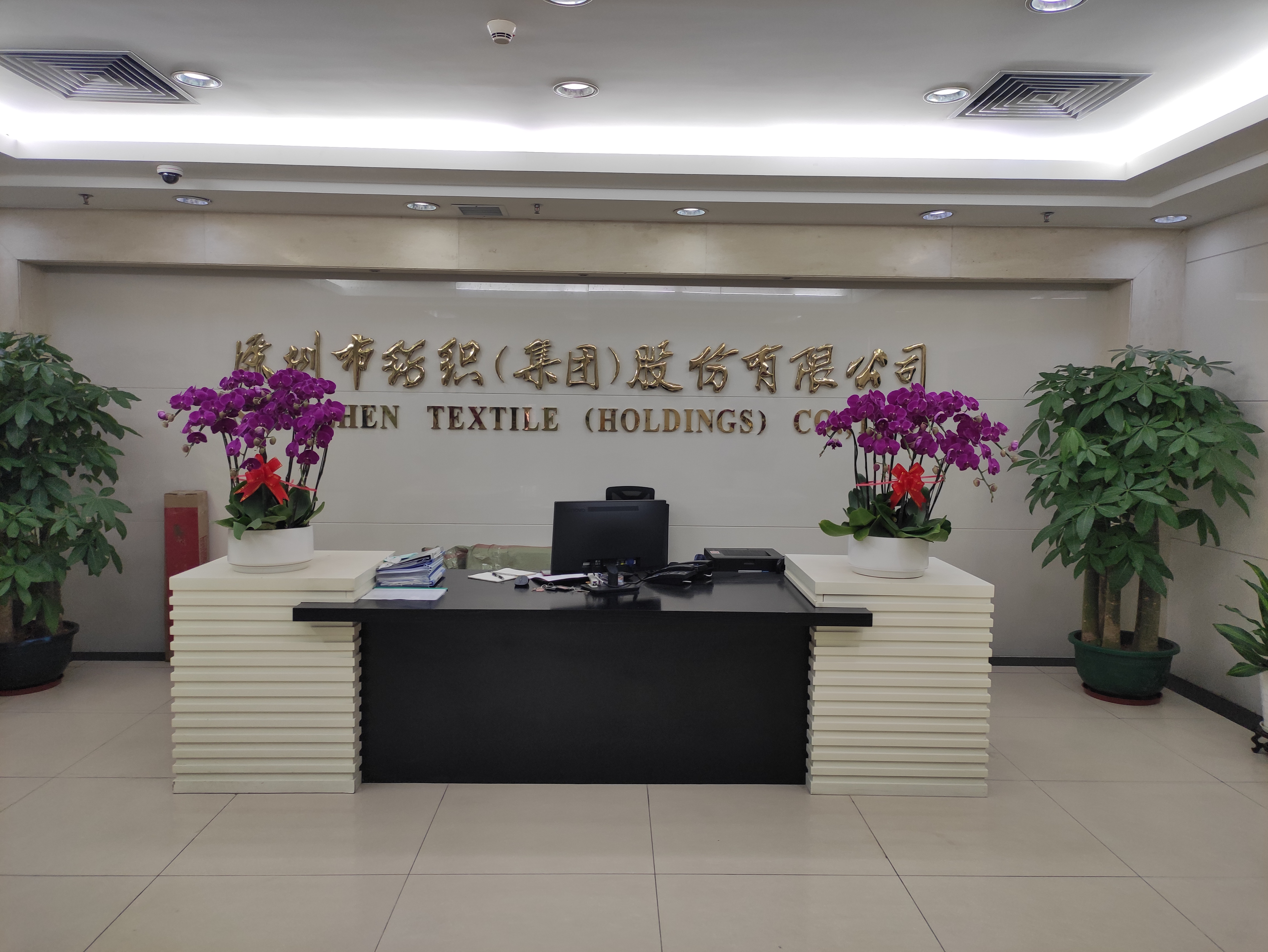
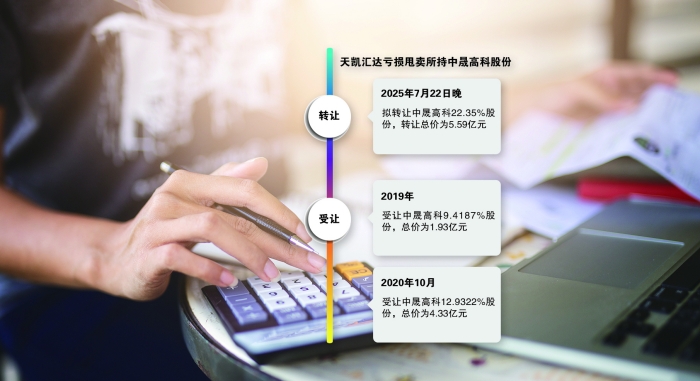
Core Viewpoint - The capital drama of state-owned asset loss and private enterprise premium acquisition is unfolding at Zhongsheng High-Tech, with a significant change in control and ownership structure [2][5]. Group 1: Ownership Change - On July 22, Zhongsheng High-Tech announced a change in control, with its major shareholder, Suzhou Wuzhong Financial Holdings Group Co., Ltd. (Wuzhong Jinkong), transferring 22.35% of its shares to Fuzhou Qianjing Investment Co., Ltd. for a total price of 559 million yuan, at a price of 20.04 yuan per share [2][4]. - Following this transaction, the controlling shareholder will shift from Wuzhong Jinkong to Fuzhou Qianjing, with the actual controllers being Weng Shengjin and He Cong [2][3]. Group 2: Financial Performance - Zhongsheng High-Tech has been struggling with continuous losses, reporting net profits of -35.39 million yuan in 2022, -155 million yuan in 2023, and an estimated -170 million yuan in 2024 [5]. - The company's asset-liability ratio was reported at 71.5% at the end of 2024, indicating high debt levels and potential liquidity risks [5][6]. - As of December 31, 2024, the company had accounts receivable of 540 million yuan, with a bad debt provision of 121 million yuan, resulting in a bad debt provision ratio of 22.41% [6]. Group 3: Historical Context - The previous ownership change occurred in January 2020, when Xu Hanxiang transferred 7.064% of shares to Wuzhong Jinkong at a price of 31.42 yuan per share, totaling 198 million yuan [7]. - Wuzhong Jinkong and its affiliate Tian Kai Huida acquired a total of 22.3509% of shares for 626 million yuan, and are now selling these shares for 559 million yuan, indicating a significant loss [8]. Group 4: Related Transactions - In July 2020, Zhongsheng High-Tech acquired 70% of Suzhou Zhongsheng Environmental Restoration Co., Ltd. for 631 million yuan, with a valuation increase of 386.03%, but this asset has since reported losses [9]. - The company has a history of complex capital operations, including premium acquisitions and asset disposals, raising questions about potential hidden agreements [12].


日播时尚14亿元跨界收购实控人持股资产 是否构成借壳有待考证
Xin Lang Zheng Quan· 2025-07-22 08:33
Core Viewpoint - The acquisition of 71% stake in Yindile by Ribor Fashion for 1.42 billion yuan is seen as a crucial move to improve its financial situation amidst declining performance, with Yindile showing strong profitability [1][2] Group 1: Acquisition Details - Ribor Fashion plans to purchase 71% of Yindile for a total consideration of 1.42 billion yuan, funded through a combination of cash and share issuance [1] - The acquisition is structured as a linked transaction, meaning that if one part fails to receive approval, the other will also not proceed [1] - The valuation of Yindile's total equity is estimated at 2.005 billion yuan, significantly exceeding Ribor Fashion's total assets of 1.037 billion yuan [2] Group 2: Financial Performance - Ribor Fashion reported a net loss of 159 million yuan in 2024, with revenue also declining, highlighting the urgency of the acquisition [1] - Yindile's net profit was 181 million yuan in 2023, projected to grow to 204 million yuan in 2024, indicating a strong financial performance that could benefit Ribor Fashion [1] Group 3: Strategic Implications - The acquisition is part of a broader strategy by Liang Feng, the controlling shareholder, to integrate lithium battery adhesive assets into Ribor Fashion, creating a dual business model of "apparel + lithium battery" [1] - Liang Feng's indirect ownership of 29% of Yindile through Purtai raises questions about potential backdoor listing implications [2] Group 4: Risks and Considerations - The transaction is expected to generate goodwill of 640 million yuan, which poses a risk of impairment if Yindile fails to meet performance targets, potentially impacting Ribor Fashion's financial health [2] - Historical precedents indicate that companies often experience significant performance declines post-acquisition, necessitating caution from investors [2]

“比特币持仓大户”Strategy(MSTR,原名MicroStrategy)有意通过IPO方式出售500万股可变利率A系列永久延长优先股。所得资金将用于比特币和资本运作。
news flash· 2025-07-21 20:14
Core Insights - Strategy (MSTR, formerly MicroStrategy) intends to sell 5 million shares of variable-rate Series A perpetual preferred stock through an IPO [1] - The funds raised will be utilized for Bitcoin investments and capital operations [1] Company Summary - Strategy is focusing on expanding its capital base through the sale of preferred stock [1] - The company aims to leverage the proceeds for further investments in Bitcoin, indicating a strong commitment to cryptocurrency [1] Industry Context - The move reflects a growing trend among companies to raise capital through innovative financial instruments while investing in digital assets [1] - The IPO of preferred stock may attract investors looking for exposure to both traditional equity and cryptocurrency markets [1]

富卫集团四度冲刺终上市 李泽楷保险版图初具规模
Sou Hu Cai Jing· 2025-07-19 02:41
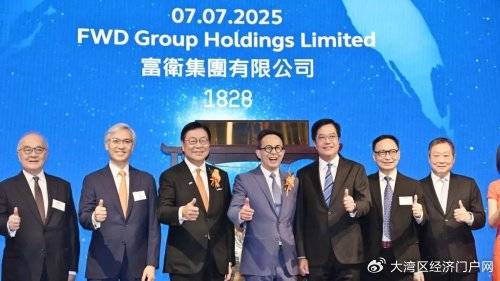
Core Insights - FWD Group has successfully completed its IPO on the Hong Kong Stock Exchange after a challenging journey that included multiple attempts and a significant pivot from a planned US listing [1][3] - The company has expanded its operations over 12 years through acquisitions and organic growth, establishing itself as one of the top five insurance companies in Southeast Asia [3][4] Company Overview - FWD Group was founded by Li Zeqiang, who invested HKD 16.6 billion to acquire ING's insurance businesses in Hong Kong, Macau, and Thailand, marking the beginning of its growth trajectory [3] - The company operates in 10 markets and has a strong competitive position, with over 86% of its new business value coming from participating life, non-participating life, critical illness, and medical insurance in 2024 [3] Financial Performance - Despite impressive performance, FWD Group faces financial pressure with a debt ratio of 87.31% in 2024, primarily due to frequent acquisitions [3] - Fitch Ratings suggests that the IPO could alleviate financial burdens, as proceeds could be used to redeem existing debt instruments, potentially lowering the combined financial leverage ratio to 25% by the end of 2024 [3] Market Position and Future Outlook - The IPO represents a significant milestone for the insurance industry and a new starting point for FWD Group's capital operations [3][4] - With a large protection gap in Southeast Asia and digital advantages, FWD Group is poised to seize new growth opportunities in the insurance market [3][4]
智元机器人21亿控股上纬新材 “蛇吞象”式收购或影响资本市场生态
Zheng Quan Ri Bao· 2025-07-17 01:31
Group 1 - The core viewpoint of the article highlights a significant acquisition in the robotics industry, where Shanghai Zhiyuan New Technology Co., Ltd. acquired 63.62% of the shares of the listed company, Shangwei New Materials Technology Co., Ltd., for 2.1 billion yuan, marking a "snake swallowing elephant" reverse acquisition [1] - This acquisition signifies a shift in capital market dynamics, granting "hard technology" companies like Zhiyuan Robotics greater influence and recognition in capital operations, moving away from traditional reliance on IPOs or mergers for growth [1] - Zhiyuan Robotics has completed 10 rounds of financing in two years, leading to rapid valuation growth and the establishment of joint ventures, effectively creating a technological application ecosystem [1] Group 2 - The success of this acquisition provides a new competitive model of "capital first" for startups in emerging sectors, emphasizing the importance of capital market engagement for sustainable and high-quality development [2] - In the competitive robotics sector, companies that rush to transform to meet capital market demands may risk technological hollowing, while some star startups may face significant challenges due to short-sighted commercial pursuits driven by capital [2] - The article stresses that true winners in emerging sectors like robotics must excel in both technological innovation and capital operations, as both are essential for success [2]

智元机器人“蛇吞象”或影响资本市场生态
Zheng Quan Ri Bao· 2025-07-16 16:26
Group 1 - The core event is the acquisition of 63.62% stake in Shanghai Wei New Material Technology Co., Ltd. by Shanghai Zhiyuan New Technology Co., Ltd. for 2.1 billion yuan, marking a significant reverse acquisition in the robotics industry [1] - This acquisition signifies a shift in capital market dynamics, granting "hard tech" companies like Zhiyuan Robotics greater influence and recognition in capital operations, moving away from reliance on IPOs or being acquired [1] - Zhiyuan Robotics has completed 10 rounds of financing in two years, leading to rapid valuation growth and the establishment of joint ventures, thereby creating a technological application ecosystem [1] Group 2 - The success of this acquisition provides a new competitive paradigm for startups in emerging sectors, emphasizing the importance of capital market engagement for sustainable and high-quality development [2] - Companies in the robotics sector must balance technological innovation with capital operations to avoid pitfalls such as technological hollowing and rushed transformations [2] - The true challenge for Zhiyuan Robotics lies in converting capital momentum into technological advancements, as the market will closely monitor its ability to achieve this [2]

中烟香港20250715
2025-07-16 00:55
Summary of China Tobacco Hong Kong Conference Call Company Overview - **Company**: China Tobacco Hong Kong - **Industry**: Tobacco - **Role**: Overseas capital operation platform for China National Tobacco Corporation, benefiting from policy support and demonstrating stable performance Key Financial Metrics - **Revenue Growth**: Expected compound annual growth rate (CAGR) of 11% from 2018 to 2024, increasing from HKD 7 billion to HKD 13.07 billion [2][9] - **Net Profit Growth**: CAGR of 22% from HKD 260 million in 2018 to HKD 850 million in 2024 [11] - **Return on Equity (ROE)**: Increased from over 20% before 2021 to over 30% by 2024 [9] Business Segments Core Business - **Import and Export**: - Import accounts for over 50% of China's tobacco imports, with revenue expected to reach HKD 8.25 billion in 2024 [8][14] - Export primarily to Southeast Asia and regions like Hong Kong and Macau, accounting for 40-50% of China's tobacco exports [2][8] Growth Business - **New Tobacco Products**: - Heat-not-burn (HNB) products have maintained a CAGR of around 20% over the past six years, with revenue growth from HKD 0.2 million in 2018 to HKD 1.35 million in 2024 [20][21] - HNB market share in non-core markets shows potential for growth, with current penetration at less than 1% [23] Market Positioning - **Unique Position**: The only publicly listed tobacco company within the China Tobacco system, enjoying a monopoly and stable profit margins due to lack of direct competition [4] - **Capital Operation Potential**: Positioned as a platform for international business expansion, with plans for future acquisitions and asset integration [6][30] Recent Developments - **Acquisition of China Tobacco Brazil**: - Revenue growth from HKD 315 million in 2021 to HKD 1.05 billion in 2024, with a CAGR of nearly 50% [5][24] - Expansion into non-China markets and increased tobacco planting area are key growth drivers [25] Challenges and Outlook - **Impact of COVID-19**: - Cigarette export business stagnated from 2021 to 2023 due to the pandemic, but recovery is expected in 2024 [10] - **2025 Forecast**: - Anticipated revenue stability or slight increase, with net profit projected at under HKD 900 million, reflecting a growth rate of about 5% [29] Valuation and Market Sentiment - **Market Valuation**: - Current valuation range estimated between HKD 29.8 to HKD 36.2, with a market cap potential of HKD 20.6 billion to HKD 25.1 billion [30] - **Investment Rating**: Given an "outperform" rating based on growth potential from capital operations and market positioning [30] Additional Insights - **Pricing Strategy**: The company employs a pricing strategy based on procurement costs plus a markup, which has been adjusted in response to market demand [15][18] - **Future Growth Areas**: Significant growth potential in both import/export operations and new tobacco products, with expectations of doubling growth in certain segments [26] This summary encapsulates the key points from the conference call, highlighting the company's financial performance, market positioning, growth opportunities, and challenges ahead.
深康佳A上半年度预亏最高5亿,华润入主能否力挽狂澜?
Guo Ji Jin Rong Bao· 2025-07-15 15:20
Core Viewpoint - Deep Konka A is facing significant financial challenges, with a projected net loss for the first half of 2025, despite a slight improvement in year-on-year loss percentages. The company is struggling in both its consumer electronics and semiconductor businesses, leading to a substantial decline in revenue and profitability [1][2][3]. Financial Performance - As of July 15, Deep Konka A's stock closed at 4.98 CNY per share, down 5.14%, with a market capitalization of 12 billion CNY [1]. - The company expects a net loss of 360 million to 500 million CNY for the first half of 2025, a year-on-year improvement of 54.03% to 66.90% [1]. - For 2024, the total revenue was 11.115 billion CNY, a decrease of 37.73% from 17.849 billion CNY in 2023, with a net loss of 3.296 billion CNY, widening by 52.31% year-on-year [2][3]. - The consumer electronics segment generated 10.137 billion CNY in revenue, accounting for 91.2% of total revenue, but showed a slight decline of 0.67% year-on-year [3]. Business Challenges - The consumer electronics sector is experiencing intensified competition, and the launch of new products has not met expectations, leading to a mismatch with national subsidy policies [1]. - The semiconductor business is still in its early stages of industrialization, with revenue plummeting by 94.99% from 340 million CNY to 170 million CNY, contributing only 1.53% to total revenue [3]. - The company's asset-liability ratio reached a record high of 92.65% by the end of 2024, indicating significant debt pressure [3]. Strategic Developments - In 2023, Deep Konka A announced a new development strategy focusing on consumer electronics and semiconductors, but the operational situation continues to deteriorate [2]. - The company has undergone a significant change in ownership, with the largest shareholder transferring 30% of its shares to two wholly-owned subsidiaries of China Resources, which may impact future strategic direction [4][5]. - An industry observer noted that this could be a critical transformation opportunity for the company, emphasizing the need for effective resource allocation and reform measures from the new controlling entity [5].

河北前首富没牌硬打
3 6 Ke· 2025-07-15 04:04
Core Viewpoint - Wang Yusuo, a low-profile business tycoon from Hebei, is systematically advancing the A+H market listing plan for his assets, with New Hope Holdings planning to privatize its Hong Kong-listed subsidiary, New Hope Energy, and subsequently proceed with an IPO in Hong Kong [1][3]. Group 1: Company Strategy and Financials - New Hope Energy will be privatized at a ratio of 1 share of New Hope Energy for 2.9427 shares of newly issued H-shares of New Hope Holdings, plus HKD 24.50 in cash [1]. - The introduction listing method allows New Hope Holdings to bypass the traditional IPO process, shortening the listing timeline, but does not involve new share issuance or capital raising [1][5]. - New Hope Holdings claims to have sufficient cash on hand, but the market's confidence in its financial strength remains to be validated [2][3]. - The privatization transaction is valued at approximately HKD 600 billion, which is nearly 90% of New Hope Energy's market value of HKD 673 billion [11]. - If the cash portion of the transaction is fully financed through borrowing, the company's debt-to-asset ratio will increase from 54.3% to 67.08% [11]. - New Hope Holdings reported a significant decline in net profit, down 36.64% year-on-year, indicating financial strain amid a downturn in the natural gas industry [11][15]. Group 2: Market Position and Challenges - New Hope Holdings is the largest private gas company in China, serving over 31.38 million households and more than 270,000 enterprises across 261 urban gas projects [6][14]. - The company has faced challenges due to the sluggish real estate market, which has adversely affected its gas business and overall revenue [3][15]. - Revenue has decreased from CNY 1,438.42 billion to CNY 1,359.1 billion from 2023 to 2024, with a continued decline in the first quarter of 2025 [15]. - The stock prices of both New Hope Holdings and New Hope Energy have been stagnant, with New Hope Energy's stock price dropping significantly since its peak in August 2021 [4][18]. Group 3: Diversification and Future Outlook - Wang Yusuo has attempted diversification through various ventures, including the establishment of multiple listed companies, but these have not performed well [19][22]. - New Hope Holdings is expected to leverage its capital operations to stimulate asset appreciation, despite the financial burdens associated with the privatization of New Hope Energy [9][24]. - The company aims to achieve integration of upstream and downstream operations, enhancing its market position [5][6]. - The potential for H-shares to trade at a premium in the Hong Kong market remains uncertain, as many gas stocks are currently trading at significant discounts compared to their A-share counterparts [24].
受产品价格下降等因素影响,深纺织A H1净利润同比预降4.31%-36.2%
Ju Chao Zi Xun· 2025-07-14 02:27
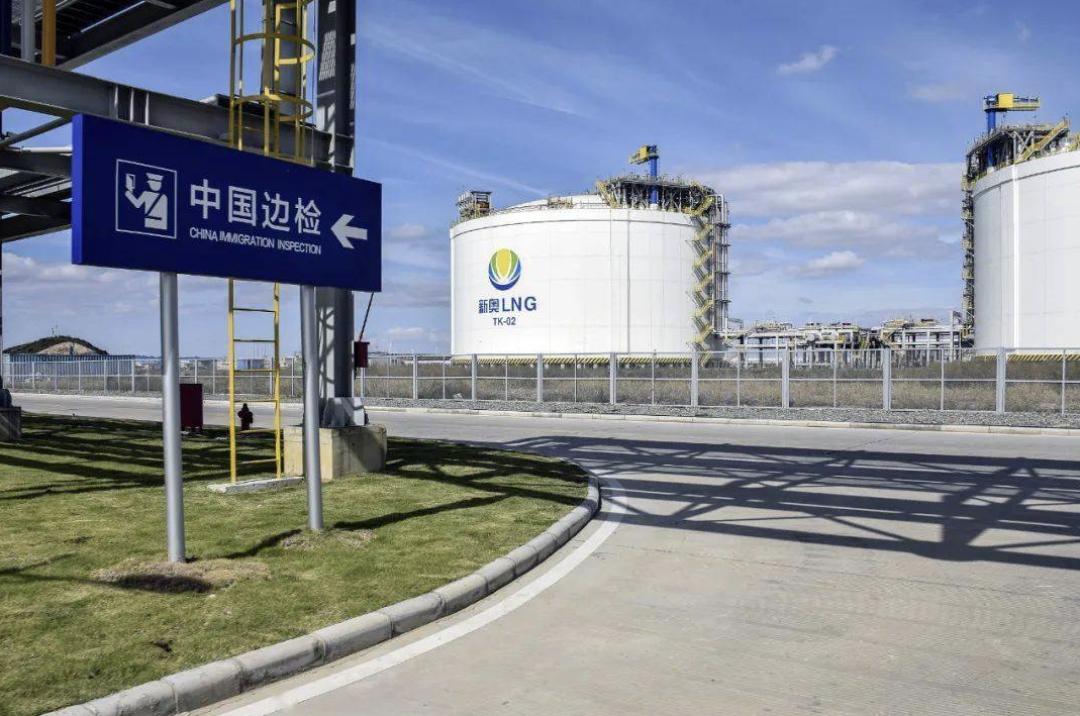
Core Viewpoint - Deep Textile A has forecasted a decline in net profit for the first half of 2025, attributing this to various factors including product price drops and increased procurement costs due to currency fluctuations [5]. Financial Performance Summary - The expected net profit attributable to shareholders is projected to be between 28 million and 42 million yuan, representing a year-on-year decrease of 4.31% to 36.2% [5]. - The expected net profit after deducting non-recurring gains and losses is estimated to be between 20 million and 30 million yuan, reflecting a decline of 14.89% to 43.26% compared to the previous year [5]. - The basic earnings per share are forecasted to be between 0.0553 yuan and 0.0829 yuan [5]. - In the same period last year, the net profit attributable to shareholders was 43.89 million yuan, and the net profit after deducting non-recurring items was 35.26 million yuan [5]. Factors Affecting Performance - The decline in profitability is attributed to several factors: a decrease in product prices, an increase in procurement costs due to a rising yen exchange rate, and increased R&D investments [5]. - Non-recurring gains and losses are expected to impact net profit by approximately 9.74 million yuan, primarily from fair value changes in bank wealth management products held by the company [5]. Business Overview - Deep Textile A, listed in 1994, initially focused on textile business but has shifted to high-tech industries, primarily in the R&D, production, and sales of polarizers for OLED and LCD displays, as well as property management and textile clothing businesses [5]. Future Growth Drivers - The company identifies several drivers for future profit growth: 1. Accelerating technological innovation and optimizing product structure to increase the proportion of high-margin products like large-size LCD polarizers and advanced polarizers for OLED and automotive applications [6]. 2. Enhancing production capacity and reducing costs through improvements in production line speed and yield, as well as lean management practices [6]. 3. Strengthening strategic leadership and capital operations to innovate and upgrade business, while exploring upstream materials and advanced new materials [6].