
未来产业

Search documents
2025年我国规模以上工业增加值同比增长5.9% 制造业规模有望连续16年保持全球第一
Yang Guang Wang· 2026-01-22 01:02
Core Insights - The Chinese government aims for a 5.9% year-on-year growth in industrial added value by 2025, with the manufacturing sector expected to maintain its position as the world's largest for 16 consecutive years [1][2] - The industrial and information technology sectors are projected to contribute over 40% to economic growth, reinforcing their role as a stabilizing force in the economy [1] Group 1: Industrial Growth - The added value of major equipment manufacturing and high-tech manufacturing is expected to grow by 9.2% and 9.4% year-on-year, respectively, outpacing overall industrial growth by 3.3 and 3.5 percentage points [1] - The government emphasizes the importance of supporting industrial provinces to drive stable industrial economic growth [1] Group 2: Emerging Industries - Significant breakthroughs in major equipment such as ultra-large diameter shield machines and heavy-duty gas turbines are noted, with artificial intelligence providing strong momentum for industrial growth [1] - The first phase of 6G technology trials has resulted in over 300 key technology reserves, indicating a focus on nurturing emerging pillar industries [1] Group 3: Future Industries and SMEs - The government plans to implement strategic major technology projects and support the establishment of future industry pilot zones, aiming to create a competitive environment for future industries nationwide [2] - The competitive ecosystem for key sectors like new energy vehicles and photovoltaics continues to improve, with 5G and gigabit optical networks integrated into 91 out of 97 national economic categories [2] - Over 140,000 specialized and innovative small and medium-sized enterprises (SMEs) have been cultivated, with high-tech enterprises reaching 504,000 [2] Group 4: Policy and Support for SMEs - A plan to promote SME development during the 14th Five-Year Plan period has been established, focusing on ensuring timely payments to SMEs and preventing new debts [2] - The government aims to revise SME classification standards to enhance the precision and effectiveness of policy support [2]
工信部回应如何平衡AI带来的就业挑战
Xin Lang Cai Jing· 2026-01-21 22:38
Core Insights - The State Council's press conference highlighted that by 2025, the industrial and information sectors will contribute over 40% to economic growth, acting as a stabilizing force for the economy [1] - The Ministry of Industry and Information Technology (MIIT) has outlined new strategies for the development of emerging and future industries, emphasizing the transformation of innovative ideas into market-ready products [1][2] Group 1: Emerging Industries - A number of high-innovation products are emerging, including advanced technologies in perovskite materials, permanent magnets, and power batteries, which are at the international advanced level [1] - New products with promising applications, such as intelligent robots and biomanufacturing products, are rapidly entering the market, supported by new scenarios like "5G+", "Industrial Internet+", and "Beidou+" [1][2] - The MIIT aims to foster a competitive environment for future industries by supporting local governments in establishing pilot zones and increasing government investment funds [2] Group 2: AI and Employment - By 2025, the number of domestic complete machine enterprises is expected to exceed 140, with over 330 humanoid robot products released, marking 2025 as the year of mass production for humanoid robots [3] - The MIIT acknowledges the employment challenges posed by AI development but emphasizes that technological progress will lead to job restructuring rather than job loss, advocating for the enhancement of AI literacy among workers [3] Group 3: Information Communication Services - The MIIT has launched ten initiatives to improve information communication services, resulting in more convenient telecom services and better protection of user rights [4] - Future efforts will focus on enhancing digital service offerings, promoting user-friendly digital products for the elderly and disabled, and improving personal information protection mechanisms [4]


“压舱石”作用凸显 工业经济锻造发展新动能
Xin Lang Cai Jing· 2026-01-21 20:32
Group 1: Emerging Industries and Future Development - The Ministry of Industry and Information Technology (MIIT) will implement actions to develop and strengthen emerging industries, creating new momentum for economic growth during the "14th Five-Year Plan" and beyond [1] - MIIT plans to establish national demonstration bases for emerging industry development and promote large-scale application of new technologies, products, and scenarios in manufacturing [1] - The focus will be on cultivating intelligent factories, with over 70% of their business scenarios currently incorporating artificial intelligence, leading to the development of over 6,000 vertical models and more than 1,700 key intelligent manufacturing equipment and software applications [1] Group 2: Smart Manufacturing and Industry Transformation - The next steps include deepening the implementation of smart manufacturing projects and nurturing a gradient of intelligent factories, while supporting leading enterprises to explore future manufacturing models [2] - There is a call for increased support for artificial intelligence, advanced manufacturing, new energy, and future industries, with an emphasis on the deep application of technologies like large models and industrial internet in manufacturing [2] Group 3: Support for Small and Medium Enterprises (SMEs) - SMEs are recognized as a crucial support for economic resilience, with a projected 6.9% year-on-year increase in the added value of SMEs in the industrial sector by 2025 [3] - The MIIT will continue to improve the policy and regulatory framework, as well as public service systems, to promote the high-quality development of SMEs [3] - A "15th Five-Year Plan" will be developed to enhance the business environment for SMEs, including measures to ensure timely payment and support for specialized and innovative SMEs [3]
募资5亿元 无锡梁溪科技城斩获全国首单未来产业专项科创债
Zhong Guo Jing Ying Bao· 2026-01-21 17:09
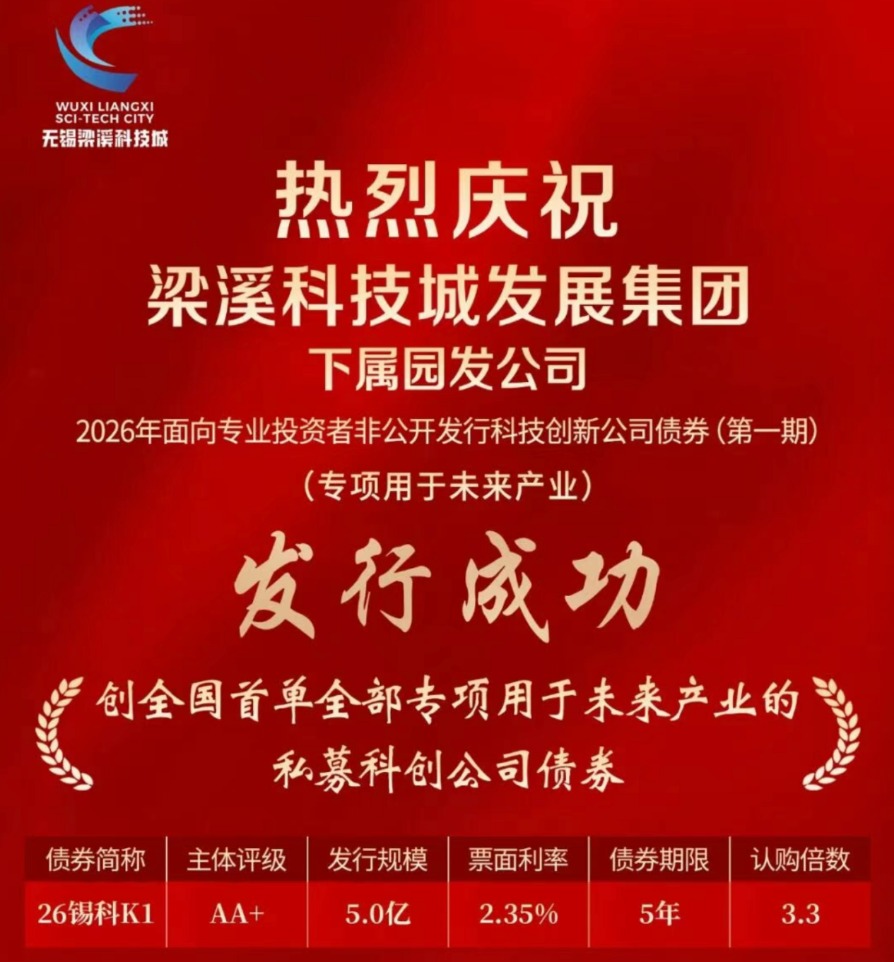
全国首单"募集资金全部专项用于未来产业的私募科创公司债券"在江苏省无锡市诞生。 "梁溪科技城集团将持续深化与各类金融机构的战略合作,拓宽多元化融资渠道,创新金融服务产业模式,以资本活水浇灌创 新沃土,为梁溪科技城打造未来产业新高地、推动经济高质量发展注入源源不断的新活力。"梁溪科技城集团相关负责人表 示。 记者在采访中了解到,作为布局前沿和培育新增长点的战略方向,梁溪科技城已在部分未来产业赛道上形成了先发优势。 以位于无锡市梁溪区的无锡市低空经济运营展示中心为例,该中心由无锡市交通运输局、梁溪区、梁溪科技城联合打造,是无 锡市低空经济产业对外展示窗口,也是无锡市与苏州市、常州市联合申报共建的"环太湖民用无人驾驶航空试验区"重要组成部 分。 其中,低空经济产业展示中心为无锡市低空经济发展的产业窗口,集中展示了"六大集聚产业园区"空间布局,系统梳理覆盖无 锡市全产业链的134家上下游企业名录,同步呈现苏南低空经济与数字城市研究中心等多家产学研平台载体及包括梁溪劳埃德 翱飞基金在内的29只低空产业基金,全面呈现无锡市"贯通上下游、构建全链条"的产业生态闭环,致力打造集政策宣导、科普 教育、体验交互功能于一体的产业新 ...
工业和信息化部:创建国家新兴产业发展示范基地 加快培育新兴支柱产业
Zheng Quan Ri Bao· 2026-01-21 16:26
Core Insights - The development of the industrial and information sector in China by 2025 is characterized by four key features: stability, progress, new momentum, and vitality [1] Group 1: Industrial Growth - The added value of industrial enterprises above designated size is expected to grow by 5.9% year-on-year in 2025, with the manufacturing sector maintaining a stable share of GDP [1] - The added value of equipment manufacturing and high-tech manufacturing is projected to increase by 9.2% and 9.4% year-on-year, respectively, outpacing the overall industrial growth by 3.3 and 3.5 percentage points [1] - The production of industrial robots is anticipated to rise by 28% year-on-year, while new energy vehicle sales are expected to reach 16.49 million units, reflecting a year-on-year growth of 28.2% [1] Group 2: Emerging Industries - The added value of industries such as integrated circuits and electronic special materials is forecasted to grow by 26.7% and 23.9% year-on-year, respectively [1] - The government plans to implement actions to develop and strengthen emerging industries, including the establishment of national demonstration bases for emerging industry development [1] Group 3: Support for SMEs - The government aims to optimize the business environment for small and medium-sized enterprises (SMEs) by implementing a development plan for SMEs during the 14th Five-Year Plan period [2] - A three-year action plan will be initiated to cultivate more specialized and innovative SMEs, along with the establishment of specialized empowerment centers [2] - The government will enhance public services for SMEs, focusing on market expansion, digital empowerment, financing, talent development, management improvement, and international cooperation [2]
2025年河南规上工业增加值同比增长8.4%
Zhong Guo Xin Wen Wang· 2026-01-21 12:46
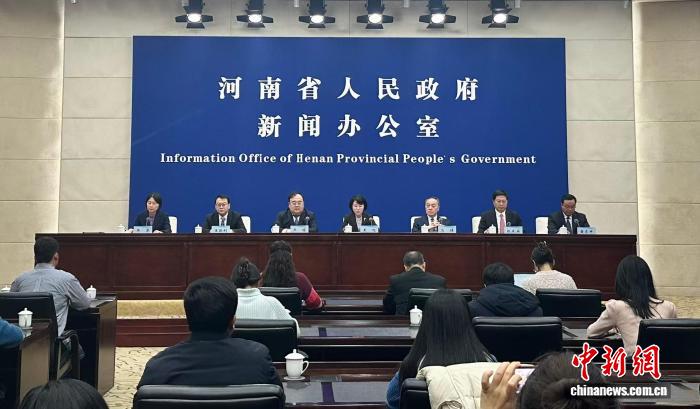
2025年河南规上工业增加值同比增长8.4% 中新网郑州1月21日电 (王佳宁)河南省政府新闻办21日举行新闻发布会通报称,2025年该省规上工业增 加值同比增长8.4%、工业投资同比增长13.3%,其中"7+28+N"产业链群对规上工业增长贡献率超七成。 图为新闻发布会现场。王佳宁 摄 中新经纬版权所有,未经书面授权,任何单位及个人不得转载、摘编或以其它方式使用。 关注中新经纬微信公众号(微信搜索"中新经纬"或"jwview"),看更多精彩财经资讯。 在智能化改造方面,该省2025年新培育卓越级智能工厂16家、省级智能工厂和车间323个,新培育数字 领航企业12家,建成工业大模型15个,实现规上工业企业智能应用场景全覆盖。在绿色转型方面,该省 2025年新培育省级零碳工厂24个、超级能效工厂14个、绿色工厂467个、绿色工业园区22个,单位工业 增加值能耗同比下降8.3%。 此外,通过实施培育壮大新兴产业行动,河南高技术制造业、战略性新兴产业增加值同比分别增长 16.6%、13%,新能源汽车产量超75万辆,超高速机床主轴轴承、6-8英寸晶圆级金刚石散热片等一批重 大技术取得突破。通过实施培育发展未来产业行动 ...
事关6G、人形机器人、中小企业,2026年工信领域将有哪些新动作
Sou Hu Cai Jing· 2026-01-21 10:57
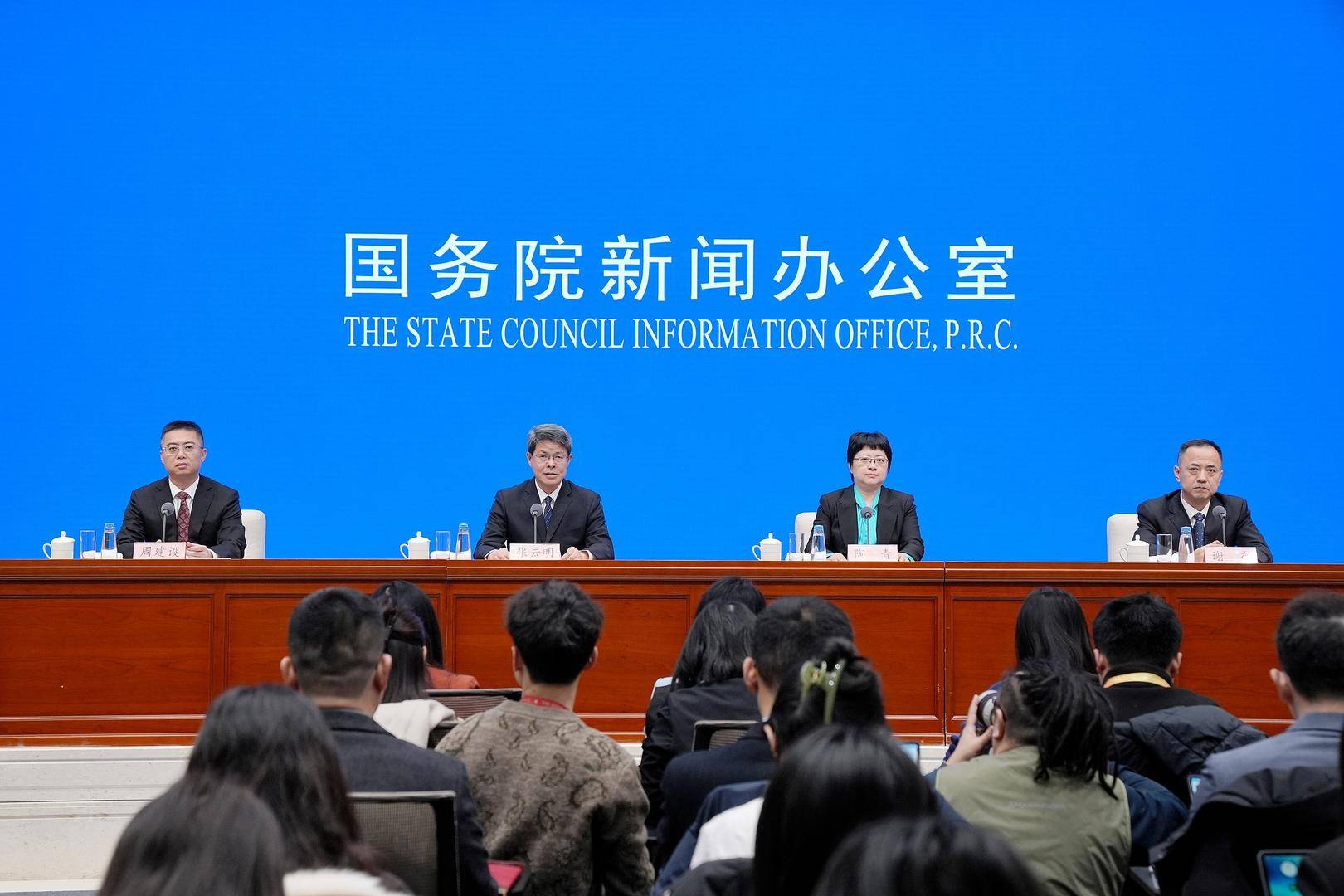
红星资本局1月21日消息,在今日举行的国新办新闻发布会上,工业和信息化部介绍了2025年工业和信息化发展成效有关情况。 会上介绍,2025年规模以上工业增加值同比增长5.9%,制造业增加值占GDP比重保持稳定,制造业规模有望连续16年保持全球第一。 红星资本局注意到,会上还透露了今年部分领域重点工作方向及进展。 6G方面,第一阶段技术试验形成超300项关键技术储备,近期已经启动第二阶段6G技术试验。 智能工厂梯度培育将持续推进,同时支持领军企业探索未来制造模式,持续培育一批领航工厂。 中小企业方面,将制定"十五五"促进中小企业发展规划,深入推进加快加力清理拖欠企业账款行动,加快修订中小企业划型标准。 支持领军企业探索未来制造模式 此外,今年将以人形机器人为小切口带动具身智能大产业发展,强化国家人工智能产业投资基金对人形机器人的支持力度,将发布人形机器人与具身智能综 合标准化体系建设指南。 新闻发布会现场 图据视觉中国 近期已启动第二阶段6G技术试验 前瞻布局和培育面向6G的应用产业生态 工信部副部长张云明在会上介绍,一批"含新量"高的创新成果竞相涌现。例如钙钛矿材料、永磁材料、动力电池等技术处于国际先进水平; ...

上海,抢跑新一波产业
3 6 Ke· 2026-01-21 10:29
Core Insights - The recently released "Suggestions for Formulating the 15th Five-Year Plan for National Economic and Social Development of Shanghai" outlines a clear roadmap for Shanghai to become a "world-class socialist modern international metropolis" by 2035, with a focus on future industries [1] - The document emphasizes six key areas: future manufacturing, future information, future materials, future energy, future space, and future health, aiming to strengthen agile layouts in quantum technology, brain-computer interfaces, controlled nuclear fusion, biomanufacturing, and 6G [1][4] Group 1: Alignment with National Strategy - The classification of future industries into six categories aligns closely with the national strategy outlined in the "Implementation Opinions on Promoting Future Industry Innovation Development" released in January 2024, indicating Shanghai's top-level design is increasingly in sync with national priorities [2] - Shanghai had previously introduced a plan in 2022 focusing on five major directions, which has now evolved to include a sixth category, reflecting a shift from directional layout to priority management and accelerated industrialization [2][3] Group 2: Industrialization and Technological Maturity - The document identifies specific technologies that are nearing industrialization, such as brain-computer interfaces, which are entering a "window of industrialization," while quantum computing and controlled nuclear fusion are still in early stages of development [4][5][6] - Biomanufacturing is positioned at a critical juncture for technological breakthroughs and initial industrialization, indicating significant potential across various sectors [5] Group 3: Shanghai's Competitive Advantages - Shanghai's competitive edge lies not only in technological advancements but also in a comprehensive industrial ecosystem that includes leading enterprises, research platforms, and high-end talent across the identified fields [7] - The city ranks second nationally in future industry potential, just behind Beijing, showcasing a "dual-city leadership" dynamic [7] Group 4: Future Development Strategies - Shanghai has established a "four-in-one" cultivation mechanism centered on project management teams, key task lists, future industry funds, and industry clusters, which will be continuously optimized through dynamic assessments of global frontier technologies [8] - Future industry development will require simultaneous strengthening in three areas: proactive layout in frontier technologies, exploration of pathways from technology to industrialization, and innovation in governance and service models to accommodate the uncertainties of new technologies and market dynamics [8]
2026年度上海市未来产业试验场和加速器申报工作启动
Xin Lang Cai Jing· 2026-01-21 10:25
Group 1 - The Shanghai Municipal Economic and Information Commission is organizing the application process for the 2026 Future Industry Testbeds and Accelerators to promote forward-looking layouts in future industries and encourage deep collaboration among industry, academia, and research [1][9] - The application scope includes Future Industry Testbeds focusing on six key areas: Future Intelligence, Future Manufacturing, Future Energy, Future Space, Future Materials, and Future Health [1][10] - The application scope for Future Industry Accelerators focuses on fields such as optoelectronic equipment, embodied intelligence, low-altitude technology equipment, materials and systems, satellite internet, 5G-A (6G), quantum technology, high-performance composite materials, and advanced semiconductors [2][11] Group 2 - The application requirements for Future Industry Testbeds include projects that align with international standards and demonstrate strong foresight, frontier, and advancement, encouraging projects that are slightly ahead of the current market [3][12] - Applicants must be entities with independent legal status registered in the city, possessing strong internal and external expert teams, and should apply in a consortium format with a maximum of four participating units [4][14] - The application requirements for Future Industry Accelerators include projects planned for implementation in 2025 or within the next three years, with a clear track layout and effective connection to local industrial parks [6][15] Group 3 - Future Industry Accelerators should have a hub function for innovation resources, effectively gathering national or provincial innovation platforms, leading enterprises, universities, investment institutions, and professional service organizations [8][16] - Accelerators are encouraged to focus on key links in the industrial chain, providing services such as technical validation, pilot testing, product trial production, computing power support, testing certification, and scenario applications [8][16] - The application process will be conducted online, with a deadline for submissions set for February 12 at 16:00, and applicants are advised to submit their applications early to avoid system congestion [9][18]
人形机器人、人工智能、6G、未来产业……这场发布会释放重要信号!
Jin Rong Shi Bao· 2026-01-21 08:57
6G第一阶段技术试验形成超300项关键技术储备。 集成电路、电子专用材料等行业增加值同比分别增长26.7%、23.9%,工业机器人产量同比增长28%,新 能源汽车新车销量达1649万辆、同比增长28.2%。 1月21日,国新办举行新闻发布会,工业和信息化部介绍2025年工业和信息化发展成效。 2025年成绩单速览: 规模以上工业增加值同比增长5.9%,制造业增加值占GDP比重保持稳定,制造业规模有望连续16年保 持全球第一。 制造业数智化转型扎实推进,累计建成3.5万余家基础级、8200余家先进级、500余家卓越级智能工厂, 培育15家领航级智能工厂。 累计培育国家绿色工厂超8000家,规模以上工业单位增加值能耗、水耗不断降低。 张云明表示,一是底座持续夯实。国内企业发布多款人工智能芯片产品,智能算力规模达1590EFLOPS (每秒百亿亿次运算),行业高质量数据集加速涌现,国内大模型引领全球开源生态。据有关机构测 算,2025年我国人工智能企业数量超过6000家,核心产业规模预计突破1.2万亿元。 二是产品日益丰富。AI手机、AI电脑、AI眼镜等人工智能终端产品加快走进千家万户。2025年前三季 度,智能眼 ...