AR

Search documents
市北高新:打造视听静界产业标杆 赋能科技企业领跑未来
Cai Fu Zai Xian· 2025-06-06 07:16
Group 1: Industry Overview - The "Next Generation New Display and Terminal Application International Conference" was held to promote the development of the ultra-high-definition audiovisual industry cluster in Shanghai [1] - The Jing'an District government has initiated policies to support the ultra-high-definition audiovisual industry, marking it as a new strategic industry for the city [1] - The City North High-tech Zone has established itself as a key operator in the ultra-high-definition audiovisual park, nurturing benchmark companies in the sector [1] Group 2: Company Highlights - Xianghang Technology specializes in medium-free holographic technology and has developed a proprietary system for interactive holographic images, holding over 500 global intellectual property rights [2] - The company's products are applied in various fields, including smart cockpits, public services, smart healthcare, and consumer electronics, showcasing a full-chain development from technology to industry application [2] - Yudong Ruiyi focuses on virtual reality (VR) technology, which is evolving from a luxury item to a practical tool in daily life, with applications in gaming, education, and industrial sectors [3] Group 3: Future Development - The City North High-tech Zone aims to attract more ultra-high-definition audiovisual companies, including those in augmented reality (AR), to enhance the digital transformation of enterprises [4] - The park is fostering a collaborative innovation environment by integrating various digital technologies such as cloud computing, big data, artificial intelligence, and blockchain [4] - Strategic initiatives, including a multi-million funding pool and talent acquisition programs, are set to support the transition from industry aggregation to ecosystem cultivation, contributing to the high-quality development of China's digital economy [5]

AI眼镜「预选赛」格局报告
量子位· 2025-06-05 00:55
Investment Rating - The report provides a positive investment rating for the AI glasses industry, indicating strong growth potential and market opportunities [2]. Core Insights - The AI glasses market is expected to experience significant growth, driven by advancements in technology and increasing consumer interest in augmented reality (AR) applications [12][15]. - Major players in the market include Ray-Ban Meta, which is highlighted for its innovative product offerings and market presence [9][34]. - The report emphasizes the importance of integrating AI and AR technologies to enhance user experience and functionality in AI glasses [10][14]. Summary by Sections AI Glasses Definition and Classification - AI glasses are categorized into three main types: AI-only, AI+AR, and AR-only, each with distinct hardware components and functionalities [10][12]. - Key products in the market include Ray-Ban Meta and INMO GO2, showcasing the diversity in design and technology [9][10]. Current Market Status - The AI glasses market is currently valued at approximately $1 billion, with projections to grow significantly by 2025 [12][15]. - The report notes a competitive landscape with several emerging players alongside established brands, indicating a dynamic market environment [12][34]. Market Trends and Projections - The report forecasts a compound annual growth rate (CAGR) of around 35% for the AI glasses market from 2023 to 2025, reflecting robust demand and technological advancements [15][30]. - Consumer preferences are shifting towards multifunctional devices that combine AI and AR capabilities, driving innovation in product development [12][15]. Key Product Features - AI glasses are characterized by lightweight designs, advanced hardware components, and features such as voice recognition and real-time data processing [10][12]. - The report highlights the importance of user-friendly interfaces and seamless integration with mobile devices to enhance consumer adoption [10][12]. Pricing and Market Segmentation - The pricing for AI glasses varies significantly, with entry-level models starting around $700 and high-end models reaching up to $5000 [30][31]. - The market is segmented into various price ranges, catering to different consumer demographics and preferences [30][31].

“银发族”拯救KTV?
创业邦· 2025-06-04 03:31
Core Viewpoint - The KTV industry in China has experienced a significant decline in popularity, particularly among younger consumers, leading to a shift in focus towards the elderly demographic as a potential customer base [3][8][16]. Industry Overview - KTV originated in Japan in 1971 and gained popularity in China during the late 1980s, peaking around 2014 with over 120,000 establishments [4][6]. - Since 2015, the industry has faced a closure wave, with approximately 70,000 KTV outlets shutting down, leaving only about 39,400 active businesses as of May 2023 [6][16]. Consumer Behavior Changes - Recent surveys indicate a shift in entertainment preferences, with activities like park visits, city walks, and yoga seeing increased participation, while KTV has seen a marked decline [3][6]. - The overall foot traffic in KTV venues has dropped by over 70% since 2020, making it difficult to find KTV establishments in major urban areas [6][11]. Competitive Landscape - The KTV industry faces competition from online platforms like "全民 K 歌" and "唱鸭," as well as from mini KTVs that offer more flexible and affordable singing experiences [9][11]. - The mini KTV market reached a size of 3.18 billion yuan in 2017, growing by 92.7% from the previous year, indicating a strong consumer preference for alternative singing venues [11]. Internal Challenges - High operational costs, including rent (30%-50% of total costs), and increased copyright awareness have further strained KTV businesses [11][12]. - The industry's reliance on a young consumer base has proven detrimental, as younger individuals increasingly prefer other forms of entertainment [11][12]. Future Strategies - KTV establishments are attempting to innovate through technology, incorporating AR, holographic projections, and AI features to enhance the singing experience [15]. - The industry is now targeting the elderly demographic, which constitutes 35% of KTV customers and has a consumption frequency 1.8 times that of younger consumers [16].


The Week in AI
Zacks Investment Research· 2025-06-02 05:42
AI 行业趋势与市场洞察 - OpenAI 正在创建一个 AI 时代的界面,将硬件转变为订阅层 [1] - Google 与 Reddit 达成独家协议,访问 Reddit 的对话数据,Reddit 拥有每天 1 亿的访问者,积累了 20 年的数据 [1] - Nvidia 认为中国是一个潜在的 500 亿美元($50 billion)的 AI 市场,并强调与中国合作的重要性,通过技术销售建立共生关系 [1] - Anthropic 的 CEO 预测未来 1 到 5 年内可能出现 10% 到 20% 的失业率,呼吁政府和企业为此做好准备 [1] 技术发展与创新 - William Blair 预测,到 2040 年,小型模块化反应堆(SMRs)将达到 50 吉瓦(gigawatts),成为核能复兴的重要参与者,并认为 Ollo 在市场采用方面处于最佳位置 [2] - 语音 AI 技术快速发展,开源语音合成模型在质量上可能超越 11 Labs [2] - 人形机器人公司 Figure Robots 创始人认为,人形机器人公司具有巨大的潜力,因为全球 GDP 的近一半是人类劳动,可以用机器人替代 [3] 投资与风险 - 风险投资(VC)对 AI 和通用人工智能(AGI)的投资理论与实际投资模式不符,对 AI 领域的投资回报周期构成挑战 [2] - 即使投资的公司没有成功,风险投资公司也会通过投资学习新技术,为未来的投资机会做准备 [3] Nvidia 财务与运营 - Nvidia 正在进行的 Grace Blackwell 200 的产量接近每周 1000 台,预计第二季度可能超过 15000 台,按每台 300 万美元($3 million)计算,可能带来 450 亿美元($45 billion)的收入 [1]


2025年中国AR眼镜产业最具潜力企业:雷鸟创新、灵伴科技、影目科技、XREAL、亮风台
Qian Zhan Wang· 2025-06-01 03:14
Core Insights - The AR glasses industry is experiencing unprecedented growth opportunities due to advancements in AI, 5G communication, and optical technology, with global AR shipments expected to reach 1.8 million units by 2027, reflecting a CAGR of 37.7% [2] - China, as the largest consumer electronics market, shows significant potential in the AR glasses sector, driven by a large consumer base, a complete industrial chain, and strong government support for technological innovation [5] Industry Overview - The AR glasses market is projected to exceed 8 million units by 2030, indicating a robust growth trend that attracts global attention [2] - A competitive landscape has emerged in China, characterized by a "battle of hundreds of glasses," with both established tech giants and emerging startups actively exploring the AR glasses market [5] Key Players - Leading domestic AR manufacturers are primarily startups, which have rapidly gained market presence through keen market insights and efficient execution [5] - Notable companies in the Chinese AR glasses market include: - **Thunderbird Innovation**: Founded in 2021, it has raised over 1 billion RMB in initial funding and completed multiple rounds of financing totaling over 500 million RMB [10][11] - **Rokid**: Established in 2014, it has raised over 2 billion RMB, with a valuation exceeding 1 billion USD [12][14] - **INMO**: Founded in 2020, it has achieved a valuation of 1.5 billion RMB and focuses on AR and AI integration [16] - **XREAL**: Founded in 2017, it has raised over 300 million USD and holds a significant market share in the global AR market [19][20] - **Lightwind**: Established in 2012, it has raised over 500 million RMB and provides AR solutions across various industries [21][22] Market Dynamics - The AR glasses market in China is dominated by a few key players, with XREAL, Thunderbird Innovation, Rokid, and INMO collectively holding over 80% of the market share based on shipment volume [6] - The market is characterized by a significant focus on consumer applications, with 91% of users primarily using AR glasses for viewing and gaming [23] Technological Trends - The industry is witnessing rapid technological advancements, including improvements in optical display technology and the integration of AI with AR, enhancing user experience and product capabilities [30] - The supply chain for AR components is increasingly localized, with a focus on domestic production of critical components like optical waveguide lenses and Micro-OLED displays [30] Future Outlook - The AR glasses market is expected to expand significantly, with shipments projected to reach 240,000 units in 2023, a year-on-year increase of 133.9%, and an estimated 484,000 units in 2024 [30] - The industry is supported by national strategies and policies, with significant funding allocated to promote research and development in AR technologies [30]
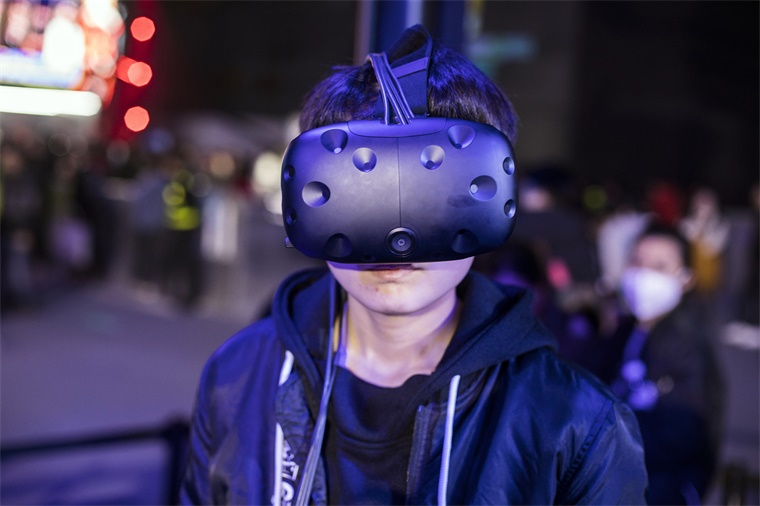
苹果眼镜最早明年发布,我却不期待它替代iPhone
Hu Xiu· 2025-05-29 05:22
Core Insights - The smart glasses market is experiencing significant activity, with major players like Google, Meta, and Apple making moves to enter or enhance their presence in this space [1][2][3]. Group 1: Apple’s Smart Glasses Plans - Apple is reportedly planning to release smart glasses as part of its AI device strategy, with a potential launch date set for the end of next year [3][4]. - The upcoming Apple smart glasses are expected to be similar to Ray-Ban Meta, lacking a display and focusing on features like photography, music playback, and voice-based AI interaction [5][6]. - Apple aims to create lightweight AR glasses that allow users to see the real world while interacting with virtual content, addressing the limitations of its Vision Pro device [7][14]. Group 2: Competitive Landscape - Meta is also advancing in the smart glasses market, with plans to release a new model featuring a single display screen, serving as a transitional product between Ray-Ban Meta and its Orion prototype [13]. - The Ray-Ban Meta glasses have achieved significant success, selling over a million units within two years, highlighting the potential for smart glasses in the consumer market [11]. - Google is collaborating with Gentle Monster to enhance the fashion aspect of its smart glasses, indicating a trend towards stylish designs in this product category [18]. Group 3: AI Integration and Challenges - The integration of AI is seen as a crucial aspect for the future of smart glasses, with companies like Apple, Meta, and Google envisioning glasses as AI terminals [22][24]. - Apple’s slow progress in AI development raises concerns about its ability to leverage AI effectively in its smart glasses, especially compared to competitors [24][32]. - There is internal tension at Apple regarding the potential of AI devices to replace the iPhone, with executives acknowledging the need for a strong AI component in future products [33][34]. Group 4: Market Positioning and Future Outlook - Apple’s current positioning of its smart glasses resembles that of an accessory to the iPhone, rather than a standalone revolutionary product [37]. - The anticipated release of Apple’s smart glasses in 2026 may result in them being outdated upon launch, as competitors are already advancing with AR display technology [43][44]. - The market dynamics suggest that Apple has limited time to establish a strong foothold in the smart glasses segment, as early entrants face challenges in delivering effective products [45].

研判2025!中国室内儿童游乐园行业市场政策、产业链、发展现状、竞争格局及发展趋势分析:3-6岁消费者占比最大[图]
Chan Ye Xin Xi Wang· 2025-05-28 01:45
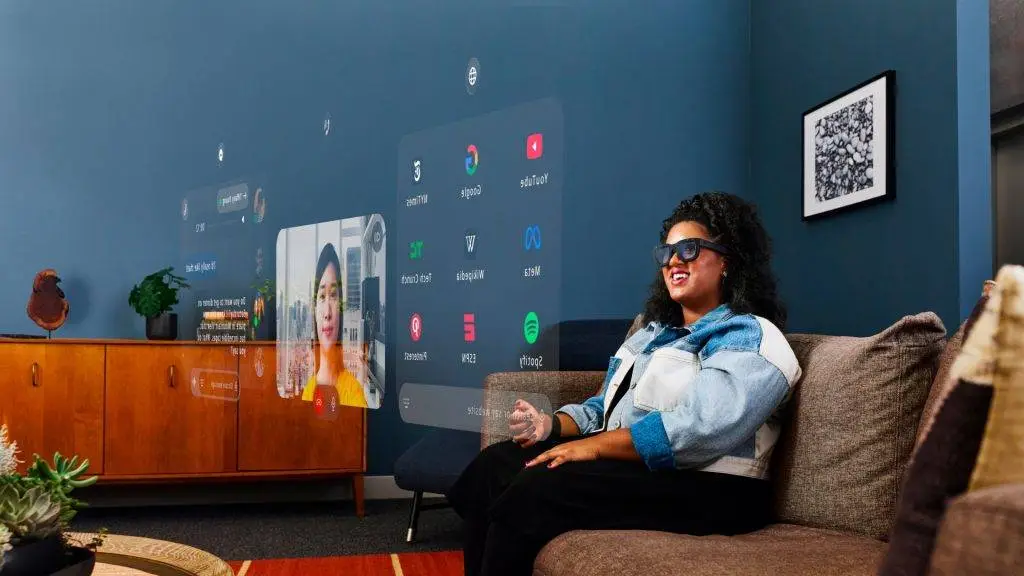
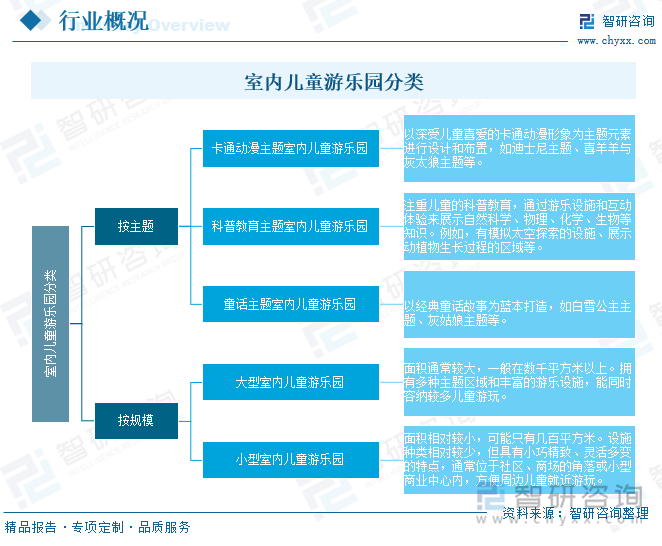
Overview - The indoor children's amusement park industry in China is experiencing significant growth, with a projected market size of 35.65 billion yuan in 2024, representing a year-on-year increase of 23.31% [1][11] - Parents are increasingly prioritizing their children's overall development and diverse entertainment activities, moving beyond a sole focus on academic performance [1][11] Market Policies - A series of supportive policies have been introduced in China to encourage and regulate the development of the indoor children's amusement park industry, creating a favorable policy environment [4] - Key policies include measures to promote sports for rural revitalization, expand consumption, and update cultural and tourism equipment [4][6] Industry Chain - The upstream of the indoor children's amusement park industry includes suppliers of amusement equipment such as slides, climbing frames, and VR/AR devices, as well as design agencies responsible for the overall planning and design of amusement parks [7] - The downstream primarily targets consumers, specifically children aged 0-12 and their parents [7] Consumer Demographics - The largest consumer group in indoor children's amusement parks consists of preschool children aged 3-6, accounting for 40% of visitors, followed by children aged 6-12 (30%) and infants aged 1-3 (25%) [9] - Safety is the most critical factor for consumers, with 85% prioritizing safety features, followed by location convenience [9] Competitive Landscape - The indoor children's amusement park industry in China is characterized by a fragmented market with numerous participants, including major companies such as Wanda Baby King Group, Aohui Entertainment, and Shenzhen Overseas Chinese Town Cultural Group [13][15] - Notable companies include: - Wanda Baby King Group, which operates a nationwide chain of indoor theme parks and serves over 180 million visitors annually [15] - Shanghai Cardoni Children's Park, focusing on creating interactive family experiences [17] Development Trends - Future trends indicate a broader application of technologies such as VR, AR, and AI in amusement parks, enhancing interactive experiences and integrating educational elements into play [19] - There is a growing emphasis on incorporating STEAM education, artistic enlightenment, and scientific exploration into amusement park offerings [19]


雷鸟创新发布雷鸟X3 Pro等多款新品 融合手机与AI应用生态
Zheng Quan Shi Bao Wang· 2025-05-27 13:34
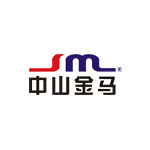
Core Insights - RayNeo, a leading brand in consumer AR, launched several innovative products including the RayNeo X3 Pro AR glasses, RayNeo Air 3s series pocket TV, and AI photography glasses RayNeo V3 Slim, showcasing its advancements in AI and AR technology [1] Market Position - According to Runto, RayNeo holds a 50% market share in the online AR/AI photography glasses market in China as of Q1 2025, leading the industry [1] - The RayNeo V3 has a remarkable 95% market share in the AI photography glasses segment, while the RayNeo Air 3 has been the best-selling product in its category for 20 consecutive weeks [1] Product Features - The RayNeo X3 Pro AR glasses feature the world's smallest mass-produced full-color Micro-LED light engine and a 43-inch full-color 3D transparent display [1] - It incorporates the Falcon Imaging Plus system, achieving spatial positioning accuracy within 0.5%, and supports multiple interaction methods including Apple Watch control and voice commands [2] - The glasses are powered by the Snapdragon AR1 platform, offering enhanced AI capabilities and multimedia processing while maintaining a lightweight design of 76g [2] Software and Ecosystem - The RayNeo X3 Pro runs on the new RayNeoOS 2.0, integrating features like AI translation, spatial navigation, and first-person photography, enhancing user experience [2] - It is among the first AR glasses to support visual Live AI interaction, allowing users to receive instant intelligent feedback in various scenarios [3] - RayNeo plans to launch an AI Agent app store with various AI applications, further integrating AI into daily life [3] Collaborations - RayNeo has partnered with Alibaba Cloud, Amap, and Ant Group to explore new applications of spatial computing technology in smart travel and urban living [3] Additional Product Launches - The RayNeo Air 3s series features advanced optical technology and a new 3D surround sound system, significantly improving viewing experience [4] - The RayNeo Magic Box 2nd generation enhances interaction with a new touch control system and high-precision touchpad [4] Pricing and Availability - The RayNeo X3 Pro is priced starting at 8999 yuan, with a subsidized price of 7649 yuan, available for pre-sale on JD and Tmall [4] - The RayNeo Air 3s starts at 1499 yuan, with a subsidized price of 1274 yuan, and the Air 3s Pro starts at 1599 yuan, with a subsidized price of 1359 yuan [4] - The RayNeo V3 Slim is priced from 1799 yuan, with a subsidized price of 1529 yuan, also available for sale on major platforms [4]
8点1氪:蜜雪冰城客服回应网友倒卖柠檬水赚差价;马斯克强势表态:未来五年继续执掌特斯拉除非去世;哪吒2延长上映至6月30日
36氪· 2025-05-22 00:06
Group 1 - The article discusses the response of Mixue Ice City to a viral incident where a blogger resold their lemonade at a markup, indicating that the company is investigating whether the seller was an employee or an independent vendor [4] - Elon Musk reaffirmed his commitment to remain as CEO of Tesla for the next five years unless he passes away, emphasizing his focus on maintaining control over the company [4] - The film "Nezha" has extended its release until June 30, with a total box office of 15.405 billion yuan [5] Group 2 - Alibaba's entertainment division has rebranded as "Whale Entertainment," aiming to enhance its content and technology-driven strategy [5] - The Chinese government has approved 130 domestic and 14 imported online games in May, indicating a supportive regulatory environment for the gaming industry [8] - The U.S. retail giant Walmart plans to lay off approximately 1,500 employees as part of a restructuring plan to reduce costs [14] Group 3 - Nvidia's CEO predicts that the Chinese AI market will reach a scale of $50 billion by 2026, highlighting the growth potential in this sector [18] - Google announced that its Gemini AI application has surpassed 400 million monthly active users, showcasing its rapid adoption [19] - Weibo reported a total revenue of 2.883 billion yuan for Q1 2025, exceeding Wall Street expectations [20] Group 4 - Baidu's Q1 2025 revenue reached 32.5 billion yuan, with a 42% year-on-year growth in its intelligent cloud segment [21] - iQIYI's Q1 2025 revenue was 7.19 billion yuan, reflecting a 9% quarter-on-quarter increase [22] - Amer Sports reported a Q1 revenue of $1.473 billion, a 23% year-on-year increase, with significant growth in the Greater China region [23]




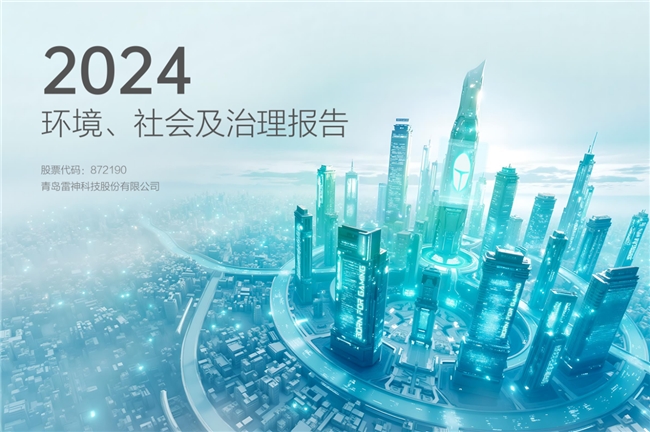
雷神科技披露ESG报告,为可持续发展贡献积极力量
Cai Fu Zai Xian· 2025-05-19 08:09
Core Viewpoint - The company, Thunder Technology, has released its 2024 ESG report, emphasizing its commitment to sustainable development and social responsibility through a structured approach to governance, innovation, and collaboration [1][8]. Group 1: ESG Practices - The report outlines five key dimensions of ESG integration: robust governance, innovation leadership, green development, people-oriented approach, and win-win cooperation [1]. - Thunder Technology aims to embed sustainable practices into its "e-sports + trusted innovation" dual-driven strategy, focusing on stable operations, technological innovation, corporate responsibility, and green transformation [1]. Group 2: Technological Innovation - The company adheres to national laws and regulations, establishing a comprehensive product quality management and customer service system throughout the product lifecycle [3]. - In 2024, Thunder Technology launched its first AI-enhanced PC products and collaborated with Alibaba Cloud on foundational technologies, aiming to accelerate the market introduction of AI PC solutions [3]. - The company has introduced cutting-edge products like the world's first star flash gaming mouse and biomimetic hummingbird screen, enhancing its technological application and innovation [3]. Group 3: Governance Structure - Thunder Technology has established a three-tier ESG governance structure comprising the board of directors, a strategic and sustainable development committee, and a cross-departmental ESG working group to ensure effective oversight and management [5]. - The company has developed multiple communication channels, including official websites and social media, to enhance transparency and investor relations [5]. - During the reporting period, the company optimized 42 processes and reported no incidents of corruption or data breaches [5]. Group 4: Social Responsibility - The company actively participates in social welfare initiatives, including youth education, rural revitalization, and support for vulnerable groups, demonstrating its commitment to creating social value [6]. - Thunder Technology has engaged in ecological initiatives, such as the "Blue Sky Responsibility" tree-planting campaign, contributing to carbon sequestration and environmental sustainability [6]. - The company has established the "Thunder Technology Rainfield Public Welfare Fund" to support education for impoverished students, donating a total of 300,000 yuan from 2018 to 2021 [6]. Group 5: Economic Potential of ESG - A report from the Business and Sustainable Development Commission indicates that sustainable and inclusive business models could unlock economic opportunities worth at least $12 trillion annually by 2030, creating up to 380 million jobs [8]. - Thunder Technology plans to align its technological advancements with social responsibility, aiming for high-quality development in the future [8].