城市更新

Search documents
北京金店被挤爆,有人卖金还房贷
3 6 Ke· 2026-02-03 07:25
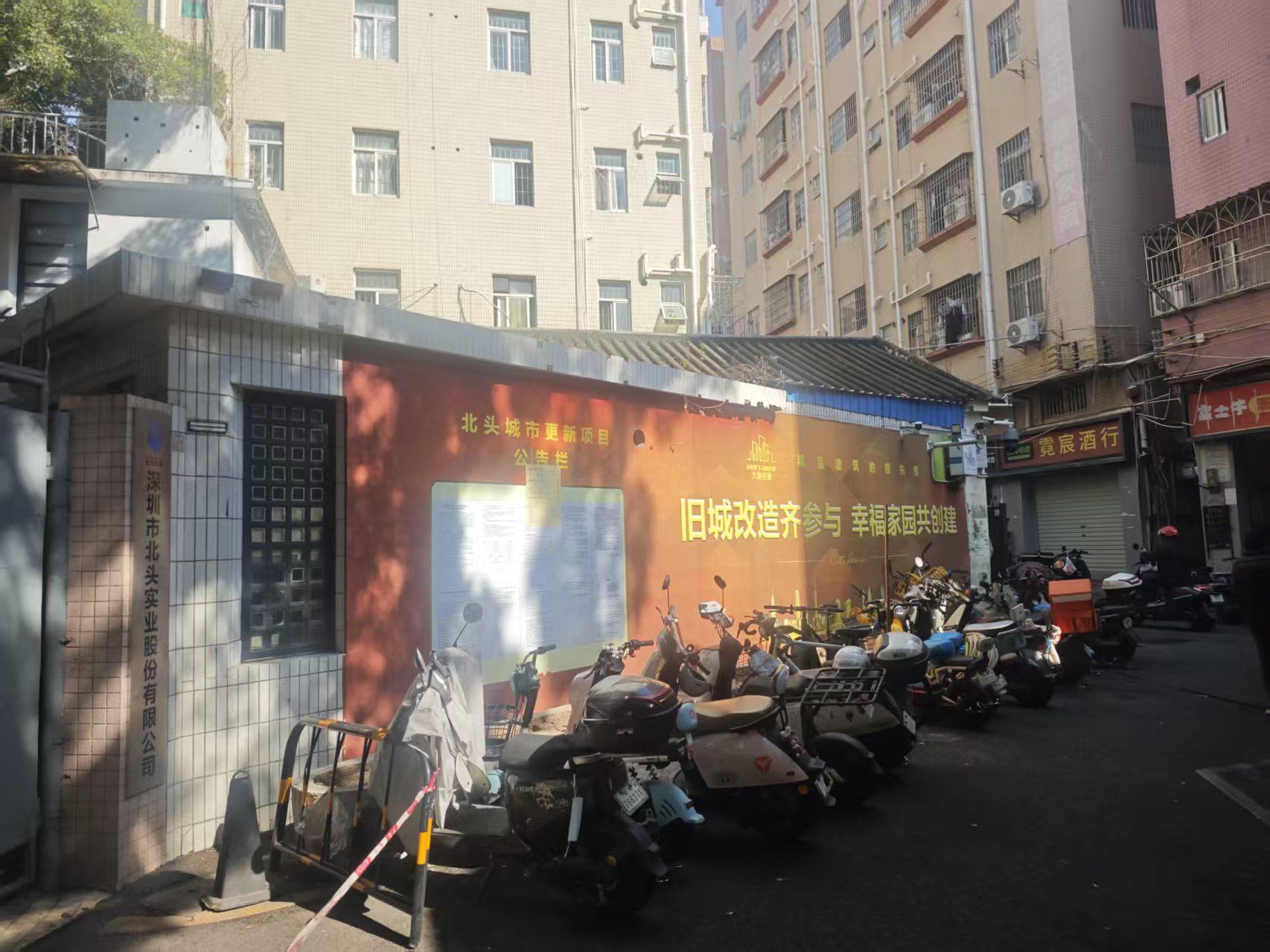
Core Viewpoint - The long-standing urban renewal project in Beitou Village, Shenzhen, has reached a critical breakthrough after 18 years, entering the administrative mediation phase, which signifies a substantial step towards demolition and redevelopment [1][4]. Group 1: Project Background and Progress - Beitou Village has a history of over 500 years and is a key part of the urban renewal in the Nanshan central area, often referred to as one of the "F4" villages [1]. - The project was first included in Shenzhen's urban renewal plan in 2008, with special planning approved in 2011, but faced significant delays due to complex property rights and difficulties in demolition coordination [4]. - A turning point occurred in June 2024 when the revised special planning for Beitou Village was approved, clearing obstacles for the project's restart [4]. Group 2: Challenges Faced - The project has faced three main challenges: "difficulties in demolition," "balancing interests," and "financing difficulties." The market-driven negotiation model has made it hard to achieve 100% owner agreement, leading to high costs and project stagnation [5]. - The decline in property values has not aligned with villagers' compensation expectations, complicating negotiations further [5]. - Financial institutions have become increasingly cautious about funding complex urban renewal projects, leading to a lack of investment and delayed progress [5]. Group 3: Policy and Market Dynamics - Shenzhen's current policy emphasizes "controlling inventory," with a significant number of urban renewal projects awaiting activation, particularly in the Nanshan core area due to its advantageous market conditions [6]. - The government's intervention in the administrative mediation phase is expected to facilitate the resolution of final signing challenges, indicating a shift towards more proactive policy support for stalled projects [6][12]. Group 4: Developer Involvement - The actual developer for the Beitou Village project is Jinhui Rong Real Estate, a wholly-owned subsidiary of Dazhu Holdings Group, which is well-known for its leadership in the laser industry and has diversified into real estate since 2008 [9][10]. - Dazhu Holdings has successfully developed multiple residential and commercial projects in Shenzhen, with a total development area exceeding 5 million square meters [9]. Group 5: Market Implications - The breakthrough in Beitou Village is expected to influence the overall dynamics of the Nanshan central area's urban renewal, with other projects like Xiangnan Village also showing rapid progress [11]. - The surrounding property prices have significantly increased, with the average listing price for nearby properties reaching nearly 100,000 yuan per square meter, highlighting the potential value of urban renewal [12].


——光大地产板块及重点公司跟踪报告:多地启动旧房收购,以旧换新明显提速
EBSCN· 2026-02-03 07:11
Investment Rating - The report maintains an "Accumulate" rating for the real estate sector, indicating a positive outlook for the next 6-12 months with expected returns leading the market benchmark by 5% to 15% [7]. Core Insights - The report highlights a significant acceleration in the "old-for-new" housing exchange program initiated by various local governments, supported by a reduction in the central bank's loan rates, which is expected to enhance housing market stability and improve sales of new properties [1][3]. - The report emphasizes the importance of government intervention in the housing market, particularly through the direct acquisition of second-hand homes, which streamlines the exchange process and promotes the availability of affordable rental housing [3]. - It identifies three main investment themes: strong state-owned enterprises with comprehensive development capabilities, actively managed public REITs with rich resources, and the long-term growth potential of property service companies [5]. Summary by Sections Section 1: Market Dynamics - As of early 2026, multiple cities have launched initiatives for the acquisition of old homes, with notable examples including Shanghai and Hangzhou, where local governments are facilitating the "old-for-new" exchanges [1][2]. - The central bank's recent interest rate cuts are expected to boost commercial banks' willingness to lend, further supporting the housing market [3]. Section 2: Fund Holdings - By the end of 2025, public funds held a total market value of 3.88 billion in real estate stocks, representing 0.43% of their stock investment value, indicating a low allocation compared to standard industry benchmarks [4]. Section 3: Investment Recommendations - The report suggests focusing on state-owned enterprises with strong credit ratings and high product reputation in core cities, such as China Merchants Shekou and China Jinmao [5]. - It also recommends investing in public REITs like China Resources Land and Shanghai Lingang, which have strong operational brands and abundant resources [5]. - Additionally, it highlights the potential of property service companies, recommending firms like China Merchants Jin Yu and Greentown Service for their long-term growth prospects [5].
六点关切,带你看懂上海2026年发展蓝图
Xin Lang Cai Jing· 2026-02-03 03:17
Core Viewpoint - The government work report emphasizes the importance of improving residents' disposable income, enhancing public services, and ensuring a more comfortable living environment while promoting economic growth and social welfare. Group 1: Economic Growth and Income - The government work report states that the growth of residents' per capita disposable income will keep pace with economic growth [1] - It highlights the need to combine benefits for people's livelihoods with investments in goods and human resources [2] Group 2: Urban Development and Housing - The report outlines plans for urban renewal, including accelerating the transformation of urban villages and starting comprehensive renovation projects [4] - It mentions the construction of new housing supply management and supporting services, as well as the renovation of old residential buildings [6] Group 3: Public Services Enhancement - The report emphasizes the need for a robust mechanism to ensure students' physical and mental health and overall development [7] - It discusses the promotion of tiered medical services and the establishment of community health service centers to enhance healthcare accessibility [8] Group 4: Safety and Resilience in Cities - The report calls for improved urban management and the construction of complete communities to enhance the functionality of 15-minute community living circles [9] - It stresses the importance of proactive policing and the prevention of telecom and internet fraud [9] Group 5: Elderly and Child Welfare - The report proposes deepening elderly care service reforms, including the addition of 2,000 cognitive impairment care beds and 200 community elderly service stations [10]

上海重磅宣布:计划完成20万平方米旧住房成套改造!推进老旧住宅加装、更新电梯
Guo Ji Jin Rong Bao· 2026-02-03 02:27
转自:上观新闻 报告显示,今年上海将推进老旧住宅加装、更新电梯,强化房屋全生命周期安全管理。加强党建引领物 业治理,提升物业服务标准化、专业化水平。加快构建房地产发展新模式,推进"好房子"建设,推动房 地产高质量发展。 报告表示,今年要深化五个新城建设,大力推进新城产业细分赛道发展,提升联影小镇、东方美谷等特 色园区能级,加快松江大学城科创源建设,导入新一批重大产业项目和功能性平台,拓展区区结对合作 深度,建成中山医院国家医学中心青浦院区等公共服务设施。 报告显示,今年要深入实施城市更新行动。推动城中村改造提速扩容增效,全面启动整体改造项目,全 力做好村居民征收安置。完成20万平方米旧住房成套改造。 上海市第十六届人大四次会议2月3日上午在世博中心开幕。上海市市长龚正作《政府工作报告》。 ...
我家新变化丨危房一年“长”成新楼,彭爹爹的安居梦实现了
Xin Lang Cai Jing· 2026-02-02 23:10
Core Viewpoint - The article highlights the significant improvements in living conditions for residents in Hunan, particularly through urban renewal projects that have transformed old and unsafe housing into modern living spaces, benefiting nearly 200 million households since the start of the 14th Five-Year Plan [3][8]. Group 1: Urban Renewal Projects - Hunan has initiated 27,000 urban renewal projects, with 18,000 focused on the renovation of old urban residential areas [8]. - The innovative funding model for these projects includes government guidance, participation from property units, and reasonable cost-sharing among residents, alleviating financial burdens [5]. - The transformation of housing has not only improved physical living conditions but also enhanced community engagement and social services [7]. Group 2: Community Services and Elderly Care - The community has repurposed an unused kindergarten into a senior care center, addressing the needs of the 25% elderly population in the area [6]. - Daily activities and health services are provided for free, fostering a supportive environment for elderly residents [6]. - There are plans to introduce professional psychological support services to further enhance community well-being [6]. Group 3: Future Plans and Goals - By 2030, Hunan aims to ensure that all old residential areas over 20 years old will be renovated upon request, continuing the momentum of urban renewal [8]. - The government plans to create over 50 convenient living circles within cities, promoting accessibility and community integration [8].
危房一年“长”成新楼,彭爹爹的安居梦实现了
Xin Lang Cai Jing· 2026-02-02 20:06
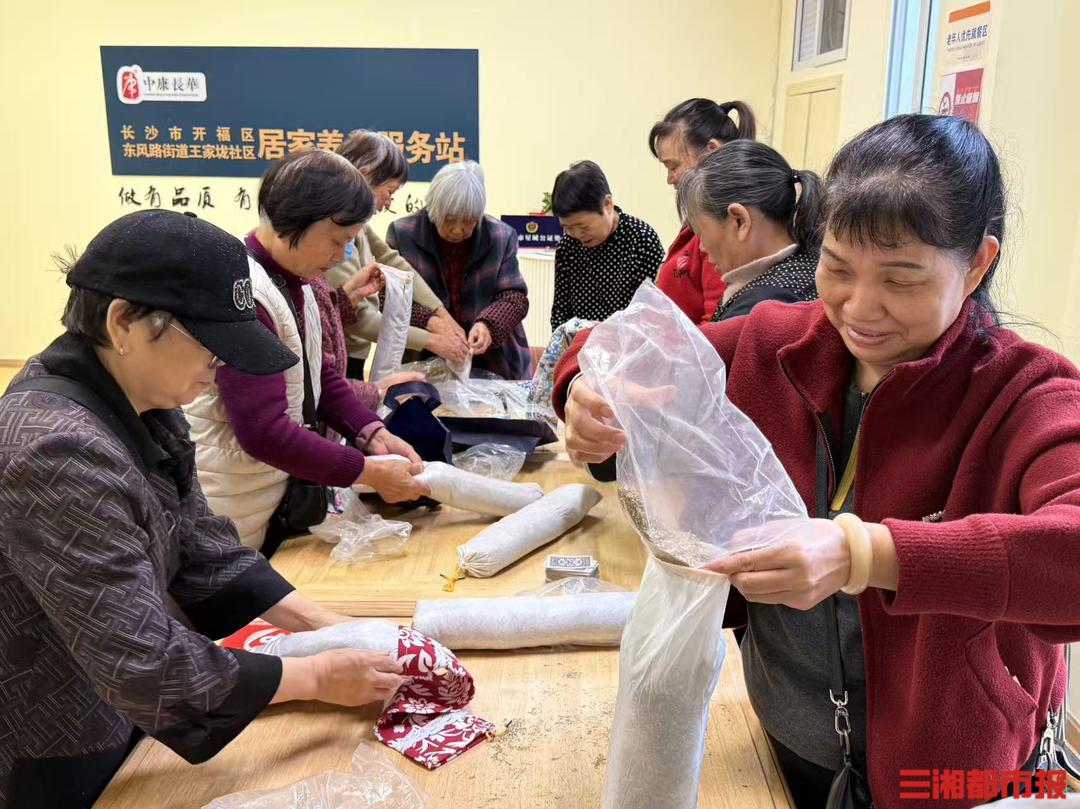
Core Viewpoint - The article highlights the significant improvements in living conditions for residents in Hunan, particularly through urban renewal projects that have transformed old and unsafe housing into modern living spaces, benefiting nearly 200 million households since the start of the 14th Five-Year Plan [4][7]. Group 1: Urban Renewal Projects - Hunan has initiated 27,000 urban renewal projects, with 18,000 focused on renovating old urban residential areas, significantly changing the living conditions for many families [4][7]. - The innovative funding model for these projects includes government guidance, participation from property owners, and reasonable cost-sharing among residents, making it feasible to rebuild old structures [5]. Group 2: Community Services and Elderly Care - The Wangjialong community has repurposed an unused kindergarten into a home-based elderly care service center, catering to the 25% of residents aged 60 and above, providing free daily activities and health services [6]. - The establishment of a platform for young professionals to engage in community service aims to enhance local support and resources, fostering a collaborative environment for community development [6]. Group 3: Future Plans - By 2030, Hunan plans to ensure that all old residential areas over 20 years old will be renovated, continuing the trend of improving living conditions and community vitality [7]. - The ongoing urban renewal efforts are not just about physical improvements but also about enhancing the quality of life and community engagement [7].

青海省城市更新历史文化保护评价报告编制工作指引
Xin Lang Cai Jing· 2026-02-02 18:02
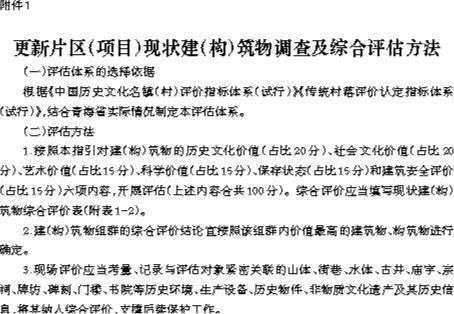
Core Viewpoint - The document outlines a comprehensive evaluation method for historical and cultural buildings, emphasizing the importance of preserving cultural heritage during urban renewal projects [8][9]. Evaluation System Selection Criteria - The evaluation system is based on the "Evaluation Index System for Historical and Cultural Names (Villages)" and aims to assess the historical, social, artistic, scientific values, preservation status, and safety of buildings [1][8]. Evaluation Method - The assessment includes six categories: historical cultural value (20 points), social cultural value (20 points), artistic value (15 points), scientific value (15 points), preservation status (15 points), and building safety evaluation (15 points), totaling 100 points [1][2]. - The conclusion for groups of buildings should be based on the highest value building within the group [1]. - On-site evaluations must consider and document related historical environments, production equipment, historical artifacts, and intangible cultural heritage [1]. Historical Cultural Resource Composition Summary - The document includes a summary table for historical cultural resources, detailing the area of urban renewal, involvement of historical cultural districts, and the status of various historical buildings and cultural heritage [6][8]. Principles of Urban Renewal Cultural Evaluation - The evaluation process should prioritize investigation and assessment before any urban renewal, ensuring that historical and cultural resources are identified and preserved [9]. - The principle of "protection first" emphasizes the need to maintain the authenticity and integrity of historical sites [9]. - The evaluation should involve consultation with relevant departments, experts, and the public, especially for buildings with significant historical value [9]. Workflow for Cultural Evaluation - The evaluation process includes appointing a qualified technical unit, conducting historical resource surveys, and compiling a cultural evaluation report that outlines project details, current status, and protection measures [10][12]. - For projects not involving historical resources, a cultural evaluation report is not required [11]. Approval Process for Cultural Evaluation Reports - The approval process includes initial review, expert evaluation, public disclosure, collective deliberation, and necessary procedural handling for projects involving significant historical resources [13]. Implementation and Duration - The guidelines are to be interpreted by the provincial housing and urban-rural development department and will be effective from December 10, 2025, until December 9, 2030 [14].
“大三里屯”雏形出炉
Xin Lang Cai Jing· 2026-02-02 16:59
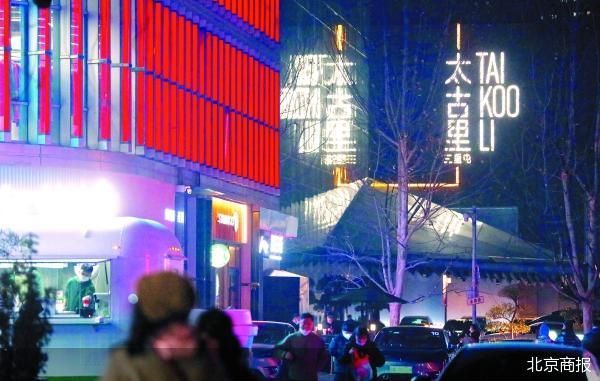
Core Insights - The "Big Sanlitun" project aims to transform the Sanlitun area into a global cultural and fashion hub, integrating commercial vitality with cultural appeal [9][10] - The project will not only expand commercial space but also enhance cultural experiences, attracting art exhibitions, music events, and international cultural institutions [3][4] Group 1: Project Development - The "Big Sanlitun" construction will enter a mature phase by 2026, with significant upgrades to transportation and surrounding environments, forming a vibrant consumer circle [3] - The North District's renovation will include the transformation of the original Yushe Hotel into an innovative retail space, enhancing commercial capacity and attracting high-profile brands [3][5] - The North District will feature an open street environment to accommodate diverse commercial types and improve accessibility through enhanced transportation [4] Group 2: Brand Strategy - The focus is shifting from merely attracting flagship stores to ensuring brand sustainability and cultural value, moving away from the "first store worship" mentality [6][13] - The introduction of niche brands and traditional stores in the North District aims to create a diverse price range and style combination, bridging the gap between high-end and trendy consumer areas [5][12] - The project emphasizes collaboration with brands to create unique experiences, moving beyond traditional retail boundaries [7][8] Group 3: Cultural Integration - The renovation aims to integrate local cultural elements into the commercial space, fostering a connection between the project and Beijing's cultural identity [7] - The project seeks to create a symbiotic relationship between commercial spaces and urban culture, enhancing public engagement and emotional resonance [7][8] - The goal is to establish a collaborative ecosystem among various stakeholders, including the government and brands, to promote sustainable urban development [8][14]
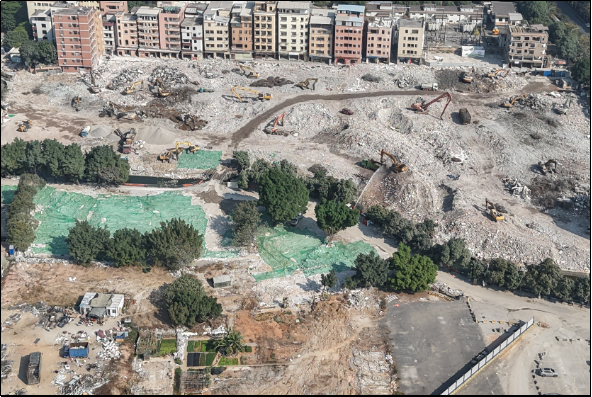
将优化广州东部交通布局 广州裕丰围旧村改造项目拆旧工作实现清零
Xin Lang Cai Jing· 2026-02-02 15:55
(来源:中国交通新闻网) 转自:中国交通新闻网 1月30日,随着最后一栋私宅顺利完成拆除,中交投资裕丰围旧村改造项目建新范围内约12万平方米建筑拆除任务全部完成,主体房屋实现拆除清零。该项 目自2025年8月启动签约拆除工作以来,历经五个月的攻坚奋战,圆满达成这一重要节点目标,为后续安置房建设及项目整体开发建设筑牢坚实基础,切实 推动民生工程落地见效,助力城市品质提升。 项目建成后,将构建起结构清晰、通行高效的路网格局,打造"四横三纵"骨干路网体系——"四横"即大沙东路、黄埔东路、港前路、临江大道,"三纵"即茅 岗路、丰乐南路、石化路。骨干路网的成型将进一步完善区域交通框架,大幅提升区域内外交通连接效率,从根本上扭转路网体系薄弱的局面。与此同 时,项目地块日常交通出行将以广州丰乐南路、海员路、公园东路、兴隆街等道路为主要进出通道,实现地块与周边骨干路网无缝衔接,保障地块内部交 通顺畅集散,全面提升项目区域交通通达性,让群众出行更便捷、更舒心。 攻坚克难得实效,实干担当践初心。自2025年8月10日启动签约工作以来,项目团队攻坚克难、真抓实干,仅用50天便实现签约率97%的亮眼成绩,刷新了 黄埔区同类旧改项目签 ...
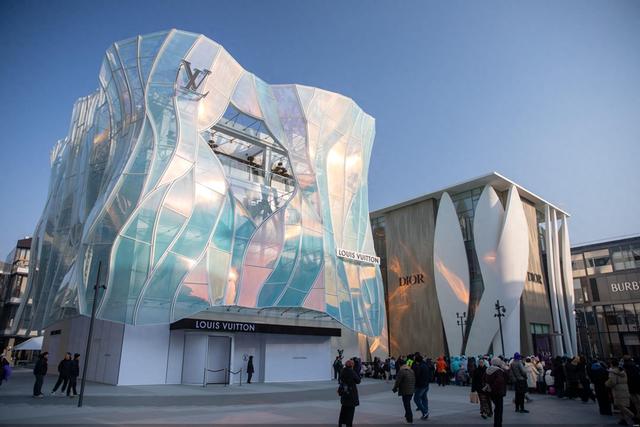
跳出卖货逻辑 “大三里屯”全球潮流地标提速
Bei Jing Shang Bao· 2026-02-02 15:43
Core Insights - The "Big Sanlitun" project aims to enhance cultural experiences alongside commercial expansion, attracting art exhibitions, music events, and international cultural institutions to create a cultural landmark in Beijing [1][3][9] Group 1: Project Development - The "Big Sanlitun" construction has entered a mature phase, with the original yoga studio in Sanlitun Taikoo Li N1 being transformed into an innovative retail space by the end of the year [3] - The project will create a vibrant consumer circle, linking various districts and enhancing accessibility through improved transportation and environmental upgrades [3][4] - The "North District North" project will extend the commercial landscape while focusing on cultural aspects, aiming to become a comprehensive commercial landmark representing Beijing [4][6] Group 2: Brand and Retail Strategy - Sanlitun Taikoo Li is shifting its focus from merely attracting flagship stores to prioritizing brand sustainability and core values, recognizing the risks associated with new market entrants [7] - The project aims to create a diverse retail environment by incorporating both high-end luxury brands and culturally rich niche brands, ensuring a broad price range and varied styles [6][7] Group 3: Cultural Integration - The renovation emphasizes breaking traditional retail boundaries by integrating local cultural elements into the design and layout, fostering a connection between commercial spaces and Beijing's cultural identity [8][9] - The goal is to create a collaborative ecosystem that transcends simple retail logic, enhancing emotional engagement and community resonance through events and immersive experiences [8][9]