中性利率

Search documents
公开和沃什“唱反调”?多位美联储高官称:AI提升生产力或意味着“更高的中性利率”
Hua Er Jie Jian Wen· 2026-02-18 02:20
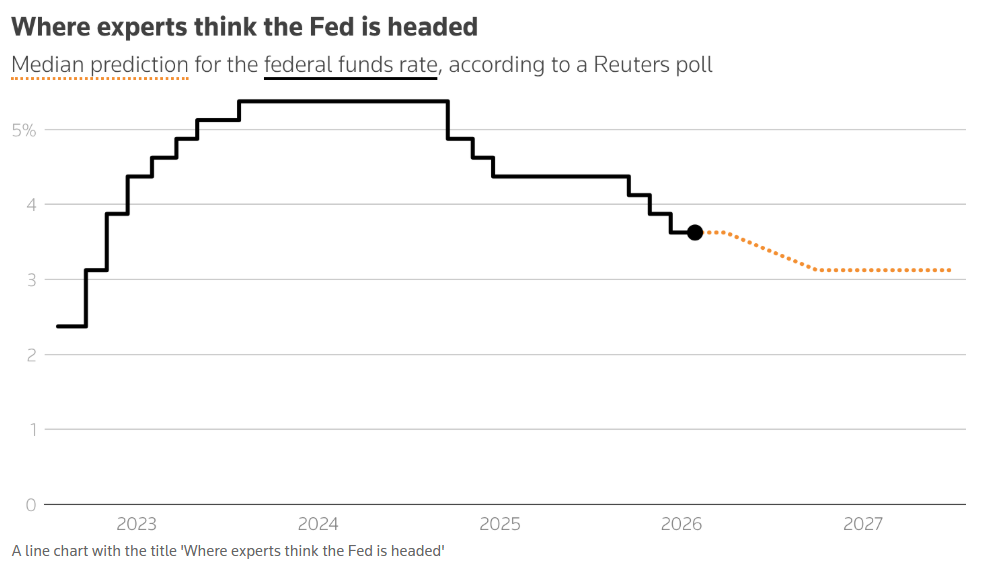
多位美联储官员近日表示,人工智能带来的生产力增长可能意味着更高的利率水平,这一观点与特朗普 政府及其美联储主席提名人沃什的立场形成鲜明对比。 美联储理事Michael Barr周二在纽约发表讲话时表示,他预计AI繁荣不太可能成为降低政策利率的理 由。他指出,资本需求和家庭储蓄等因素可能对利率形成上行压力。 随着总统鲍威尔任期将于5月到期,AI与生产力问题今年料将在利率辩论中占据愈发重要的地位。 AI推高利率的传导机制 Barr在讲话中详细阐述了AI可能推高利率的几个原因。他指出,利用这项技术需要强劲的企业投资,将 导致资本需求上升,从而对利率形成上行压力。 此外,由于对实际工资增长更强劲以及终身收入更高的预期,家庭储蓄可能下降,这也会对利率形成上 行压力。 Mary Daly在加州圣何塞的活动后对记者表示,因为投资需求相对于储蓄供给会上升,AI引发的生产力 增长加速在"标准模型"下会要求更高的中性利率。不过她也承认,任何分析都远非明确。"也许它会让 中性利率小幅上升,"她说,"我们需要对中性利率的影响保持一定谦逊。" 政策转向信号渐显 旧金山联储主席Mary Daly当天也表示,在"标准模型"下,AI引发的生 ...
美联储戴利:达到中性利率之前 美联储大约还有75个基点的空间
Sou Hu Cai Jing· 2026-02-17 20:33
【美联储戴利:达到中性利率之前 美联储大约还有75个基点的空间】智通财经2月18日电,美联储戴利 表示,达到中性利率之前,美联储大约还有75个基点的空间;需要降低通胀;除了医疗和教育,美国经 济中大部分行业都面临失业。 ...
美联储古尔斯比:若通胀下行,未来还将多次降息
Sou Hu Cai Jing· 2026-02-17 14:24
钛媒体App 2月17日消息,美国芝加哥联储主席Goolsbee表示,服务业通胀尚未得到抑制。如果通胀率 持续下降,未来还会有更多次的降息举措。将3%视为中性利率的宽松目标。(广角观察) ...
IC外汇平台:美国1月通胀放缓但仍高于2% 市场下调短期降息预期
Sou Hu Cai Jing· 2026-02-14 05:14
同日公布的美国1月消费者价格指数(CPI)数据显示,当月CPI年率录得2.4%,创下2025年5月以来的新 低,且低于市场预期的2.5%;剔除食品和能源成本的核心CPI同比上涨2.5%,为2021年3月以来新低,与市 场预期持平。从数据表现来看,美国通胀呈现温和回落态势,显现出一定的积极信号,但仍高于美联储设 定的2%目标,这也是古尔斯比保持谨慎的核心原因。 在利率水平方面,古尔斯比暗示,在达到中性利率水平之前,美联储仍有进一步降息空间。中性利率是指 既不刺激也不抑制经济增长的利率水平,目前美联储官员对这一水平的判断仍存在差异。古尔斯比强调, 通胀已超过4年半高于目标水平,降息前必须看到通胀切实改善,而非单纯指望其自行回落。 古尔斯比在接受采访时表示,支持再次降息的前提,是通胀在回落至美联储2%目标的道路上取得更多实质 性进展。这一表态清晰传递出,当前经济环境下,他暂不支持启动降息操作。据悉,美联储长期将2%通胀 率作为物价稳定的核心目标,这也是全球主要经济体普遍采用的合理通胀区间标准,适度通胀通常被视为 经济健康运行的表征。 市场预期与古尔斯比的谨慎表态存在差异。在美国1月通胀数据公布后,市场交易员加大押注 ...

不支持降息!美联储古尔斯比CPI出炉后“放鹰”
Feng Huang Wang· 2026-02-14 01:00
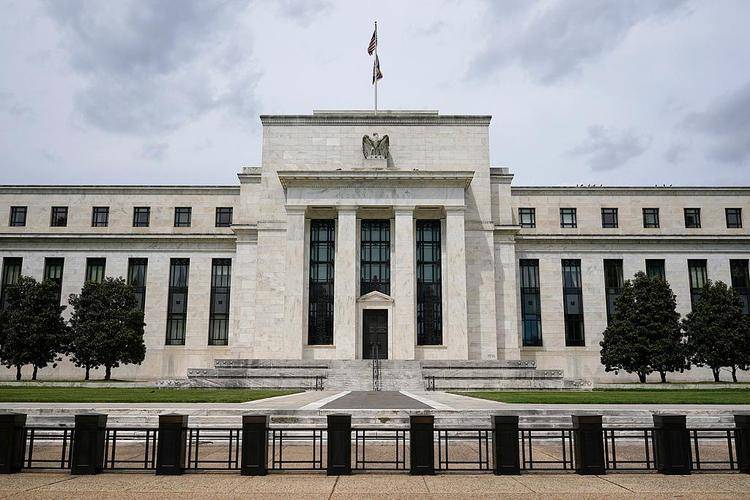
当地时间周五,美国芝加哥联储主席古尔斯比表示,在支持再次降息前,他希望看到通胀在回落至美联 储2%目标的道路上取得更多进展。 这表明,在当前经济条件下,古尔斯比暂不支持降息。 古尔斯比暗示,在达到他所认为的中性利率(既不刺激也不抑制经济增长的利率水平)之前,美联储仍 有进一步降息空间。 在谈及当前利率水平时,古尔斯比表示:"我不确定当前政策的紧缩程度有多大。通胀已经有超过4年半 的时间高于目标水平了,在开始降息之前,我们需要看到通胀切实改善,而不是指望它自行好转。" 不过,在美国1月通胀数据公布后,交易员加大押注,认为美联储有望在2026年内降息超过两次。 美联储下次会议将在3月17日-18日召开。据CME"美联储观察",目前美联储3月降息25个基点的概率为 9.8%,维持利率不变的概率为90.2%。 周五公布的数据显示,美国1月消费者价格指数(CPI)年率录得2.4%,创2025年5月以来新低,低于市 场预期的2.5%。剔除食品和能源成本的核心CPI同比上涨2.5%,创2021年3月以来新低,符合预期。 尽管美国1月通胀比市场预期更为温和,但仍高于美联储2%的目标。 古尔斯比表示,尽管周五的通胀报告显现出些 ...
最快下月动手?日本央行大鹰派“明示”:薪资若达标,春季即加息!
Xin Lang Cai Jing· 2026-02-13 23:20
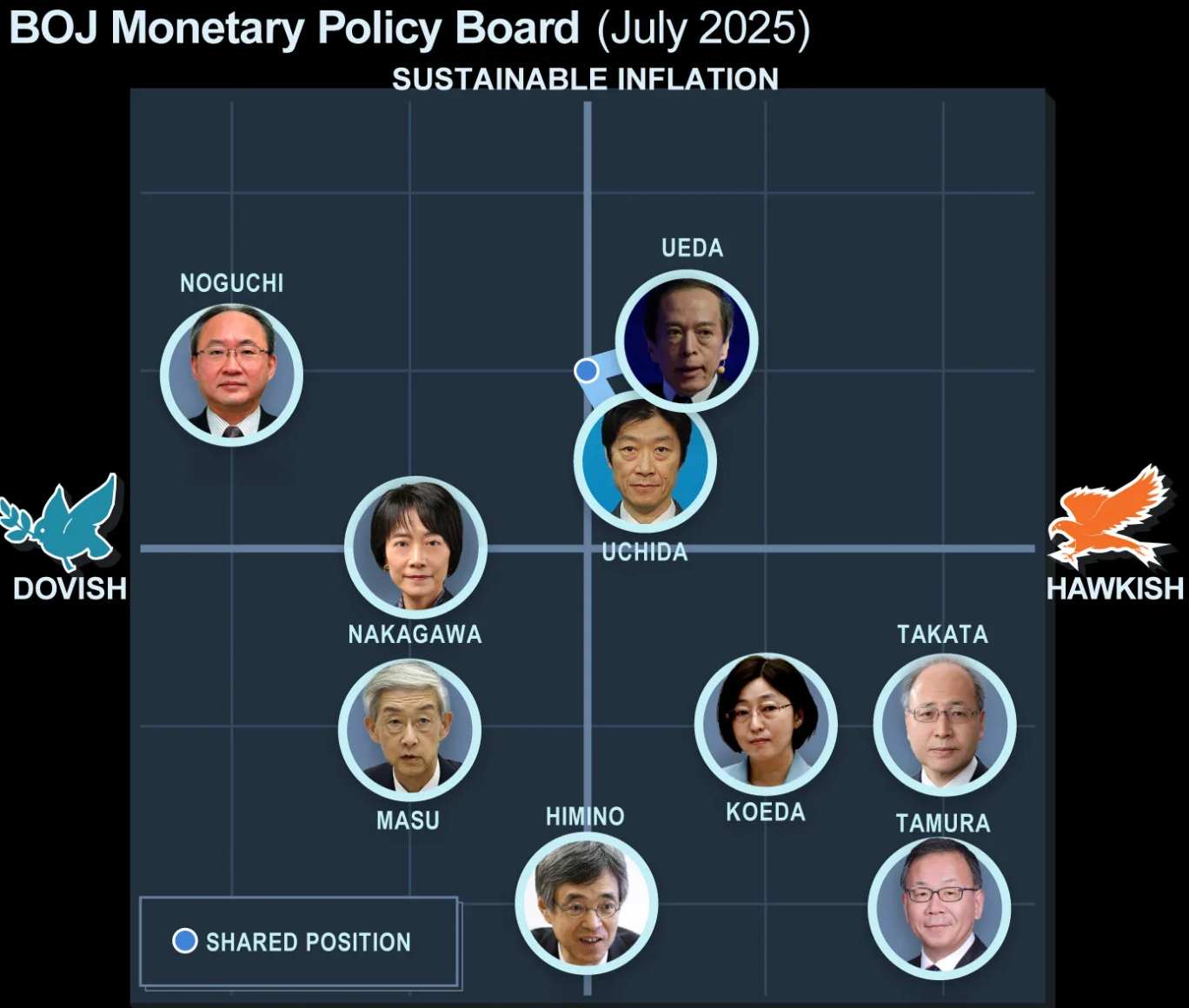
Core Viewpoint - A hawkish member of the Bank of Japan, Naoki Tamura, indicated that if wage growth meets targets, conditions for a rate hike could mature by spring, potentially leading to market speculation about an earlier action [1][4]. Group 1: Interest Rate Expectations - Market speculation about a rate hike has intensified, with traders estimating a 75% chance of the Bank of Japan raising the benchmark interest rate before April, up from 40% a month ago [5]. - Tamura's comments suggest that if the Bank of Japan maintains its current policy before the April meeting, it may face increasing opposition from other committee members [1][4]. Group 2: Inflation and Wage Growth - Japan's core inflation rate accelerated to 3.1% last year, remaining above the Bank of Japan's target for four consecutive years, marking the longest duration since 1992 [5][6]. - Ensuring strong wage growth is a shared concern for both the Japanese Prime Minister and the Bank of Japan, as it is seen as crucial for establishing a stable inflation cycle that promotes consumption and economic growth [6]. Group 3: Economic Conditions - Tamura defined price stability as a state where economic agents do not need to consider price level fluctuations in their consumption and investment decisions, aligning with the general consensus among central bankers [2][5]. - He expressed skepticism about Japan having achieved the defined state of price stability, citing the struggles of households and businesses due to rising living costs and input prices [2][5].
日本央行最鹰官员暗示:春季可能加息
Hua Er Jie Jian Wen· 2026-02-13 09:21
Core Viewpoint - The Bank of Japan (BOJ) may be poised to raise interest rates as early as spring if wage growth meets targets, according to Naoki Tamura, a hawkish policy committee member, which has heightened market expectations for a rate hike [1][2]. Group 1: Interest Rate Hike Expectations - Tamura's comments indicate that if wage growth is confirmed to meet targets for the third consecutive year, the BOJ could determine that its 2% inflation stability goal has been achieved as early as this spring [1]. - Market expectations for a rate hike have surged, with traders now estimating a 75% probability of an increase before April, up from 40% a month ago [1][3]. - The upcoming BOJ policy decision on March 19 coincides with Prime Minister Fumio Kishida's meeting with President Trump, adding complexity to the central bank's decision-making process [3]. Group 2: Inflation and Economic Conditions - Japan's key inflation indicator accelerated to 3.1% last year, exceeding the BOJ's target for four consecutive years, marking the longest streak since 1992 [1]. - Tamura expressed concerns about the current inflation situation, stating that many households and businesses are struggling with rising living costs and input prices, which complicates the notion of price stability [2]. - The BOJ views wage growth as essential for creating a stable inflation cycle that would drive higher consumption and economic growth [4]. Group 3: Wage Growth as a Key Factor - Ensuring strong wage growth is a shared concern for both the Prime Minister and the BOJ, as it is seen as a critical component for achieving stable inflation [4]. - The largest labor union in Japan typically announces annual wage negotiation results in mid-March, which has historically influenced BOJ policy actions [4]. - Tamura noted that the current interest rate of 0.75% has had limited impact on the economy, suggesting that the BOJ is still far from reaching a neutral interest rate that neither restricts nor stimulates economic activity [4][5].
4月加息概率升至75% 日本央行头号鹰派:春季或宣布通胀达标
智通财经网· 2026-02-13 08:47
Core Viewpoint - The Bank of Japan's next interest rate hike may be possible in spring, as indicated by Naoki Tamura, a prominent hawkish member of the policy committee, suggesting that the conditions for raising rates are becoming favorable [1][7]. Group 1: Economic Conditions - Japan's inflation rate accelerated to 3.1% last year, marking the longest period of exceeding the central bank's target since 1992, with inflation remaining above the target for four consecutive years [3]. - Tamura expressed confidence that the nature of inflation in Japan has fundamentally changed, shifting from being driven by raw material price fluctuations to being supported by rising labor costs, indicating a more persistent and endogenous inflation [6]. Group 2: Wage Growth and Economic Stability - Ensuring strong wage growth is a key focus for both the Prime Minister and the Bank of Japan, as it is seen as essential for establishing a stable inflation cycle that promotes consumption and economic growth [6]. - The annual wage negotiations, typically announced by Japan's largest labor union in mid-March, are closely monitored by the central bank as a critical data point [6]. Group 3: Monetary Policy Outlook - Tamura warned that the current monetary environment remains extremely accommodative, despite a policy rate increase to 0.75% in December, suggesting that the neutral interest rate should be around 1%, indicating significant room for further rate hikes [7]. - Market speculation has intensified regarding a potential interest rate hike in April, with traders estimating a 75% probability of an increase before that month, up from 40% a month prior [7][8]. Group 4: Political Context - The recent electoral victory of Prime Minister Sanna Takagi, attributed partly to her commitment to alleviate rising living costs, has influenced market expectations regarding inflation and currency strength [7]. - Tamura's comments may lead to increased dissent within the Bank of Japan's board if the Governor decides to maintain the current policy at the next meeting [8].
数据已支持加息,市场为何只死磕美联储降息?
Jin Shi Shu Ju· 2026-02-13 04:07
Group 1 - The Federal Reserve's current stance on interest rates is influenced by both economic factors and political pressures, with a prevailing expectation of rate cuts rather than increases [1][9][13] - Economic indicators, such as employment data, show a stabilizing labor market, with job growth nearly double expectations and a low unemployment rate of 4.3%, suggesting less need for further rate cuts [5][6] - Inflation remains above the Fed's 2% target, currently about 1 percentage point higher, and has exceeded this target for five consecutive years, complicating the rationale for continued rate cuts [5][6] Group 2 - The Trump administration's fiscal stimulus and significant capital expenditures in artificial intelligence are expected to impact economic growth positively, potentially leading to a higher neutral interest rate [6][9] - There is a perception that the Fed's dovish stance is increasingly influenced by political factors rather than purely economic data, raising concerns about the independence of the central bank [9][12][13] - The market is beginning to factor in political interventions when pricing interest rate changes, which creates uncertainty for investors and policymakers alike [13]