
借新还旧

Search documents
产业债主体上半年净利降幅最高达33倍,存续债7.2亿元
Xin Lang Cai Jing· 2025-08-25 10:44
Core Viewpoint - The financial performance of Hunan Overseas Chinese Town Cultural Investment Co., Ltd. (referred to as "Overseas Chinese Town Cultural Investment") has significantly declined, with a net profit drop of 3347.08%, raising market concerns about its reliance on land sales and government projects [1][2]. Group 1: Financial Performance - As of August 25, 2025, 151 industrial bond issuers have disclosed their semi-annual reports, with 116 reporting profits and 35 reporting losses [1]. - Overseas Chinese Town Cultural Investment reported a total operating revenue of 54.70 million yuan, a year-on-year decrease of 49.12%, primarily due to a slowdown in land sales and delays in engineering projects [2]. - The company experienced a net loss attributable to the parent company of 48.35 million yuan, compared to a profit of 1.49 million yuan in the same period last year, indicating a significant shift from profit to loss [2]. Group 2: Revenue Structure - The company's revenue structure shows that 55.13% of its income comes from land sales, while 36.16% is derived from engineering construction, which is heavily reliant on government project tenders [1][2]. - The company's cash flow from operating activities was negative at -106 million yuan, indicating a reliance on financing to maintain liquidity [2]. Group 3: Liquidity and Debt Management - The company has a short-term debt repayment capability that appears manageable, with a current ratio of 2.87 and a quick ratio of 1.66, but it faces long-term liquidity pressures due to ongoing reliance on external financing [3]. - The company raised 520 million yuan through the issuance of "25 Xiangqiao Bonds" on August 15, with a coupon rate of 4.2%, primarily to refinance existing debt [2]. - The total outstanding bonds amount to 720 million yuan, indicating a significant reliance on debt financing to sustain operations [2].
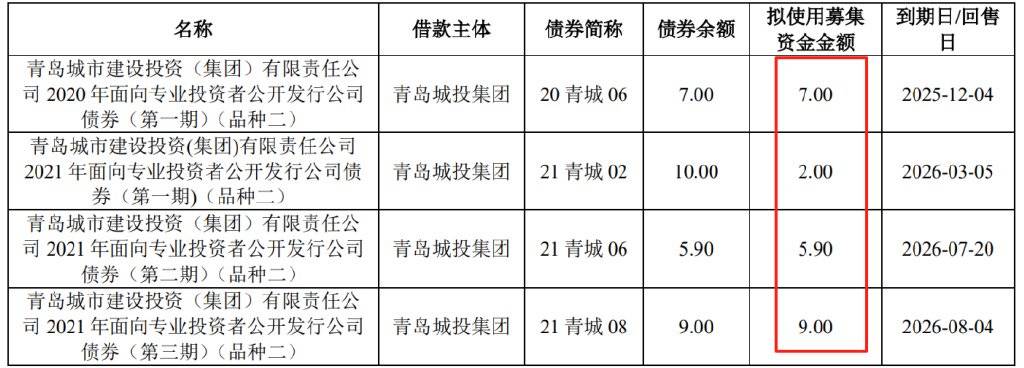
青岛城投集团102亿债券获受理!年亏超2亿叠加900亿短债压顶
Sou Hu Cai Jing· 2025-08-18 10:22
Core Viewpoint - Qingdao Urban Construction Investment Group is facing significant debt risks due to its expanding debt scale and deteriorating profitability, leading to increased short-term repayment pressures [1][2][6] Debt Situation - As of the end of 2024, the total debt of Qingdao Urban Construction Group reached 2,616.17 billion, with a notable increase to 2,660.16 billion by the end of March 2025, indicating a clear trend of debt expansion [2] - Short-term debt due within one year amounted to 896.63 billion, accounting for 34.27% of total debt, highlighting concentrated repayment pressures [2][10] - The company has acknowledged that even with the successful issuance of 102 billion in bonds, it will still face concentrated repayment risks [6] Financial Performance - In 2024, the company reported revenues of 469.76 billion, a year-on-year increase of 6.28%, but net profit turned from a profit of 7.78 billion in 2023 to a loss of 2.89 billion, indicating a significant decline in profitability [1][7] - The first quarter of 2025 saw further deterioration, with revenues declining by 6.74% to 105.43 billion and a loss of 1.24 billion [7] - The company's operating expenses reached 105.27 billion in 2024, representing 22.41% of revenues, severely eroding profit margins [7] Investment Dependency - The company has increasingly relied on investment income, which was 23.14 billion in 2024, accounting for 4.93% of total revenue, and rose to 6.43% in the first quarter of 2025 [8] - Investment income has been declining, with figures of 39.14 billion in 2022, 26.53 billion in 2023, and 23.14 billion in 2024, raising concerns about the sustainability of this income source [8] Liquidity Issues - The cash coverage ratio for short-term debt dropped from 0.29 in 2022 to 0.18 in 2024, indicating a liquidity crisis [10] - The company experienced a net cash outflow of 22.66 billion in 2024, reflecting a continuous trend of cash outflows over the years [11] - Significant amounts of funds are tied up in long-term receivables, with other receivables reaching 336.65 billion by the end of 2024, further exacerbating liquidity pressures [11] Debt Management - The issuance of the 102 billion bond is intended solely for repaying maturing debt, revealing a "borrow new to repay old" strategy [3][6] - The company has a substantial amount of public welfare assets, totaling 11.64 billion, which have negligible liquidity due to their nature [11]

三一重工拟发不超200亿元债务融资工具 推港股上市海外收入占比超六成
Chang Jiang Shang Bao· 2025-07-29 09:02
Core Viewpoint - Sany Heavy Industry plans to issue debt financing tools in the interbank market to refinance existing debts and support operational needs [1][2] Group 1: Financing Strategy - The company aims to issue up to 20 billion yuan in various non-financial corporate debt financing tools to optimize its financing structure and reduce costs [1] - The funds raised will be used for repaying maturing debts, supplementing working capital, and project construction [1] - The types of debt financing tools include short-term financing bonds, medium-term notes, perpetual notes, and green debt financing tools [1] Group 2: Financial Health - As of the end of Q1, Sany Heavy Industry's interest-bearing liabilities were approximately 20 billion yuan, with short-term loans at 5.25 billion yuan and long-term loans at 11.1 billion yuan [1][2] - The company has sufficient liquidity, with cash and cash equivalents amounting to 20.8 billion yuan, covering short-term repayment needs [2] Group 3: Business Performance - In 2024, Sany Heavy Industry reported revenue of 77.77 billion yuan, a year-on-year increase of 6.22%, and a net profit of 5.98 billion yuan, up 31.98% [3] - For Q1 2025, the company achieved revenue of 21.05 billion yuan, a 19.18% increase year-on-year, and a net profit of approximately 2.47 billion yuan, reflecting a 56.4% growth [3] Group 4: Global Expansion - Sany Heavy Industry has been advancing its globalization strategy, with products sold in over 150 countries and regions, generating 48.86 billion yuan in overseas revenue, accounting for 62.3% of total revenue in 2024 [2]

中美日三大经济体负债出炉:美国36万亿,日本9.1万亿,中国意外
Sou Hu Cai Jing· 2025-07-22 13:17
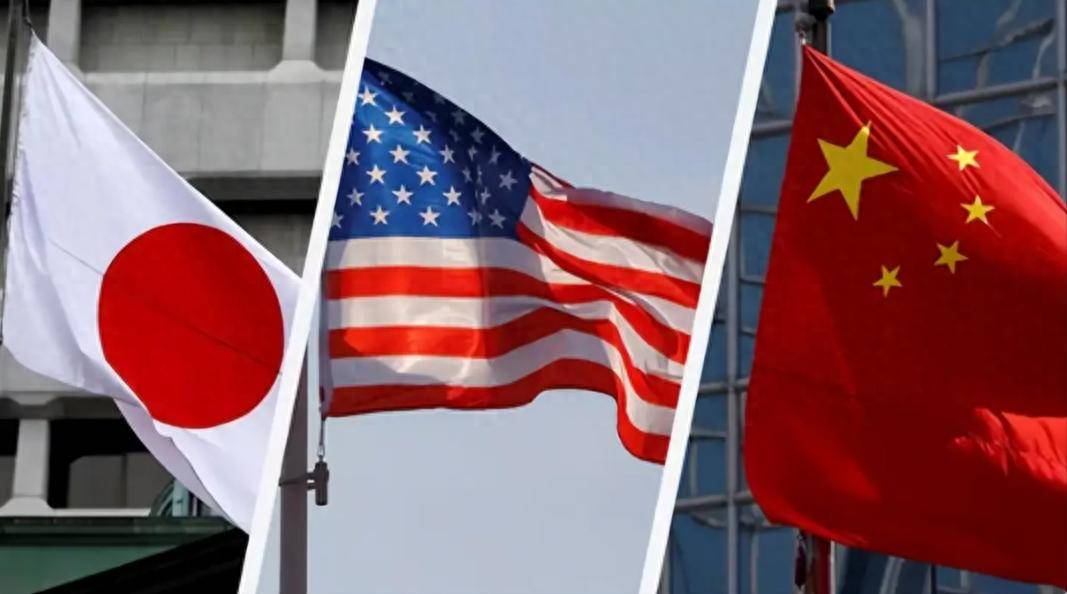
Group 1 - The article discusses the significant debt levels of the world's wealthiest countries, specifically the United States, Japan, and China, highlighting their differing attitudes towards debt management [1][2] - The United States has a total debt exceeding $40 trillion, which is significantly higher than its GDP, indicating a hidden debt risk despite apparent economic prosperity [4][14] - Over 70% of the U.S. debt is held domestically, driven by a culture of consumerism and widespread credit card use, leading to increased borrowing by individuals and businesses [6][8] Group 2 - Japan's debt totals approximately 1,300 trillion yen (around $9.1 trillion), which is more than double its GDP, presenting a severe debt pressure situation [18][20] - The Bank of Japan has historically supported the debt market through large-scale bond purchases, but this support is weakening, raising concerns about future debt stability [22] - Recent economic pressures from the U.S. on Japan's automotive industry have exacerbated Japan's debt challenges, prompting a shift in Japan's diplomatic stance towards the U.S. [24] Group 3 - In contrast, China's debt level is approximately 86 trillion yuan, which is about 60% of its GDP, indicating a manageable debt situation within a recognized safe range [26][28] - China has implemented a proactive "debt reduction plan" to optimize debt structure and reduce repayment pressure, showcasing a strategic approach to debt management [28] - Chinese debt is primarily directed towards infrastructure projects, creating a positive cycle of borrowing for development, which enhances economic growth and repayment capacity [30][32]
必须继续借旧换新,否则大家就别玩了,特朗普向美联储主席发“最后通牒”
Sou Hu Cai Jing· 2025-06-30 04:22
Group 1 - The current economic situation in the U.S. is described as "very, very bad," with President Trump expressing anxiety and calling for immediate interest rate cuts by the Federal Reserve to lower government borrowing costs [1] - Trump is focusing on tariff policies to alleviate fiscal pressure, proposing a 10% tariff on all imports, which could generate over $400 billion in government revenue and significantly reduce the $1.83 trillion fiscal deficit [3] - The proposed tariffs are seen as a core strategy for the Trump administration to increase revenue, with the 10% tariff rate becoming a key indicator of his economic policy [3] Group 2 - Trump's tariff plan faces multiple challenges, including the Federal Reserve's commitment to independent monetary policy and bipartisan criticism regarding inflation risks and potential global trade retaliation [4] - Analysts suggest that while Trump's tariff strategy may boost fiscal revenue in the short term, it could lead to higher domestic prices, weaken corporate competitiveness, and provoke retaliation from trade partners, exacerbating the current economic imbalance [6] - The U.S. economy is currently in a "high debt, high deficit, low growth" predicament, and pushing for a tariff war may further complicate economic stability, with significant uncertainty about the future direction of the economy [6]

新城,咬牙发了笔美元债
3 6 Ke· 2025-06-16 03:00
Group 1 - New City issued a $300 million three-year USD bond with a coupon rate of 11.88%, but the market price fell by 0.5-1pt from the issue price, leading to a final subscription amount of $612 million, down from $880 million [1][2] - This bond issuance is significant as it marks the first USD bond from a private real estate company in three years and is an unsecured credit bond, which helps alleviate cash outflows for the company [2][4] - The issuance timing was strategic, as the company aimed to capitalize on a favorable market window, similar to previous successful issuances by other companies like Greentown [4][10] Group 2 - New City was cautious in its approach, issuing only $300 million out of a $600 million quota, which helps mitigate repayment pressure in the future [6][7] - The company executed a quick transition from bond issuance to repurchasing maturing bonds, demonstrating careful financial planning [9][10] - The investor composition for the bond was notable, with 39% from funds and asset management companies, 55% from high-net-worth clients/private banks, and only 6% from investment banks, indicating a cautious sentiment from larger financial institutions [11]

6万多亿美债即将到期! 特朗普关键时刻改口,美国需要与中方见一面
Sou Hu Cai Jing· 2025-05-31 22:24
Group 1: U.S. Debt Situation - The U.S. government faces a potential debt default as $6.6 trillion in U.S. Treasury bonds are set to mature by June 2025, with a significant portion of short-term debt due in June 2023 estimated at around $2.3 trillion [1] - The interest on U.S. Treasury bonds has increased significantly, with new debt interest rates rising to 4.5% to 5%, contrasting sharply with previous near-zero rates, leading to a projected $1 trillion in interest payments for the fiscal year [3] - The proportion of short-term debt has exceeded 20%, raising concerns about liquidity crises if the market refuses to absorb new debt [3] Group 2: Political Dynamics - The Trump administration is attempting to shift blame for increasing deficits onto external factors, such as China's potential sale of U.S. debt and the Federal Reserve's interest rate policies, ahead of the September debt ceiling negotiations [3] - Tensions between the U.S. and South Africa have been highlighted, with Trump's decision to attend the G20 summit in Johannesburg seen as a significant shift in U.S. diplomatic posture [5] - Trump's primary objective for attending the G20 summit appears to be to create an opportunity for a face-to-face meeting with Chinese leaders, as he has not yet engaged with them since taking office [8]

海外研究|“年中美债集中到期”的现实与误读
中信证券研究· 2025-04-29 00:09
文 | 李翀 崔嵘 贾天楚 韦昕澄 近期市场存在"年中美债集中到期"的叙事。然而,从美国到期债务结构、财政操作和市场行为来看,这一叙事存在明显夸大。美债到期结构方 面,今年年中确实存在一定的集中到期压力,但主要源于短债(T-Bills)。不过,T-Bills以高频滚动、"借新还旧"为常态,而且从"对等关 税"发布后T-Bills的拍卖情况看,T-Bills需求依旧稳定。另外,我们观察到在特朗普2 . 0时期非美央行有"买短卖长"、缩短持有美债久期的趋 势。因此,2Y和5Y美债拍卖表现或并不能准确反映当前非美央行对美债久期的真实需求。最后,T-Bills ETF的资金流入情况显示 "年中美债集 中到期"的叙事并没有使投资者卖出T-Bills。我们认为年中短期美债集中到期是可以解决的问题,不过,因为特朗普政策冲击导致的信用裂痕使 得美国债务问题虽无近忧但有远虑。 ▍ 美债集中到期:短债为主,中长债平稳 从美债到期结构来看,今年年中确实存在一定的美债集中到期压力,但主要来源于短债(T-Bills)。T-Bills以高频滚动、"借新还旧"为常 态,且今年5月约2万亿美元的到期规模在2 0 2 3和2 0 2 4年也屡 ...