农旅融合

Search documents
推进乡村治理 重塑乡土画卷
Xin Lang Cai Jing· 2026-01-18 18:28
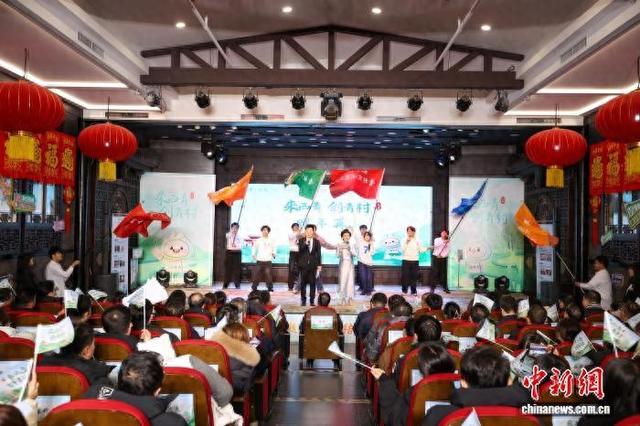
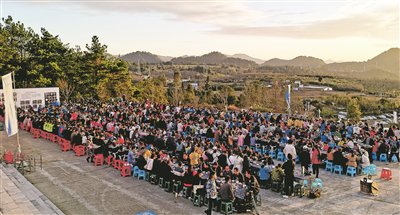
转自:贵州日报 乌当区新堡布依族乡"下乡过年"长桌宴现场。 开阳县楠木渡镇黄木村一角。 俯瞰花溪区黔陶乡马场村民宿群。 花溪区青岩镇山王庙村一景。 冬日暖阳下,贵阳贵安的乡村里随处可见洁净的庭院、清澈的沟渠、整齐的篱笆和笑脸盈盈的村民。曾 经杂物乱堆、污水横流的景象一去不返,取而代之的是"推窗见绿、出门见景"的宜居家园。 2025年,贵阳贵安紧扣"四个关键治房、三水同治治水、五个环节治垃圾、三个同治治厕、三个重点治 风"工作思路,统筹推进"两清两改两治理"和农村"五治",不仅改变了乡村的"面子",更提升了发展 的"里子",让一个个村庄更加"洁净美"。 环境改善:从"脏乱差"到"洁净美" 人居环境整治,首先体现在"硬设施"的全面提升。贵阳贵安以"两清两改两治理"和农村"五治"为行动指 南,年度化、项目化、清单化推动各项任务落地,让乡村面貌焕然一新。 危房变安居,残垣成风景。在修文县久长街道清水村,村民陈仲锦的一栋老旧危房已在风雨中飘摇了20 多年。随着县、乡、村联合推进残垣断壁清理,他积极响应,主动拆除危房。像这样的清理行动正在修 文县各乡村热火朝天地推进。而在全市层面,已累计改造宜居农房2.96万户,清理残垣 ...

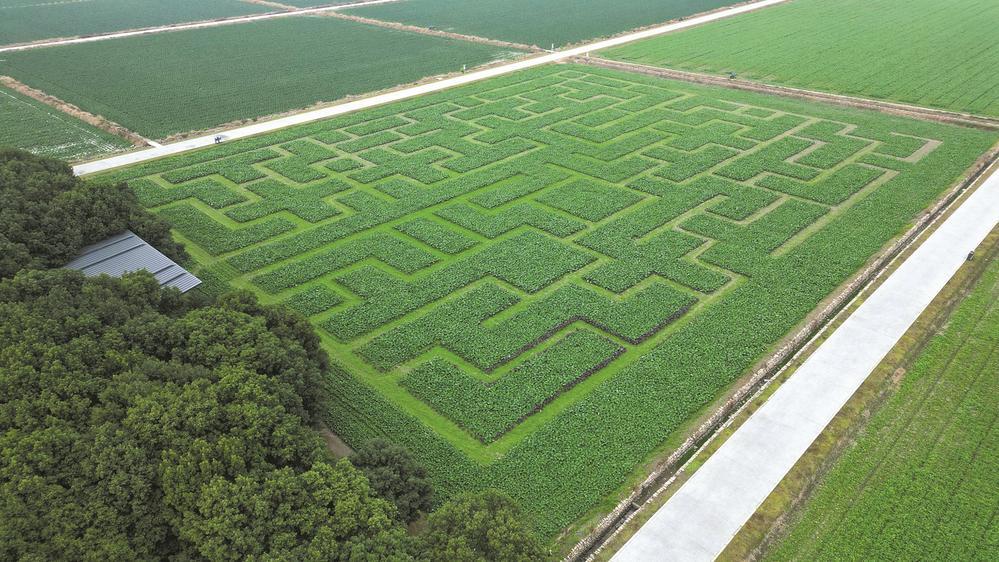
油菜花绘就一万平方米巨型“迷宫”
Xin Lang Cai Jing· 2026-01-18 17:25
Core Insights - The article highlights the creation of a 10,000 square meter "Flower Maze" at the Tianfu Agricultural Expo Park in Xinjin, which has attracted many visitors during the spring season [3][4] - The maze features two varieties of rapeseed flowers, purple-leaf and green-leaf, aimed at enhancing visitor engagement and interaction through innovative agricultural tourism [3] - The project is part of a technology innovation research initiative in collaboration with the Chengdu Academy of Agricultural Sciences, focusing on the integration of agricultural research and tourism [3] Summary by Sections - **Flower Maze Development** - The "Flower Maze" spans 10,000 square meters and is designed to provide a unique visitor experience [3] - The maze utilizes two rapeseed varieties to extend the flowering period and enhance the visual appeal [3] - **Visitor Engagement Activities** - Activities such as "escape room" games and hide-and-seek are planned for the maze, with rapeseed expected to grow over one meter tall by the Spring Festival [4] - By the end of February, the rapeseed is projected to reach nearly two meters, improving the maze's aesthetic and interactive potential [4] - **Research and Innovation Collaboration** - The project is a collaboration with the Chengdu Academy of Agricultural Sciences, aimed at promoting the transformation of research outcomes and the integration of agricultural and tourism sectors [3]
宁夏隆德:大棚绿意映白雪 农旅融合暖寒冬
Zhong Guo Xin Wen Wang· 2026-01-13 08:49
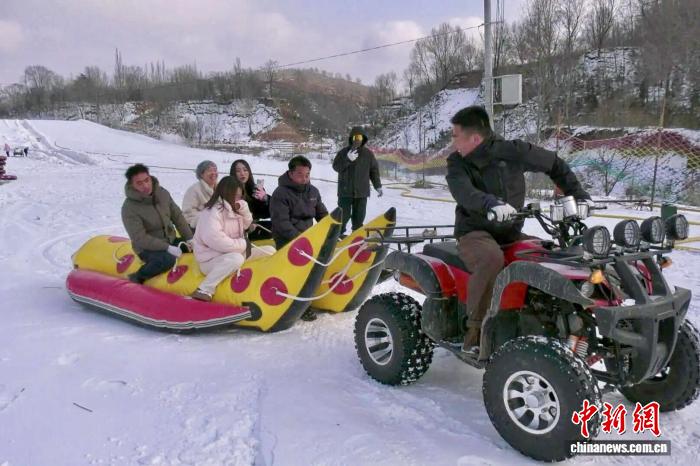
Core Viewpoint - Ningxia Longde County is transforming its winter economy through the integration of agriculture and tourism, creating a vibrant atmosphere during the cold season, which was previously characterized by inactivity [1][4]. Group 1: Agricultural Development - The introduction of the "Agriculture + Ice and Snow" model has turned the winter season into a peak tourist period, with nearly 200 visitors daily at the Panlong Mountain Villa for strawberry picking [3]. - The Panlong Mountain Villa has integrated fruit and vegetable cultivation with accommodation and dining services, enhancing the overall visitor experience [3]. - Local farmers are benefiting from job opportunities created by the standardized greenhouse farming supported by policies from the Fujian-Ningxia cooperation [3]. Group 2: Tourism and Economic Impact - The ice and snow resources in Longde County are being fully utilized, with attractions like the Red Cliff Ice and Snow Amusement Park drawing significant visitor interest [4]. - The development of leisure picking and ice tourism projects has filled the winter tourism market gap, contributing to local economic growth and enhancing the livelihoods of farmers [4]. - The collaborative efforts in agriculture and tourism are broadening consumption scenarios, leading to a more prosperous winter economy in Longde County [4].
乌当区羊昌村:美了“面子”富了“里子”
Xin Lang Cai Jing· 2026-01-06 22:38
Core Viewpoint - The transformation of Yangchang Village from a traditional agricultural community to a thriving tourism destination is highlighted, showcasing the integration of agriculture and tourism as a means of economic development and community improvement [1][2][3]. Group 1: Economic Development - Yangchang Village has shifted its focus to tourism, leveraging its geographical and ecological advantages to develop a summer tourism economy, encouraging residents to convert idle homes for hospitality purposes [1]. - The village has successfully integrated over 120 households into the tourism industry, creating nearly 3,000 accommodation beds, thus establishing a unique development path centered around the tourism sector [2]. - In 2025, the village is projected to host over 5,000 tourists, generating more than 14 million yuan in tourism revenue, with individual household earnings exceeding 6 million yuan [3]. Group 2: Community Engagement and Improvement - The village has implemented significant environmental improvements, including waste management and sanitation initiatives, which have enhanced the overall attractiveness of the area for visitors [2]. - A community-driven approach has been adopted for maintaining a healthy market, with regular discussions among residents to set pricing and service standards, fostering a collaborative business environment [2]. - Cultural activities and events are organized to enrich the spiritual and cultural life of both tourists and residents, promoting a sense of community and enhancing the overall visitor experience [3].
元旦假期惠阳文旅市场开门红,接待游客超8.5万人次
Nan Fang Du Shi Bao· 2026-01-05 15:18
沙田镇东明村麒幻田园于元旦正式开园,园内推出 "小黄鸭漂流记"、非遗麒麟舞表演、麟图共绘、麟 饰工坊、麟韵糖坊非遗手作体验及麒麟主题星空烟花秀等特色活动。元旦三天,入园游客超 1200人 次。这些活动既生动展现了沙田麒麟非遗文化的活力,又以沉浸式田园体验满足了群众元旦休闲需求, 实现了传统文化传承与乡村文旅消费的有效融合。 此外,淡水街道灯光秀、秋长街道剧本游、三和街道接力跑等多元活动,进一步丰富了文旅供给,满足 不同休闲需求。此次假期的火热景象,为惠阳新一年文旅产业发展注入强劲动力。惠阳将持续深化文旅 融合,打造更优质的文旅产品与体验,诚邀游客前来探寻更多精彩。 2026年元旦假期,惠阳区文旅市场迎来"开门红"。据不完全统计,1月1日至3日,全区累计接待游客约 8.55万人次,实现旅游收入约3320万元,市场运行平稳有序,无安全事故及重大投诉,为市民游客营造 了安全祥和的假日氛围。 假期期间,惠阳各镇街推出系列特色文旅活动,亮点纷呈。平潭镇举办第五届淮山文化主题日暨区域品 牌发布会,全新IP"阿航仔"亮相,同步开展"淮山王"评比、田园徒步等活动,尽显农旅融合魅力;永湖 镇凤咀村发布特色IP"凤堡"与村歌《欢 ...
提振消费进行时丨古建寻幽 柿园生“金” 农旅融合富瑶乡
Guang Xi Ri Bao· 2026-01-05 02:49
元旦的恭城瑶族自治县,文庙的红墙下,深圳游客张先生牵着孩子的手,仰头细看大殿檐角琉璃脊 上斑驳的戏剧人物。"孩子课本里读'庙堂',今天总算见了真的。"他笑道。不远处,武庙古戏台依稀传 来锣鼓声,仿佛穿越百年。3天小长假,这两座静静矗立600余年的古建筑,迎来了近万名游客。 热闹不只属于田间地头。在位于恭城的桂林聚鑫农业有限公司车间里,自动化生产线昼夜不停,新 鲜月柿经过加工、烘烤,变为柿饼、果干,日均处理超20吨。"订单排到年后了。"负责人指着繁忙的流 水线说。而在电商直播间,恭城森璐贸易的助农主播正热情介绍,月柿产品一小时便卖出近万单,发往 天南海北,甚至远至俄罗斯。 传承百年的油茶,也飘香出新的产业。在新欧记食品的洁净车间,浓缩油茶膏、速溶油茶等新产品 从流水线上鱼贯而出,设计日产能达2吨,仍供不应求。 据统计,元旦假期,全县接待游客超3万人次,同比增长近1/4。月柿系列产品销售额达8600万元, 其中超过1/3经由电商销往全国;油茶及相关制品销售额突破3200万元。随着灌平高速公路通车,来自 广东、湖南的游客占比显著提升,约占客流总量的六成。(施洋洋 韦六彬) 与古建的静雅相映成趣的,是莲花镇红岩村的生 ...
(乡村行·看振兴)山西长子:大棚草莓“链”起多元增收路
Xin Lang Cai Jing· 2026-01-04 04:33
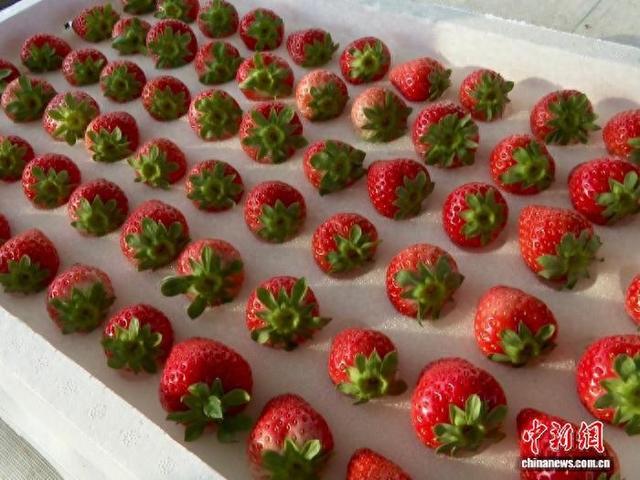
草莓成熟上市。宋云摄 中新网长治1月4日电 题:山西长子:大棚草莓"链"起多元增收路 作者 刘小红 宋云 郭晓俊 当前,今冬首批草莓成熟上市。山西省长子县鲍店镇东万户村的草莓大棚内,红彤彤的果实点缀在翠绿 的藤蔓间,果香四溢。工人们忙碌地穿梭其间,进行采摘、分拣工作,呈现出一派丰收景象。 今冬首批 草莓大棚相关负责人孟江平表示:"众多大型超市、精品水果店以及上海、江苏等地商家都前来订货, 说这里的草莓有自然香甜的味道,过节前后的订单都排满了,供不应求。" 市场青睐得益于品质的坚守。草莓大棚依靠智能温室调控系统,推行绿色无公害种植模式,综合运用物 理防虫、生物防治等绿色防控技术,对草莓从育苗到成熟全程精细管理。其草莓在2025年山东草莓产业 大会上荣获金奖。 好产品需有好销路。草莓大棚创新营销思路,搭建"全员抖音宣传矩阵",鼓励员工用个人账号分享草莓 生长、日常管护、采摘体验等场景。前来采摘的市民陈先生表示:"我是看抖音直播过来的,这里的草 莓清甜可口。"线上流量的聚集,有效带动了线下销量与采摘热度。 目前,该村建成草莓育苗及种植大棚21座,主要种植香野、盐莓一号、宝株等优质品种,亩产达5000 斤,年收益近4 ...
推动文旅融合、调整农业结构、强化配套支撑 阿坝乡村搭建全域旅游大舞台
Si Chuan Ri Bao· 2026-01-04 03:58
Core Viewpoint - The recent cultural and tourism festivals in Aba Prefecture, Sichuan Province, highlight the region's rich natural beauty and cultural heritage, attracting a significant number of tourists and promoting rural revitalization through integrated tourism and agriculture [2][3][4][5]. Group 1: Cultural and Tourism Events - The 12th Autumn Rural Cultural Tourism Festival was held in Heishui County, showcasing local ethnic music and cultural heritage, which enhances the region's appeal to visitors [3][4]. - Aba Prefecture has become a national model for comprehensive tourism development, achieving full coverage of A-level scenic spots and hosting various cultural events that attract tourists from all over [2][4]. Group 2: Agricultural and Tourism Integration - The establishment of the International Mountain Agriculture Technology Innovation Alliance in Jiuzhaigou indicates the potential for agricultural development in the region, with a focus on integrating agriculture and tourism [5][6]. - Aba has seen the emergence of specialized agricultural clusters, including highland vegetables and unique livestock products, which are popular among tourists, contributing to the high-quality development of rural tourism [6]. Group 3: Regional Cooperation and Development - Collaborative efforts between Zhejiang Province and Aba Prefecture aim to enhance tourism through strategic partnerships, including the establishment of tourism routes and support for local tourism initiatives [7][8]. - The introduction of wellness tourism initiatives, such as the establishment of a health retreat base in the Four Girls Mountain Scenic Area, reflects the growing focus on tourism development in the region [8].

宁夏泾源“绿富共赢”案例登全球减贫榜 农旅融合铺就生态富民路
Zhong Guo Xin Wen Wang· 2026-01-01 07:48
Core Insights - The case study from Jingyuan County, Ningxia, titled "Ecological Priority and Dual-Driven Development for Prosperity" has been selected as one of the "Global Best Poverty Alleviation Cases" in the sixth global poverty alleviation case collection activity, highlighting the effectiveness of local poverty alleviation efforts and the practical value of ecological prioritization [1][4] Group 1: Ecological and Economic Development - Jingyuan County is located in the core area of the Liupan Mountain National Nature Reserve, with a forest coverage rate of 48.65% and over 93% of days in a year having good air quality, earning it titles such as "Highland Green Island" and "Natural Water Tower" [3] - The county has shifted from a single industrial structure to a model that integrates ecology, culture, and tourism, establishing a green development path through "deep integration of agriculture and tourism" [3][4] - Jingyuan County has built 16 agricultural and cultural tourism integration demonstration bases and revitalized 12 boutique homestays, enhancing the brand value of local products like Jingyuan beef and honey to 3.519 billion yuan and 144 million yuan respectively [3] Group 2: Tourism and Employment - The county has developed a four-season tourism product system to overcome the "one-season tourism" bottleneck, creating job opportunities for over 80 villagers with an average monthly income increase of over 3,000 yuan [3][4] - Jingyuan County has received multiple honors, including being recognized as a "Green Water and Green Mountain is Gold Mountain and Silver Mountain" practice innovation base and "China's Natural Oxygen Bar," with 40,000 people benefiting from tourism services and agricultural product sales [4] Group 3: Policy and Framework - Since 2017, the Ministry of Ecology and Environment has designated 331 "Green Water and Green Mountain is Gold Mountain and Silver Mountain" practice innovation bases, exploring three transformation paths: "Protect Green for Gold," "Gather Green for Gold," and "Borrow Green for Gold," which have effectively promoted ecological protection and green low-carbon development [5]
天津高校青年用直播镜头助力乡村振兴
Xin Lang Cai Jing· 2025-12-31 10:40
Core Viewpoint - The article highlights the active role of youth from Tianjin universities in promoting rural revitalization through innovative live-streaming sales of local agricultural products, showcasing their contributions to both economic development and community engagement [1][3]. Group 1: Youth Engagement and Impact - Over 3,200 university students and youth organizations have participated in rural initiatives, addressing 65 rural development needs in collaboration with 13 universities in Tianjin [1][3]. - The "village partner" model has successfully generated over 700 orders for grapes and developed multiple agritourism routes, enhancing the local economy [3]. - The "Qingyun Assist Farmers" initiative saw over 700 university students participate in an e-commerce live-streaming competition, resulting in nearly 1,000 promotional videos with a total view count exceeding 13.4 million and sales surpassing 1 million yuan [3][5]. Group 2: Innovative Approaches and Product Development - University teams have modernized traditional crafts, such as redesigning non-heritage willow weaving products into fashionable bags, thereby reviving market interest [5]. - The emergence of cultural and creative products, including lotus seed bracelets and IP representations of local specialties, demonstrates the application of students' skills to express local cultural symbols in contemporary forms [5]. - The initiative has transformed rural revitalization needs into a clear and visualized checklist, allowing youth to activate industries and enhance local culture through creativity and practical engagement [5].