协同共治

Search documents
破域与重构:数字智能驱动下国家文化公园建设的江苏路径
Xin Hua Ri Bao· 2025-10-14 05:22
Core Insights - Jiangsu province is uniquely positioned with significant waterways, including the Grand Canal and Yangtze River, which provide a historical and cultural foundation for the development of national cultural parks [1] - The transition from traditional management to digital governance in cultural park management faces challenges related to physical, cognitive, and industrial boundaries [2][3] - Jiangsu is exploring innovative practices in cultural park governance, focusing on digital technology, IP operation, and multi-stakeholder collaboration to address governance challenges [3][4] Group 1: Opportunities and Challenges - The governance of national cultural parks is undergoing a critical transformation towards digital governance, highlighting the need to overcome physical, cognitive, and industrial boundaries [2] - The integration of cultural heritage sites is challenged by administrative divisions and the "data island" phenomenon, necessitating systematic solutions [2] - Cultural transmission must evolve from one-way output to interactive engagement, particularly to enhance youth recognition of traditional culture [2] Group 2: Pathways to Governance Modernization - Jiangsu's cultural narrative is being restructured through digital media, transforming cultural heritage into emotional symbols [4] - The use of IP operation is aimed at activating the cultural industry ecosystem, turning cultural resources into marketable IP symbols [4] - Digital platforms are facilitating collaborative governance, creating an inclusive governance model that engages government, market, and society [5] Group 3: Future Vision - The construction of a unified data platform for national cultural parks is essential for integrating various data sources and addressing the "data island" issue [6] - Innovative mechanisms for IP operation and industry linkage are being established to support cross-media development and global cultural product transformation [6] - The development of a digital dialogue platform for river culture is anticipated to enhance emotional connectivity and social participation in cultural parks [6][7]
汕尾陆河“出圈”:一场县域振兴的系统性破局
Nan Fang Nong Cun Bao· 2025-10-09 07:34
Core Viewpoint - The article highlights the successful transformation of Luhua, a small city in Guangdong, into a vibrant cultural and tourism hub, showcasing a model for county-level revitalization through innovative space reconstruction and cultural activation [4][44]. Group 1: Tourism and Economic Impact - During the National Day and Mid-Autumn Festival, Luhua attracted 768,200 visitors, generating 306 million yuan in tourism revenue, both showing over 35% year-on-year growth [4][5]. - The city transformed previously idle land into cultural and economic spaces, creating ten themed parks and a transportation hub that received an average of 76,300 visitors daily [6][10]. Group 2: Cultural Activation - Luhua hosted 47 cultural events during the holiday, including music festivals and local heritage showcases, making culture a dynamic part of community life [15][20]. - The "Cultural Enrichment" initiative allowed local heritage to thrive, integrating traditional performances into everyday activities and fostering community participation [18][19]. Group 3: Governance and Collaboration - The successful implementation of tourism activities was attributed to a collaborative governance model involving local government, departments, and community participation, ensuring safety and satisfaction [22][24]. - Luhua's development benefited from multi-level support, including provincial assistance and partnerships with organizations like China Railway Group, creating a comprehensive support system [29][35]. Group 4: Sustainable Development Model - The article emphasizes the "Cultural + Tourism" economic model, where cultural events drive economic activity, leading to increased sales of local products and services [37][39]. - Luhua's approach illustrates a shift from short-term tourism events to long-term economic sustainability, with a focus on building a brand around "lawn culture" [41][42]. Group 5: Replicable Success - Luhua's revitalization serves as a replicable model for other counties, demonstrating that small cities can achieve significant growth through resource optimization, cultural empowerment, and innovative mechanisms [47][49].


省攻坚办、省检察院联合行动主动作为 破解餐饮油烟污染源头管控难题
Xin Jing Bao· 2025-09-30 08:25
Core Viewpoint - The ongoing efforts by provincial authorities to address environmental issues related to restaurant cooking fumes have highlighted the challenges posed by existing regulations and the need for improved communication and compliance mechanisms [1][2][4] Group 1: Regulatory Challenges - The issue of cooking fumes from restaurants has become a focal point of environmental complaints, particularly in areas where such activities are prohibited by the Air Pollution Prevention Law [1] - The law explicitly bans the establishment of restaurants that generate cooking fumes in residential buildings and certain mixed-use buildings, complicating enforcement and compliance [1][2] Group 2: Legal and Administrative Gaps - There is a disconnect between the administrative approval processes and the enforcement of environmental regulations, leading to situations where businesses may unknowingly violate the law [2] - Current regulations do not adequately inform businesses about the restrictions related to cooking fume emissions, which can undermine government credibility and public trust [2] Group 3: Proposed Solutions - A suggestion was made to implement a "notification letter" mechanism during the restaurant registration process to inform businesses of legal requirements regarding site selection, thereby preventing violations before they occur [2] - The meeting emphasized the importance of inter-departmental collaboration to enhance information sharing and compliance at the provincial level, particularly in the restaurant registration phase [4] Group 4: Commitment to Environmental Governance - The meeting underscored the necessity for leadership accountability and institutional support in enforcing environmental protection policies [3] - A commitment was made to enhance public awareness and legal literacy among business operators through various educational initiatives, aiming to reduce existing environmental issues and prevent new ones [4]
哈尔滨新区:创建医药安全互助联盟 探索政企共治新模式
Zhong Guo Fa Zhan Wang· 2025-08-29 07:03
Core Viewpoint - The Harbin New Area Emergency Management Bureau has established a "Pharmaceutical Safety Alliance" to enhance safety management in the pharmaceutical industry, shifting from isolated efforts to collaborative governance, resulting in a 98.5% hazard rectification rate and 100% employee safety training coverage since its inception [1] Group 1: Mechanism Improvement - A structured organization has been established for the Pharmaceutical Safety Alliance, selecting six representative pharmaceutical companies and four industry safety experts to form the initial members, with the Emergency Management Bureau coordinating and providing expert support [2] - A member information-sharing mechanism has been created, facilitating monthly experience exchange meetings and online communication among safety management personnel to break down information barriers and promote collaborative governance [2] - A technical advisory group of qualified safety experts has been formed to provide policy interpretation, technical consultation, and hazard diagnosis services, conducting two legal and regulatory seminars and analyzing eight typical accident cases [2] Group 2: Hazard Management Enhancement - Cross-inspection activities have been organized, with expert advisors and technical personnel from member companies conducting joint safety inspections, identifying and rectifying over 50 hazards through scenario-based teaching and guidance [3] - A mutual learning mechanism has been established, allowing member companies to observe and learn from advanced safety management practices, transforming safety management from a regulatory requirement to a collective behavior among employees [3] - Emergency response drills have been conducted to test and optimize emergency response mechanisms, enhancing the capabilities of emergency teams in scientific rescue and incident management [3] Group 3: Safety Culture Development - Safety culture sharing activities have been initiated to foster a competitive safety culture, using case studies to enhance safety awareness and clarify key management aspects [4] - Training channels have been expanded through events like "Safety Production Month" and "Disaster Prevention and Mitigation Day," promoting safety knowledge competitions and emergency skill contests to improve employee safety literacy [4] - An incentive mechanism for reporting safety hazards has been established, encouraging public participation in safety management and shifting the mindset from "I have to be safe" to "I want to be safe" [4]
簋街开展外卖试点,骑手、商家与平台三方合力提升送餐时效
Xin Jing Bao· 2025-08-02 13:50
Core Viewpoint - The meeting aimed to establish a harmonious ecosystem for the takeout industry in the Guijie business district, focusing on collaboration among delivery riders, merchants, and platform companies to address common challenges in the industry [1] Group 1: Meeting Outcomes - Delivery riders and merchants signed the "Proposal for a Harmonious Ecosystem in the Guijie Takeout Industry," agreeing on optimizing food preparation and delivery processes, enhancing food packaging, maintaining good communication, and standardizing operational procedures [1] - Platform companies, including Meituan, Ele.me, and JD, actively participated in the meeting, indicating their support for the initiative [1] Group 2: Collaborative Model - The East District is implementing a "three-party consultation model" involving riders, merchants, and platforms, marking the first exploration of this approach in the city [1] - The initiative is part of the city's monthly civil affairs project, focusing on the unique characteristics of the Guijie area, which has a high density of takeout services [1] Group 3: Industry Transformation - The "three-party consultation and three-level linkage" model developed in Guijie provides practical experience for addressing common challenges in the city's takeout industry [1] - The initiative aims to shift the industry from "unidirectional management" to "collaborative governance" [1]

从“托住安全”到“托举成长”,200余个爱心暑托班在全市街镇开设
Nan Jing Ri Bao· 2025-07-17 02:41
Core Insights - The article highlights the establishment and operation of "Love Summer Care Classes" in Nanjing, aimed at providing comprehensive support for children from vulnerable groups, including children of migrant workers and new economy workers [1][2][4] Group 1: Program Overview - The summer care program spans 28 days, offering services that include supervision, academic assistance, interest cultivation, and practical experiences, with over 200 classes expected to cover more than 6,000 children [1] - The program is characterized by a collaborative model involving government leadership, community implementation, volunteer support, and participation from social organizations [1][2] Group 2: Target Demographics - The classes specifically cater to children whose parents work in demanding jobs, such as ride-hailing drivers and delivery personnel, addressing their needs for academic support and emotional companionship [2][3] - Special attention is given to children of active and retired military personnel, with unique courses designed to foster discipline and skills [3] Group 3: Educational Approach - The program has shifted from a primarily supervisory role to a more diversified service model, incorporating interactive and immersive learning experiences [6][7] - Various innovative courses are offered, including science experiments, arts appreciation, and practical skills like first aid and technology [6][7] Group 4: Community and Institutional Support - The initiative has garnered support from local governments, educational institutions, and community organizations, creating a robust support system for the program's sustainability [9][10] - Financial backing includes subsidies for volunteers and operational costs, ensuring that the program remains accessible to families in need [10][11] Group 5: Safety and Management - Safety protocols have been established across all classes, including emergency training for volunteers and provisions for health and safety supplies [10] - The program emphasizes parental engagement through initiatives like "Parent Open Days," allowing parents to stay informed about their children's activities [10]
公安部:1月至5月,共立案侦办非法占用农用地刑事案件千余起
Xin Jing Bao· 2025-06-25 04:58
Core Viewpoint - The article emphasizes the efforts of public security agencies in China to combat illegal occupation of agricultural land, highlighting the establishment of an ecological policing mechanism and the importance of maintaining national food and ecological security [1][2]. Group 1: Actions Taken - Public security agencies have investigated over 1,000 criminal cases of illegal occupation of agricultural land from January to May this year, resulting in the arrest of more than 2,600 suspects, creating a strong deterrent effect [1]. - Special operations such as "Kunlun" and "Jinfeng" have been organized to target crimes that damage black soil resources, focusing on illegal occupation of farmland and forest land for various unauthorized constructions [1]. - The implementation of a new quality combat power enhancement project has been initiated, utilizing aerial and space remote sensing technology to create a data analysis system and improve the effectiveness of law enforcement [1]. Group 2: Collaborative Efforts - The public security agencies are actively participating in special rectification efforts to address prominent issues related to illegal occupation of agricultural land, enhancing mechanisms for information sharing and case transfer with administrative departments [1]. - The commitment to a high-pressure crackdown on illegal occupation of agricultural land is reinforced through initiatives like "Kunlun-2025," aimed at protecting land resources and ensuring food security [2].
安徽省能源局局长汪振宇解读“获得电力”新政
Zhong Guo Dian Li Bao· 2025-06-12 06:11
Core Viewpoint - The document outlines the joint issuance of the "Opinions on Deepening and Enhancing the 'Electricity Access' Service Level" by the National Development and Reform Commission and the National Energy Administration, aiming to create a modern electricity business environment that aligns with new economic and social development requirements [3][4]. Summary by Sections Overall Requirements - The "Opinions" emphasize the need for a modern electricity service system that supports high-quality economic development, with a framework summarized as "1+5+1," which includes overall requirements, five key tasks, and supporting measures [3][4]. Key Tasks - The document identifies five major tasks with 14 specific reform measures aimed at enhancing the electricity service level, focusing on user-centered public service, high-quality electricity supply, and equitable access to electricity [4][5]. Strategic Importance - The "Opinions" highlight three strategic roles: 1. Reshaping public service models through streamlined processes and data sharing [4]. 2. Supporting high-quality development by ensuring reliable electricity supply for high-end industries and promoting green energy consumption [5]. 3. Establishing a fair and inclusive electricity service network to enhance the quality of life for residents [5]. New Developments - The "Opinions" introduce a new framework for long-term development in electricity services, focusing on five key areas: convenience in electricity access, high-quality supply, green energy usage, inclusive services, and collaborative governance [7][8]. Implementation and Execution - The document emphasizes the importance of legal compliance, clear objectives, and task accountability to ensure effective implementation of the proposed reforms [10][12]. Regional Focus - Anhui Province has been actively developing the "Beautiful Electricity Service" brand, achieving a power supply reliability rate of 99.982% by the end of 2024, positioning itself as a leader in supporting economic and social development [11][12].
协同共治聚合力 重拳整治净市场
Zhong Guo Chan Ye Jing Ji Xin Xi Wang· 2025-05-29 03:22
Core Viewpoint - The Liuzhou Rongshui Tobacco Monopoly Bureau in Guangxi has established a comprehensive market supervision model focusing on "collaborative operations, precise regulation, and distinctive legal education," which has positively impacted local economic development [1] Group 1: Collaborative Operations - The bureau has implemented a "1+N" collaborative mechanism, promoting data sharing and joint law enforcement with public security and market supervision departments, utilizing big data platforms for precise targeting [2] - A significant case was resolved this year, involving over 4 million yuan in illegal tobacco activities, leading to the arrest of 7 suspects and the seizure of 225,400 illegal cigarettes and 1.34 tons of tobacco leaves [2] Group 2: Precise Regulation - The bureau employs a strategy of "service-oriented, non-intrusive regulation" for compliant businesses while intensifying enforcement against historical violators and high-risk entities [3] - A 24-hour regulatory model has been adopted, including dynamic inspections and a full-chain regulatory loop to track leads, verify on-site, and enforce penalties [3] - Two cases of selling tobacco to minors have been addressed this year, enhancing the protection of the environment around schools [3] Group 3: Distinctive Legal Education - The bureau has formed a bilingual legal education team to disseminate tobacco-related legal knowledge through engaging community outreach and online platforms [4] - Over 500 legal education bags and 50 promotional aprons have been distributed this year, alongside initiatives in local schools to educate students about the dangers of electronic cigarettes [4] - Future plans include continued collaboration with public security and market supervision departments to strengthen regulation in key areas and ensure the tobacco market's high-quality development [4]
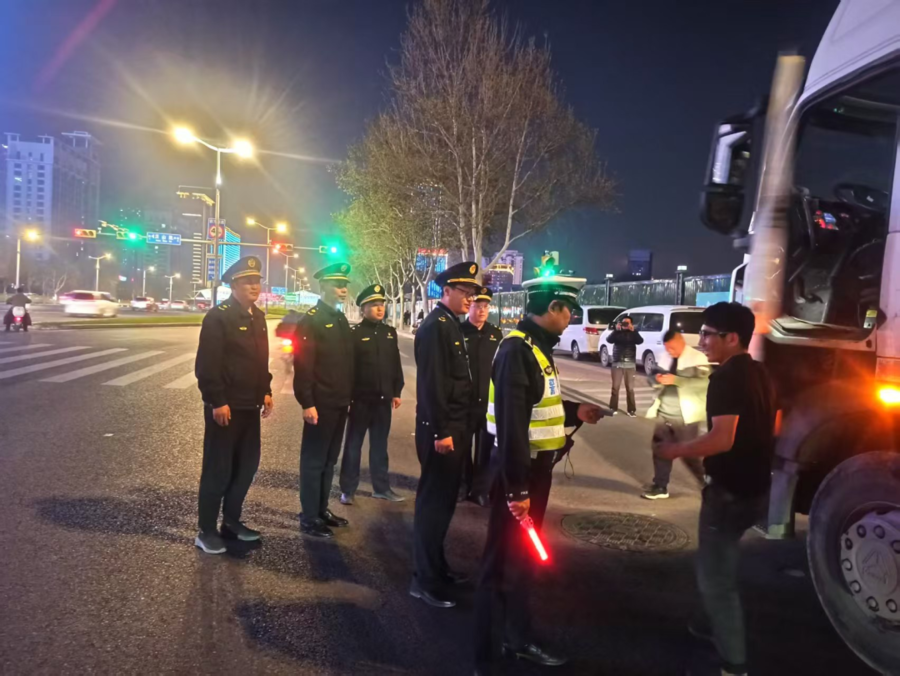
实现全链条闭环监管!历下区创新建筑垃圾“一案三查”治理体系
Qi Lu Wan Bao Wang· 2025-05-21 10:53
Core Points - The article highlights the successful implementation of a modern governance model for construction waste management in Lixia District, which integrates cross-department collaboration, full-process traceability, and multi-dimensional penalties [1][7] - The case serves as a template for urban governance modernization, showcasing the effectiveness of the "one case, three investigations" mechanism [8] Group 1: Incident Overview - A violation involving the unregistered transportation of 30 cubic meters of construction waste was reported, revealing issues with project responsibility and inadequate qualification checks for transport companies [2] - The enforcement team initiated the "one case, three investigations" procedure, completing evidence collection within 48 hours [2] Group 2: Collaborative Mechanisms - The case faced challenges in tracking the involved transport company due to its lack of location and cooperation, leading to the establishment of a "three-dimensional collaboration mechanism" [4] - Collaboration with traffic police and market regulation departments helped identify the transport company and confirm illegal operations, achieving a complete evidence chain from waste generation to disposal [4] Group 3: Regulatory Innovations - The introduction of a dual notification mechanism for illegal cases allowed for simultaneous administrative penalties and industry oversight, resulting in credit deductions for the involved construction company [6] - The case prompted the development of a long-term governance mechanism, utilizing a unified management platform for data sharing and real-time monitoring [6][7] Group 4: Systematic Upgrades - The successful handling of the case signifies a shift from single enforcement to comprehensive governance, addressing issues of multi-agency management and integrating new technologies like AI and blockchain into administrative processes [7] - A standardized case handling process was established, emphasizing timely departmental collaboration and evidence conversion rules [7]