国货出海

Search documents
(经济观察)海南离岛免税政策调整凸显三重意义
Zhong Guo Xin Wen Wang· 2025-10-17 13:01
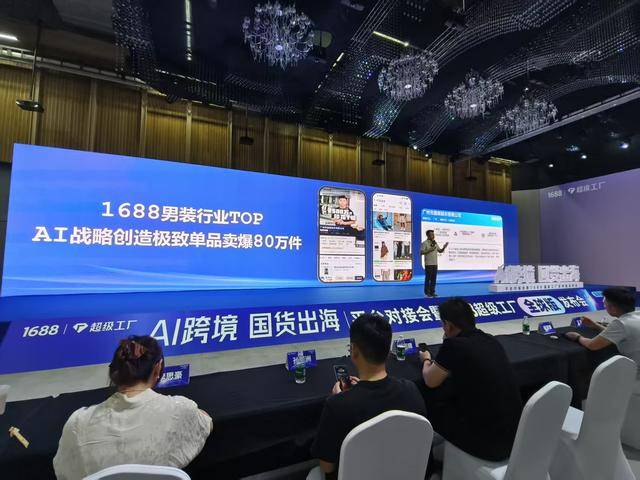
Core Viewpoint - The adjustment of Hainan's duty-free shopping policy, effective from November 1, aims to enhance consumer return, accelerate the construction of an international tourism consumption center, and explore new channels for domestic products to go global [1][3][4]. Group 1: Consumer Return - The duty-free policy has been a significant driver of tourism consumption in Hainan since its implementation in 2011, with over 2000 billion RMB in shopping amounts and 30 million shoppers recorded from July 2020 to September 2025 [3][5]. - The new policy expands the category of duty-free goods from 45 to 47, adding popular items like pet supplies and portable musical instruments, which aligns with the growing pet economy and enhances the emotional and quality-of-life aspects of shopping [3][4]. Group 2: International Tourism Consumption Center - The duty-free sector has become a core driver of Hainan's tourism revenue over the past five years, and the new policy is expected to shift the focus from scale expansion to refined operations, accelerating the development of an international tourism consumption center [4][5]. - The policy allows "departing and leaving the island travelers" to enjoy duty-free shopping, which is a significant breakthrough in coverage and is anticipated to increase international customer flow to Hainan's duty-free stores [5][6]. Group 3: Domestic Products Going Global - The new policy permits six categories of domestic products, including clothing and footwear, to be sold in duty-free stores, providing a new platform for high-quality domestic goods to enter international markets [6]. - The measures to exempt value-added tax and consumption tax will lower sales costs for domestic brands, enhancing their international competitiveness and offering them a fair chance in the duty-free sector [6].

福州跨交会2026:数智出海,赢在福州
Sou Hu Cai Jing· 2025-09-25 09:17
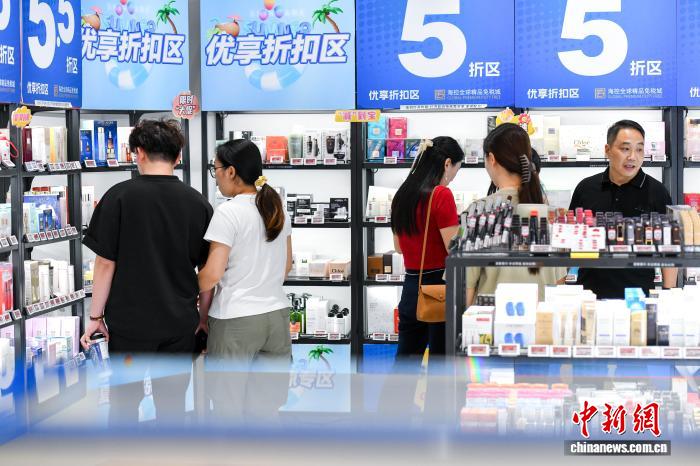
Group 1 - The sixth China Cross-Border E-Commerce Fair will be held from March 18 to 20, 2026, in Fuzhou, attracting over 3,000 exhibitors and 100,000 professional visitors, with an exhibition area exceeding 100,000 square meters [1] - The theme of the fair is "Digital Empowerment, Cross-Border Win-Win," focusing on AI technology and the entire industry chain collaboration [3] - The fair will introduce new policies, including subsidies for overseas warehouse construction and a small and medium-sized enterprise incubation fund, providing strong support for brands going global [3] Group 2 - The event will showcase innovative achievements across the entire cross-border e-commerce industry chain, including smart consumer products and eco-friendly solutions [6] - Special zones will be set up for emerging markets, featuring products tailored for Latin America and the Middle East [6] - Over 30 high-end activities will be held concurrently, discussing the application of AI technology in various aspects of cross-border e-commerce [8] Group 3 - The fair serves as a digital hub connecting Chinese manufacturing with global markets, intertwining policy benefits, technological innovation, and industry accumulation [10] - Fuzhou's advantages include efficient logistics with dedicated cross-border e-commerce freight lines and rapid customs clearance policies [3][10] - The event aims to create a "fast track" for brands to go global, emphasizing the importance of digital transformation in cross-border trade [10]
AI重塑国货出海路径
Shen Zhen Shang Bao· 2025-09-22 07:04
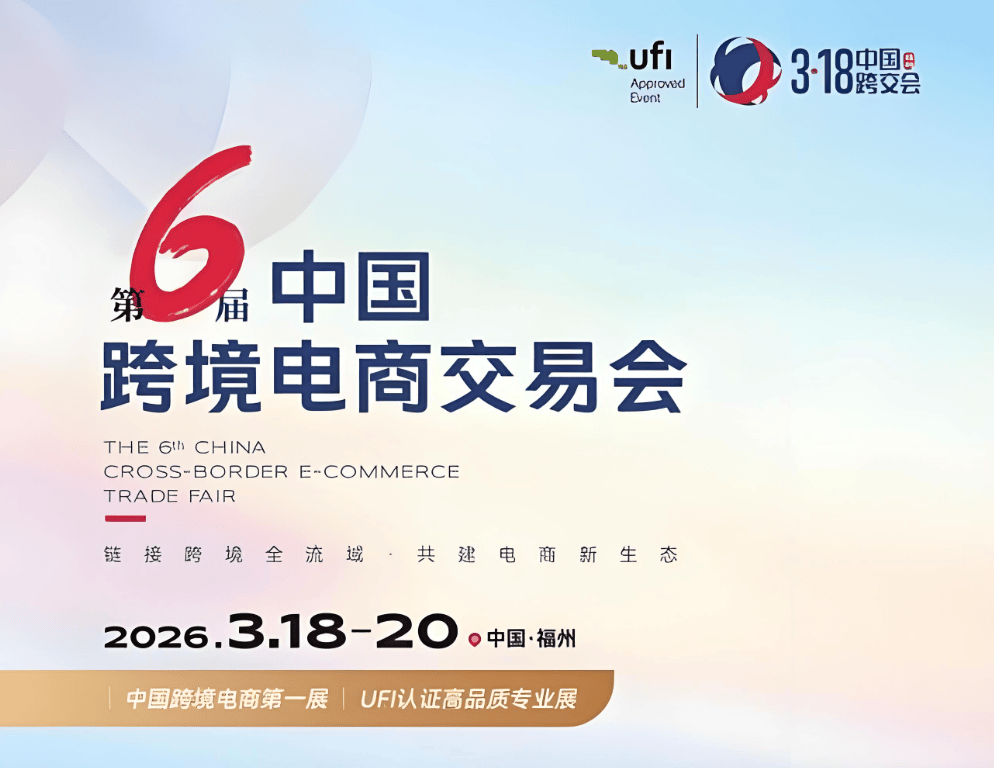
Core Insights - AI technology is reshaping the export path of domestic goods and unlocking new opportunities for cross-border e-commerce [1][2] - The launch of "Super Factory Global Version" by 1688 aims to address pain points for cross-border e-commerce enterprises, leveraging AI to assist domestic products in going global [1] Industry Overview - Cross-border e-commerce has become a significant driver of foreign trade growth in China, with an estimated import and export value of approximately 2.71 trillion yuan in 2024, reflecting a year-on-year growth of 14%, which is 9 percentage points higher than the overall growth rate of goods trade [1] - In 2024, Shenzhen's cross-border e-commerce import and export value is projected to reach 372 billion yuan, maintaining its position as the national leader for three consecutive years [1] Company Developments - 1688 platform has seen cross-border user growth and transaction growth rates significantly surpassing industry averages over the past three years, driven by a shift in global consumption patterns [2] - The introduction of new features in the "Super Factory Global Version" includes cross-border service capability certification, multi-language store display, and precise matching with overseas buyers, all at no additional cost to merchants [2] - A case study highlighted a Shenzhen mobile phone stand manufacturer that utilized AI to analyze overseas user reviews, leading to the development of a magnetic vacuum phone stand, achieving sales exceeding 50 million yuan and a net profit of over 20 million yuan within six months [2]

AI 助力国货“出海” 深企从“差评”中找到商机
Sou Hu Cai Jing· 2025-09-17 15:40
Group 1 - AI technology is reshaping the path for domestic products to go global, unlocking new opportunities for cross-border e-commerce [1] - Cross-border e-commerce has become a significant driver of foreign trade growth in China, with an estimated import and export value of approximately 2.71 trillion yuan in 2024, a year-on-year increase of 14% [3] - Shenzhen has maintained its position as the top city for cross-border e-commerce in China for three consecutive years, with an import and export value of 372 billion yuan in 2024 [3] Group 2 - The 1688 platform has seen cross-border user growth and transaction growth rates significantly exceed industry averages over the past three years, driven by a shift in global consumer demand [4] - The 1688 Super Factory Global Version introduces new features such as cross-border service capability certification and multi-language store display, allowing merchants to upgrade without additional fees [4] - A Shenzhen-based mobile phone stand manufacturer utilized AI to analyze overseas user feedback, resulting in sales exceeding 50 million yuan and a net profit of over 20 million yuan within six months [5]
美国超火的国货是啥?秘密藏在这里→
Jin Rong Shi Bao· 2025-09-11 06:51
Core Insights - The article highlights the transformation of Dongfang International Group and its role in cross-border trade through the Hongqiao Import Commodity Display and Trading Center, showcasing innovative strategies like live streaming to boost sales and connect consumers with global products [1][2]. Group 1: Business Operations - The Hongqiao Import Commodity Display and Trading Center, led by Dongfang International Group, has successfully utilized live streaming to enhance the visibility and sales of products, such as the "Samyang Hot Chicken Noodles," achieving an annual sales figure of 2 billion yuan [1]. - The center operates a comprehensive logistics and trade layout, including a 50,000 square meter bonded logistics center and a 210,000 square meter commercial experience center, facilitating easier customs clearance and closer consumer access to global goods [1]. - The center has established partnerships with eight online national pavilions, including those from Pakistan and Cambodia, to streamline the import process for consumers [1]. Group 2: Growth and Future Goals - During the 14th Five-Year Plan period, the company grew from zero to 50 billion yuan in trade volume, with ambitions to create a trillion-yuan international trade enterprise platform by the 15th Five-Year Plan [2]. - The company emphasizes a dual-directional trade approach, where not only are foreign products entering China, but domestic brands are also expanding into international markets [2]. Group 3: Market Trends - There is a growing acceptance of Chinese herbal medicine in foreign markets, presenting significant opportunities despite the high costs associated with international expansion [3]. - Products like traditional Chinese herbal patches and pet health supplements infused with Chinese ingredients are gaining popularity among overseas consumers, indicating a shift in market preferences [2][3].
《巴黎合伙人》热播 这款云南护肤成分打动国际消费者
Yang Guang Wang· 2025-09-05 02:37
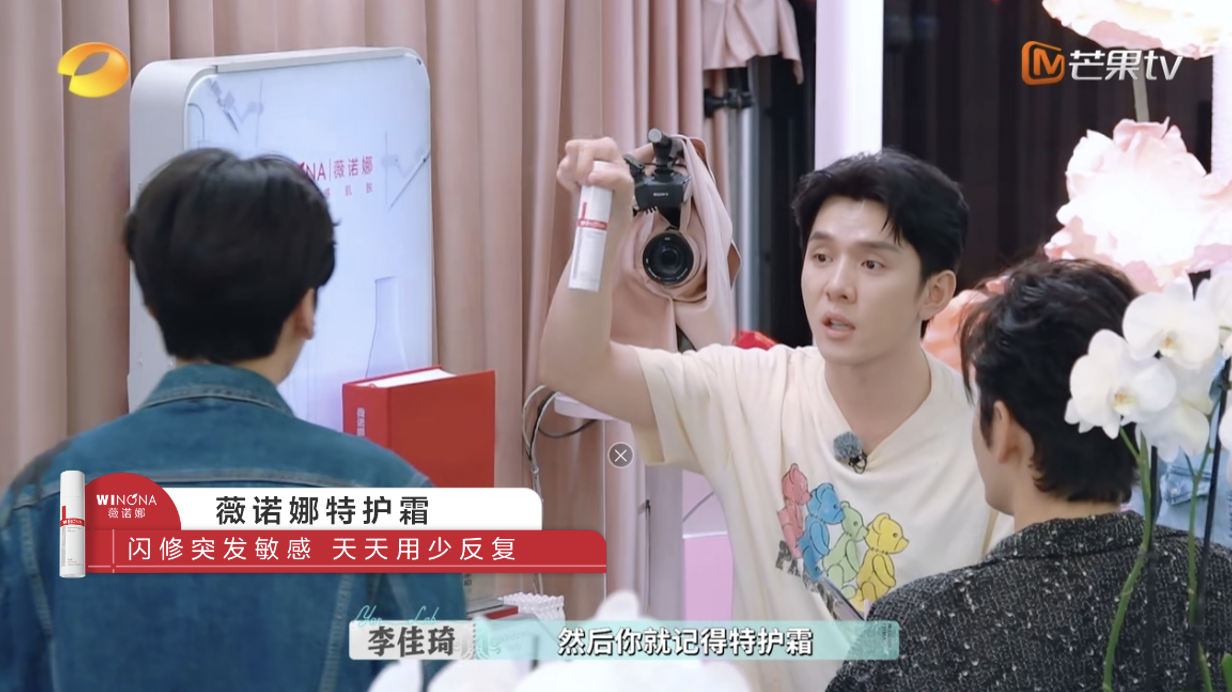
Group 1 - The cultural export variety show "Paris Partners" features Li Jiaqi as the "Goods Manager," leading 12 domestic brands to Paris for a 16-day beauty pop-up store operation, aiming to promote Chinese products and aesthetics internationally [1][2] - Li Jiaqi emphasizes that domestic brands are innovating and transitioning from followers to leaders in certain fields, showcasing the potential of Chinese products in the global market [2][3] - Winona, a skincare brand from Yunnan, stands out in this initiative, with a focus on sensitive skin and a commitment to globalizing Chinese beauty through pharmaceutical-grade research and clinical evidence [3][4] Group 2 - Winona's core ingredient, "Qingci Fruit PRO MAX," is sourced from the Haba Snow Mountain in Yunnan, and the company has successfully registered 16 new plant ingredients, ranking among the top in the country [4][8] - The company is expanding its global footprint by establishing research institutes in Tokyo and Paris, with a strategy to penetrate Southeast Asia before moving into the European and American markets [8] - Li Jiaqi views the pop-up store as a bridge for cultural dialogue, using beauty products to convey Chinese cultural stories and enhance international consumers' interest in Chinese aesthetics [9]

国货精品扎堆亮相,大湾区高品质消费“磁场效应”渐成
2 1 Shi Ji Jing Ji Bao Dao· 2025-09-03 08:17
Group 1: Event Overview - The Fourth China (Macau) International High-Quality Consumption Expo and Hengqin World Bay Area Forum was held from September 3 to 7, showcasing an innovative "one exhibition, two locations" model in Hengqin and Macau [1] - The expo aims to promote high-quality consumption and international trade cooperation in the Guangdong-Hong Kong-Macao Greater Bay Area, focusing on meeting people's high-quality material and spiritual needs [1] Group 2: Participating Companies and Products - Eight companies from Jiangxi participated, showcasing high-end ceramics and agricultural products, with a focus on cultural and artistic value [2] - The company "Qiaogeng Renjia" presented green pickled vegetables with low nitrite levels, targeting the growing demand for healthy and organic products in the Greater Bay Area [3] Group 3: Market Opportunities - The event provided a platform for domestic brands to expand internationally, with companies like Guojizhi and China Gold leveraging Macau's status as a free port to enhance their global presence [4][5] - The Greater Bay Area's high-quality consumption environment is seen as a rapid channel for domestic agricultural products to reach international markets, with logistics solutions enabling quick delivery to locations like Singapore [5] Group 4: Traditional Chinese Medicine and Health Products - China National Pharmaceutical Group showcased a range of health products, emphasizing the Greater Bay Area as a key market for biomedicine and health consumption [6] - Companies like Meikangxing are focusing on internationalizing traditional Chinese medicine, utilizing the expo to break cultural barriers and expand into Southeast Asia and Portuguese-speaking countries [7]
李佳琦的巴黎考卷:中国美妆引发文化共振|新京报评论
Xin Jing Bao· 2025-08-28 08:30
Core Viewpoint - The discussion around "Li Jiaqi talks about the need for Chinese goods to 'dare'" highlights the growing confidence and cultural value of Chinese beauty brands as they expand into international markets, particularly in Europe [1][4]. Group 1: Chinese Beauty Brands' Strength and Cultural Value - The phrase "dare" encapsulates the motivation behind Li Jiaqi's participation in the show "Paris Partners," reflecting the evolution of the Chinese beauty market over the past decade [4]. - Chinese beauty brands have transitioned from mere imitators to entities backed by strong technology and ingredient capabilities, allowing them to compete with international brands [5]. - In 2023, the market share of domestic beauty products surpassed that of foreign brands for the first time, reaching 50.4%, marking a significant milestone for Chinese goods [5]. Group 2: Two-Way Engagement in International Markets - The initiative is characterized as a "two-way engagement," moving from a one-sided approach to a more balanced dialogue between Chinese and European markets [6]. - Recognition from European industry leaders, such as the executives from Guerlain, indicates a shift in perception towards Chinese brands, acknowledging their technological and cultural contributions [7]. - The exchange is framed as a mutual learning experience, where both sides benefit from each other's strengths, moving towards a more equitable commercial relationship [7]. Group 3: Cultural Diplomacy through Beauty - The beauty industry serves as an effective medium for cultural exchange, allowing for a deeper understanding of Chinese culture through product storytelling [9]. - The "Paris Partners" initiative exemplifies how beauty products can facilitate cultural dialogue, transforming shopping experiences into opportunities for cultural appreciation [10]. - This approach not only showcases the innovation of Chinese brands but also enhances China's soft power on the global stage, presenting a new path for cultural outreach [10].
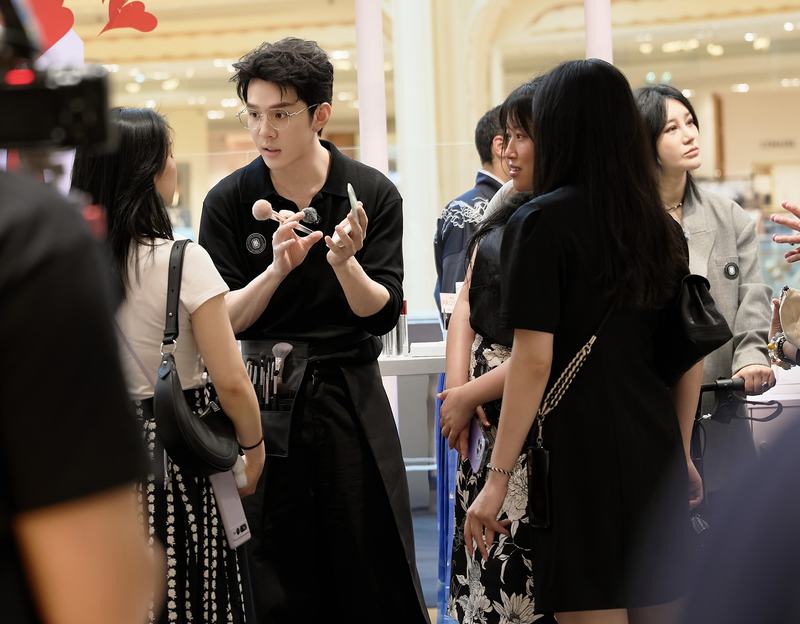
李佳琦的巴黎考卷:中国美妆引发文化共振
Xin Jing Bao· 2025-08-28 08:00
Core Viewpoint - The discussion around "Li Jiaqi's call for domestic products to be bold" highlights the growing confidence and cultural value of Chinese beauty brands as they venture into international markets, particularly in Europe [1][3]. Group 1: Domestic Brands' Strength and Cultural Value - The phrase "dare" encapsulates the motivation behind Li Jiaqi's participation in the show "Paris Partners," reflecting the evolution of the Chinese beauty market over the past decade [1][2]. - Chinese beauty brands have transitioned from mere imitators to entities backed by strong technology and ingredient capabilities, allowing them to compete with international brands [2][3]. - In 2023, the market share of domestic beauty products surpassed that of foreign brands for the first time, reaching 50.4%, marking a significant milestone for Chinese brands [3]. Group 2: Bilateral Engagement in International Markets - The initiative is characterized as a "two-way engagement," moving from a one-sided approach to a more balanced dialogue between Chinese and European brands [4][5]. - Recognition from established French brands, such as Guerlain, indicates that Chinese brands are gaining respect based on product strength and innovation [5]. Group 3: Cultural Diplomacy through Beauty - The beauty industry serves as an effective medium for cultural exchange, allowing for a deeper understanding of Chinese culture through product storytelling [6][7]. - The "Paris Partners" initiative exemplifies how beauty products can facilitate cultural dialogue, transforming shopping experiences into opportunities for cultural appreciation [6][7]. - This approach not only showcases the charm of Chinese culture but also highlights the innovative spirit of Chinese brands, contributing to the global perception of China's development [7].
国货之光闪耀巴黎!李佳琦携手薇诺娜,向世界展示中国护肤方案
Guan Cha Zhe Wang· 2025-08-26 05:41
Core Insights - Chinese beauty influencer Li Jiaqi is expanding the charm of Chinese cosmetics from live streaming to the international fashion forefront through the reality show "Paris Partners" [1][2] - The initiative aims to promote domestic brands abroad, showcasing 12 Chinese brands in a pop-up store in Paris, emphasizing the mission of "helping domestic products go global" [1][4] Group 1: Brand Expansion and Globalization - Li Jiaqi highlights that domestic brands are accelerating innovation and transitioning from followers to leaders in certain sectors, demonstrating the potential of Chinese products in international markets [2][4] - Winona, a skincare brand from Yunnan, stands out in this initiative, focusing on sensitive skin and leveraging pharmaceutical-grade research to promote its products globally [4][5] - The collaboration between Winona and Li Jiaqi reflects a shared vision of promoting Chinese brands on a global scale, with Li Jiaqi acting as a key promoter for Winona's star products [4][5] Group 2: Research and Development - Winona's core ingredient, "Qingci Fruit PRO MAX," is sourced from the Haba Snow Mountain in Yunnan, with the company successfully registering 16 new plant-based ingredients, ranking among the top in China [5][7] - The integration of research, production, and academic collaboration has accelerated the transformation of research outcomes into competitive advantages for the brand [5][7] Group 3: Cultural Exchange and Consumer Engagement - The pop-up store serves as a platform for cultural dialogue, allowing international consumers to experience the aesthetic appeal of Chinese products [9] - Li Jiaqi emphasizes that product export is fundamentally a form of cultural export, which can enhance the long-term competitiveness of products by fostering interest and recognition of Chinese culture among foreign consumers [9]