
地方化债

Search documents
聚焦红利与复苏双主线
HTSC· 2025-11-03 11:10
Group 1 - The report highlights a favorable policy environment expected to support the banking sector's performance recovery in 2026, with a focus on value investment fundamentals [1][15][20] - The current macro policy has shifted from "one-way benefits" to a "two-way balance," which is more conducive to stable banking operations, emphasizing the importance of maintaining bank interest margins while supporting the real economy [2][16][20] - The banking sector is anticipated to see a gradual recovery in performance, driven by stabilizing interest margins and improving core profitability, with quality regional banks showing stronger resilience [3][17][21] Group 2 - The report identifies insurance and industrial capital as significant future incremental funding sources, with insurance companies expected to increase equity market allocations, particularly in banks with stable earnings and high dividend returns [4][18] - Local state-owned enterprises are actively increasing investments in local banks, creating a win-win situation for both parties, while asset management companies are also increasing their stakes in several national banks [4][18] - The report suggests focusing on banks with strong fundamentals and high dividend yields, as the importance of stock selection has increased in the current volatile market environment [5][19] Group 3 - The report recommends specific banks for investment, including Chengdu Bank, Industrial and Commercial Bank of China, Nanjing Bank, Chongqing Rural Commercial Bank, China Construction Bank, Shanghai Bank, Ningbo Bank, and Chongqing Rural Commercial Bank, indicating a positive outlook for these institutions [9][19] - The anticipated stabilization of interest margins and recovery of non-interest income is expected to support the overall performance of listed banks in 2026, with quality banks likely to outperform [3][17][21] - The report emphasizes the need for a strategic focus on banks with quality fundamentals and dividend advantages, as the market shifts from a defensive high-dividend strategy to one that values fundamental quality and profitability elasticity [5][19]
2025年第三季度债券市场信用利差分析:信用债利差整体走阔,长久期城投债信用分化缓解
Yuan Dong Zi Xin· 2025-10-17 11:04
1. Report Industry Investment Rating No relevant content provided. 2. Core Viewpoints of the Report - In Q3 2025, the credit spreads of bonds in the market generally widened across all tenors and ratings. The difference between the spreads of AA- and AAA bonds decreased, indicating a reduction in credit differentiation [2]. - For industrial bonds, the credit spreads of different industries changed variedly in Q3 2025, with overall small fluctuations. The spreads of industries such as leisure services, comprehensive, building decoration, machinery and equipment, non-ferrous metals, and mining increased significantly, while those of the banking and real estate industries narrowed. The spread of medium - rated (AA) real - estate bonds continued to widen due to the unimproved supply - demand relationship in the real - estate market [2]. - For urban investment bonds, the spreads of urban investment bonds at all tenors and ratings generally widened in Q3 2025, but the increase was limited. With the continuous progress of local debt resolution and the acceleration of the clearance of financing platforms, the credit risk of urban investment bonds was generally mitigated, and the credit spread fluctuation was relatively small. The difference in spreads between low - rated (AA -) and high - rated (AAA) 5 - year urban investment bonds narrowed, indicating a relief in credit differentiation for long - term urban investment bonds [2]. 3. Summary According to Relevant Catalogs Credit Spreads Widened Overall Spreads of All Tenors and Ratings Widened - **1 - year bonds**: Except for AA +, the spreads of 1 - year bonds of other ratings showed a similar trend. They narrowed slightly in July, then widened in August and September. Compared with the end of Q2 2025, the spreads of AA +, AA, AAA, and AA - bonds widened by 30.82BP, 8.55BP, 4.55BP, and 4.55BP respectively [5][8]. - **3 - year bonds**: The spreads of 3 - year bonds showed a differentiated trend. The spread of AA - narrowed, while those of other ratings fluctuated and widened. Compared with the end of Q2 2025, the spreads of AA, AAA, and AA + widened by 33.48BP, and the spreads of AAA and AA + had smaller increases, while the spread of AA - narrowed by 10.15BP [11][14]. - **5 - year bonds**: The spreads of 5 - year bonds generally showed an oscillating and widening trend. Compared with the end of Q2 2025, the spreads of AAA and AA + widened by 19.81BP, the spread of AA widened by 10.81BP, and the spread of AA - had a smaller increase [15][20]. The Difference between Low - and High - Rating Spreads Narrowed - In Q3 2025, the spread difference of 1 - year bonds remained relatively stable, while those of 3 - and 5 - year bonds narrowed. At the end of Q3 2025, the spread difference of 1 - year bonds was the same as that at the end of the previous quarter, while those of 3 - and 5 - year bonds decreased by 16BP compared with the end of the previous quarter, indicating a reduction in credit differentiation [21]. Industry Credit Spreads Fluctuated Slightly, and the Spread of Medium - Rated Real - Estate Industry Continued to Widen - For industrial bonds, the credit spreads of different industries changed variedly in Q3 2025, with overall small fluctuations. Industries such as building decoration, non - ferrous metals, and mining had relatively large increases in spreads, while the banking credit spread narrowed significantly [26]. - The top three industries in terms of spreads at the end of Q3 2025 were the same as those in the previous quarter, namely real estate, steel, and leisure services; the bottom three were also the same as in the previous quarter, namely power, highways, and banking. In Q3, the spreads of most industries increased compared with the previous quarter, while those of a few industries narrowed slightly [30]. - Among the eight key industries, the medium - rated spreads of building decoration, real estate, and non - bank finance widened significantly at the end of Q3 2025. The real - estate market's supply - demand relationship remained to be improved, and weak - quality real - estate enterprises still faced high credit risks [31]. Credit Spreads of Urban Investment Bonds at All Ratings Generally Widened - **1 - year urban investment bonds**: The spreads of 1 - year urban investment bonds at all ratings showed a similar trend. They narrowed slightly in July and then widened in the following two months. At the end of Q3 2025, the spreads of AAA and AA + were basically the same as those at the end of the previous quarter, while those of AA and AA - widened by 3.15BP and 4.65BP respectively [34]. - **3 - year urban investment bonds**: The spreads of 3 - year urban investment bonds at all ratings generally showed an oscillating and widening trend. At the end of Q3 2025, the spreads of AAA, AA +, AA, and AA - widened by 7.24BP, 9.74BP, 11.74BP, and 22.24BP respectively compared with the end of the previous quarter [40][42]. - **5 - year urban investment bonds**: The spreads of 5 - year urban investment bonds at all ratings generally showed an upward trend. At the end of Q3 2025, the spreads of AAA, AA +, and AA widened by 23.54BP, 26.44BP, and 30.54BP respectively compared with the end of the previous quarter, while the spread of AA - had a relatively small increase [43]. - The spread differences between low - rated (AA -) and high - rated (AAA) urban investment bonds of different tenors showed a differentiated trend in Q3 2025. The spread difference of 1 - year bonds fluctuated slightly, that of 3 - year bonds increased slightly, and that of 5 - year bonds narrowed slightly, indicating a relief in credit differentiation for long - term urban investment bonds [46].
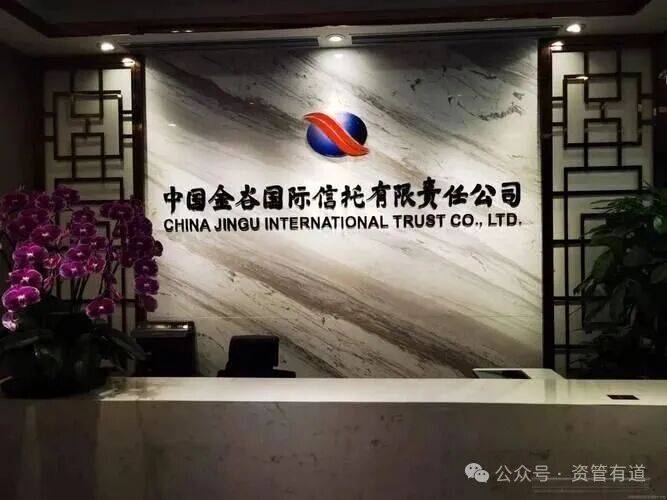
金谷信托又提前兑付江苏政信产品!这几款产品融资人都与它有关
Sou Hu Cai Jing· 2025-10-12 10:52
Core Viewpoint - The recent early redemption of trust products by Jingu Trust, specifically "Ruiyin 566" and "Ruidai 156", highlights a targeted approach to local debt management in the Taizhou region, particularly in the context of the financial struggles faced by Taizhou Pharmaceutical City Holding Group [2][3][12]. Group 1: Product Overview - Jingu Trust's "Ruidai 156" and "Ruiyin 566" are both perpetual bond trust products linked to Taizhou Pharmaceutical City Holding Group, with funds primarily used for debt repayment and investment [3][6]. - "Ruidai 156" was marketed from October 7 to October 12, 2023, with a two-year duration, originally set to mature on October 13, 2025, but was redeemed early in May 2025 [3][4]. - The credit enhancement for "Ruidai 156" involves an unlimited joint liability guarantee from Taizhou Pharmaceutical City Holding Group, indicating a reliance on the group's financial backing [4][12]. Group 2: Regional Debt Management - The early redemption of these products reflects a strategic move towards localized debt management in Taizhou, particularly in high-risk areas like Gao Gang District and Pharmaceutical High-tech Zone [7][8]. - Recent corruption scandals involving key officials in the region have raised concerns about the governance and financial management of local entities, including Taizhou Pharmaceutical City Holding Group [8][10]. - The local government has initiated a "platform elevation" strategy to enhance the management of these entities, although this has not yet translated into substantial financial support or improved creditworthiness [12]. Group 3: Financial Challenges and Strategies - Taizhou Pharmaceutical City Holding Group has faced significant financial difficulties, evidenced by the cancellation of a 1 billion yuan short-term financing bond registration, reflecting market skepticism about its debt repayment capacity [10]. - The early redemption of trust products was funded primarily through a special debt reduction fund from the Taizhou municipal government, aimed at alleviating high-risk debt [12][13]. - The strategy of using lower-interest local government bonds to replace higher-cost trust debts is seen as a method to optimize the debt structure, although it primarily addresses short-term liquidity issues rather than long-term financial stability [13].

政策双周报(0905-0920):基金销售费率征求意见稿发布,14D逆回购招标方式调整-20250923
Huachuang Securities· 2025-09-23 03:41
1. Report Industry Investment Rating No information regarding the industry investment rating is provided in the report. 2. Core Viewpoints of the Report The report comprehensively analyzes various policies from September 5th to September 20th, 2025, including macro - economic, fiscal, monetary, financial regulatory, real estate, and tariff policies. It aims to provide an overview of the current economic policy environment and potential impacts on different sectors [1][2][3]. 3. Summary by Directory 3.1 Macro - economic Tone - The government is promoting the construction of a unified national market and expanding service consumption. Measures include rectifying disorderly competition, boosting consumer spending with about 420 billion yuan in fiscal support driving over 2.9 trillion yuan in sales, and promoting private investment [1][11][12] - The State Council has deployed measures to promote private investment, aiming to expand investment space, ensure fair competition, and support private capital in new areas [13][16] 3.2 Fiscal Policy - The fiscal policy is more active, with a focus on using special bonds to repay government arrears to enterprises. As of September 19th, 2025, 1.1506 trillion yuan of special bonds have been issued, exceeding the annual limit of 800 billion yuan [17] - Over 60% of financing platforms have exited, and 4 trillion yuan of the 6 - trillion - yuan special debt quota has been issued. The government debt risk is under control, and it plans to issue part of the 2026 local government debt quota in advance [18][19] 3.3 Monetary Policy - The central bank has optimized and simplified the evaluation indicators for primary dealers, which helps to improve the transmission of interest rates and strengthen the benchmark nature of the Treasury yield curve [21] - The 14 - day reverse repurchase operation has been adjusted to a fixed - quantity, interest - rate tender, and multiple - price winning bid method, further strengthening the policy interest rate status of the 7 - day reverse repurchase [22] - The global financial stability system faces challenges such as fragmented regulatory frameworks, insufficient regulation in digital finance, and weak regulation of non - bank intermediaries [23] 3.4 Financial Supervision - A draft for public comments on the management regulations of public fund sales fees has been released, and the second batch of science and technology innovation bond ETFs will be listed on September 24th [26] - New regulations for insurance, trust, and securities industries have been introduced, including the "Insurance Company Capital Guarantee Management Measures", the "Trust Company Management Measures", and the start of the self - evaluation of securities company classification [27][28] - The controlling rights of three AMC companies have been transferred to Central Huijin. There are concerns about the liquidity risk of funds concentrated in the technology sector, and the proportion of cash wealth management in August reached a new low for the year [29] 3.5 Real Estate Policy - Shenzhen has relaxed purchase restrictions in multiple districts, and Shanghai has exempted first - home buyers from property tax under certain conditions [32] - Shenzhen has released a draft for public comments on the housing provident fund management measures, and Beijing and Shanghai have adjusted the upper and lower limits of the monthly housing provident fund payment base [33] 3.6 Tariff Policy - Chinese and US leaders had a phone call, and the two sides reached a basic framework on issues such as TikTok. China opposes the politicization of technology and economic and trade issues [36][37]
招商宏观:重点关注基建相关财政支出增速的回补效应
Sou Hu Cai Jing· 2025-08-21 00:50
Core Viewpoint - The report emphasizes the importance of infrastructure-related fiscal spending recovery in supporting the currently weak infrastructure investment growth, which is also a crucial part of the upstream "anti-involution" demand-side policy [1] Group 1: Infrastructure Spending - The acceleration of infrastructure spending is necessary to meet the annual budget, with cumulative year-on-year growth in public budget infrastructure spending from January to July being -5%, but expected to rebound to over 7% from August to December [1] - The local debt resolution for the year is likely nearing completion, with future efforts focusing on advancing special bond projects. As of August 20, the issuance scale of special refinancing bonds for the year reached 1.94 trillion, with the actual allocation of the originally planned 800 billion for new special bonds exceeding 940 billion [1] Group 2: Long-term Bonds and Financial Tools - The issuance progress of ultra-long-term special government bonds is nearing 80%, with an increase in the issuance scale of policy financial bonds from June to August, potentially preparing for new policy financial tools. As of August 20, the issuance progress of ultra-long-term special government bonds is close to 80%, compared to less than 60% in the same period last year [1] - The project initiation and funding collection progress for ultra-long-term special government bonds are both ahead of last year, indicating that the implementation situation is likely to be significantly better than last year [1]
今年以来涨幅喜人 银行保险股强势能否延续
Zhong Guo Zheng Quan Bao· 2025-08-20 20:17
Core Viewpoint - The strong performance of bank and insurance stocks in 2023 is attributed to high dividend yields, stable returns, and low valuations, with expectations for continued strength due to market recovery and increased capital inflows [1][2]. Group 1: Stock Performance - As of August 20, 2023, the bank sector in A-shares has seen a cumulative increase of approximately 14% since 2025, while the insurance sector has risen about 13% [1]. - Individual stocks such as Agricultural Bank, Shanghai Pudong Development Bank, and Qingdao Bank have each increased over 30% this year, with New China Life Insurance and China Pacific Insurance rising over 15% [1]. - In the Hong Kong market, banks like Qingdao Bank, CITIC Bank, and Chongqing Rural Commercial Bank have also shown strong performance, with some H-shares increasing over 30%, and New China Life Insurance H-shares rising over 120% [1]. Group 2: Factors Driving Growth - The rise in bank and insurance stocks is driven by a combination of market recovery and their inherently low valuations, with high dividends and improved asset quality contributing to their appeal [2]. - Insurance capital inflows have been significant, with favorable policies encouraging long-term investments, leading to increased demand for bank stocks among insurance funds [2]. - The low interest rate environment and asset scarcity have made bank stocks attractive to insurance capital due to their high dividends and stable valuations [2]. Group 3: Future Outlook - Analysts believe that the valuation of bank and insurance stocks remains attractive, with expectations for continued strong performance driven by increased capital from insurance companies [3]. - The potential for significant capital inflows is supported by regulatory guidance encouraging insurance companies to invest a portion of new premiums in A-shares starting in 2025 [3]. - The insurance sector is expected to benefit from improved market conditions, which may alleviate pressure from interest rate reductions and enhance long-term investment value [4].
2025年7月财政数据点评:关注基建支出的回补效应
CMS· 2025-08-20 08:06
Group 1: Tax Revenue Trends - In July, general public budget revenue growth rebounded significantly, with tax revenue increasing by 5.0% year-on-year compared to 1.0% in June[5] - Corporate income tax saw a year-on-year growth of 6.4% in July, up from 2.7% in the previous month, indicating stable profitability in industrial and service sectors[8] - Personal income tax growth surged to 13.9% in July, compared to 6.8% in June, reflecting increased income levels[8] Group 2: Public Budget Expenditure - General public budget expenditure growth in July was 3.0%, a recovery from 0.4% in June, although the pace remains moderate[12] - Social security and employment expenditures rose by 13.1% year-on-year in July, contributing 1.9 percentage points to the overall expenditure growth[13] - Infrastructure-related expenditures showed a cumulative year-on-year decline of 5% from January to July, indicating a need for acceleration in the latter half of the year[24] Group 3: Government Fund Revenue and Expenditure - Government fund revenue growth decreased to 8.9% in July from 20.8% in June, with local government fund revenue also declining to 6.3%[21] - Government fund expenditure growth fell to 42.4% in July from 79.2% in June, but local government fund expenditure increased to 38.2% from 15.8%, indicating a shift towards special bond expenditures[21] - The issuance of special refinancing bonds reached 1.94 trillion yuan by August 20, with actual arrangements exceeding 0.94 trillion yuan, suggesting a focus on advancing actual projects[25]
鲁政委:地方化债收尾战该如何攻坚?
Sou Hu Cai Jing· 2025-08-12 16:05
Core Viewpoint - The article discusses the ongoing efforts and strategies for local government debt resolution in China, emphasizing the importance of provincial coordination and the advantages of public market bonds over bank loans in managing debt. Group 1: Provincial Coordination - Provincial-level coordination is crucial for successful debt resolution, with most provinces expected to cover at least 0.5 times their debt interest payments through land transfer revenues in 2024, and over half of the provinces exceeding 1 time coverage [3][7] - Strategies for provincial coordination include allocating debt resolution resources based on local conditions, optimizing financial support for debt structures, and enhancing the creditworthiness of local government financing platforms [3][8] Group 2: Advantages of Public Market Bonds - Public market bonds offer lower interest rates compared to bank loans, with 3-year municipal bonds yielding 1.85% to 2.00%, significantly lower than the average bank loan rates of 3.26% [4][9] - Bonds theoretically allow for unlimited refinancing opportunities, reducing the risk of asset classification downgrades that occur with bank loan restructurings, thus providing a more favorable environment for debt management [4][10] Group 3: Impact of External Ratings - External credit rating downgrades can negatively affect financial support for debt resolution, leading to increased provisions for expected credit losses and higher implicit financing costs for banks [5][12] - To mitigate these risks, local government financing platforms should focus on managing non-standard debt obligations and maintaining communication with rating agencies to stabilize their credit ratings and financing environment [5][14]


今年前4个月新增人民币贷款超10万亿元
Zheng Quan Ri Bao· 2025-08-08 07:24
Core Insights - The People's Bank of China reported that as of the end of April 2025, the RMB loan balance reached 265.7 trillion yuan, with a year-on-year growth of 7.2%, while the broad money (M2) balance was 325.17 trillion yuan, growing by 8% [1] - The total social financing scale stood at 424.0 trillion yuan at the end of April, reflecting an 8.7% year-on-year increase, indicating strong financial support for the real economy [1] Group 1: Credit Growth - In the first four months of 2025, RMB loans increased by 1.006 trillion yuan, with April alone seeing an increase of 280 billion yuan [2] - The credit data for April was influenced by multiple short-term and medium-term factors, including a traditional low month for credit and rising uncertainties affecting market expectations and export growth [2] - After adjusting for the impact of local debt replacement, the actual loan support was estimated to be higher than reported, maintaining an RMB loan growth rate above 8% [2][3] Group 2: Government Bond Issuance - The total social financing scale increased by 1.634 trillion yuan in the first four months, with April's increase of 1.16 trillion yuan being 1.22 trillion yuan higher than the same period last year [4] - Government bond issuance accelerated significantly, with net financing exceeding 500 billion yuan in the first four months, contributing to the growth of social financing [4] - In April, the net financing from government bonds was approximately 970 billion yuan, which boosted the social financing growth rate by about 0.3 percentage points [4] Group 3: M2 Growth - The M2 growth rate increased significantly in April due to a low base effect from the previous year, rising by 1 percentage point compared to March [5] - The reduction in deposits towards wealth management products has decreased, with approximately 870 billion yuan withdrawn from deposits in April, which positively impacted M2 growth by about 1 percentage point [5] - Experts predict that as the low base effect diminishes, M2 growth will return to normal levels seen in the earlier months of the year [5] Group 4: M1 Performance - As of April, the narrow money (M1) balance was 109.14 trillion yuan, showing a year-on-year growth of 1.5%, with a slight decline of 0.1 percentage points from the previous month [6] - The M1 growth rate's slight decline was attributed to traditional tax collection periods and accelerated government bond issuance, which affected the deposit dynamics between fiscal and general deposits [6]
粤开宏观:政治局会议释放的九大信号
Yuekai Securities· 2025-07-30 11:11
Economic Outlook - The "14th Five-Year Plan" period is characterized by both strategic opportunities and risks, with increasing uncertainties in the economic environment[5] - China's economy achieved a growth rate of 5.3% in the first half of 2025, supported by policies such as the trade-in program for consumer goods and proactive fiscal measures[7][8] Policy Direction - The government aims to maintain stable and flexible fiscal and monetary policies, with an emphasis on timely adjustments based on economic conditions[9][10] - A total of 11.86 trillion yuan in new fiscal deficits and special bonds is planned for 2025, with 5,550 billion yuan of long-term special bonds already issued by June 2025[11] Consumption and Services - The government is focusing on boosting service consumption, which is currently a weak point in the economy, by expanding the scope of trade-in policies to include service sectors[12][13] - The trade-in program for consumer goods is expected to generate over 1.6 trillion yuan in sales, accounting for more than 6.5% of total retail sales in the first half of 2025[12] Real Estate Market - The real estate market is in a slow recovery phase, with urban renewal initiatives being a key strategy to stabilize housing demand[25] - Despite a brief recovery in early 2025, real estate sales and investment have shown negative growth since May, necessitating further government intervention[25] Debt Management - The government is committed to managing local government debt risks, prohibiting the creation of new hidden debts, and promoting the clearance of financing platforms[26][27] - The focus is on transforming local financing platforms to operate independently from government control by mid-2027[27][28] Capital Market Stability - The capital market has shown resilience, with the Shanghai Composite Index rising by 7.9% since the beginning of the year, stabilizing around 3,600 points[29] - Efforts will be made to enhance the attractiveness and inclusiveness of the domestic capital market to maintain its upward momentum[29][30]