
数字化改革

Search documents
中国能建:公司始终关注经营业绩表现
Zheng Quan Ri Bao Zhi Sheng· 2026-01-09 13:41
Core Viewpoint - The company has demonstrated strong performance in traditional energy and rapid growth in renewable energy, despite a decline in net profit due to the real estate market adjustment [1] Group 1: Financial Performance - In the first three quarters of the year, the traditional energy business saw a revenue increase of 22.68% and a profit increase of 26.62% year-on-year [1] - The renewable energy business also experienced growth, with revenue increasing by 10.62% and profit by 3.95% year-on-year [1] - The net profit attributable to the parent company has decreased compared to the same period last year due to the impact of the real estate market [1] Group 2: Strategic Focus - The company emphasizes maintaining a clear development direction and value pursuit while enhancing development momentum and efficiency through innovation [1] - Key strategies include strengthening market planning, accelerating the development of renewable energy, focusing on major projects, optimizing overseas markets, and ensuring high-quality investments [1] - The company is also pushing for the transformation of technological achievements and implementing "Artificial Intelligence+" initiatives to enhance innovation effectiveness through digital reform [1]

海尔智家20260108
2026-01-08 16:02
Summary of Haier Smart Home Conference Call Company Overview - **Company**: Haier Smart Home - **Industry**: Home Appliances Key Points Business Growth and Strategy - Haier Smart Home is laying the foundation for business growth by implementing digital reforms and adjusting overseas strategies for 2026 [2] - The air conditioning industry has seen effective changes in products, channels, and cost management, while the HVAC sector is accelerating its integration [2][3] - Despite uncertainties in demand and costs, the company remains confident about future performance [2] Competitive Positioning - To enhance efficiency and user experience amidst fierce market competition, Haier is adopting measures such as digital inventory transformation and order forecasting systems [2][3] - The Leader brand air conditioners and refrigerators have shown significant growth, indicating the company's proactive stance in competition [2][6] Product and Supply Chain Management - The company aims to increase the self-manufacturing ratio of air conditioners, with compressor production capacity reaching 6 million units, to mitigate raw material cost fluctuations [2][7] - The internal target for air conditioning business is to maintain double-digit growth by 2027 through disruptive products and direct-to-consumer models [2][10] Profitability and Financial Goals - Domestic household air conditioning profit margins are approximately 3-4%, while overall air conditioning business margins are around 5.2%, with a future target of over 7% [2][11] - The net profit growth target for 2026 is expected to outpace revenue growth, with emerging market profit margins not lower than those in Europe and the U.S. [22] Market Dynamics and Forecasts - The home appliance market remains highly competitive, with brands like Xiaomi showing growth, while Haier's Leader brand air conditioners grew over 50% and refrigerators over 90% in Q3 [6] - The company anticipates a stable demand outlook for the U.S. home appliance market in 2026, with a trend of low initial demand followed by recovery [24] Emerging Markets Performance - Haier's products, including refrigerators, washing machines, and air conditioners, are performing strongly in emerging markets, particularly in Southeast Asia, South Asia, and the Middle East [20][21] - The company is focusing on enhancing its business scale in the Middle East and Africa, where it currently has a weaker presence [20] Capital Expenditure and Future Plans - The capital expenditure plan for 2027 includes an increase of 1 billion RMB to enhance supply chain resilience and diversification, focusing on overseas factory construction and potential acquisitions [27] - The company plans to increase its dividend payout ratio to at least 50% in 2026 [26] Conclusion - Haier Smart Home is optimistic about future growth, driven by internal reforms and strategic adjustments in response to market challenges faced from 2022 to 2024 [28] - The company is committed to improving operational efficiency and maintaining a competitive edge in the home appliance industry [28]

格隆汇十大核心——洛阳钼业大涨近8%,创历史新高,市值突破4700亿元
Ge Long Hui A P P· 2026-01-06 05:17
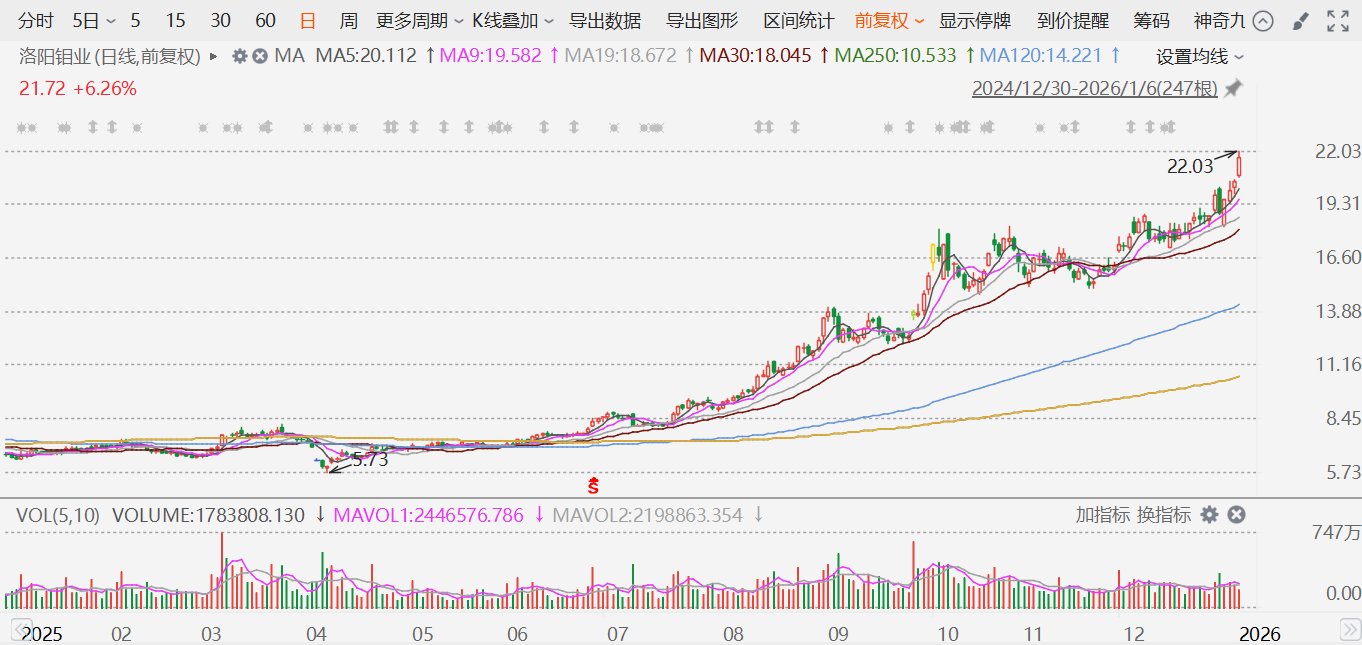
Group 1 - The A-share market saw strong performance in the non-ferrous metal sector, with Luoyang Molybdenum (603993.SH) reaching a historical high of 22.03 yuan, up nearly 8%, and its market capitalization exceeding 470 billion yuan [1] - Concerns over supply shortages and the turmoil in Venezuela are driving expectations for increased competition for key global minerals, leading to a collective surge in the commodity market [1] - Spot gold prices rose over 3%, reaching a peak of 4,467 USD per ounce, while COMEX silver futures surged 7.95%, closing above 76 USD [1] Group 2 - Luoyang Molybdenum holds approximately 23% of the world's cobalt reserves and possesses world-class copper-cobalt mining clusters, with core mines having copper and cobalt grades significantly above industry averages [2] - The KFM Phase II production will add an additional 100,000 tons of copper capacity, supported by favorable cobalt export quotas from the Democratic Republic of Congo, contributing to high growth in performance [2] - The company benefits from resource endowment and digital reforms to reduce costs, maintaining relatively low copper production costs, and its "mining + trading" model enhances resilience against market fluctuations [2]


【微聚焦】服务补链强链重点项目30余个!“青链通”荣获“金融科技优秀项目”一等奖
Xin Lang Cai Jing· 2026-01-05 11:45
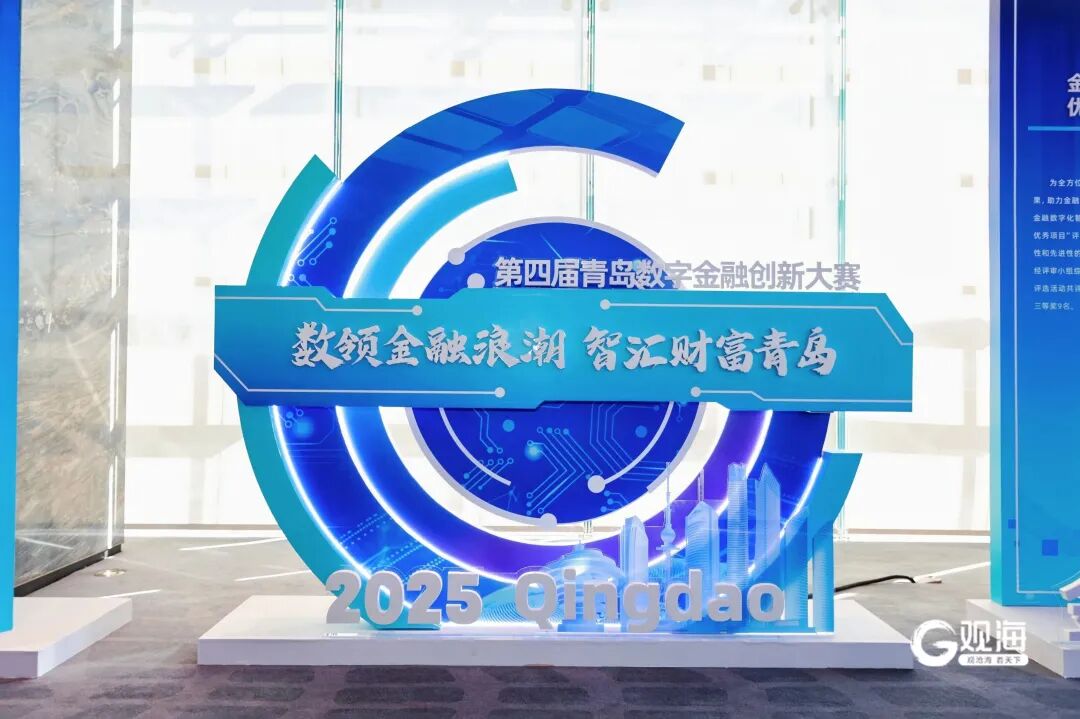
Core Insights - The "Qinglian Tong" project, developed by the Qingdao Municipal Transportation Bureau and China Merchants Bank Qingdao Branch, won the first prize for "Outstanding Financial Technology Project" at the Fourth Qingdao Digital Financial Innovation Competition [1][6] Group 1: Project Overview - In 2024, Qingdao was selected as a "National Comprehensive Freight Hub Support City," enhancing its hub capabilities [3][8] - The "Qinglian Tong" system aims to create a modernized regulatory framework for subsidy funds, focusing on traceability, risk prevention, and accountability [3][8] - The system has served over 30 key projects and assisted more than 200 enterprises since its launch [3][8] Group 2: System Features - The system integrates the entire business process from project entry to performance feedback, allowing real-time project scheduling and fund management [4][9] - It transforms the process from "enterprises running" to "data running," significantly reducing approval times from 5-7 working days to immediate processing [4][9] - The system employs intelligent risk control models to monitor fund flow and identify potential risks, enhancing regulatory oversight [4][9] Group 3: Collaborative Governance - The system promotes inter-departmental collaboration by breaking down data silos among transportation, finance, and auditing departments [4][9] - It establishes a unified regulatory framework where accountability is clearly defined, fostering a cooperative governance model [4][9] Group 4: Future Directions - The Qingdao Municipal Transportation Bureau plans to continuously optimize the system and expand its application scenarios to support the city's development as an international comprehensive transportation hub [6][11] - The initiative aims to provide replicable and scalable solutions for similar cities across the country [6][11]
5.22亿元金融活水 精准滴灌实体经济
Xin Lang Cai Jing· 2025-12-30 17:06
(来源:衢州日报) 转自:衢州日报 本报讯 (记者 毛瑜琼 通讯员 叶啸) 12月16日,龙游农商银行聚焦人民银行"线上再贷款"全流程数字 化体系建设,采用债券质押方式,成功向人民银行衢州市分行线上申请并获批5.22亿元支农支小再贷 款,标志着龙游县首笔线上再贷款业务正式落地。该笔资金将全部定向投放至支农支小领域,有效推动 再贷款政策红利快速转化为实体效益,为龙游县普惠金融服务数字化升级注入新动能。 据了解,此次线上再贷款业务的落地,是龙游农商银行深化支农支小战略、提升普惠金融服务质效的关 键举措,充分彰显了数字化改革在金融服务中的实践价值。相较于传统线下再贷款业务,该线上模式实 现了三大核心突破,大幅提升了资金投放效率与精准度。突破一:秒级放贷压缩时效。通过全流程线上 办理,彻底消除了时空限制,将原本"天级"的资金到位耗时压缩至"秒级",精准匹配了小微企业、涉农 主体"短、频、快、急"的融资需求,让金融活水第一时间直达市场主体。突破二:优化流程降低成本。 依托线上化操作的便捷性,业务办理实现零线下跑腿、零额外成本,大幅降低了银行与企业的综合业务 办理成本,进一步激发了金融机构运用再贷款工具服务实体经济的积极 ...
走进民企看发展|富邦控股宋凌杰:以“空杯”心态拥抱变革
Zhong Guo Xin Wen Wang· 2025-12-30 03:26
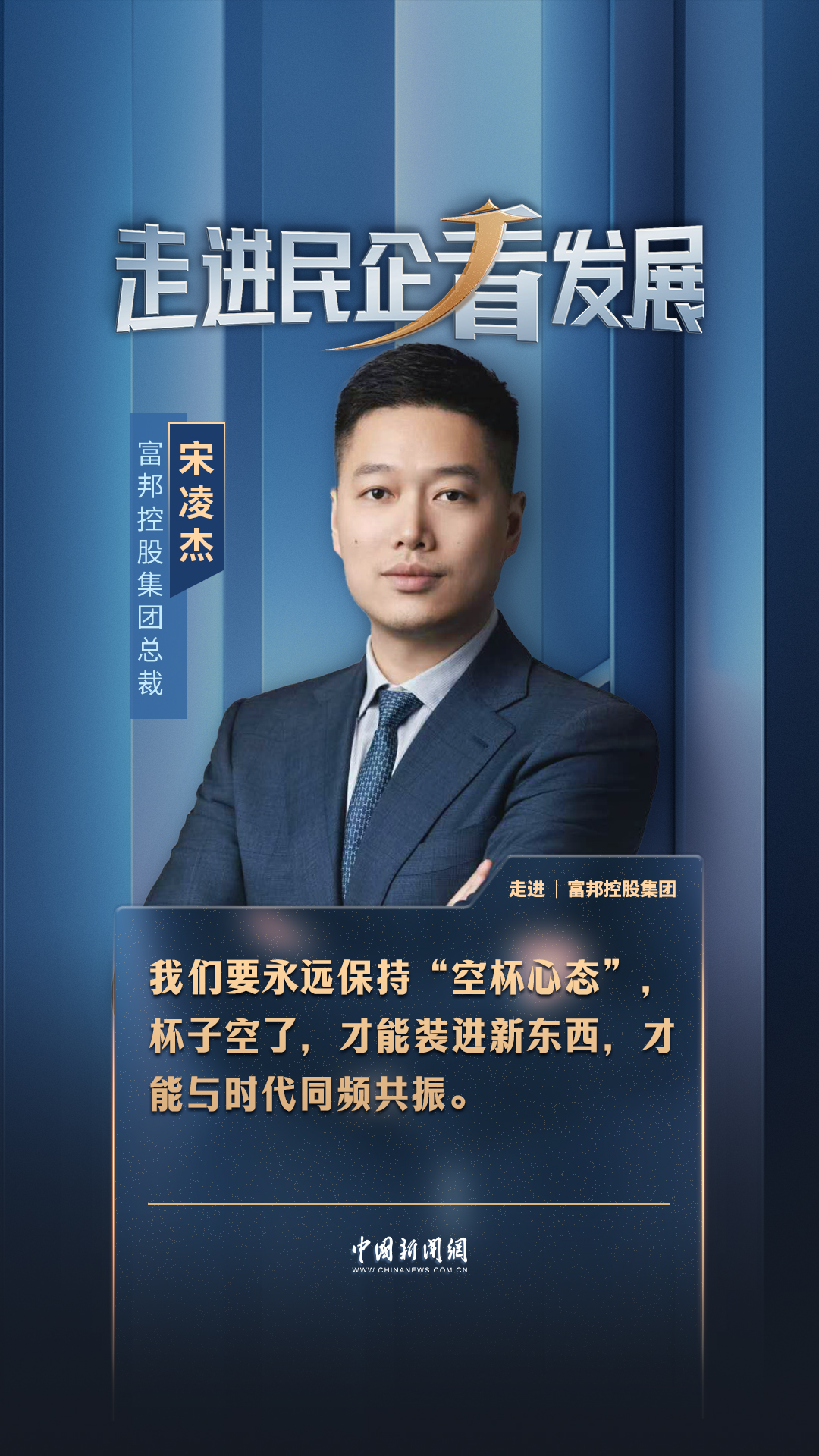
Core Viewpoint - Ningbo Fubang Holding Group has maintained its position in the "China Top 500 Enterprises" for 24 consecutive years and in the "China Top 500 Private Enterprises" for 16 years, demonstrating resilience in a changing market environment [1] Group 1: Business Philosophy and Strategy - The company emphasizes a "empty cup mentality," which allows for continuous learning and adaptation to new trends [1] - Manufacturing remains the cornerstone of Fubang's development, with a strong belief that practical industry is essential for long-term value [3] - The company is investing significantly in digital transformation, including a multi-billion yuan investment in 5G technology and smart manufacturing to enhance production efficiency [3] Group 2: Environmental Initiatives - Fubang views the environmental industry as a major growth area, asserting that it is not a "money-losing business" but rather a "commercial blue ocean" for the next thirty years [5] - The "Tapping Hands" recycling project utilizes IoT and digital management to improve waste sorting and collection, significantly increasing community participation [6][7] - The project has expanded to over 4,000 locations in Ningbo, with 1.2 million registered users and over 500,000 tons of resources recycled, creating thousands of jobs [7] Group 3: International Expansion - The company has initiated its international strategy early, establishing a presence in Hong Kong and Singapore, which serve as strategic bases for entering emerging markets [8] - Fubang has successfully set up factories in Vietnam and Myanmar, with plans for further expansion into Laos and Cambodia, enhancing its global operational experience [8] Group 4: Entrepreneurial Vision - The company’s leadership emphasizes the connection between business success and social welfare, aiming to provide stable jobs and reliable products to families [9] - The founder's commitment to maintaining a balance between traditional values and modern innovation reflects a deep understanding of the responsibilities of entrepreneurship [9]
欧盟经济整体温和增长
Jing Ji Ri Bao· 2025-12-23 22:49
在经济增长方面,2025年欧盟GDP预计将实现1.4%的温和扩张,高于2024年的1%。这一增长主要由私 人消费和投资驱动。受益于工资上涨和通胀放缓,欧盟居民实际可支配收入增加,推动了零售和服务业 复苏。但值得注意的是,成员国经济预测差异显著:波兰得益于基础设施投资和欧盟资金注入,预计 2025年GDP将增长3.2%;西班牙由于旅游业和房地产逐步复苏,预计将增长2.9%。相较之下,德国作 为欧盟最大经济体,预计增长0.2%,其中,制造业下滑是主要拖累因素。整体而言,今年欧盟经济总 量预计将达19.99万亿美元(名义值),约占全球经济的六分之一。 通货膨胀得到控制是2025年欧盟经济的一大亮点。11月欧元区消费者通胀年率稳定在2.1%,与10月持 平,接近欧洲央行的中期目标水平,这主要得益于能源价格回落和供应链恢复。今年年初,能源通胀曾 因中东地缘政治紧张而短暂上升,但欧洲央行通过多次降息有效抑制了价格压力。在成员国中,爱沙尼 亚的年通胀率最高,为4.7%,其次是克罗地亚(4.3%)和奥地利(4%)。与2024年相比,2025年欧盟 通胀更趋稳定,为货币政策转向刺激增长提供了空间。 总体而言,2025年欧盟经济 ...
回天地区建成152处公共文化设施
Xin Lang Cai Jing· 2025-12-23 19:08
Core Insights - The "Return to Heaven" action plan has successfully established 152 public cultural facilities, increasing the cultural facility area by 84,000 square meters, and raising the per capita public cultural facility area from 0.04 square meters to 0.16 square meters, forming a "15-minute cultural service network" [1] Group 1: Cultural Infrastructure Development - The Tiantongyuan Cultural and Art Center, opened in May 2021, is a 35,000 square meter cultural complex that includes a community bookstore, library, and art museum, serving over 4.21 million visitors and hosting more than 2,600 events [2] - The Huying Street Cultural Activity Center, covering 3,800 square meters, integrates various services such as fitness, rehearsals, training, and lectures, becoming a permanent stage for residents' spiritual life [2] - Over eight years, the region has built 7 street-level and 143 community-level public cultural facilities, creating a convenient "15-minute cultural circle" [2] Group 2: Community Engagement and Cultural Activities - The "Return to Heaven Spring Festival Gala" incorporates local elements and city cultural resources, engaging residents of all ages with over 140 quality public performances annually [3] - The first "Return to Heaven Midsummer Performance Season" in 2025 will feature over 100 cultural activities throughout the summer, including classic and innovative plays [3] Group 3: Digital Transformation in Cultural Services - The region has implemented digital reforms to enhance service efficiency, including 11 libraries and 27 24-hour self-service machines, facilitating over 2 million reader services annually [3] - Starting in 2024, convenient measures such as credit-based deposit waivers for library cards and document renewals will be introduced [3] - The integration of 21 e-book lending machines with nearly 60 digital resource libraries will serve over 1.6 million users, making cultural resources easily accessible to residents [3]
苏州海关持续优化营商环境,全力促进外贸“稳量提质”
Sou Hu Cai Jing· 2025-12-23 11:33
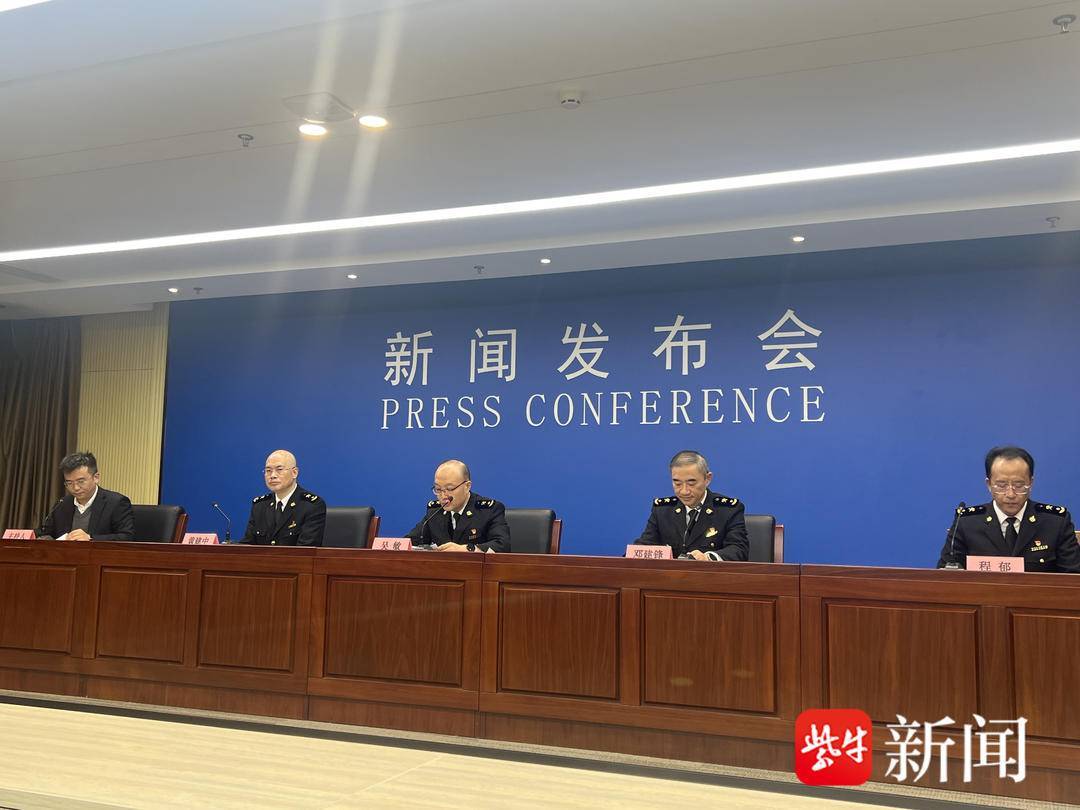
在服务创新提质增效方面,积极拓展开放新通道。拓展"中欧班列+"特色服务,构建多元立体物流体系。探索建设"长三角—东盟"南向物流通道,着力打 造陆海内外联动、东西双向互济的全面开放新格局。推出全省首个"关e通"24小时便民服务,打造"不打烊、不下线"全时服务窗口,实现业务办理"一趟不 用跑",该项目已入选苏州市人工智能(数字化改革)路演项目优秀案例集。 此外,培育新业态,支持跨境电商跨越发展。制订实施"全力助推苏州跨境电商'跃升行动'"项目工作方案,推动出口项目落地见效;助力"保税+"新业态 多元发展,探索无人机、医疗器械、具身智能等保税维修新业态,指导企业开展华东地区首个"直升机保税培训",实现该项业务"零"的突破。 扬子晚报/紫牛新闻记者 周晓青 12月23日,扬子晚报/紫牛新闻记者从苏州市政府新闻办、苏州海关联合举行的新闻发布会上获悉,今年1—11月,苏州市外贸进出口25447.6亿元,比去年 同期(下同)增长6.8%,其中出口15942.7亿元,增长7.5%,进口9505亿元,增长5.8%。2025年是"十四五"规划收官之年,苏州海关持续优化营商环境, 全力促进外贸稳量提质,全市外贸进出口呈现出外向型经 ...
2658.3亿!再创历史新高
Sou Hu Cai Jing· 2025-12-23 10:58
Core Insights - Suzhou's foreign trade has shown resilience with a total import and export value of 2.54 trillion yuan from January to November, marking a 6.8% increase year-on-year, surpassing national and provincial growth rates [3] Group 1: Trade Scale - The foreign trade scale has remained robust, with monthly imports and exports exceeding 210 billion yuan since February, reaching a record high of 265.83 billion yuan in November, a 14.3% increase, the highest growth rate since February 2024 [1] Group 2: Enterprise Dynamics - Private enterprises have demonstrated increasing internal driving forces, with imports and exports totaling 987.87 billion yuan, a 5.3% increase, and exports growing by 10.3%, contributing 61.5% to the overall export growth [2] Group 3: Trade Regions - Trade with countries along the "Belt and Road" has expanded significantly, exceeding 1.1 trillion yuan, a 16.6% increase, accounting for 44.8% of Suzhou's total foreign trade, with ASEAN countries seeing a 25.9% growth [5] Group 4: Product Categories - The manufacturing sector's advantages have become more pronounced, with intermediate goods exports reaching 827.69 billion yuan, a 19.4% increase, contributing 51.9% to total exports and driving overall export growth by 9.1 percentage points [6] Group 5: Policy Support - Suzhou Customs is committed to enhancing the business environment and promoting high-quality foreign trade development, with initiatives aimed at optimizing services and supporting enterprises [8][9] Group 6: Service Innovation - New service models have been introduced, including the "24-hour convenience service" and the "AEO joint cultivation center," aimed at improving efficiency and supporting enterprises in their international operations [10][11] Group 7: Future Outlook - Suzhou Customs will continue to focus on the implementation of policies to maximize benefits and enhance collaboration, aiming to play a greater role in promoting high-quality foreign trade development [13]
