
文旅产业融合

Search documents
暑期文旅里的“融”字诀
Ren Min Ri Bao· 2025-08-05 03:47
Core Viewpoint - The construction of a unified national market is essential for establishing a new development pattern and promoting high-quality development, as emphasized in the Central Political Bureau meeting on July 30, which called for deepening the construction of a unified national market and optimizing market competition order [1] Group 1: Market Integration - The unified market aims to break down isolated "small circles" and promote deep integration for common development, as seen in the tourism sector where e-commerce platforms provide synchronized recommendations for tickets, hotels, and dining options, creating a "one-stop service" [2] - The integration of various resources, such as transportation and technology, is crucial for enhancing tourism consumption potential, as demonstrated by the opening of the "Hi Tour" platform, which offers personalized itineraries and additional services [4] Group 2: Resource Optimization - Revitalizing idle resources and transforming them into "active assets" is key to market opportunities, as illustrated by the systematic renovation of old houses in Qufu, Shandong, which has led to the development of cultural and tourism industries [5] - The use of digital technology to break physical barriers and enhance resource flow efficiency is highlighted by initiatives like the "Come to China" app, which facilitates tax refunds for inbound tourists [5] Group 3: Collaborative Ecosystem - The establishment of a collaborative mechanism in the Yangtze River Delta, characterized by mutual recognition of standards and data, enhances the convenience of travel and tourism, demonstrating the importance of cooperation in building a unified market [6] - The appeal of policies such as visa exemptions and instant tax refunds is evident in the increasing interest from international tourists, indicating the effectiveness of these measures in promoting tourism [6]
暑期文旅里的“融”字诀(评论员观察)
Ren Min Ri Bao· 2025-08-04 22:39
Core Viewpoint - The construction of a unified national market is essential for building a new development pattern and promoting high-quality development, as emphasized in the recent Central Political Bureau meeting [1]. Group 1: Market Integration - The goal of building a unified market is to break down isolated "small circles" and achieve deep integration for common development [1]. - The tourism industry has seen significant integration, with e-commerce platforms offering synchronized recommendations for tickets, hotels, and dining, showcasing a trend towards "one-stop services" [1]. Group 2: Resource Flow and Efficiency - The integration of various resources, such as transportation and technology, has enhanced the flow of tourism-related elements, unlocking consumer potential in the cultural and tourism sectors [3]. - The smooth flow of resources and efficient allocation are crucial for constructing a unified national market, as evidenced by the activation of urban consumption through various initiatives [3]. Group 3: Innovative Utilization of Resources - Innovative approaches to revitalize idle resources, such as transforming old houses into cultural workshops and cafes, have created new market opportunities [4]. - Digital technologies are being leveraged to break physical barriers and enhance resource flow, exemplified by the monetization of tourism data in Guizhou [4]. Group 4: Collaborative Ecosystem - The establishment of a collaborative ecosystem is vital for achieving mutual benefits, as seen in the rapid growth of ticket and hotel bookings at Shanghai's Lego Land [5]. - The integration of tourism resources in the Yangtze River Delta has become a norm, with initiatives like "high-speed rail tourism annual cards" facilitating easier travel across cities [5].
打造河西走廊区域性旅游目的地,西北小城打出“美食牌”
Mei Ri Jing Ji Xin Wen· 2025-08-03 10:19
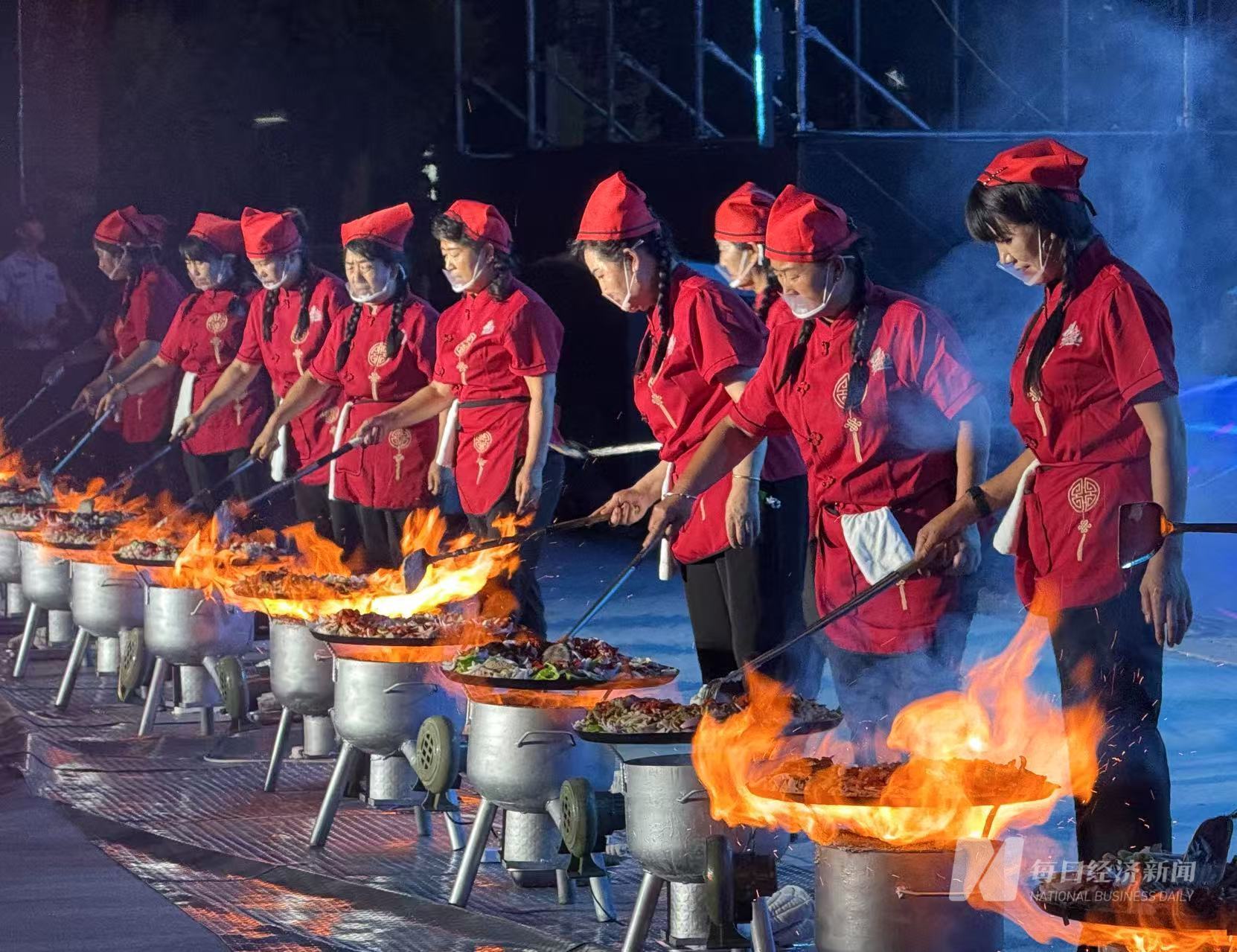
Core Viewpoint - Local specialty foods are becoming a significant attraction for tourists, leading to a new trend in cultural tourism consumption, particularly in small cities [1] Group 1: Event Overview - The "Stir-fried Pull" food festival was held in Zhangye City, Gansu Province, attracting 89,000 visitors, marking the third consecutive year of this event [1][2] - The festival featured a blend of food experiences, intangible cultural heritage performances, and commercial exhibitions [1] Group 2: Cultural Tourism Development - The local tourism department aims to leverage food as a key element to boost the development of the cultural tourism industry [3] - There is a growing consensus that the cultural tourism industry has entered an era where experience is paramount, with food becoming a vital way for people to engage with local culture [4] Group 3: Branding and Standardization - Efforts are being made to standardize and brand "Stir-fried Pull," including the creation of an official logo and the establishment of a culinary association [4] - Training programs for cooking skills have been initiated to enhance the quality and influence of this local delicacy [4] Group 4: Strategic Initiatives - The county is focused on enhancing its cultural tourism profile, as evidenced by the awarding of a new geographical landmark by China National Geography magazine [5] - A promotional event for cultural tourism was held, inviting numerous travel agencies to connect with potential customers [5] - A招商引资推介大会 (investment promotion conference) was conducted to facilitate project promotion and business negotiations [5] Group 5: Future Plans - The county has set a goal to become a renowned tourist destination in Gansu Province, as outlined in the "Three-Year Action Plan for Cultural Tourism Industry Development (2025-2027)" [6] - The plan emphasizes deep integration of the cultural tourism industry and aims to transform the region into a key tourism hub in the Hexi Corridor [6]

上半年山西全社会用电量同比增长6.3%
Xin Hua Cai Jing· 2025-07-25 07:47
Core Viewpoint - Shanxi Province's electricity consumption in the first half of the year reached 156.96 billion kWh, showing a year-on-year growth of 6.3%, indicating a stable and improving economic performance [1][3] Group 1: Electricity Consumption by Sector - The first sector's electricity consumption was 1.40 billion kWh, up 6.81% year-on-year [1] - The second sector's electricity consumption was 1,126 billion kWh, increasing by 5.05% year-on-year [1] - The third sector's electricity consumption was 254.67 billion kWh, with a growth of 12.18% year-on-year [1] - Residential electricity consumption reached 174.9 billion kWh, growing by 6.29% year-on-year [1] Group 2: Industrial Electricity Consumption - Industrial electricity consumption increased by 5.17% year-on-year, reflecting the acceleration of transformation and upgrading [2] - Electricity consumption in the non-ferrous metal mining and selection industry grew by 23.97%, while the petroleum, coal, and other fuel processing industries saw a 16.41% increase [2] - The coal mining and washing industry experienced a 7.98% rise in electricity consumption [2] - The photovoltaic equipment and components manufacturing industry saw a significant increase of 671.83% in electricity consumption [2] Group 3: Growth in New Energy and Services - New energy vehicle manufacturing, medical instrument manufacturing, urban rail transit equipment manufacturing, and instrument manufacturing experienced electricity consumption growth rates of 197.09%, 36.5%, 27.2%, and 25.63% respectively [2] - The service sector's electricity consumption grew by 12.48%, with internet data services increasing by 43.28% [2] - The charging and swapping service industry saw a remarkable increase of 91.1% in electricity consumption due to the promotion of heavy-duty electric vehicle policies and the popularity of residential new energy vehicles [2] - The tourism industry grew by 14.78%, positively impacting wholesale and retail electricity consumption, which increased by 27.8% [2]
西藏加查县2025年招商引资暨文旅推介会在拉萨举行
Zhong Guo Xin Wen Wang· 2025-07-20 13:06
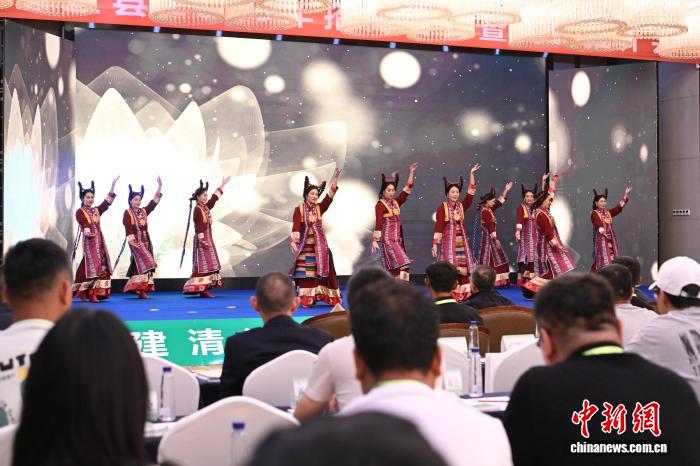
Core Insights - The 2025 Investment Promotion and Cultural Tourism Conference in Chaka County, Shannan City, Tibet, attracted numerous entrepreneurs and investors, resulting in 7 signed agreements with a total intended investment of 756 million RMB [1][5]. Group 1: Investment Opportunities - Chaka County is renowned for its rich natural and cultural heritage, including scenic spots like Lake Ramula and historical sites such as the Dala Gangbu Temple, which drew significant interest from attendees [3][7]. - The county has introduced a series of policy packages and dedicated services to attract investments, including a 924-acre industrial park that has already welcomed 7 enterprises [5][7]. Group 2: Economic Development - The signed projects span various sectors, including biotechnology and highland specialty food industries, which are expected to invigorate the local economy and promote the integration of cultural tourism [7]. - The successful hosting of the conference not only brought substantial investment intentions but also enhanced Chaka County's visibility and influence, laying a solid foundation for future development [7].
涪陵:816工程景区焕发 “沉浸式消费” 新活力
Sou Hu Cai Jing· 2025-07-07 07:51
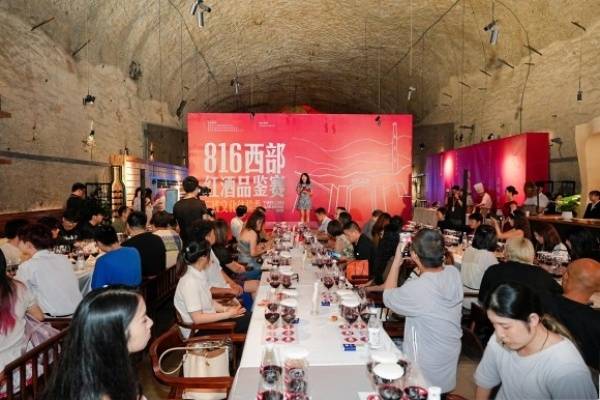
Core Insights - The Western Red Wine Tasting Competition was held at the 816 Project Scenic Area in Chongqing, combining military engineering heritage with wine culture to create a new consumption model of "historical scenes + quality consumption" [1][5] Group 1: Event Overview - The event featured an immersive "cave wine party" that attracted industry experts, wine enthusiasts, and tourists [1] - Guests participated in various activities, including wine bottle painting and cork creative workshops, enhancing the overall experience [3] Group 2: Venue Characteristics - The 816 Project Scenic Area is known for its unique environment, maintaining a constant temperature of 20°C-25°C, ideal for wine storage [3] - The site is recognized as the world's largest artificial cave, with a total length of 25 kilometers and a total construction area of 104,000 square meters [5] Group 3: Cultural Significance - The event aims to promote the integration of cultural and tourism industries, leveraging the historical and cultural richness of the 816 Project while introducing the unique charm of wine culture [5]
城市24小时 | 动真格了?江苏“十三妹”想赢
Mei Ri Jing Ji Xin Wen· 2025-06-30 15:01
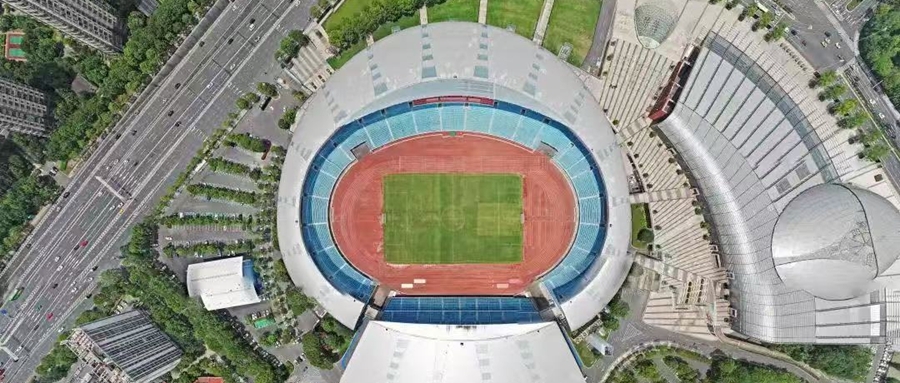
Group 1: Core Insights - Changzhou is focusing on the high-quality development of football through a three-year action plan from 2025 to 2027, emphasizing youth football, campus promotion, and integration with cultural tourism [1] - Despite a poor performance in the "Super League," Changzhou has gained attention through creative marketing strategies and community engagement, positioning itself as a potential winner in the football scene [1] - The city aims to recover its football reputation and improve its youth training systems, learning from the successful models of neighboring cities like Nantong [2][4] Group 2: Historical Context and Plans - Changzhou's interest in football development is not new; the "14th Five-Year Plan for Sports Development" initiated in 2021 already highlighted the importance of promoting football in schools and increasing funding for the sport [2] - The 2023 action plan further emphasizes the need for a structured approach to football development, including the establishment of training bases and attracting high-profile events [2] - Challenges such as the lack of professional clubs and a weak youth training system have been acknowledged, indicating a need for significant improvements [2] Group 3: Comparative Analysis - Nantong has established a successful model for youth football development, integrating schools, training camps, and professional teams, which has resulted in a strong talent pipeline for its football clubs [3] - The success of Nantong's football teams is attributed to its robust youth training system, contrasting with Changzhou's current struggles [3] Group 4: Broader Implications - The developments in Changzhou's football strategy may have implications for the local economy and community engagement, as sports can drive tourism and local business growth [1][2] - The integration of sports with cultural tourism is seen as a strategic move to enhance the city's appeal and economic prospects [1]
做好免票游后半篇文章
Jing Ji Ri Bao· 2025-06-29 22:08
Core Viewpoint - The trend of eliminating entrance fees at tourist attractions is gaining momentum, reflecting a shift in the understanding of cultural tourism value and aiming to enhance overall visitor experience and economic benefits for local areas [1][2][3] Group 1: Policy Changes and Economic Implications - Tourist attractions like Kunshan Tinglin Garden in Suzhou have announced the cancellation of entrance fees, allowing free access to various sites, which has garnered public attention [1] - The move away from a "ticket economy" is seen as a strategic choice to unlock the potential of tourism consumption in areas such as dining, accommodation, transportation, and entertainment [1] - The example of West Lake in Hangzhou demonstrates that eliminating entrance fees can lead to significant economic benefits, with a reported increase of hundreds of billions in annual tourism revenue by extending visitor stay [1] Group 2: Differentiation and Cultural Integration - To effectively implement the no-fee policy, attractions must focus on differentiation and unique cultural offerings, moving from generic experiences to distinctive ones [2] - The integration of advanced technologies like AI, IoT, VR, and AR is essential for enhancing visitor experiences and transforming attractions into places that encourage repeat visits [2] - The tourism industry should break down physical and industry barriers, promoting cross-industry integration to create a "tourism+" model that fosters economic growth in surrounding areas [2] Group 3: Enhancing Visitor Experience and Satisfaction - Improving visitor satisfaction and engagement is crucial, as the focus shifts from merely attracting visitors to maintaining high-quality experiences [3] - Attractions need to invest in infrastructure and service quality, ensuring that visitor feedback mechanisms are in place to enhance overall satisfaction [3] - The emphasis on unique, intelligent, and integrated experiences will be vital for the sustainable development of the cultural tourism industry [3]
长春莲花山:以生态为基、文化为魂、冰雪为翼 打造全国文旅产业新高地
Ren Min Wang· 2025-06-16 03:31
Core Viewpoint - Changchun Lianhua Mountain Ecological Tourism Resort aims to become a new highland in China's cultural tourism industry by leveraging its rich natural resources, cultural heritage, and innovative development concepts [1][4]. Group 1: Natural Resources and Ecological Foundation - The resort features a high forest coverage rate of 97% and an air negative ion content of 85%, creating a "natural oxygen bar" for visitors [1][4]. - The area showcases a diverse ecological environment throughout the seasons, with vibrant flowers in spring, dense forests in summer, colorful foliage in autumn, and a thriving winter sports scene [3][4]. Group 2: Cultural Integration and Unique Attractions - The resort integrates various cultural elements, including agricultural, red, ice and snow, folk, and pottery cultures, enhancing the tourism experience [5][7]. - Visitors can engage in hands-on agricultural activities, explore historical red culture, and appreciate unique ice and snow sculptures, making it a multifaceted cultural destination [5][7][10]. Group 3: Development Projects and Economic Growth - Major cultural tourism projects are being planned to inject strong momentum into the industry, including the Oriental Shuo Long Research Camp and the Lianhua Mountain Dreamland project [13][14]. - The "Snowy City" urban ice and snow industry matrix is being developed, focusing on a core area, an economic belt, and an industrial park to create a comprehensive ice and snow economy [14][15]. Group 4: Seasonal Tourism Strategy - The resort promotes a "four seasons thriving, snow season booming" strategy, ensuring year-round tourism activities and breaking the seasonal tourism pattern [15]. - By emphasizing ecological beauty, cultural richness, and exciting winter sports, the resort aims to attract both national and international tourists [15].
政策发力 场景创新 产业融合 四川多元文旅消费激活经济动能
Jing Ji Ri Bao· 2025-06-14 21:43
Core Insights - The tourism consumption in Sichuan reached 23.501 billion yuan during the "May Day" holiday, marking an 11.13% year-on-year increase, driven by the integration of cultural tourism and economic growth [1] - Policies and investments are significantly boosting the cultural tourism sector, with Sichuan issuing 68.115 million yuan in tourism consumption vouchers and launching various promotional measures, resulting in over 800 million yuan in direct consumption [1][2] - The integration of cultural tourism with other industries, such as agriculture and manufacturing, is expected to contribute over 80 billion yuan in consumption by 2024, showcasing the sector's role in revitalizing traditional industries and driving economic growth [3][4] Policy and Investment - Sichuan's government has implemented a dual approach of policy support and investment to stimulate cultural tourism, including the issuance of special bonds and the establishment of a comprehensive management system for tourism projects [1][3] - In the first four months of the year, Sichuan had 584 ongoing cultural tourism projects with an investment of 30.1 billion yuan, exceeding the planned progress by 4.3 percentage points [1] - The issuance of 27 new tourism special bonds raised 1.539 billion yuan, reflecting a 21.6% year-on-year increase, providing continuous financial support for tourism project development [1] Market Trends - The cultural tourism market is evolving with diverse new scenarios, including over 3,050 folk performances and the popularity of stage productions linked to successful films, indicating a trend of "traveling with movies" [2] - The integration of digital technology and cultural tourism is reshaping consumption patterns, with the gaming industry in Sichuan projected to generate 66.3 billion yuan in total revenue by 2024, driving growth in related sectors [3] Regional Development - Thirteen counties in Sichuan ranked among the "Top 100 Counties for Comprehensive Tourism Strength" in China, with Longnan County leveraging its bamboo culture to develop eco-tourism products and achieve significant revenue [4] - The "Comfortable Sichuan" cultural and tourism consumption season aims to host 5,000 events and create 100 new scenarios, further driving the conversion of tourism traffic into consumption growth [4] - By 2027, the added value of cultural and related industries in Sichuan is expected to exceed 380 billion yuan, with total tourism revenue projected to surpass 1.5 trillion yuan [4]