楼市调整

Search documents
楼市大局已定!45%有多套房的家庭,将要面临这4个难题
Sou Hu Cai Jing· 2025-09-03 11:45
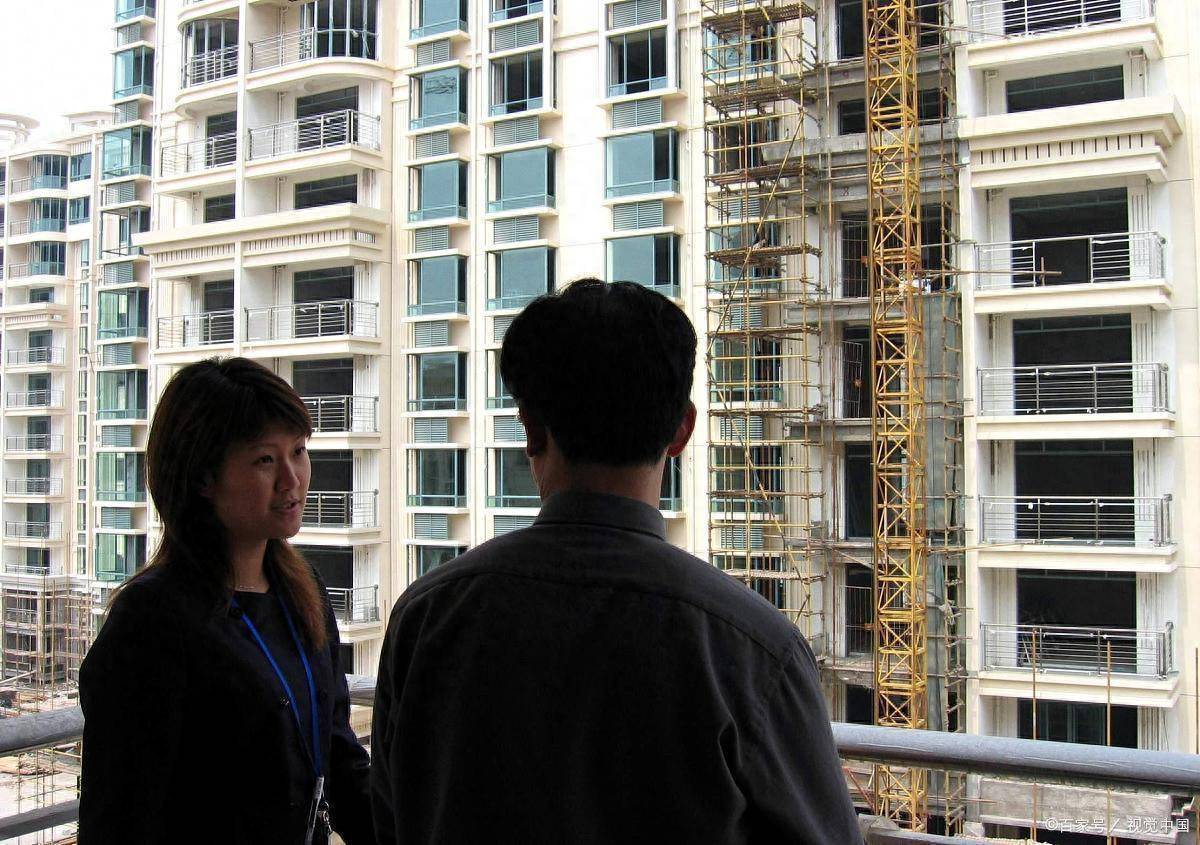
Core Viewpoint - The domestic real estate market in China has entered a long-term adjustment phase since 2022, with average housing prices dropping over 30%, and some cities experiencing declines exceeding 50% [1][3]. Group 1: Market Trends - The adjustment began with second and third-tier cities like Tianjin, Zhengzhou, and Wuhan, followed by first-tier cities such as Shanghai and Shenzhen joining the trend [1]. - The overall market adjustment is deemed inevitable despite various government policies aimed at stimulating the market [1]. Group 2: Challenges for Multi-Property Owners - Households owning multiple properties face significant challenges, with over 45% of such families in China [3]. - Difficulty in selling second-hand properties has increased, attributed to rising listings and shrinking demand, leading to a supply-demand imbalance [5]. - The economic downturn has resulted in reduced household incomes, making it harder for families to afford high property prices, causing many to postpone buying plans [5]. Group 3: Financial Pressures - Monthly mortgage pressures are intensifying for multi-property owners, as many are experiencing declining incomes while maintaining high mortgage payments [6][8]. - An example is provided of a property owner whose property value has dropped significantly, yet they continue to face the same mortgage payment due to fixed-rate contracts [8]. Group 4: Rising Holding Costs - The costs associated with maintaining multiple properties are increasing, including property management fees and other related expenses, which are expected to rise annually due to inflation [10]. - Families with multiple properties are feeling the strain of these rising costs, which adds to their financial burden [10]. Group 5: Rental Market Challenges - The strategy of "renting to pay mortgages" is becoming increasingly difficult, especially in lower-tier cities where rental demand is weak due to population outflows [12]. - In major cities like Shanghai and Shenzhen, rental prices are also declining, making it challenging for property owners to rely on rental income to cover mortgage payments [12]. - The current market conditions suggest that property owners should consider selling excess properties while prices are still relatively high to secure cash [12].

信号强烈!一线城市数据下滑,大家不是买不起房,而是不敢买?
Sou Hu Cai Jing· 2025-08-26 15:32
Core Viewpoint - The Shanghai real estate market is showing signs of distress, with a significant increase in available listings and a decline in prices, indicating a shift in market sentiment and potential risks for the broader housing market [3][6][10] Market Activity - In July, the transaction volume for second-hand homes in Shanghai was 16,900 units, which, while lower than previous highs, did not fall below the psychological threshold of 15,000 units, suggesting that there are still buyers in the market [4] - However, the number of second-hand homes listed for sale reached 223,000 units, creating substantial selling pressure [5] Price Trends - The average price of second-hand homes in Shanghai has been declining, with a month-on-month decrease of 0.7% in May and June, followed by a more significant drop of 1.82% in July, marking three consecutive months of price declines [5][6] Market Sentiment - There is a prevailing "wait and see" attitude among potential buyers, with many holding off on purchases in hopes of further price reductions, which is contributing to a lack of confidence in the market [3][8] - The sentiment is exacerbated by a high supply of listings, leading to increased competition among sellers, who are forced to lower prices to attract buyers [5][7] Broader Implications - The challenges faced by the Shanghai market are reflective of broader trends in the national real estate market, where supply is outpacing demand due to factors such as population stagnation and oversupply in certain areas [6][9] - The stability of the Shanghai market is crucial, as it serves as a benchmark for the national housing market; if Shanghai cannot stabilize, it could lead to widespread negative impacts on other cities [9][10] Government Response - The government has been implementing various measures to support the market, including lowering down payments and interest rates, aiming to prevent a more severe downturn [6][7]
楼市大局已定!未来国内超过41.5%的家庭,不得不面临3大问题
Sou Hu Cai Jing· 2025-08-21 23:55
Core Viewpoint - The real estate market is undergoing significant changes, leading to challenges for families as their wealth tied to property diminishes and future uncertainties loom [1] Group 1: Challenges Faced by Families - Challenge 1: Family asset depreciation and liquidity issues. Property values are declining, with a notable drop in sales prices across major cities, leading to a potential 3% annual asset shrinkage for homeowners [2] - Challenge 2: Aging population necessitating home modifications. With over 300 million people aged 60 and above in China, families face the urgent need for home renovations to accommodate elderly care, which can cost between 120,000 to 150,000 yuan [3][5] - Challenge 3: Increased employment and income uncertainty, coupled with repayment pressures. The real estate sector's downturn affects over 100 related industries, leading to job losses and financial strain for families managing multiple loans [4] Group 2: Recommendations for Families - Optimize asset allocation by reducing reliance on real estate and increasing financial asset holdings to enhance liquidity and risk resilience [9] - Plan for elderly care needs proactively, including understanding local subsidy policies for home modifications to alleviate financial burdens [9] - Maintain stable cash flow by minimizing unnecessary expenses and seeking additional income sources to navigate market uncertainties effectively [9]
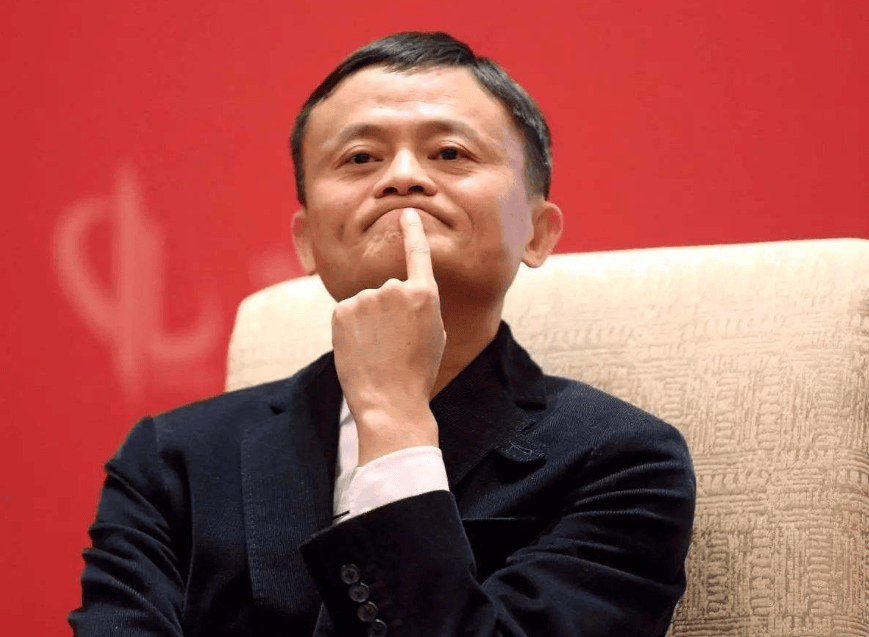
马云又说对了?如果不出意外,2025年下半年楼市将发生重大转变
Sou Hu Cai Jing· 2025-08-21 10:38
Core Viewpoint - The real estate market in China is undergoing a significant transformation, with a notable decline in housing prices and a shift in supply-demand dynamics, leading to a potential long-term adjustment in the market [1][3][5]. Group 1: Supply and Demand Dynamics - The total number of housing units in China has exceeded 600 million, which is sufficient to accommodate 3 billion people, far surpassing the actual demand of 1.4 billion [3]. - There is a structural decline in housing demand due to demographic changes, with a significant decrease in the population of younger generations compared to older ones [3]. - The urbanization rate is nearing 70%, and the demand for new housing is expected to continue shrinking, with a projected decrease of 2.63 million elementary school students by 2026 [3]. Group 2: Policy Changes - A dual-track system for affordable and commercial housing is being established, with plans to introduce 6 million affordable housing units within five years [3]. - The proportion of new housing sales transitioning from pre-sale to existing homes is increasing, from 10.5% in 2020 to an expected 26.5% in 2024, reducing the risk of unfinished projects for buyers [3]. Group 3: Market Trends and Buyer Sentiment - Mortgage rates have fallen below 3%, with further reductions anticipated, leading to lower purchasing costs for buyers [5]. - There is an increasing trend of loosening purchase restrictions in first-tier cities, with expectations of further relaxation in core areas [5]. - The market is shifting from a seller's market to a buyer's market, with a significant increase in the number of second-hand homes listed for sale, reaching over 3 million in 100 cities [5]. Group 4: Investment Opportunities - Three types of properties may still hold value in the current market: renovated older communities in prime locations, quality properties near metro stations in first-tier cities, and well-equipped new homes that prioritize living experience [6][8].
王石预测的楼市“软着陆”会实现吗?调整还需要3-5年?
Sou Hu Cai Jing· 2025-08-13 12:35
Group 1 - The core viewpoint is that the real estate market in China is undergoing a significant adjustment period, which is expected to last 3-5 years, and that those hoping to profit from real estate by 2025 may be disappointed [1][4] - Wang Shi emphasizes that the current situation in China is not akin to Japan's past real estate bubble, citing the country's large population and the availability of policy tools to support the market [3][4] - The market is currently divided, with new home sales declining by 3.5% year-on-year in the first half of the year, while second-hand home sales have increased by 11% [5][6] Group 2 - The real estate market is experiencing a significant inventory issue, with 7.7 billion square meters of unsold inventory putting pressure on the industry [5] - First-tier cities are expected to stabilize first, with inventory turnover periods shrinking to under 8 months, while second-tier cities face longer turnover periods of up to 18 months [6] - Buyers are facing stricter loan approvals, with some experiencing significant reductions in loan amounts, leading to increased financial pressure [7][8] Group 3 - The market is characterized by a significant number of price reductions, with some properties seeing drastic price drops as investors offload assets due to financial strain [5][8] - There is a growing sentiment that housing should be viewed as a place to live rather than an investment, indicating a shift in market psychology [8]

疯抢80轮,溢价80%成交!深圳顶豪,割肉离场
Sou Hu Cai Jing· 2025-08-04 06:58
Core Viewpoint - The recent auction of a luxury property in Shenzhen reflects the harsh realities of the real estate market, with significant price drops indicating a broader market adjustment [2][5][18]. Property Auction Details - A 398㎡ luxury apartment in the Double Seal Garden Phase III was auctioned on August 1, with a final price of 58.3 million yuan, significantly lower than its previous listing price of 65 million yuan [2][3][5]. - The auction started at 32.35 million yuan and saw 80 rounds of bidding, resulting in a premium rate of 80% over the starting price [3][5]. - The property was previously registered at a price of 45 million yuan in November 2020, indicating a decline in value since its initial purchase [10][11]. Market Context - The Double Seal Garden area is known for its high market recognition and unique coastal resources, yet the recent auction price suggests a decline in perceived value [6][18]. - Historical data shows that the average selling price for similar properties peaked at approximately 110 million yuan in early 2023, but has since dropped by at least 33% [17][18]. - The luxury market is experiencing a significant price adjustment, with the auction price being lower than the outstanding mortgage debt of 60 million yuan on the property [15][25]. Developer Background - The property auction is linked to a loan dispute involving Huizhou Can Dong Industrial Co., a subsidiary of the well-known real estate developer, which has faced financial difficulties since 2022 [25][26]. - The developer, known for its optimistic predictions about the real estate market, has seen a drastic decline in its fortunes, with multiple projects facing delays and financial constraints [28][30]. Market Trends - The overall real estate market in Shenzhen has shown signs of recovery since September 2022, with some segments experiencing price stabilization and increased transaction volumes [30][33]. - However, the luxury segment, particularly in the peripheral areas, continues to face challenges, with prices unlikely to return to the highs seen between 2015 and 2020 [33].

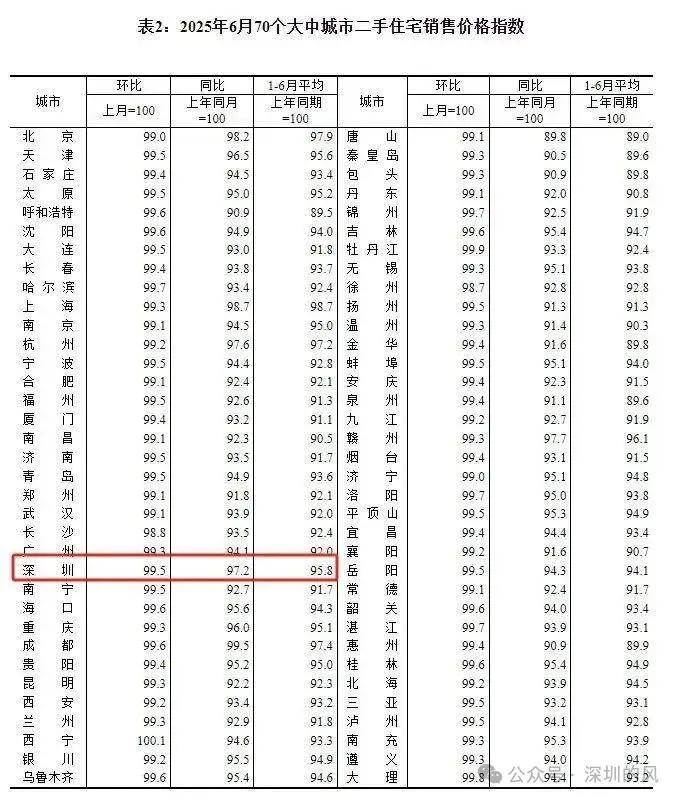
70城房价最新数据出炉!深圳止跌信号已现?
Sou Hu Cai Jing· 2025-07-18 10:21
Core Viewpoint - The real estate market is at a critical juncture of "bottoming out" and "recovery," with a general decline in new home prices across first-tier cities, but a narrowing year-on-year decline, particularly noted in Shenzhen's resilience and adjustment pace [1][6]. Group 1: Price Trends - In June, new home prices in first-tier cities showed a month-on-month decline, with Shenzhen experiencing the largest drop of 0.6%, marking the third consecutive month of decline [4]. - Year-on-year, Shenzhen's new home prices fell by 2.5%, which is less than the declines seen in other first-tier cities like Beijing and Guangzhou, which dropped by 4.1% and 5.1% respectively [5]. Group 2: Market Dynamics - Shenzhen's price stability is attributed to structural differentiation in the new home market, where new regulatory products are impacting older projects, leading to price reductions in non-compliant projects while maintaining some price resilience in core areas due to strong demand [6]. - The second-hand housing market in Shenzhen is also experiencing rational adjustments, with stable price declines driven by pragmatic seller attitudes and increased supply from new home products [6]. Group 3: Future Outlook - Despite short-term pressures, there are signs of potential stabilization in the market, with upcoming long-term policy measures aimed at revitalizing demand and supply, including increased housing loan quotas and subsidies [7]. - The market is expected to benefit from a series of supportive policies from local and central governments, which may alleviate current pricing pressures [7]. Group 4: Buyer Guidance - For first-time buyers, focusing on core area new products with strong anti-decline characteristics is recommended, especially as policy optimizations lower entry costs [8]. - Investors are advised to be cautious, as the market has moved past the "universal growth era," and should concentrate on areas with sustained population inflow and strong industrial support [8].
商界大佬预言成真?楼市出现3大新趋势,有人紧张了
Sou Hu Cai Jing· 2025-06-22 22:58
Core Insights - The domestic real estate market is undergoing a profound adjustment, with severity exceeding expectations, reflecting a culmination of accumulated contradictions over the years. This aligns with predictions made by billionaire Li Ka-shing regarding a significant reshuffling of housing prices in the coming years [1] Group 1: Industry Trends - Real estate companies are facing increasing operational difficulties, with 21 fewer companies achieving over 100 billion yuan in sales in 2022 and 28 fewer companies exceeding 10 billion yuan. Nearly 400 real estate firms have filed for bankruptcy this year, indicating a sharp decline in market demand for housing [3] - The demand for housing loans remains persistently low, with a reduction of 115.6 billion yuan in long-term loans (primarily mortgages) in April, marking a rare negative growth. Although there was a rebound in May with an increase of 168.4 billion yuan, the overall demand remains at historical lows, reflecting a lack of confidence in the market [3][4] Group 2: Market Adjustments - The pace of market adjustment has accelerated since March 2023, with 54 cities experiencing a month-on-month decline in new home prices and 83 cities in second-hand home prices in May. The number of cities with both new and second-hand home price declines reached 44, indicating a widespread market downturn [4] - The supply of second-hand homes has significantly outstripped demand, with a surge in listings since April. Major cities like Shanghai, Beijing, and Guangzhou have seen second-hand home listings exceed tens of thousands, with Shanghai alone reaching 200,000 listings. This oversupply is driven by speculators selling off properties due to a lack of confidence in future market conditions [5] Group 3: Impact on Stakeholders - The current market conditions pose significant challenges for three groups: speculators facing pressure to sell at high prices, real estate professionals at risk of unemployment or needing to change careers, and banks experiencing a decline in mortgage demand, which could impact their performance and introduce potential financial risks [5]
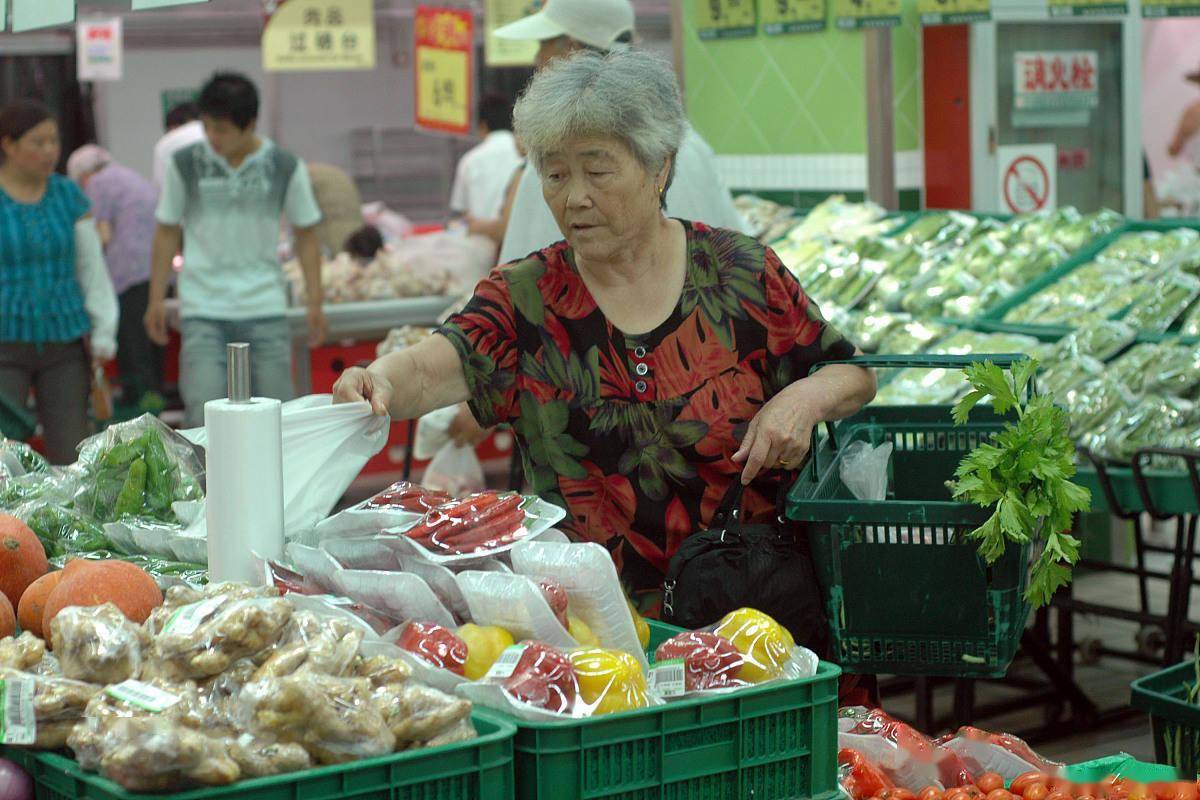
买菜大妈一句话“说透”楼市本质?人们坦言:比很多专家看得透彻
Sou Hu Cai Jing· 2025-06-22 07:51
Core Viewpoint - The Chinese real estate market has entered a new adjustment cycle since the relaxation of pandemic controls in 2023, driven by long-accumulated factors, with significant declines in new home transactions and a surge in second-hand home listings [1][3]. Market Trends - From March 2023, both the transaction volume and area of new homes have decreased, while the second-hand housing market has seen a dramatic increase in listings, with cities like Chengdu and Chongqing surpassing 200,000 listings and Shanghai exceeding 180,000 by the end of June [1]. - By July, the second-hand housing price index for 100 cities showed a year-on-year decline in 96 cities, indicating a widespread downturn in the market [1]. Government Response - In response to falling housing prices, local governments have implemented various "market rescue" policies, including relaxing purchase and sale restrictions in many second and third-tier cities, reducing mortgage rates below 4%, and increasing housing fund loan limits to alleviate financial pressure on first-time buyers [1]. - The introduction of the "recognize house but not loan" policy aims to stimulate demand for improved housing, although the effectiveness of these measures has been limited [1]. Economic Impact - The decline in housing prices is attributed to two main factors: the impact of the pandemic leading to reduced incomes and job losses, which have diminished purchasing power, and the ongoing decrease in property values since the second half of 2021, eroding the "wealth effect" associated with real estate [3]. - The suggestion to utilize one-third of the 15 trillion yuan in household savings to stimulate real estate purchases and related consumption has sparked controversy, as many view these savings as essential for financial security [4]. Market Sentiment - Public sentiment reflects skepticism about the real estate market's future, with a common perception that the speculative nature of real estate investment is nearing its end, as indicated by a remark from a typical consumer highlighting the end of the "hot potato" game in real estate [6]. - Experts suggest that the government's recent policies aim to prevent drastic fluctuations in the market and achieve a "soft landing," but the long-term outlook remains uncertain, with the potential for continued adjustments in the housing market [6].
官方释放两个重要信号,2025年楼市将出现三大趋势!建议提前准备
Sou Hu Cai Jing· 2025-06-21 15:22
Core Insights - The article indicates a significant downturn in the real estate market for 2024, driven by recent government signals and current market conditions [2] - The government's plan to provide 6 million affordable housing units over the next five years highlights a shift towards supporting low-income groups while allowing market forces to dictate housing prices [2] Group 1: Market Trends - Trend 1: The range of cities experiencing falling housing prices is expanding, with declines observed in second-tier cities and even in major first-tier cities like Shanghai, where prices have dropped from over 100,000 yuan per square meter to around 70,000 yuan [2] - Trend 2: Old residential areas, referred to as "old and broken," are becoming less attractive to high-net-worth individuals, and the shift in government policy towards affordable housing is further squeezing their market space [4] - Trend 3: High-rise residential buildings face significant depreciation risks due to high maintenance costs and various uncertainties, making them less appealing compared to multi-story residences [4] Group 2: Government Policy Impact - The government's recent guidance on affordable housing construction reflects a strategic move to provide better housing options for middle and low-income families, effectively reducing their purchasing costs [2] - The extensive real estate regulatory measures taken this year, totaling over 500, have failed to halt the market's downward trend, indicating that external interventions are unlikely to reverse the ongoing adjustments [2]