欧洲一体化

Search documents
揭秘欧洲高福利内幕:劫小国的富,济大国的贫,还让穷国感恩戴德
Sou Hu Cai Jing· 2025-10-16 04:18
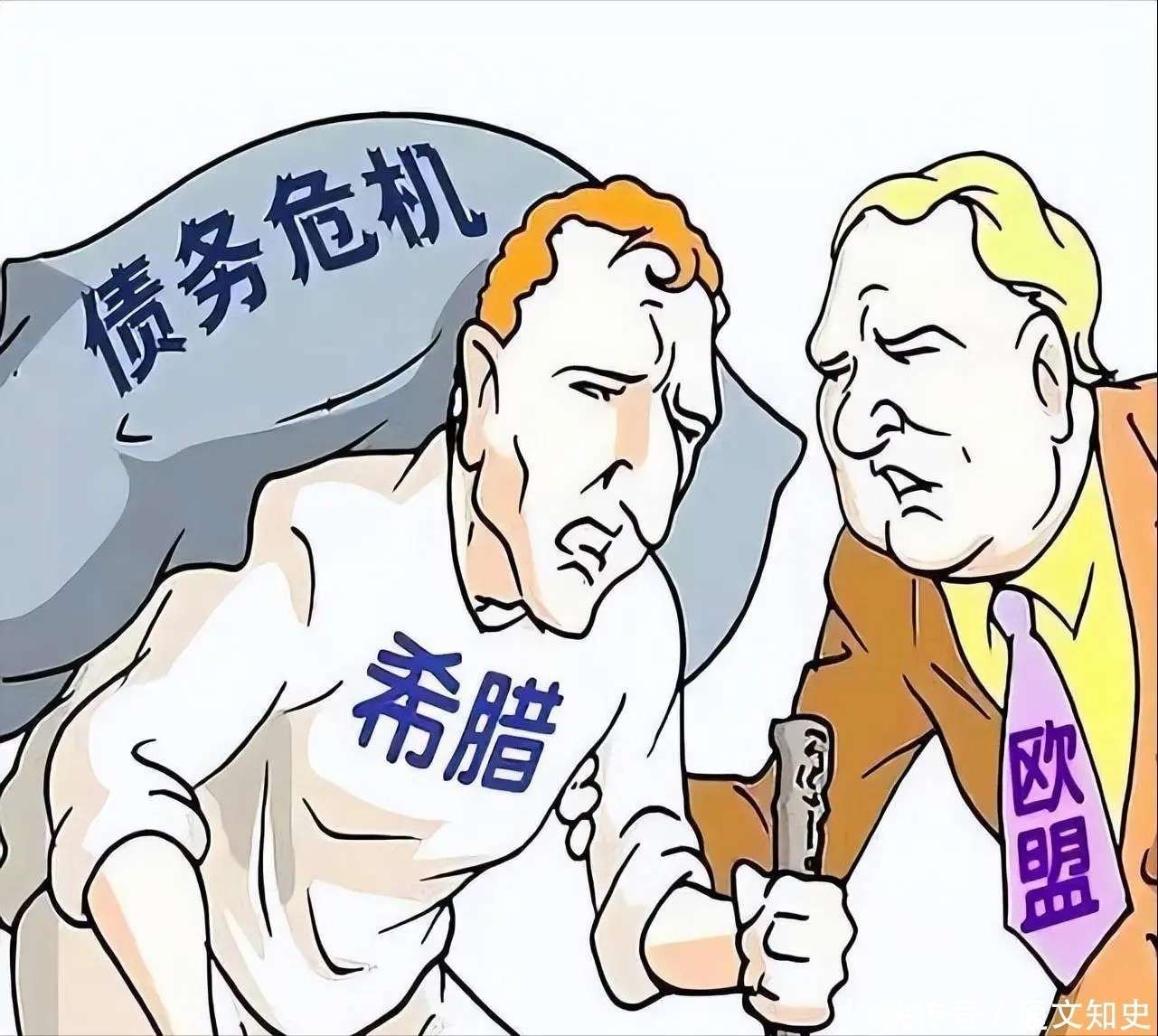
Core Points - The European Union (EU) was formed in 1993, but many Eastern European countries have struggled to benefit from the unified market, often feeling marginalized [2] - Countries like Germany and the Netherlands have leveraged their manufacturing advantages to dominate Eastern European markets, leading to the decline of local industries [4] - The EU's financial support to struggling countries, such as Greece, has been insufficient and hindered by bureaucratic processes, resulting in limited benefits for the local population [4] - There is a clear hierarchical structure within the EU, with wealthier Northern countries benefiting disproportionately compared to Southern and Eastern nations [6] - The high welfare system in Europe is under threat due to rising energy costs, reduced military support from the U.S., and competition from upgraded Chinese manufacturing [6] - Cultural and ethnic differences among EU member states contribute to integration challenges, making it difficult to achieve a unified fiscal and policy framework [9] - The EU faces multiple crises, with Western countries reluctant to share responsibilities and Eastern nations unable to resist economic pressures, leading to a decline in welfare benefits [11] - The current situation in the EU serves as a cautionary tale for other nations, highlighting the importance of self-sufficiency and resilience in the face of external challenges [11]

欧盟在申根区启用新数字边境管理系统
Xin Hua She· 2025-10-13 09:47
Core Points - The European Union has begun the phased introduction of a new digital border management system in the Schengen Area to enhance border management, information sharing, and combat identity fraud and illegal immigration [1][2] - Non-EU citizens must electronically register upon their first entry into the Schengen Area, providing passport information and biometric data [1] - The new system is part of the EU's border control reform, with a subsequent phase planned to introduce a European Travel Information and Authorization System [2] Summary by Sections - **Digital Border Management System**: The new system requires non-EU citizens to register electronically at designated counters, providing biometric data to streamline border checks [1] - **Implementation Timeline**: Smaller Schengen member states will fully implement the system starting from the 12th, while larger countries like France and Germany will use it at select ports initially, with full implementation expected by April 10 next year [1] - **Historical Context**: The Schengen Agreement was signed in 1985 to facilitate free movement among member countries, currently comprising 29 nations with a total population of approximately 420 million [2]
德国央行行长:与中企的竞争,该让所有欧企彻底醒醒了
Sou Hu Cai Jing· 2025-10-10 11:56
Group 1 - The core viewpoint is that European governments must not be complacent regarding tariffs and competition with China, as Chinese companies are increasingly capable of supplying products traditionally dominated by German firms, often at lower prices [1][2] - In the first half of the year, Chinese automotive brands nearly doubled their sales in Europe, approaching the sales levels of Mercedes-Benz [1] - The European Central Bank's position in trade negotiations with China is favorable, as China's demand for European goods exceeds Europe's demand for Chinese products [1][2] Group 2 - The Trump administration's tariff policies and inconsistent support for Ukraine have caused unease among European governments, prompting them to strengthen internal economic ties and increase defense spending [2] - Despite a trade agreement framework with the U.S. easing some tariff impacts, Europe faces significant challenges, including heavy debt burdens and political uncertainty [2] - Germany's economy is expected to continue shrinking from 2023 to 2024, with external demand weakening and a projected growth of only 0.2% by 2025 [2] Group 3 - The current economic recovery in Germany is driven by domestic demand rather than foreign trade, with a focus on government spending in infrastructure and defense [3] - The German government plans to borrow over €100 billion by 2025, primarily for military and infrastructure projects, but public patience for the effectiveness of these policies is waning [3] - Key policy recommendations include simplifying administrative processes, increasing labor supply, enhancing technology investments, and lowering energy prices [3] Group 4 - Concerns regarding the independence of the Federal Reserve have been raised, with the German central bank's history linked to post-war economic recovery [4] - The current exchange rate of the euro against the dollar is around 1.17, which is being monitored but not considered a major issue [4]
能源列国志:法国:摘要Abstract
Zhong Xin Qi Huo· 2025-09-15 12:32
Report Summary 1. Investment Rating No investment rating for the industry is provided in the report. 2. Core Viewpoints France is a developed industrial country with a strong industrial base in sectors such as steel, automotive, and construction, as well as leading industries in aerospace, nuclear energy, and ocean development. It is also a major agricultural producer and exporter in the EU. However, France has limited natural resources and relies heavily on imports for energy and industrial raw materials. The country's energy mix is dominated by nuclear power, and it has been actively involved in international trade and investment [1][2][10]. 3. Summary by Section 3.1 National Overview - **Geographical Location**: France, the largest country in the EU by area, is located in Western Europe, with a hexagonal mainland bordering multiple countries and facing four major seas. It has diverse climates, including temperate maritime, Mediterranean, and continental [7]. - **Economic Overview**: In 2024, France's GDP was €2.91 trillion, with a 1.1% year - on - year increase and an inflation rate of 1.3%. The industrial value - added was €3565 billion, and the agricultural value - added was €380 billion. It is highly dependent on imports for minerals and energy, with nuclear power accounting for about 65% of electricity in 2024. It has a high - welfare system and is an attractive destination for foreign investment [10][11][12]. - **Historical and Political Situation**: France has a long history, with the current Fifth Republic established in 1958. The president has significant powers, and the country has a bicameral parliament. There are multiple political parties with different policy stances [14][15][16]. 3.2 Oil and Other Liquids - As of January 1, 2023, France's proven oil reserves were 83 million barrels. It banned oil and gas production and exploration until 2040, leading to a continuous decline in production. In 2022, its oil consumption was 1.5 million barrels per day, showing a downward trend since 2003 - 2004. Worker strikes in refineries have caused shortages of petroleum products [20][22]. 3.3 Natural Gas - As of January 1, 2023, France's proven natural gas reserves were 590 Bcf. It has almost no dry natural gas production and depends entirely on imports. In 2022, consumption decreased due to high winter temperatures and the Russia - Ukraine conflict. GRTgaz and EDF play important roles in gas distribution and supply [24]. 3.4 Coal - France has no proven coal reserves and does not produce coal, relying entirely on imports. Due to the European energy crisis in 2022, two coal - fired power plants were temporarily restarted and their operation was extended to 2024 [28]. 3.5 Electricity - In 2021, France had a power generation of 530 TWh, an installed capacity of 142 GW, and was one of the largest power - surplus countries. Nuclear power accounted for 68% of electricity generation, with an installed capacity of 61 GW, second only to the US. The Flamanville EPR nuclear reactor started operation in 2024. EDF and its subsidiaries dominate the power market [30][33]. 3.6 Energy Trade - **Oil and Other Liquids**: In 2022, France imported over 822,000 barrels per day of oil and other liquids, reversing a downward trend since 2017. Its oil product exports have been declining since 2011. It mainly imports from European neighbors and Russia, and refinery strikes have increased its dependence on imports [34][36]. - **Natural Gas**: In 2021, France imported 1.6 Tcf and exported 188.9 Bcf of natural gas. In 2022, gas flow increased by 32% due to a 203% surge in LNG imports. It mainly imports from Norway and has started re - exporting to neighboring countries [38]. - **Electricity**: In 2021, France was the world's largest net power exporter, with exports mainly going to Switzerland, the UK, Italy, and Spain [41].


欧洲梦碎!几十万大军白准备,普京停火条件公布,提出俄保障方案
Sou Hu Cai Jing· 2025-08-25 08:48
Core Points - The article discusses the implications of Putin's four demands for a ceasefire in Ukraine, which significantly limit Ukraine's sovereignty and complicate European security dynamics [1][3][10] - The demands include the withdrawal of Ukrainian forces from the entire Donbas region, a ban on Ukraine joining NATO, restrictions on NATO or Western troops in Ukraine, and recognition of Crimea as Russian territory [3][5][10] - The situation reflects a broader challenge for Europe, as the potential for military intervention is stifled by these demands, leading to a reevaluation of European defense strategies and alliances [8][12] Summary by Sections Section 1: Ceasefire Demands - Putin's first demand requires the withdrawal of Ukrainian troops from the entire Donbas region, not just the contested areas, effectively pushing Ukraine to concede more territory [1] - The second demand prohibits Ukraine from joining NATO, which could permanently exclude Ukraine from Western alliances and complicate future negotiations [3][5] - The third demand restricts any NATO or Western military presence in Ukraine, undermining previous plans for European military support [3][7] - The fourth demand involves recognizing Crimea as part of Russia, further limiting Ukraine's negotiating power [3][10] Section 2: European Security Implications - The demands create a significant challenge for European defense integration, as they undermine the principle that countries can choose their alliances freely [8][10] - The inability to deploy European forces in response to the crisis raises questions about the effectiveness of NATO and the EU's collective security arrangements [8][12] - The situation may lead to a reevaluation of security strategies among Eastern European countries, particularly regarding their own defense postures against potential Russian aggression [10][12] Section 3: International Dynamics - The article highlights China's position as it navigates a complex relationship between supporting Russia and maintaining ties with the West [10][12] - The potential for a new geopolitical order is suggested, where smaller nations may have to choose between powerful states, reflecting a shift in international norms [12] - The ongoing crisis in Ukraine serves as a litmus test for the ability of major powers to establish new coexistence rules under the shadow of nuclear threats [12]
成立40年,申根区遭遇“中年危机”?《环球时报》记者探访申根小镇
Huan Qiu Shi Bao· 2025-07-30 22:52
Core Viewpoint - The Schengen Area, established 40 years ago, is facing a "midlife crisis" due to increasing border controls by member states, raising questions about its future as a symbol of European unity and free movement [1][6][11]. Group 1: Historical Context and Significance - The Schengen Agreement was signed in 1985 by five countries (Germany, France, Belgium, Netherlands, Luxembourg) to eliminate border checks and promote free movement, which has significantly contributed to EU economic development and integration [1][4]. - The Schengen Area now includes 29 countries, covering a population of 450 million, and is considered a major achievement of European integration, allowing for the free flow of people and goods [4][10]. Group 2: Current Challenges - Since the 2015 refugee crisis, many Schengen countries have reinstated border controls, with 12 out of 29 countries currently implementing such measures, leading to concerns about the erosion of the Schengen principles [5][6][7]. - The European Commission has criticized these temporary border checks as a "diminution" of the free travel principle, indicating a lack of systematic evaluation of their necessity [7][9]. Group 3: Economic Implications - The Schengen Area facilitates logistics and trade, with transit speeds between member countries being 20 times faster than between non-member countries, significantly benefiting EU businesses [10]. - In 2024, trade within the Schengen Area is projected to exceed €4.1 trillion, and it remains the world's most visited destination, attracting over 500 million tourists annually [10]. Group 4: Public Sentiment and Political Dynamics - A survey indicated that 72% of Europeans view the Schengen Area as one of the EU's major achievements, reflecting a strong public sentiment in favor of free movement [10]. - However, rising populism and political pressures have led to stricter border controls, with some analysts suggesting that these measures are more symbolic than effective in addressing immigration issues [8][9]. Group 5: Future Considerations - The future of the Schengen Area hinges on whether it will continue to promote free movement for all legal residents or become a more exclusive framework that prioritizes certain groups [11][12]. - Calls for unity and coordinated immigration governance have emerged as essential for maintaining the principles of the Schengen Area amidst growing challenges [12].

泽连斯基与丹麦首相通话 讨论乌克兰加入欧盟相关问题
news flash· 2025-07-29 14:16
Group 1 - The core discussion between Ukrainian President Zelensky and Danish Prime Minister Frederiksen focused on Ukraine's European integration process, particularly the initiation of the first negotiation cluster for Ukraine's EU membership [1] - Zelensky emphasized the importance of utilizing Denmark's presidency of the EU to implement necessary decisions during this period [1] - Ukraine is actively fulfilling its obligations to the EU, with a bill aimed at ensuring the independence of anti-corruption institutions submitted to the Ukrainian parliament, which is expected to pass urgently within the week [1]
申根区遭遇“成长的烦恼”(第一现场)
Ren Min Ri Bao· 2025-07-20 22:12
Core Points - The Schengen Area, established in 1985, now includes 29 member countries and covers a population of 450 million, facilitating free movement of people and goods across borders [1][4] - Recent challenges, including the refugee crisis, have led to temporary border controls in 12 Schengen countries, raising concerns about the future of the Schengen Agreement [1][5] Group 1: Historical Context - The Schengen Agreement was signed in Luxembourg by five countries, aiming to eliminate internal border checks and promote European integration [2][3] - The Schengen Museum commemorates this history, showcasing artifacts and narratives that highlight the significance of cross-border cooperation and trust [2][3] Group 2: Current Operations - The Schengen Area is the largest borderless region globally, with nearly 70% of European countries participating, allowing for approximately 2 million cross-border commuters daily [4] - Member countries collaborate in various sectors, including education and healthcare, demonstrating the benefits of integration despite facing security challenges [4] Group 3: Challenges and Responses - Temporary border controls have become more common, with 12 out of 29 Schengen countries implementing such measures since the 2015 refugee crisis [5][6] - The European Commission warns that if internal border checks become permanent, it could lead to significant economic losses, estimated at €470 billion over ten years [6] Group 4: Future Outlook - Bulgaria and Romania are set to join the Schengen Area in January 2025, marking a significant expansion and reflecting the ongoing appeal of the Schengen system [7] - The EU aims to enhance governance and operational management of the Schengen Area, focusing on digitalization and cooperation among law enforcement agencies to address current challenges [8]
王毅谈中欧建交50年重要启示
Xin Hua Wang· 2025-07-04 00:11
Core Points - The year marks the 50th anniversary of China-Europe diplomatic relations, emphasizing the importance of cooperation and partnership between the two regions [1] - China maintains a stable and continuous policy towards Europe, supporting European integration and strategic autonomy, regardless of the international situation [2] - China contributes approximately 30% to global economic growth annually, highlighting its role as a stabilizing force in the world [2] Group 1 - The trade volume between China and Europe now equals the total trade volume of previous years, indicating significant growth in their economic relationship [1] - The relationship is characterized by a commitment to partnership, cooperation, autonomy, and mutual benefits, aiming for a more resilient and mature future [1] - There are attempts to undermine China-Europe relations, but the overall trajectory is towards continued progress and stability [2] Group 2 - China positions itself as a key stabilizing force in the current chaotic international landscape, advocating for dialogue and political solutions to disputes [2] - The country emphasizes its commitment to non-interference in internal affairs and the protection of the rights of developing countries [2] - China expresses a willingness to collaborate with European nations to share opportunities and address global challenges together [3]
40岁的申根区,迎来“中年危机”
Hu Xiu· 2025-06-19 13:05
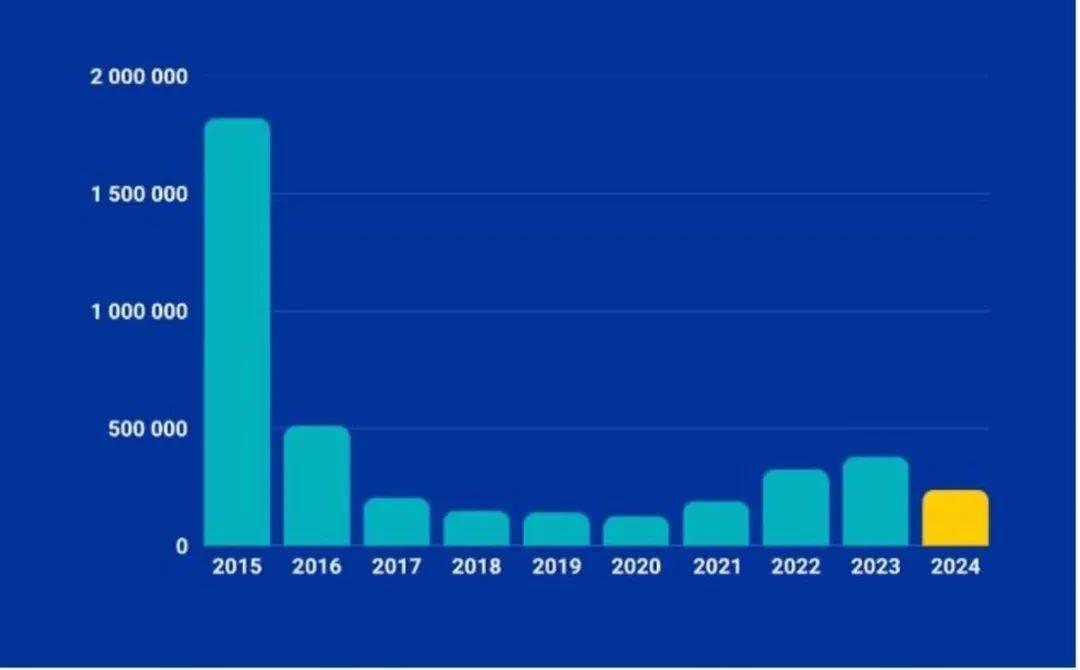
Core Points - The Schengen Agreement, established 40 years ago, is facing a crisis as at least 11 member countries have temporarily reinstated border controls, reversing the original intent of free movement [3][39]. - The current political climate in Europe shows a growing resistance to immigration, with public sentiment favoring stricter border controls and a reduction in the acceptance of refugees [41][46]. - The Schengen area, which allows free movement for 450 million people across 29 countries, is now at a crossroads, with leaders grappling with the balance between national security and the foundational principles of the agreement [42][50]. Group 1 - The Schengen Agreement was initially aimed at eliminating border checks among member states, fostering European integration and free movement [1][4]. - Recent data indicates a significant increase in temporary border controls among Schengen countries, with 400 instances recorded from 2015 to 2024, highlighting a shift towards more restrictive policies [24][39]. - The political pressure from far-right parties in Germany has influenced the government's stance on immigration and border control, leading to a more stringent approach [8][41]. Group 2 - Luxembourg, as the birthplace of the Schengen Agreement, continues to advocate for the core principles of free movement, opposing the internal border controls reinstated by neighboring countries [5][39]. - The German government, under new leadership, has implemented strict border checks, citing public safety concerns and a rise in illegal immigration as justifications [6][10]. - The reintroduction of border controls has caused logistical challenges, disrupting cross-border commuting and trade, which are essential for the European economy [44][35]. Group 3 - The EU has expressed dissatisfaction with the increasing frequency of border controls, emphasizing the need for compliance with Schengen regulations and the importance of protecting external borders [38][39]. - The ongoing immigration crisis has led to a rise in populist sentiments across Europe, complicating the political landscape and challenging the unity of the EU [25][46]. - The future of the Schengen Agreement hinges on addressing the underlying issues of immigration and public sentiment, as well as balancing national interests with collective European goals [50][47].