科技兴农

Search documents
科技赋能产业升级!“岭南蔬菜之乡”高质量发展大会启幕
Nan Fang Nong Cun Bao· 2026-01-21 04:31
Core Insights - The "Lingnan Vegetable Town" high-quality development conference aims to promote the modernization of agriculture in the Guangdong-Hong Kong-Macao Greater Bay Area through technology empowerment [4][10]. Group 1: Event Overview - The second "Lingnan Vegetable Town" high-quality development conference took place from January 19 to 21 in Huai Ji, marking the beginning of the agricultural sector's "14th Five-Year Plan" [2][3]. - The event gathered over 330 representatives from government, research institutions, leading enterprises, financial institutions, and media to discuss pathways for high-quality development in the vegetable industry [8][9]. Group 2: Technological Empowerment - A key highlight of the conference was the emphasis on technology empowerment, with the establishment of the "Zhejiang University Yu Jingquan Academy of Technology Achievement Transformation Base" and the "Lingnan Vegetable Town Research Institute" [10][11]. - Modern agricultural technologies such as intelligent sorting lines, drone monitoring, and integrated water and fertilizer irrigation systems were showcased, demonstrating the full mechanization of vegetable planting management [13][14]. Group 3: Economic Impact - The "Green Expo City" in Zhaoqing (Huai Ji) has achieved a transaction volume exceeding 1.2 billion yuan by 2025, supporting thousands of farmers and enhancing agricultural product circulation [21][22]. - Huai Ji has invested over 550 million yuan in the "Lingnan Vegetable Town" initiative, resulting in a vegetable planting area of 350,000 mu and an annual output of 780,000 tons, with a total industry chain value of 6.315 billion yuan [32][34]. Group 4: Brand Development - Eleven quality enterprises received authorization to use the "Huai Ji Flavor" regional public brand, which integrates seven geographical indication products and over 100 agricultural brands, exporting to regions including the Greater Bay Area and countries like Saudi Arabia and Turkey [36][39]. - The conference facilitated the establishment of a comprehensive development ecosystem encompassing research, production, processing, circulation, and branding [41][44]. Group 5: Future Directions - Moving forward, Huai Ji will leverage its geographical advantages, scientific expertise, and policy support to enhance the "Lingnan Vegetable Town" industry demonstration zone, aiming to extend the industrial chain and elevate the value chain [47][48].


河南省方城县:科技赋能激活现代农业发展新动能
Zhong Guo Jing Ji Wang· 2026-01-20 11:41
Core Viewpoint - The article highlights the transformation in agriculture at the Hongwang Agricultural Smart Planting Base in Yangji Town, Fangcheng County, Henan Province, showcasing the integration of technology in modern farming practices to enhance productivity and sustainability [1][2]. Group 1: Technological Advancements - The smart greenhouses utilize advanced digital systems to monitor and control various growth parameters such as light, temperature, humidity, and nutrient levels, allowing for precise management of plant growth [1]. - Hydroponic lettuce is cultivated in a controlled environment, with a growth cycle of 20 days in summer and 30 days in winter, enabling up to 13 harvests per year, significantly surpassing traditional farming yields [1]. Group 2: Economic Impact - The "enterprise + base + farmer" model has transformed local villagers from passive observers to active participants, allowing them to earn income while managing family responsibilities [1]. - Workers at the base, such as Zhang Hua, report earning 80 yuan per day, contributing to both household income and skill development [1]. Group 3: Future Plans - The administrative supervisor, Cui Hanying, indicated plans to diversify crop varieties and establish a unique brand for their fruits and vegetables, aiming to involve more local residents in the initiative for shared prosperity [2].
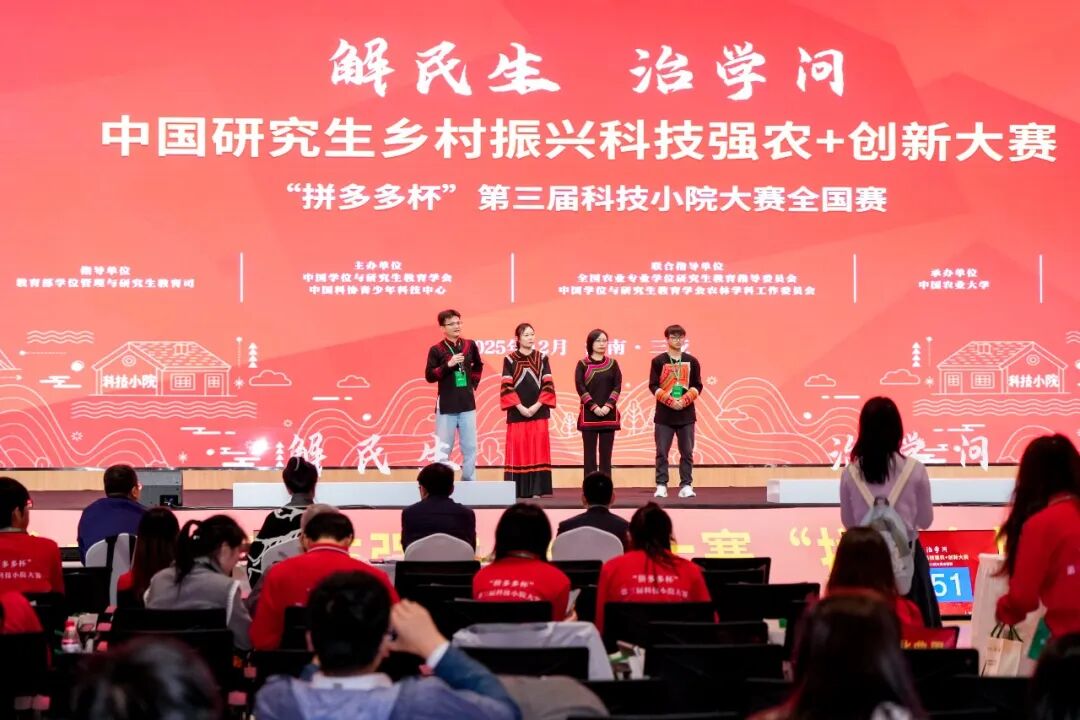
科技小院里藏着的兴农密码
Jing Ji Wang· 2026-01-19 07:28
Core Insights - The "Pinduoduo Cup" Third Technology Academy Competition concluded in Sanya, Hainan, showcasing innovative agricultural technologies from six teams that emerged from 247 teams across 87 graduate institutions [1][4] Group 1: Competition Overview - The competition focused on the theme "Solving Livelihood Issues, Addressing Academic Questions," highlighting the collaboration between young scholars and agricultural practices [2] - The event featured rigorous evaluations, including on-site assessments by an "Academician Flying Team" to ensure teams were deeply engaged with local communities [6] Group 2: Agricultural Innovations - The Hebei Quzhou Liu Zhuang Technology Academy developed a quality management system that reduced nitrogen fertilizer usage by 33.3% while increasing protein content to 14.9%, breaking the dependency on imported high-end baking flour [3] - The bamboo technology academy in Sichuan achieved a fivefold increase in bamboo shoot yield, generating an income of 120,000 yuan from 80 acres in 2025, and trained over 500 bamboo farmers [5] - The Shaanxi Yongshou Wheat Technology Academy utilized drone technology for precise application of zinc and selenium, promoting over 10,000 acres of enriched wheat and achieving zero new cases of a prevalent disease in the last five years [5] Group 3: Community Engagement - The core philosophy of the technology academies is to address local agricultural challenges directly, with a focus on building trust and relationships with farmers [6][8] - Students actively assist villagers with various issues, enhancing community ties and fostering a collaborative environment [8] Group 4: Support from Pinduoduo - Pinduoduo's "Billion Support" initiative continues to provide financial backing, including a 100 million yuan donation to China Agricultural University for research funding [9] - The platform has established a direct channel for "Research + Market" integration, offering operational guidance and promotional support to technology academies [11] - Pinduoduo collaborates with the Food and Agriculture Organization to facilitate international exchanges, expanding the reach of technology academies to over 31 provinces and various agricultural sectors [11][12]

把知识“种”进田野,新农人交出“硬核”答卷
Zhong Guo Qing Nian Bao· 2026-01-18 22:32
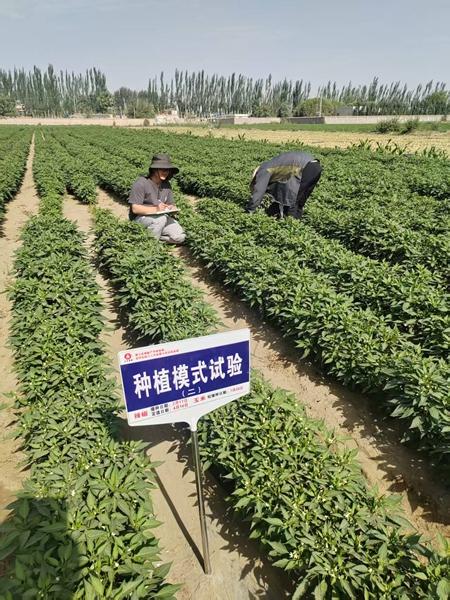
Core Insights - The articles highlight the role of agricultural universities in fostering new agricultural talents and addressing real-world agricultural challenges through hands-on experience and research [1][4][14] Group 1: Agricultural Innovations and Practices - Chinese agricultural universities are actively involved in developing local agricultural products, such as domestically grown durians and improved tomato varieties, which enhance sweetness by 30% [1] - In Xinjiang, the introduction of high-tech agricultural practices, including the use of Beidou navigation systems for mechanized farming, is transforming local industries, particularly in chili pepper cultivation [2][4] - The establishment of technology innovation centers, like the Hainan Sanya Durian Technology Institute, aims to localize durian production, reducing reliance on imports from Southeast Asia [5][7] Group 2: Student Engagement and Community Impact - Students from agricultural universities are directly involved in fieldwork, addressing farmers' needs and adapting their research to local conditions, which fosters trust and collaboration with the farming community [2][4][9] - The concept of "technology small courtyards" has been implemented, where students live and work alongside farmers, directly applying their academic knowledge to solve practical agricultural problems [4][9] - The average income for farmers involved in the chili pepper industry in Xinjiang has reportedly increased by 3,000 yuan per acre due to the technological support provided by university students [8] Group 3: Educational Philosophy and Research Focus - The educational approach emphasizes the importance of understanding local agricultural conditions and the socio-economic context, which is seen as essential for effective agricultural research and development [8][9] - Faculty members encourage students to persist in their research despite challenges, highlighting the value of dedication and long-term commitment to solving agricultural issues [12][14] - The integration of practical experience with theoretical learning is viewed as crucial for cultivating a sense of responsibility among students towards national agricultural development [10][14]
凝心共绘新蓝图!新会区农学会第七届会员代表大会第四次会议召开
Nan Fang Nong Cun Bao· 2026-01-17 11:31
Core Viewpoint - The New Hui District Agricultural Society held its fourth meeting of the seventh member representative conference, focusing on the development of agriculture in the region and the promotion of local agricultural products, particularly the Chenpi industry [2][4][10]. Group 1: Meeting Overview - The meeting gathered nearly a hundred participants, including leaders from various levels of government, experts, scholars, and representatives from agricultural enterprises [3]. - The conference emphasized the importance of the Agricultural Society in serving the "Three Rural Issues" and its role as a bridge in promoting local agricultural development [5][6]. Group 2: Achievements and Future Plans - The society has made significant contributions to the development of local industries such as Chenpi, quality rice, and aquaculture, and has been involved in national modern agricultural park construction and technology promotion [7][11]. - In 2025, the society plans to organize 35 training activities, conduct 200 free agricultural product quality safety tests, and support 1,271 enterprises in using the "New Hui Chenpi" trademark [23][24]. Group 3: Recognition and New Membership - The meeting recognized outstanding member enterprises for their contributions and welcomed new members, including two companies specializing in Chenpi tea and culture [29][30]. - The society announced the establishment of eight agricultural industry workstations for 2026, which will serve as important technical support for local agricultural practitioners [31][32]. Group 4: Future Focus Areas - The society aims to enhance its service capabilities and industry influence by focusing on technology empowerment, brand protection, digital agriculture, and talent cultivation in 2026 [37].
新疆柯坪县:设施农业释放戈壁生产潜力
Xin Lang Cai Jing· 2026-01-17 10:33
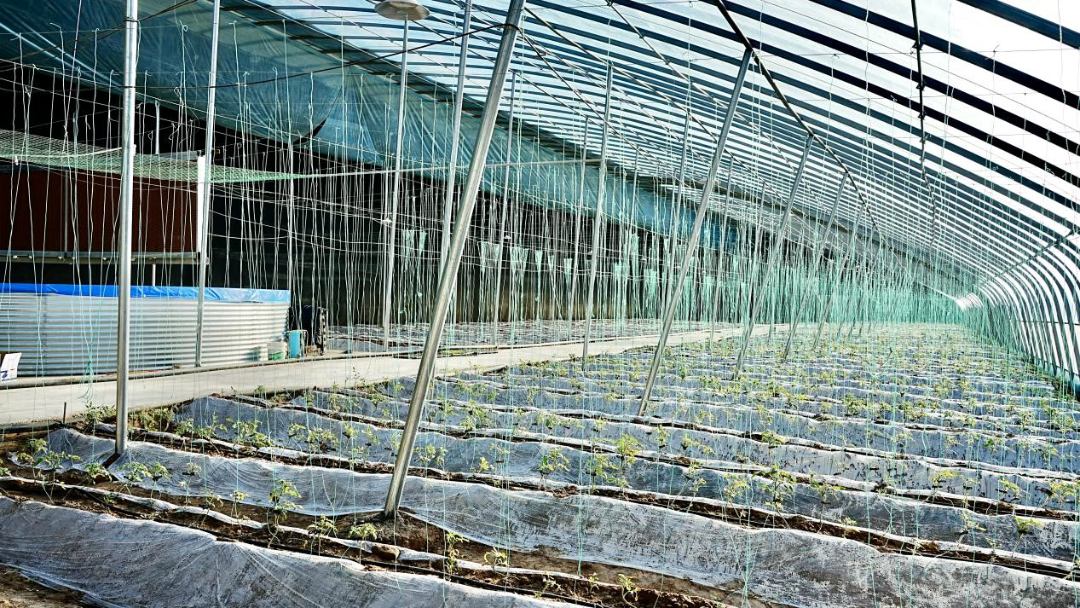
Core Viewpoint - The development of the Keping County agricultural industry park in Xinjiang utilizes innovative techniques to overcome environmental challenges, leading to successful production and local employment opportunities [1][2][4]. Group 1: Agricultural Innovation - The agricultural park employs a sand-based cultivation model with a drip irrigation system, effectively addressing soil and salinity issues in the Gobi Desert [2]. - The park has established 250 new solar greenhouses and a 12,000 square meter smart agricultural exhibition hall, producing approximately 3,000 tons of various vegetables and 50 tons of aquatic products annually [2]. Group 2: Product Development and Sales - Keping tomatoes, known for their unique flavor and quality, were included in the national list of special agricultural products by December 2025 [2]. - The sales strategy combines online live streaming with offline wholesale, and the introduction of a deep processing production line has increased product value by converting secondary fruits into canned goods, achieving nearly 1,000 daily sales [2]. Group 3: Community Impact - The agricultural park has created over 300 stable job opportunities for local residents, enabling them to work close to home and improve their income [4]. - The park supports local farmers by providing seedlings and guaranteed purchase agreements, further enhancing their income [4]. Group 4: Future Plans - The company plans to expand production and deepen its processing product line, aiming to establish a modern agricultural industry park that integrates production, processing, and sales [6].
生态美 产业兴 百姓富
Xin Lang Cai Jing· 2026-01-15 23:36
▲一望无际的中国—东盟稻作文化园。(李嘉玮 摄) ▲广西青秀蔬菜科技小院欣欣向荣。 (李嘉玮 摄) ▲食用菌智能方舱内,食用菌长势良好。 (广西菌蓝天下创新农业科技有限公司供图) ▲刘圩镇晟发现代设施蔬菜基地宽敞明亮。 (李嘉玮 摄) ◀伶俐镇阳永蛋鸡养殖基地整洁卫生。 (陆小同 摄) 乡村之美,美在山水,亦美在人心;乡村之兴,兴于生态,更兴于文化。如今的青秀区乡村,生态画卷与人文底色交相辉映,正将这份"美"与"兴"转化为百 姓可感可及的幸福生活。 ▲古岳民族文化艺术村一隅。在这里,艺术工作室紧邻村民住宅,艺术创作融入日常生活,形成了独具特色的乡村文化空间。 (李嘉玮 摄) 水是乡村的灵气之源,亦是发展的命脉所系。漫步于青秀区刘圩镇的马安水库,但见碧波如镜,倒映着四周苍翠的山峦,勾勒出一幅静谧和谐的生态画卷。 晨光中,智能大棚内数据奔流,调控着蔬菜的成长节律;科技小院里,凝结了新技术的新苗破土,孕育丰收希望;暮色下,自动化生产线有序运转,产出优 质农产品;山水间,生态与文化交融,滋养着诗意的栖居……"十四五"以来,青秀区坚持农业农村优先发展,以科技赋能产业升级,以文化滋养乡村内涵, 以联农带农夯实共富根基,生 ...

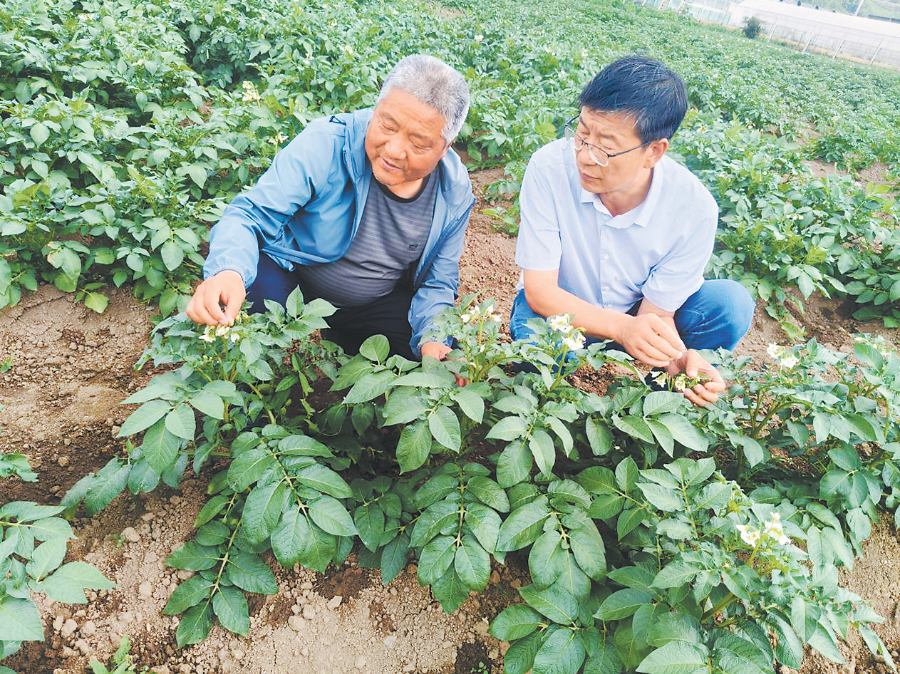
【新时代陇原先锋】“带着大家一起挣钱才是真本事”——记西和县何坝镇民旺马铃薯专业合作社党支部书记郭大权
Xin Lang Cai Jing· 2026-01-14 01:04
Core Viewpoint - The article highlights the efforts of Guo Daqian, a dedicated leader in the potato industry in Xihe County, who has significantly contributed to the economic development of his community through agricultural innovation and collaboration [1][5]. Group 1: Agricultural Development - Guo Daqian began his journey in potato farming in 2005, realizing the importance of collective wealth creation, stating, "Bringing everyone along to make money is true skill" [1]. - Under his leadership, over 500,000 acres of land in Xihe County have been planted with high-quality potatoes, resulting in a cumulative increase of 17.5 million kilograms in production [2]. - Guo has established various agricultural infrastructures, including seed production greenhouses and a trading market, which have facilitated the growth of the potato industry in the region [2]. Group 2: Technological Innovation - Guo emphasizes the importance of technology in agriculture, viewing it as a "golden key" to increasing yields and income for local farmers [1]. - A new fog cultivation production facility, costing 5.9 million yuan, is set to produce 12 million seed potatoes annually, reducing costs and increasing economic benefits by 3.6 million yuan [4]. Group 3: Community Impact - Guo's cooperative has created job opportunities for over 120 individuals and has supported more than 12,000 farming households, with an average income increase of over 6,000 yuan per household [4]. - The cooperative's model, which integrates party leadership, companies, cooperatives, and poverty alleviation, has transformed 6,200 acres of land into seed breeding bases, achieving an average yield of 2,500 kilograms per acre [4]. Group 4: Recognition and Legacy - Guo has received numerous accolades for his contributions, including the title of "Outstanding Communist Party Member" and "Labor Model" in the province, reflecting his commitment to community development [5]. - Despite his achievements, Guo remains dedicated to hands-on involvement in farming, continuing to support and educate local farmers [5].
连云港海州“暖冬经济”别样红,温室大棚孕育增收新活力
Yang Zi Wan Bao Wang· 2026-01-13 12:51
Core Insights - The article highlights the transformation of traditional agriculture in Lianyungang's Haizhou District into a vibrant "warm winter economy" through modern agricultural practices and technology [1][2][3] Group 1: Agricultural Innovation - The Gaobu Farm's high-efficiency agricultural demonstration park utilizes smart temperature control systems and automatic ventilation to maintain optimal growing conditions for crops during winter, ensuring stable supply and quality of winter vegetables [1] - The Yuntai Farm's modern intelligent glass greenhouse employs advanced techniques such as soilless cultivation and integrated water and fertilizer drip irrigation to create ideal growth environments for specialty crops like hops [2] Group 2: Economic Development - The collaboration between Budweiser China and Jiangsu Agricultural Reclamation Malt Co., Ltd. aims to localize hop cultivation, reducing reliance on imports and enhancing the competitiveness of domestic hops [2] - The Haizhou District is actively promoting a transition towards efficient, intelligent, and green agriculture, which includes fine management of traditional crops and the introduction of high-value specialty crops like hops [2][3] Group 3: Impact on Farmers - The dual approach of stabilizing traditional crops while expanding into specialty crops has turned winter into a productive season for farmers, contributing to their income and the overall high-quality development of regional agriculture [3]

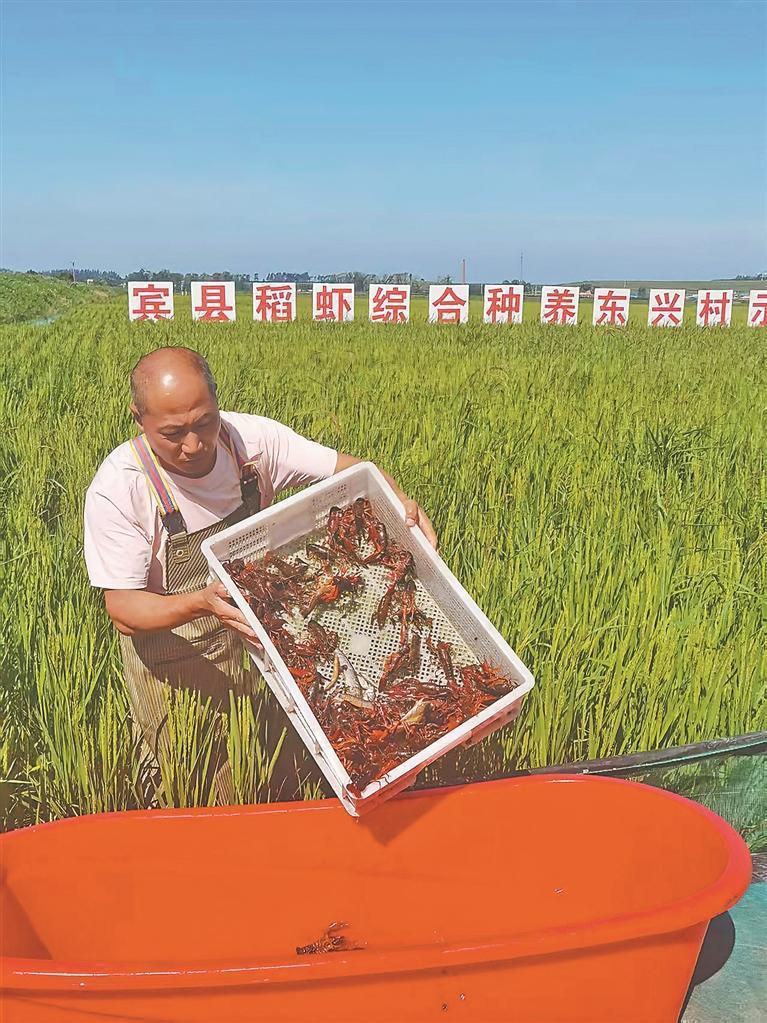
宾县 稳面积增单产 “两手发力”促丰收
Xin Lang Cai Jing· 2026-01-12 22:07
Core Insights - The article highlights the agricultural development strategy in Bin County, focusing on increasing grain production and soybean cultivation while maintaining stable planting areas [4][5]. Group 1: Agricultural Production Goals - By 2025, Bin County aims to achieve a grain production of 23.84 billion jin, reflecting a year-on-year increase of 0.68% [4]. - The total sown area for grain crops is projected to be 2.7606 million acres, with specific areas allocated for corn (2.3782 million acres), rice (98,500 acres), and soybeans (275,100 acres) [4]. Group 2: Production Enhancement Initiatives - The county is implementing the "Five Good" integration strategy to enhance crop yields, including the promotion of high-yield cultivation techniques [5]. - The application area for large ridge planting technology is expected to reach 205,900 acres in 2025, an increase of 80,100 acres from the previous year [5]. - Specific projects include the transformation of 839 acres of rice fields and the establishment of a water and fertilizer integration project covering 529 acres [5]. Group 3: Technological and Training Efforts - The county is focusing on technological advancements in agriculture, with the establishment of nine modern agricultural technology demonstration bases, four of which have been recognized at the provincial level [6]. - Over 50 training sessions are planned for 2025, targeting more than 3,000 participants, with a focus on practical agricultural production techniques [5][6]. - The promotion of agricultural technology through digital platforms, including the use of the China Agricultural Technology Promotion APP, is also emphasized [5].