绿色创新

Search documents
绿色创新助力发展新质生产力,石化产业价值提升在即,聚焦石化ETF(159731)低位布局窗口
Mei Ri Jing Ji Xin Wen· 2025-11-21 02:42
Core Insights - The petrochemical ETF (159731) has seen a decline of 2.25% as of November 21, 9:55 AM, with key holdings such as Three Trees, Tongcheng New Materials, and China Petroleum showing positive performance [1] - The ETF has experienced net inflows in 8 out of the last 10 trading days, totaling 16.91 million yuan [1] - Recent advancements in sustainable bio-aviation fuel production and green low-carbon technologies have been recognized in the 2025 Green Technology Innovation Cases by the China Patent Protection Association, highlighting the petrochemical industry's role in green innovation [1] Industry Developments - CITIC Securities emphasizes the commitment to low-carbon development strategies in China, particularly with the announcement of the third national self-contribution target [1] - The carbon market and green certificate market are expected to undergo comprehensive upgrades during the 14th Five-Year Plan period, with projected carbon prices rising to 80-90 yuan/ton between 2028 and 2030 [1] - The "toolbox" for carbon reduction will facilitate structural adjustments across multiple industries, aiding in the elimination of outdated production capacity [1] ETF Composition - The petrochemical ETF closely tracks the CSI Petrochemical Industry Index, with the basic chemical industry accounting for 60.85% and the oil and petrochemical industry for 32.16% of the index [1] - The shift towards "reducing oil and increasing chemicals" within the petrochemical industry is expected to enhance the value of the industry chain through the elimination of outdated capacity and the strengthening of green technology innovation [1]
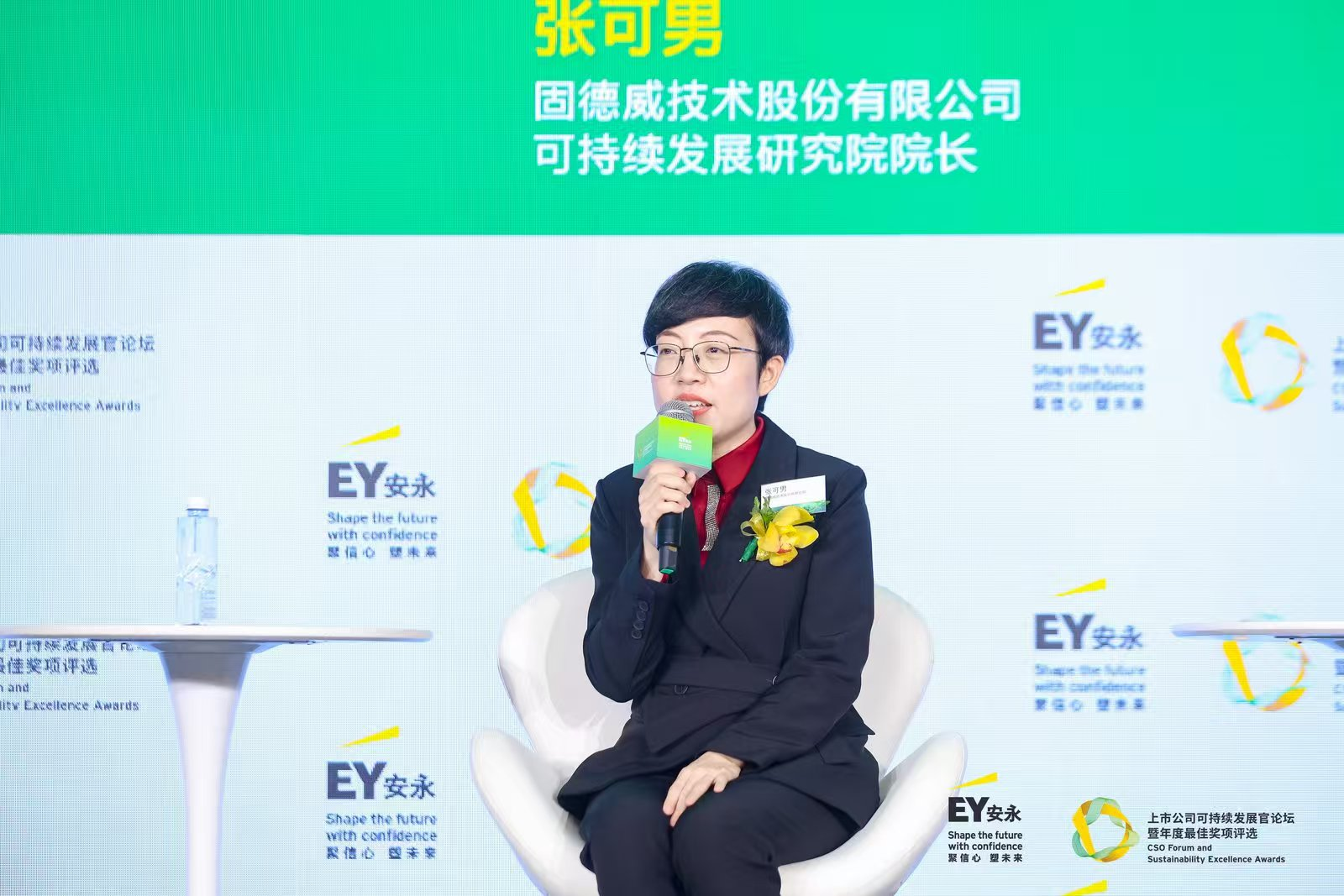
固德威技术股份有限公司可持续发展研究院院长张可男:中国企业应成为绿色创新者、方案提供者与标准共建者
Zhong Guo Jin Rong Xin Xi Wang· 2025-11-20 02:45
Core Viewpoint - The fourth Sustainable Development Officer Forum and Annual Best Awards Ceremony highlighted the importance of transforming Chinese enterprises from "green followers" to "green innovators" and "green standard co-builders" in the context of global green governance [1][8]. Group 1: Challenges in New Energy System - The main challenge in constructing a new power system based on renewable energy is the contradiction between the volatility of renewable resources and system coordination [3]. - Key obstacles include the increasing unpredictability of renewable energy output, lack of unified scheduling logic among multi-energy systems, and constraints in the distribution network for high proportions of renewable energy [3]. Group 2: Solutions Offered by the Company - The company's solution focuses on building a "cloud-edge-end" collaborative smart energy system, integrating efficient inverters, energy storage, and real-time power prediction to enhance system responsiveness and reduce management costs [3][4]. - The company aims to provide replicable and scalable "minimum units of new power systems" for zero-carbon parks and distributed power markets [4]. Group 3: Supply Chain ESG Management Initiative - As a co-initiator of the "Supply Chain ESG Management Initiative," the company seeks to reshape industry perceptions of sustainable supply chain development, emphasizing the shift from product competition to system and value competition [4][6]. - The initiative aims to elevate sustainability standards through supplier management, carbon footprint certification, and fostering long-term partnerships with suppliers [6]. Group 4: Global Leadership in Sustainable Standards - In response to global climate change and evolving green trade rules, the company emphasizes the need for Chinese tech enterprises to become co-creators of standards and providers of global sustainable solutions [7][8]. - The company plans to achieve this by enhancing technical credibility, developing replicable zero-carbon models, and collaborating with international organizations to shape global standards [8].


中国仪器仪表行业协会分析仪器分会会员代表大会开幕
仪器信息网· 2025-11-06 09:08
Core Insights - The 2025 Analysis Instrument Industry Conference was held in Changsha, Hunan Province, organized by the Analysis Instrument Branch of the China Instrument and Meter Industry Association [3][12] - The conference featured multiple reports focusing on the current state, challenges, and opportunities within the domestic scientific instrument industry [17][19] Group 1: Conference Overview - The conference was attended by representatives from various organizations, including the National Analysis Instrument Quality Supervision and Inspection Center and member enterprises [3][12] - The event was described as a "knowledge feast," where industry leaders shared insights and fostered collaboration rather than competition [14] Group 2: Key Reports - A report by Secretary General Zeng Wei discussed the relationship between instruments and meters, the definition of domestic instruments, and the importance of intellectual property and brand [18] - Dr. Bao presented on AI empowerment in domestic analysis instruments, highlighting automation in sample preparation and the establishment of a unified intelligent grading system for the industry [20] - Professor Liu Chengyan emphasized the need for green innovation in analytical chemistry and the establishment of a service platform for sustainable development [24] - Professor Xing Zhi addressed the urgent need for digital transformation in the inspection and testing industry, identifying key pain points and the role of software in enhancing equipment performance [26] Group 3: Regional Insights - Secretary Xu Zhenxuan provided an overview of Hunan's instrument and meter industry, noting a revenue of 122.6 billion yuan in 2024 and the presence of over 3,000 enterprises [30] - The report highlighted Hunan's strengths in nine sub-sectors and its core regions, including Changsha, Zhuzhou, and Hengyang, which are pivotal for industry development [30][31]

(第八届进博会)花王呈现多元创新图景 董事长:与中国同行即与机遇同行
Zhong Guo Xin Wen Wang· 2025-11-06 06:35
Group 1 - The core viewpoint of the articles emphasizes that the China International Import Expo serves as a significant platform for global companies to access the Chinese market, with Kao Group highlighting its commitment to innovation and local adaptation [1][2] - Kao Group's theme for the expo, "Coexistence of Beauty and Quality for the Future," reflects its dedication to integrating global innovation with local needs, showcasing its 138 years of brand heritage [1][2] - The VIC technology and quality exhibition area at Kao's booth illustrates the company's focus on consumer co-creation and transforming consumer pain points into innovative solutions, emphasizing a consumer-driven research approach [1][2] Group 2 - Kao Group's collaborative model between its Japanese headquarters and Chinese R&D center allows for effective localization of technology, ensuring that innovations meet the diverse needs of Chinese consumers [2] - The company is recognized for providing a "green innovation model" for the high-quality development of the Chinese cosmetics industry, integrating global experience with local practices [2] - Kao's innovations extend beyond personal care to green agriculture, with products like flower preservation solutions and soil improvement agents that enhance agricultural efficiency and sustainability [3]
以绿色创新为引擎 中国皮革业开启“十五五”高质量发展新篇章
Xiao Fei Ri Bao Wang· 2025-11-05 00:14
Core Viewpoint - The leather industry in China is focusing on high-quality development through high-end, intelligent, and green initiatives, as outlined in the "14th Five-Year Plan" for the industry [1] Group 1: Industry Development Strategy - The "14th Five-Year Plan" will serve as a guiding document for the industry's development over the next five years, emphasizing systematic innovation for comprehensive ecological upgrades [1] - The industry is encouraged to build confidence and find breakthroughs in structural optimization and innovation-driven approaches amidst a complex international environment and evolving domestic consumption [1] - Collaborative innovation is essential, with a shift from scale competition to value competition, focusing on materials, processes, green manufacturing, and digitalization [1] Group 2: Environmental Initiatives - Many leather companies are accelerating their efforts in integrating green and intelligent practices, moving from end-of-pipe treatment to systematic innovation in environmental management [2] - Longfeng Company has invested 150 million yuan in a wastewater treatment project with a daily processing capacity of 40,000 tons, expected to be operational by 2026, showcasing a model for green manufacturing [2] - The industry is transitioning to a comprehensive, systematic, and engineering-based environmental management model, laying a solid foundation for pollution reduction and carbon neutrality [2] Group 3: Technological Innovation - Technological innovation is a core driver of green development, shifting from end-of-pipe control to quality enhancement [3] - Research on precise identification and solutions for leather odor has led to the development of a new odor removal agent that significantly reduces key odor compounds without affecting physical properties [3] - This innovation marks a transition from passive compliance to proactive quality improvement, enhancing product experience and market acceptance [3] Group 4: Digital Transformation - The industry is transitioning from automation to intelligent and smart manufacturing, with data collection and model optimization improving efficiency in key processes [4] - Digitalization is not only a tool for quality and cost reduction but also a core support for green manufacturing [4] - The future development of the leather industry will focus on value creation, technological breakthroughs, intelligent manufacturing, and systematic environmental governance, aiming for a high-end, sustainable, and internationally competitive modern leather industry [4]
科技创新引领农业未来——第三十二届杨凌农高会综述
Jing Ji Ri Bao· 2025-11-03 22:29
Core Insights - The 32nd China Yangling Agricultural High-tech Achievements Expo showcased innovations in seed industry, smart agriculture, and green technology, resulting in 61 signed projects and over 10 billion yuan in industrial cooperation, highlighting how technological innovation is systematically reshaping traditional agriculture [1] Group 1: Seed Industry Innovations - Yangling has cultivated over 200 wheat varieties, with a promotion area exceeding 2 billion mu, leading to an increase in wheat production by over 100 billion jin [1] - The region is establishing itself as a national innovation base for drought-resistant seed industry and has built several key facilities, including the Yangling Seed Industry Park and the National (Yangling) Drought-resistant Plant Variety Rights Trading Center, attracting over 110 seed enterprises [1] Group 2: Smart Agriculture - Traditional farming experiences are being replaced by data-driven decision-making in smart agriculture, with real-time monitoring of environmental parameters in the Yangling Smart Agriculture Demonstration Park [2] - The intelligent seedling inspection robot developed by Northwest A&F University can analyze crop growth, identify disease risks, and predict yields, transforming the management model from visual observation to AI-driven precision [2] Group 3: Green Innovation - The expo highlighted green innovation, such as the straw resource utilization technology by Shenzhen Zhongnong Qime Technology Company, which converts straw into high-value materials, avoiding pollution from traditional burning and creating new economic value [2] - The integration of agriculture with tourism and cultural industries was showcased, with successful examples from Chang'an District and Huayin District, providing replicable paths for sustainable agricultural development [2]
安徽宁国:“培土施肥”培育“小巨人”企业
Sou Hu Cai Jing· 2025-11-03 08:24
Core Insights - The article highlights the growth and support for specialized and innovative small and medium-sized enterprises (SMEs) in Ningguo City, with a focus on the recognition of "little giant" enterprises and the implementation of supportive policies to foster their development [1][2]. Group 1: Recognition and Growth of "Little Giants" - Ningguo City has successfully included one new enterprise in the national "little giant" category and has three existing enterprises that passed the re-evaluation, bringing the total to 11 national-level specialized and innovative "little giant" enterprises [1]. - The city accounts for nearly one-fourth of the total 48 national-level "little giant" enterprises in Xuancheng City, demonstrating its leadership in nurturing high-quality SMEs [1]. Group 2: Financial and Policy Support - In 2024, Ningguo City introduced financial incentives for newly recognized provincial and national "little giant" enterprises, with rewards of up to 50,000 yuan for manufacturing champions [2]. - The city is also facilitating access to financing and market expansion for SMEs by integrating quality certifications into the recognition criteria, thereby addressing the financing challenges faced by these enterprises [2]. Group 3: Structured Growth Ecosystem - Ningguo City has established a structured growth ecosystem for SMEs, categorizing 215 enterprises into a pyramid structure from "innovative SMEs" to "manufacturing champions," ensuring a clear growth pathway [3]. - The city has nurtured 115 provincial specialized and innovative SMEs, maintaining the highest number in Xuancheng City, which continuously feeds the "little giant" group with potential candidates [3]. Group 4: Innovation and R&D Investment - The core competitiveness of "little giants" lies in innovation, with Ningguo City promoting a shift from manufacturing to intelligent manufacturing through increased R&D investment [4]. - The city has established one provincial-level characteristic industrial innovation research institute and seven provincial-level enterprise R&D centers, with R&D expenditure reaching 1.57 billion yuan and an intensity of 3.42%, significantly above the provincial average [4]. Group 5: Digital Transformation and Green Innovation - Digital transformation is emphasized as a key driver of innovation, with the city encouraging the adoption of new technologies such as 5G and artificial intelligence [4]. - Ningguo City has initiated several digital transformation demonstration projects and has been recognized as a national-level pilot for collaborative innovation in pollution reduction and carbon reduction, highlighting the importance of "green innovation" among local "little giants" [4].
绿色创新提速快进 汇丰大湾区ESG指数三季度同比提升
Xin Hua Cai Jing· 2025-11-03 04:46
Core Insights - The "HSBC Greater Bay Area ESG Index" has shown a slight year-on-year increase, reaching 122.79 in Q3 2025, while the industry sub-index has hit a new high of 250.92, reflecting a 19% year-on-year growth [1] Group 1: ESG Developments in the Greater Bay Area - The Greater Bay Area is advancing in carbon footprint management and green financial innovation, establishing itself as a national hub for green development [1] - The launch of the Guangdong Carbon Label Information Management Platform facilitates digital management of carbon footprints for enterprises and allows consumers to easily check product carbon footprints, marking a significant step in aligning domestic carbon accounting with international standards [1] Group 2: Growth in Green and Sustainable Finance - The scale of GSSS (Green, Social, Sustainable, and Sustainability-Linked) bonds, green loans, and ESG-themed funds has been on the rise, indicating a maturing and multi-layered green financial ecosystem in the Greater Bay Area [1] - The financial sector's ESG performance has steadily improved, with a focus on the issuance of GSSS bonds and enhanced climate information disclosure [2] - Digital innovations in the financial industry, particularly in green finance, are lowering investment barriers and attracting more investors to participate in green investments [2]
获奖企业家代表刘杰:以绿色创新为引擎,驱动郑州高质量发展
Sou Hu Cai Jing· 2025-11-01 03:52
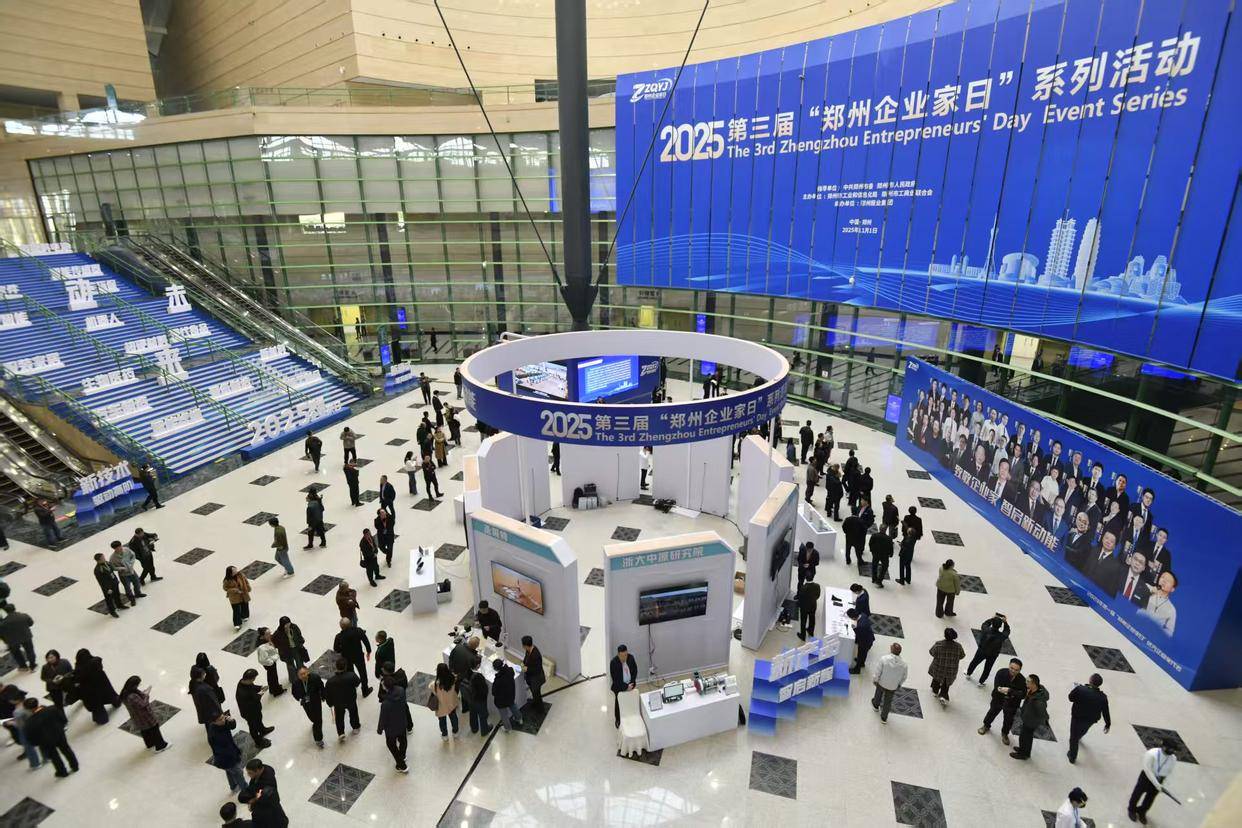
Core Insights - The third "Zhengzhou Entrepreneur Day" event was held on November 1, recognizing 55 individuals for their contributions to the high-quality economic and social development of Zhengzhou [2] Company Overview - Ming Tai Aluminum Industry Co., Ltd., represented by Chairman Liu Jie, has been a witness, participant, and beneficiary of Zhengzhou's growth as a manufacturing enterprise [4] - The company focuses on deep processing of aluminum and adheres to a development philosophy of "innovation, green, intelligence, and openness" [4] Development Strategy - Ming Tai Aluminum emphasizes increasing R&D investment to overcome key core technologies and extend products towards high-end markets [4] - The company is advancing digital transformation to enhance production efficiency and product quality stability [4] - A commitment to a green and low-carbon path is highlighted, with efforts to achieve energy consumption reduction and environmental improvement throughout the aluminum lifecycle [4] Collaboration and Future Goals - Liu Jie views the event as a platform for communication and consensus-building among entrepreneurs, aiming to strengthen collaboration and explore possibilities in supply chain coordination and resource sharing [4] - The goal is to enhance the overall competitiveness of Zhengzhou's industry and contribute to the construction of a modern industrial system in the context of China's modernization [4]

习近平主席推动构建亚太命运共同体金句
Ren Min Ri Bao· 2025-10-30 22:37
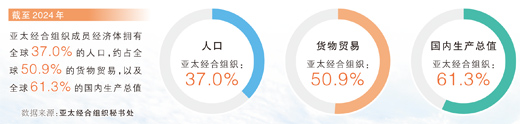
Core Points - The article emphasizes the importance of multilateralism and an open economy in fostering regional economic integration and cooperation within the Asia-Pacific region [3][4][12] - It highlights the need for collaboration to address global challenges such as climate change and economic disparities, advocating for a green and inclusive development model [7][8][12] - The article stresses that economic globalization is irreversible and that countries should avoid protectionism and unilateralism to ensure sustainable growth [5][10] Group 1: Economic Cooperation and Integration - The Asia-Pacific region should actively promote the process of establishing a free trade area, respecting economic laws and leveraging comparative advantages [3][4] - There is a call to dismantle barriers to trade, investment, technology, and services to maintain stable supply chains and promote economic circulation [3][4] - The article asserts that cooperation is essential for development, and non-cooperation poses significant risks [3][4] Group 2: Green and Sustainable Development - The need for a green and low-carbon transformation in development is emphasized, with a focus on achieving harmony between humans and nature [7][8] - The article advocates for collaborative efforts in technology and economic cooperation to facilitate a digital and green transition [8][12] - It highlights the importance of sustainable development that balances economic growth with environmental protection and social equity [9][12] Group 3: Inclusive Development - The article stresses the necessity of inclusive development that benefits all countries and populations, particularly in addressing poverty and inequality [12][14] - It calls for a focus on shared prosperity and ensuring that development outcomes are equitably distributed among different social groups [12][13] - The importance of international cooperation in helping developing countries achieve their development goals is underscored [14]