
自动驾驶出租车

Search documents
马斯克万亿美元薪酬方案遇阻,特斯拉重要股东反对
Sou Hu Cai Jing· 2025-10-31 15:36
Core Viewpoint - The California Public Employees' Retirement System (CalPERS) plans to vote against Elon Musk's proposed $1 trillion compensation package from Tesla, which poses a significant obstacle to the company's efforts to grant Musk one of the largest compensation plans in U.S. corporate history [2][3]. Group 1: Compensation Proposal - CalPERS holds approximately 5 million shares of Tesla stock and believes the proposed CEO compensation is significantly larger than that of peers in the industry [2]. - The compensation plan is a 10-year agreement that requires Musk to meet specific performance targets to receive full rewards, potentially increasing his shareholding to at least 25% if targets are met [3]. Group 2: Market Reaction - If the compensation proposal is rejected, Morgan Stanley predicts Tesla's stock could drop by over 10% immediately, reflecting a potential loss of confidence in Musk's leadership [4]. - The rejection of the compensation plan may be interpreted as a "vote of no confidence" in Musk, leading to a significant market reaction and casting doubt on the company's strategic future [4]. Group 3: Leadership and Talent Retention - Tesla's chairman, Robyn Denholm, warned that a rejection of Musk's compensation could lead to his departure, which would cast a shadow over the company's future [4]. - The ability to attract and retain top talent in AI and engineering is closely tied to Musk's leadership, and a failed compensation plan could create serious recruitment challenges for the company [5].

上汽捧出一个港股IPO,押注Robotaxi,阿里宁德Momenta都是股东
3 6 Ke· 2025-10-30 23:06
Core Viewpoint - The company Xiangdao Mobility, backed by SAIC Group and notable investors like Alibaba, is preparing for an IPO in Hong Kong, reflecting the trend of capitalizing on the Robotaxi sector in China [2][28]. Company Overview - Xiangdao Mobility was initiated by SAIC Group and has a strong investor lineup including Alibaba, Momenta, Gaode, and CATL [6][19]. - The company positions itself as a leading comprehensive smart mobility platform in China, offering ride-hailing, vehicle rental, vehicle sales, and Robotaxi services [6][11]. Market Position - According to Frost & Sullivan, in 2024, Xiangdao ranked fifth in China's ride-hailing platforms by Gross Transaction Value (GTV) and second in Shanghai by completed orders [8]. - The company also ranked second in the domestic corporate travel service industry by GTV in 2024 [8]. Financial Performance - For the first half of 2025, Xiangdao reported revenue of RMB 3.013 billion, a slight decrease of 2.8% year-on-year, with a net loss of RMB 115 million, narrowing from RMB 212 million in the same period last year [8][11]. - The company's revenue for 2022, 2023, 2024, and the first half of 2025 was approximately RMB 47.29 billion, RMB 57.18 billion, RMB 63.95 billion, and RMB 30.13 billion respectively, with a compound annual growth rate of 16.3% from 2022 to 2024 [11][12]. - The gross margin improved significantly from 1.0% in 2022 to 11.3% in the first half of 2025, driven by operational efficiencies in ride-hailing and scale effects in vehicle rental [11][12]. Business Segments - The core business segments include ride-hailing services, vehicle rental services, vehicle sales, and Robotaxi services, with ride-hailing contributing the majority of revenue [11][18]. - As of June 30, 2025, the ride-hailing service covered 85 cities in China, achieving over 600,000 daily orders and a GTV exceeding RMB 5.5 billion in 2024 [12][14]. Shareholder Structure - SAIC Group is the majority shareholder, controlling 75.37% of the company, with significant investments from Alibaba and CATL [19][21]. - The company has raised over RMB 2.6 billion since its inception, with the latest funding round in June 2025 amounting to over RMB 1.3 billion [21][23]. Research and Development - Xiangdao's R&D expenditures for 2022, 2023, and the first half of 2025 were RMB 1.71 billion, RMB 1.70 billion, and RMB 450 million respectively, representing 3.6%, 3.0%, and 1.5% of revenue [25]. - The company employs 667 full-time staff, including a dedicated R&D team of 178 engineers focused on core projects like the platform and Robotaxi services [25][26]. Industry Implications - The IPO application of Xiangdao Mobility signifies a critical step for automotive-backed mobility platforms in China, highlighting the acceleration of capitalizing on the Robotaxi sector [28][29]. - The company's ability to scale its ride-hailing business and commercialize Robotaxi technology will be crucial for its future success [28].


特斯拉董事长呼吁批准马斯克“万亿薪酬”计划
Sou Hu Cai Jing· 2025-10-29 04:09
Core Viewpoint - Tesla's chairman, Robyn Denholm, warned shareholders that CEO Elon Musk may resign if his 10-year compensation plan is not approved, which could lead to a significant loss in company value [1][3]. Group 1: Compensation Plan - The proposed compensation plan for Musk could allow him to earn Tesla stock worth approximately $1 trillion if the company's market value reaches $8.5 trillion by meeting all 12 performance targets [3][5]. - Denholm emphasized that Musk's unique leadership is irreplaceable, especially as Tesla transitions from a traditional vehicle manufacturer to a smart driving and robotics company [3][4]. - Shareholders are urged to vote on the compensation plan by November 5, as this decision is deemed a "critical turning point" for Tesla [3]. Group 2: Sales Performance in Europe - Tesla's new car registrations in Europe fell by 10.5% year-on-year in September, with a 28.5% decline in the first nine months of the year [7]. - The company's market share in the EU dropped to 1.4%, with a nearly 19% decline in September registrations [7]. - Analysts suggest that dissatisfaction with Musk's performance during his tenure in the U.S. government may be affecting Tesla's brand image in Europe [7].
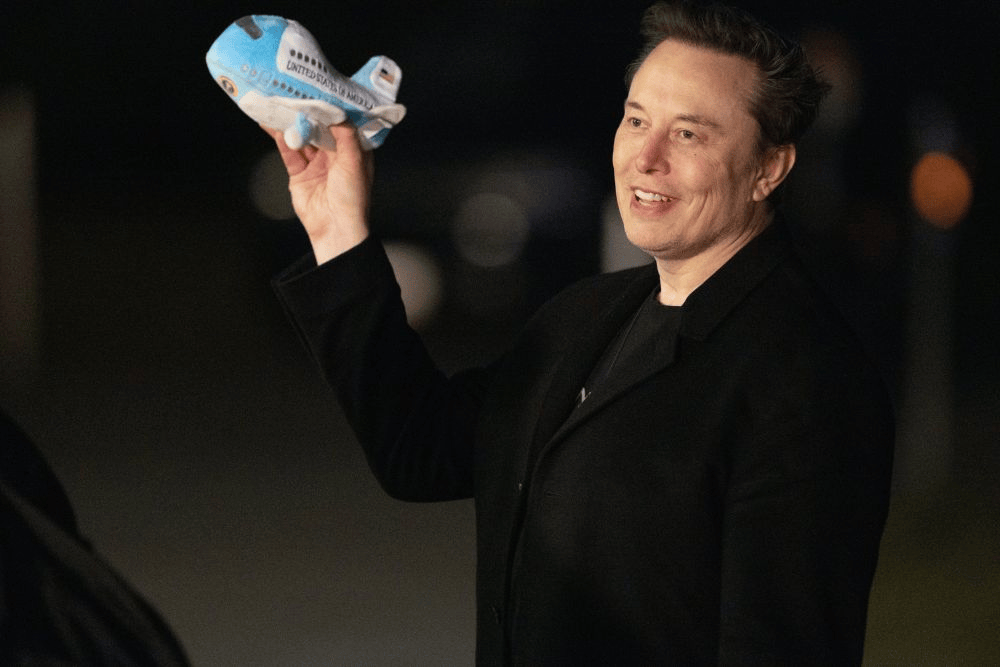
突发!马斯克被曝可能离职
Shen Zhen Shang Bao· 2025-10-28 12:35
Core Viewpoint - Tesla's chairman, Robyn Denholm, warned shareholders that CEO Elon Musk may leave if his 10-year compensation plan is not approved, which could lead to a significant loss in company value [1] Group 1: Compensation Plan - The compensation plan for Musk includes potential stock worth approximately $1 trillion if Tesla's market value reaches $8.5 trillion by achieving 12 challenging performance milestones [2] - Denholm emphasized that Musk's unique leadership is irreplaceable, especially as Tesla transitions from a traditional vehicle manufacturer to a smart vehicle and robotics company [1][2] Group 2: Shareholder Voting - Tesla is urging shareholders to vote on the compensation plan and other key matters by November 5, ahead of the annual shareholder meeting [1] - Denholm described the upcoming vote as a "critical turning point" for Tesla, highlighting the importance of Musk's leadership for delivering exceptional returns to shareholders [1] Group 3: Previous Compensation Plans - A similar compensation plan was established for Musk in 2018, where he achieved performance targets ahead of schedule but did not receive the $50 billion compensation due to legal issues [3] - Some consulting firms have advised Tesla shareholders to oppose Musk's current compensation plan, citing concerns over the plan's size and the board's lack of independence [3]
Uber拟1亿美元投资小马智行香港IPO 还有意文远知行
Feng Huang Wang· 2025-10-28 11:25
Core Insights - Uber plans to invest in Hong Kong listings of Chinese autonomous taxi companies Xiaoma Zhixing and WeRide, strengthening its ties with these firms [1] - Uber is considering an investment of approximately $100 million in Xiaoma Zhixing's Hong Kong stock issuance, which aims to raise up to $972 million [1] - WeRide has also initiated its Hong Kong listing process, seeking to raise up to $398 million, with potential investments from other major players like Grab and Temasek [1] Investment Details - Uber's potential investment in Xiaoma Zhixing is part of a broader strategy to deepen its involvement in the autonomous vehicle sector in China [1] - The negotiations regarding these investments are ongoing, and the plans may change [1] - Uber has previously invested in both Xiaoma Zhixing and WeRide during their IPOs in the U.S. and announced an additional $100 million investment in WeRide earlier this year [1] Market Context - Xiaoma Zhixing and WeRide are both looking to expand their capital through Hong Kong listings after their U.S. IPOs last year [1] - The total fundraising targets for Xiaoma Zhixing and WeRide highlight the growing interest and investment in the autonomous driving market in Asia [1]


特斯拉董事长呼吁批准马斯克万亿薪酬计划
Xin Hua She· 2025-10-28 06:36
Core Points - Tesla's chairman, Robyn Denholm, warned shareholders that CEO Elon Musk may leave if his 10-year compensation plan is not approved, which could result in a significant loss of value for the company [2] - The compensation plan could allow Musk to earn approximately $1 trillion in Tesla stock if the company's market value reaches $8.5 trillion by meeting all 12 performance targets [3] - Denholm emphasized the importance of Musk's unique leadership during Tesla's transition from a traditional vehicle manufacturer to a smart vehicle and robotics company [2] Compensation Plan Details - The 10-year compensation plan includes challenging phased goals, with Musk potentially receiving 12% of Tesla's stock upon achieving all targets [3] - Previous compensation plans for Musk have faced legal challenges, with a similar plan from 2018 resulting in over $50 billion in compensation that has not yet been approved by U.S. courts [4] - Some consulting firms have advised Tesla shareholders to oppose Musk's compensation plan due to its substantial amount and perceived lack of board independence [4]
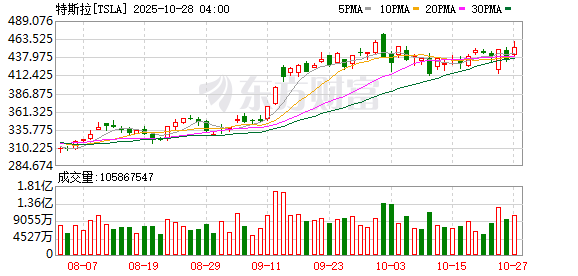
【特稿】特斯拉董事长呼吁批准马斯克万亿薪酬计划
Xin Hua She· 2025-10-28 06:26
Core Points - Tesla's chairman, Robyn Denholm, warned shareholders that CEO Elon Musk may leave if his 10-year compensation plan is not approved, which could result in a significant loss of value for the company [1] - The compensation plan could allow Musk to earn approximately $1 trillion in Tesla stock if the company's market value reaches $8.5 trillion by achieving all 12 performance targets [2] - Denholm emphasized the importance of Musk's unique leadership during Tesla's transition from a traditional vehicle manufacturer to a smart vehicle and robotics company [1] Summary by Sections Compensation Plan - Tesla announced a customized 10-year compensation plan for Musk, which includes challenging phased goals [2] - If Musk meets all 12 targets, he could receive 12% of Tesla's stock, potentially valued at $1 trillion [2] Shareholder Voting - Tesla is urging shareholders to vote on the compensation plan and other key matters by November 5, ahead of the annual shareholder meeting [1] - Denholm described the upcoming vote as a "critical turning point" for Tesla [1] Market and Leadership Concerns - Denholm stated that without Musk, Tesla could lose significant value, highlighting the necessity of a fair performance-based compensation plan to retain his leadership [1] - Some consulting firms have advised shareholders to oppose Musk's compensation plan due to its substantial amount and perceived lack of board independence [3]
This California-Based Company Could Be a Key Player for Growth Portfolios
The Motley Fool· 2025-10-19 10:05
Core Viewpoint - Lyft is presented as a "golden opportunity" for investors due to its improving profits, cheap valuation, and strong growth potential [2][3][8] Growth Potential - Lyft is experiencing double-digit growth, with rides on its platform increasing by 14% year-over-year in Q2 2025, and key markets like Nashville growing over 20% [4] - Management anticipates bookings growth of 13% to 17% for Q3, indicating continued strong performance [4] Profit Improvement - Under CEO David Risher, Lyft has achieved positive free cash flow in Q2 2024 and has reported six consecutive quarters of positive results [5] - Increased sales-and-marketing spending has led to higher revenue, while corporate expenses have remained stable, contributing to improved profitability [6] Valuation - Lyft's stock is trading at 8 times its free cash flow, significantly lower than comparable companies, which trade at two to three times higher valuations [6] Industry Risks - Some investors are skeptical about Lyft's sustainability due to potential disruptions from autonomous vehicles, which could render its business model obsolete [9][10] - The transition to autonomous taxis may take longer than anticipated, allowing Lyft to maintain its business model for the foreseeable future [11] - Lyft could adapt to an autonomous future by leveraging its existing services, such as its Flexdrive business, which provides management tools for autonomous fleets [13] Investment Perspective - The current market undervalues Lyft by focusing too much on potential risks while overlooking its strong growth, profitability, and attractive valuation [14][15]

美国电动汽车大撤退,压力给到特斯拉
Feng Huang Wang· 2025-10-16 05:31
Core Insights - Tesla is facing a decline in market share and demand, with its share in the U.S. electric vehicle market dropping to 43.1% as of September, down from 49% at the end of last year [2] - Traditional automakers like General Motors and Ford are scaling back their electric vehicle ambitions due to policy changes, which may create opportunities for Tesla to regain market share [3][5] - Despite the challenges, Tesla's stock has rebounded over 7% this year, partly due to Elon Musk's significant stock purchases [3] Industry Challenges - The expiration of the federal tax credit for electric vehicles has led to a predicted 50% drop in demand for pure electric vehicles, according to Ford's CEO [1][2] - Major automakers are reporting significant financial impacts, with GM announcing a $1.6 billion write-down related to electric vehicle investments [1] - The overall market for electric vehicles is expected to face a downturn, with analysts predicting a revenue decline for Tesla in Q4 and a potential annual revenue drop for 2025 [4] Tesla's Strategic Focus - Elon Musk is shifting focus towards autonomous taxi services and humanoid robots, which he believes will be crucial for Tesla's future growth [7] - Tesla is attempting to mitigate the impact of subsidy cancellations by introducing simplified, lower-cost versions of its Model Y SUV and Model 3 sedan [2][4] - Despite the introduction of lower-priced models, there is skepticism about their ability to significantly revitalize demand in the current market [4][6]

美国电动汽车大撤退,对特斯拉是福还是祸?
Feng Huang Wang· 2025-10-16 01:49
Core Insights - The article discusses the challenges faced by traditional automakers like General Motors and Ford in the electric vehicle (EV) market, particularly due to policy changes under the Trump administration, which have led to significant investment write-downs and reduced consumer incentives for EV purchases [1][6]. Group 1: Traditional Automakers' Challenges - General Motors announced a $1.6 billion write-down related to EV investments, reflecting a broader trend of negative news from major automakers regarding their EV ambitions [1][2]. - Ford's CEO Jim Farley indicated that the end of federal tax credits could lead to a 50% drop in demand for electric vehicles [1][2]. - Stellantis, the parent company of Chrysler and Jeep, has abandoned its goal of producing only electric vehicles in Europe by 2030 and has lowered its ambitious targets for the U.S. market [1][2]. Group 2: Tesla's Market Position - Tesla remains the largest EV seller in the U.S., but its market share has declined to approximately 43.1% as of September, down from 49% at the end of the previous year [2]. - Tesla is expected to report a 3.5% year-over-year revenue increase to $26.1 billion for Q3, but analysts predict a revenue decline in Q4 and a potential 3.5% drop for the entire year of 2025, marking the first time the company could see an annual revenue contraction [4][5]. Group 3: Market Dynamics and Consumer Behavior - The withdrawal of traditional automakers from the EV space may benefit Tesla, as it could lead to a rebound in its market share due to strong brand loyalty among Tesla owners [3]. - However, there are concerns about a significant drop in EV demand in Q4, as consumers rushed to purchase vehicles before the expiration of tax credits, leading to a "double whammy" for Tesla with declining sales and shrinking profit margins [3][4]. Group 4: Policy Impact and Future Outlook - The Trump administration's policies have exacerbated the challenges for the U.S. automotive industry, including the cancellation of tax credits and funding for EV infrastructure, which has resulted in billions in losses for automakers [6]. - Tesla's international market presence is also under pressure from Chinese manufacturers, which are rapidly gaining market share by offering cheaper and higher-quality EVs [6]. Group 5: Elon Musk's Strategic Focus - Elon Musk is shifting investor attention towards future projects like autonomous taxis and humanoid robots, despite Tesla's current reliance on EV sales for revenue [7]. - Musk's ambitious projections for the Optimus robot and its potential to significantly increase Tesla's market value highlight the company's long-term vision, but immediate challenges in the EV market remain [7].