预制菜定义

Search documents
被罗永浩喊话的西贝开放后厨参观,记者实探西贝“预制菜”真相
Di Yi Cai Jing· 2025-09-12 09:28
Core Viewpoint - The recent dispute between Luo Yonghao and the restaurant group Xibei regarding the use of pre-prepared dishes has garnered significant attention, highlighting consumer rights and transparency in the food industry [1]. Group 1: Company Actions and Responses - Luo Yonghao criticized Xibei for serving mostly pre-prepared dishes at high prices and called for legislation to require restaurants to disclose the use of such dishes [1]. - In response, Xibei announced the launch of the "Luo Yonghao Menu" on September 12, allowing customers to choose from dishes that Luo had previously ordered, with a commitment to refund if the food is unsatisfactory and to allow customers to observe the cooking process [1][7]. - Xibei's management clarified that their kitchen processes involve pre-processing raw ingredients rather than serving fully prepared dishes, emphasizing the difference between pre-prepared and pre-cooked meals [7]. Group 2: Industry Standards and Definitions - The definition of pre-prepared dishes in the industry is under scrutiny, particularly regarding whether it includes raw materials processed in central kitchens [8]. - A joint notice from several government departments in 2024 outlines that simple processed foods, such as washed and cut vegetables, do not fall under the category of pre-prepared dishes, which are defined as fully cooked and ready-to-eat items [8]. - The notice also indicates that central kitchen operations producing semi-finished or finished dishes for their own outlets are not classified as pre-prepared dishes, raising questions about labeling practices in the restaurant industry [8].

海量财经丨罗永浩将预制菜推向风口浪尖!数千亿预制菜市场谁在消费?
Sou Hu Cai Jing· 2025-09-12 09:14
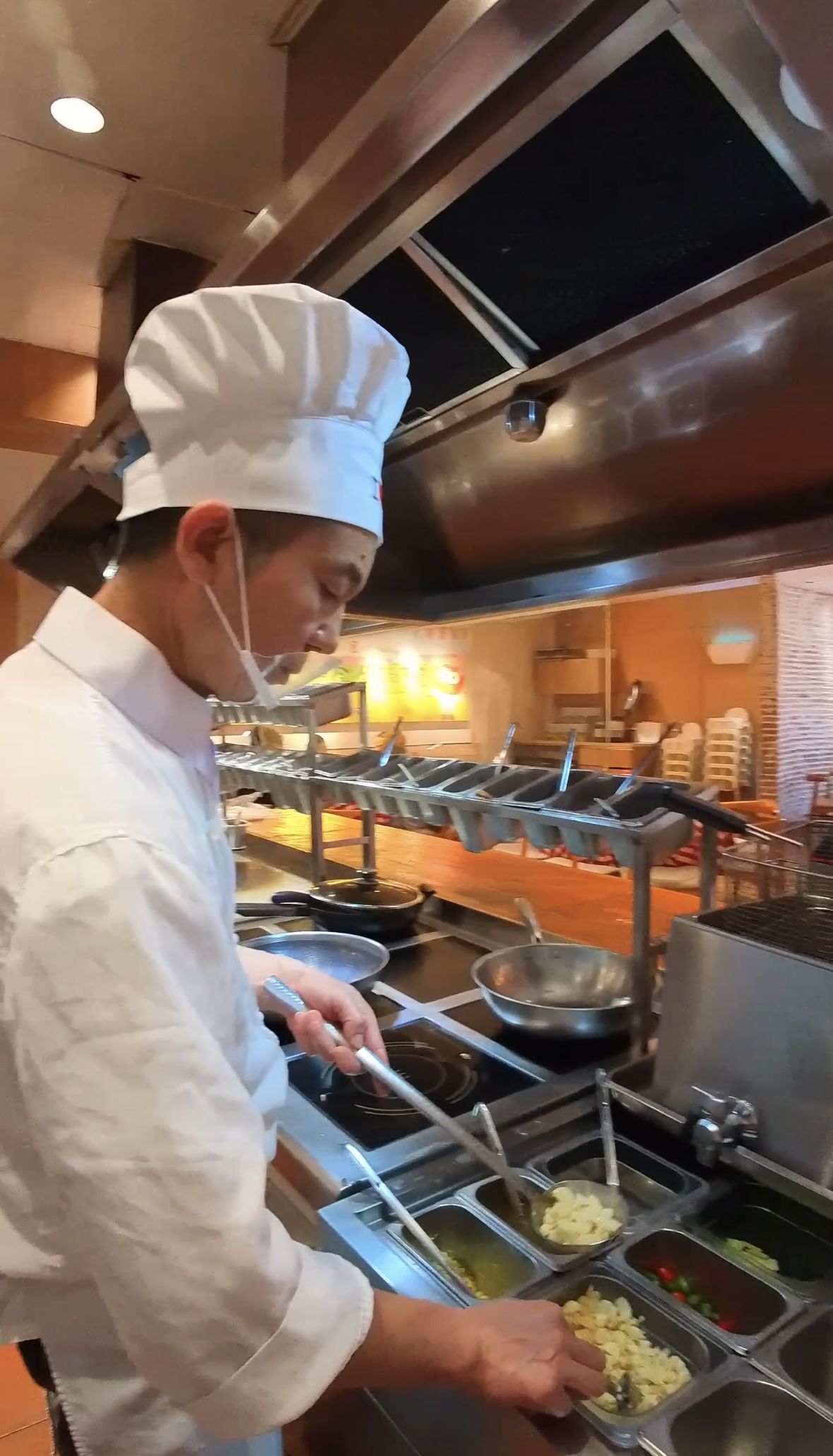
Core Viewpoint - The controversy surrounding the definition of pre-prepared dishes has highlighted significant shifts in the contemporary dining industry, particularly in the context of rising consumer expectations and transparency demands [1][3]. Group 1: Company Responses - Xibei's founder, Jia Guolong, firmly denied the use of pre-prepared dishes in their restaurants, asserting that all 370+ locations do not serve any pre-prepared items [2]. - Jia Guolong introduced a "Luo Yonghao Menu" showcasing a meal for five costing over 800 yuan, emphasizing the quality of their offerings [2]. - In response to the controversy, Xibei has adopted a transparency strategy by allowing consumers to tour their kitchens starting September 12, 2025 [2]. Group 2: Market Growth and Consumer Trends - The pre-prepared dish market in China reached a scale of 485 billion yuan in 2024, with a year-on-year growth of 33.8%, and is projected to exceed 617.3 billion yuan in 2025 [6]. - The primary consumers of pre-prepared dishes are B-end clients, particularly restaurant businesses, which account for over half of the total consumption [6]. - C-end consumers, including busy office workers and young families, are increasingly turning to pre-prepared dishes for convenience, with examples of quick meal solutions becoming commonplace [6]. Group 3: Industry Dynamics - The use of pre-prepared dishes is driven by cost efficiency and operational effectiveness, with many restaurants adopting them to reduce expenses and ensure consistent food quality [7]. - Pre-prepared dishes can enhance the speed of service and reduce reliance on skilled chefs, making them attractive to chain restaurants [7]. - Despite the growth of pre-prepared dishes, the industry faces challenges related to health concerns and potential loss of culinary traditions, as well as the risk of market homogenization [9].
怎样才算是预制菜?
Hu Xiu· 2025-09-12 08:51
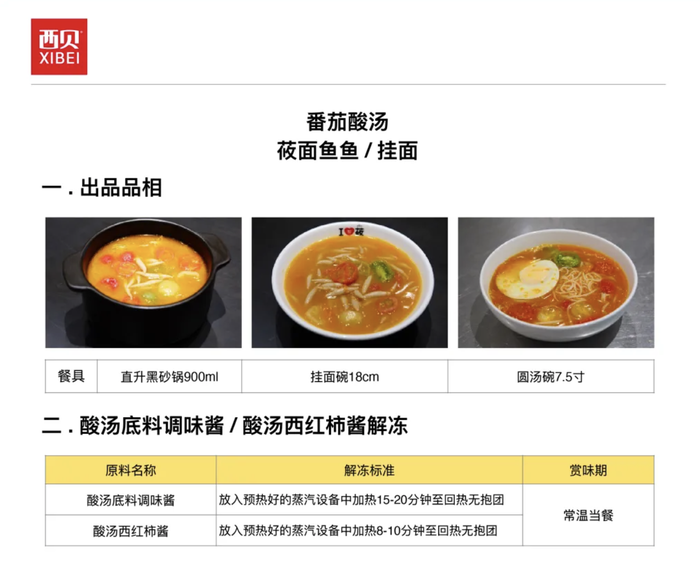
Core Viewpoint - The debate over the definition of "pre-prepared dishes" has been reignited by a public dispute involving prominent figures in the restaurant industry, particularly focusing on the claims made by Luo Yonghao regarding the use of pre-prepared dishes at Xibei [1][2]. Group 1: Company Responses - Xibei's CEO, Jia Guolong, firmly stated that none of the dishes served in their restaurants are pre-prepared, emphasizing that they utilize a central kitchen for certain pre-processing tasks but cook on-site [1][9]. - Following the controversy, Xibei released a detailed letter to customers outlining the preparation processes of 13 dishes ordered by Luo Yonghao, demonstrating their commitment to transparency [3][10]. Group 2: Regulatory Definitions - The official definition of "pre-prepared dishes" was established by the State Administration for Market Regulation and other departments, clarifying that these dishes must undergo industrial pre-processing and be packaged for retail, excluding items that can be consumed without heating [7][8]. - The new regulations specify that pre-prepared dishes do not include staple foods or ready-to-eat items, which further narrows the scope of what constitutes a pre-prepared dish in the restaurant context [8][12]. Group 3: Industry Standards and Consumer Perception - The introduction of the official definition in March 2024 is seen as a significant step towards standardizing the pre-prepared dish industry, which previously lacked uniformity in definitions and standards [14][15]. - There is a noted disconnect between public understanding of "pre-prepared dishes" and the regulatory definitions, indicating a need for better consumer education regarding food preparation practices in restaurants [11][18]. - The industry is calling for a unified national standard for pre-prepared dishes to ensure safety and quality, with ongoing efforts to develop comprehensive guidelines [16][17].
贾国龙:西贝没有一道预制菜!罗永浩发微博@贾国龙:协会报告显示真功夫、吉野家、西贝等预制菜占比超80%
Sou Hu Cai Jing· 2025-09-12 05:22
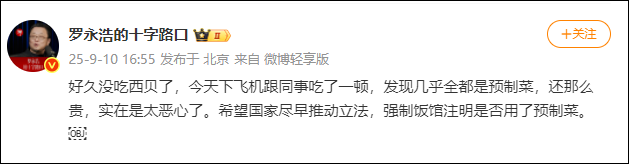
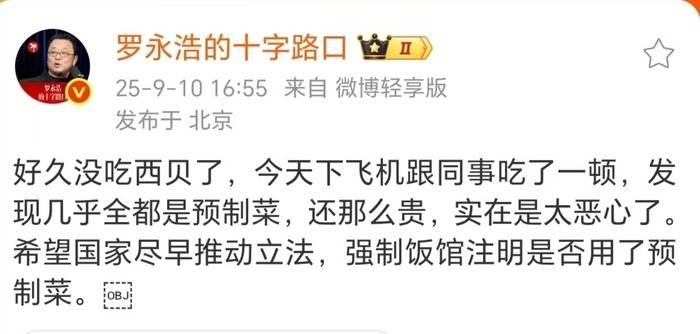
近日,"西贝"陷入的预制菜舆论风波。 9月10日,罗永浩发博公开吐槽连锁餐饮品牌西贝:"好久没吃西贝了,今天下飞机跟同事吃了一顿,发 现几乎全都是预制菜,还那么贵。希望国家尽早推动立法,强制饭馆注明是否用了预制菜。" 9月11日,西贝创始人贾国龙在罗永浩就餐的餐厅对外界多方面问题进行回应,并称"将要起诉罗永 浩。" 贾国龙表示,餐饮行业不回避预加工菜品,但"我们不是预制菜,国家对预制菜有严格定义","按国家 规定,我们没有一道是预制菜,而且100%不是预制菜"。"罗永浩说全是预制菜,太恶心了,挺伤我们 的"。 贾国龙还表示,预制和预制菜是两回事儿,因为预制就是提前做,提前加工预加工,但预制菜就是成品 了。他指出,全在门店完成的这不叫预制菜,它是有预制工艺。 9月13日,罗永浩发微博@贾国龙,内容为 关于"西贝餐厅的菜品是不是预制菜"这一问题,其实中国连 锁经营协会早就给出答案,预制菜行业发展报告 (全文)表示,数据显示,真功夫、吉野家、西贝等 连锁餐饮企业预制菜占比达80%以上。 六次出的十字路| | | | 5-9-12 11:17 发布于 北京 来自 微博经学版 の中 八言 旋转 因 查看大图 2 # 9 ...

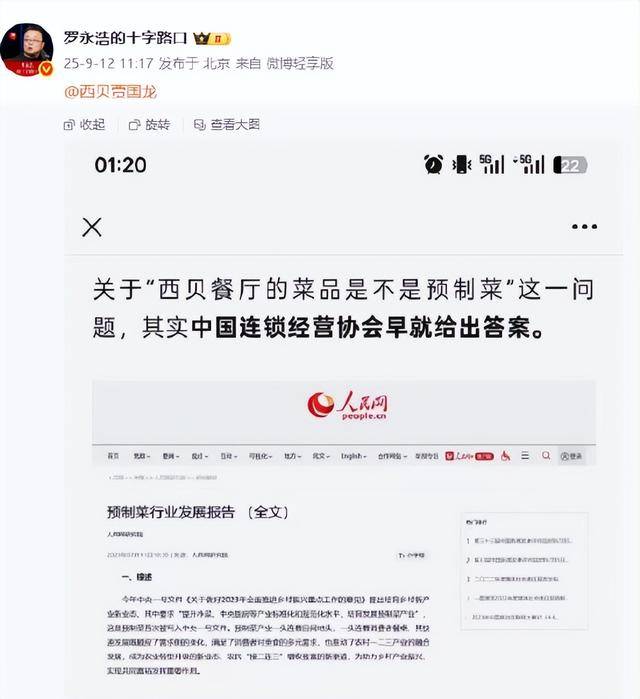
西贝贾国龙:没有一道是预制菜,预制和预制菜是两回事儿
Xin Lang Ke Ji· 2025-09-12 01:53
Core Viewpoint - The controversy surrounding the restaurant chain "Xibei" has been ignited by a public criticism from entrepreneur Luo Yonghao regarding the use of pre-prepared dishes, leading to a response from the founder of Xibei, Jia Guolong, who plans to sue Luo for defamation [1][3]. Group 1: Company Response - Jia Guolong, the founder of Xibei, stated that the restaurant does not serve pre-prepared dishes as defined by national standards, asserting that "not a single dish is pre-prepared" [1]. - The restaurant's representative mentioned that out of 15 dishes served, only two were left unfinished, which were the last to be served, indicating that the food was consumed positively by the customers [1]. - Jia emphasized the distinction between "pre-prepared" and "pre-prepared dishes," clarifying that pre-prepared refers to items that are partially made in advance, while pre-prepared dishes are fully cooked and ready to eat [3]. Group 2: Industry Context - The restaurant industry is facing scrutiny regarding the use of pre-prepared ingredients, with calls for legislation to require restaurants to disclose such practices to consumers [1]. - The definition of pre-prepared dishes is critical in this debate, as it affects consumer perception and regulatory compliance within the food service sector [3].
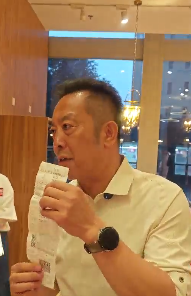
罗永浩又开炮了,“怒喷”西贝预制菜
阿尔法工场研究院· 2025-09-12 00:06
Core Viewpoint - The article discusses the controversy surrounding the use of pre-prepared dishes (pre-cooked meals) in the restaurant industry, particularly focusing on the well-known chain, Xibei, and the criticism from internet celebrity Luo Yonghao regarding the quality and pricing of Xibei's offerings [3][5][25]. Summary by Sections Luo Yonghao's Criticism - Luo Yonghao criticized Xibei for serving mostly pre-prepared dishes and labeled the experience as disappointing and overpriced, calling for legislation to require restaurants to disclose the use of pre-prepared meals [3][9][43]. - His comments quickly gained traction on social media, sparking a heated debate among netizens, with mixed reactions regarding the use of pre-prepared dishes in the restaurant industry [5][19]. Xibei's Response - Xibei's customer service claimed that their signature dishes are freshly made, but this response was seen as vague and unconvincing, especially in light of previous statements from Xibei's founder advocating for the benefits of pre-prepared meals [12][13]. - The founder had previously stated that high-quality dishes often involve a significant degree of pre-preparation, indicating that Xibei may rely heavily on pre-prepared meals [13][15]. Public Perception and Market Trends - The article highlights a growing consumer skepticism towards the quality and value of chain restaurants like Xibei, particularly as they face competition from local eateries offering unique flavors at lower prices [31][41]. - Xibei's pricing strategy has come under scrutiny, especially after price increases during the pandemic, which led to a perception of being out of touch with consumer expectations [32][33]. Industry Insights - The use of pre-prepared meals is not inherently negative; when made with fresh ingredients and adhering to safety standards, they can enhance efficiency in the restaurant industry [24][22]. - The central kitchen model, while efficient, has led to consumer concerns about transparency and perceived value, as many diners expect freshly cooked meals for the prices charged [35][37][38]. Future Challenges - Xibei faces the challenge of reconciling its brand image with consumer expectations for quality and value, especially as the market becomes more competitive and consumers demand more transparency regarding food preparation [41][42]. - The article concludes that the restaurant industry, including Xibei, must adapt to changing consumer preferences and perceptions to maintain relevance and customer loyalty [41][42].

西贝创始人:一定会起诉罗永浩!
Nan Fang Du Shi Bao· 2025-09-11 15:47
9月10日下午,知名企业家、微博大V罗永浩发布微博吐槽称,许久没吃西贝,结果他发现西贝几乎全都是预制菜。 罗永浩表示,希望国家尽早推动立法,强制饭馆注明是否用了预制菜。 随后,相关话题冲上微博热搜榜,引发广泛关注。 对此,9月11日,西贝创始人贾国龙公开回应称,西贝的门店100%没有预制菜,预加工不是预制菜,预制是提前加工,而预制菜是提前把它做成成品。按 照国家规定,西贝没有一道菜是预制菜。 贾国龙表示,一定会起诉罗永浩。 9月11日下午,罗永浩连发多条微博回应。他指出,预制菜贵不贵没那么重要,重要的是知情权,虽然预制菜卖得贵确实更讨厌。 在罗永浩和贾国龙就预制菜引发争论之前,2024年3月21日,国家市场监管总局等六部门联合印发《关于加强预制菜食品安全监管促进产业高质量发展的 通知》(下称《通知》),首次在国家层面明确预制菜范围。 根据《通知》,预制菜也称预制菜肴,是以一种或多种食用农产品及其制品为原料,使用或不使用调味料等辅料,不添加防腐剂,经工业化预加工(如搅 拌、腌制、滚揉、成型、炒、炸、烤、煮、蒸等)制成,配以或不配以调味料包,符合产品标签标明的贮存、运输及销售条件,加热或熟制后方可食用的 预包装菜 ...

被罗永浩吐槽都是预制菜还贵很恶心!西贝贾国龙回应:将起诉
Nan Fang Du Shi Bao· 2025-09-11 14:20
Core Viewpoint - The controversy surrounding the use of pre-prepared dishes at Xibei restaurants has gained significant attention, sparked by entrepreneur Luo Yonghao's criticism on social media, leading to a public dispute with Xibei's founder, Jia Guolong [1][3][5]. Company Response - Jia Guolong, the founder of Xibei, publicly stated that none of their dishes are pre-prepared according to national regulations, emphasizing that pre-prepared dishes are defined as fully cooked products, while Xibei uses pre-processed ingredients [3][5]. - Xibei plans to launch a "Luo Yonghao Menu" in response to the controversy, indicating a proactive approach to address the criticism [5]. Public Reaction - Luo Yonghao's comments about the quality and taste of Xibei's dishes, suggesting they taste like reheated leftovers, have resonated with the public, leading to widespread discussions on social media [3][4][5]. - The hashtag related to Luo Yonghao's criticism trended on Weibo, highlighting the public's interest in the issue [3]. Regulatory Context - A recent notification from the National Market Supervision Administration clarified the definition of pre-prepared dishes, which includes specific processing methods and does not encompass simple processed ingredients [7]. - The notification also states that dishes made in central kitchens and delivered to restaurants do not fall under the category of pre-prepared dishes, which may impact how Xibei positions its offerings [7]. Company Background - Xibei Catering Group was founded in 1998 and operates multiple brands, with nearly 400 locations across the country as of May 2025 [8].
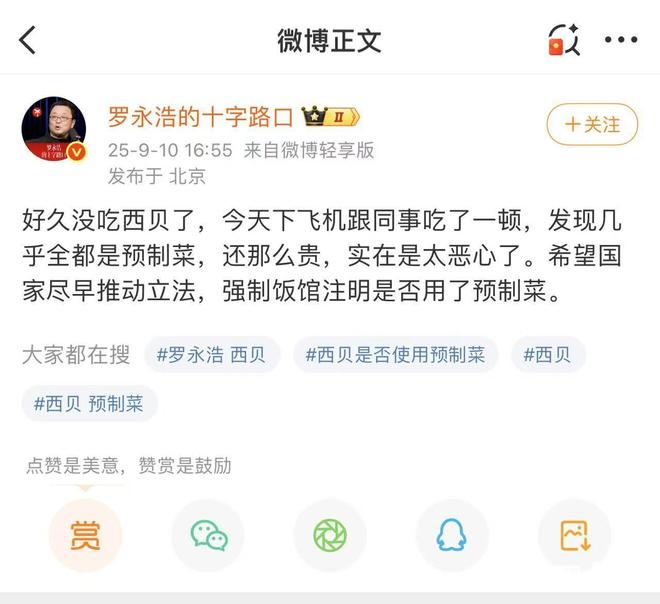
贾国龙称将起诉罗永浩,旗下餐厅将推出“罗永浩菜单”
Xin Lang Cai Jing· 2025-09-11 11:08
据悉,罗永浩此前就餐餐厅为西贝中粮祥云小镇店。此前,罗永浩称西贝多数菜品为预制菜,"发现几 乎全都是预制菜,还那么贵,实在是太恶心了。希望国家尽早推动立法,强制饭馆注明是否用了预制 菜"。 9月11日,西贝董事长贾国龙对新浪财经等媒体表示,一定会起诉罗永浩,旗下餐厅还将推出"罗永浩菜 单"。贾国龙说,餐饮行业不回避预加工菜品,但"我们不是预制菜,国家对预制菜有严格定义","按国 家规定,我们没有一道是预制菜,而且100%不是预制菜"。"罗永浩说全是预制菜,太恶心了,挺伤我 们的"。 责任编辑:何俊熹 ...
罗永浩吐槽“恶心”,西贝回应
Zhong Guo Xin Wen Wang· 2025-09-11 05:19
Core Viewpoint - The controversy surrounding the use of pre-prepared dishes (pre-cooked meals) in restaurants, particularly regarding the transparency of their usage and labeling, has been highlighted by public figures and consumers alike [1][8]. Group 1: Public Reactions - Luo Yonghao criticized Xibei for serving mostly pre-prepared dishes at high prices, calling for legislation to require restaurants to disclose the use of such dishes [1]. - Some consumers expressed concerns about the quality and safety of pre-prepared dishes, questioning their taste and hygiene [10]. - Discussions among netizens revealed a divide in opinions on pre-prepared dishes, with some arguing that traditional food processing methods complicate the definition of pre-prepared meals [10]. Group 2: Company Responses - Xibei's customer service stated that their signature dishes are freshly prepared daily, denying the use of pre-prepared meals in their cooking [7]. - A video by Xibei's co-founder last year concluded that only a few items were delivered from a central kitchen, while most dishes were made on-site [5]. Group 3: Regulatory Context - The definition of pre-prepared dishes includes those that require heating or cooking before consumption, and does not encompass simple processed foods [11][12]. - Consumer rights organizations have raised concerns about the lack of clear labeling for pre-prepared dishes, urging restaurants to be transparent about their use [13].