
风险管控

Search documents
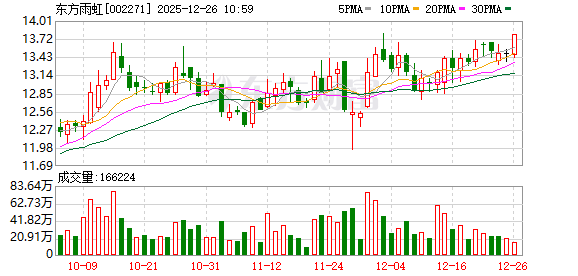
美国子公司疑遭电信诈骗 东方雨虹称将强化风险管控
Zhong Guo Jing Ying Bao· 2025-12-26 03:00
Core Viewpoint - Recent incidents involving overseas expansion of listed companies have raised concerns about risk management and internal controls, particularly for Dongfang Yuhong's subsidiary in the U.S. [2] Group 1: Incident Overview - Dongfang Yuhong's U.S. subsidiary, OYH Construction Materials LLC, reportedly fell victim to a telecom fraud involving approximately $1.7183 million (about 12.118 million RMB) [2] - The fraud occurred when criminals impersonated the general contractor to request payment during a construction progress payment [3] - OYH Construction Materials has reported the incident to local law enforcement and the FBI, and is cooperating fully to mitigate losses [3] Group 2: Impact on Operations - The company has stated that the incident is an isolated occurrence and will not significantly impact normal operations [3][6] - The company is committed to enhancing internal controls and risk management processes, particularly regarding overseas subsidiaries and payment approval procedures [6] Group 3: Strategic Focus on Overseas Expansion - Dongfang Yuhong is accelerating its overseas supply chain and channel development, with production bases being established in locations such as Houston, Saudi Arabia, Malaysia, and Canada [5] - The company plans to utilize overseas acquisitions to strengthen its international supply chain and market presence, focusing on local retail channel advantages [5][6] Group 4: Risk Management Enhancements - The company is taking steps to improve risk assessment and control measures, including thorough reviews of financial systems and payment processes for overseas subsidiaries [6] - A specialized training program will be implemented for key personnel to enhance compliance awareness and risk identification capabilities [7]


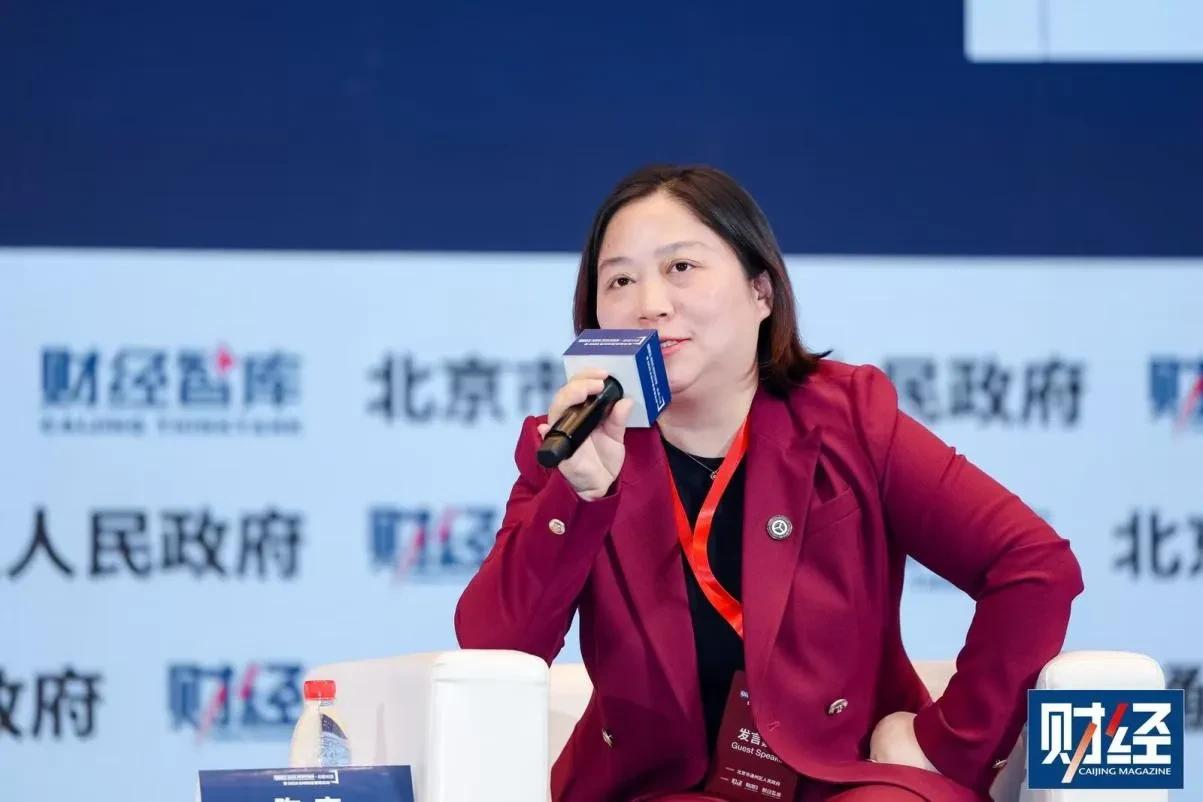
陈雪:以专业为桥 奔赴事业新征程
Xin Lang Cai Jing· 2025-12-21 21:43
Core Insights - The article highlights the career transition of Chen Xue, who joined Taikang in July 2023 as a Health Wealth Planner (HWP), emphasizing her commitment to the health and retirement planning sector [3][4]. Group 1: Career Transition - Chen Xue's decision to join Taikang reflects her deep consideration of professional value and a strong belief in retirement security [3]. - Her background in the banking system provided her with essential skills in asset allocation and risk management, which she now applies in her new role [3][4]. - The encounter with Taikang's health industry model was pivotal for her career shift, as it aligns with her desire to offer comprehensive and empathetic service solutions [4]. Group 2: Professional Development - The transition to HWP necessitated a comprehensive upgrade of Chen's skills, integrating her financial expertise with Taikang's high-quality, full-lifecycle health and wellness service system [4]. - Chen has evolved into a professional capable of providing a one-stop service for retirement, health, and wealth management, addressing clients' needs throughout their entire lifecycle [4]. Group 3: Vision and Mission - Chen emphasizes the importance of Taikang's ecosystem in the longevity era, which aims to create a closed loop of longevity, health, and wealth [5]. - Her professional mission is to make insurance accessible, convenient, and affordable, contributing to people's longevity, health, and wealth, while positioning Taikang as a part of their happy lives [5].

盈科律师事务所陶奕:财富传承已迈入以风险管控为核心的专业协同时代
Xin Lang Cai Jing· 2025-12-20 09:50
Core Insights - The core theme of the event is "China's Resilience in Times of Change," focusing on wealth management and inheritance strategies in the current complex environment [1] Group 1: Wealth Inheritance Challenges - Wealth inheritance is becoming increasingly difficult due to three intertwined challenges: complex demands from clients, difficulties in product selection, and complicated regulatory frameworks [3][6] - Clients' needs have evolved beyond simple wealth transfer to include business development, asset security, tax compliance, and intergenerational transitions [5][6] - The proliferation of diverse financial products leads to confusion among clients, who may either follow trends blindly or hesitate to make decisions [6][7] Group 2: Professional Collaboration - The solution to these challenges lies in establishing a professional collaborative system, where lawyers act as "Chief Risk Architects" to diagnose risks and design comprehensive plans [4][7] - A three-pronged approach is proposed for effective wealth inheritance: comprehensive risk identification, collaborative planning, and long-term support and adjustments [8][10] - The emphasis is on creating a sustainable system that prioritizes risk management, clear structures, and collaborative tools rather than merely focusing on the quantity of financial products [4][9] Group 3: Recommendations for High-Net-Worth Individuals - High-net-worth individuals are advised to begin planning early to avoid reactive measures, and those with existing plans should ensure ongoing tracking and adjustments [10] - Industry professionals are encouraged to break away from single-product thinking and embrace a collaborative approach, continuously updating their knowledge in response to regulatory changes [10]
华宝国际2025中期业绩稳健增长,多业务协同筑牢发展根基
Sou Hu Cai Jing· 2025-12-17 04:43
Core Viewpoint - The company emphasizes the importance of strategic determination and business synergy for high-quality development in a complex global economic environment, with a focus on diversified layout and stable operations [1] Financial Performance - For the six months ending June 30, 2025, the company reported total revenue of approximately 1.621 billion yuan, representing a year-on-year increase of 2.5% [1] - The profit attributable to equity holders reached approximately 118 million yuan, showing a significant year-on-year growth of 298.1%, indicating strong operational resilience [1] Business Segments - The flavor and food ingredients segment, as a core area, has strengthened its technical capabilities in microwave drying and extraction, effectively meeting the demand for natural extracts from Chinese tea beverage brands [3] - In the tobacco raw materials segment, the new reconstituted tobacco leaf production line at the Indonesian production base has achieved bulk supply, with steadily increasing capacity utilization, serving as a key driver for sustainable development [3] - The tobacco capsule business is actively expanding into overseas markets, achieving rapid revenue growth through the development of region-specific flavors and technological upgrades [3] - The flavor raw materials segment has maintained stable revenue amidst fluctuations in overseas market demand through cost control and new customer development [3] - The seasoning business focuses on value innovation in the catering channel, enhancing customer engagement through online live broadcasts and offline promotional activities, with the number of primary distributors reaching 956 [3] Innovation and Risk Management - The company's philosophy of balancing technological innovation and risk management is reflected in its mid-term performance, with R&D investment of approximately 125 million yuan, accounting for 7.7% of revenue, and multiple technological achievements reaching industry-leading levels [4] - The company has optimized processes and improved systems across various dimensions, including climate change, safety production, and compliance, while integrating AI technology into operational management to enhance intelligence and digitalization, effectively reducing operational risks [4] - Cash generated from operating activities reached 214 million yuan, a year-on-year increase of 88.6%, with a maintained low debt-to-asset ratio, indicating a robust financial structure that provides ample funding for future development [4] Future Outlook - The company plans to continue deepening multi-business collaborative development under the strategic guidance of its CEO, focusing on the health sector and overseas market expansion, while enhancing core competitiveness through technological innovation and refined management to create greater value for shareholders [4]

多家银行调整代理上海黄金交易所贵金属业务
Zheng Quan Ri Bao· 2025-12-16 16:09
Core Viewpoint - Recent adjustments by commercial banks regarding the agency business for personal precious metals trading at the Shanghai Gold Exchange are aimed at enhancing risk management and protecting investor interests due to increased market volatility and compliance requirements [1][4]. Group 1: Business Adjustments - Industrial and Commercial Bank of China (ICBC) announced on December 15 that it will strengthen management of its agency business for personal precious metals trading at the Shanghai Gold Exchange [1]. - Several banks, including major state-owned banks and joint-stock banks, have issued similar announcements regarding the adjustment of their agency business for personal precious metals trading [2][3]. - ICBC will transfer the balances of margin accounts with no positions, no inventory, and no debts to the linked settlement accounts starting December 19, 2025, and will terminate related business functions [2]. Group 2: Account Cleanup - Banks are focusing on cleaning up accounts with no positions, no inventory, and no debts, urging clients to withdraw funds [2][3]. - China Construction Bank and other banks have previously issued notices for clients to transfer their margin balances and terminate agreements related to personal precious metals trading [3]. - The adjustments reflect a broader trend among banks to suspend or stop new trading activities in personal precious metals due to compliance and market conditions [4]. Group 3: Risk Management - The agency business for personal precious metals trading involves various risks, including market, compliance, operational, and reputational risks, with market risk being the most significant [5]. - The ongoing volatility in the precious metals market is testing banks' risk management capabilities and pushing them to innovate in product offerings and customer service [5].
澳大利亚未成年人社媒禁令,“一刀切”政策折射治理困局
Xin Jing Bao· 2025-12-11 15:16
Group 1 - The Australian government's youth social media ban aims to protect minors under 16 from harmful online content, but it highlights the government's inability to effectively manage internet governance and social issues, relying instead on a one-size-fits-all approach to cater to political interests [1][2] - The ban may inadvertently push youth towards more hidden and unregulated "underground" channels for social interaction, which could pose greater risks in terms of data privacy and harmful content compared to established social media platforms [2] - Effective internet governance for minors requires a comprehensive approach that includes digital literacy education, algorithm improvement, and community involvement, rather than simplistic bans that contradict educational principles [2][4] Group 2 - In contrast to Western countries, China's internet governance has been recognized for its effective solutions that balance development and protection, such as the implementation of the "Minor Internet Protection Regulations" which clearly define aspects of online safety for minors [3] - China's approach includes a "minor mode" that limits usage time and sets age-appropriate content, demonstrating a combination of effective market practices and proactive government involvement, showcasing a sophisticated governance model [3] - The focus should be on guiding minors to understand the internet as a regulated space rather than imposing blanket bans, emphasizing the need for refined governance that combines digital literacy and risk management [4]
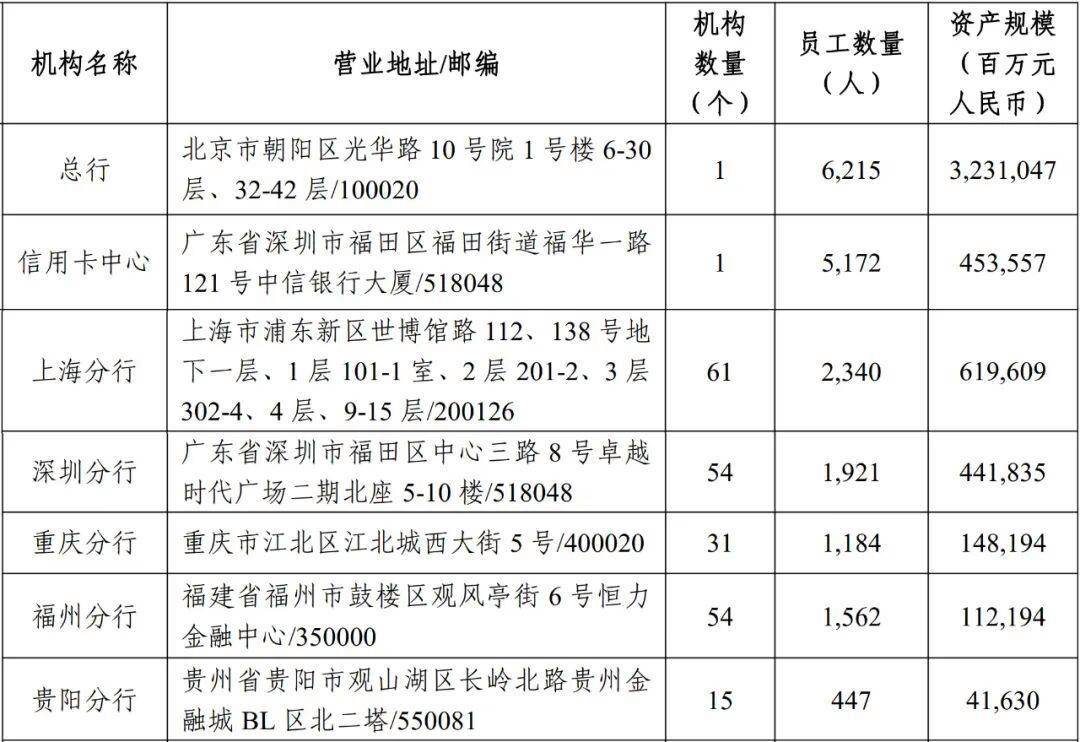
中信银行近日迎来一系列中层人事调整,涉及多家分行行长及子公司高管变动。新任风险总监金喜年正式履职,上海分行行长赵元新拟调任总行授信执行部总经理,重庆、贵阳、福州等分行负责人更迭,信银投资、信银理财等子公司高管同步调整。此次调整覆盖风险管理、资产负债、审计等多个核心部门,凸显中信银行年末对组...
Sou Hu Cai Jing· 2025-12-08 14:46
Group 1 - The core point of the article highlights a series of personnel adjustments at CITIC Bank, involving changes in branch managers and executives of subsidiaries, indicating an optimization of the organizational structure as the year ends [1] - The new risk director, Jin Xinian, has officially taken office, and significant changes include the transfer of Shanghai branch manager Zhao Yuanxin to the head office as the general manager of the credit execution department [1] - The adjustments reflect CITIC Bank's strategic thinking during the industry's transformation period, emphasizing the strengthening of risk management by appointing experienced branch leaders to key positions at the head office [1] Group 2 - The frequent rotation of subsidiary executives and branch leaders, such as Dong Wenzan moving from CITIC Wealth Management to the Fuzhou branch, indicates the group's intention to cultivate versatile talents [1] - The newly established CITIC Investment, led by Jiang Dongming from the Guiyang branch, has a registered capital of 10 billion, signaling CITIC's increased focus on financial asset investment [1] - Amid a narrowing net interest margin of 1.63%, these adjustments are seen as a response to performance pressures and a strategy to seek new growth points through organizational change [1]

爱美客迎来法律背景新高管 李冬梅出任副总经理兼董秘
Xi Niu Cai Jing· 2025-12-03 10:05
Group 1 - The core viewpoint of the article highlights the recent management change at Aimeike Technology Development Co., Ltd., with Li Dongmei appointed as the new Deputy General Manager and Board Secretary during a challenging period for the company [2] - Aimeike is facing significant challenges, with a reported revenue of 1.865 billion yuan for the first three quarters of 2025, representing a year-on-year decline of 21.49%, and a net profit of 1.093 billion yuan, down 31.05% year-on-year [3] - The decline in performance is attributed to intensified industry competition, particularly from Huaxi Biological's competing product "Runzhi·Gegge," which is affecting Aimeike's core product "Haitai" [3] Group 2 - Aimeike is embroiled in a dispute over the agency rights of its product AestheFill, which has escalated to a trademark infringement case involving a compensation claim of 1.6 billion yuan [4] - The appointment of a legal professional as a senior executive suggests that Aimeike aims to enhance its compliance, risk management, and arbitration dispute response capabilities [4] - Li Dongmei's nearly twenty years of legal experience is expected to provide professional support to Aimeike in navigating its current challenges [4]


张家港行(002839) - 2025年12月1日投资者关系活动记录表
2025-12-01 10:12
Group 1: Risk Management Measures - The bank has optimized its risk management structure by establishing an integrated risk control system, including a "1+1+3" risk control team with designated roles for internal control and collection [2][3] - The bank employs internal and external data for post-loan management to identify potential risks proactively [2] - Risk disposal plans are developed by the risk disposal center to mitigate risks through increased guarantees and legal actions [3] Group 2: Stability of Financial Metrics - The bank's non-performing loan ratio has remained stable, while the ratio of attention loans has decreased [2] - The measures taken have led to improved precision and effectiveness in risk management across the bank [3]
期货合约与远期合约有本质区别吗?
Jin Rong Jie· 2025-11-27 22:47
Core Insights - The article discusses the fundamental differences between futures contracts and forward contracts in the financial derivatives market, emphasizing their distinct trading mechanisms, risk management, and regulatory frameworks [1][2]. Group 1: Trading Mechanism - Futures contracts are standardized agreements traded on regulated exchanges, governed by centralized rules, ensuring all transactions are executed through the exchange's trading system [1]. - Forward contracts are primarily traded over-the-counter (OTC), where parties negotiate terms directly or through intermediaries, lacking a centralized organizational structure [1]. Group 2: Contract Standardization - Futures contracts have predefined terms set by exchanges, including asset types, trading units, delivery dates, and quality standards, which enhances interchangeability and trading efficiency [1]. - Forward contracts allow for customized terms based on the specific needs of the parties involved, offering greater flexibility but lacking uniform standards [1]. Group 3: Settlement Mechanism - Futures trading employs a daily mark-to-market settlement system, where profits and losses are calculated daily, and margin accounts are adjusted accordingly, with the exchange acting as a counterparty to mitigate default risk [2]. - Forward contracts typically settle at maturity with no daily profit or loss adjustments, relying solely on the creditworthiness of the parties involved, which increases the risk of loss in case of default [2]. Group 4: Liquidity and Transferability - The standardization of futures contracts allows for high liquidity, enabling traders to exit positions easily through offsetting trades [2]. - Forward contracts, due to their customized nature, have lower liquidity and are often held until maturity, making it challenging to find counterparties for transfer [2]. Group 5: Regulatory Framework - The futures market is subject to stringent regulations by financial authorities, requiring compliance with margin requirements, risk reserves, and information disclosure to ensure market transparency and systemic risk prevention [2]. - The regulation of the forward market is more flexible, relying on self-regulation and contractual agreements between parties, focusing on preventing credit risk spread and protecting investor rights [2].