
数智化转型

Search documents
数智赋能普惠金融
Jing Ji Ri Bao· 2025-12-18 22:25
Group 1 - Huaxia Bank Yiwu Branch supports small and micro enterprises in Yiwu, Zhejiang Province through digital transformation and innovative financial products [1] - The branch has eliminated reliance on traditional collateral by promoting credit loan models, enhancing inclusive finance [1] - A customized financial product called "Market Loan" has been launched, allowing for online application, approval, and disbursement, with over 500 million yuan disbursed to date [1] Group 2 - In the foreign trade financial services sector, Huaxia Bank Yiwu Branch collaborates with local export credit insurance companies to provide tailored services for foreign trade enterprises [2] - The bank has reduced the entry threshold for small and micro foreign trade enterprises and implemented fee reductions, saving related enterprises 1 million yuan since 2025 [2] - The bank aims to continuously innovate inclusive financial services and optimize product systems to support the high-quality development of small and micro enterprises in Yiwu [2]

徐建航:深化供应链改革 锻造卓越商品力
Sou Hu Cai Jing· 2025-12-18 18:07
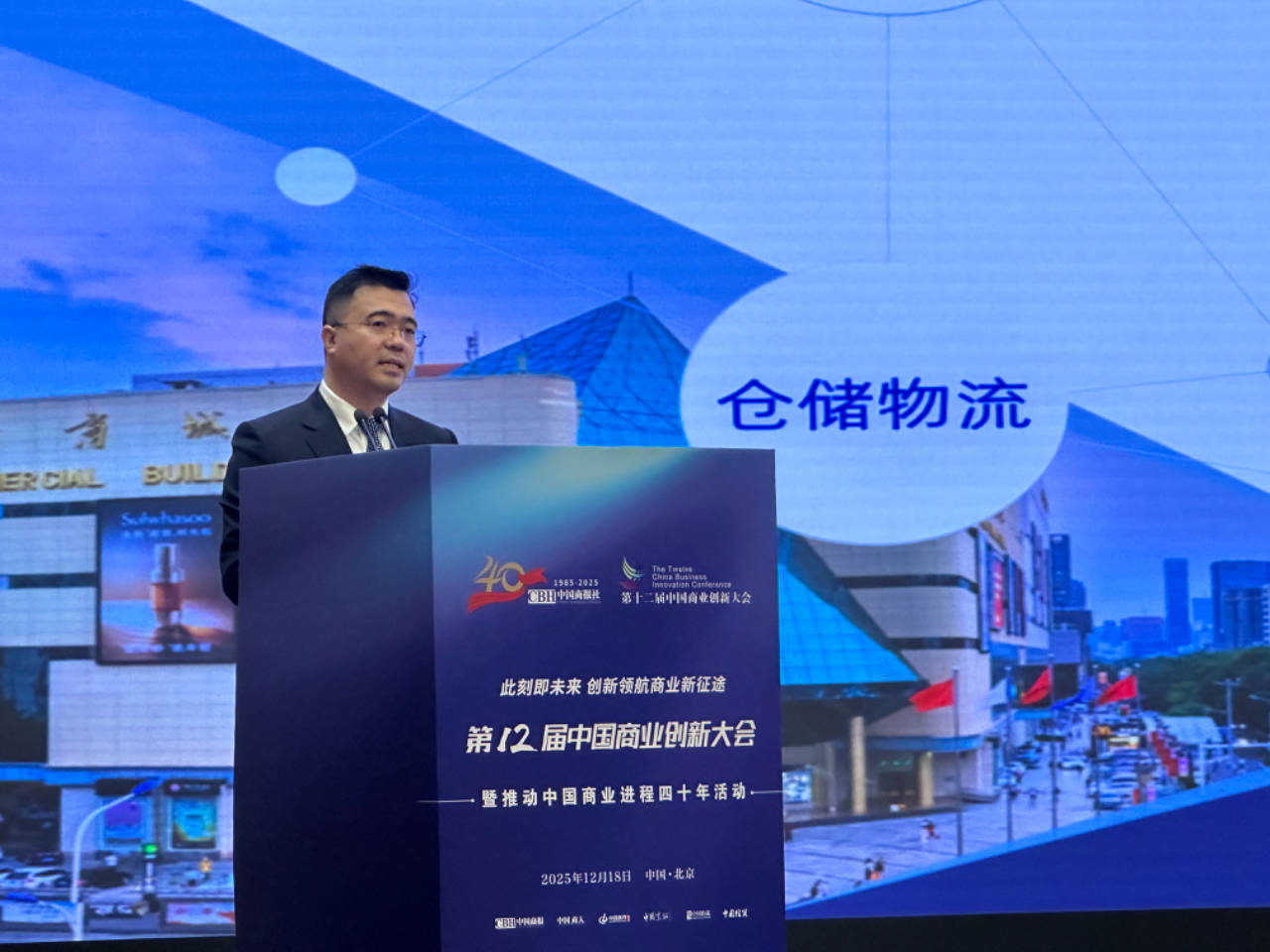
而自有品牌建设是北人集团提升盈利能力和品牌差异化的另一个战略支点。徐建航介绍,通过成立项目组,集团形成了以"北国甄选"为代表的自有品牌体 系,完成了从无到有、从试水到深耕的蝶变。 谈及近期业界学习胖东来的热潮,徐建航提出自己的独特见解:"我们学习其内涵,但作为平台,最核心的是品控。我们只学一点,就是把产品选到最优性 价比。"这集中体现了北人集团"抓住主要矛盾,回归零售本质"的经营思想。 徐建航表示,25年来,北人集团能够保持稳健发展的原因是多方面的,这既得益于深耕区域的战略定力,也得益于集团多年来坚持零售、多业态发展。他认 为,最核心的能力体现在无论外部环境如何变化,集团能够始终坚守零售的初心,以消费者为价值核心。作为零售行业这份初心非常朴素,就是给消费者提 供好的商品,同时对消费趋势的变化保持高度的敏感性,能够顺应消费需求,迅速进行自我革命和大胆创新。 "无论零售行业出现什么样的新概念,我认为核心的问题还是商品。在人、货、场三个要素当中,好的商品、适当的商品、超出消费者心理预期的商品,永 远是竞争力的核心。"徐建航说。(商讯) "挑战与机遇如同硬币的两面。"徐建航指出,机遇主要来自科技赋能、消费需求升级以及 ...

建发股份接待70家机构调研,包括睿远基金、东方财富证券、东方证券、东吴证券等
Jin Rong Jie· 2025-12-18 12:52
Group 1 - The core viewpoint of the news is that Jianfa Co., Ltd. has made significant progress in expanding its supply chain operations, with notable partnerships and a stable profit outlook despite global economic challenges [1][2]. - Jianfa Co., Ltd. reported a recent stock price of 9.35 yuan, down 1.37% from the previous trading day, with a total market capitalization of 27.111 billion yuan [1]. - The company achieved over 5.2 billion USD in signed agreements during the November Import Expo, collaborating with seven global enterprises in key agricultural products [1]. Group 2 - The supply chain operations of Jianfa Co., Ltd. are expected to maintain a net profit range of 3.3 to 4 billion yuan from 2021 to 2024, with a return on equity (ROE) exceeding 15% [2]. - The company has developed a risk control system characterized by "professionalization, stratification, and process orientation," and has established a global supply chain service network covering over 170 countries [2]. - Jianfa Co., Ltd. is actively exploring the application of AI and other new technologies in its supply chain operations, enhancing its risk control and daily management activities [2]. Group 3 - Ruiyuan Fund, which participated in the recent research, focuses on value investment and has five funds under management, with one fund showing a 59.95% growth over the past year [3].

终端数据+算法 玄瞳AI赋能地方区域产业升级的路径与价值
Sou Hu Cai Jing· 2025-12-18 08:43
Core Insights - Xuantong AI provides a comprehensive digital intelligence solution for fast-moving consumer goods (FMCG) companies, addressing challenges such as terminal data opacity and market response delays through SKU and price tag recognition models [1][3]. Group 1: Company Development - Xuantong AI has evolved through three stages: from general image understanding to video and scene recognition, and now to deep integration of perception and cognition capabilities using large model technology [3]. - The product matrix includes "Fast-Moving Consumer Cloud Brain," featuring SKU recognition model, price tag recognition model, and AI terminal big data, with continuous innovation and iteration [3][5]. Group 2: Core Capabilities - The SKU recognition model supports precise identification of over 5,500 SKUs across various display scenarios, achieving an accuracy rate exceeding 85%, significantly higher than the industry average [5]. - The price tag recognition model utilizes target detection and OCR technology to extract and recognize offline price tag information with an accuracy of 85%, aiding companies in capturing price competitiveness and promotional dynamics [5]. - The terminal big data POI covers over 6 million terminal stores, with 500,000 stores updated daily, enabling clear assessment of store quality and identification of untapped sales opportunities [5]. Group 3: Strategic Partnerships - Xuantong AI has maintained a long-term partnership with Huawei Cloud, leveraging its computing and ecological support to enhance delivery capabilities [6]. - The collaboration aims to deepen regional and enterprise empowerment, providing digital intelligence support to more businesses [7].
普惠筑屏障责任显担当!中华人寿凭双奖助力保险业高质量发展
Zheng Quan Shi Bao Wang· 2025-12-18 07:59
在全面建设社会主义现代化国家的新征程中,保险业正从风险管理的传统角色向国家战略服务者蜕变, 中央金融工作会议明确的金融"五篇大文章"与《银行业保险业普惠金融高质量发展实施方案》,共同勾 勒出行业"服务民生、赋能实体"的发展蓝图。 在此背景下,中华人寿凭借在普惠金融领域的扎实实践、社会责任的持续践行及数智化转型的突出成 效,成功斩获"2025保险业普惠金融实践方舟奖"与"社会责任先锋保险公司"两项重磅荣誉。这既是行业 对其坚守"服务国家、服务三农、服务民生"初心的高度认可,更印证了其深度契合保险业高质量发展导 向的实践价值,为行业履行金融工作政治性、人民性提供了有益借鉴。 普惠深耕:锚定民生需求构建全维度保障体系 作为国有控股保险企业,中华人寿始终将普惠金融理念融入业务核心,紧扣以人民为中心的发展导向, 聚焦不同群体保障痛点,通过产品创新、服务下沉与资源倾斜,让保险保障真正触达"最后一公里",筑 牢民生安全屏障。 面对人口老龄化带来的养老保障需求增长,2024年中华人寿针对性开发4款适合老年人的保险产品,为 超5.2万人次60岁及以上老人提供专属保障服务,同时为近3万人次提供养老年金服务,累计养老保障额 度超1 ...
Data Agent 为何成为企业的“数据贴身助理”
Sou Hu Cai Jing· 2025-12-18 04:42
Core Insights - The core issue in enterprise data management is not the lack of data but the ineffective use of data, leading to delays and inefficiencies in decision-making processes [1][4]. Group 1: Data Management Challenges - Enterprises face challenges such as data residing in multiple platforms, creating "data silos," and traditional tools requiring specialized skills, making it difficult for ordinary employees to utilize data effectively [3]. - The existing data handling logic requires personnel to chase data, leading to time-consuming processes that can delay business opportunities [4]. Group 2: The Role of Data Agent - The Data Agent serves as a "personal assistant" that understands diverse data needs across different roles, providing tailored solutions rather than generic ones [5][7]. - It integrates natural language processing to allow users to query data without needing to learn complex coding, making data access more user-friendly [9][10]. Group 3: Key Capabilities of Data Agent - The Data Agent connects disparate data sources, enabling a seamless flow of information and facilitating a closed-loop from data insights to actionable business decisions [11]. - It possesses self-learning capabilities, adapting to evolving business needs and continuously optimizing its understanding of enterprise logic [12]. Group 4: Strategic Importance of Data Agent - The Data Agent is positioned as an essential tool for digital transformation, bridging the gap between data, personnel, and business operations, thus enhancing overall efficiency [14]. - By transforming from passive data querying to proactive service, the Data Agent empowers employees to focus on core business activities while providing management with real-time insights for informed decision-making [14].

海峡股份:并购提升行业集中度,构筑南北双枢纽
Zheng Quan Shi Bao· 2025-12-17 19:50
"十四五"时期,海峡股份倾力打造的新海客运枢纽于2023年底投运,以年通行3500万人次、560万辆次 的能力成为全国最大客滚枢纽。枢纽植入人工智能调度系统、智能验票闸机等新技术,车辆通关时间大 幅缩短,船舶调度效率提升25%,实现"数据多跑路、旅客少跑腿"。 在主业稳固基础上,海峡股份重视股东权益,强化价值回报。自2009年上市以来,公司始终保持稳健的 分红政策,累计现金分红次数16次,累计现金分红17.4亿元,平均分红率达53%。通过分红政策的连续 性,让投资者切实感受到公司发展红利,给予投资者长期稳定且可观的收益预期,有效增强公司在资本 市场的投资价值。 展望未来,海峡股份将持续深耕客滚运输主业,深化数智化转型,在自贸港封关运作新起点上续写高质 量发展新篇章。 (文章来源:证券时报) "十四五"时期,海峡股份锚定海南自贸港建设战略机遇,以资源整合为抓手、以科技创新为引擎、以资 本运作为支撑,实现从区域航运企业到全球客滚运输领军者的跨越式发展。 作为琼州海峡客滚运输核心主体,海峡股份率先启动航运资源整合,2021年牵头组建合资公司,实现琼 州海峡47艘船舶统一运营管理,彻底扭转行业分散无序局面。2025年 ...

蓝焰控股:公司拥有4个子公司,1个分公司
Zheng Quan Ri Bao Wang· 2025-12-17 14:12
证券日报网讯 12月17日,蓝焰控股(000968)在互动平台回答投资者提问时表示,公司拥有4个子公 司,1个分公司。科创分公司的功能定位主要是推动公司实现数智化转型和区域煤层气资源统筹与市场 拓展。公司成长性主要体现在地域优势和技术优势,公司煤层气开发区块主要位于沁水盆地和鄂尔多斯 盆地东缘,是国家规划煤层气产业发展的重点地区;构建起了从地质勘查到生产排采的全链条技术优 势,形成了采煤采气一体化等三大技术体系,主导制定多项国家标准,多项技术成果被列为行业示范, 成为国内煤层气开发领域的技术标杆,持续发挥着科技创新平台示范引领作用。公司客户目前集中在山 西省内,正在逐步开发河南、安徽、江苏等省外市场。2026年,公司将继续专注煤层气勘探开发与煤矿 瓦斯治理主业,通过施工加密井、薄煤层井、低产老井升级改造等途径推动晋城区域浅部区块稳产保 产,加快武乡、横岭等中深部区块勘探开发,深化央企开发合作,持续推广采煤采气一体化瓦斯治理模 式,继续推行数智化转型、全面预算管理、清收清欠、降本增效、合规治理等专项行动,促进公司高质 量发展。 ...

2025年度广东省初创企业经营者能力提升培训正式开班
Nan Fang Du Shi Bao· 2025-12-17 09:27
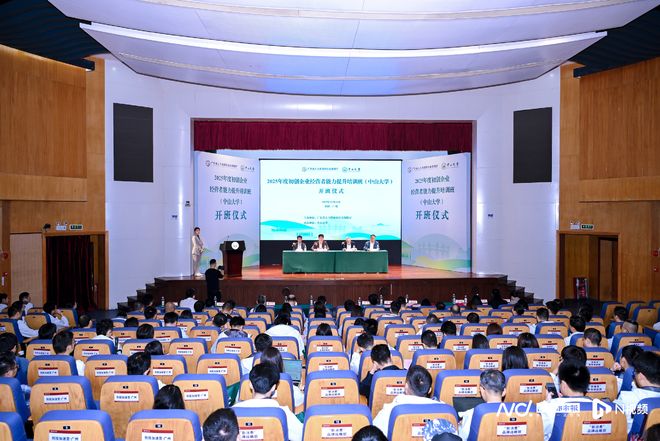
五校聚能、专题深耕: 构建覆盖企业全周期的发展能力矩阵 南都讯 为落实"创业伴飞"计划,自12月12日起,2025年度广东省初创企业经营者能力提升培训陆续开 班,1000名来自粤港澳、扎根不同产业赛道的创业者齐聚课堂,在名校名师、行业领军者与创投机构的 共同引领下开启一场贯穿管理、产业、市场与投融资的系统化成长之旅。本年度培训全面升级创新,把 资源对接贯穿始终,将成为创业者个人能力提升的加速器。 本次培训汇聚中山大学、华南理工大学、暨南大学、华南师范大学、香港科技大学(广州)五所高校的 学科优势与培养特色,分别围绕经营管理提升、商业模式创新、品牌塑造与营销、数智化转型、湾区融 合发展五大专题展开教学,覆盖企业从创立到规模化发展的关键能力区间,形成"战略—技术—商业"贯 通的培养体系。 据广东省人力资源和社会保障厅副厅长谢忠保介绍,今年培训将以"实战型""资源对接"作为改革方向, 在师资、课程上全面升级,以培训为基础,突出资源对接,希望为企业在拓展融资、市场等方面赋能。 培训期间,五所高校各展所长、互为补充,为学员提供立体化的能力支撑:香港科技大学(广州)首次 承担省级创业人才培养任务,于12月12日率先开班, ...
风控筑堤 效率提速
Jin Rong Shi Bao· 2025-12-17 02:12
风险防控迈入秒级时代 "合规是金融租赁的生命线",而数智化转型正让这条"生命线"更具韧性。《金融时报》记者发现, 当前,不少租赁公司都在升级"拓客—运营—风控"全链条系统,推动业务全流程线上化,一套全新的数 字风控体系正在形成。 根据中国招标投标公共服务平台及公开招投标数据,2025年以来,全国至少有50家金融租赁与融资 租赁公司启动核心业务系统升级招标,通过技术转型迭代升级,对租赁业务投放、风险管理、数据分 析、经营管理、监管报送等方面提供了全方位的技术支撑,实现了数智化跃升,成为融资租赁行业数字 化转型的标杆。 当下,融资租赁企业的数智化转型成效,显著强化了其服务实体经济的桥梁作用。通过技术赋能, 将业务、风控、资产、企业管理及监管等核心环节深度融合,持续拓展了租赁服务实体经济的深度与广 度。 从金融业界实践看,无论是DeepSeek引发的AI热潮,还是日常业务里的流程简化,数字化、AI早 已不是新鲜词,而是逐渐成为贯穿业务全链条的新动能。 这股转型浪潮的背后,既有国家战略的引领,也有监管政策的护航。随着我国数字化转型深入实 施,人工智能等技术不断突破,为金融行业数智化转型提供了坚实支撑。具体到金融租赁领 ...