氢能产业

Search documents
美锦能源上半年预亏逾4.8亿元 氢能业务遇成长阵痛
Zhong Guo Jing Ying Bao· 2025-07-18 20:21
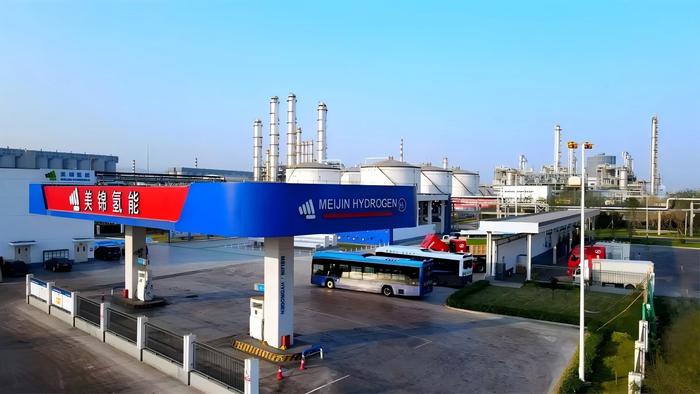
Core Viewpoint - Meijin Energy (000732.SZ) is expected to report a net loss of 480 million to 700 million yuan for the first half of 2025, showing a slight improvement from a loss of 683 million yuan in the same period last year, primarily due to declining coal and coke prices impacting profit margins [2] Group 1: Financial Performance - In 2022, Meijin Energy reported a net profit of 2.209 billion yuan, which plummeted to 289 million yuan in 2023, and further to a loss of 1.143 billion yuan in 2024, marking a year-on-year decline of 495.31% [2] - Revenue decreased from 24.6 billion yuan in 2022 to 19.031 billion yuan in 2024 [2] Group 2: Business Structure and Market Sensitivity - In 2024, Meijin Energy's coal and coke business accounted for 95.84% of its revenue, making it highly sensitive to fluctuations in coal and coke prices [3] - The International Energy Agency (IEA) predicts a 27% decline in global coal prices in 2025, further compressing traditional business profit margins [3] Group 3: Coke Price Trends - By the end of June 2025, the price of Shanxi premium dry coke fell to 1,225 yuan per ton, a decrease of 460 yuan per ton or 27.3% since early January, and down 845 yuan per ton or 40.82% year-on-year [3][4] - The decline in coke prices is attributed to weak demand from the steel industry and a surplus in supply, with expectations of a slow recovery in the second half of 2025 [4] Group 4: Hydrogen Energy Business - Meijin Energy has been strategically investing in the hydrogen energy sector since 2017, aiming to leverage its coke production to develop a complete hydrogen energy supply chain [5] - Despite being a leader in the hydrogen energy sector, the revenue contribution from this business remains low at 4.16% in 2024 [5] Group 5: Production and Sales Challenges - In 2024, the combined production of commercial vehicles from subsidiaries Feichi Technology and Qingdao Meijin was only 208 units, with total sales of 634 units, both showing a decline [6] - The hydrogen energy segment faced challenges due to policy changes, high hydrogen costs, and slow infrastructure development, leading to losses for both subsidiaries [6] Group 6: Project Delays - The completion of the Meijin Hydrogen Energy Headquarters Base Phase I has been postponed from June 2025 to June 2026 due to various construction delays [7] - The company has implemented measures to expedite project progress, including enhanced communication with contractors and increased resource allocation [7][8]


日本人犯了一个致命错误:当救命稻草的氢能,中国已经碾压式超越
Xin Lang Cai Jing· 2025-07-16 17:14
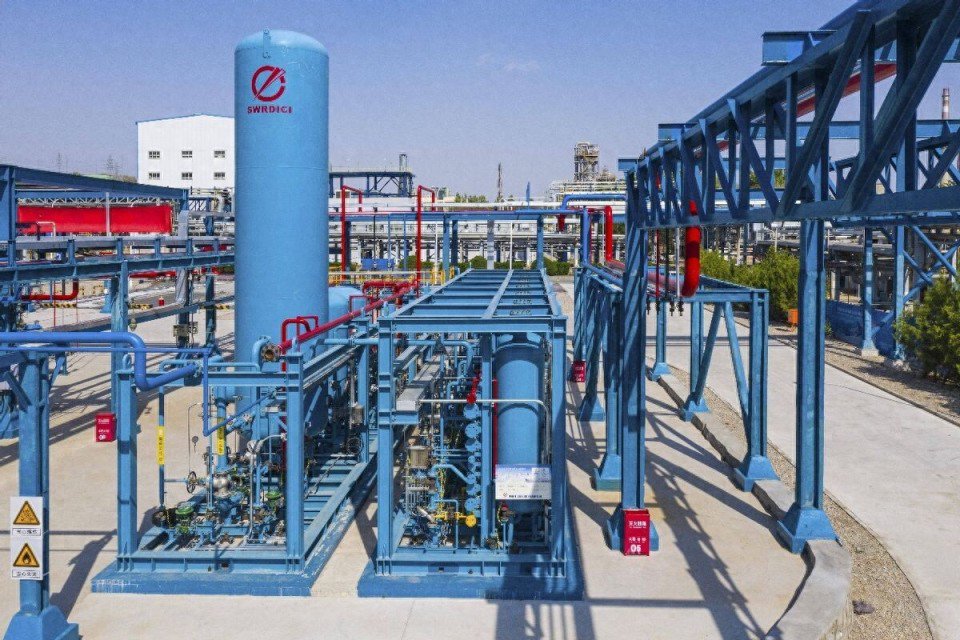
Core Viewpoint - Japan, which started developing hydrogen energy technology 50 years ago, is being surpassed by China in the hydrogen industry, particularly in patent competitiveness and production efficiency [1][3]. Group 1: Patent and Technological Development - The hydrogen industry can be divided into five areas: manufacturing, storage, transportation, supply, and safety management. China has surpassed Japan in four of these areas since 2020, with its annual patent application volume being twice that of Japan [3][5]. - China's strategic goal of achieving carbon peak by 2030 has provided clear direction for the hydrogen industry, contributing to its rapid development [3][5]. Group 2: Production Efficiency and Cost - China's manufacturing equipment for hydrogen production has become increasingly large-scale, leading to improved efficiency and reduced costs. The cost of hydrogen production equipment in China is only one-fourth of that in European countries [5][7]. - China currently holds 60% of the global electrolyzer manufacturing capacity, with green hydrogen production expected to reach 100,000 to 200,000 tons this year, exceeding previous targets [7][19]. Group 3: Market Dynamics - Japan's hydrogen market is limited, with only a few companies like Toshiba and Asahi involved, leading to a lack of competition and stagnation in the industry [9][11]. - In contrast, China's hydrogen market is characterized by intense competition, which has driven continuous development since the announcement of its hydrogen energy development plan [12][14]. Group 4: Demand and Application - China's hydrogen demand is expected to reach 40 million tons by 2030 and 130 million tons by mid-century, with industrial applications surpassing that of fuel cell vehicles [17][19]. - The introduction of hydrogen in industries like steelmaking is increasing demand, as companies like Baowu Steel Group adopt hydrogen to replace traditional energy sources [16][19]. Group 5: Comparison of Hydrogen Vehicle Development - Japan's ambitious target of 200,000 hydrogen fuel cell vehicles by 2023 has not been met, with only 8,283 vehicles sold by mid-2023, highlighting significant shortfalls in their planning [21][25]. - In contrast, China's hydrogen fuel cell vehicle ownership reached 13,700 by the end of 2022, with a focus on commercial vehicles, particularly heavy-duty trucks [26][28]. Group 6: Infrastructure Development - Japan's strategy of building hydrogen refueling stations has been flawed, with only about 200 stations constructed against a target of 900 by 2030, leading to consumer reluctance to purchase hydrogen vehicles [35][37]. - China is strategically developing hydrogen stations based on vehicle types, particularly for commercial vehicles, which allows for more efficient investment and infrastructure growth [30][32].
燃料电池销量阶段性放缓,氢能产业战略持续推进
Changjiang Securities· 2025-07-14 05:44
Investment Rating - The report maintains a positive investment rating for the hydrogen energy industry, indicating a favorable outlook [9]. Core Insights - The hydrogen energy industry is currently facing a bottleneck in development, leading to some market skepticism. However, significant policy support and major projects continue to advance the industry [2][6]. - The Chinese government has reiterated the importance of hydrogen energy alongside wind and solar power, emphasizing its integration into various applications [15][19]. - Major hydrogen projects are being launched, including the approval of a green hydrogen pipeline in Inner Mongolia and the commencement of the largest green hydrogen-ammonia project in Chifeng, marking a shift towards commercial operation [6][45]. Summary by Sections Industry Development - The hydrogen energy industry is experiencing strategic advancements, with ongoing major projects and policy support. The approval of the green hydrogen pipeline is expected to reduce transportation costs and enhance hydrogen consumption in North China [6][43]. - The production of green hydrogen and ammonia is entering a new phase, with significant projects being operationalized, such as the one in Inner Mongolia that aims for a production capacity of 320,000 tons of green ammonia annually [45]. Market Performance - The production and sales of hydrogen fuel cell vehicles have not met expectations, with a significant decline in both production (down 47.7%) and sales (down 46.8%) in the first half of 2025 compared to the previous year [12][40]. - The implementation of policies such as highway toll exemptions for hydrogen vehicles across multiple provinces aims to alleviate operational costs and stimulate demand [36][37]. IPO Activity - Companies like Dongyue Future Materials and Hongji Chuangneng have submitted IPO applications, indicating a growing acceptance of hydrogen energy firms in the capital market. This trend reflects the industry's maturation and the potential for further investment in key sectors [49][50].
从东方盛会到全球坐标——一枚纪念章背后的产业崛起史
Qi Huo Ri Bao Wang· 2025-07-14 04:35
Group 1 - The Shanghai Platinum Week has evolved into a global platform for the platinum group metals industry, marking its fifth anniversary with a commemorative medal that symbolizes its achievements and growth [1][16] - The event has successfully transitioned from a regional gathering to the third global hub for platinum, attracting significant international participation and showcasing China's increasing influence in the industry [5][10] - The first Shanghai Platinum Week in 2021 attracted 780 attendees and reached 40,000 online viewers, establishing a voice for China's platinum group metals sector [3][4] Group 2 - The second Shanghai Platinum Week in 2022 utilized a hybrid model to overcome pandemic challenges, while the third event in 2023 saw participation from 37 exhibitors and 500 representatives, with over 770,000 online views [4][12] - The 2024 event highlighted China's dominance in the global platinum market, with imports accounting for 41% of global demand and significant participation from international mining and financial institutions [5][6] - The 2025 Shanghai Platinum Week is positioned to address global challenges and promote cooperation in the platinum industry, featuring multiple forums and discussions on the future of platinum applications [11][15] Group 3 - The Shanghai Platinum Week has become a platform for innovation, with discussions on the development of platinum futures and the introduction of new trading standards [7][10] - The event has facilitated strategic partnerships, such as the collaboration between China National Gold Group and the World Platinum Investment Council, aimed at enhancing resource synergy and innovation in the platinum market [15] - The growing demand for platinum in hydrogen energy and automotive sectors is expected to drive future growth, with China leading in hydrogen production and consumption [14][12]
抢占氢能制高点!赤峰发力打造国家区域试点城市
Nei Meng Gu Ri Bao· 2025-07-13 13:28
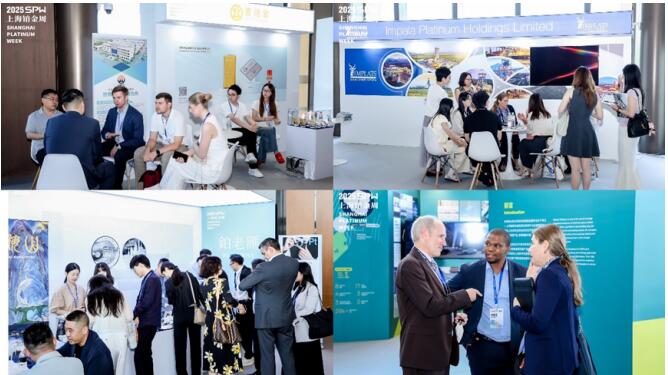
Core Insights - The launch of the first phase of the world's largest zero-carbon hydrogen ammonia project, with an annual capacity of 320,000 tons, marks significant progress in establishing Chifeng as a key energy and strategic resource base in China [1][8] - Chifeng's strategic location and abundant clean energy resources position it favorably for the development of the green hydrogen industry, with a potential annual renewable energy capacity exceeding 112 billion kilowatt-hours [1][3] - The Inner Mongolia government aims to accelerate the transition from green electricity to green hydrogen and ammonia, establishing a hydrogen energy industry zone and supporting infrastructure projects [1][3][8] Industry Development - Chifeng has invested 34.3 billion yuan in eight integrated wind-solar hydrogen and ammonia projects, which will yield an annual production capacity of 18,000 tons of green hydrogen, 600,000 tons of green ammonia, and 800,000 tons of green methanol upon completion [3] - The city is enhancing its hydrogen storage and transportation network, including high-pressure gas storage and long-distance pipelines to connect with major markets [4][8] - The first phase of the zero-carbon hydrogen ammonia project has attracted international interest, with a long-term procurement agreement signed with Japan's Marubeni Corporation for green ammonia [6][8] Future Goals - By the end of 2025, Chifeng aims to achieve an annual production capacity of 60,000 tons of green hydrogen and 320,000 tons of green ammonia, contributing to a billion-yuan hydrogen economy [8] - The city is also focusing on the development of innovative hydrogen applications, including the world's first hydrogen-ammonia gas turbine, which is expected to generate significant renewable electricity [6][8]

指数暴涨超100%!8.5万亿赛道,迎多重利好!
券商中国· 2025-07-10 06:28
Core Viewpoint - The hydrogen energy sector has experienced a significant surge in both A-share and Hong Kong markets, driven by positive developments in the U.S. market and favorable domestic policies [1][2][3]. Group 1: Market Performance - A-share hydrogen energy stocks saw a sudden rise, with companies like Meijin Energy and Jingcheng Shares hitting the daily limit, while others like Zhuoyue New Energy and Yihua Tong also experienced rapid gains [1][3]. - The U.S. hydrogen energy sector surged by 18%, with the hydrogen index increasing over 100% since April 21, driven by key players like Plug Power, which saw a 25% increase [2]. Group 2: U.S. Developments - The U.S. proposed expanding natural gas-based aviation fuel types, particularly synthetic kerosene produced from hydrogen and captured CO2, which could streamline hydrogen production at military bases [2]. - The U.S. Senate extended the 45V clean hydrogen production tax credit until the end of 2027, contributing to a significant rise in hydrogen stocks, including a 28.45% increase for Plug Power [2]. Group 3: Domestic Policy and Developments - Recent domestic developments include a strategic cooperation agreement between CIMC Anrui and Jiangsu Zhongchun Hydrogen Energy, focusing on green hydrogen and hydrogen transportation [4]. - Various provinces, including Fujian and Hunan, have released plans to accelerate hydrogen energy development, emphasizing the importance of hydrogen equipment and fuel cell vehicles [4][5]. - The national focus on transitioning the coal industry towards high-value products includes the development of hydrogen energy as part of a new energy system [5]. Group 4: Future Expectations - Analysts predict that 2025 will be a pivotal year for hydrogen energy policies, with expectations for increased project activity and commercialization in the sector [6]. - The year is also seen as crucial for fuel cell vehicle applications, with potential policy developments that could drive stock prices in the hydrogen sector [6].




Why Plug Power Stock Skyrocketed Today
The Motley Fool· 2025-07-09 15:18
Core Insights - Plug Power's shares surged by 19.4% following the announcement of an extended strategic partnership with a leading U.S.-based industrial gas company, which will supply liquid hydrogen at a reduced cost and enhance efficiencies in the hydrogen network [1][3]. Group 1: Deal Details - The strategic relationship between Plug Power and its partner has been extended through 2030, although specific details of the collaboration remain limited [3]. - The deal was facilitated by the recent passage of significant legislation, which is expected to provide strong market growth tailwinds in the near and mid-term [4]. Group 2: Financial Considerations - Despite the positive news surrounding the deal, Plug Power has a history of not posting profits, and the lack of concrete insights into how this deal will impact its financial condition raises concerns [4]. - Investors are advised to wait for the upcoming quarterly reports to assess any improvements in Plug Power's financials before making investment decisions [5].


海力达沈俊豪:氢能产业爆发点或在2028年之后
2 1 Shi Ji Jing Ji Bao Dao· 2025-07-08 05:32
Group 1 - The core viewpoint is that the hydrogen fuel cell vehicle industry is at a critical juncture, with the onboard hydrogen storage system being a key breakthrough for large-scale commercialization [1] - The CEO of Hailida, Shen Junhao, acknowledges that while hydrogen energy development has not met market expectations, the company continues to integrate hydrogen energy into its strategic deployment [1][4] - Hailida has established a comprehensive layout in the hydrogen energy sector, covering hydrogen production, storage, and application across various fields [1] Group 2 - Hailida has secured a foothold in the mid-low pressure valve products for hydrogen energy, with some products already leading the market [2] - The company is advancing the implementation of high-pressure valves and hydrogen injection modules, while also developing hydrogen storage controllers and software [2] - The value of valve products in the hydrogen storage segment is significant, particularly for pressure-reducing valves and bottle valves rated at 70 MPa [2] Group 3 - The hydrogen fuel cell vehicle market faces cost reduction challenges for hydrogen storage valves, influenced by the demand from OEMs [3] - Many OEMs may opt for industrial valves due to cost considerations, which do not meet automotive-grade standards [3] - Currently, the hydrogen storage valve market is predominantly occupied by imports from countries like Canada, Italy, and the United States [3] Group 4 - The increase in domestic companies entering the hydrogen valve market is accelerating the localization process [4] - Hailida's traditional automotive business has established a robust supply chain, R&D, and manufacturing capabilities, providing a solid foundation for its hydrogen energy business [4] - The diversification across hydrogen energy, traditional power systems, and thermal management enhances overall operational stability and sustainability for the company [4]
中电丰业将交付基于博世PEM电解槽的MW级制氢项目
势银能链· 2025-07-08 03:21
Core Viewpoint - The article discusses a strategic partnership between Bosch and Beijing Zhongdian Fengye Technology Development Co., Ltd. to enhance hydrogen production capabilities through the integration of Bosch's Hybrion PEM electrolyzer into Zhongdian Fengye's large-scale PEM hydrogen systems [2][4]. Group 1: Partnership Details - On July 7, Bosch and Zhongdian Fengye signed a framework agreement for Bosch to supply Hybrion PEM electrolyzers, which will be integrated into Zhongdian Fengye's large-scale hydrogen production projects exceeding 1 megawatt [2]. - This collaboration aims to expand Zhongdian Fengye's product offerings, leveraging the strengths of both global brands to meet the demands of hydrogen project developers, EPC contractors, and industrial clients for flexibility, scalability, and market responsiveness [2]. Group 2: Technical Specifications - The Hybrion PEM electrolyzer has a single cell input power of up to 1.25 megawatts, an output pressure of up to 34 bar, and can produce 23 kilograms of hydrogen per hour while maintaining high efficiency [4]. - Zhongdian Fengye plans to standardize the use of this electrolyzer in its 1.25 megawatt and 5 megawatt hydrogen systems, facilitating rapid deployment across various projects from energy storage to industrial decarbonization [4].

黄金狂飙后,铂金也在逆袭
36氪· 2025-07-07 11:02
Core Viewpoint - The article discusses the significant price increase of platinum in 2025, which has risen by 45.28% year-to-date, surpassing the performance of gold during the same period [4][3]. Group 1: Platinum Market Dynamics - Platinum prices have surged, with the Shanghai Gold Exchange reporting a price of 324.09 yuan per gram as of June 30, 2025, reflecting a substantial increase compared to the beginning of the year [5]. - The rise in platinum prices has led some jewelry brands to shift focus from gold to platinum, as consumer interest in gold jewelry has waned due to high inventory costs and reduced demand [8]. - The World Platinum Investment Council noted that over 10 new independent platinum jewelry showrooms have opened in Shenzhen's Shui Bei area, indicating a tripling in number [9]. Group 2: Demand and Consumption Patterns - Despite the rising prices, jewelry accounts for only 18% of platinum's total demand, and there are significant consumer challenges associated with platinum jewelry, such as difficulty in purity identification and limited recycling options [13][14]. - The cultural significance of gold in wedding ceremonies remains strong, with gold accounting for 58% of consumption in this context, while platinum lacks a comparable cultural foothold [15]. - Global platinum jewelry demand is projected to decline slightly, with estimates of 135 million ounces in 2024 and further down to 132.5 million ounces in 2025 [16]. Group 3: Supply and Industrial Demand - The volatility in platinum prices reflects a severe imbalance in supply and demand, influenced by factors such as South African supply uncertainties and the growth of the hydrogen industry [18][21]. - Historically, platinum prices peaked between 2000 and 2008 due to industrial demand, particularly from the automotive sector, but have since faced declines due to changes in production and market dynamics [19][20]. Group 4: Investment Opportunities - Companies involved in platinum recycling, such as Haotong Technology, have seen significant revenue growth, with a 129.46% year-on-year increase in Q1 2025 [23]. - The price increase has widened the profit margins for recycling and processing companies, suggesting potential for further profit growth as demand for platinum rises [25]. - The A-share market has reacted positively to these developments, with stocks of companies in the platinum industry, such as Guoyan Platinum and Haotong Technology, reaching near two-year highs [26]. Group 5: Risks for Retailers - Jewelry retailers face both opportunities and risks, as platinum jewelry typically offers higher margins compared to gold [28]. - However, there is a risk of overstocking if retailers misjudge market demand, which could lead to significant inventory devaluation if prices decline [28].