
人车家全生态

Search documents
小米集团-W(01810):汽车篇:新消费定义高端豪华,方法论支撑车攀巅峰
Changjiang Securities· 2025-04-29 11:15
Investment Rating - The report maintains a "Buy" rating for Xiaomi Group [11][13]. Core Insights - The "Self-Pleasing" new consumption concept supports the successful launch of the SU7, with the YU7 expected to replicate this success. Xiaomi is accelerating its layout of extended-range models, entering a strong product cycle, and is expected to achieve rapid sales of one million vehicles. Based on Xiaomi's steady growth trend in high-end penetration in its smartphone and IoT businesses, as well as the rapid ramp-up of its automotive segment, the projected net profit attributable to shareholders for 2025, 2026, and 2027 is estimated to be 35.404 billion, 51.653 billion, and 65.531 billion yuan respectively [4][11]. Summary by Sections SU7 Initial Success and YU7 Potential - The 200,000 to 300,000 yuan price segment for cars is continuously expanding, with the SU7 positioned accurately and establishing a mid-to-high-end brand tone, achieving an average monthly sales of 23,000 units since its launch. The YU7 is expected to target a larger market and leverage its comprehensive strengths to potentially become another bestseller [7][34]. Xiaomi's Methodology and Automotive Success - Xiaomi's success in the smartphone and IoT sectors has led to the development of a unique "User + Product + Technology + Efficiency" methodology. This includes a large fan base, self-developed motor and control technology, supply chain management to reduce production costs, and a focus on creating blockbuster products [8][9]. Strong Model Cycle and Sales Projections - The high-end market is expanding, with significant opportunities for domestic alternatives in the electric and intelligent vehicle sectors. The projected sales for the high-end passenger car market (priced above 200,000 yuan) in 2024 is 9.443 million units, a year-on-year increase of 4.8%. The CAGR for high-end market sales from 2020 to 2024 is 14.6%, with domestic brands expected to capture a growing market share [9][10]. Brand Synergy and Ecosystem Integration - The launch of the SU7 not only marks the realization of Xiaomi's car manufacturing plans but also extends its "Smartphone + AIoT" ecosystem strategy into the automotive sector. The interconnected ecosystem enhances user stickiness and drives revenue growth across other product lines, with the lifetime value of automotive users exceeding 230,000 yuan [10][11]. Investment Recommendations - The report emphasizes the potential for Xiaomi to replicate Tesla's profitability rhythm, with expectations for the automotive segment to turn profitable by 2025, and a projected net profit per vehicle exceeding 10,000 yuan [9][10].

小米集团-W(01810):人车家全生态积极增长
GOLDEN SUN SECURITIES· 2025-04-06 10:23
Investment Rating - The report maintains a "Buy" rating for Xiaomi Group [3][6] Core Views - Xiaomi Group achieved a record revenue of 365.9 billion CNY in 2024, representing a year-on-year growth of 35.0%. The adjusted net profit reached approximately 27.2 billion CNY, a 41.3% increase year-on-year [1] - The smartphone segment saw revenue of 191.8 billion CNY, growing by 21.8% year-on-year, while the IoT segment generated 104.1 billion CNY, up 30.0% year-on-year [2] - The automotive segment is projected to deliver 350,000 units in 2025, with the SU7 model delivering 136,854 units in 2024 [3] Summary by Sections Financial Performance - In 2024, Xiaomi Group's total revenue was 365.9 billion CNY, with a year-on-year growth of 35.0%. The adjusted net profit was 27.2 billion CNY, marking a 41.3% increase [1] - Revenue breakdown: Smartphones contributed 191.8 billion CNY, IoT contributed 104.1 billion CNY, and internet services contributed 34.1 billion CNY [2] Business Segments - Smartphones: Xiaomi holds the largest market share in the 4000-5000 CNY price range in China at 24.3% and ranks among the top three in smartphone shipments in 56 countries [2] - IoT: The IoT business achieved a revenue of 104.1 billion CNY with a gross margin of 20.3%, both reaching historical highs [2] - Automotive: The company aims to deliver 350,000 vehicles in 2025, with strong demand for the SU7 model and the upcoming YU7 SUV [3] Future Projections - Revenue forecasts for 2025-2027 are 452.3 billion CNY, 592.8 billion CNY, and 713.6 billion CNY, with respective year-on-year growth rates of 24%, 31%, and 20% [3] - Adjusted net profit for the core consumer electronics business is expected to grow to 36.2 billion CNY in 2025, with a year-on-year increase of 8% [3]
上市12年派现1340亿,美的清仓小米套现18亿,生态战争没有永远的朋友
Sou Hu Cai Jing· 2025-03-31 13:05
Core Viewpoint - The performance certainty of Midea Group has been highlighted amidst fluctuating market sentiments, with the company achieving record high revenues and profits in 2024, alongside significant shareholder returns through dividends and share buybacks [2][3][4]. Financial Performance - Midea Group reported a revenue of 409.1 billion yuan in 2024, a year-on-year increase of 9.5%, and a net profit of 38.5 billion yuan, up 14.3%, both reaching historical highs [2][3]. - The company's gross margin improved from 25.5% to 26.2%, and net margin increased from 9% to 9.5%, attributed to high-end product strategies and supply chain optimization [3]. - Operating cash flow for the year remained robust at 60.5 billion yuan, marking a historical peak [3]. Shareholder Returns - Midea announced a cash dividend of 35 yuan per 10 shares, totaling 26.7 billion yuan, which is nearly 30% higher than the previous year, with a payout ratio of approximately 70% of net profit [4]. - The company plans to repurchase shares worth 5 to 10 billion yuan, with over 70% intended for cancellation, reinforcing its commitment to shareholder value [4]. Business Segments - The smart home segment generated 269.5 billion yuan in revenue, accounting for 66.2% of total revenue, with a growth rate of 9.4% [3][7]. - The new energy and industrial technology segment saw the fastest growth, with revenue reaching 33.6 billion yuan, up 20.6% [3][8]. - B2B revenue surpassed 100 billion yuan for the first time, contributing 25.5% to total revenue, reflecting a significant increase from 18.5% in 2020 [8]. Strategic Moves - Midea has fully divested its holdings in Xiaomi, cashing out nearly 2 billion yuan, which reflects a strategic shift in response to increasing competition in the smart appliance sector [11][12]. - The company is focusing on a dual-driven strategy of "ToB + ToC" and enhancing its core business through increased R&D investment, which reached 16.2 billion yuan in 2024, up 11.31% [12][16]. Market Position - Midea has become the top global brand in smart home appliance sales in 2024, with significant market shares in various countries for its product lines [7][10]. - The company is leveraging its strong manufacturing capabilities and international partnerships to maintain high growth rates in exports [10]. Future Outlook - Midea's management emphasizes the need for "self-disruption" to face challenges, indicating a commitment to innovation and adaptation in a rapidly evolving market landscape [12][16]. - The company aims to continue its transformation from a traditional appliance manufacturer to a technology-driven enterprise, focusing on sustainable growth and competitive advantage [16][17].


这场论坛,车圈大佬集体出席!除了价格战和智能化,雷军、王传福、李想等还说了啥?
华尔街见闻· 2025-03-30 13:07
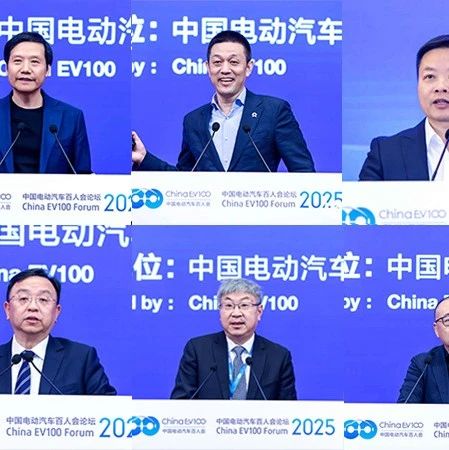
小米集团董事长雷军、比亚迪董事长王传福、理想汽车董事长李想、小鹏汽车董事长何小鹏、蔚来董事长李斌等一众车圈大佬齐聚一堂,共话汽车产业未来。 雷军强调"技术为本"、"人车家全生态"战略;王传福宣称中国新能源汽车领先全球3-5年;李想分享了理想汽车操作系统开源的创新举措;何小鹏则布局飞行汽 车,预计2026年实现量产交付。 雷军:小米汽车来得正是时候 作为首次参加电动汽车百人会论坛的新面孔,雷军成为备受关注的焦点。长安汽车副总裁邓承浩调侃道:"我们上一次热搜就像过年一样,但雷军基本天天过 年,有时候一天过几次年"。 2025中国电动汽车百人会论坛于3月28日-30日在北京钓鱼台国宾馆举行,本届论坛以"夯实电动化、推进智能化、实现高质量发展"为主题。 "技术为本,深耕底层技术,长期持续投入。"雷军在发言中表示,5年前小米决心5年投入1000亿元,财报显示实际投入达1050亿元,预计2025年研发投入将 超过300亿元,"只有海量投入才能真正把技术做好,把产品做好"。 针对外界对小米造车时机的质疑,雷军回应道:"这是一个新能源汽车的时代,也是国产品牌全面崛起的时代。所有人都说小米造车晚了,今天看来可能是刚刚 好。正是 ...
“我极为震撼”!雷军:有3个感谢
21世纪经济报道· 2025-03-29 13:41
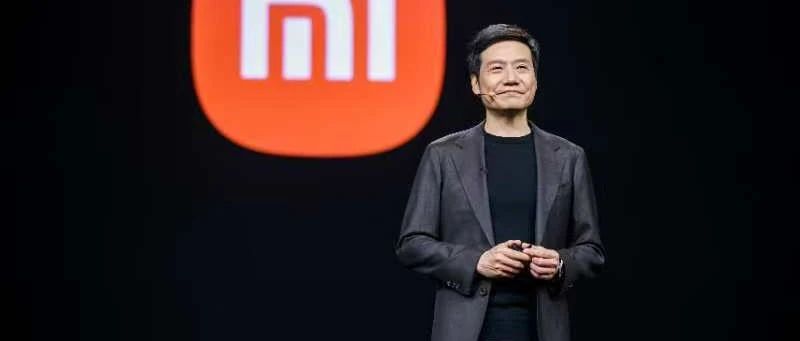
Core Viewpoint - Xiaomi has achieved a remarkable milestone by delivering 200,000 vehicles in less than a year, showcasing the support from users and the maturity of the industry [3][5]. Group 1: Company Performance and Strategy - Xiaomi's CEO Lei Jun expressed gratitude for the support from users and regulatory bodies, highlighting the collaborative effort within the industry that allowed Xiaomi to enter the automotive sector at an opportune time [3][5]. - The Xiaomi SU7 Ultra achieved over 10,000 orders within two hours of its launch, indicating strong market demand and early success in sales [5]. - Over the past five years, Xiaomi has invested approximately 105 billion yuan in research and development, with expectations to exceed 30 billion yuan in R&D spending this year [6][16]. Group 2: Financial Actions and Market Reactions - On March 25, Xiaomi announced a placement of 800 million shares to raise 425 million HKD, which is expected to improve its financial situation amid significant investments in its automotive business [7][15]. - The company's liquidity ratios, including a current ratio of 1.28 and a quick ratio of 0.93, are at their lowest since 2017, indicating concerns about short-term debt repayment capabilities [7]. - Historical data shows that after a previous share placement in December 2020, Xiaomi's stock price initially dropped by 7.1% but rebounded over 30% in the following three months, suggesting potential for recovery after the current placement [8][9]. Group 3: Future Outlook and Investment Focus - The funds raised from the share placement will be directed towards business expansion, technology development, and market growth, particularly in smart electric vehicles, high-end smartphones, and AIoT ecosystems [15][17]. - Xiaomi's revenue for 2024 is projected to reach 365.9 billion yuan, with a year-on-year growth of 35%, and an adjusted net profit of 27.2 billion yuan, reflecting a 41.3% increase [15]. - The company aims to leverage AI technology across its product lines, targeting the automotive, mobile, and home appliance markets, with a long-term strategy focused on innovation and high-quality growth [17].
3家消费公司拿到新钱;霸王茶姬提交招股书;羽衣甘蓝被茶饮品牌疯抢导致涨价|创投大视野
36氪未来消费· 2025-03-29 11:24
Mergers and Acquisitions - Quantum Song Group announced a merger investment cooperation with Letsvan, marking a significant entry into the trendy toy market and setting a record for financing in China's trendy toy industry in 2025 [3] - Letsvan will become a wholly-owned subsidiary of Quantum Song, with its financial data included in the group's consolidated financial statements [3] Financing Activities - Xidian Tea completed a Series A financing round of 30 million yuan, led by Guan Feng Yong Yue, aimed at expanding its smart production base and upgrading its international raw material traceability system [4][5] - Huiyi Technology, an internet home decoration service platform, raised several million yuan in Series A financing, which will be used for product iteration and market expansion [6] Company Intelligence - BaWang Tea Ji submitted an IPO application to the SEC, reporting a GMV of 29.5 billion yuan for 2024, a 173% increase year-on-year, with a net profit of 2.515 billion yuan, up 213.3% [7] - Shubao International, focusing on disposable hygiene products, went public with a share price of 0.51 HKD, raising approximately 86 million HKD [8] Market Trends - Cocoa prices have surged due to adverse weather and supply shortages, with Brazil aiming to establish the world's largest cocoa farm, expecting production to reach 300,000 tons by the end of the year [17] - The price of kale has increased from 0.8 yuan to 3.5 yuan per jin due to its popularity among tea brands, although experts warn about the nutritional claims of related products [22] Brand Developments - Lanvin clarified that its recent store closures in China are part of a strategic adjustment and that it will continue to invest in the Chinese market [11] - The second-hand market for luxury watches, including Rolex, has seen significant price drops, with some models losing nearly half their value [20]

雷军亮出新底牌:去海外再造一个小米
创业邦· 2025-03-27 03:11
Core Viewpoint - Xiaomi is expanding its international presence by opening physical stores and promoting its product ecosystem, aiming to establish a significant retail footprint globally, particularly in East Asia and Southeast Asia [4][5][20]. Group 1: Expansion Strategy - Xiaomi has opened its first physical store, "Xiaomi Home," in Tokyo, Japan, with plans to open 5-10 more stores in Tokyo by the end of the year [2][4]. - The company aims to establish 10,000 "Xiaomi Home" stores worldwide by 2029, which is seen as a strategic move to create a global retail network [4]. - Xiaomi's strategy includes not only mobile phones but also home appliances and automotive retail, leveraging its successful domestic retail model for international markets [4][5]. Group 2: Market Penetration - Xiaomi's overseas revenue reached 153.3 billion yuan, accounting for 41.9% of total revenue by 2024 [4]. - The company is focusing on the East Asian and Southeast Asian markets, where there are significant opportunities in the home appliance sector [5][24]. - In Japan, Xiaomi's product offerings include over 160 items, primarily smartphones and small home appliances, with plans to introduce larger appliances like refrigerators and air conditioners later in the year [11][12]. Group 3: Competitive Landscape - Xiaomi faces strong competition in Japan from established brands like Apple, Sony, and Panasonic, which dominate the market [15][22]. - The company is leveraging its competitive advantages in product design and pricing to appeal to Japanese consumers, who are increasingly seeking value for money [15][21]. - In South Korea, Xiaomi's market share in smartphones is currently low, but it is focusing on small home appliances where it can fill a gap in the market [18][22]. Group 4: Future Outlook - Xiaomi plans to expand its automotive business internationally, with Europe as the first target market, aiming to integrate its "smart home" ecosystem with automotive offerings [25]. - The company is also looking to capitalize on the growing demand for smart home products in Southeast Asia, where the market is still in a consumption upgrade phase [24][25]. - Xiaomi's strategy includes educating younger consumers in Southeast Asia about its products, as the region presents a significant growth opportunity compared to more mature markets like Japan and Korea [25].

小米集团-W(01810):生态优势稳,汽车绘蓝图
Ping An Securities· 2025-03-26 11:12
Investment Rating - The report gives a "Recommended" rating for Xiaomi Group [1] Core Views - Xiaomi Group is transitioning into a "people, car, and home" ecosystem, with the launch of its automotive business marking a significant step forward. The company aims to become one of the top five automotive manufacturers globally, with a target annual sales volume exceeding 6 million units [6][20][44]. Summary by Sections 1. Company Overview - Xiaomi Group, founded in 2010, has evolved from a smartphone manufacturer to a comprehensive technology ecosystem, now including electric vehicles. The first model, SU7, is set to launch in 2024, with a planned investment of $10 billion over the next decade for its automotive division [10][21]. 2. Automotive Business Vision - The SU7 model has received strong market interest, with a significant number of pre-orders. The company plans to introduce additional models, including the YU7 SUV, by mid-2025 [20][27]. - Xiaomi's automotive business is supported by strong internal resources and leadership from CEO Lei Jun, enhancing its market visibility and supplier confidence [6][40]. 3. Financial Projections - Revenue projections for Xiaomi Group show a significant increase, with expected revenues of 365.9 billion CNY in 2024 and 471.4 billion CNY in 2025, reflecting a year-on-year growth of 35% and 28.8% respectively [5]. - Net profit is projected to grow from 17.5 billion CNY in 2023 to 35.4 billion CNY in 2025, indicating a robust growth trajectory [5]. 4. Market Position and Strategy - Xiaomi maintains a strong position in the smartphone market, ranking third globally with a market share of 13.8% in 2024. The company is also expanding its IoT ecosystem, which is expected to enhance user engagement and brand loyalty [47]. - The automotive division is expected to leverage Xiaomi's existing brand reputation and global sales network, facilitating its entry into international markets by 2027 [44][46]. 5. Ecosystem Integration - The integration of automotive products into Xiaomi's existing ecosystem is seen as a unique advantage, allowing seamless connectivity between devices and vehicles. This "people, car, and home" ecosystem is anticipated to enhance user experience and drive sales across all product lines [6][22].
雷军,“王炸”来了!
21世纪经济报道· 2025-03-25 13:51
Core Viewpoint - Xiaomi Group has initiated a significant capital operation by announcing a placement of 800 million shares to raise HKD 4.25 billion, marking a major financing event in the Hong Kong stock market this year [3][10]. Group 1: Capital Operation Details - The placement is structured as a "old shares first, new shares later" mechanism, allowing Xiaomi to inject substantial funds while maintaining control through special voting rights associated with Class A shares [6][12]. - The placement price of HKD 53.25 per share represents a discount of 6.6% compared to the previous day's closing price, leading to a 6.32% drop in Xiaomi's stock price on the announcement day [7][15]. - The total market capitalization of Xiaomi fell to HKD 1.34 trillion following the announcement, with trading volume reaching HKD 71.8 billion, indicating high market activity [7][8]. Group 2: Financial Implications - The funds raised will be allocated towards business expansion, research and development, and market growth, reflecting Xiaomi's ambition to penetrate high-end markets and enhance its ecosystem [8][36]. - Xiaomi's R&D expenditure is projected to reach HKD 24.1 billion in 2024, a year-on-year increase of 25.9%, highlighting the company's commitment to innovation [9][43]. - The financial metrics indicate a need for improved liquidity, as Xiaomi's current ratio and quick ratio are at their lowest levels since 2017, suggesting challenges in short-term debt repayment capabilities [24]. Group 3: Market Reactions and Historical Context - Historical data shows that Xiaomi's previous placement in December 2020 led to an initial stock price drop of 7.1%, but the stock rebounded over 30% in the following three months due to improved market conditions and product performance [26][28]. - Investor sentiment remains cautious regarding potential dilution of shares, as the total share count will increase from 2.5116 billion to 2.5916 billion, resulting in a dilution of approximately 3.1% for existing shareholders [32][31]. - Institutional interest appears strong, with reports indicating that demand for the placement significantly exceeds the offered shares, suggesting confidence in Xiaomi's future prospects [35].
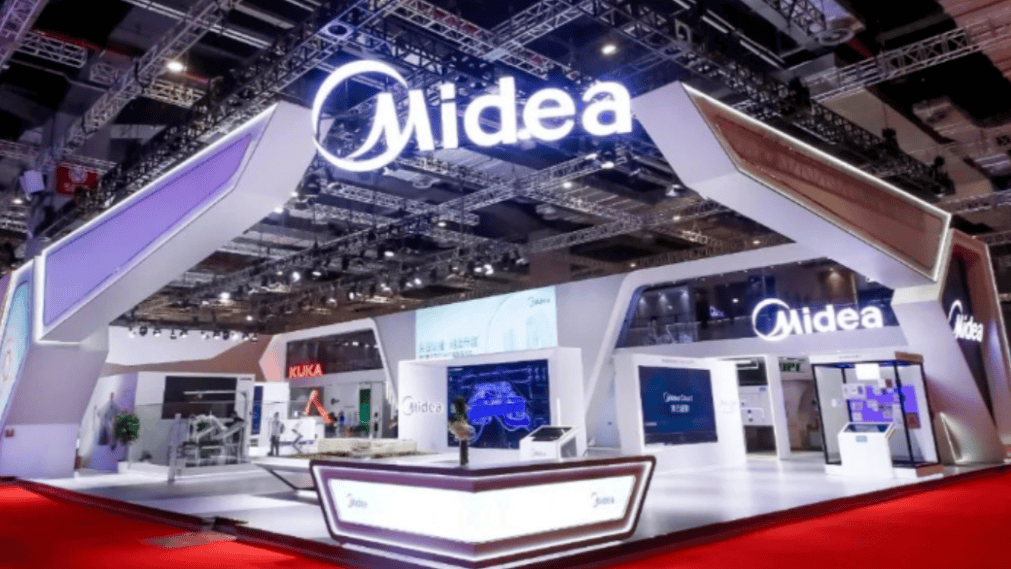
对话美的全屋智能负责人尚喆:全力进军AI背后 美的与华为鸿蒙的融合与挑战
Feng Huang Wang· 2025-03-25 13:34
Core Insights - The integration of AI technology into whole-home smart systems is redefining consumer perceptions of smart appliances, positioning companies that excel in this area as future leaders in the home appliance industry [1][2] - Midea Group has established an AI research institute and launched AI-powered products, indicating a strong commitment to deepening user experience through advanced technology [1][2] Group 1: Strategic Focus - Midea's core strategic driver for whole-home intelligence is to enhance the consumer experience by integrating various smart home products, including both smart appliances and home automation systems [2] - The upcoming upgrade of the Midea app aims to transform it into a comprehensive smart home integration platform, featuring a youthful design and enhanced AI capabilities [2] Group 2: AI Integration - Midea has developed its own AI model, "Meiyan," and is integrating multiple external models to optimize user experience across different scenarios [3] - The application of the DeepSeek model in Midea's air conditioning products allows for real-time adjustments based on environmental factors and user habits, enhancing comfort and energy efficiency [3][4] Group 3: Collaboration with Huawei - The partnership with Huawei has expanded from home appliances to energy management and vehicle-home integration, focusing on creating user-centric solutions [4] - Midea aims to simplify user interactions through NFC and other technologies, facilitating seamless connectivity between devices [4] Group 4: Ecosystem Development - Midea's ecosystem strategy emphasizes standardization in product integration and maintaining high safety and quality standards across its offerings [5] - The company envisions a dual role in the "people-vehicle-home" ecosystem, focusing on both software solutions and hardware development to enhance user experience [6] Group 5: Industry Implications - Midea's approach to ecosystem development, characterized by "bringing in" and "going out," highlights the importance of collaboration with various technology partners to create a cohesive smart home experience [7]