
内卷式竞争

Search documents
谁都能骑在旅行社的头上?“内卷式”竞争的结局
Sou Hu Cai Jing· 2025-08-07 13:21
Core Insights - The article discusses the negative impact of cutthroat competition in the study tour market, emphasizing the need for collaboration rather than price wars [4][5][8] - It highlights the importance of service quality in the tourism industry, suggesting that poor service leads to a loss of consumer trust and ultimately harms businesses [5][6] Group 1: Industry Competition - The study tour market is experiencing a downturn due to intense competition, which has led to a decline in product quality and consumer trust [4][5] - The article contrasts the current situation in the study tour sector with price wars in other industries, noting that the latter often maintains product quality while the former does not [4] - The ongoing price competition is unsustainable and has resulted in a vicious cycle of negative profits and declining service quality [5][6] Group 2: Collaboration and Strategic Partnerships - The article advocates for a collaborative approach between study tour institutions and travel agencies, highlighting the strengths each can bring to the table [4][8] - Successful partnerships, such as the collaboration between a travel agency and a STEAM education institution, have shown that strategic cooperation can lead to higher profit margins [8] - The concept of "cooperation for mutual benefit" is rooted in ancient wisdom and is presented as a viable solution to current industry challenges [8][9] Group 3: Industry Events - The article mentions the recent travel business study tour summit held on August 28, which aimed to promote the idea of cooperation among industry players [9] - Various exhibitors, including travel agencies and educational institutions, participated in the summit to explore potential partnerships and share insights on the future of study tourism [10][12][16]


对话北大薛军:治理平台内卷式竞争,应注重平衡多方主体利益
Sou Hu Cai Jing· 2025-08-07 09:40
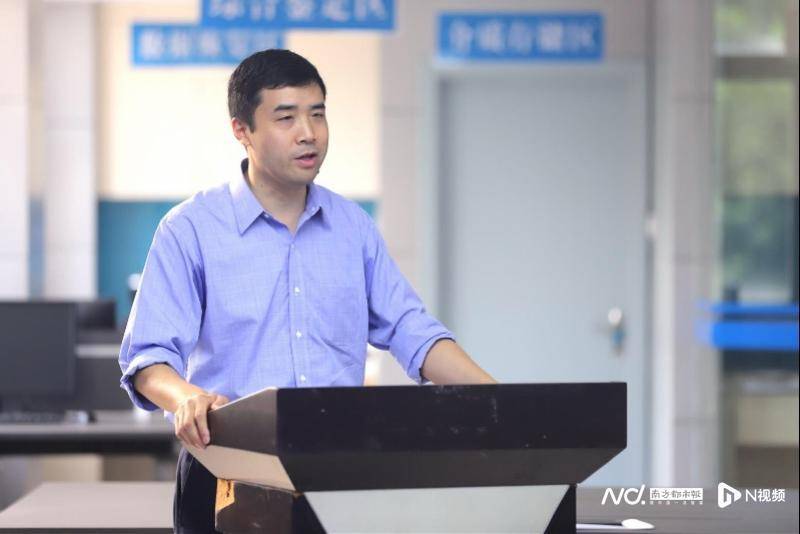
图为北京大学教授薛军(受访者供图) 在接受南都采访时,薛军强调,应避免将"内卷式"竞争这一概念予以标签化,不能将企业的所有的竞争行为都视 为"内卷",而是要具体问题具体分析。对于平台"慷他人之慨",转嫁补贴成本,强制或变相强制商家参与补贴活 动,监管部门应及时介入纠正,甚至立案调查;但如果不触及法律,则应当尊重企业在价格竞争方面的自主经营 权。薛军还认为,在推进平台生态治理中,应注重平衡保护以及兼顾平台、平台内经营者、消费者等多方主体的 利益。 治理 "内卷式"竞争不应标签化 近两年来,治理"内卷式"竞争引发高度关注。从光伏、汽车、水泥、钢铁再到电商、金融等领域,"反内卷"浪潮 席卷多个行业。 7月30日召开的中央政治局会议明确,依法依规治理企业无序竞争,推进重点行业产能治理,规范地方招商引资行 为。在纵深推进全国统一大市场建设的背景下,反"内卷式"竞争进一步落实落细。 破除"内卷式"竞争,如何规范地方政府和企业行为?平台告别"内卷"竞争的出路在哪里?日前,南都·反垄断前沿 专访多位业内专家,策划推出反"内卷式"竞争系列对话。北京大学法学院教授、北大电子商务法研究中心主任薛 军长期关注电商领域,是《电商法》起 ...
防止出海“内卷” 多家涉外商会制定自律规则
Zhong Guo Jing Ying Bao· 2025-08-07 09:22
Core Viewpoint - The Chinese government and industry associations are strengthening self-regulation among overseas contractors to avoid low-price competition and ensure high-quality development in international markets [2][3]. Group 1: Industry Self-Regulation - The China International Contractors Association is implementing self-regulation rules to maintain order in overseas operations and prevent low-price competition [2]. - A self-regulation mechanism for overseas investment in the renewable energy sector has been established under the guidance of the National Development and Reform Commission [2][3]. - The establishment of the photovoltaic industry self-regulation committee aims to enhance self-discipline in the export of photovoltaic products [3]. Group 2: Competitive Practices - The initiative published by the China Electromechanical Products Import and Export Chamber emphasizes fair competition, capacity control, technological innovation, and adherence to self-regulation agreements [3]. - The National Development Bank is promoting collaboration among banks, insurance, and investment institutions to mitigate costs associated with competition and enhance risk management capabilities [3].

百胜中国公布第二季度财报;百福控股拟出售遇见小面1.71%股权
Sou Hu Cai Jing· 2025-08-07 02:03
Group 1 - Yum China reported strong Q2 performance with record operating profit and revenue, achieving a 14% year-on-year increase in operating profit and a total revenue of $2.8 billion, up 4% year-on-year [2] - The company added 336 new stores in Q2, bringing the total to 16,978, with KFC accounting for 12,238 and Pizza Hut for 3,864 [2] - CEO Joey Wat emphasized the competitive nature of the Chinese market and stated that the company will not engage in "buying sales" strategies [2] Group 2 - Baifu Holdings announced the sale of a 1.71% stake in Guangzhou Yujian Xiaomian for 48 million yuan, reducing its ownership from approximately 17.16% to 15.46% [3] - The transaction was completed on August 5, 2025, and the target company will continue to be accounted for as an associate [3] Group 3 - Meituan launched a support plan for small and medium-sized merchants, aiming to provide financial assistance to over 100,000 small restaurants by the end of the year, with individual support up to 50,000 yuan [6] - The Beijing Catering Industry Association issued a call to resist "involutionary" competition, highlighting its negative impact on market order and sustainable development [8]
协会倡议 北京餐饮业远离“补贴换流量”
Bei Jing Shang Bao· 2025-08-06 16:05
Core Viewpoint - The Beijing Catering Industry Association has issued a formal initiative to jointly resist "involution-style" competition and maintain a fair market order, emphasizing the need for the entire industry to adhere to ethical standards and reject irrational competition [1][3]. Group 1: Resistance to Irrational Competition - The initiative calls for companies to avoid predatory pricing below cost to eliminate competitors and not to force downstream partners to bear unreasonable subsidy burdens [4][6]. - It emphasizes the rejection of monopolistic behaviors such as "choose one" and exclusive cooperation that restrict competition [4][6]. - Companies are urged to eliminate practices that compromise quality, such as cutting corners or misleading consumers through false advertising and extreme low-price promotions [4][5]. Group 2: Addressing Negative Impacts of Involution - The initiative highlights that the current "involution" competition has severely disrupted fair market order, harmed consumer rights, and squeezed reasonable profit margins for businesses, threatening sustainable industry development [3][5]. - It stresses the importance of moving away from short-sighted price competition and focusing on sustainable business practices that enhance core competitiveness [5][6]. Group 3: Compliance and Self-Regulation - Companies are encouraged to conduct compliance self-checks against relevant laws and regulations, such as the Anti-Monopoly Law and the Anti-Unfair Competition Law, to identify and rectify potential risks [6][7]. - The initiative calls for the establishment of internal compliance management systems and regular employee training to prevent systemic risks [6][7]. Group 4: Collaborative Industry Ecosystem - The initiative advocates for maintaining symbiotic relationships within the supply chain, ensuring fair transactions, and safeguarding the rights of upstream and downstream partners [7]. - It encourages companies to respond to social responsibilities by providing safe working conditions and promoting green logistics to reduce resource waste [7][8]. - The association emphasizes that there are no winners in vicious competition, and a fair and healthy competitive environment is essential for long-term growth and stability in the industry [7][8].
抵制“内卷”恶性竞争 北京餐饮行业协会发倡议守护行业根基
Bei Jing Shang Bao· 2025-08-06 09:51
Core Viewpoint - The Beijing Catering Industry Association has issued a formal initiative to jointly resist "involutionary" competition, aiming to maintain fair market order and promote sustainable development in the industry [1] Group 1: Industry Challenges - The initiative highlights that "involutionary" malicious competition disrupts fair market order, harms consumer rights, squeezes reasonable profit margins for businesses, and undermines sustainable industry development [1] - It emphasizes that such competition is a significant obstacle to improving the overall economy [1] Group 2: Guidelines for Fair Competition - The initiative calls for the industry to adhere to bottom lines and resist irrational competition, including prohibiting below-cost pricing to eliminate competitors and using market dominance to impose unreasonable subsidies on partners [2] - It also discourages practices like "choose one" and exclusive cooperation that limit competition, and mandates strict compliance with national laws and standards to ensure quality and service [2] Group 3: Enhancing Core Competitiveness - Companies are urged to abandon short-sighted price competition and focus on value creation and innovation, investing in technology development, product upgrades, and brand building [3] - The initiative encourages the use of advanced technologies like big data and AI to enhance efficiency and create differentiated competitive advantages [3] Group 4: Corporate Responsibility and Compliance - Companies are required to conduct compliance self-checks against relevant laws and regulations, establish internal compliance management systems, and enhance transparency in operations [4] - The initiative stresses the importance of accepting social supervision and fulfilling information disclosure obligations [4] Group 5: Collaborative Industry Ecosystem - The initiative promotes maintaining symbiotic relationships within the supply chain, advocating for fair trading and timely payments to ensure supply chain resilience [5] - It also emphasizes the importance of social responsibility, including providing safe working conditions and supporting national carbon reduction goals [5] - The association concludes that there are no winners in vicious competition, and a fair and healthy competitive environment is essential for long-term industry growth and economic stability [5]
银行业“反内卷”持续升级
Di Yi Cai Jing Zi Xun· 2025-08-06 03:46
Core Viewpoint - The banking industry is undergoing a significant shift to combat "involution" competition, with various regional banking associations implementing self-regulatory measures to promote rational development and eliminate unethical practices such as commission payments to intermediaries [3][4][9]. Group 1: Involution Competition - "Involution" competition refers to low-level, homogeneous competition in a saturated market, characterized by blind expansion, price wars, and excessive marketing [4][6]. - Practices such as "rebate grabbing" and "dark box operations" are prevalent, where banks pay commissions to intermediaries to attract customers, often bypassing regulatory constraints [4][5][8]. - The phenomenon leads to "bad money driving out good," damaging the industry's ecological environment and distorting resource allocation at the macro level [7][8]. Group 2: Causes of Involution - The persistent "involution" in the banking sector is attributed to multiple factors, including a significant decline in net interest margins and the pressure to maintain stable income and profits [7][8]. - Banks often prioritize scale and speed in performance evaluations, leading to practices like price competition and high commission payments to attract clients [7][8]. - Weak deposit growth forces banks to rely on high-cost interbank liabilities, increasing pressure on funding and leading to gray channel subsidies [8]. Group 3: Regulatory Responses - Various banking associations have previously attempted to curb "involution" by prohibiting commission payments and related fees, but these measures have not fully addressed the issue [9]. - Experts suggest that overcoming "involution" requires a three-dimensional governance framework involving regulatory guidance, industry collaboration, and institutional transformation [9]. - The transition from a focus on scale to value creation is essential for the long-term health of the banking industry, despite potential short-term challenges [9].

外卖平台内卷式竞争造成的扭曲亟需纠正
Zhong Guo Jing Ji Wang· 2025-08-06 03:32
第三,消费而不浪费这句话,在这种内卷式竞争情境下已成为空谈。因为补贴到价格极低、就差不要钱 的水平,众多消费者特别是有情绪化特征的年轻人动辄购买一冰箱的奶茶咖啡等,很明显是要造成浪费 的。有人可能会说,毕竟这些东西是自己挣钱自己买,原则上只要自己愿意就行,但制造这些商品所使 用的原材料和相关资源、扔掉这些商品所产生的垃圾、回收这些塑料制品所发生的公共治理成本,其实 都是消费浪费所带来的社会综合成本,而不仅仅是花掉的那几块钱。 第四,长时间、大规模、高力度的补贴,对市场秩序势必产生扭曲畸形和对市场主体的伤害。尤其是市 场上的供给者,也就是商户,会身不由己地落入当下或中长期的困窘境地。首先,从中国连锁经营协会 数据看,连锁餐饮品牌门店商数在全国餐饮门店总量中占比不足三成,平台补贴的主要对象也基本是针 对连锁餐饮品牌的,其他2/3以上比重的大量小、散、单店事实上并未或极少获得平台补贴。这其实使 多数相关商户迅速落入市场份额收缩困难处境的负面影响。其次,这种变化对市场交易原本所依托的相 关行业生态又将产生一个像中长期外延传导的负面影响:因为从消费者行为考察,消费者对价格高低的 感受是具有较长延续性的,一旦习惯餐饮业的 ...
北京餐饮协会倡议:联合抵制“内卷式”竞争,不得通过“先涨价后补贴”等方式误导消费者
Xin Lang Ke Ji· 2025-08-06 03:09
登录新浪财经APP 搜索【信披】查看更多考评等级 北京市餐饮行业协会 8 月 5 日发布倡议书指出,"内卷式"恶意竞争会严重扰乱公平竞争的市场秩序,损 害消费者合法权益,挤压企业合理利润空间,侵蚀行业可持续发展的根基,更阻碍整体经济的提质增 效。 倡议书提出,规范价格与补贴:不得为排挤竞争对手或独占市场,以低于成本的价格倾销;不利用市场 优势地位强制交易相对方(如下游商家、供应商)承担不合理比例的补贴份额;不通过"流量倾斜""搜 索降权"算法等手段变相强制参与非自愿的价格战;坚决抵制排除、"二选一""独家合作"等排除、限制 竞争的垄断行为。 以下为倡议书全文: 北京市各餐饮企业: "内卷式"恶意竞争,会严重扰乱公平竞争的市场秩序,损害消费者合法权益,挤压企业合理利润空间, 侵蚀行业可持续发展的根基,更阻碍整体经济的提质增效。为积极响应国家关于建设全国统一大市场、 维护公平竞争、推动高质量发展的政策导向,坚决遏制"内卷式"竞争的蔓延,守护行业健康生态,促进 全体会员及相关企业实现长期稳健发展,特发出如下郑重倡议: 保障质量与服务:严格遵守国家法律法规和强制性标准,坚决杜绝因成本压缩导致的偷工减料、以次充 好、服 ...
治理“内卷式”竞争!多部门“组合拳”发力!
Zheng Quan Shi Bao· 2025-08-06 00:22
Group 1 - The core viewpoint emphasizes the need for a unified national market to combat "involution" in various industries, which has led to unhealthy competition and profit sacrifices among companies [1][4][11] - The government is implementing a series of measures to address "involution" by promoting fair competition and optimizing resource allocation, which is crucial for the construction of a unified national market [2][5][10] - The recent policies focus on both constraints and guidance, including prohibiting local governments from offering unfair incentives and promoting mergers and technological innovation in key industries [5][6] Group 2 - The regulatory framework is evolving, with new laws such as the revised Anti-Unfair Competition Law aimed at preventing predatory pricing and ensuring fair competition among businesses [8][9] - The government is actively seeking to break down local protectionism and market barriers, which are significant obstacles to the establishment of a unified national market [10][11] - Initial results from the government's "combination punches" against "involution" have shown improvements in capacity management and pricing rationality in industries like steel, automotive, and e-commerce [11]