
区域协调发展

Search documents
四川锚定“一极一源、两中心两地” 推进成渝双城经济圈建设和“五区共兴”发展
Zhong Guo Fa Zhan Wang· 2025-11-28 03:49
Group 1 - The core viewpoint is that Sichuan Province aims to leverage the Chengdu-Chongqing economic circle to promote high-level regional coordinated development during the 14th Five-Year Plan period [2][3] - Sichuan will focus on the "one pole, one source, two centers, and two places" target positioning, coordinating the development of the economic circle and the "five districts" [2] - The provincial government plans to deepen all-round cooperation with Chongqing to implement major national strategic decisions and enhance the development capacity of the economic circle [2][3] Group 2 - The strategy includes enhancing Chengdu's development level and radiation capacity, establishing a park city demonstration area, and strengthening core functions [3] - The plan emphasizes building provincial economic sub-centers and regional center cities to support major productivity layouts and establish regional medical and educational centers [3] - The initiative aims to improve regional spatial patterns and promote efficient flow of factors, enhanced openness, and industrial transformation during the 14th Five-Year Plan [3][4] Group 3 - Key transportation projects like the Chengdu-Chongqing middle line and Chengdu-Dazhou-Wanzhou high-speed railway are expected to be completed during the 14th Five-Year Plan, facilitating easier travel between the two core cities [4] - The development of multi-modal transport ports along the Yangtze River and Min River is anticipated to enhance the economic development level of Sichuan Province [4] - The government plans to guide population and industry to concentrate along major rail and water transport corridors, transforming transport corridors into economic corridors [4]

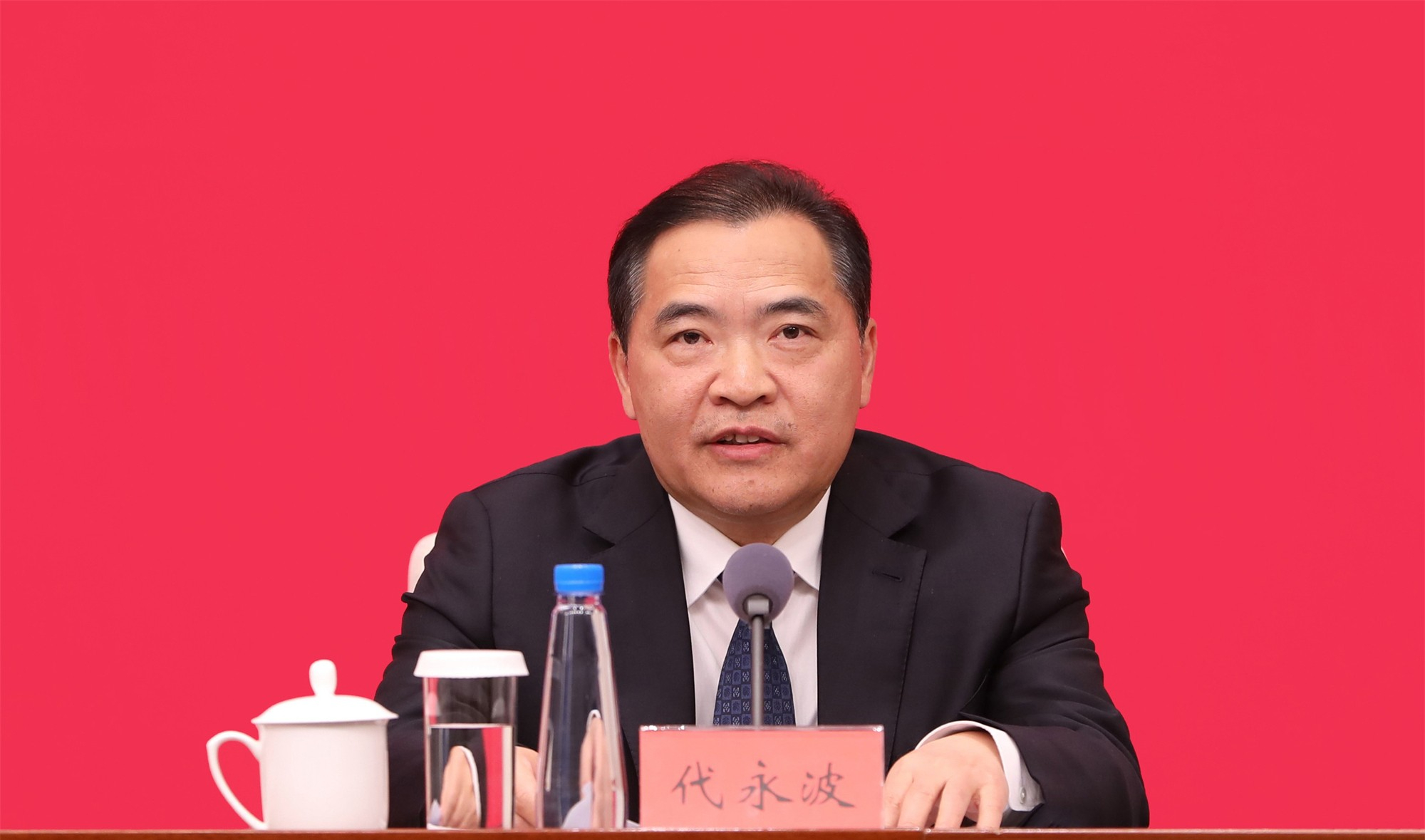
破解省内发展不平衡,中西部第一大省要用新手段
Di Yi Cai Jing· 2025-11-28 02:33
Core Insights - The "15th Five-Year" plan for Sichuan aims to address regional development imbalances and enhance high-quality growth through new policy approaches [1][2] - Sichuan will focus on strengthening the provincial economic sub-centers and promoting regional collaborative development via river and corridor economies [1][3] Group 1: Development Strategies - The plan emphasizes "core leadership" by enhancing Chengdu's development capabilities and promoting it as a model for new development concepts [2] - "Secondary support" involves building strong provincial economic sub-centers and regional cities to facilitate major productivity layouts and establish centers for healthcare, education, and innovation [2] - The strategy of "competitive development" aims to boost the vitality of various cities and promote economic growth in central Sichuan and the Anning River region [2] Group 2: Infrastructure and Connectivity - The "15th Five-Year" period will see the completion of key transportation projects, enhancing Sichuan's connectivity and facilitating efficient flow of resources and open markets [3] - Major railways and waterways, such as the Chengdu-Chongqing railway and the Yangtze River shipping routes, will improve regional economic ties and support the development of a multi-modal transport hub [3] - The plan aims to transform transportation corridors into economic corridors, optimizing the layout of population and industries along these routes [3]
四川:“十五五”期间统筹推进成渝地区双城经济圈建设和“五区共兴”
Zhong Guo Xin Wen Wang· 2025-11-28 02:01
Core Viewpoint - During the "14th Five-Year Plan" period, Sichuan aims to lead high-level regional coordinated development through the construction of the Chengdu-Chongqing economic circle, focusing on the goals of "one pole, one source, two centers, and two places" [1] Group 1: Development Strategy - Sichuan will deepen comprehensive cooperation with Chongqing, enhancing the development capabilities of the Chengdu-Chongqing economic circle [1] - The province will increase its efforts in regional development coordination, promoting a higher level of coordinated development across the province based on the strategy of "core leadership, secondary support, competitive development, and regional collaboration" [1] Group 2: Infrastructure and Connectivity - A series of railway and waterway channels will be completed during the "14th Five-Year Plan," forming a more integrated transportation network that facilitates efficient flow of factors and enhances the level of openness and industrial transformation [1] - Key projects like the Chengdu-Chongqing intercity railway and Chengdu-Dazhou-Wanzhou high-speed railway will improve transportation convenience between the two core cities, promoting economic ties along the routes [2] - The bottlenecks in shipping channels such as the Yangtze and Min rivers are expected to be resolved, enhancing the connectivity of the Yangtze River Golden Waterway to the Chengdu Plain and forming a multi-modal transport port cluster in the upper reaches of the Yangtze River [2] Group 3: Economic Corridor Development - Sichuan plans to guide population, industry, and major productive forces to gather and optimize along important railway and waterway corridors, transforming transportation corridors into economic corridors [2] - This initiative aims to promote the coordinated development of surrounding areas, enhancing the population carrying capacity and industrial development levels of cities along these routes [2]
以生态补偿制度创新推进区域协调发展
Zhong Guo Huan Jing Bao· 2025-11-28 01:51
Core Viewpoint - The 20th Central Committee of the Communist Party of China emphasizes accelerating the comprehensive green transformation of economic and social development to build a beautiful China, highlighting the importance of an ecological compensation system for achieving ecological protection and regional coordinated development [1] Group 1: Constructing a Win-Win Ecological Compensation Model - The traditional "unidirectional compensation" model, which primarily focuses on financial payments, leads to "compensation dependency" and weakens intrinsic motivation for ecological protection [2] - A shift from "who pollutes, who governs" to a "who protects, who benefits; who benefits, who compensates" dual logic is proposed to enhance cooperation between protected areas and beneficiary areas [2] - Industry cooperation can create a shared benefits mechanism, as seen in the collaboration between Lishui, Zhejiang, and surrounding economically developed areas to build green industrial parks, allowing both parties to share tax revenues and economic benefits [2] Group 2: Empowering with Technical Support - Technical and talent shortages are core issues limiting ecological protection capabilities in protected areas [3] - A "funding package + technical package + talent package" mechanism is suggested to enhance long-term governance capabilities through technology transfer and capacity building [3] - This approach not only provides short-term support but also fosters deep integration of cross-regional collaboration and ecological governance [3] Group 3: Scientific Quantification of Ecological Compensation Standards - Fairness and efficiency are central to ecological compensation, yet traditional standards often overlook the overall value of ecosystem services and opportunity costs [4] - A systematic accounting approach is needed to ensure the compensation standards are fair and sustainable, covering the basic operational costs of protected areas [4] - The evaluation of ecosystem service values, such as carbon sequestration and biodiversity, is essential for aligning compensation amounts with ecological contributions [5] Group 4: Expanding Channels for Realizing Ecological Value - Current ecological value realization efforts are limited to pilot areas and lack a systematic mechanism for broader promotion [7] - A comprehensive policy framework is necessary to enhance the fairness and operability of ecological compensation, providing stable funding support for ecological protection [7] - Innovative market mechanisms, including carbon trading and ecological product pricing, are crucial for unlocking ecological potential and achieving a win-win situation for ecological protection and economic benefits [7][8]
一朵菇的“双城记” 稠州银行“贷”动产业跨域新生
Mei Ri Shang Bao· 2025-11-28 00:17
Core Insights - The article highlights the successful collaboration between Zhejiang Chouzhou Commercial Bank and mushroom farmers from Qingyuan, showcasing how financial support can facilitate industry transfer and empower local economies [1][2][3] Group 1: Industry Transfer and Financial Support - Qingyuan is recognized as the origin of cultivated mushrooms, with a significant cultural and economic impact, while Pingquan has developed a robust mushroom cultivation industry, producing over 700 million mushroom sticks annually [2] - The bank has established a specialized service team to address the financial needs of Qingyuan farmers in Pingquan, providing tailored financial solutions such as the "Anxin Loan," which is unsecured and based on credit [2][3] Group 2: Financial Services and Impact - Chouzhou Bank has created a comprehensive service system that supports the entire mushroom production chain, from procurement to market sales, ensuring financial backing at every stage [3] - The bank has provided over 50 million yuan in financial support to Qingyuan farmers in Pingquan, benefiting 120 clients within the industry chain [3]
构建区域协调发展系统框架
Xin Hua Ri Bao· 2025-11-27 21:11
Core Viewpoint - The article emphasizes the importance of regional coordinated development as an intrinsic requirement of Chinese modernization, aiming to address the issues of unbalanced and insufficient development across different regions of China [1][2]. Group 1: Regional Coordinated Development Strategy - The strategy focuses on "balance and coordination," primarily addressing the development disparities between eastern, central, and western regions, as well as between the north and south [1]. - The proposal aims to promote a new pattern of development in the western region, achieve breakthroughs in the revitalization of the northeast, accelerate the rise of the central region, and advance modernization in the eastern region [1]. Group 2: Major Regional Strategies - The major regional strategies aim to "lead and break through," with national strategies such as the coordinated development of Beijing-Tianjin-Hebei, Yangtze River Delta integration, and the Guangdong-Hong Kong-Macau Greater Bay Area serving as key drivers for high-quality development [1]. - The proposal emphasizes the need to consolidate and enhance the high-quality development roles of these major regions while promoting ecological protection strategies in river basins [1]. Group 3: Main Functional Area Strategy - The main functional area strategy focuses on "positioning and constraints," categorizing urbanization areas, major agricultural production areas, and key ecological function areas based on resource and environmental carrying capacities [2]. - The implementation paths outlined in the proposal aim to provide precise policy support for ecologically fragile and resource-rich areas [2]. Group 4: New Urbanization Strategy - The new urbanization strategy highlights "quality improvement and integration," with a focus on human-centered urbanization [2]. - By the end of 2024, the urban population in China is projected to reach 943.5 million, with an urbanization rate of 67.00%, reflecting a 3.11 percentage point increase since the end of 2020 [2]. Group 5: Synergistic Effects of the Four Strategies - The synergistic effects of the four strategies are manifested in policy coordination, spatial integration, and functional complementarity [2]. - The regional major strategies serve as the engine, the regional coordinated development strategy as the goal, the main functional area strategy as the regulatory baseline, and the new urbanization strategy as the spatial carrier, collectively forming a systematic framework for regional development in China [2].
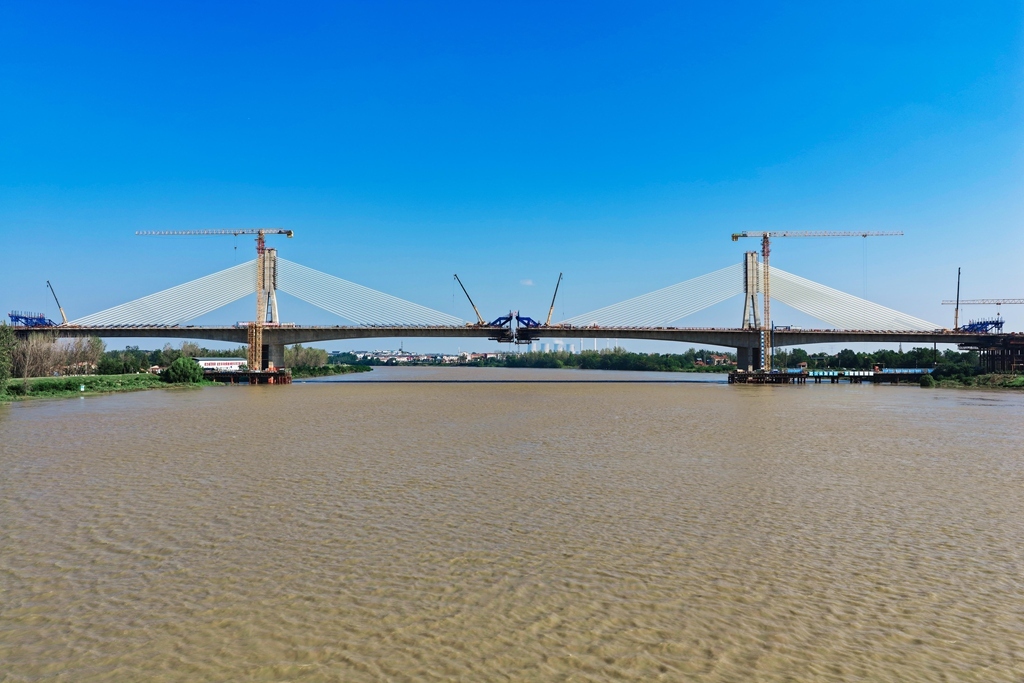
武天高速冲刺年底建成 武汉至天门车程将缩短至1小时
Chang Jiang Ri Bao· 2025-11-27 01:09
Core Viewpoint - The construction of the Wutian Expressway is nearing completion, which will significantly enhance connectivity in the Wuhan economic circle and promote regional development [1][3]. Group 1: Project Progress - The Wutian Expressway's construction is in a critical phase, with the middle asphalt layer completed at 82% and the upper layer at 46% [2]. - The Ma口汉江 Bridge is undergoing final construction efforts, with workers engaged in concrete pouring and steel reinforcement [2][4]. Group 2: Economic Impact - The expressway will reduce travel time from Wuhan to Tianmen from 2 hours to 1 hour, facilitating the integration of Tianmen into the "1-hour economic circle" of Wuhan [3]. - The Wutian Expressway is a vital part of the national comprehensive transportation network, enhancing the connectivity between the Yangtze River Delta and the Chengdu-Chongqing economic circle [3]. Group 3: Regional Development Initiatives - The Wuhan Municipal Transportation Bureau is actively tracking project progress and has organized regional transportation meetings to promote coordinated development [5]. - A work plan for the Wuhan metropolitan area has been established to ensure the effective implementation of regional transportation integration [5].
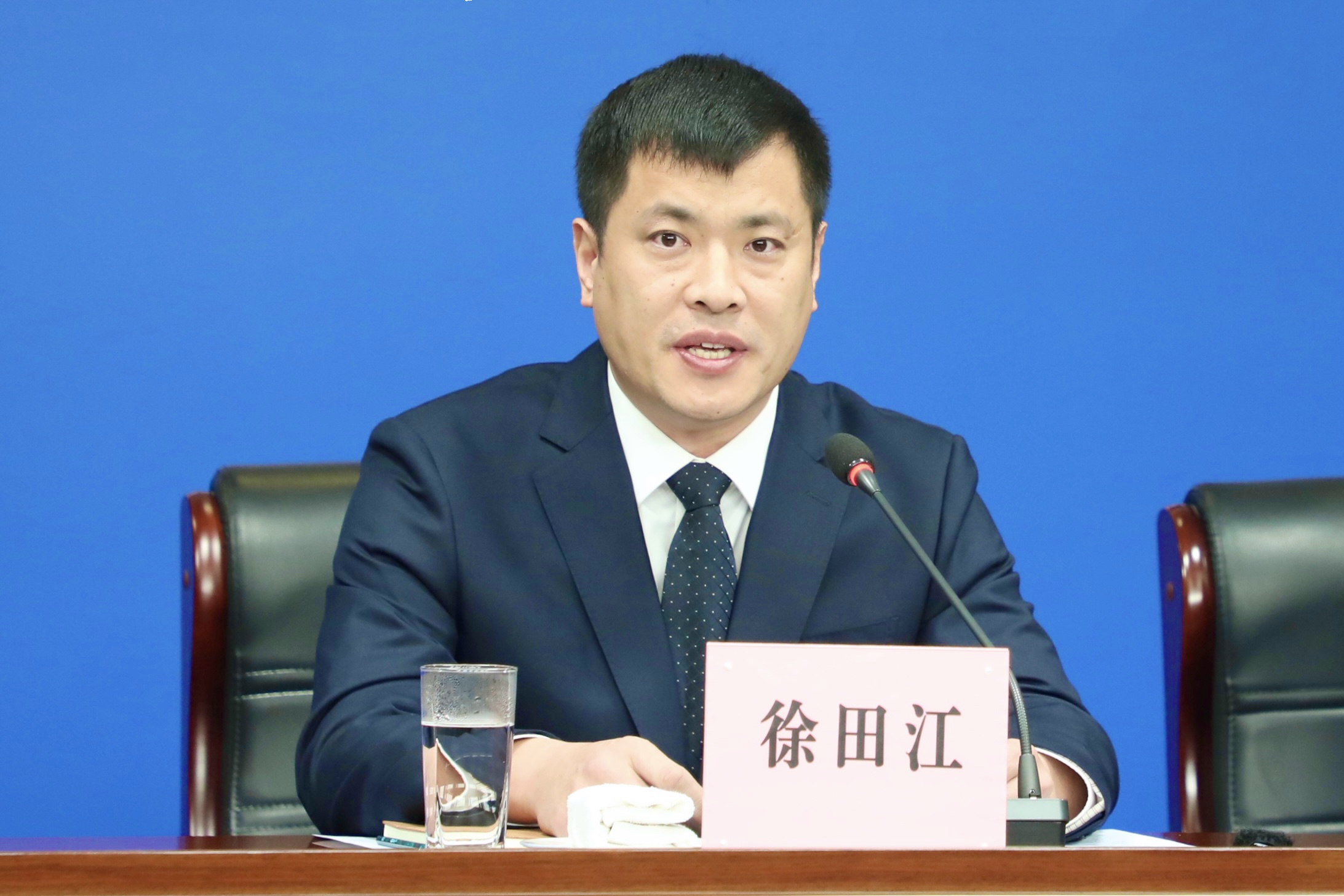
陕西省人民政府新闻办公室举办新闻发布会介绍陕西“十四五”时期区域发展和新型城镇化建设成效有关情况
Shan Xi Ri Bao· 2025-11-27 01:04
Core Viewpoint - The press conference highlighted the achievements and progress made in the "14th Five-Year Plan" period in Shaanxi Province, focusing on regional development and new urbanization strategies, emphasizing the importance of coordinated development and urban-rural integration [5][6][42]. Group 1: Regional Development Mechanisms - The establishment of the Provincial Regional Coordination Development Leadership Group has improved the coordination of national regional strategies and urban-rural integration [6][43]. - A series of policy documents have been issued to support the construction of a unified national market and promote cross-regional resource flow [6][43]. Group 2: Regional Linkage - The integration of the Guanzhong innovation elements with the energy and ecological resources of Northern and Southern Shaanxi has been accelerated, with significant projects like the Xi'an headquarters and Xianyang base being developed [7][44]. - The Xi'an metropolitan area has reached a permanent population of 18.75 million and an economic total of 1.67 trillion yuan [7][44]. Group 3: Industrial System Development - The Guanzhong region has focused on technological innovation, with strategic emerging industries accounting for 80% of the province's total [8][45]. - The energy revolution in Northern Shaanxi has led to an average annual GDP growth rate of 7.3% since the beginning of the "14th Five-Year Plan" [8][45]. Group 4: Connectivity Improvements - Major cross-regional water conservancy projects have been accelerated, and significant transportation infrastructure has been developed, including the completion of the T5 terminal at Xi'an Xianyang International Airport [9][46]. - The road mileage in Guanzhong, Northern Shaanxi, and Southern Shaanxi has increased significantly compared to 2020, enhancing transportation connectivity [9][46]. Group 5: Environmental Improvements - The ecological environment in the Qinba Mountains has been effectively protected, with a significant area classified as having excellent ecological quality [10][47]. - The province's renewable energy capacity has reached 63.18 million kilowatts, 2.6 times that of the end of 2020 [10][47]. Group 6: Urban-Rural Integration - The county economy is being developed as a strategic measure to reduce urban-rural and regional disparities, with the total county economy expected to reach 1.68 trillion yuan by 2024 [11][48]. - The urbanization rate in the province is projected to increase significantly, reflecting the ongoing efforts in urban-rural integration [11][48].
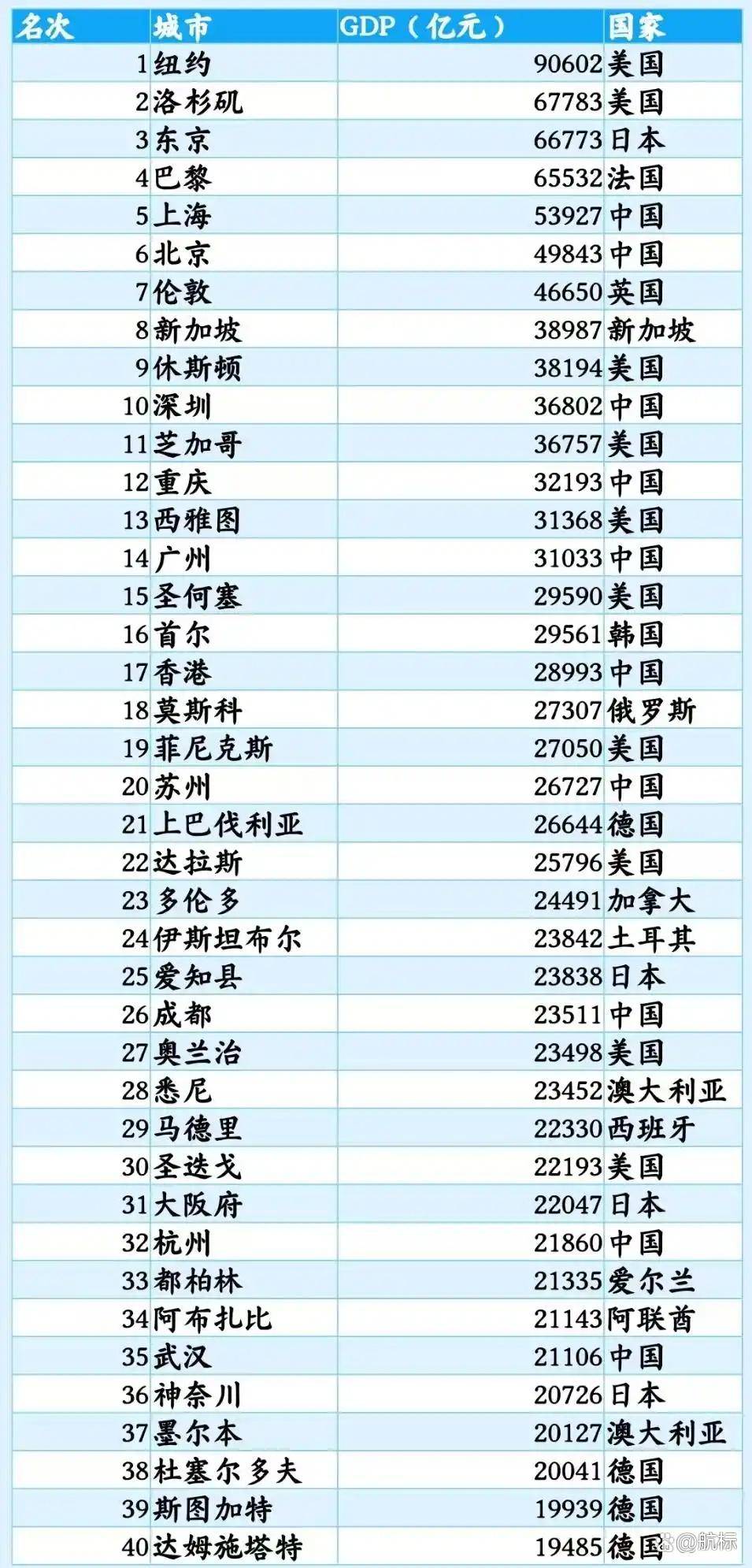
全球GDP40强城市洗牌:巴黎首破6.5万亿,苏州逼近香港,武汉远超墨尔本!
Sou Hu Cai Jing· 2025-11-26 19:10
Core Insights - The 2024 Global City GDP Top 40 list reveals significant economic advancements in major cities, driven by national strategic benefits, with U.S. cities leading in technology clusters, Chinese cities accelerating through regional development policies, and European cities solidifying their positions via industrial upgrades [1] Group 1: Key City Performances - Paris has surpassed a GDP of 65.5 trillion yuan, marking a significant milestone as Europe's economic "ballast" [1][3] - Suzhou's GDP gap with Hong Kong has narrowed to 220 billion yuan, showcasing the city's rapid manufacturing growth against Hong Kong's financial hub status [1][5] - Wuhan's GDP of 21,106 billion yuan has overtaken Melbourne's 20,127 billion yuan, highlighting the release of potential in regional hubs [1][7] Group 2: Growth Drivers - Paris's economic strength is supported by its strategic location as a European transport and financial hub, alongside the digital transformation of luxury brands like LVMH, which has seen online revenue reach 35% [3] - Suzhou's industrial upgrades, driven by the "smart transformation" policy, have led to a 20% increase in annual patent applications in semiconductor firms, with its logistics efficiency enhancing foreign trade resilience [5] - Wuhan's growth is attributed to its status as a national central city, with significant advancements in the optoelectronics sector, where it holds 35% of national fiber optic communication patents [7] Group 3: Economic Restructuring - The reshuffling of global city GDP rankings reflects a precise alignment of self-positioning and national strategies, with cities leveraging their geographical advantages, industrial innovations, and supportive policies [9]
济南至聊城高速改扩建启动,将成双向八车道
Qi Lu Wan Bao· 2025-11-26 04:06
Core Points - The G0311 Jinan-Chaozhou Expressway expansion project has an estimated total investment of 13.284 billion yuan, with a total length of 92.679 kilometers [1][2] - The project will upgrade the highway to a dual eight-lane standard with a design speed of 120 km/h, enhancing regional traffic capacity and promoting economic development along the route [1][2] Investment and Economic Impact - The project is a significant infrastructure investment exceeding 10 billion yuan, expected to stimulate related industries and create job opportunities, injecting new vitality into the regional economy [2] - The upgrade will shorten travel time between Jinan and Chaozhou, facilitating closer economic and cultural exchanges between the two cities [2] Infrastructure Development - The project includes the construction of 2 super bridges, 6 large bridges, and 10 medium bridges, along with 15 interchanges and 16 separated interchanges [1] - It reflects Shandong Province's ongoing commitment to transportation infrastructure development and is crucial for completing the provincial highway network [2]