
未来产业

Search documents
行业巨头接踵而至 重点项目建设提速 北京亦庄加快布局未来产业
Jing Ji Ri Bao· 2026-01-10 21:52
Group 1 - The Beijing Economic-Technological Development Area (also known as "Beijing Yizhuang") is accelerating its development of future industries, with over 80% of the signed projects being future industry projects [1] - Major companies such as Baichang Intelligent Automotive and ZTE are establishing operations in the area, focusing on L4 autonomous vehicles and advancements in AI and 6G technology [1] - During the 14th Five-Year Plan period, the GDP of the Beijing Economic Development Zone is expected to grow at an average annual rate of 10%, with the integrated circuit equipment industry leading the nation [1] Group 2 - Beijing Guoke Tianxun Technology Co., Ltd. has seen its revenue scale increase by several times since moving its headquarters to Yizhuang in 2021, benefiting from the complete ecosystem support in the area [2] - The development strategy for the 15th Five-Year Plan includes a focus on embodied intelligence, commercial aerospace, 6G, quantum technology, brain-computer interfaces, and synthetic biology to create a high-level new productivity model [2] - The local government aims to enhance economic quality, urban appearance, and public welfare through a comprehensive upgrade of the development ecosystem [2]

北京亦庄加快布局未来产业
Jing Ji Ri Bao· 2026-01-10 21:44
Group 1 - The Beijing Economic and Technological Development Zone (also known as Beijing Yizhuang) is accelerating its development of future industries, with over 80% of the signed projects being future industry projects [1] - Major companies such as Baichang Intelligent Automotive and ZTE are establishing operations in the zone, focusing on L4 autonomous vehicles and AI/6G technologies respectively [1] - During the 14th Five-Year Plan period, the GDP of the Beijing Economic and Technological Development Zone is expected to grow at an average annual rate of 10%, with leading industries such as integrated circuit equipment and a high number of "specialized and innovative" small giant enterprises [1] Group 2 - Beijing Guoke Tianxun Technology Co., Ltd. has seen its revenue scale grow significantly after relocating to Beijing Yizhuang, benefiting from a complete ecosystem for communication chip development [2] - The development strategy for the 15th Five-Year Plan includes a focus on advanced industries such as embodied intelligence, commercial aerospace, 6G, quantum technology, brain-computer interfaces, and synthetic biology [2] - The goal is to create a high-level new productivity model that enhances economic quality, urban appearance, and public welfare [2]
三地协同创新指数年均增速达13.1%
Xin Lang Cai Jing· 2026-01-10 21:36
Core Insights - The latest "Beijing-Tianjin-Hebei Collaborative Innovation Index (2026)" indicates significant growth in collaborative innovation from 2013 to 2024, with the index rising from 100 to 388.0, reflecting an annual growth rate of 13.1% [3] Innovation Output - The number of SCI, SSCI, and A&HCI papers in the Beijing-Tianjin-Hebei region increased from 64,000 in 2013 to 230,000 in 2024, with an annual growth rate of 12.3%. The growth rates for Beijing, Tianjin, and Hebei were 11.0%, 13.8%, and 31.1% respectively [4] - Beijing ranks first globally in high-level scientific papers published in top journals, with 11,915 papers published in 2024, accounting for 17.1% of the national total [4] Industrial Collaboration - The "Six Chains and Five Clusters" initiative aims to enhance industrial collaboration among Beijing, Tianjin, and Hebei, with each city leading specific industrial chains. This initiative is transitioning from a conceptual framework to practical implementation [5] - The region has established several national advanced manufacturing clusters, including those focused on information technology, emergency equipment, integrated circuits, and smart connected vehicles [5] Strategic Recommendations - The report suggests that the Beijing-Tianjin-Hebei region should focus on enhancing collaborative innovation through strategic planning, particularly in future industries such as information technology, health, manufacturing, energy, materials, and space [6][8] - It emphasizes the need for increased R&D funding, particularly in Hebei, and the importance of aligning innovation chains with industrial development to foster advanced manufacturing [6]


五个维度测定!京津冀协同创新指数年均增速达13.1%
Xin Lang Cai Jing· 2026-01-10 14:22
Core Insights - The Beijing-Tianjin-Hebei (Jing-Jin-Ji) collaborative innovation index has significantly increased from 100 in 2013 to 388.0 in 2024, with an average annual growth rate of 13.1% [1] - The number of academic papers in the region has surged from 64,000 in 2013 to 230,000 in 2024, reflecting an annual growth rate of 12.3% [3] - Beijing has maintained its position as the top city globally for high-level scientific publications, with 11,915 papers published in leading journals in 2024, accounting for 17.1% of the national total [3][4] Innovation Capacity - The region boasts one of the densest clusters of major scientific infrastructure globally, with 37 technology facilities established in the Huairou Comprehensive National Science Center, of which 29 are operational [4] - Beijing has 145 national key laboratories, representing nearly 30% of the national total, and ranks third globally in the number of unicorn companies, with over 70% in cutting-edge fields like AI and commercial aerospace [4] Industrial Collaboration - The "Six Chains and Five Clusters" industrial collaboration framework has been developed, with Beijing leading in hydrogen energy and biomedicine, while Tianjin focuses on high-end industrial mother machines and cybersecurity [6] - The region has established several national advanced manufacturing clusters, including those in information technology and smart connected vehicles, with a total of seven such clusters in Jing-Jin-Ji [6] Strategic Recommendations - The report suggests that Jing-Jin-Ji should focus on building an international technology innovation center, enhancing collaborative innovation, and increasing R&D funding, particularly in Hebei [9] - It emphasizes the need for strategic planning in future industries, with Beijing targeting sectors like future information and health, while Tianjin should focus on next-generation information technology and life sciences [9]
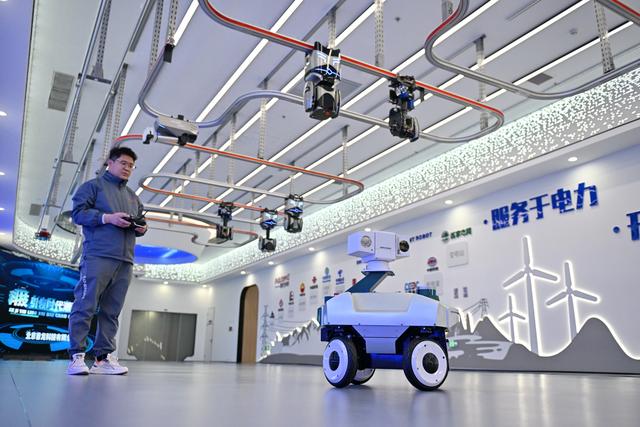
国务院国资委:国有经济向“新”布局明显提速
Sou Hu Cai Jing· 2026-01-09 14:37
(央视财经《经济信息联播》)今天(9日),国务院国资委表示,截至2025年12月底,国有企业改革 深化提升行动主体任务已基本完成,核心竞争力有效提升,国有经济向新质生产力布局明显提速。 国务院国资委相关负责人表示,通过战略性重组和专业化整合,组建了中国雅江集团、中国资环集团、 中国长安汽车、中国数联物流等新央企,着力推动产业向重点领域、优势赛道集中。各地围绕发展支柱 性实体产业板块,开展了116组战略性重组;同时,各地、各中央企业还着力推动传统产业转型升级, 和在战略性新兴产业、未来产业的精准布局,相关领域发展呈现良好势头。 李镇介绍,国资国企持续优化科技创新体制机制,国有企业创新能力显著提升。"十四五"以来,中央企 业研发经费年均增长6.5%,2022到2024年连续三年破万亿元;中央企业主导建设了23个创新联合体, 对外开放中试验证平台134个,在16个重点行业打造了800多个应用场景。 转载请注明央视财经 编辑:令文芳 国务院国资委副主任 李镇:不少地方和中央企业系统梳理产业发展图谱,推动精准布局,开辟"第二曲 线"。(2025年)1到11月,中央企业在战略性新兴产业领域营收突破11万亿元。 ...
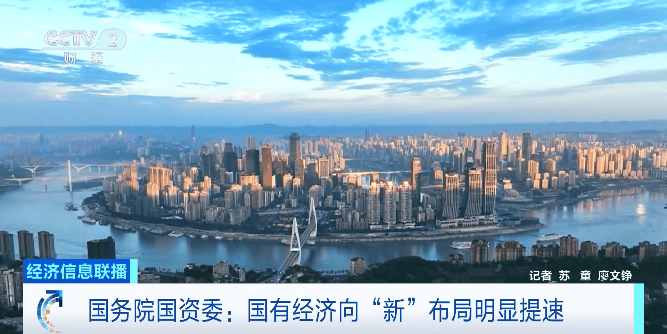
航天电器:公司密切关注新兴产业技术发展方向,并积极与下游客户开展相关业务对接
Zheng Quan Ri Bao· 2026-01-09 12:36
证券日报网讯 1月9日,航天电器在互动平台回答投资者提问时表示,公司密切关注新兴产业和未来产 业的技术发展方向,并积极与下游客户开展相关业务对接。 (文章来源:证券日报) ...

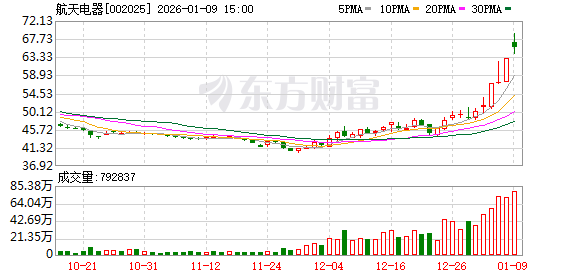
博时市场点评1月9日:两市成交突破3万亿,沪指站上4100点
Xin Lang Cai Jing· 2026-01-09 08:19
Market Overview - The Shanghai Composite Index has risen above 4100 points, with trading volume exceeding 3.1 trillion yuan, indicating active trading sentiment [1][7] - The People's Bank of China emphasized the continuation of a moderately loose monetary policy, focusing on expanding domestic demand and optimizing supply as key points for this year's monetary policy [1][7] Economic Indicators - In December 2025, the Consumer Price Index (CPI) increased by 0.2% month-on-month and 0.8% year-on-year, while the core CPI (excluding food and energy) rose by 1.2% year-on-year [2][8] - The Producer Price Index (PPI) decreased by 1.9% year-on-year, with the decline narrowing by 0.3 percentage points compared to the previous month [2][8] - The stable CPI indicates a steady domestic consumption demand, providing room for maintaining a moderately loose monetary policy [2][8] Gold Market - As of the end of 2025, the total value of official gold reserves held by non-U.S. central banks is estimated at approximately $3.93 trillion, surpassing the total value of U.S. Treasury securities held by these countries, which is about $3.88 trillion [2][8] - This milestone reflects a long-term trend of diversification in foreign exchange reserve assets among central banks, providing solid support for long-term demand for gold [3][9] Stock Market Performance - On January 9, 2026, the A-share market saw all three major indices rise, with the Shanghai Composite Index closing at 4120.43 points, up 0.92% [4][10] - The Shenzhen Component Index rose by 1.15% to 14120.15 points, while the ChiNext Index increased by 0.77% to 3327.81 points [4][10] - Among the sectors, media, comprehensive, and defense industries showed significant gains, with increases of 5.31%, 3.60%, and 3.29% respectively [4][10] Fund Tracking - The market turnover reached 31,525.96 billion yuan, an increase from the previous trading day [5][11] - The margin trading balance reported at 26,206.09 billion yuan, also showing an increase compared to the previous day [5][11]
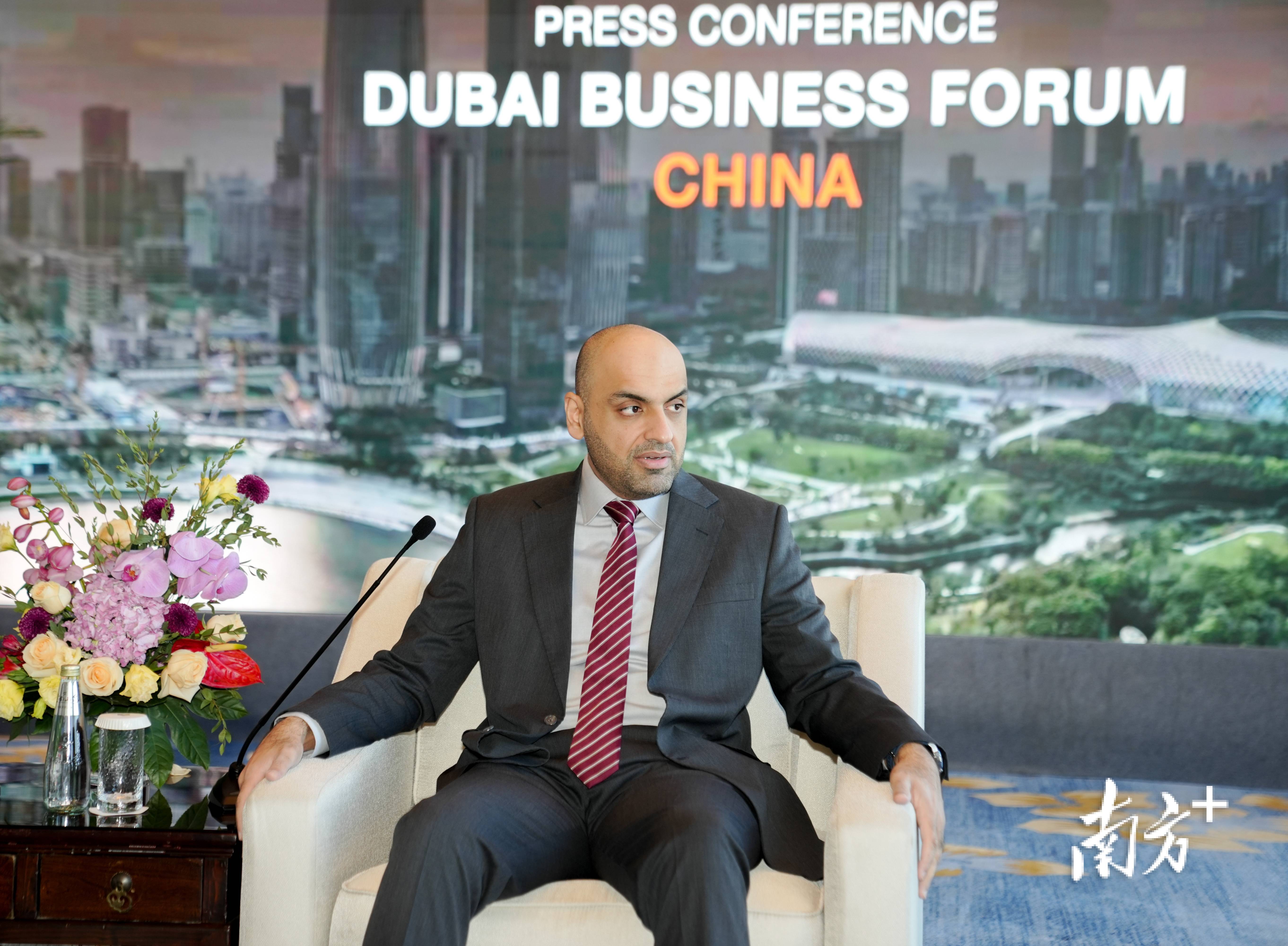
第五届国际迪拜商业论坛将于5月14日在深圳举行
Sou Hu Cai Jing· 2026-01-09 00:48
Group 1 - The fifth International Dubai Business Forum will be held on May 14, 2026, in Shenzhen, China, focusing on introducing Dubai's economic agenda (D33) and diversification opportunities to the Chinese business community [1] - The forum aims to explore new paths for cooperation and strategic investment between China and Dubai, showcasing Dubai as a strategic hub for Chinese enterprises to enter high-growth markets in the Middle East, Asia, and Africa [1] - The choice of Shenzhen as the host city aligns with its status as a core of the Guangdong-Hong Kong-Macau Greater Bay Area and a global technology innovation hub [1] Group 2 - H.E. Mohammad Ali Rashed Lootah, President and CEO of Dubai Chambers, emphasized the commitment to strengthening economic partnerships with China and facilitating the growth of the digital economy [5] - The forum will gather representatives from multinational corporations, high-growth tech companies, unicorns, venture capital firms, and family businesses, providing opportunities for in-depth exchanges on innovation, trade, digital economy, and future industries [7] - As of the end of Q3 2025, over 6,190 active members from Chinese enterprises are registered with Dubai Chambers, indicating strong growth of Chinese businesses in Dubai [7]
无锡“增强补育”擦亮新时代工商名城品牌看一座工业大市的“固本开新”之道
Xin Hua Ri Bao· 2026-01-09 00:35
Group 1 - By 2030, Wuxi aims for an industrial output value exceeding 3.2 trillion yuan and over 10,000 industrial enterprises, with strategic emerging industries accounting for 50% of the total industrial output [1] - The "Implementation Plan for Promoting High-Quality Development of Industry" emphasizes supporting enterprises in capital expansion, strengthening local industries, and fostering future industries [1][2] - Wuxi's industrial output value reached approximately 2.7 trillion yuan last year, an increase of 1 trillion yuan compared to the end of the 13th Five-Year Plan [2][3] Group 2 - Wuxi's modern industrial clusters exceeded 18.8 trillion yuan, with eight clusters surpassing 200 billion yuan, and strategic emerging industries totaling over 1.1 trillion yuan [3] - The city plans to focus on key projects with investments over 10 million yuan, aiming to elevate the scale of modern industrial clusters to 19 trillion yuan by the end of this year [3] Group 3 - The first computing power equipment industrial park in the country was inaugurated in Wuxi, with multiple companies signing agreements for expansion, marking a significant step in the digital economy [4] - Wuxi has established 19 computing power centers, with a total computing power scale of 13,800P, and aims for the AI industry to exceed 50 billion yuan by the end of 2025 [4][5] Group 4 - Wuxi's hydrogen and energy storage industries have surpassed 40 billion yuan, with commercial aerospace and third-generation semiconductors each exceeding 10 billion yuan [5] - The city is expected to achieve a total scale of future industries exceeding 130 billion yuan by 2025 [5] Group 5 - Wuxi plans to develop three industries with a scale of 100 billion yuan, five with 50 billion yuan, and five with 10 billion yuan by 2026, while leveraging innovation resources from major economic regions [6] - The city aims to create a national demonstration zone for new industrialization [6] Group 6 - Wuxi's financial sector has focused on supporting the real economy, investing in emerging industries such as AI, commercial aerospace, and biomanufacturing [7][8] - A "role-switching" initiative has been implemented to improve government services and address the needs of businesses and citizens [8]
擘画“十五五”国资央企布局产业升级新路径
Xin Lang Cai Jing· 2026-01-08 21:03
Core Viewpoint - The article emphasizes the critical phase of building a modern industrial system in China during the "14th Five-Year Plan" period, highlighting the role of state-owned enterprises (SOEs) in optimizing layout and restructuring national industrial competitiveness [1]. Group 1: Optimizing Layout and Strengthening Foundations - The primary task during the "14th Five-Year Plan" is to maintain a stable proportion of manufacturing in the national economy while promoting its advancement towards high-end and cluster development [2]. - SOEs are expected to play a pivotal role in organizing the industrial and supply chains, optimizing domestic and international layouts, and ensuring the integrity and security of the industrial system [2]. Group 2: Dual-Driven Industrial Upgrade - SOEs must adopt a "dual-driven" approach to industrial upgrades, focusing on both the transformation of traditional industries and the cultivation of strategic emerging industries [3]. - The integration of AI, big data, and 5G technologies into production processes is essential for the transformation of traditional industries, alongside a commitment to green and low-carbon development [3]. - SOEs should proactively identify and invest in high-potential new sectors such as renewable energy and advanced materials, while also preparing for cutting-edge fields like quantum technology and biomanufacturing [3]. Group 3: Restructuring and Capital Empowerment - Strategic restructuring, professional integration, and high-quality mergers and acquisitions are vital for SOEs to optimize resource allocation and enhance core competitiveness [4]. - The goal of restructuring is to concentrate and synergize advantageous resources rather than merely aggregating them [4]. - State capital and various investment funds will play crucial roles in providing "patient capital" and "strategic capital" to support the modern industrial system [4]. Group 4: Expanding International Operations - SOEs are encouraged to conduct international operations in a regulated manner to enhance global competitiveness while focusing on quality and safety [6]. - The internationalization strategy should include strengthening global logistics to ensure supply chain security and promoting high-value products like new energy vehicles abroad [6]. - Risk management is critical, with SOEs required to adhere to overseas investment regulations and mitigate various operational risks [6].