能源安全

Search documents
中国发布逐客令,宣布不再购买该国天然气,普京未曾料到,中国此次展现了大胆举措!
Sou Hu Cai Jing· 2025-11-04 14:07
Core Insights - The Chinese energy market is undergoing a significant transformation by 2025, with a notable decline in Australian gas supply and a substantial increase in Russian energy supply [1] - This shift is driven by the risks associated with reliance on a single gas source, highlighted by the gas shortage in the Yangtze River Delta in 2022 and the high prices of Australian gas [1] - The launch of the China-Russia East Route Pipeline in 2024 will facilitate the transportation of 38 billion cubic meters of gas in 2025, contributing to a cumulative total of over 90 billion cubic meters [1] - China's deep involvement in the Yamal project is expected to result in Russian oil accounting for nearly 20% of imports by 2024 [1] Summary by Sections Energy Supply Dynamics - Australian gas supply is decreasing, while Russian energy supply is increasing significantly [1] - The transition is a response to the high prices and supply risks associated with Australian LNG projects [1] Strategic Developments - The East Route Pipeline will enhance energy security by providing a diversified supply network [1] - The integration of LNG trade with pipeline supplies is creating a comprehensive energy network [1] Environmental and Economic Considerations - The diversification of energy sources is expected to reduce risks and contribute to carbon reduction efforts, with an annual decrease of 16.4 million tons of carbon emissions [3] - The energy adjustment not only addresses supply crises but also promotes a green transition, showcasing China's strategic foresight as an energy powerhouse [3]


外媒笑中国“疯狂囤油”?狂囤12亿桶石油,背后是3重战略阳谋
Sou Hu Cai Jing· 2025-11-04 13:22
Core Viewpoint - China's large-scale oil purchases are strategic moves rather than impulsive actions, aimed at securing energy safety and financial sovereignty in a volatile global market [2][12][19] Group 1: Strategic Oil Purchases - In 2015, China imported an additional 25 million tons of crude oil, saving 570 billion RMB, indicating a calculated approach to energy procurement [2] - The Wall Street Journal noted that China is building oil reserves at an unprecedented speed, emphasizing that these purchases are not random but well-planned [4][6] - China's oil reserve strategy includes establishing eight national oil reserve bases with a total capacity of 26.8 million cubic meters, reflecting a long-term national strategy [9][11] Group 2: Energy Security and Diversification - China's reliance on oil exceeds 70%, making it crucial to prepare for potential disruptions in supply chains due to global instability [7] - The diversification of energy sources from countries like Saudi Arabia, Iran, Russia, Angola, and Iraq is part of a broader strategy to mitigate risks [9] - The first phase of China's national oil reserve was completed in 2015, with a goal to cover 100 days of emergency supply, showcasing a comprehensive energy security framework [11] Group 3: Financial Sovereignty and Market Influence - China is promoting the use of the yuan for oil transactions, challenging the dominance of the US dollar in global oil trade [14] - The establishment of the Shanghai crude oil futures market positions China as a significant player in global pricing, reducing reliance on US benchmarks [14] - Converting paper assets into physical oil serves as a hedge against potential issues in the dollar system, illustrating a strategic financial maneuver [16] Group 4: Long-term Vision - The 1.2 billion barrels of oil are not merely stockpiles but represent a strategic insurance policy, aimed at securing energy and promoting de-dollarization [19] - China's proactive approach in the energy market reflects a responsible global stance, preparing for future challenges while others hesitate [19]
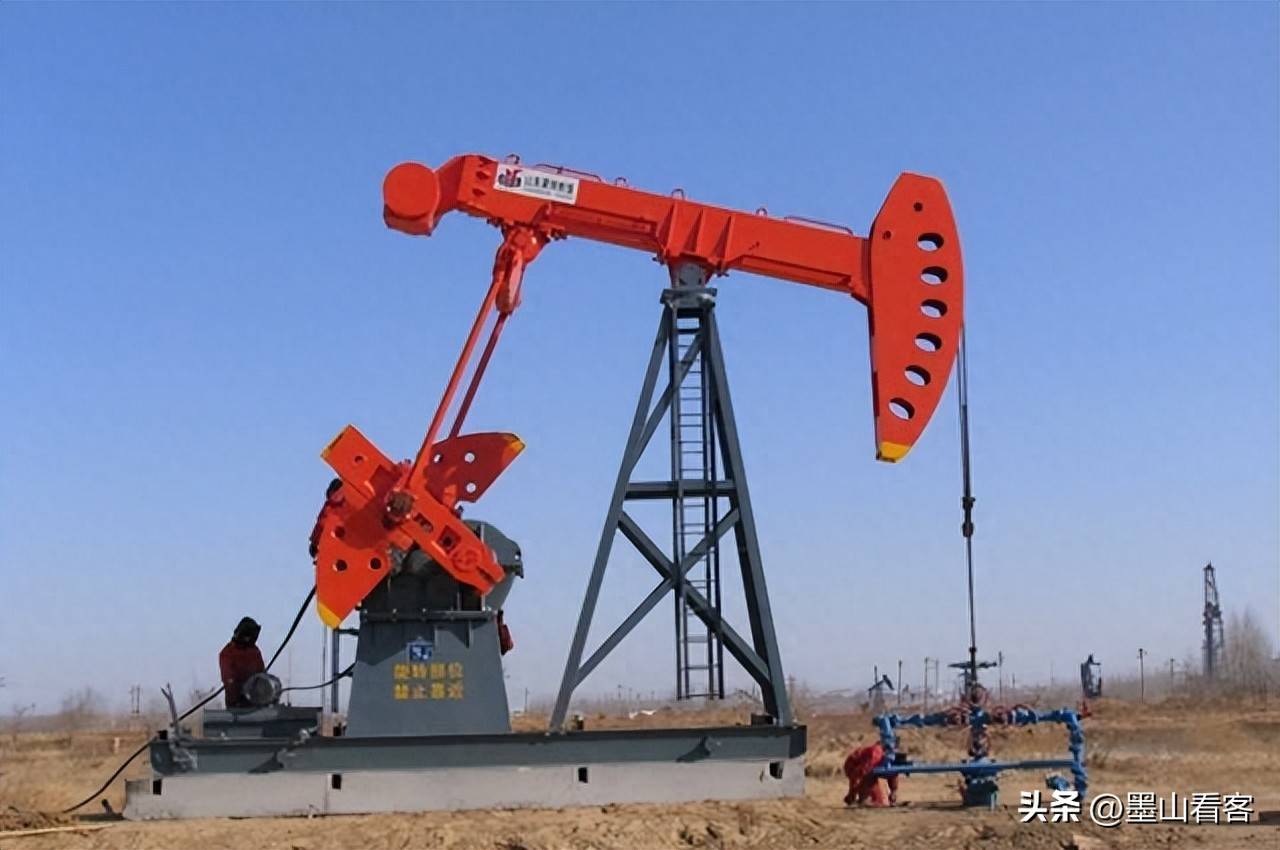
中国正在大量囤油,一度吞掉世界9成囤量,是有什么大事要发生?
Sou Hu Cai Jing· 2025-11-04 10:43
Core Viewpoint - China's recent actions in the crude oil market, characterized by significant daily imports, reflect a strategic approach rather than a reactionary measure, aimed at enhancing its strategic oil reserve system [1][3][5] Group 1: Strategic Oil Reserve System - China's daily crude oil imports have reached over 11 million barrels, with a substantial portion directed to strategic reserves rather than immediate consumption [3][5] - The country's oil reserve days have increased from 110 days to approximately 180 days, indicating a robust buffer against potential supply disruptions [3][5] - The strategic oil reserve initiative has been in place for over a decade, with the 180-day reserve level recognized internationally as a standard for energy security [5][6] Group 2: Economic and Geopolitical Context - China's high dependence on imported oil, at 71.9% for 2024, underscores the necessity of building reserves to mitigate risks associated with international supply chain disruptions [5][19] - The current geopolitical landscape, including tensions in the Middle East and the impact of the Ukraine conflict, has heightened the importance of energy security, prompting accelerated reserve accumulation [14][16][19] - The ability to influence international oil prices through large-scale imports demonstrates China's strategic advantage as the world's largest oil importer [10][12] Group 3: Long-term Planning and Market Dynamics - China's approach to oil reserves is characterized by a long-term planning strategy, focusing on maintaining a stable reserve level rather than reacting to short-term price fluctuations [8][21] - The anticipated decline in international oil prices in 2024 presents an opportunity for China to strategically accumulate reserves at lower costs, akin to bulk purchasing during sales [8][10] - The strategic reserve not only serves as a buffer against immediate supply issues but also positions China to adapt to future energy needs and potential market changes [19][21]
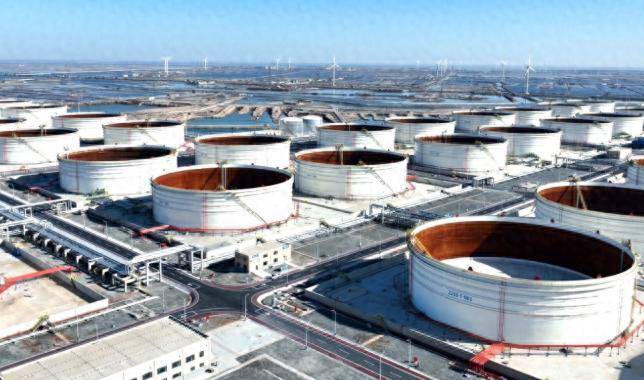
全球油气发现量持续十年下降
Zhong Guo Hua Gong Bao· 2025-11-04 02:59
Core Insights - Recent focus on oil exploration has not translated into increased discovery volumes, which have hit record lows, with annual discoveries dropping from over 20 billion barrels of oil equivalent before 2010 to about 5.5 billion barrels in 2023-2025 [1][4] - The oil and gas industry is undergoing a strategic shift, prioritizing precision over broad geographic exploration, with major companies concentrating on high-yield basins and exiting low-return areas [1][3] Exploration Trends - The global oil discovery landscape has shifted significantly over the past two decades, marked by the emergence of the pre-salt oil era in Brazil and the successful discoveries in Guyana and Suriname [2] - Major breakthroughs in oil exploration technology, such as improved seismic imaging and underwater engineering, have redefined exploration boundaries and unlocked previously inaccessible oil and gas reserves [2] Key Players - International oil giants and national oil companies remain crucial to maintaining global oil and gas exploration and discovery volumes, contributing approximately 22% of new discoveries since 2015 [3] - Companies like ExxonMobil, TotalEnergies, Shell, and others are leveraging advanced technologies and capital strength to explore new oil and gas regions while shortening the discovery-to-development cycle [3] Challenges Ahead - Despite the precision in current exploration areas, the overall oil discovery volume remains critically low, posing risks to energy security and stability in energy transition efforts [4] - A significant decline in exploration spending has contributed to the shrinking discovery volumes, highlighting the need for ongoing exploration to balance global oil supply and long-term demand [4]
能源早新闻丨这一领域,我国迈入世界第一方阵
中国能源报· 2025-11-03 22:33
Industry Updates - The Ministry of Industry and Information Technology announced a list of 129 companies that meet the "Photovoltaic Manufacturing Industry Standard Conditions" [2] - The Ministry of Industry and the Ministry of Water Resources released a high-quality development implementation plan for water-saving equipment, aiming for breakthroughs in key areas by 2027 [2] - The marine economy showed a good performance with a marine GDP of 7.9 trillion yuan, a year-on-year increase of 5.6%, driven by growth in marine oil and gas production [3] - China's low-carbon metallurgy technology has entered the world's top tier, with significant advancements in high-end, intelligent, and green development in the steel industry [3] - Hebei's Shijiazhuang city has achieved a renewable energy installed capacity of 10.156 million kilowatts, accounting for 52% of the total installed capacity [4] - Inner Mongolia's oil and gas production increased, with crude oil production reaching 2.5 million tons, a year-on-year increase of 4.2% [6] International News - Major oil-producing countries announced a pause in production increases in early 2026, maintaining a daily increase of 137,000 barrels until then [7] - Iran plans to launch its first nuclear-powered seawater desalination plant, capable of processing 70,000 cubic meters of seawater daily [7] Corporate Developments - The North Luan Power Plant in Ningbo, Zhejiang, has been successfully commissioned, becoming the largest thermal power plant in China by installed capacity [8]
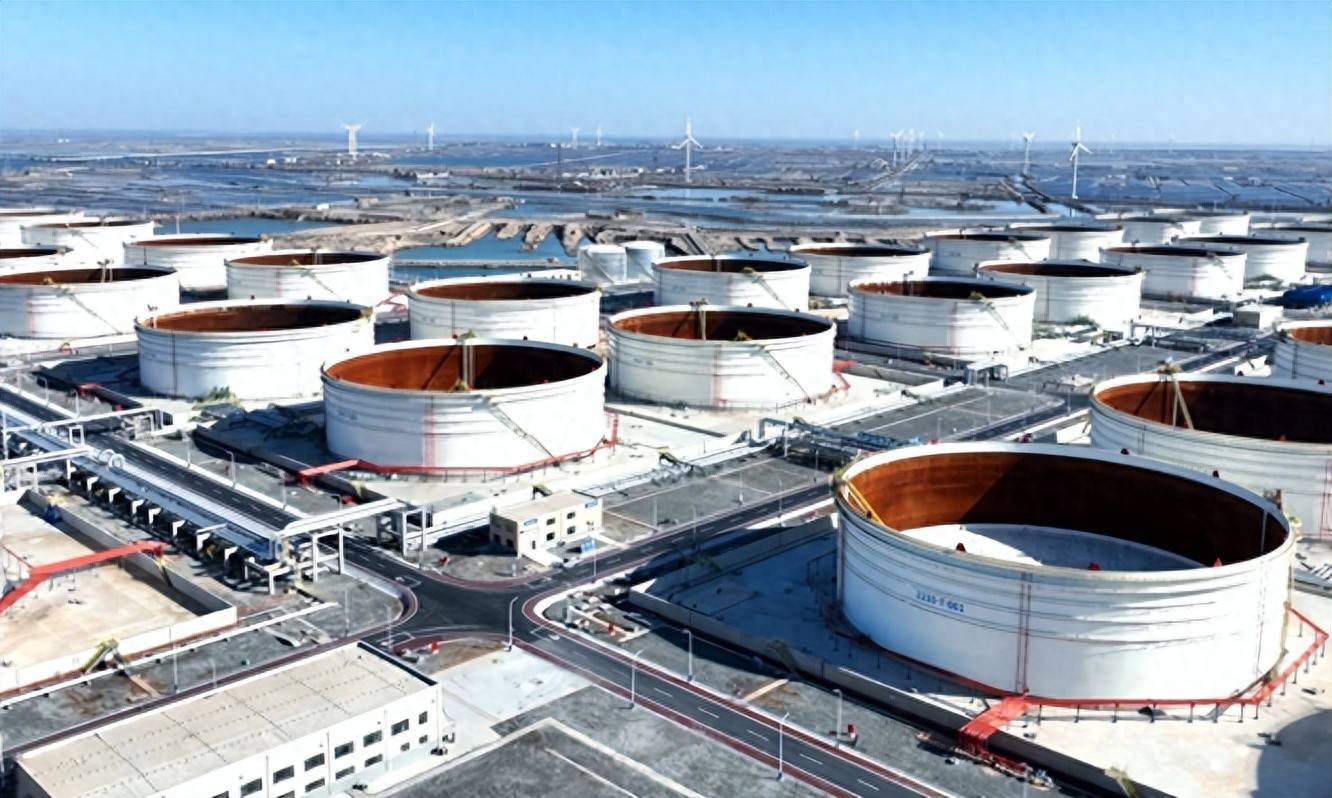
中国正在大量囤油,一度吞掉世界9成囤量,要有什么大事发生?
Sou Hu Cai Jing· 2025-11-03 16:20
Core Insights - China's significant oil procurement strategy has garnered global attention, with daily imports exceeding 10 million barrels, absorbing 90% of the world's new inventory, indicating a strategic move rather than a short-term market play [1][9] - The country's oil import volume from January to September reached 423 million tons, a year-on-year increase of 2.7%, with a daily average surpassing 11 million barrels, exceeding Saudi Arabia's daily production [1][3] Strategic Considerations - The legal framework, particularly the implementation of the Energy Law on January 1, 2025, mandates energy reserve obligations for both the state and enterprises, reinforcing the necessity for expanded reserves [3][5] - Geopolitical risks, including instability in the Black Sea and the Middle East, necessitate the construction of a safety net for energy supply, as a significant portion of China's oil imports come from Russia and Iran, highlighting supply chain vulnerabilities [5][7] - The increase in oil reserve days from 110 to 180 days enhances energy supply stability, ensuring that China can maintain energy security even in the face of global supply disruptions [7][9] Market Impact - China's stable procurement has acted as a stabilizing force in the global oil market, with decisive purchases during price dips preventing excessive market volatility and maintaining oil prices around $65 per barrel [9][11] - The ongoing oil storage strategy is reshaping the global supply-demand landscape, as China's sustained purchasing boosts production willingness among oil-exporting countries, thereby enhancing overall market stability [9][12] Long-term Strategy - The "oil hoarding trend" reflects a proactive strategic layout aimed at securing energy supply and enhancing infrastructure, ensuring that China retains control over its development trajectory [11][12]
“十五五”投资进入质效时代
Di Yi Cai Jing· 2025-11-03 12:53
Core Insights - The investment strategy is shifting from quantity expansion to quality enhancement, emphasizing precise management over extensive management [1] - The "14th Five-Year Plan" has optimized investment direction and structure, but the "scale-driven" model has not fundamentally changed, leading to structural contradictions and risks [2][3] - Effective investment is essential for stabilizing the macro economy, fostering a modern industrial system, addressing development imbalances, and promoting green transformation [4][5][6] Investment Strategy and Focus - The focus should be on technological innovation and industrial upgrading to support high-quality development [7] - Investments must prioritize public welfare and services to enhance common prosperity [8] - Emphasis on green low-carbon initiatives and energy security to create new advantages for future development [9] - Strengthening infrastructure connectivity to facilitate domestic and international dual circulation [10] Mechanism Innovation - Institutional and mechanism innovation is crucial for effective investment during the "14th Five-Year Plan" [11] - Investment decision-making and generation mechanisms need to be improved for precise allocation [12] - Resource allocation efficiency can be enhanced through innovative funding coordination and input mechanisms [13] - Project management and performance evaluation mechanisms should ensure comprehensive lifecycle management [14] - Incentive compatibility and risk prevention mechanisms are necessary for sustainable investment [15] - Optimizing the business environment is essential for better integration of an effective market and proactive government [16]
美国要抢俄罗斯油气订单?能源部长喊话中国:只要少买俄油气,我们立刻供更多!
Sou Hu Cai Jing· 2025-11-03 09:59
Core Insights - The international oil and gas market is experiencing significant changes, particularly with the recent US-China trade truce and the upcoming visit of the Russian Prime Minister to China, indicating a complex energy competition is unfolding [1] - The US Energy Secretary's proposal to increase American oil and gas supplies aims to reduce China's reliance on Russian energy, which currently accounts for a substantial portion of China's imports [3][5] Energy Demand in China - China, as the world's largest oil and gas importer, is expected to import 550 million tons of oil in 2024, with Russian oil making up 100 million tons. Additionally, China's natural gas imports are projected to exceed 130 million tons, with Russia accounting for 40% of this volume [1] - This reliance on Russian energy translates to approximately $80 billion in annual revenue for Russia, making it a crucial pillar of its economy [1] US Energy Strategy - The US has become the largest oil and gas exporter globally, surpassing Saudi Arabia and Russia, but whether China will shift its energy sourcing to the US remains uncertain [3] - The higher prices of US oil and gas, driven by the costly shale oil extraction process, pose a challenge for China, which may be reluctant to abandon its long-term cooperation with Russia [3][5] Security Considerations - China's energy security is a significant concern, especially given the US's "choke point" strategies in technology and finance, which could make dependence on US energy a risky choice [5] - In contrast, energy supplies from Russia and the Middle East are perceived as more stable and secure, influencing China's decision-making [5] Political and Strategic Implications - The US's energy proposal is not merely a commercial transaction but is embedded with political and strategic motives aimed at weakening the China-Russia partnership amid rising tensions between the two nations [5][7] - Historical experiences suggest that energy cooperation is intertwined with national strategic interests, and China's energy agreements with Russia have fostered significant political trust [7] Future Energy Landscape - The competition for energy resources between the US and Russia could directly impact the China-Russia energy partnership, prompting Russia to expedite projects like the "Power of Siberia 2" pipeline to solidify ties with China [7] - Despite US efforts to gain a foothold in the global energy market, Russia remains a formidable partner for China, offering long-term contracts and stable pricing that are attractive to Chinese interests [9] - China is advised to diversify its energy supply sources and maintain flexible policies to ensure energy security while navigating the complexities of international relations [9]
风电增值税新规发布,陆上风电迎来“成人礼”
Sou Hu Cai Jing· 2025-11-03 04:20
Core Viewpoint - The withdrawal of tax incentives is not indicative of a downturn in the wind power industry, but rather a sign of its maturation and transition to a more sustainable model [1][4]. Policy Adjustment Timing - The adjustment of tax policies is timely, reflecting the industry's growth and the reduced need for government support [2][4]. Industry Development - The wind power sector in China has made significant progress, achieving commercialization and scalability, particularly in onshore wind energy, which can now compete with traditional energy sources [4][9]. Differentiated Policy Approach - The new policy demonstrates precision by removing support for onshore wind while continuing to support offshore wind, addressing both carbon neutrality goals and energy security [9][11]. Offshore Wind Power - Offshore wind energy is crucial for clean energy development, facing higher costs and technical challenges, thus requiring ongoing policy support to ensure its growth [9][11]. Short-term Pain vs Long-term Gain - In the short term, the policy change may lead to financial strain for some companies, as the VAT refund constitutes about 10% of net profits for representative firms [15]. However, it will accelerate industry consolidation, favoring companies with technological advantages [15]. Future Tax Policy Outlook - The recent tax policy adjustment is just the beginning, with future regulations expected to become more standardized and equitable, ultimately phasing out offshore wind tax incentives as well [18]. This reflects an improvement in national governance capabilities and signals a new starting point for high-quality industry development [18].

新浪财经:2025无烟煤产业大会暨无烟煤产需衔接会在山西晋城隆重开幕
Xin Lang Cai Jing· 2025-11-03 02:28
10月29日上午,由中国煤炭运销协会主办,中国煤炭运销协会无烟煤专业委员会、晋城市煤炭工业协会、晋城市国有资本投资运营有限公司以及大型无烟煤 会员企业联合承办的"2025无烟煤产业大会暨无烟煤产需衔接会"在山西省晋城市隆重开幕。 本次会议得到了中国煤炭工业协会、山西省人民政府的高度重视,相关主管部门领导莅临会议;会议还得到了全国无烟煤生产企业、电力,大型钢铁、化工 等企业集团的大力支持;新浪、中国煤炭报、中国电力报、中国环境报、中国化工报、中国经济时报等新闻媒体出席会议并将做全程报道。 中国煤炭工业协会、党委委员张宏 中国煤炭工业协会党委委员张宏,晋城市委常委、常务副市长田志军,中国煤炭运销协会副理事长兼秘书长赵建国,晋能控股集团党委常委、副总经理吕维 赟,河南能源集团董事会秘书张毅出席开幕式。开幕式由中国煤炭运销协会副理事长、无烟煤专委会主任冯雨主持。 大型无烟煤企业代表晋能控股集团党委常委、副总经理吕维赟表示,无烟煤以其高热量、低挥发、低污染的独特优势在电力、化工、冶金等关键领域发挥着 不可替代的战略作用,是保障国家能源安全、推动工业高质量发展的重要基石。面对能源结构转型与产业升级的关键时期,作为全国最大 ...