智能驾驶

Search documents
汽车行业周报(20260126-20260201):有色波动影响中上游短期议价,继续看好新产业方向-20260201
Huachuang Securities· 2026-02-01 11:31
Investment Rating - The report maintains a "Buy" recommendation for the automotive industry, focusing on new energy vehicles and related technologies [1]. Core Insights - The automotive market is currently experiencing a cautious atmosphere, with stakeholders observing the recovery of terminal demand and the impact of policies and costs on profitability. Short-term fluctuations in the non-ferrous sector are affecting pricing negotiations in the upstream and midstream segments. The report suggests monitoring factors that could lead to a rebound in vehicle sales in Q1, including retail and export performance, while remaining optimistic about the automotive parts sector, particularly in areas like intelligent driving, liquid cooling, and robotics [1][3]. Data Tracking - In late January, the industry discount rate decreased to 9.5%, showing a year-on-year increase of 0.6 percentage points and a month-on-month decrease of 0.1 percentage points. The average discount amount was 21,541 yuan, up by 1,294 yuan year-on-year but down by 718 yuan month-on-month [3]. - December saw a decline in wholesale and retail sales of passenger vehicles, with wholesale sales at 2.85 million units, down 8.7% year-on-year and 6.3% month-on-month. Retail sales of domestic passenger vehicles were 2.28 million units, down 16.8% year-on-year but up 13.7% month-on-month [3]. - The report highlights specific companies to watch: Geely, JAC Motors, and BYD are recommended for vehicle manufacturers, while Foresight Technology, Minth Group, and Top Group are suggested for automotive parts [5]. Industry News - In January, the Secretary-General of the Passenger Car Association reported that the automotive industry generated revenues of 1.11796 trillion yuan in 2025, a year-on-year increase of 7.1%, with costs rising by 8.1% [31]. - The report notes that the total number of new energy vehicles in China reached 43.97 million by the end of 2025, accounting for 12.01% of the total vehicle population [31]. - The report also mentions the establishment of a joint venture between a Vietnamese automaker and BYD to build a commercial electric vehicle battery factory in Vietnam, with a total investment of $130 million [31][32]. Market Performance - The automotive sector experienced a decline of 5.12% this week, ranking 28th out of 29 sectors. The average decline for the sector was 5.2%, with 236 stocks falling and only 41 rising [8][34].

投资组合报告:2026年二月策略金股报告
ZHESHANG SECURITIES· 2026-02-01 08:51
Group 1 - February macro outlook indicates a favorable macro environment for equity markets, with expectations of strong economic and credit data at the beginning of the year [7][9] - The strategy outlook suggests a transition in market styles, with a focus on growth "rest" and a continued bullish stance while adjusting portfolio structures [9][10] - The quantitative strategy emphasizes investing in small-cap stocks and taking long positions before the Spring Festival [10] Group 2 - The February gold stock selection includes companies from various sectors: - Electronics: Shiyun Circuit, Shengkong Co. - Consumer Electronics: Baiwei Storage - Computing: Yunsai Zhiliang - Communication: Kexin Innovation Source - Non-ferrous Metals: Shengtun Mining, Luoyang Molybdenum - Machinery: Zhonglian Heavy Industry - Coal: Huaibei Mining - Non-bank Financials: Dongfang Securities [12][14] - The rationale for selected stocks includes: - Shiyun Circuit is expected to benefit from emerging fields such as commercial aerospace and intelligent driving, potentially leading to significant growth [13] - Shengkong Co. is positioned to gain from the semiconductor cycle, with demand driven by AI and storage needs [17] - Baiwei Storage is set to capitalize on the AI infrastructure boom, with a focus on domestic market share growth [20] - Yunsai Zhiliang is anticipated to see increased demand for cloud services and IDC, driven by AI advancements [22] - Kexin Innovation Source is expected to achieve breakthroughs in the AI liquid cooling market, enhancing revenue and profitability [26] - Shengtun Mining is projected to improve profitability through copper price increases and strategic acquisitions [31] - Luoyang Molybdenum is expected to benefit from increased copper and cobalt production, alongside new gold mining projects [35] - Zhonglian Heavy Industry is positioned for growth through diversification in machinery sectors and global expansion [40] - Huaibei Mining is highlighted for its high elasticity in coking coal, with price improvements expected in 2026 [46] - Dongfang Securities is set to benefit from regulatory support and potential mergers, enhancing its market position [49]




商业航天业绩分化 仅三成公司“报喜”
Huan Qiu Wang· 2026-02-01 03:00
业绩表现可谓冰火两重天。北摩高科堪称板块"预增王",净利润最高增幅超12倍,机构预测其2025年净利润同比 增长1248.01%,航空刹车制动领域随民航国产替代市场打开迎来发展春天。菲利华同样表现不俗,2025年前三季 度归母净利润同比增长42.23%,得益于全球半导体行业复苏和航空航天领域需求回暖。 与之相反,部分企业深陷亏损泥潭。航天发展2025年中报归母净利润为-3.78亿元,应收账款体量较大影响业绩; 亚光科技预计2025年净利润亏损11 - 13亿元,主要受客户审价、降价影响,资金紧张导致产品交付延期,还计提 商誉减值准备8 - 9亿元,且已出现部分借款逾期情况。 尽管业绩分化明显,但多家券商机构对商业航天产业仍持谨慎乐观态度。中航证券指出,产业呈现"基本面修复 + 事件催化"双重特征,短期卫星发射进度和政策利好是行情主要驱动力,中长期随着星座大规模部署建设、可回收 火箭技术突破,下游通信、遥感等应用领域需求有望释放。 【环球网财经综合报道】近期,商业航天板块在资本市场上演了一出跌宕起伏的大戏,行情走势与企业业绩呈现 鲜明反差。 自去年11月下旬启动行情以来,万得商业航天指数仅用34天便实现约70% ...


千里科技:聚焦“AI+车”战略,智驾驱动未来发展-20260131
Huajin Securities· 2026-01-31 07:25
Investment Rating - The report assigns a "Buy" rating for the company, Qianli Technology (601777.SH), marking its first coverage [1]. Core Insights - Qianli Technology is undergoing a strategic transformation focusing on the "AI + Vehicle" core strategy, aiming to transition from a traditional manufacturer to a smart driving technology company [3][13]. - The company has partnered with Geely to launch the Qianli Haohan intelligent driving solution, which integrates various advanced driving features to meet diverse user needs [3][13]. - A strategic cooperation agreement has been signed with Cao Cao Mobility to accelerate the application of smart driving technology in the Robotaxi sector [3][13]. - Revenue projections for 2025-2027 are estimated at 86.80 billion, 104.95 billion, and 124.15 billion yuan, with corresponding net profits of 0.87 billion, 1.60 billion, and 2.46 billion yuan, indicating significant growth [3][4]. Summary by Sections Company Overview - Qianli Technology, formerly known as Lifan Technology, was established in 1992 and has undergone multiple transformations, including a shift to new energy vehicles and a recent focus on smart driving technology [3][13]. - The company has a rich history, including its listing on the Shanghai Stock Exchange in 2010 and a series of strategic partnerships and restructuring efforts [3][13]. Business Strategy - The company is focusing on three main areas: smart driving, intelligent cockpits, and Robotaxi services, aiming to leverage AI technology in its offerings [3][14]. - The strategic partnership with Geely has led to the development of the Qianli Haohan system, which includes features like memory parking and multi-level driving assistance [3][14]. Financial Performance - The company reported revenues of 6.768 billion, 7.035 billion, and projected revenues of 8.680 billion, 10.495 billion, and 12.415 billion yuan for 2023, 2024, 2025, 2026, and 2027, respectively [4][29]. - Net profits are expected to recover significantly, with projections of 0.87 billion, 1.60 billion, and 2.46 billion yuan for the same years, reflecting a strong growth trajectory [4][29]. Market Position - The company is positioned to capitalize on the growing demand for smart driving solutions, with a projected market size for intelligent driving solutions in China reaching 1,041 billion yuan by 2025 [61]. - The report highlights the increasing penetration of L2 and above driving assistance systems, indicating a robust market for Qianli Technology's offerings [52][61].

上汽集团:AI4S主要应用在智能驾驶与自动驾驶研发过程中
Zheng Quan Ri Bao Wang· 2026-01-30 11:42
Group 1 - The core viewpoint of the article is that SAIC Motor Corporation (600104) is actively utilizing AI4S technology primarily in the development of intelligent driving and autonomous driving [1]

朱西产:安全是智能汽车的起点,也是自动驾驶的终极考验
Bei Ke Cai Jing· 2026-01-30 07:58
Core Viewpoint - Safety remains the most important topic in the automotive industry and is the starting point for smart vehicles and the ultimate test for autonomous driving [1] Group 1: Autonomous Driving Levels and Regulations - The global automotive automation level classification is consistent, ranging from L0 to L5, with L2 being entry-level assisted driving and L3, L4, and L5 classified as autonomous driving [3] - In December 2025, the Ministry of Industry and Information Technology announced that Changan Automobile and BAIC Jihe received the first batch of L3 conditional autonomous driving vehicle permits in China [3] - The penetration rate of vehicles with L2 combined driving assistance functions is expected to reach 66.1% by the end of 2025 [4] Group 2: Limitations of OTA Upgrades - It is not feasible to upgrade L2 vehicles to L3 through OTA (Over-The-Air) updates due to hardware limitations [4] - The electronic architecture of L2 vehicles does not meet the safety and computational requirements for L3 autonomous driving [4] Group 3: Role of AI in Smart Vehicles - AI is driving the revolution in automotive intelligence and is considered the "soul" of smart electric vehicles, with electric vehicles serving as the foundational platform [5] - The use of language models in smart cockpits and the integration of deep learning models in intelligent driving are becoming common [6] - By 2026, visual language models and world models are expected to be significant trends in intelligent driving [6] Group 4: Safety Challenges in Autonomous Driving - Key safety issues remain unresolved in autonomous driving, which is a major reason for its lack of realization [8] - Unknown risks during the operation of combined assistance driving systems include dangerous takeovers due to misidentification of targets and emergency system misactivations [9] - The requirements for safety in autonomous driving have expanded to include cybersecurity, functional safety, and expected functional safety [9] Group 5: Future of Smart Vehicles - The development of smart vehicles has reached a crossroads, with L2 intelligent assisted driving improving vehicles, L3 autonomous driving potentially revolutionizing them, and L4 driverless technology transforming mobility [10] - There is an expectation for L3 vehicles to achieve stable operation at full speed on highways, including speeds of 0-120 km/h and above [10]
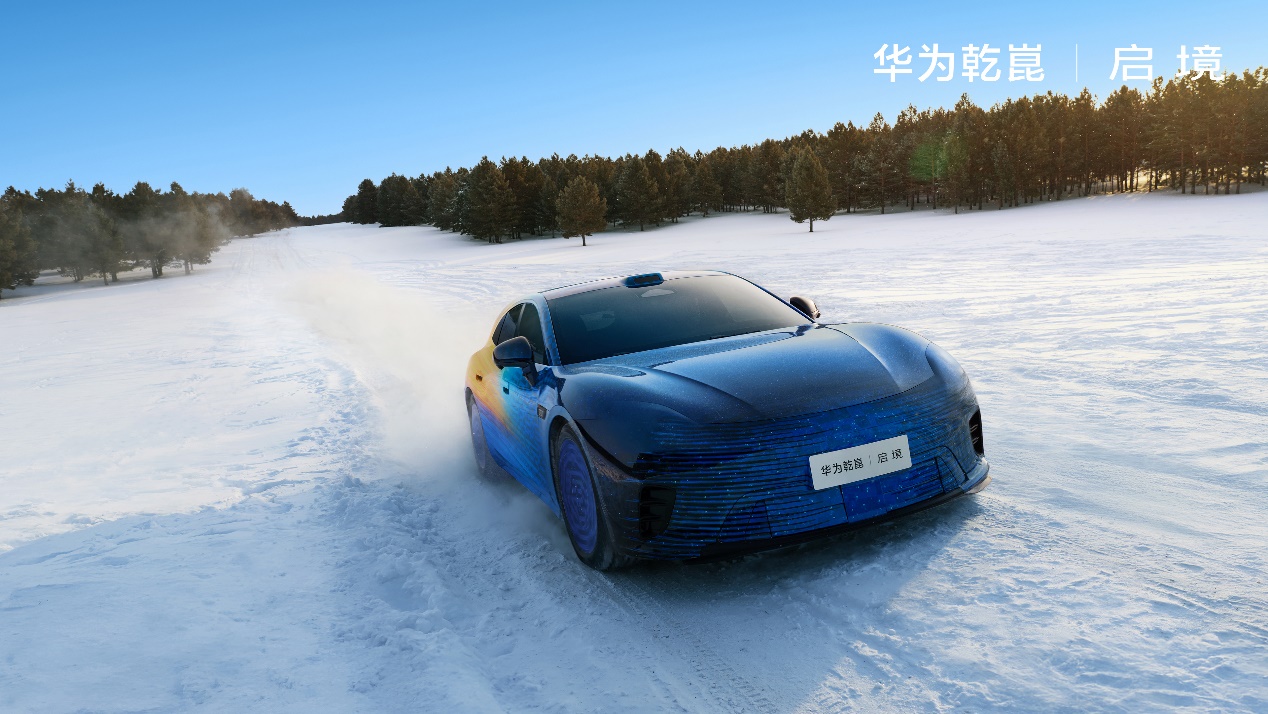
启境发布全新猎装轿跑车预告图 预计4月首发亮相
Zhong Guo Zhi Liang Xin Wen Wang· 2026-01-30 07:52
Group 1 - The first model from Qijing features a shooting brake design with a low-drag streamlined appearance [2] - The vehicle incorporates a贯穿灯组 design, with headlights positioned on the front hood and a lower bumper designed as a flow guide, along with a roof-mounted lidar [2] Group 2 - The new car will be equipped with Huawei's digital chassis engine and the next-generation advanced intelligent driving assistance system, supporting an L3-level architecture [4] - The vehicle is capable of conditional automated driving technology based on Huawei's Qian Kun intelligent driving ADS for high-speed L3 [4] - Qijing Automotive's CEO Liu Jiaming reported that the test drive of the shooting brake demonstrated high levels of handling stability and intelligent system response speed, exceeding expectations [4]
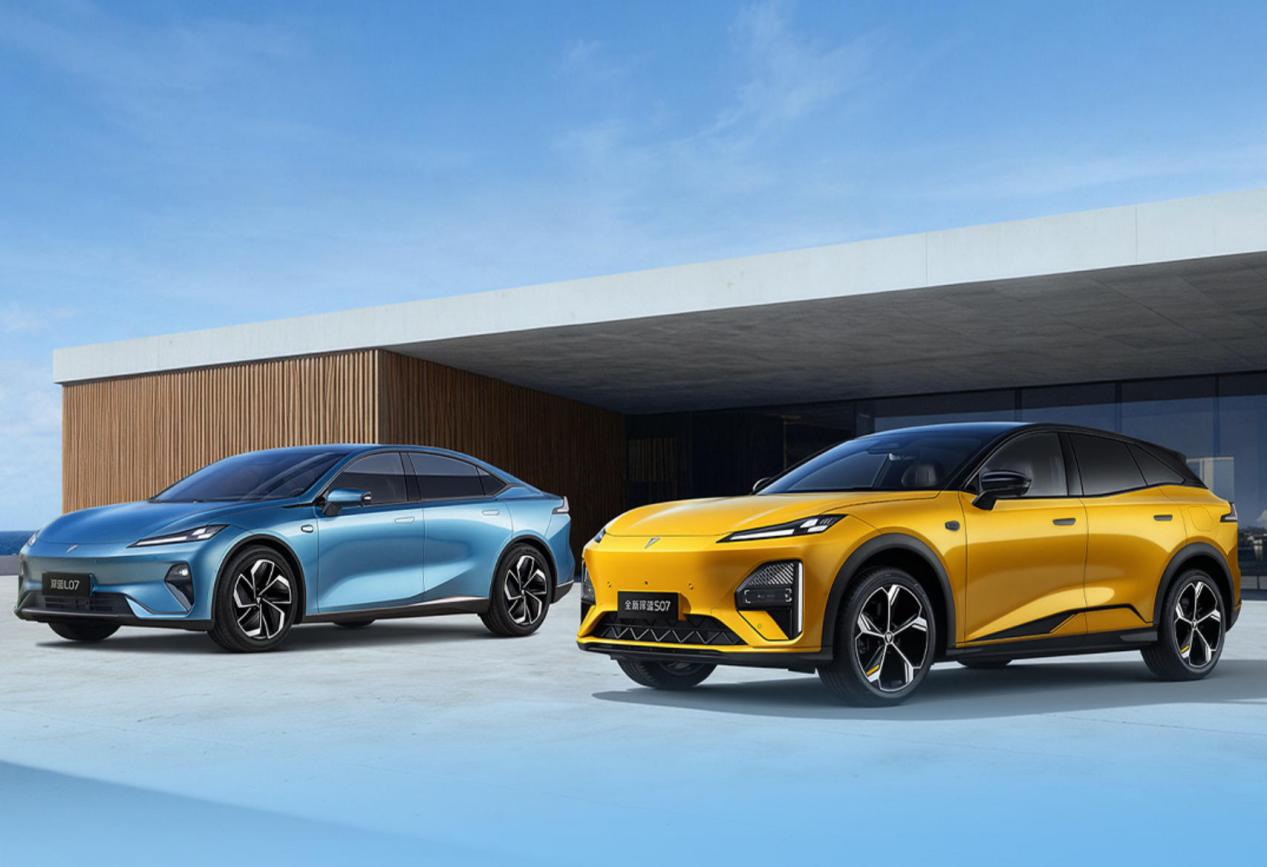
深蓝DEEPAL OS 4.1版本开启推送 覆盖S07/L07
Zhong Guo Zhi Liang Xin Wen Wang· 2026-01-30 07:51
Core Insights - The article highlights the introduction of new features in smart interactive experiences for vehicles, enhancing user engagement and functionality [2] Group 1: Smart Interactive Features - A new "Direct Ask AI" feature allows users to receive direct guidance on vehicle functions after activating the Deep Blue Butler [2] - The "Eat, Drink, Play, and Have Fun Recommendations" feature provides precise suggestions for nearby leisure activities, catering to diverse travel needs [2] - The interface and multitasking interactions have been upgraded with a new "One Screen Multi-Use" mode, allowing split-screen display of navigation and media content [2] Group 2: Enhanced User Experience - The "Free DIY" feature enables users to freely adjust the positions of music and navigation cards [2] - The AR-HUD functionality has been strengthened, displaying critical information such as lane departure warnings and lyrics without the need to look down [2] - The air conditioning system has been optimized for seamless switching, and the vehicle's application ecosystem has been expanded with a wealth of premium applications [2] Group 3: Advanced Driving Assistance - The introduction of a parking progress visualization feature significantly reduces the difficulty of parking operations [2] - Huawei models now include a mobile app feature for remote video viewing, allowing users to monitor their vehicle's surroundings in real-time [2]
双豹升级 纯电续航210km!比亚迪海洋网2026款海豹05/06DM-i北京上市
Zhong Guo Zhi Liang Xin Wen Wang· 2026-01-30 07:51
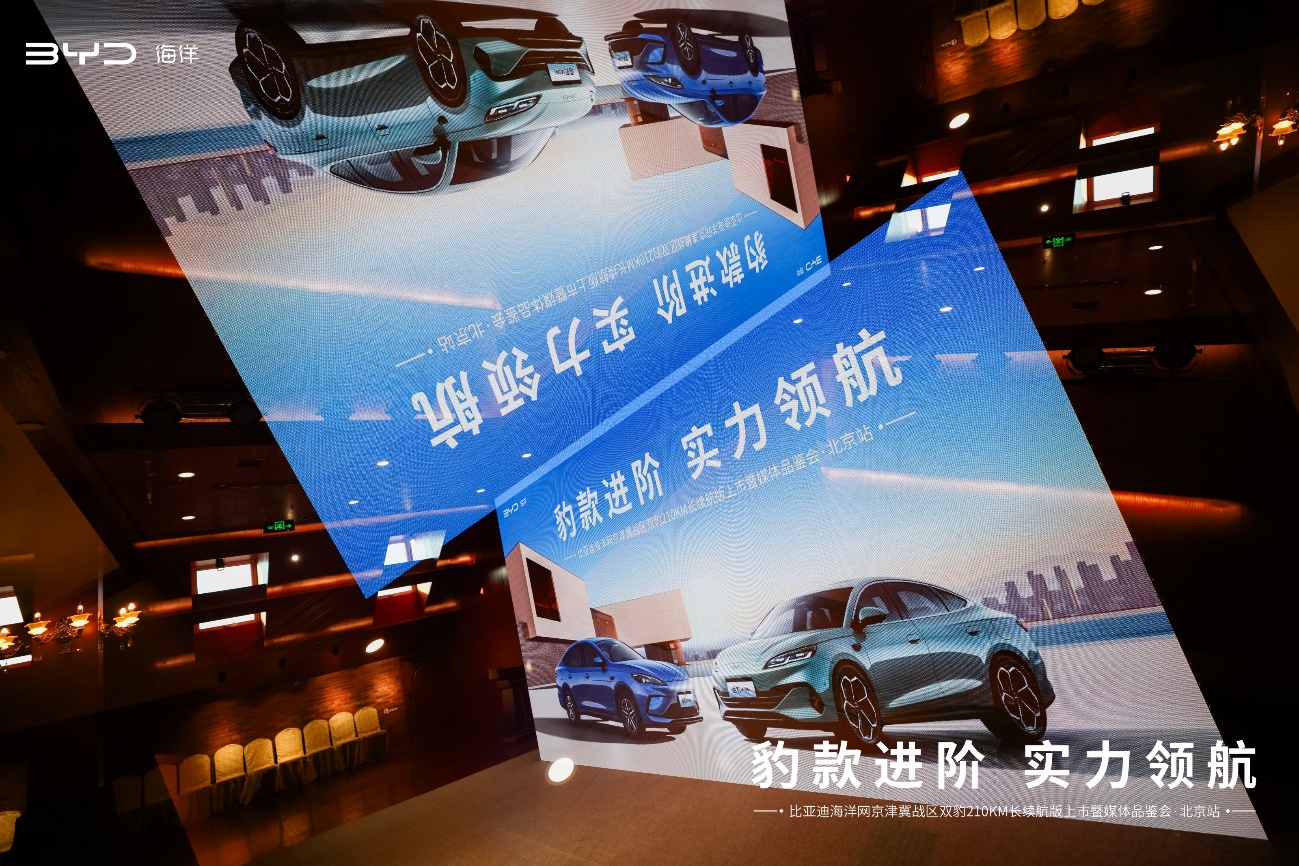
Core Viewpoint - BYD launched the 2026 models of the Seal 05DM-i and Seal 06DM-i at a press conference in Beijing, with starting prices of 89,800 yuan and 116,800 yuan respectively, both offering a pure electric range of 210 km [1] Group 1: Product Features - The introduction of the 210 km pure electric range aims to provide users with a higher value experience, promoting "low-cost, zero-anxiety" green travel across various life scenarios [3] - The 210 km range is achieved through improvements in battery energy density and optimization of the vehicle's energy management system, alongside advancements in the safety performance of the lithium iron phosphate battery pack [5] - The "Heavenly Eye" advanced intelligent driving assistance system will be a key differentiator for high-end models, supporting over 20 functions including highway navigation and intelligent parking [5] Group 2: User Experience - BYD conducted long-distance pure electric road tests in low-temperature environments, covering various road conditions, with all test vehicles showing no significant battery depletion [7] - The "Heavenly Eye" intelligent parking experience area attracted significant attention, showcasing challenging parking scenarios where users can control the vehicle's parking process via a mobile app, enhancing convenience [9] - The system can currently recognize over 100 parking scenarios and continuously optimizes parking strategies through deep learning, aiming for "everyone can park easily" [11]
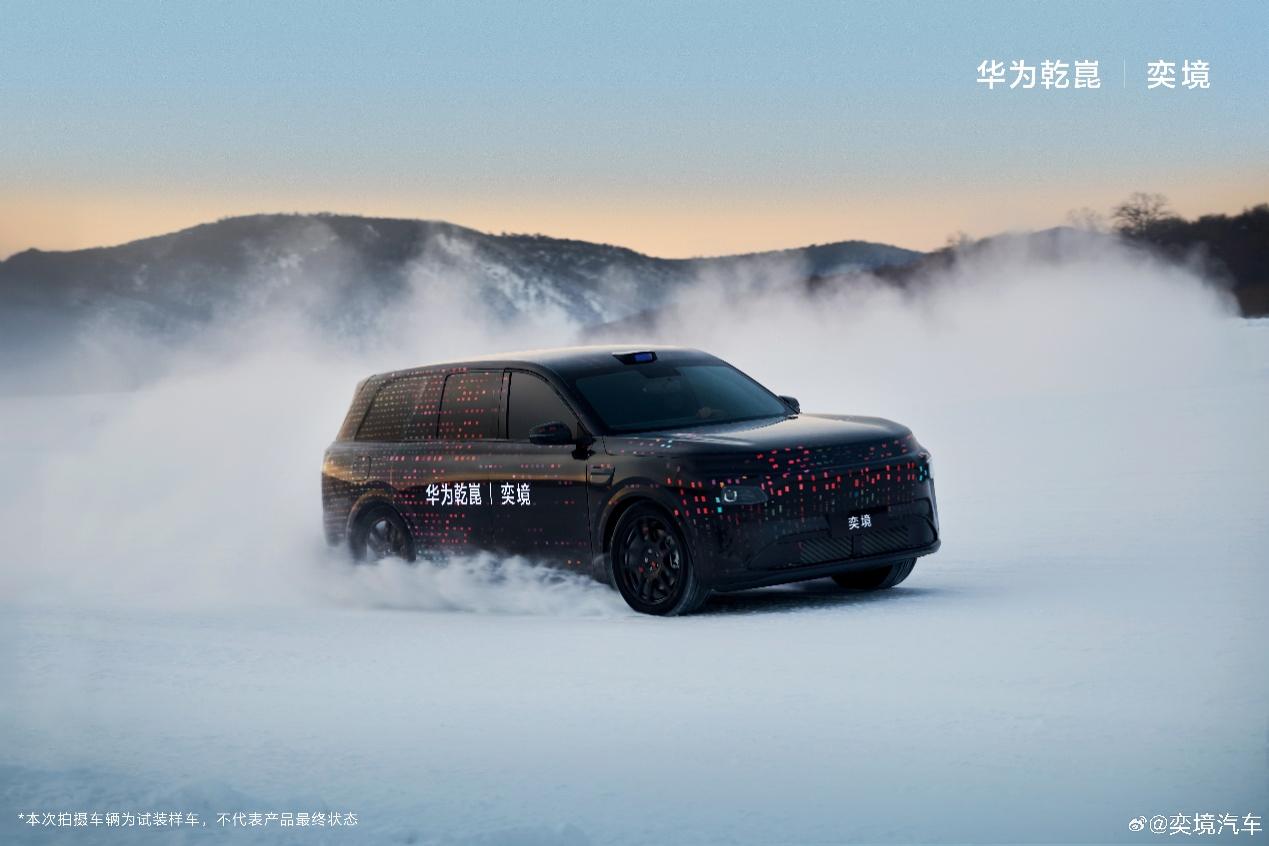
搭载华为全套解决方案 奕境首款车型将于4月北京车展首发
Zhong Guo Zhi Liang Xin Wen Wang· 2026-01-30 07:50
Core Viewpoint - The article discusses the launch of the new SUV model under the Yijing brand by Dongfeng Motor, highlighting its advanced features and technological integration with Huawei solutions [2] Group 1: Vehicle Features - The new SUV features a heavy camouflage design with a split headlight configuration, including daytime running lights and a lighting group [2] - The front bumper has a conservative style and is equipped with laser radar, indicating a focus on safety and advanced technology [2] - The vehicle's side profile showcases hidden door handles, contributing to a modern aesthetic [2] Group 2: Technological Integration - The first model from the Yijing brand is a full-size SUV that incorporates a complete suite of Huawei solutions, including Qian Kun intelligent driving, Hongmeng cockpit, Qian Kun vehicle control, and vehicle-cloud integration [2] Group 3: Production Milestone - Dongfeng Motor announced the successful delivery of the first "battery box" from the 16,000T integrated die-casting production line for the Yijing brand, marking a significant production milestone [2] - The battery box features a highly integrated design that enhances the safety of the vehicle's power battery system, reduces vehicle weight, lowers energy consumption, and effectively extends the driving range [2]