美元霸权

Search documents
手握七成需求拒购美元矿,中国争夺铁矿石定价权
Sou Hu Cai Jing· 2025-10-08 13:56
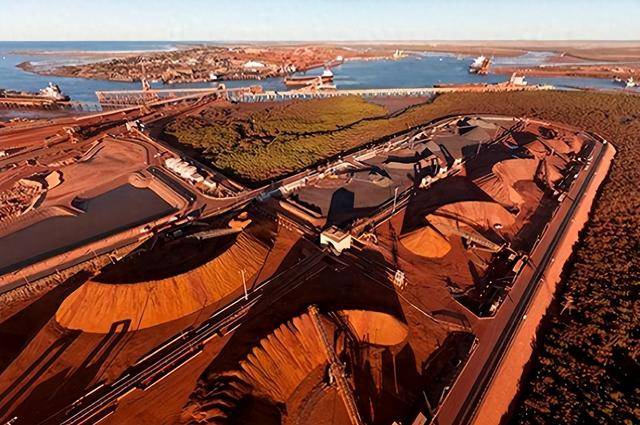
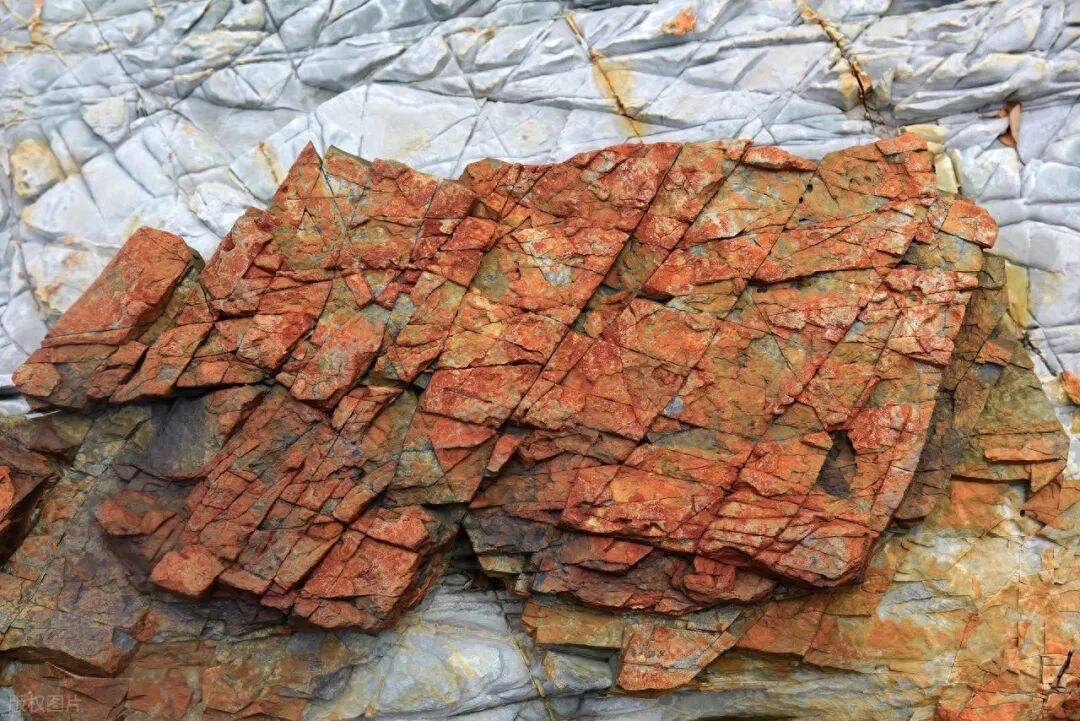
Core Viewpoint - The global commodity market reacted sharply to a notice from China Mineral Resources Group, which announced a halt on purchasing iron ore from BHP in USD, leading to a significant drop in BHP's stock price. This move signifies China's transition from being a passive buyer to a rule-maker in resource trade [1] Group 1: Market Dynamics - For decades, the iron ore market has been dominated by BHP, Rio Tinto, and Vale, leaving buyers, particularly China, constrained in their purchasing power [3] - The establishment of China Mineral Resources Group in 2022 centralized procurement for domestic steel mills, shifting from a fragmented purchasing approach to unified negotiations [3] Group 2: Import Trends - By the first eight months of 2025, China's imports of iron ore from Australia decreased by 12%, indicating a significant diversification in iron ore sourcing [4] - China consumes approximately 75% of the global seaborne iron ore, importing around 1.2 billion tons in 2023, with about 700 million tons from Australia, accounting for approximately 63% [6] Group 3: Pricing and Currency Issues - The immediate cause for halting purchases from BHP was a pricing disagreement, with BHP insisting on a 15% increase for 2025, leading to a price difference of about $30 per ton compared to current spot prices [7] - China has made it clear that future transactions must be settled in RMB, challenging the dominance of the USD in commodity pricing [8] Group 4: Supply Network Development - China's strong stance in iron ore trade is supported by a diversified supply network, including significant projects in Guinea and increased imports from Brazil and Russia [9][10] - The domestic recycling of scrap steel is also maturing, with projections indicating that by 2025, electric arc furnace steelmaking will account for 25% of production, reducing the demand for primary iron ore by approximately 40 million tons annually [11] Group 5: Rise of RMB Settlement - The push for RMB settlement in iron ore trade represents a challenge to USD hegemony, with increasing cross-border transactions in RMB [12] - In 2024, Hebei Steel Group procured 3.06 million tons of iron ore through RMB settlement, marking a 25% increase year-on-year [13] - The proportion of metal trade using RMB for settlement rose to 9.2% in Q3 2023, a significant increase from 2.1% in 2020 [14] Group 6: Global Trade Order Changes - The implications of this iron ore trade dispute extend beyond China and Australia, with Brazil and Russia also adapting to RMB settlement, thereby increasing their market share [15][16] - Southeast Asian steel mills are beginning to inquire about RMB usage, raising concerns about potential shifts in settlement methods for other commodities like copper and aluminum [18] - The global resource landscape is being reshaped, with Australia potentially losing market share to more cooperative suppliers like Brazil and Guinea if it remains inflexible [19]


中方抛售3096亿美债,美专家惊呼:中国的王牌奏效了
Sou Hu Cai Jing· 2025-10-08 13:56
Core Insights - The recent reduction of U.S. Treasury holdings by China is a strategic move rather than a reaction to immediate events, indicating a planned asset reallocation [3][10] - China's actions signal that U.S. Treasuries are not irreplaceable and that the dollar is not the only safe asset, reflecting a shift in financial strategy [5][13] - The U.S. government's fiscal uncertainties and the recent government shutdown have heightened the sensitivity of China's decision to reduce its Treasury holdings [6][8] Group 1: China's Strategy - China's reduction of U.S. Treasuries has been ongoing for several years, characterized by a gradual withdrawal rather than abrupt selling [3][10] - The shift includes reallocating assets towards gold and other investments, which serves as a risk management strategy [5][13] - This approach allows China to send a message to the U.S. that it will not passively accept unfavorable conditions [10][18] Group 2: U.S. Response - The U.S. government has begun to respond to China's actions by signaling a willingness to negotiate and address trade issues [11][18] - The reduction in Treasury holdings has created pressure on the U.S. fiscal system, highlighting the risks associated with relying on debt [8][15] - The situation emphasizes the need for the U.S. to reassess its fiscal policies and the sustainability of its debt levels [15][18] Group 3: Global Financial Implications - China's actions contribute to a broader trend of diversifying away from the dollar, as more countries seek alternatives to U.S. Treasuries [15][20] - The ongoing financial dynamics reflect a shift towards a multipolar global financial system, where reliance on a single currency is decreasing [15][20] - China's strategy of gradual reduction and asset diversification positions it as a proactive player in the evolving global financial landscape [17][20]
美国真不行了?别被表象骗了!三个真相依然现实
Sou Hu Cai Jing· 2025-10-08 12:03
Group 1: U.S. Economic Resilience - The U.S. economy is perceived to be declining, but underlying data suggests it remains robust, with several key indicators still strong [1][4] - U.S. consumer spending is a major driver of the global economy, accounting for approximately 68% of GDP with a real growth rate of 2.1% expected in 2025 [3][4] - The trade deficit, while seemingly negative, reflects borrowing for consumption, which enhances living standards and stimulates global trade [4][12] Group 2: Dollar Dominance - The U.S. dollar maintains a dominant position in global trade, with over 58% of foreign exchange reserves held in dollars and 88% of global foreign exchange transactions conducted in dollars [7][8] - The dollar's status is bolstered by the credibility of the U.S. financial system and its use in oil pricing, ensuring its continued relevance despite discussions of de-dollarization [8][12] - The dollar's strength is evident as it remains the preferred currency for international payments, with a significant share of global trade invoices denominated in dollars [7][8] Group 3: Corporate Influence - U.S. companies, particularly in technology, hold significant power in the global supply chain, with major firms like Apple and Microsoft leading in market capitalization and innovation [11][12] - The U.S. corporate sector is characterized by strong investment in technology and research, positioning it as a leader in AI and other advanced industries [11][12] - The presence of U.S. military bases worldwide provides a stable environment for American companies, enhancing their global operational security [12][14] Group 4: Future Outlook - Despite challenges, the U.S. economy is projected to grow by 1.8% in 2025, outpacing many developed economies [14] - The advantages of the U.S. economy are the result of decades of strategic positioning, including trade deficits that provide access to cheaper goods and the dollar's financial dominance [14] - The resilience of the U.S. economy suggests it can withstand global slowdowns, with ongoing strength in consumer spending and corporate investment [14]
人民币结算令,既是对澳大利亚的最后通牒,又是对美国的深远打击
Sou Hu Cai Jing· 2025-10-08 07:46
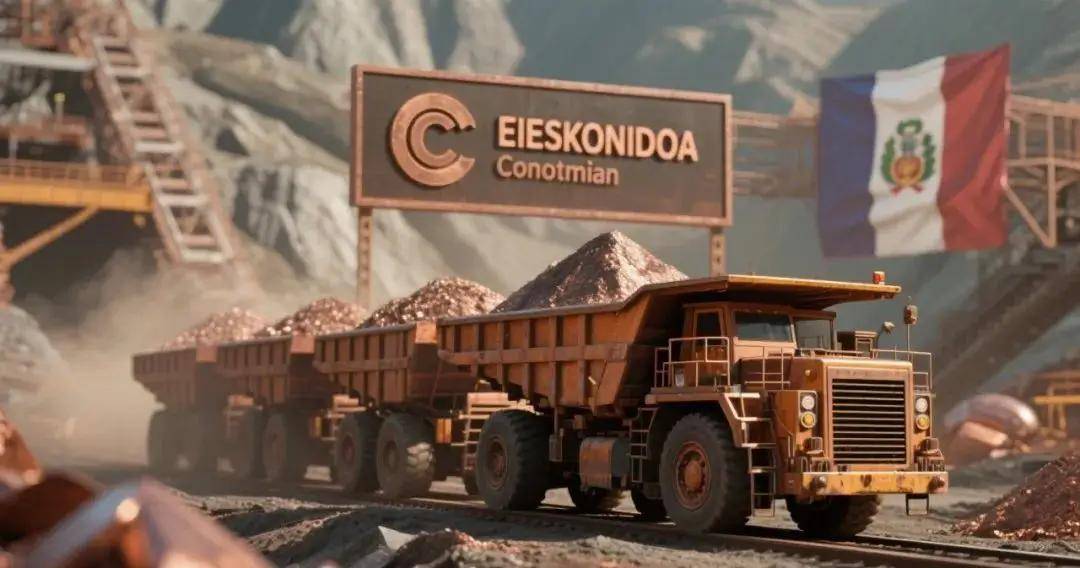
中国近期宣布将停止采购必和必拓等澳大利亚铁矿商以美元结算的海运铁矿石,并要求以人民币结算。这一政策令澳大利亚矿业巨头深感压力,表面上看 似只是中国与澳大利亚之间的贸易争端,实则影响深远,既是对澳大利亚经济的精准反击,也是对美国金融霸权的一次重击。 全球大宗商品贸易的结算货币问题,早已超越了经济领域,成为国际政治博弈的重要一环。中国作为全球最大钢铁生产国,每年消费全球约七成的铁矿 石,而澳大利亚是世界上最大的铁矿石供应国,两国的经济联系原本应互惠互利。然而,长久以来,澳大利亚矿企凭借市场垄断地位,操控铁矿石定价 权,使得中国每年为铁矿石支付的成本居高不下。尽管铁矿石的开采成本仅为每吨16到18美元,但澳大利亚却将其售价抬高至每吨80到100美元。更不合 理的是,澳大利亚矿企即便在现货价格已经大幅下降的情况下,依旧在长协谈判中要求价格上涨。这种"买得越多,价格越高"的定价方式让中国钢铁企业 每年多支付数百亿美元的额外成本。 中国此次推行铁矿石人民币结算政策,背后是经过深思熟虑的战略布局。此次决策主要集中在三个核心目标上:第一,争夺铁矿石定价权,避免长期承受 不公平的"溢价"困境。中国作为全球最大铁矿石买家,却长期 ...
美债新“接盘侠”出现!1.2万亿疯狂扫货,数字美元殖民时代降临
Sou Hu Cai Jing· 2025-10-08 06:05
Core Insights - The article discusses the increasing reliance on stablecoins as a new mechanism for financing U.S. national debt, which has surpassed $36.2 trillion, with traditional buyers like China and Japan reducing their purchases [3][5][8] - The introduction of the GENIUS Act in 2025 aims to regulate digital assets while designating stablecoins as a means to support U.S. debt, requiring stablecoin issuers to back their assets with U.S. dollars or short-term U.S. Treasury bonds [5][7][8] - Stablecoins are becoming a strategic tool for the U.S. to manage its debt, with significant implications for global finance and the dollar's dominance [8][19][27] Group 1: U.S. National Debt and Traditional Buyers - The U.S. national debt has reached $36.2 trillion, with annual interest payments nearing $1 trillion, exceeding the military budget [3][5] - Traditional creditors are slowing down their purchases of U.S. debt, prompting the need for new buyers [3][5] Group 2: Role of Stablecoins - Stablecoins are being positioned as a solution to support U.S. debt, with the GENIUS Act mandating that stablecoin reserves be held in U.S. dollars or short-term Treasury bonds [5][8] - The U.S. Treasury Secretary indicated that demand for U.S. debt through digital assets could reach $2 trillion in the coming years [7][8] Group 3: Market Dynamics and Major Players - Tether's USDT holds $171 billion in U.S. bonds, while Circle's USDC has nearly $50 billion in short-term Treasury bills, together controlling 86.5% of the stablecoin market [12][17] - The business model of stablecoin issuers allows them to profit from the interest paid on U.S. debt, exemplified by Tether earning $1 billion in profits in Q1 2025 [15][17] Group 4: Global Impact and Adoption - Stablecoins are facilitating a rapid expansion of the dollar's influence globally, with transaction volumes surpassing traditional payment giants like Visa and Mastercard [20][22] - In emerging markets, particularly in Latin America, over 50% of cryptocurrency received is in stablecoins, indicating a significant shift in payment preferences [24][26]
中方连抛3820亿美债,关键时刻,巴菲特清空中企股票,信号特殊
Sou Hu Cai Jing· 2025-10-08 01:16
自2022年起,中国逐步减持美债,特别是今年以来,减持幅度逐渐加大。今年3月,中国减持了189亿美 元,4月减持82亿美元,5月减持9亿美元,7月又减持了257亿美元。这一系列的减持行动,引发了全球 金融市场的关注。 在过去几十年里,美国国债作为全球投资者眼中的"安全资产",无疑是大多数国家外汇储备的主要组成 部分。而中国曾长期是美国国债的最大持有国,其目的很简单——通过持有大量美债,既能稳定外汇储 备,又能保证人民币汇率稳定。但随着中美关系的恶化,尤其是在特朗普政府实施贸易战、加征关税及 经济制裁后,中国逐渐意识到,过度依赖美元资产的风险在逐步上升。 减少对美元的依赖,成为了中国在当前复杂国际局势下的重要战略。更为严重的转折点出现在2022年, 当美国冻结了俄罗斯的海外资产,激起了全球范围内对美元霸权的警惕。中国在这一背景下,选择了逐 步减少对美债的依赖,尤其是在当前美元贬值风险加剧的情况下,持有大量美债已不再是"无风险"的投 资。完整内容查看视频 ...
外媒发出感慨,中方的最新声明直接挑明,丝毫不考虑美国利益了
Sou Hu Cai Jing· 2025-10-07 18:16
Core Insights - The global commodity trade landscape is undergoing a profound structural transformation, particularly influenced by China's strategic decisions regarding currency diversification and procurement channels [1][3][12] Group 1: Iron Ore Market - BHP's stock experienced a significant drop of 6% on October 1, coinciding with a 4% decline in Singapore iron ore futures, triggered by China's directive to halt all dollar-denominated iron ore purchases from BHP [1][3] - China has signed a long-term supply agreement with Brazil's Vale, adding 50 million tons of new orders with a notable increase in RMB settlement to 28%, indicating a shift away from the dollar-dominated settlement system [3][10] - BHP's reliance on the U.S. market is substantial, with over 60% of its revenue coming from exports to China, making the recent changes particularly challenging for the company [3][10] Group 2: Soybean Trade - In the first seven months of 2025, China imported 16.57 million tons of soybeans from the U.S. compared to 42.26 million tons from Brazil, widening the gap to 2.6 times, which poses a significant threat to U.S. agriculture [5][8] - China's shift towards South American suppliers is driven by Brazil's stable supply, cost control, and secure settlement options, with a currency swap agreement worth 190 billion yuan enhancing RMB settlement in soybean trade [7][11] - The U.S. soybean market is facing severe challenges, with nearly 100 farms declaring bankruptcy and a loss exceeding $1 billion for U.S. soybean farmers due to declining exports [8][11] Group 3: Broader Implications - The adjustments in commodity procurement and settlement by China reflect a strategic shift towards prioritizing supply chain security and cost control over traditional diplomatic balancing [7][12] - The changes in iron ore and soybean trade are indicative of a broader trend where the dominance of the dollar in global commodity transactions is being challenged, leading to a potential reconfiguration of global trade rules [12][15] - The U.S. Treasury's concerns regarding the implications of these changes highlight the potential for a significant shift in the balance of power in global commodity markets, as other resource-exporting countries may consider similar moves towards RMB settlement [3][10][15]
中国拒绝美债接盘,37万亿压力下,特朗普出狠招
Sou Hu Cai Jing· 2025-10-07 16:37
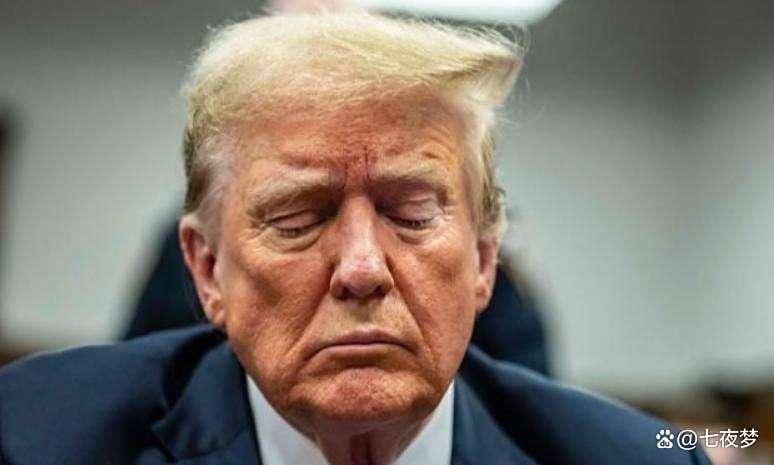
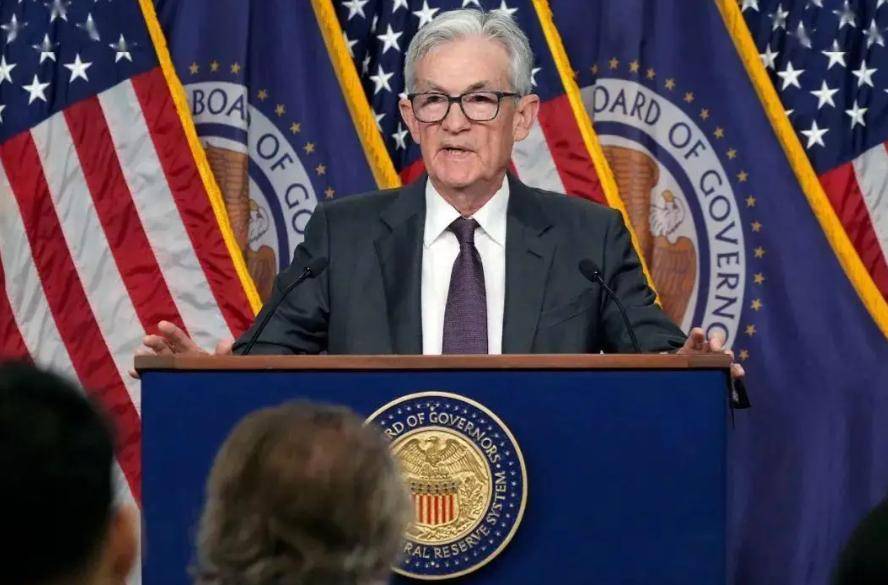
Group 1 - The article discusses the implications of a political figure's remarks about potentially defaulting on debts, which has sparked global financial concerns and a loss of trust in the U.S. dollar [1][4] - The initial response to these remarks has led to a significant reduction in holdings of U.S. Treasury bonds, with cumulative sales exceeding one trillion dollars, indicating a shift in investor sentiment [3][5] - Countries like Japan and Saudi Arabia are also beginning to sell off U.S. debt, marking the start of a global "dollar flight" as confidence in the dollar diminishes [3][5] Group 2 - The article highlights the erosion of trust in the U.S. dollar, which is attributed to the U.S. government's use of financial sanctions and the freezing of assets, making countries wary of relying solely on the dollar [5][6] - Central banks worldwide are responding by purchasing gold, a traditional safe-haven asset, as a hedge against the instability of the dollar [5][6] - The internal conflict within the U.S. government regarding economic policies, particularly between the Trump administration and Federal Reserve Chairman Jerome Powell, is creating uncertainty for investors [6][8] Group 3 - The U.S. national debt has reached an alarming total of 37 trillion dollars, with annual interest payments exceeding military spending, raising concerns about fiscal sustainability [9] - The decreasing willingness of external lenders to finance U.S. debt is forcing the government to rely on the Federal Reserve to print money, creating a precarious financial situation [9][10] - The article suggests that the current financial practices may lead to a significant economic downturn, marking the potential end of an era of dollar dominance [10]
澳大利亚正式宣布,中国开始行动,美元难受了
Sou Hu Cai Jing· 2025-10-07 14:35
Core Viewpoint - The recent decision by BHP Group to conduct iron ore transactions with Chinese buyers using RMB signifies a major shift in international financial dynamics, challenging the dominance of the US dollar and reflecting changing global trade relationships [1][4]. Group 1: Trade Dynamics - Australia has seen over 1.2 trillion RMB in iron ore trade with China over the past seven years, with significant daily shipments [3]. - The bargaining power of Chinese buyers has increased, as China is now the largest steel producer and has developed new mining operations in Brazil and Guinea [3][4]. Group 2: Currency Trends - The internationalization of the RMB is accelerating, with a 37% increase in cross-border trade settlements in RMB last year, and various countries beginning to accept RMB for trade [6]. - The credibility of the US dollar is declining, with the US national debt exceeding 31 trillion USD and significant currency exchange losses impacting Australian mining companies [6][8]. Group 3: Strategic Implications - The move by Australian companies to use RMB for transactions is a strategic decision to mitigate currency risk and invest in China's clean energy projects, aligning with China's industrial upgrades [8]. - This shift indicates a broader transformation in global economic structures, as emerging economies redefine traditional financial orders, reminiscent of the transition from the pound to the dollar [10].
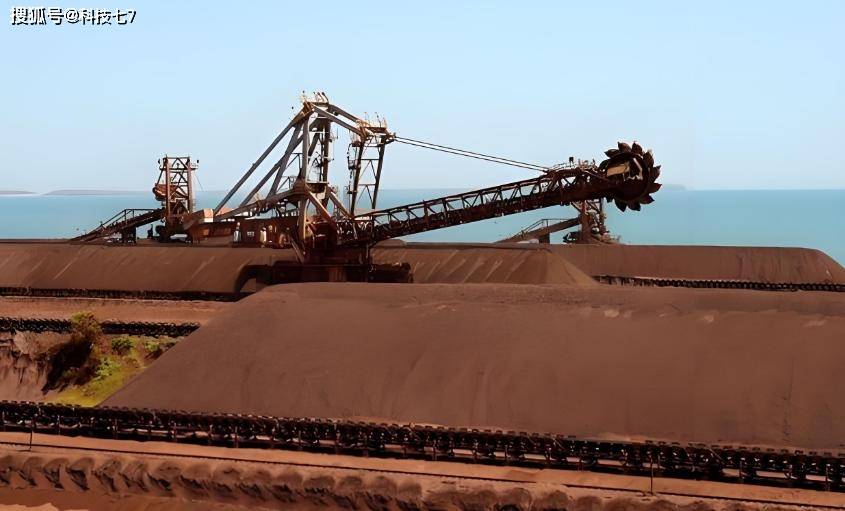
澳大利亚传来好消息,中国出手,人民币深入美元腹地,美十分难受
Sou Hu Cai Jing· 2025-10-07 08:40
Group 1 - Australia's recent decision to accept RMB for iron ore transactions with China signifies a shift in its economic strategy, reflecting its reliance on the Chinese market for iron ore exports [1][3][9] - China is the world's largest iron ore buyer, importing 1.237 billion tons annually, which constitutes 75% of global sea trade, making it a critical market for Australia [3][5] - The Australian government, under Prime Minister Albanese, aims to stabilize relations with China, moving away from previous hawkish policies and recognizing the unreliability of the U.S. [9][11] Group 2 - The conflict arose when BHP insisted on a 15% price increase for long-term contracts and insisted on USD settlements, prompting China to halt all dollar-denominated purchases from BHP [5][19] - China's diversification of iron ore sources has led to over 50% of its imports coming from non-Australian countries, reducing its dependency on Australia [7][21] - The introduction of RMB-denominated financial instruments, such as the "RMB sea-floating iron ore swap" by Hainan International Clearing House, enhances China's position in global iron ore trade [15][17] Group 3 - The shift towards RMB settlements in iron ore trade poses a significant challenge to the U.S. dollar's dominance, as it disrupts the traditional dollar-based commodity pricing system [13][22] - China's growing influence in the iron ore market is evidenced by the increasing percentage of trade with Russia being settled in RMB, which has risen to 45% [17][19] - The potential for RMB to become a dominant currency in commodity trading could lead to a dilution of the dollar's status as the world's reserve currency [19][22]