
自由贸易

Search documents
不许购买俄石油,美公开指责中印,话音刚落,中方回应一针见血
Sou Hu Cai Jing· 2025-09-27 08:37
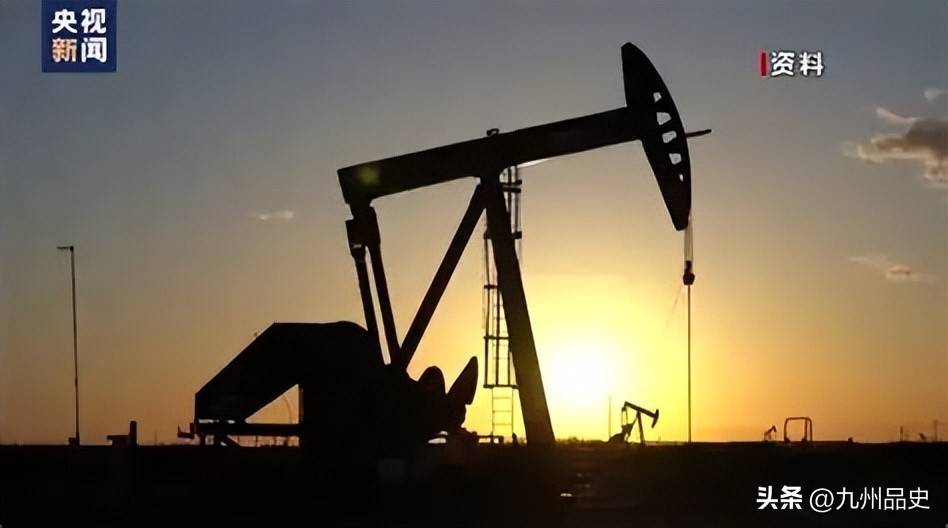
Core Viewpoint - The article discusses the escalating tensions in the global energy market, particularly focusing on the firm stance of China and India in defending their energy autonomy against U.S. pressure to cease purchasing Russian oil [1][3][5]. Group 1: U.S. Pressure and Response - The U.S. has issued strong warnings to China and India, demanding an immediate halt to their purchases of Russian oil, framing it as a violation of international interests [5][9]. - Despite U.S. pressure, both China and India have responded with a resolute commitment to their energy security, highlighting their independence in energy policy decisions [7][10]. - China's Ministry of Foreign Affairs emphasized that their energy cooperation with Russia is in line with international trade rules, rejecting U.S. accusations as baseless [5][12]. Group 2: International Reactions and Implications - The reactions from the Western bloc have been mixed, with some questioning the U.S.'s unilateral approach and its implications for global energy stability [9][10]. - The situation has prompted a reevaluation of energy strategies among various countries, including traditional U.S. allies in Europe, indicating a shift away from U.S. dominance in energy governance [10][14]. - The article suggests that the ongoing energy dynamics signify a profound transformation in the global energy landscape, with China and India asserting their roles as independent players [12][14]. Group 3: Strategic Considerations - China views energy security as a vital component of its national development, and its partnership with Russia is seen as a pragmatic choice amidst geopolitical shifts [12][14]. - India, as the third-largest oil consumer, has made it clear that its energy choices are sovereign and not subject to external dictation, reinforcing its strategic autonomy [12][14]. - The article concludes that the current energy standoff reflects a broader trend towards a more diversified and balanced international energy order, challenging the previous Western-centric model [14].

特朗普拉长关税清单
Guo Ji Jin Rong Bao· 2025-09-27 06:49
Core Viewpoint - The effectiveness of trade policies, particularly tariffs, is being questioned even among Trump's supporters, who are beginning to recognize that job losses are more attributable to automation than to trade policies. The logic of free trade remains relevant despite the challenges it faces [1][10]. Tariff Measures - Trump's administration has raised the average tariff level in the U.S. from less than 2% to 17.7%, with specific tariffs on steel, aluminum, and copper reaching 50%, and most auto imports facing a 25% tariff. New investigations targeting robots, industrial machinery, and medical supplies may lead to further tariffs [2][3]. - Starting October 1, new tariffs will be imposed on various imported products, including 50% on kitchen cabinets and bathroom sinks, 30% on imported furniture, and 100% on patented and branded drugs [2]. Trade Agreements and Reactions - The U.S. has reached trade agreements with several major partners, including the EU, Japan, and South Korea, but skepticism about Trump's trade logic persists. Countries like South Korea are experiencing significant export declines due to high tariffs [4][5]. - Japan's former central bank governor criticized Trump's high tariff policies as misaligned with U.S. economic realities, while the EU has faced criticism for perceived concessions under U.S. pressure [5]. Geopolitical Implications - Trump's tariffs have led to geopolitical shifts, with Canada experiencing a 1.6% economic contraction due to export declines and a rising unemployment rate. Canada is now seeking to reduce its dependency on the U.S. [6]. - The EU is accelerating trade diversification efforts and increasing defense investments to reduce reliance on the U.S. for security commitments [6]. - Australia and New Zealand are also reassessing their diplomatic ties with the U.S. due to trade tensions, which could impact intelligence cooperation [7]. Global Trade Dynamics - Despite the challenges posed by Trump's protectionism, countries are recognizing the benefits of reducing tariffs. Indonesia has reached a free trade agreement with the EU, and other nations are pursuing similar agreements to mitigate the impact of U.S. tariffs [9]. - The WTO's multilateral trade system is under threat, with a decline in global trade share and increased unilateral measures by major economies, leading to fragmentation of the trade system [11]. Future Trade Frameworks - There are calls for the WTO to reform and better facilitate global cooperation amid the current trade turmoil. China has expressed its commitment to not seeking special treatment in future negotiations [12]. - Analysts suggest forming multiple alliances among like-minded countries to create a flexible network that can promote trade integration while ensuring supply chain security [13].
李强会见联合国秘书长
Yang Guang Wang· 2025-09-26 07:23
Core Viewpoint - China expresses willingness to collaborate with the United Nations and relevant parties to implement President Xi Jinping's global governance initiative, aiming to establish a more just and reasonable global governance system [1] Group 1: China's Commitment - China will firmly uphold the position and authority of the United Nations, promoting dialogue and cooperation among countries to coordinate effective actions [1] - The country emphasizes the importance of maintaining free trade and economic globalization, while continuing to share development opportunities with other nations [1] Group 2: Global Governance Initiative - The core concept of the global governance initiative aligns closely with the principles upheld by the United Nations [1] - The UN Secretary-General expresses a strong interest in enhancing cooperation with China to defend multilateralism and promote global development [1] - There is a call for reform in the global governance system to better safeguard the common interests of the international community [1]
英国驻华大使:追求稳定、务实、长期的英中关系
Zhong Guo Xin Wen Wang· 2025-09-25 18:31
Core Points - The UK aims to establish a stable, pragmatic, and long-term relationship with China, emphasizing the importance of trade and cooperation in various fields [1] - The UK is China's third-largest trading partner in Europe and the third-largest destination for investment, while China is the largest trading partner for the UK in Asia [1] - The UK Ambassador to China highlighted the threats to free trade in the current global landscape, suggesting that open dialogue and cooperation with China are essential [1] - The importance of youth exchanges, particularly among international students, was underscored as a means to foster understanding and contribute to a more prosperous and peaceful future [1]
《区域全面经济伙伴关系协定》(RCEP)生效实施后第四次部长级会议联合媒体声明(参考译文)
Shang Wu Bu Wang Zhan· 2025-09-25 12:53
Group 1 - The RCEP meeting emphasized the importance of deepening trade and investment relationships to enhance economic resilience and support the implementation of the RCEP agreement [1][2] - The meeting acknowledged the significance of the comprehensive review of the agreement scheduled for 2027 to adapt to changing economic conditions [1] - The RCEP members committed to avoiding measures inconsistent with RCEP obligations and to maintaining an open, free, and rules-based market [1][2] Group 2 - The meeting welcomed the progress made by the RCEP Joint Committee and its subsidiary bodies in executing the RCEP agreement and encouraged continued efforts for transparent and effective implementation [2] - The meeting praised Japan for organizing the "RCEP E-commerce Dialogue Report" and encouraged member countries to promote the development and use of e-commerce [2][3] - The meeting reiterated the importance of economic and technical cooperation under RCEP to support inclusive and effective implementation of the agreement [2] Group 3 - The meeting welcomed the RCEP Joint Committee's establishment of guidelines for stakeholder engagement, facilitating collective communication with stakeholders [3] - The meeting noted the progress made during the first consultation with the RCEP Business Advisory Council (RBAC) [3] - The meeting encouraged further engagement with stakeholders to obtain strategic input and specific recommendations for better implementation of RCEP [3]
专访布鲁金斯学会约翰·桑顿中国中心主任:期待美国新一代政客能推动美国突破困境|慧眼中国
Di Yi Cai Jing· 2025-09-25 10:17
Group 1 - The core argument suggests that the reduction of U.S. involvement in regional trade negotiations may create space for countries to independently advance regional economic integration [1] - The Trump administration is encouraging key industries to manufacture domestically through tariff policies, aiming to bring manufacturing jobs back to the U.S. [1][2] - The effectiveness of these policies is questioned, as many new factories are automated and create limited direct employment opportunities [1][4] Group 2 - The decline of U.S. manufacturing is attributed to a shift towards a service-oriented economy, with a lack of quality training and new opportunities for those left behind [3] - The perception of free trade in the U.S. has shifted, with many believing it has harmed their interests, leading to a demand for alternative approaches [2] - Current policies may not effectively bring manufacturing capacity back to the U.S., as there is a reluctance among Americans to take on low-skilled jobs [4] Group 3 - The ideal solution to domestic issues is seen as a need for new political leadership that can inspire hope and a vision for the future [5][6] - The current political landscape is criticized for being too focused on immediate challenges, hindering long-term decision-making [6] - The future of China's potential accession to the Comprehensive and Progressive Agreement for Trans-Pacific Partnership (CPTPP) largely depends on China's choices and adherence to clear entry standards [7] Group 4 - The regional integration process in Southeast Asia is viewed as potentially benefiting from reduced U.S. involvement in trade negotiations, allowing countries to pursue their own economic integration [7]
《区域全面经济伙伴关系协定》(RCEP)生效实施后第四次部长级会议在马来西亚吉隆坡举行
Sou Hu Cai Jing· 2025-09-25 08:40
Core Viewpoint - The RCEP ministerial meeting emphasizes the importance of multilateralism and regional economic integration amidst significant challenges and uncertainties in the global economy [1] Group 1: RCEP Implementation and Trade Facilitation - The meeting discussed enhancing RCEP implementation to support free trade and a rules-based multilateral trading system [1] - Participants committed to avoiding measures inconsistent with RCEP obligations, aiming to maintain an open, free, and rules-based market [1] - There is a focus on eliminating unnecessary trade barriers and strengthening trade and investment facilitation [1] Group 2: Membership Expansion and Inclusivity - RCEP is reaffirmed as an open and inclusive regional agreement, welcoming the establishment of working groups for new member applications [1] - The RCEP Joint Committee is urged to expedite the processing of membership applications while ensuring high standards are maintained [1] Group 3: Challenges and Future Directions - The current regional economic integration process faces unprecedented challenges and uncertainties, necessitating a commitment to multilateralism [1] - There is a call for RCEP members to actively create a stable and diverse cooperation platform and to explore the potential of regional free trade cooperation [1] - The aim is to leverage the inherent stability and long-term growth of the region to address uncertainties in the international economic and trade environment [1]
李强在全球发展倡议高级别会议上的讲话(全文)
证监会发布· 2025-09-24 06:42
Core Viewpoint - The article emphasizes the importance of global development and cooperation, highlighting China's commitment to the Global Development Initiative and the need for a collaborative approach to address current global challenges [2][3]. Group 1: International Development Environment - A stable and open international development environment is essential for prosperity, with multilateralism and free trade being crucial for a vibrant global economy [3]. - The rise of unilateralism and protectionism poses significant risks to international development cooperation and economic growth [3]. Group 2: Equitable Development Partnerships - The article points out the increasing disparity between the Global North and South, driven by unequal rights, opportunities, and rules [3]. - Developed countries are urged to fulfill their commitments to development financing and support for developing nations to address imbalances [3]. Group 3: Innovation and Future Development - The rapid advancement of technologies like AI and big data is seen as a strong driver for global development, necessitating international cooperation in technological innovation [4]. - Efforts should be made to eliminate digital and technological divides to ensure that innovation benefits all [4]. Group 4: Sustainable Green Development - Climate change and environmental degradation are major global challenges that require a collective effort for green transformation [4]. - The article advocates for enhanced collaboration in renewable energy and sustainable practices to achieve harmony between humanity and nature [4]. Group 5: China's Contributions to Global Development - China has mobilized over $23 billion in funding for global southern development initiatives over the past four years, supporting more than 1,800 cooperation projects [5]. - Future plans include launching 2,000 small-scale livelihood projects in developing countries and increasing health cooperation with relevant organizations [5][6]. - China aims to strengthen technological cooperation and has proposed initiatives to enhance digital capabilities in developing nations [6].
英国驻广州总领事孟诗然:英方将继续加强与美国、欧盟、中国这三大重要贸易伙伴的关系
Feng Huang Wang Cai Jing· 2025-09-24 06:22
Group 1 - The "Phoenix Bay Area Financial Forum 2025" was held in Guangzhou on September 23-24, focusing on the theme "New Pattern, New Path" and gathering global elites from politics, business, and academia to explore development opportunities amidst changing circumstances [1] Group 2 - The British Consul General in Guangzhou, Meng Shiran, discussed the restoration of strategic dialogue between China and the UK after a seven-year hiatus, emphasizing the importance of this dialogue in addressing global challenges and fostering a stable bilateral relationship [3] - Meng welcomed the news of US private investors planning to invest over £1.25 billion in the UK financial services sector, indicating international confidence in the UK economy [3] - The UK aims to strengthen relationships with key trading partners, including the US, EU, and China, while promoting free trade and multilateral cooperation [3] - Meng highlighted the value of multilateralism in providing stability, certainty, and fairness in the trading environment, and noted the UK's commitment to collaborating with various members, including China, within the framework of the World Trade Organization (WTO) [3]

李强会见奥地利总理施托克尔
Xin Hua She· 2025-09-24 02:33
施托克尔表示,中国是奥地利最重要的贸易伙伴之一,双边经贸关系发展强劲。奥政府坚定奉行一个中 国政策,不承认台湾是一个主权国家,不同台湾开展官方往来。明年两国将迎来建交55周年,奥方愿同 中方加强高层往来,巩固长期友好,挖掘合作潜力,拓展经贸、旅游、人文等各领域合作,推动奥中友 好战略伙伴关系取得更大发展。欢迎更多中国游客赴奥旅游。奥方期待同中方加强在联合国等多边机制 的协作,推进改革和完善全球治理体系。奥方愿为促进欧中关系发展发挥积极作用。 (文章来源:新华社) 李强表示,中奥建交以来,始终相互尊重、平等相待,两国关系经受住了国际风云变幻考验,总体保持 平稳发展。近年来,在习近平主席同范德贝伦总统的战略引领下,中奥关系的内涵不断丰富,已升级为 友好战略伙伴关系,两国各领域合作持续推进,为双方都带来了实实在在的利益。中方愿同奥方以明年 两国建交55周年为契机,密切高层交往,巩固政治互信,深化互利合作,推动取得更多务实成果。希望 奥方恪守一个中国原则,筑牢双边关系政治基础。 李强指出,中奥经济互补性强、利益契合点多,深化合作具有很大空间和潜力。中方愿同奥方继续用好 两国经贸、科技联委会等交流机制,促进双边贸易不断 ...