供应链金融

Search documents
这家公司再冲IPO!中车、中船等央企股东陆续退出
Guo Ji Jin Rong Bao· 2025-05-12 09:55
Core Viewpoint - Zhongqi Yunlian Co., Ltd. has submitted its prospectus to the Hong Kong Stock Exchange for the second time after an initial failure in October 2023, aiming to address challenges in supply chain finance through its digital financial platform [1] Company Background - Established in 2015, Zhongqi Yunlian is a mixed-ownership enterprise controlled by state-owned enterprises, initiated by China CRRC and involving multiple central and local state-owned enterprises and financial institutions [2] - The company utilizes blockchain and big data technologies to create an "N+N+N" ecosystem, linking core enterprises, chain enterprises, and financial institutions [2] - The largest shareholder is the employee stock ownership platform, Yunding Assets, holding 23.11% of shares, while other institutional investors hold a combined 20.73% [2] Business Performance - The core revenue sources are rights confirmation and factoring services, contributing 65.7%, 55.0%, and 55.2% of revenue from 2022 to 2024, with "Yunxin" services increasing from 79.1% to 88.5% during the same period [2][5] - The user base of the Yunlian platform grew from 230,434 to 556,588 from 2022 to 2024, covering 98% of China's municipalities [3] - The platform's core enterprise retention rates were 88.5%, 86.0%, and 87.8% over the same period [3] Market Position - According to Frost & Sullivan, Zhongqi Yunlian is the largest digital accounts receivable rights confirmation platform in China, holding a market share of 29.5% in confirmed accounts receivable and 32.6% in financing amounts as of 2024 [3][4] - The company has been recognized in the KPMG China Fintech 50 for four consecutive years [3] Financial Overview - Revenue increased from RMB 652.27 million in 2022 to RMB 991.01 million in 2024, with net profit rising from RMB 46.85 million to RMB 157.48 million during the same period [5][6] - The proportion of sales expenses relative to revenue was 46.7%, 42.7%, and 42.3% from 2022 to 2024, indicating high investment in sales despite user growth [8] Risks and Concerns - The high concentration of revenue from the "Yunxin" service raises concerns about income stability if core enterprises shift to self-built platforms or if market competition intensifies [5][7] - The company's current liabilities surged from RMB 482 million in 2022 to RMB 1.074 billion in 2024, indicating increased debt pressure [7][8]


银行应强化供应链金融服务赋能实体经济发展
Zheng Quan Ri Bao· 2025-05-11 14:53
Core Viewpoint - The joint notice issued by multiple Chinese regulatory bodies aims to standardize supply chain finance practices and enhance the support for small and medium-sized enterprises (SMEs) financing, effective from June 15, 2025 [1] Group 1: Supply Chain Finance Importance - Supply chain finance plays a crucial role in linking finance with the real economy by integrating information flow, logistics, and capital flow to provide comprehensive financial services [1] - It helps alleviate financing difficulties for SMEs and promotes collaborative development across various segments of the industrial chain [1] Group 2: Challenges in Supply Chain Finance - Rapid development of supply chain finance has revealed issues such as excessive credit expansion by core enterprises and unregulated management of information service systems [1] - These challenges hinder the sustainable and healthy development of supply chain finance and weaken its effectiveness in serving the real economy [1] Group 3: Bank's Role and Responsibilities - Banks are encouraged to respond to policy directives by enhancing business standards and establishing comprehensive debt monitoring mechanisms for core enterprises [2] - They should utilize advanced financial technologies like big data and blockchain to analyze transaction data and assess credit status accurately [2] - Banks must support SMEs in obtaining credit loans and financing based on orders, inventory, and other movable assets [2] Group 4: Support for SMEs - SMEs face significant challenges in financing due to their smaller scale, lighter assets, and incomplete credit records [3] - Banks are urged to strengthen financial support for SMEs, reduce financing costs, and streamline approval processes to ensure timely access to funds [3] - It is essential for banks to regulate their fee structures and ensure transparency in charges to alleviate the financial burden on SMEs [3] Group 5: Regulatory Guidance - The joint issuance of the notice by six departments provides clear direction for banks to enhance the standardization of supply chain finance practices [3] - Banks are encouraged to seize this opportunity to improve risk management systems, innovate financial service models, and increase support for SMEs [3]
大成研究 | 马宏伟等:证券合规地图系列文章(十八):供应链金融环节中的上市公司合规风险
Sou Hu Cai Jing· 2025-05-11 01:31
Group 1 - The core viewpoint of the article emphasizes the importance of regulatory measures to prevent risks and promote high-quality development in the capital market, as outlined in the new "National Nine Articles" [2] - The article discusses the need for a comprehensive approach to address compliance risks faced by listed companies, focusing on operational compliance, duty compliance, service compliance, and regulatory procedures [2] - The article is part of a series aimed at creating a compliance map for listed companies, specifically addressing operational compliance [2] Group 2 - Supply chain finance is defined as a financial innovation that integrates the flow of funds, goods, and information along the supply chain, aimed at alleviating financing pressure on small and medium-sized enterprises while enhancing overall operational efficiency [3][4] - The development of supply chain finance is currently in a strengthening phase, with significant policy support aimed at achieving comprehensive financial service coverage for key enterprises by the end of 2025 [5] - The article outlines three main models of supply chain finance: seller financing, buyer financing, and their respective sub-models [6][7][9] Group 3 - Supply chain finance presents risks for listed companies, particularly external risks such as legal and credit risks, which can arise from fraudulent activities or the creditworthiness of upstream and downstream enterprises [10][12] - Internal risks include operational and compliance risks, where companies must ensure strict internal controls to avoid becoming complicit in fraudulent activities [14][15] - The article provides examples of past incidents where companies faced significant legal and financial repercussions due to failures in managing supply chain finance risks [11][13] Group 4 - To mitigate risks associated with supply chain finance, listed companies should enhance external risk prevention measures, including credit assessments of involved enterprises and monitoring of logistics and warehousing [16] - Establishing internal risk response mechanisms is crucial, emphasizing the need for a strong compliance culture and adherence to regulatory trends to avoid potential legal issues [18]
中小零部件企业困于“账期游戏” 万亿汽车产业链的生死博弈
经济观察报· 2025-05-10 04:57
Core Viewpoint - The Chinese automotive industry has maintained its position as the world's largest producer and seller for 14 consecutive years, leveraging new energy vehicles to become a leader in the industry's transformation. However, thousands of small and medium-sized parts suppliers are caught in a silent "account period war" due to long payment cycles from major manufacturers [1][2]. Group 1: Long Payment Terms - Major manufacturers are extending payment terms, pushing many suppliers to the brink of financial collapse. The average accounts payable turnover days for listed automotive companies in China reached 156 days in 2022, with some exceeding 200 days, while German and Japanese companies typically keep it under 60 days [14]. - The long payment terms are a financial strategy where manufacturers transfer their financial pressure onto the supply chain, leading to significant cash flow issues for suppliers [5][14]. - Suppliers often face a payment cycle of at least 10 months, which includes a minimum of 2 months for material procurement and production, followed by several months of waiting for payment [6]. Group 2: Impact on Small and Medium Enterprises - Small and medium-sized enterprises (SMEs) are particularly vulnerable, with many unable to survive due to long payment cycles. Cases of companies going bankrupt due to unpaid debts are increasingly common [9]. - SMEs often have to prepay for materials while facing long receivable periods from their customers, creating a severe cash flow crunch [8][9]. - The recent revision of the "Regulations on Ensuring Payment to Small and Medium Enterprises" offers some hope, but many remain skeptical about its enforcement [3][9]. Group 3: Comparison with Foreign Enterprises - Foreign enterprises generally offer better payment terms, with upfront payments ranging from 30% to 60%, and the remaining balance settled within 1 to 2 months [12]. - Domestic enterprises, in contrast, often have complex payment structures that lead to delayed payments, making it difficult for suppliers to manage cash flow effectively [11][12]. - The disparity in payment practices between domestic and foreign companies highlights the challenges faced by SMEs in the Chinese automotive supply chain [10][12]. Group 4: Need for Regulatory Enforcement - There is a call for stricter enforcement of regulations to protect SMEs from long payment terms and to ensure that large enterprises are held accountable for their payment practices [9][14]. - The low cost of violating payment regulations and the lack of accountability for large enterprises contribute to the ongoing issues within the supply chain [14]. - Establishing innovative supply chain financing mechanisms, such as reverse factoring, could provide a potential solution to alleviate cash flow pressures on suppliers [14].

政策高频 | 加快建成具有全球影响力的科技创新高地
赵伟宏观探索· 2025-05-08 22:44
Group 1: Policy Tracking - The Central Political Bureau meeting emphasized the importance of "doing our own things well" and highlighted "stabilizing employment" as a priority in the face of external risks [1][2] - The meeting called for rapid implementation of established policies, indicating that the speed of policy rollout will increase following the Two Sessions [2] - The focus will be on high-quality development and internal stability, with a flexible and unconventional policy approach expected to address economic data fluctuations [1][3] Group 2: Employment and Economic Stability - The government is implementing measures to expand employment opportunities, focusing on traditional sectors and new growth areas, with a central budget allocation of 667 billion yuan to support these initiatives [6][8] - Specific measures target key groups such as college graduates, migrant workers, and those in difficulty, with policies including job subsidies and training support [6][7] - The employment public service system is being enhanced to better match job seekers with available positions through targeted recruitment and skills training [7][8] Group 3: Technological Innovation - The government aims to establish a globally influential technology innovation hub, with a focus on artificial intelligence and high-end industry leadership [10][11] - Emphasis is placed on enhancing the national innovation system, promoting original innovation capabilities, and addressing key core technologies [11][12] - The integration of technology and industry is prioritized, with a call for a comprehensive approach to developing new productive forces [11][12] Group 4: Financial Support for SMEs - The People's Bank of China and financial regulatory authorities are working to improve financing services for small and medium-sized enterprises (SMEs) through standardized supply chain finance practices [14][15] - New regulations aim to ensure timely payments to SMEs and prevent core enterprises from abusing their positions [14][15] - The focus is on creating a supportive environment for SMEs to thrive, with measures to enhance credit risk management and promote diverse financing models [14][15] Group 5: Market Access and Regulatory Reform - The National Development and Reform Commission is launching a six-month campaign to clear market access barriers, addressing issues such as local approvals and regulatory inconsistencies [16][17] - The initiative aims to create a unified national market by eliminating unnecessary restrictions and improving the transparency of approval processes [16][17] - Public participation is encouraged in identifying and reporting barriers to market access, enhancing accountability and regulatory efficiency [16][17]
中企云链:全球化3.0,最大产业数字金融平台业赴港IPO野望不会小
Sou Hu Cai Jing· 2025-05-08 12:49
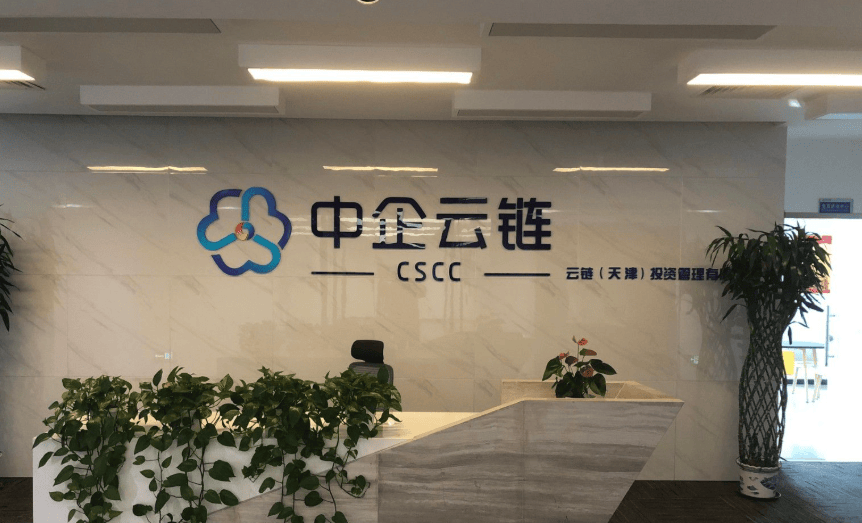
Core Viewpoint - The article emphasizes the transformative role of Zhongqi Yunlian in supply chain finance, highlighting its significant achievements and the broader implications for the digital economy in China [1][3][4]. Company Overview - Zhongqi Yunlian is the largest independent digital financial platform in China, with over 20 trillion yuan in secured receivables, nearly 1 billion yuan in revenue, and a net profit margin of 15.9% [1]. - The company has established a digital network covering 98% of China's regional administrative areas, addressing the financing challenges faced by small and medium-sized enterprises (SMEs) [1][4]. Business Model and Services - The company operates on an independent platform model, facilitating financial transactions among various stakeholders in the supply chain, leveraging the credit of core enterprises to enhance cash flow for suppliers [3][4]. - Zhongqi Yunlian's services are primarily delivered through its "Yunxin" platform, which connects over 6,600 core enterprises and 546,413 chain enterprises, as well as 3,574 financial institutions [6][8]. Financial Performance - The company's revenue has shown steady growth, with figures of 652 million yuan in 2022, 879 million yuan in 2023, and projected 991 million yuan in 2024, alongside corresponding gross profits [7]. - In 2024, Zhongqi Yunlian achieved a net profit of approximately 157 million yuan, with a net profit margin of nearly 16% [7]. Market Position and Growth - Zhongqi Yunlian has become the first independent digital receivables platform in China to exceed 1 trillion yuan in secured receivables by May 2023, reaching 2 trillion yuan by January 2024 [4][5]. - The company holds a market share of 14.2% in secured receivables and 15.0% in financing volume for 2024, making it the largest independent digital receivables platform in China [5][6]. Industry Trends - The supply chain finance industry in China is experiencing robust growth, with a market size of approximately 41.3 trillion yuan in 2023, reflecting a year-on-year increase of 11.9% and a compound annual growth rate of 20.88% over the past five years [4][10]. - The industry is expected to exceed 60 trillion yuan by 2027, with a projected annual growth rate of 10.3% [10]. Technological Impact - Advances in technology, including big data, artificial intelligence, and blockchain, are driving the evolution of supply chain finance, enabling better connectivity between enterprises and financial institutions [9]. - Zhongqi Yunlian is leveraging these technologies to enhance its service offerings and improve the efficiency of financial transactions within the supply chain [9].
2028年前将建100个!可信数据空间破解供应链金融“数据孤岛”
Hua Xia Shi Bao· 2025-05-08 08:34
Core Insights - The concept of "trusted data space" has become a hot topic in the financial industry this year, facilitating data sharing among core enterprises, suppliers, and banks to alleviate financing difficulties for small and medium-sized enterprises (SMEs) [2][3] - Traditional supply chain finance models exhibit vulnerabilities, and new technologies provide pathways to address financing challenges for SMEs, necessitating policy guidance and technological inclusivity to avoid widening the "digital divide" [2][4] Group 1: Trusted Data Space - Trusted data space serves as an infrastructure for secure data sharing among different institutions, crucial for building a unified national data market [3][4] - The core of trusted data space is to establish a technical trust system that enables efficient collaboration among data sources, processors, and users, facilitating the entire process of data value extraction, verification, and delivery [3][4] Group 2: Application in Financial Sector - The application of trusted data space in finance is evolving from customized scenarios to general solutions, allowing banks and consumer finance companies to integrate encrypted data without sharing raw data [4][5] - Financial institutions can analyze encrypted data such as accounts receivable and inventory turnover rates to assess the creditworthiness of supply chain enterprises, enabling real-time adjustments to credit limits and interest rates [4][5] Group 3: Challenges and Solutions - SMEs face high data acquisition costs, low standardization, and algorithm bias risks due to fragmented data, necessitating more resources from financial institutions for data cleaning and integration [6][7] - The solution lies in policy-driven data standardization, with government-led initiatives to establish industry data norms and encourage core enterprises to open supply chain data [6][7] Group 4: Future Developments - The National Data Bureau has issued an action plan for the development of trusted data spaces from 2024 to 2028, aiming to establish over 100 trusted data spaces to promote large-scale data circulation and sharing [6][7] - The future development of trusted data spaces will focus on urban and industry data spaces, with the goal of breaking public data supply bottlenecks and unlocking the value of data elements [7]

政策高频 | 加快建成具有全球影响力的科技创新高地
申万宏源宏观· 2025-05-07 14:10
Group 1 - The core viewpoint of the article emphasizes the importance of accelerating the establishment of a globally influential technology innovation hub, with a focus on internal economic stability and high-quality development amidst external uncertainties [2][11][12] - The Central Political Bureau meeting highlighted the need for rapid implementation of established policies, with an emphasis on "stabilizing employment" and ensuring policy consistency between fiscal and monetary measures [3][7] - The government is prioritizing employment services, targeting key groups such as college graduates, migrant workers, and vulnerable populations, with specific measures to enhance job creation and support [7][8] Group 2 - The article discusses the promotion of artificial intelligence (AI) development and regulation, emphasizing the need for policy support and talent cultivation in this strategic technology area [4][11] - The People's Bank of China and financial regulatory authorities are working to better serve small and medium-sized enterprises (SMEs) through improved supply chain financing practices and regulations [15][16] - A market access barrier cleanup initiative has been launched by the National Development and Reform Commission, focusing on eliminating local approval barriers and ensuring fair market access for all enterprises [17][18]
依托资金流信息平台,东莞工行为12家小微企业贷款超六千万
Nan Fang Du Shi Bao· 2025-05-07 08:23
Core Insights - The establishment of the National SME Fund Flow Credit Information Sharing Platform aims to alleviate financing difficulties for small and micro enterprises by providing a unified platform for sharing credit information related to cash flow [2] - The platform has been effectively utilized by the Dongguan branch of the Industrial and Commercial Bank of China (ICBC) to enhance the financing process for SMEs, resulting in reduced financing costs and improved efficiency [2][4] Group 1 - The Fund Flow Information Platform allows for real-time verification of supply chain transaction data, significantly shortening the financing approval cycle and reducing the required application materials by over 50% [3] - ICBC Dongguan branch has successfully provided financing support to 12 small and micro enterprises, with total loans exceeding 60 million yuan and a non-performing loan rate of zero [2] - The platform's integration into the entire loan management process has become a crucial basis for business approval and credit limit determination, injecting new momentum into the stable development and market competitiveness of enterprises [2][4] Group 2 - The first beneficiary of the platform, Qunao Electronics, has seen a significant reduction in financing costs, with annualized loan rates dropping by 50% compared to other channels [3] - The platform supports the dynamic assessment of a company's operational income and profitability, enabling rapid risk evaluation and loan approval [3] - ICBC Dongguan branch is focusing on expanding the application of the platform in supply chain finance and technology innovation finance, enhancing service capabilities and breaking down information barriers between banks and enterprises [4][5]

中企云链再次冲击港股,高度依赖云信服务,多名重要股东已“离场”
Shen Zhen Shang Bao· 2025-05-07 05:11
Core Viewpoint - The company, Zhongqi Yunlian, established in 2015, operates primarily in three business segments: rights confirmation and factoring, scenario digital business, and other ecological businesses, with the rights confirmation and factoring business being the main source of revenue and profit [2][3]. Business Overview - As of December 31, 2022, 2023, and 2024, the number of users on the Yunlian platform was 230,400, 372,900, and 556,600 respectively, covering 98% of China's municipalities and prefecture-level cities [2]. - The company reported revenues of RMB 652.67 million, RMB 879.65 million, and RMB 991.01 million for the years 2022, 2023, and 2024, with gross profits of RMB 571.74 million, RMB 821.28 million, and RMB 949.98 million [3][5]. Revenue Composition - The revenue from cloud credit services significantly increased, accounting for 79.1%, 85%, and 88.5% of total revenue during the reporting period [6]. - The factoring service revenue showed a notable decline, contributing only 11.6%, 6.2%, and 2.1% to total revenue over the same period, down from 34.2% in 2020 [8][9]. Shareholder Dynamics - The company has experienced a trend of shareholder exits since 2019, with several state-owned enterprises and financial institutions divesting their stakes [10][11]. - As of the latest date, the top three shareholders are Yunding Assets, Tianjin Economic Development Zone State Investment, and Huayu Guochuang Fund, holding 23.11%, 20.73%, and 10.31% respectively [12]. Market Position and Competition - Banks are the primary clients of Zhongqi Yunlian, but there is a growing trend of banks entering the supply chain finance sector, potentially transforming former partners into competitors [13].