
循环经济

Search documents
无锡首家闲鱼循环商店落地梁溪
Xin Lang Cai Jing· 2025-12-27 21:47
Core Insights - The first offline Xianyu recycling store has opened in Wuxi, marking a significant step in promoting green consumption and the circular economy in the region [1][4] - The store features a variety of second-hand goods, attracting customers who appreciate the tangible experience and assurance of after-sales service [3][4] Group 1: Store Opening and Customer Engagement - The store opened in Liangxi District, which is characterized by vibrant consumer activity and a welcoming market environment, making it an ideal location for Xianyu's first store in Wuxi [4] - Customers, including seasoned users, expressed excitement about finding unique items, highlighting the store's appeal for second-hand goods [3] Group 2: Business Model and Local Collaboration - The store not only facilitates personal second-hand sales but also collaborates with local supply chains to offer discounted brand products and efficient recycling services for digital goods [3][4] - Xianyu plans to open a second store in Wuxi in the first half of the next year, indicating a commitment to expanding its presence in high-demand areas [4] Group 3: Regional Economic Development - Liangxi District has attracted over 450 first-store openings, positioning it as a leader in the city's "first-store economy," which aligns with Xianyu's focus on social engagement and emotional connections [4] - The district aims to leverage the opening of the Xianyu store to enhance its participation in new economic initiatives, focusing on youth, digitalization, quality, and sustainability [4]

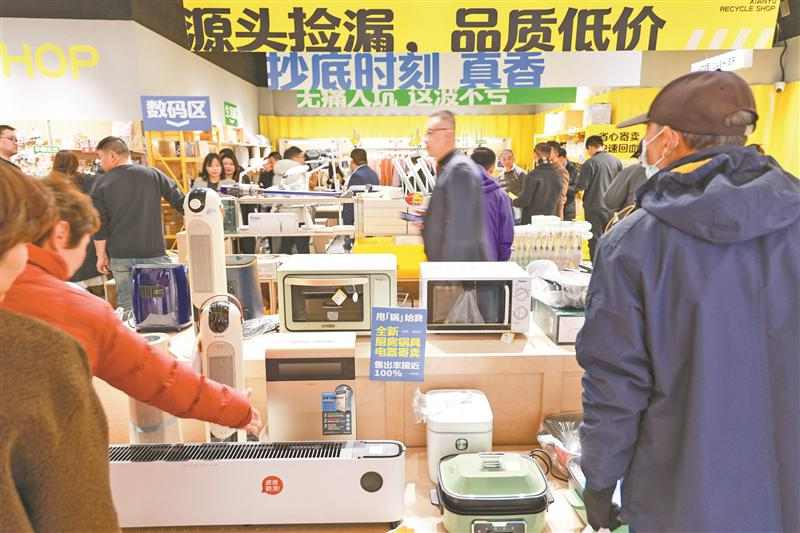
闲鱼无锡首家线下实体店开业
Xin Lang Cai Jing· 2025-12-27 11:30
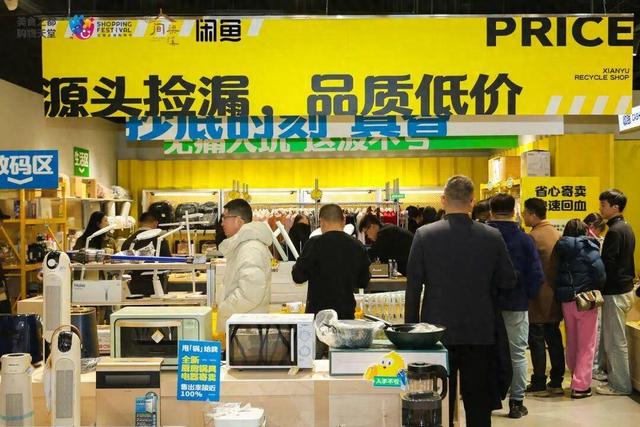
转自:扬子晚报 资深用户"蟹老板"使用闲鱼近10年,3年前开始收藏谷圈物品,此次在预寄卖阶段就带来了近百件吧 唧、卡牌和手办,希望能在"出坑"的同时与同好分享快乐。他欣喜地表示:"无锡的二次元氛围浓厚, 循环商店为我们提供了线下交流的新空间,是件美事!" 闲鱼循环商店负责人邹明耀表示:"落子梁溪是看重其旺盛的消费活力和开放包容的市场环境,希望通 过品牌和循环商店的落地,为梁溪绿色经济发展注入新的活力,也为市民践行循环生活方式提供新选 择"。 扬子晚报/紫牛新闻 记者 季娜娜 据闲鱼方面透露,截至12月底,全国运营及筹备门店已近20家。同时自今年1月江苏首店落地南京以 来,闲鱼已在江苏省内布局南京、苏州、无锡3城4店,另有1至2家新店将于春节前开业,无锡第二店也 已开始筹备,计划明年上半年亮相新兴潮流商圈。 12月27日上午,二手交易平台闲鱼在无锡开出首家线下实体店。该店名为闲鱼循环店,落位于梁溪区圆 融广场一层。 据介绍,该门店占地150平方米,集个人闲置寄卖、极速回收与淘逛体验于一体。门店不仅支持用户通 过闲鱼循环商店小程序线上预约、到店寄卖,还深度合作本地供应链资源,提供品牌折扣、出口转内销 等高性价比好 ...

294项“两新”相关国家标准全部完成批准发布 标准提升激发更大消费活力
Jing Ji Ri Bao· 2025-12-27 02:34
Core Insights - The article discusses the implementation of national standards to support high-quality development in various sectors, particularly focusing on equipment updates and the replacement of consumer goods [1][2]. Group 1: National Standards and Their Impact - The "Two New" initiative targets the automotive, home appliance, and emerging consumer sectors, with 115 national standards being revised to enhance the quality of durable consumer goods and stimulate domestic demand [2]. - New safety standards for electric vehicle batteries now mandate that they must not catch fire or explode, which is expected to improve the safety of new energy vehicles significantly [2]. - The introduction of a new mandatory national standard for coal-fired power generation is projected to reduce average coal consumption to below 302 grams per kilowatt-hour by 2030, leading to a decrease in carbon dioxide emissions by approximately 160 million tons [3]. Group 2: Environmental and Circular Economy Standards - The "Two New" initiative also emphasizes the need for upgrading energy consumption and emission standards, with 113 national standards being revised to facilitate the elimination of outdated production capacity and enhance advanced capacity [2]. - The initiative includes the development of 66 national standards focused on green product design, second-hand product transactions, and recycling, which aim to promote resource circulation and efficient recovery of strategic resources like nickel, cobalt, and lithium [3]. Group 3: Industry Development and Future Plans - The Ministry of Industry and Information Technology has completed the revision of 44 key national standards under the "Two New" initiative, which is crucial for driving investment growth and industrial development [4]. - The focus for the upcoming year includes the revision of over 1,800 standards across traditional industries such as petrochemicals, machinery, and textiles, to support high-quality development and meet consumer demands for safety, quality, and sustainability [5].
周红波督办生态环境保护督察反馈及交办信访问题整改工作
Nan Jing Ri Bao· 2025-12-27 01:39
Group 1 - The core viewpoint emphasizes the importance of ecological environment protection as a fundamental aspect of public welfare and sustainable economic development [3] - The company is addressing issues related to illegal occupation of the Yangtze River management area, focusing on source governance and continuous improvement of ecological quality [1] - The company is committed to enhancing green development competitiveness through effective remediation and support for enterprises in planning and environmental technology upgrades [1] Group 2 - The company is implementing comprehensive noise reduction measures near residential areas, including the installation of sound barriers and traffic speed reduction [2] - The company is managing the remediation of industrial solid waste through transportation and resource utilization, emphasizing closed-loop management and timely completion of remediation [2] - The company is promoting a circular economy by focusing on waste reduction, resource utilization, and pollution reduction, aiming to prevent ecological risks [2]
优衣库的环保面料供应商冲A股,“大客户依赖症”是隐患
Xin Lang Cai Jing· 2025-12-27 01:13
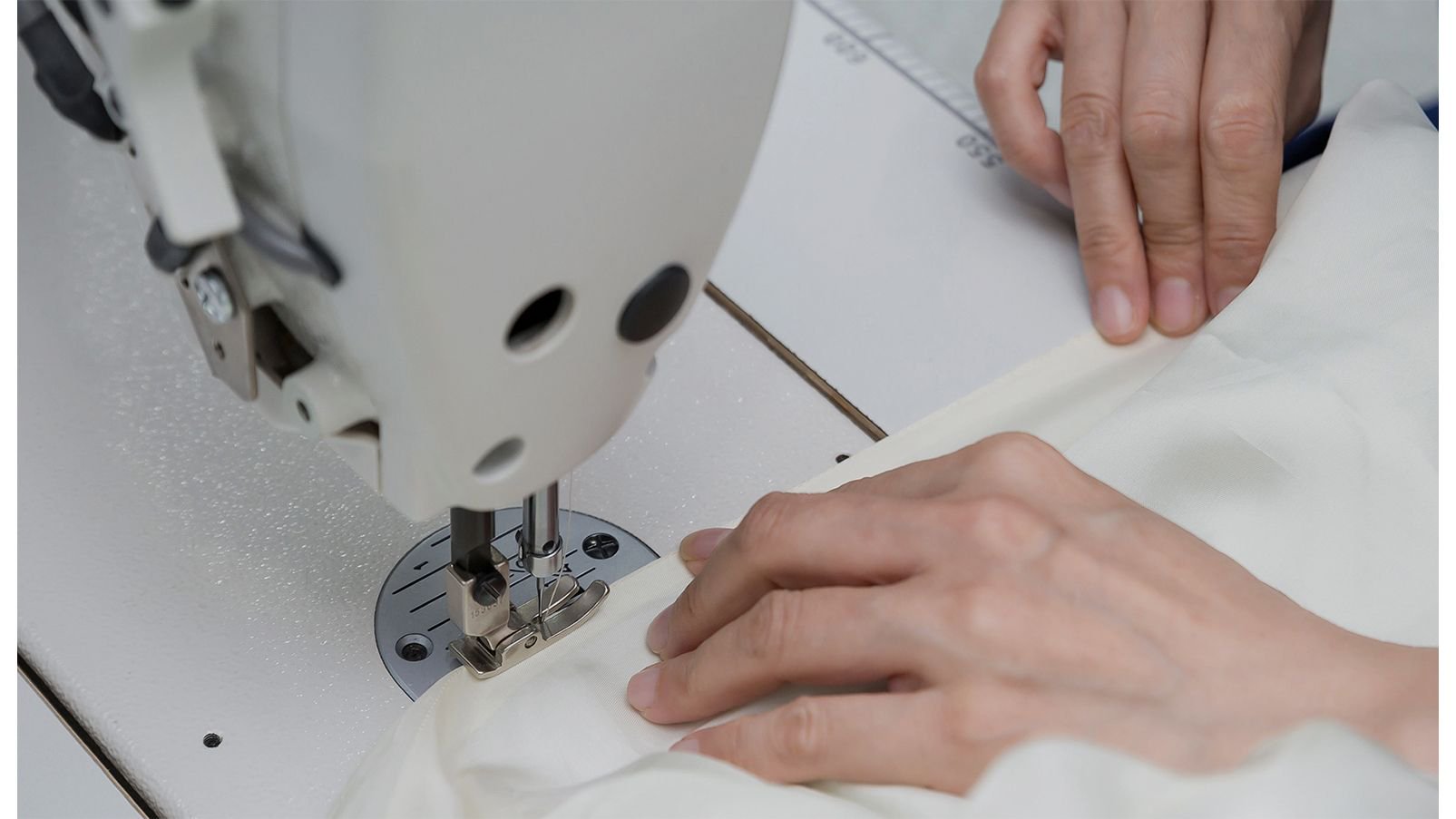
在此之前,A股纺织业IPO一直处在沉寂期。上一家登陆A股的纺织企业还是2023年3月上市的彩蝶实业;同年6月,北江纺织、中鼎纺织主动撤回IPO申请 后,A股纺织业板块一直未有企业申报IPO。 智通财经记者 | 朱咏玲 智通财经编辑 | 楼婍沁 时隔近三年,A股终于打破纺织业企业上市"冰封期"。12月26日,主营环保再生面料的福恩股份在深交所过会,这意味着该公司冲击IPO再近一步。 艾媒咨询CEO兼首席分析师张毅对智通财经表示,纺织业本身周期性强,经过改革开放后几十年的发展,行业整体供应量已经充足;且该行业附加值相对 低,也受下游需求疲软影响,客户集中度风险较高,导致业绩波动明显。 "这也是为何资本较少流向该行业,比起IPO融资,如银行信贷、产业基金等传统金融工具更适合纺织企业的需求。"张毅表示。 他还提到,当下政策对纺织业也无明显倾向,加上IPO审核整体趋严,更聚焦那些具备持续盈利能力、合规性较强的企业,例如高速成长的硬科技赛道。 这些背景都决定了,纺织企业要获得资本市场的认可,不能仅靠传统的OEM和ODM业务模式,还需要构建一个更具吸引力的增长叙事。 "政策契合度上,需要向绿色低碳、循环经济等政策鼓励的方向 ...
标准提升激发更大消费活力
Xin Lang Cai Jing· 2025-12-26 23:08
Core Viewpoint - The article discusses the implementation of national standards to support high-quality development in various sectors, particularly focusing on equipment updates and the replacement of consumer goods, aiming to enhance safety, efficiency, and sustainability in the market [1][2][4]. Group 1: National Standards Implementation - The State Administration for Market Regulation, in collaboration with several departments, has issued a plan to revise 294 national standards across 13 key areas, which has been fully approved and published [1]. - The "Two New" initiative focuses on revising 115 national standards in sectors such as automobiles, home appliances, and emerging consumer goods to enhance the quality of durable consumer products and stimulate domestic demand [2]. Group 2: Energy Efficiency and Emission Standards - Over 140 energy consumption and efficiency standards and 170 pollutant emission standards have been published, but further upgrades are needed to meet technological advancements and stricter pollution requirements [2]. - The new mandatory national standard for coal-fired power generation aims to reduce average coal consumption to below 302 grams per kilowatt-hour by 2030, potentially decreasing carbon dioxide emissions by approximately 160 million tons [3]. Group 3: Circular Economy and Resource Utilization - The "Two New" initiative also emphasizes the development of a circular economy, focusing on product design for recyclability and the establishment of standards for the recycling and reuse of waste products [3]. - The introduction of 12 national standards for the recycling of power batteries aims to create a comprehensive standard system covering disassembly, residual energy detection, and recycling, facilitating the efficient recovery of strategic resources like nickel, cobalt, and lithium [3]. Group 4: Industrial and Light Industry Development - The initiative has accelerated large-scale equipment updates in the industrial sector, driving investment growth and promoting industrial development, with the Ministry of Industry and Information Technology completing 44 important national standards [4]. - In the light industry, 52 key recommended national standards have been deployed to address transformation and upgrade needs, with standards like smart furniture grading driving the market for high-end smart furniture products, which has exceeded 10 billion yuan [4]. Group 5: Future Focus Areas - In the coming year, the market regulation authority will focus on optimizing traditional industries and enhancing service quality, planning to revise over 1,800 standards to support industrial transformation [5]. - The authority will also develop a new consumer goods standard system that aligns with high-quality development, addressing consumer demands for safety, quality, and sustainability [5].
造福76亿人!中国突破赤泥炼铁技术,将令全世界产生巨大的变革
Sou Hu Cai Jing· 2025-12-26 13:11
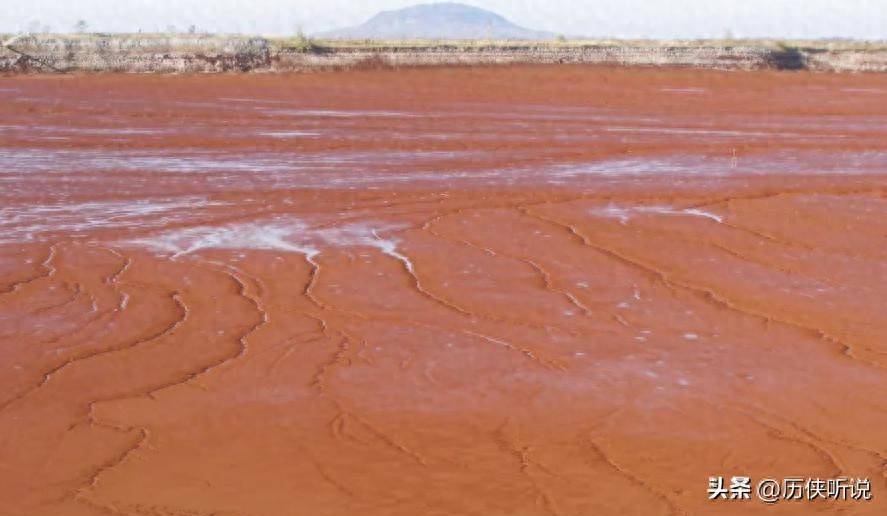
Core Viewpoint - Chinese scientists have developed a groundbreaking "green hydrogen ironmaking" technology that efficiently extracts iron from aluminum industry waste, red mud, significantly improving extraction rates, reducing costs, and minimizing carbon emissions, thus transforming a problematic waste into a valuable resource [1][15][25] Group 1: Technology Overview - The "green hydrogen ironmaking" technology utilizes hydrogen plasma to ionize hydrogen gas into high-energy particle streams, effectively breaking chemical bonds in iron oxides within red mud for efficient iron extraction [9] - This new technology reduces the reaction temperature from over 1200°C to approximately 900°C, significantly lowering energy consumption and shortening reaction time from hours to just a few minutes [9][11] - The iron extraction rate reaches 88.1%, more than double that of traditional methods, with an iron grade of 71%, surpassing previously obtained low-grade iron [11] Group 2: Environmental Impact - The technology produces almost no harmful alkaline residues and negligible waste gas emissions, contributing to reduced carbon emissions and supporting global carbon neutrality goals [11][15] - Traditional methods not only require high energy but also generate significant CO2 emissions, exacerbating climate change [5][7] Group 3: Economic Potential - Initial trials in regions like Guangxi have shown promising results, with annual iron powder recovery reaching several hundred thousand tons, laying the groundwork for large-scale application [17] - Although current costs are slightly higher than imported ores, the reduction in shipping costs and tariffs makes the overall economic benefits considerable, with expectations for further cost reductions in the coming years [17] Group 4: Resource Recovery and Industry Development - The technology not only addresses iron extraction but also aims to recover other valuable resources such as rare earth elements, aluminum, and titanium from red mud, enhancing its economic value [13][19] - The extracted materials can serve as important raw materials for emerging industries, promoting the development of related sectors and contributing to a circular economy [19] Group 5: Global Recognition and Future Prospects - The technology has attracted significant attention both domestically and internationally, with plans for technology transfer to international aluminum companies, indicating its growing global competitiveness [21] - As the global demand for red mud processing solutions increases, the "green hydrogen ironmaking" technology is poised to become a leading method for red mud treatment worldwide [21][23]
变“废”为“宝” 绿色循环成山东经济增长新引擎
Zhong Guo Xin Wen Wang· 2025-12-26 10:53
Core Viewpoint - A comprehensive green transformation is underway in Shandong, focusing on circular economy principles across various industries, driving high-quality regional economic development [1][11]. Group 1: Pharmaceutical Industry - The demand for traditional Chinese medicine and natural drugs is rising, leading to challenges in managing by-products like medicinal residues [1]. - Shandong Buchang Pharmaceutical Co., Ltd. invested over 50 million RMB in 2015 to establish a waste disposal and energy utilization center, achieving closed-loop management of medicinal waste [1]. - The company employs various technologies to eliminate odor emissions from the extraction process, ensuring compliance with environmental standards [3]. Group 2: Agricultural Waste Utilization - Shandong Yuncheng Qiquan Biomass Power Generation Co., Ltd. processes 600,000 tons of agricultural and forestry waste annually, generating 350 million kWh of electricity, which reduces coal consumption by 230,000 tons and CO2 emissions by 560,000 tons each year [4]. - The company has established a waste recovery network covering a 100-kilometer radius, creating a market with an annual output value exceeding 100 million RMB, benefiting local farmers [7]. Group 3: Chemical Industry - The Ningyang Chemical Industry Park has implemented a 7,000-meter public pipeline system for efficient transportation of industrial gases and liquids, saving over 100 million RMB in costs annually for participating companies [7]. - The park has developed eight chemical industry chains, with the "synthetic ammonia—nitric acid—nitrobenzene—rubber additives" chain generating over 3.5 billion RMB in output value [10]. Group 4: Renewable Energy and Waste Management - The use of retired wind turbine blades to create artificial reefs demonstrates innovative waste management, providing a cost-effective solution that enhances marine habitats [10]. - The company has developed the first domestic high-efficiency processing equipment for retired blades, enabling the recycling of materials for use in construction [10]. Group 5: Overall Economic Impact - The integration of technology and circular economy principles across various sectors is contributing to Shandong's economic transformation, emphasizing energy conservation, emission reduction, and increased value [11].

胡祚雄:以技术创新驱动商业模式创新
Zheng Quan Ri Bao Wang· 2025-12-26 10:41
Core Insights - The article emphasizes the importance of innovation in the capital market, particularly for technology companies, highlighting that R&D spending among A-share listed companies exceeded 1.8 trillion yuan, with a year-on-year growth of 12% [1] - The company, Lingxiong Technology, has adopted a business model that shifts from traditional IT equipment ownership to a leasing and subscription model, significantly reducing initial investment and operational costs for enterprises [2][3] - The company has undergone a digital transformation since 2019, enhancing operational efficiency and enabling better asset management for over 40,000 clients [3] - Lingxiong Technology's practices contribute to environmental sustainability by extending the lifecycle of IT equipment and reducing carbon emissions, aligning with national "dual carbon" goals [4] - The company aims to foster a symbiotic ecosystem with its clients, leveraging capital market dynamics to drive higher quality and sustainable economic growth in China [5] Summary by Sections Innovation in Capital Markets - The capital market has introduced various policies to encourage innovation among listed technology companies, with significant R&D investments reported [1] Business Model Transformation - Lingxiong Technology's innovative model allows enterprises to lease IT equipment, reducing upfront costs by over 90% and operational costs by approximately 30% over three years [2] - The shift from ownership to usage rights reflects a broader change in the industry value chain [2] Digital Transformation - The company has implemented a comprehensive digital transformation, improving operational efficiency and enabling effective management of over 1 million devices across its client base [3] - This transformation supports clients in achieving high-quality growth while minimizing initial investments [3] Environmental Sustainability - Lingxiong Technology's recycling and leasing practices contribute to significant reductions in carbon emissions, with the potential to lower emissions by thousands of tons annually [4] - The company actively participates in building a credit and standardization system within the industry to promote high-quality development [4] Ecosystem Development - The company has established a collaborative ecosystem with over 40,000 clients, aiming to leverage capital market vitality to enhance economic sustainability and quality [5]
有色金属狂飙60%领涨全市场:降息周期、AI与新能源点燃资源重估 2026年能否延续辉煌?
Xin Lang Cai Jing· 2025-12-26 09:52
Group 1 - The core viewpoint is that the non-ferrous metal sector is expected to lead the market with an annual increase of over 60%, driven by macroeconomic cycles, industrial transformation, and resource competition [1] - The market is characterized by both "blooming" and "structural differentiation," with precious metals like gold and silver shining due to global interest rate cuts and geopolitical risks [2] - The demand for metals such as copper, aluminum, lithium, and rare earths is experiencing exponential growth due to emerging industries like electric vehicles and AI data centers [4] Group 2 - The macroeconomic cycle is benefiting from global major economies entering a "rate-cutting channel," which enhances liquidity and drives funds into commodities [3] - Resource competition is intensifying due to uneven global mineral resource distribution and geopolitical conflicts, making "supply chain security" a strategic focus for countries [5] - Leading companies are leveraging a multi-dimensional approach of "resources + technology + industrial chain" to gain competitive advantages in the resource revaluation wave [6][7][8] Group 3 - The precious metals market is entering a critical window for "macroeconomic expectation verification" and "real demand testing," with gold and silver's financial attributes expected to remain prominent if the rate-cutting cycle officially begins [10] - Industrial metals like tin and nickel need to be monitored for downstream operating rates and inventory changes, with prices likely to maintain high volatility if demand remains resilient [11] - The market is anticipated to shift from a broad rally to a more differentiated approach, focusing on companies that truly possess resource, technology, or recycling advantages to navigate cyclical fluctuations [12]
