
数字技术

Search documents
以文脉赓续助力城市内涵式发展
Ren Min Ri Bao· 2025-09-04 22:57
Group 1 - The core idea emphasizes the importance of urban cultural continuity, which is a vital aspect of a city's character and vitality, as highlighted by Xi Jinping's focus on historical heritage protection and urban development balance [1][2][3] - The current phase of urbanization in China is shifting from rapid growth to stable development, with a focus on enhancing existing urban quality rather than large-scale expansion [1][3] - The recent Central Urban Work Conference and the issued opinions stress the need for promoting urban cultural prosperity and the protection of historical culture, aiming for a more profound urban development approach [1][3][4] Group 2 - Effective measures have been taken in recent years to enhance historical cultural protection, including improved mechanisms and increased funding, resulting in the preservation of numerous historical sites and districts [3][4] - There are still challenges in some cities regarding the protection of historical resources, indicating a need for stronger emphasis on cultural preservation and addressing issues of cultural homogenization [3][4][6] - The importance of innovating transmission methods for cultural heritage is highlighted, focusing on engaging younger generations through modern digital technologies and educational initiatives [5][6] Group 3 - The need to shape unique local characteristics to overcome the issue of cultural uniformity is emphasized, advocating for tailored urban planning that respects local traditions and styles [6][7] - The integration of cultural elements into urban daily life is essential for achieving a positive cycle of cultural protection and urban functionality [7]
从细分市场领跑者到产业数字化伙伴:量化派的技术突围与价值创造
Zhong Jin Zai Xian· 2025-09-04 09:02
Core Insights - The digital economy is becoming a key force in global industrial restructuring and competition, making digital transformation essential for survival and growth [1][2] - The company, Quantipai, focuses on technological innovation and digital empowerment, providing tailored digital solutions across various industries [1][2] Industry Overview - The rapid development of digital technologies such as the internet, big data, cloud computing, artificial intelligence, and blockchain is reshaping global competition and industrial growth [1] - Digital economy development is crucial for countries to seize opportunities in technological revolutions and industrial transformations [1] Company Positioning - Quantipai ranks seventh in China for providing precision matching solutions in consumer markets based on proprietary applications or websites, with a market share of 0.7% as of 2023 [1] - In terms of performance-based revenue, Quantipai ranks second among the top five providers of precision matching solutions in China [1] Research and Development - As of June 30, 2024, approximately 45% of Quantipai's employees are part of the R&D team, holding 50 software copyrights and 9 patents in China [2] - The company's proprietary technology platform, "Liangxingqiu," integrates advanced technologies like deep learning and natural language processing to offer a comprehensive solution for various sectors [2] Future Outlook - Quantipai aims to continue its exploration in digital empowerment, focusing on the core needs of industrial digital transformation [2] - The company is committed to overcoming digital bottlenecks across industries through technological empowerment [2]
“齐齐”答疑、拍报留念、玩MR乐园,齐鲁车展数字化体验全面升级
Qi Lu Wan Bao· 2025-09-04 06:03
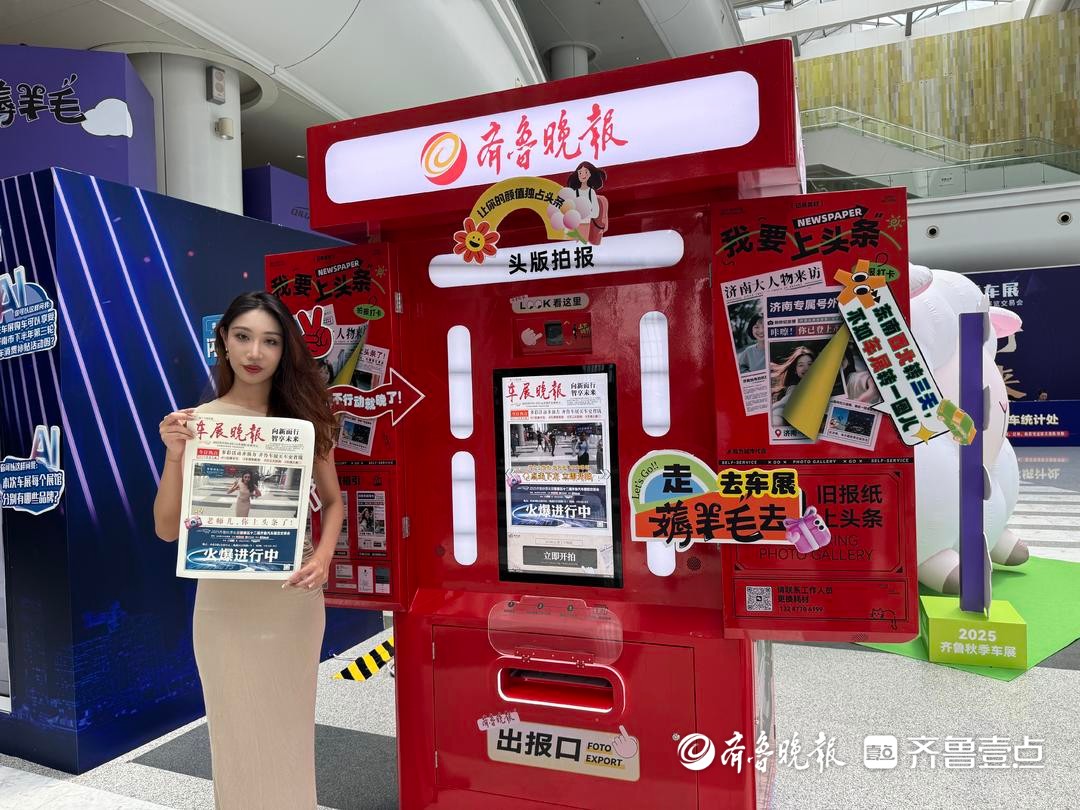
Core Insights - The 2025 Qilu Autumn Auto Show features innovative digital cultural projects, including the AI interactive agent "Qiqi," a retro newspaper printing machine, and the immersive experience brand "YUMO and Dream Talk" [3][10] Group 1: AI Interactive Agent "Qiqi" - "Qiqi" serves as a personal car consultant, utilizing a large data model to provide personalized car recommendations based on user queries and preferences [4][5] - The AI agent can understand voice commands and offer tailored suggestions for various consumer needs, enhancing the car buying experience [4][5] - Attendees praised "Qiqi" for its detailed and friendly responses, likening it to a knowledgeable friend rather than a robotic assistant [5] Group 2: Retro Newspaper Printing Machine - The retro newspaper printing machine became a popular attraction, allowing visitors to create personalized "auto show commemorative" newspapers [7][8] - This machine integrates smart imaging and real-time scene fusion, offering four different design templates for users to choose from [7] - The experience transforms attendees from passive visitors to active participants and content creators, enhancing the event's social and cultural impact [8] Group 3: "YUMO and Dream Talk" MR Playground - The "YUMO and Dream Talk" brand created a mixed reality (MR) playground at the auto show, featuring interactive games that blend virtual and real-world experiences [10][11] - Four distinct interactive games were introduced, each designed to engage consumers and enhance the entertainment value of the event [10] - The MR technology allows for real-time interaction and content sharing, significantly increasing the digital influence of the auto show [11]

马来西亚学者:马中紧密合作助力共同应对挑战
Xin Hua She· 2025-09-04 05:45
Core Viewpoint - Malaysia's close cooperation with China is essential for advancing its socio-economic development and enhancing economic resilience amid complex international circumstances [1] Group 1: Economic Development - Malaysia's 13th Five-Year Development Plan emphasizes education reform to cultivate high-skilled talent and focuses on the development of artificial intelligence, digital technology, and renewable energy [1] - China has made significant achievements in these fields, providing support and experience for Malaysia's development [1] Group 2: Trade Relations - Recent U.S. tariff policies on Malaysia highlight the importance of deepening cooperation with other trade partners [1] - Malaysia is actively exploring new markets and expanding existing trade relationships, particularly with China, to ensure growth in high-value and innovative sectors [1] Group 3: Strategic Partnerships - Malaysia's increasing engagement with China, BRICS countries, and the broader Global South reflects its commitment to promoting a multipolar world [1] - Expanding economic and strategic partnerships will help Malaysia continue its national development and enhance economic resilience amid challenges and uncertainties [1] - The cooperation between Malaysia and China exemplifies how strategic collaboration among developing countries can drive sustainable growth and strengthen regional supply chains, improving competitiveness in a complex international landscape [1]
向新而行 智享未来!2025齐鲁秋季车展今日开幕
Qi Lu Wan Bao· 2025-09-04 03:50
Core Viewpoint - The 2025 Qilu Autumn Auto Show, themed "Towards New Horizons, Smart Future," showcases nearly a hundred brands and thousands of models, emphasizing the integration of technology and consumer benefits through various promotional activities [1][2]. Group 1: Industry Trends - The auto show highlights the significant shift towards electric and intelligent vehicles, with brands like Tesla and BYD taking center stage [2][5]. - Numerous domestic and international brands are presenting both traditional fuel vehicles and new energy models, indicating a broader industry transition towards electrification [5][8]. Group 2: Technological Innovations - The event features over a thousand square meters of exhibition space dedicated to showcasing technological advancements in the automotive sector, including new models and innovative technologies from various manufacturers [2][8]. - Xiaomi's debut at the auto show introduces its latest vehicle models, further emphasizing the tech-driven approach in the automotive industry [2]. Group 3: Consumer Incentives - The auto show benefits from a combination of national and local subsidies, as well as manufacturer discounts, significantly lowering the cost of vehicle purchases for consumers [16][18]. - The introduction of policies such as tax exemptions for electric vehicles and financial incentives for trade-ins aims to stimulate consumer demand in the automotive market [16][18]. Group 4: Event Activities - The auto show includes interactive activities and promotional events designed to enhance consumer engagement, such as a "mass group purchase" initiative and various giveaways [20][27]. - The integration of digital technology, including an AI interactive assistant, aims to provide personalized services to attendees, enhancing the overall experience [20][21].

焦点访谈丨从智慧城市到数字乡村 “十四五”数字中国建设交出亮眼成绩单
Yang Shi Xin Wen Ke Hu Duan· 2025-09-01 23:26
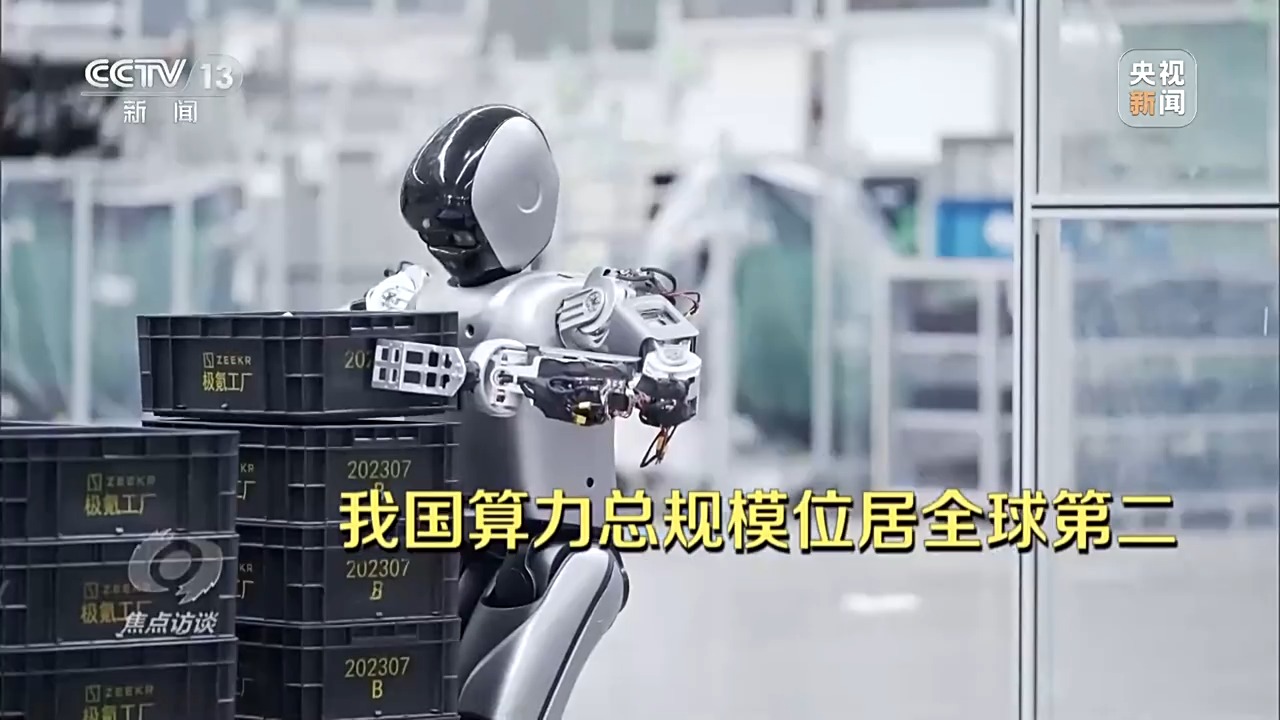
Core Insights - The "14th Five-Year Plan" period has seen a rapid transformation from networking to digitalization and then to intelligence, with national-level strategic projects like "eight national computing power hub nodes and ten national data center clusters" representing China's digital infrastructure development [2] - By the end of June this year, China's total computing power ranked second globally, and the number of artificial intelligence patents accounted for 60% of the global total [2] - Digital technology is being integrated into various aspects of life and production, demonstrating significant potential in improving people's livelihoods and enhancing governance efficiency [3] Digital Infrastructure and Data Flow - Good digital infrastructure alone is insufficient; accelerating data circulation and promoting data as a factor of production are essential to unlock the value of data [5] - Data has become a strategic core resource in the digital economy era, empowering various industries to upgrade and transform [5] Case Study: Smart Fisheries - In Zhanjiang, Guangdong, traditional fishing practices are being transformed by data-driven smart aquaculture, leading to a 20%-40% reduction in feed conversion ratios, over 10% increase in fish weight gain, and a 60% reduction in labor costs, resulting in over 30% improvement in economic benefits [7] Data Industry Growth - The data industry in China is rapidly developing, with the number of data enterprises expected to exceed 400,000 by 2024, and the industry scale reaching 5.86 trillion yuan, a 117% increase compared to the end of the "13th Five-Year Plan" [9] Enhancements in Public Services - Digitalization has significantly improved the accessibility and equity of public services, with remote medical services benefiting many patients [9][11] - The establishment of remote medical systems has enabled collaboration between local hospitals and top-tier hospitals, enhancing patient care and optimizing resource allocation [11] Digital Health Services - During the "14th Five-Year Plan" period, internet hospitals in China served over 100 million people, and cross-province medical settlements benefited 560 million people [13] - China has built the world's largest and most resource-rich national smart education platform, with 1.07 billion people using electronic social security cards, making public services more accessible and efficient [13]
焦点访谈|数字浪潮奔涌 “十四五”我国数字化发展迈上新台阶
Yang Shi Wang· 2025-09-01 13:13
Group 1 - Digital technology is rapidly integrating into various aspects of production and life, showcasing its potential in improving people's livelihoods and governance efficiency during the "14th Five-Year Plan" period [1] - The information revolution is transitioning from networking to digitalization and then to intelligence, with national-level strategic projects like "eight national computing power hub nodes" and "ten national data center clusters" representing new digital infrastructure [1] - As of June 2023, China's total computing power ranks second globally, and the number of artificial intelligence patents accounts for 60% of the global total [1] Group 2 - Efficient social development through digital technology requires not only good digital infrastructure but also accelerated data circulation and the realization of data as a core strategic resource [3] - The fishing industry in Zhanjiang, Guangdong, is experiencing qualitative changes driven by data, with the "Hengyi No. 1" deep-sea farming platform exemplifying a highly automated and intelligent approach [3] Group 3 - Data-driven smart aquaculture shows significant advantages over traditional methods, including a 20%-40% reduction in feed conversion ratio, over 10% increase in fish weight gain, and a 60% reduction in labor costs, leading to over 30% improvement in economic benefits [5] - The data industry in China is rapidly developing, with over 400,000 data companies expected by 2024 and an industry scale reaching 5.86 trillion yuan, a 117% increase compared to the end of the "13th Five-Year Plan" [5] Group 4 - Digital construction during the "14th Five-Year Plan" not only empowers production but also significantly enhances the accessibility and equity of public services, as evidenced by the convenience of telemedicine [5][7] - The collaboration between local hospitals and major hospitals through telemedicine has resulted in personalized treatment plans and improved patient outcomes, benefiting patients, local hospitals, and the government [7] - During the "14th Five-Year Plan," internet hospitals served over 100 million people, and cross-province medical settlements benefited 560 million people, establishing China as a leader in smart education and digital public services [7]
承德模飞科技有限公司成立 注册资本3000万人民币
Sou Hu Cai Jing· 2025-08-29 21:43
Core Viewpoint - Chengde Mofei Technology Co., Ltd. has been established with a registered capital of 30 million RMB, focusing on various technology services and manufacturing sectors [1] Company Summary - The legal representative of Chengde Mofei Technology Co., Ltd. is Liu Qingyou [1] - The registered capital of the company is 30 million RMB [1] - The company operates in a wide range of areas including technology services, development, consulting, and promotion [1] - It is involved in the research and development of IoT technology and manufacturing of computer hardware and software [1] - The company also engages in the manufacturing and sales of general equipment, metal processing machinery, and intelligent unmanned aerial vehicles [1] Industry Summary - The company is positioned in the technology and manufacturing sectors, with a focus on advanced technologies such as IoT and intelligent drones [1] - It includes a variety of services such as technical consulting, information system integration, and digital technology services [1] - The company is authorized to design and produce components for civil aircraft and perform maintenance on civil aircraft, subject to regulatory approval [1]
数字赋能传统人力资源行业转型之路——全球卓越工程师大赛历届获奖团队系列访谈
Sou Hu Cai Jing· 2025-08-29 09:19
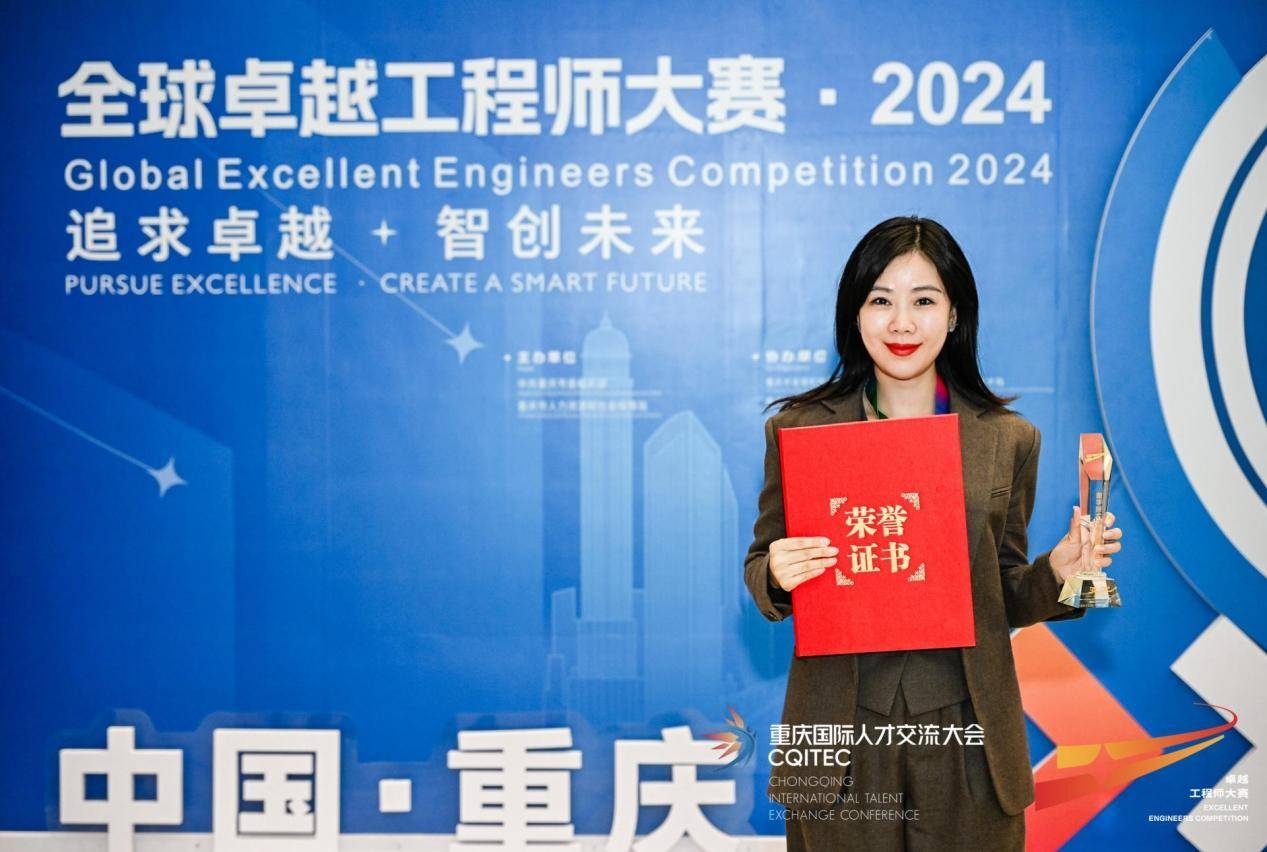
Core Insights - The company, Chongqing Dingdian Human Resources Consulting Co., Ltd., has transformed from a traditional human resource intermediary to a digital service provider through a "self-revolution" in response to the digital economy wave [1][3] - The participation in the Global Outstanding Engineer Competition 2024 provided a platform for technical breakthroughs and scenario validation, leading to significant advancements in their service offerings [1][3] Group 1: Transformation and Innovation - The company has integrated artificial intelligence and blockchain technology to develop an intelligent recruitment platform and talent supply chain system, addressing the mismatch between recruitment needs and job seeker skills [1][3] - The team has achieved over 40% improvement in job matching accuracy by creating an intelligent talent matching model that refines talent profiles [3] - The application of blockchain technology for talent credit assessment has tripled the efficiency of verifying the authenticity of job seekers' resumes and reduced the fraud rate by 60% [3] Group 2: Strategic Planning and Future Directions - The company has established a three-year digital transformation strategy and has formed a professional team of five digital technology engineers to ensure full-process digitization by the end of 2025 [4] - Future innovations will include exploring applications such as AI interviewers and virtual reality career experiences, emphasizing that digital transformation is a necessity rather than an option [4]
浙数文化(600633):参投中昊芯英等准独角兽,“数字+”业务布局多点开花
Guohai Securities· 2025-08-29 08:36
Investment Rating - The report maintains a "Buy" rating for the company [1][13]. Core Views - The company is actively investing in various innovative sectors, including digital culture, digital sports, and IP card games, which are expected to drive growth and expand its market presence [6][8][11]. - The company's revenue and net profit are projected to grow significantly over the next few years, with expected revenues of 38.15 billion, 44.49 billion, and 49.00 billion for 2025, 2026, and 2027 respectively [11][12]. Summary by Sections Company Performance - As of August 28, 2025, the company's stock price is 15.39 yuan, with a market capitalization of approximately 19.52 billion [4]. - The company has shown strong performance relative to the CSI 300 index, with a 12-month return of 95.7% compared to the index's 35.8% [4]. Financial Highlights - For the first half of 2025, the company reported a revenue of 11.79 billion yuan in digital culture, a year-on-year increase of 4.1%, while digital technology revenue was 2.56 billion yuan, a decrease of 12.7% [8]. - The company's online game operations generated 7.06 billion yuan, up 9% year-on-year, while online social revenue fell by 52.5% to 0.69 billion yuan [8]. Strategic Initiatives - The company has established a strategic partnership with Ele.me to explore media integration and local life services [7]. - It has invested in 14 unicorn companies, including Zhonghao Xinying, which is planning to acquire control of Tianpu shares [8][11]. Future Projections - The company forecasts a net profit of 6.29 billion, 7.42 billion, and 8.22 billion for 2025, 2026, and 2027 respectively, with corresponding P/E ratios of 31, 26, and 24 [11][12].
